
 USD
USD GBP
GBP
 EUR
EUR









Best Office Chairs with Back Support for the Chair You'll Love
Sep 21, 2025


The reception area serves as the hall's facade and the first area visitors encounter upon entering. Its design not only impacts their first impression but also directly influences their visitor experience and overall perception of the exhibition hall. The following are key points and recommendations for exhibition hall reception area design:
1. Functional Layout Design
Location and Entrance Design: The reception area should be located at the exhibition hall entrance for convenient access. The entrance should be grand and feature a decorative art wall or brand display wall to highlight the brand's style. For example, Yanfeng's Shanghai Xiupu Road exhibition hall uses long strip windows to bring the natural landscape into the reception area, creating a delicate balance of excitement and calm.
Reception Desk Design: The reception desk is the centerpiece of the reception area and should be simple, comfortable, and fully functional. The design and materials of the reception desk should complement the overall style of the exhibition hall. For example, the Bank of China booth used a glossy white curved lacquer reception desk, which complemented the overall style.
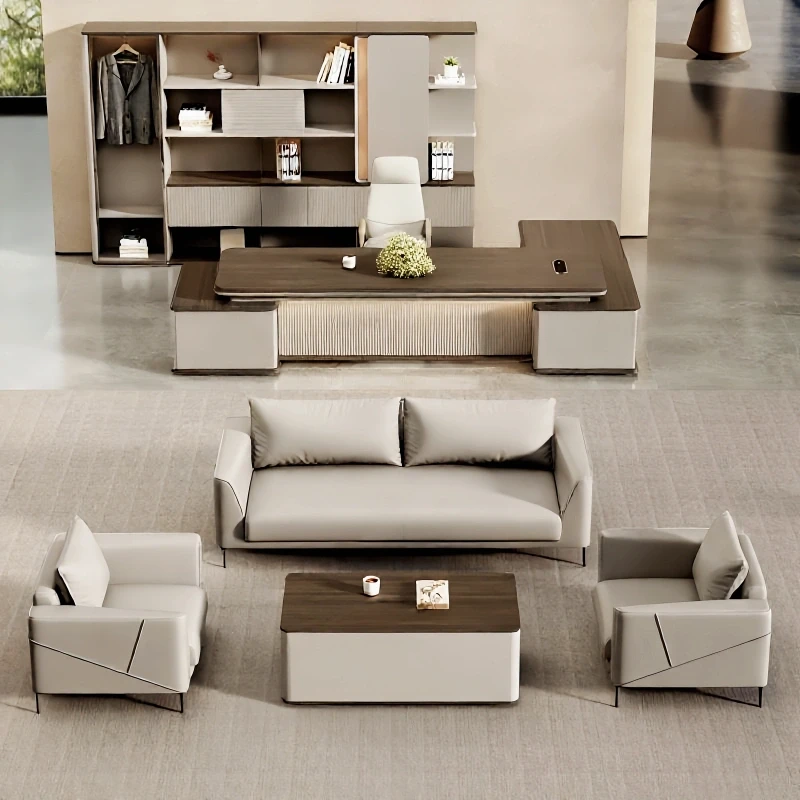
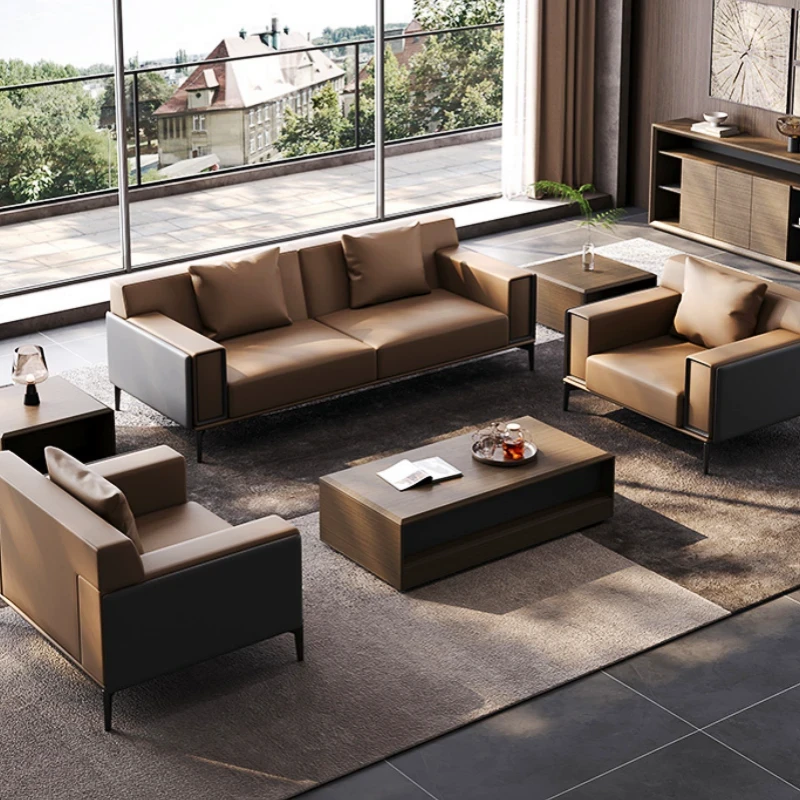
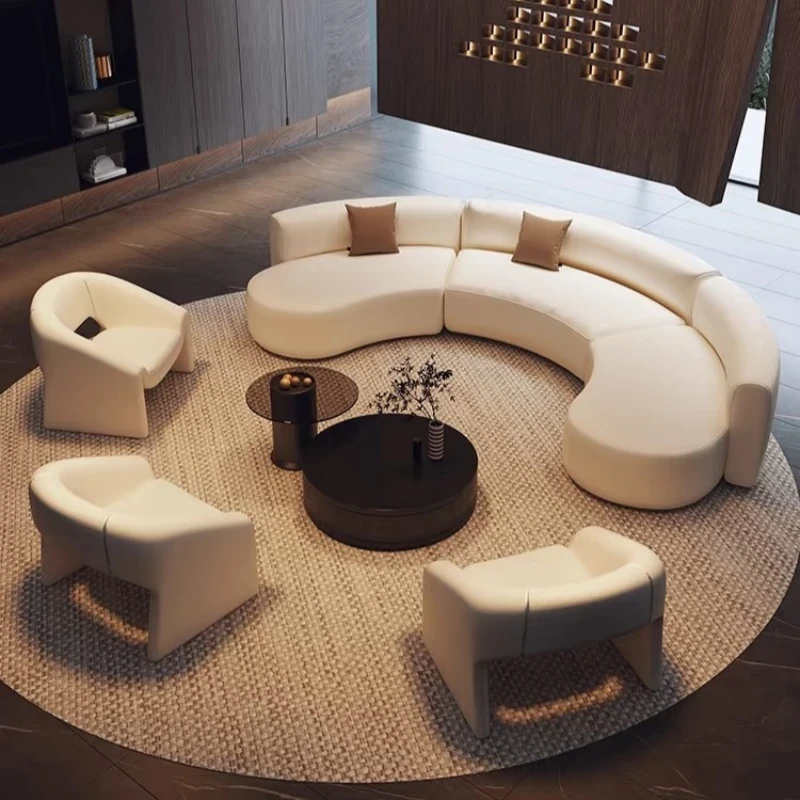
Reception and Waiting Area: The reception area should be equipped with comfortable seating and coffee tables for visitors to relax and wait. Rest area design can incorporate natural elements, such as plants or artwork, to create a warm and relaxing atmosphere.
Information and Guided Tours: The reception area should provide clear signage, promotional materials, and multimedia displays. For example, a large screen could play a brand video or promotional content on a loop to help visitors quickly understand the exhibition hall layout and exhibits.
Renderings
Exhibition Hall Design Layout
II. Brand and Image Display
Incorporating Brand Elements: The reception area is a key venue for showcasing a company's image. Brand logos, colors, fonts, and other elements should highlight the company's unique characteristics. For example, the Bank of China booth combined the concept of a circle within a square in finance with elements of ancient coins, enriching the booth's visual appeal.
Art and Decoration: Enhance the artistic quality of the space and brand recognition through art installations, sculptures, or customized decorative objects. For example, the Yanfeng exhibition hall's reception area uses curved walls and landscaping to create a stable and flowing atmosphere.
III. Environment and Atmosphere Creation
Lighting Design: The lighting should create a comfortable, warm, yet elegant atmosphere. Use warm lighting and a combination of main lights, wall lamps, and floor lamps. Spotlights can be used in key areas to create visual focus.
Material Selection: Choose high-end materials such as marble, wood veneer, or leather to enhance the space's quality. Maintain a neutral color palette, incorporating the brand's primary color palette as appropriate.
Natural Elements: Incorporate natural elements such as greenery, sunlight, and air to balance the perceived excitement of technology. For example, the Yanfeng showroom incorporates natural scenery through long strip windows, creating a tranquil reception environment.
The design of an exhibition hall's reception area is not static; it should be regularly evaluated based on visitor feedback and optimized according to actual usage. For example, the seating layout or the presentation of guided tours can be adjusted to suit visitor habits to enhance the overall experience. In short, the design of an exhibition hall's reception area should balance functionality, artistry, and experience. Through a well-designed layout, high-end materials, intelligent technology, and professional service, a comfortable, welcoming, and brand-specific reception space can be created for visitors.
Subscribe To Our Newsletter
You Can Get The News Of Our Products
SIGN UP
Contact Info
support@Guddorfiss.com
Payment Methods