
 USD
USD GBP
GBP
 EUR
EUR










What I Learned After a Year of Using a Standing Desk
Dec 16, 2025


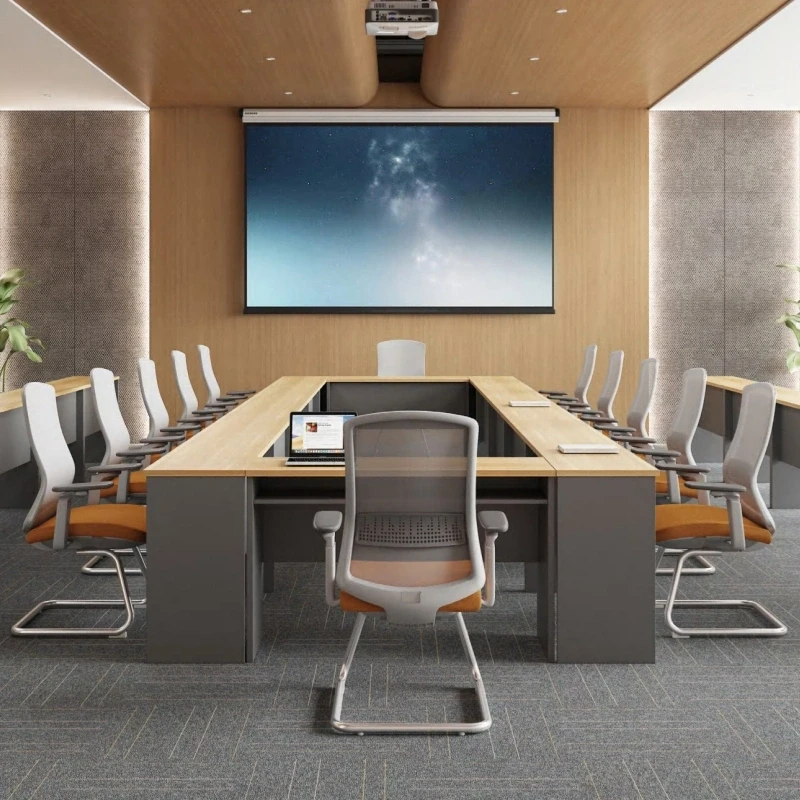
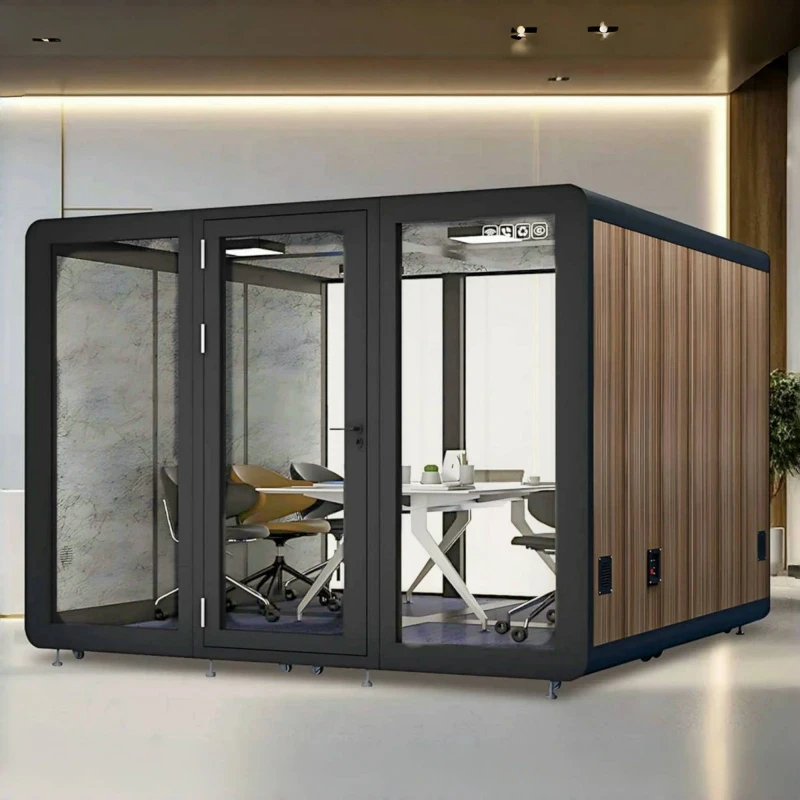
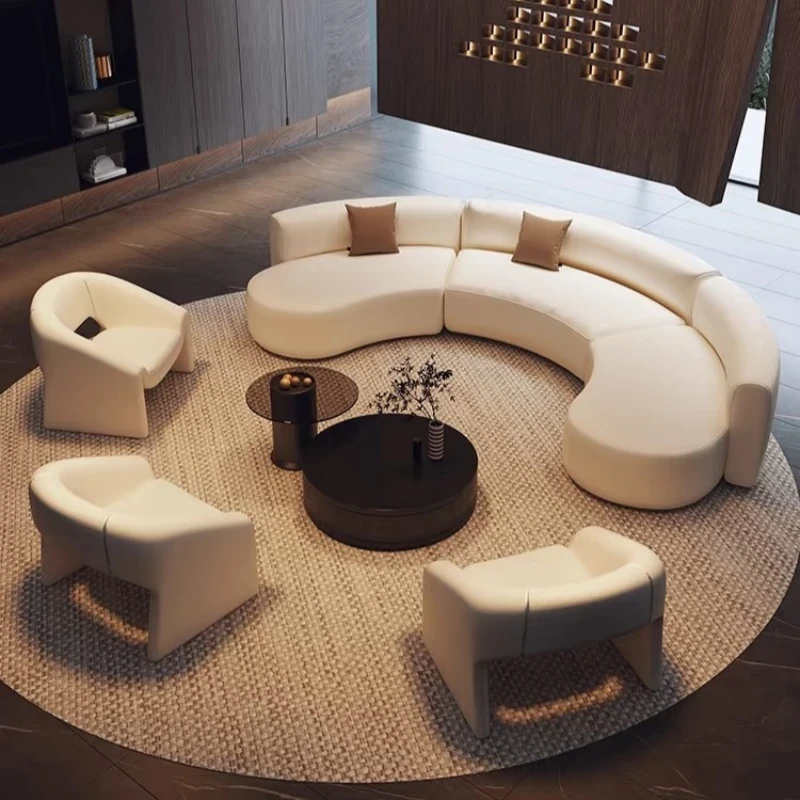
Meeting rooms play a key role in facilitating communication, collaboration, and decision-making within organizations. Choosing the right furniture can significantly impact meeting effectiveness. Here are practical suggestions for selecting suitable meeting room furniture:
1. Understand the Purpose of the Meeting Room
First, identify the primary functions of the meeting room—whether it’s used for internal team discussions, client presentations, or training sessions. Choose furniture that accommodates different meeting types and participant numbers.
2. Match Corporate Style and Image
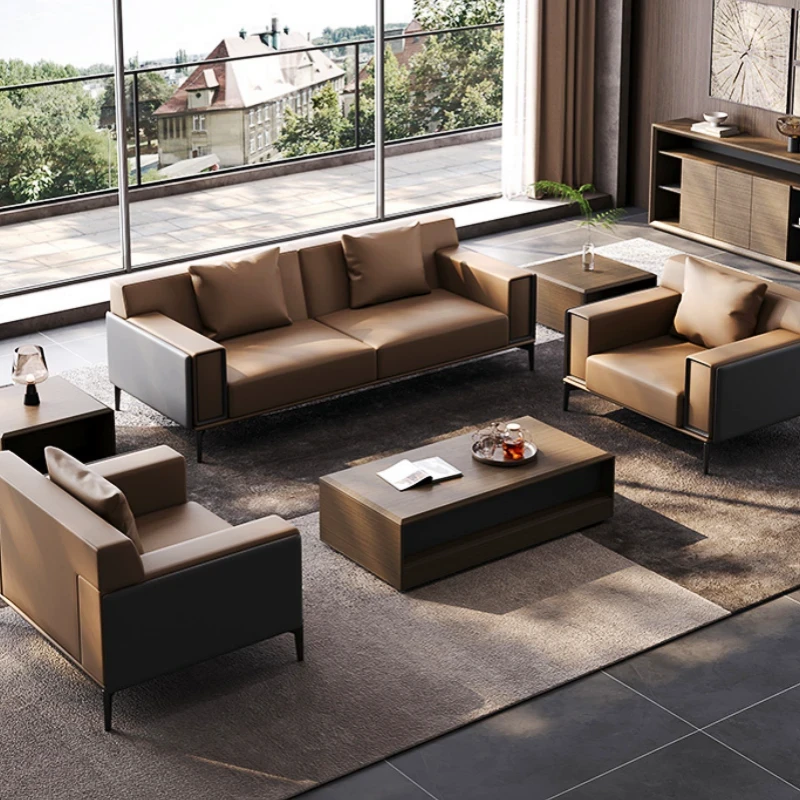
Furniture style should align with the company’s overall brand and culture. A clean, modern design enhances professionalism and reflects the organization’s identity.
3. Prioritize Comfort and Practicality
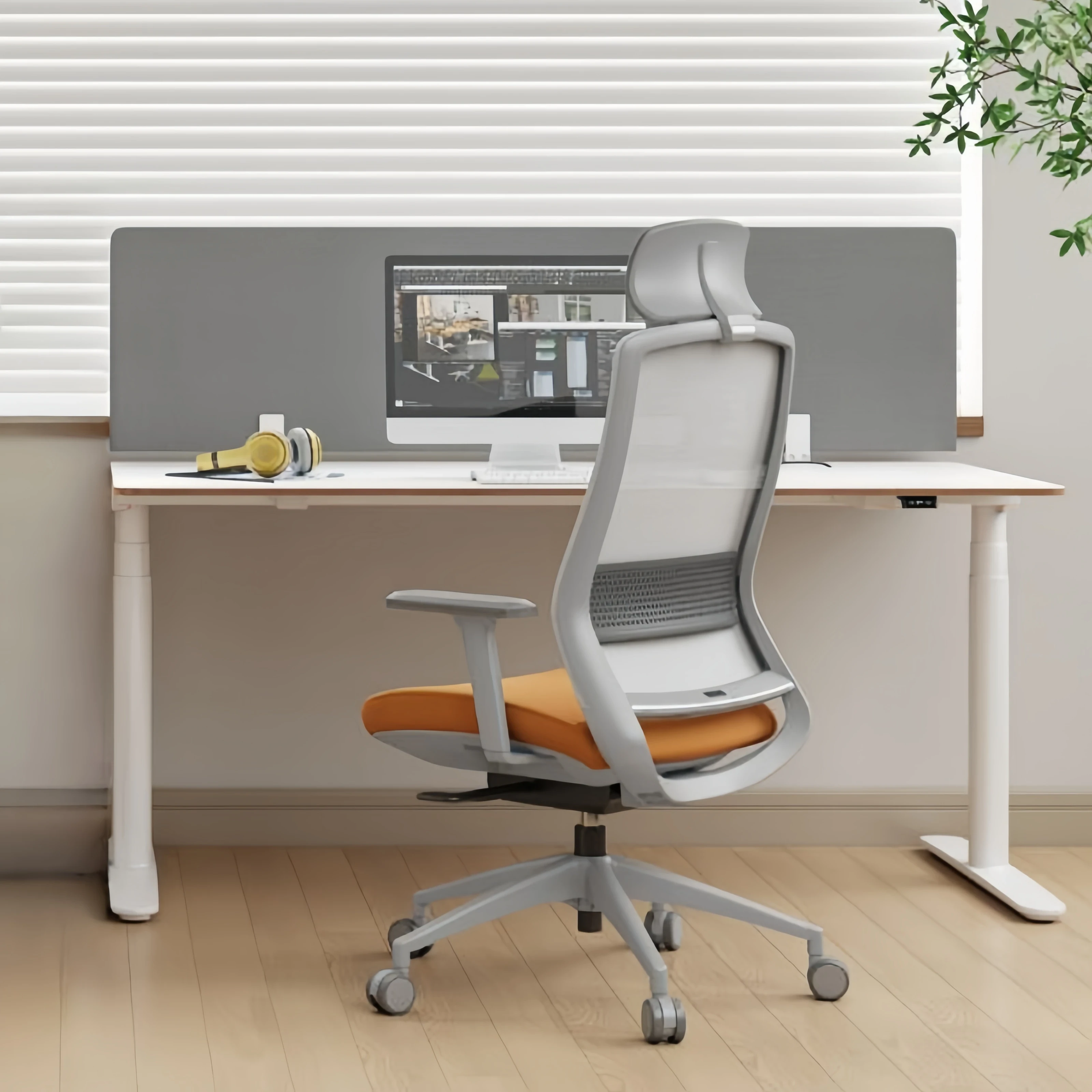
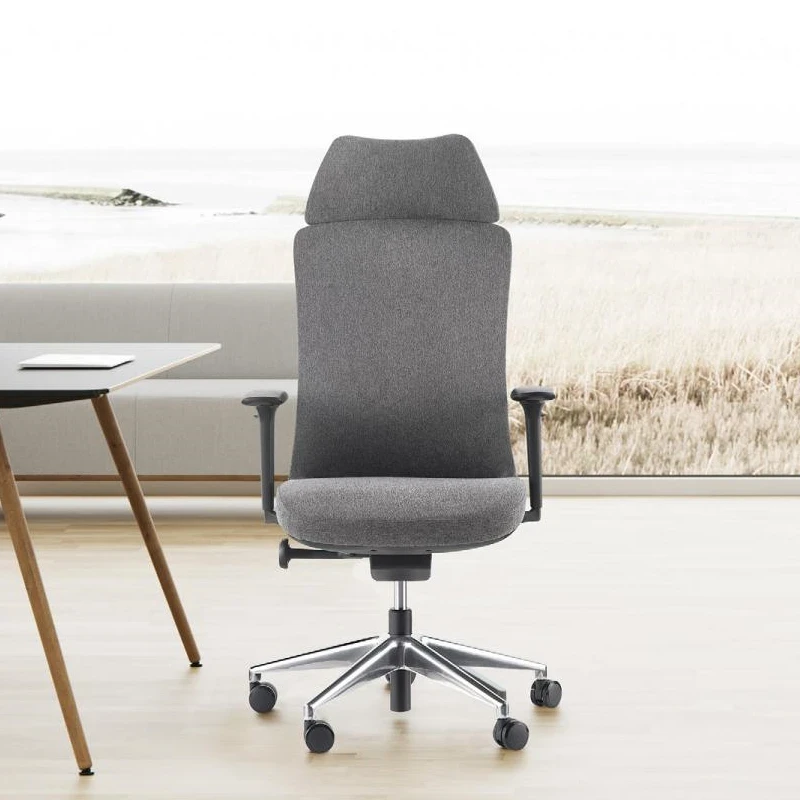
Since meetings may last for long periods, comfort is essential. Chairs should provide proper support, and tables should be sized appropriately to offer sufficient working space and ergonomic comfort.
4. Enable Flexible Space Layouts
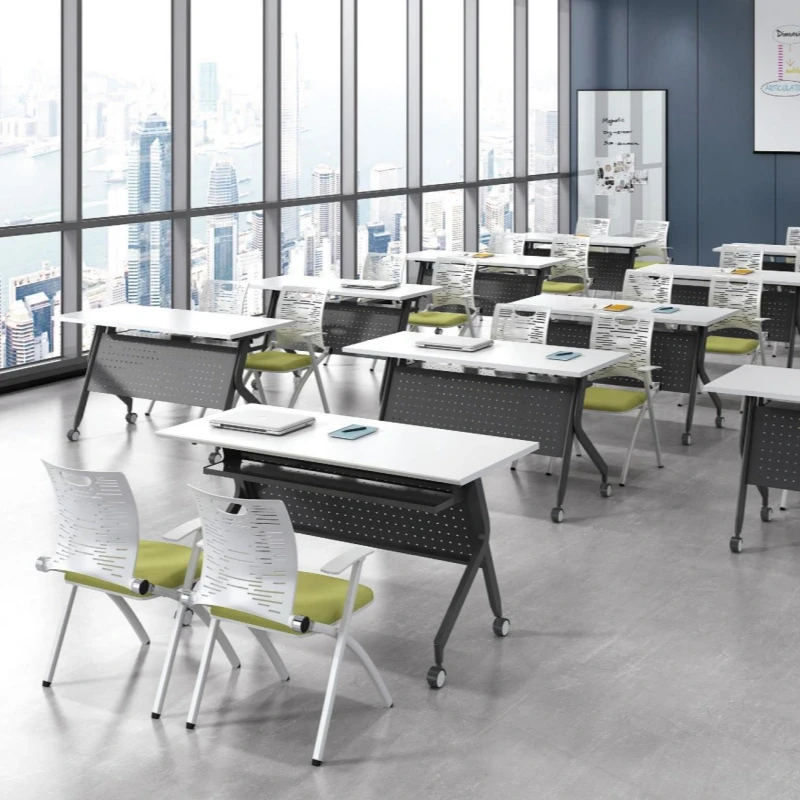
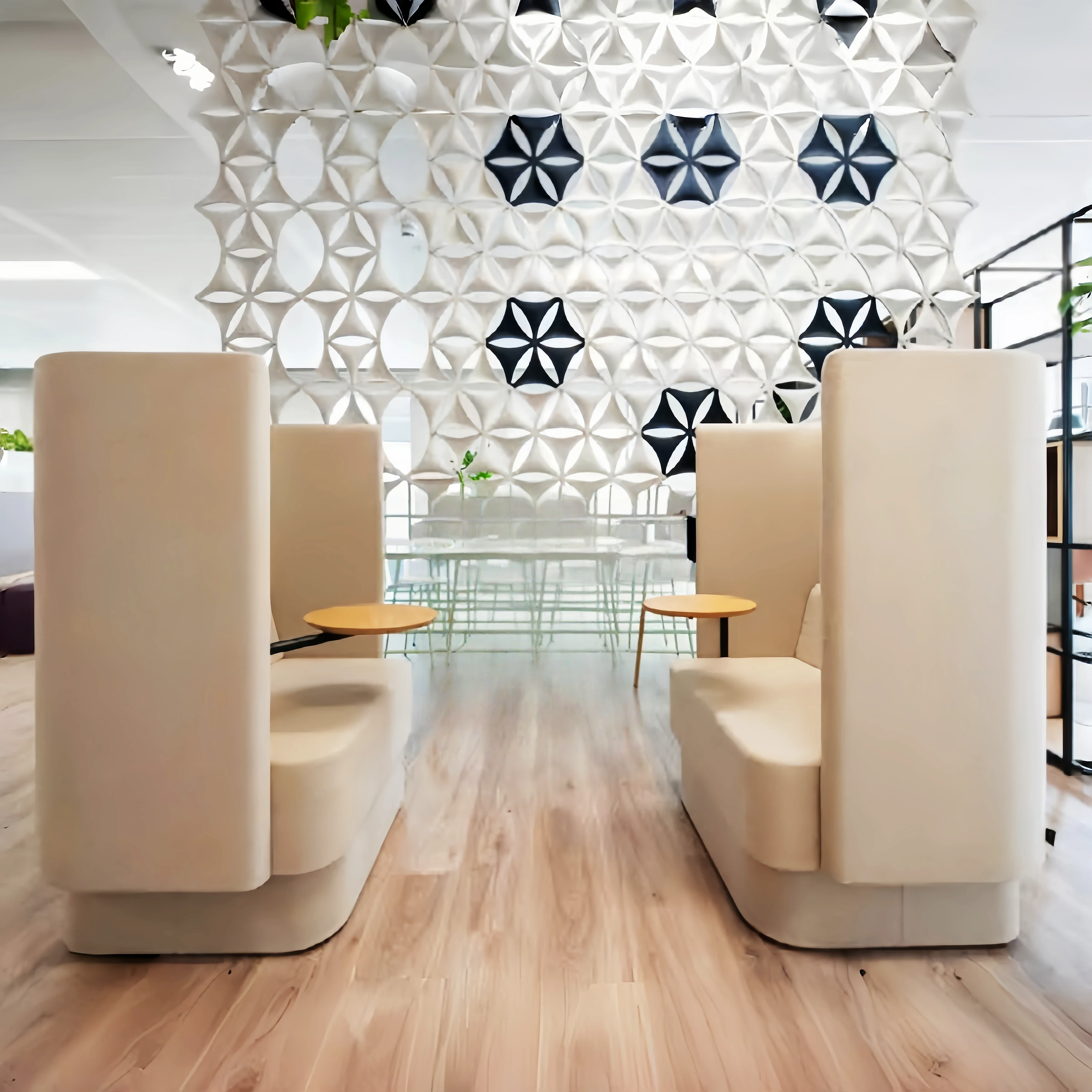
Adjustable or modular furniture increases spatial flexibility. Foldable tables and chairs allow quick reconfiguration for different meeting formats, and rotating screens or podiums enhance interaction and engagement.
5. Integrate Multimedia Equipment
Modern meeting rooms often require projectors, smart boards, and other audiovisual tools. Furniture with built-in power outlets and cable management can prevent delays and interruptions caused by power or connection issues.
6. Embrace Smart Office Concepts
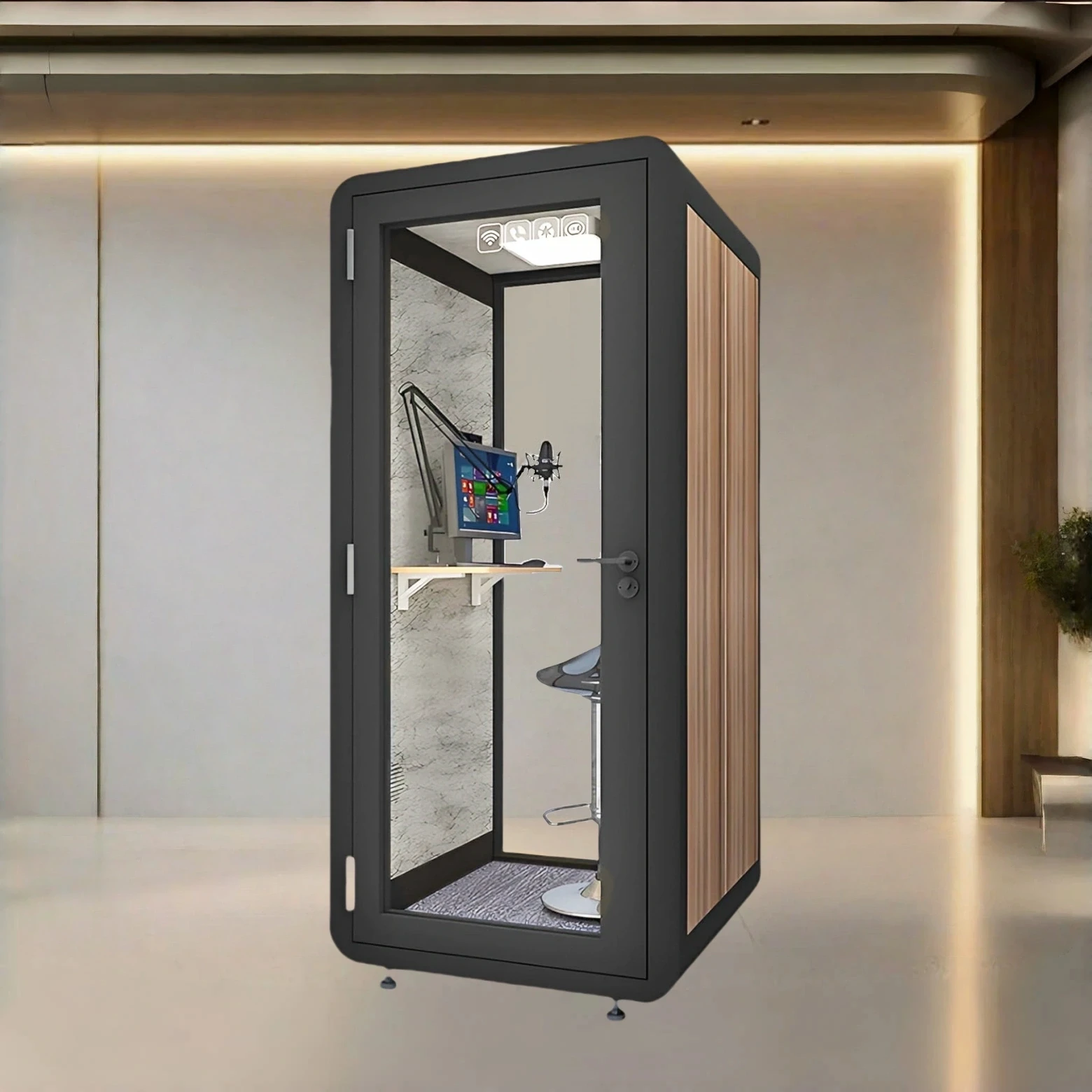
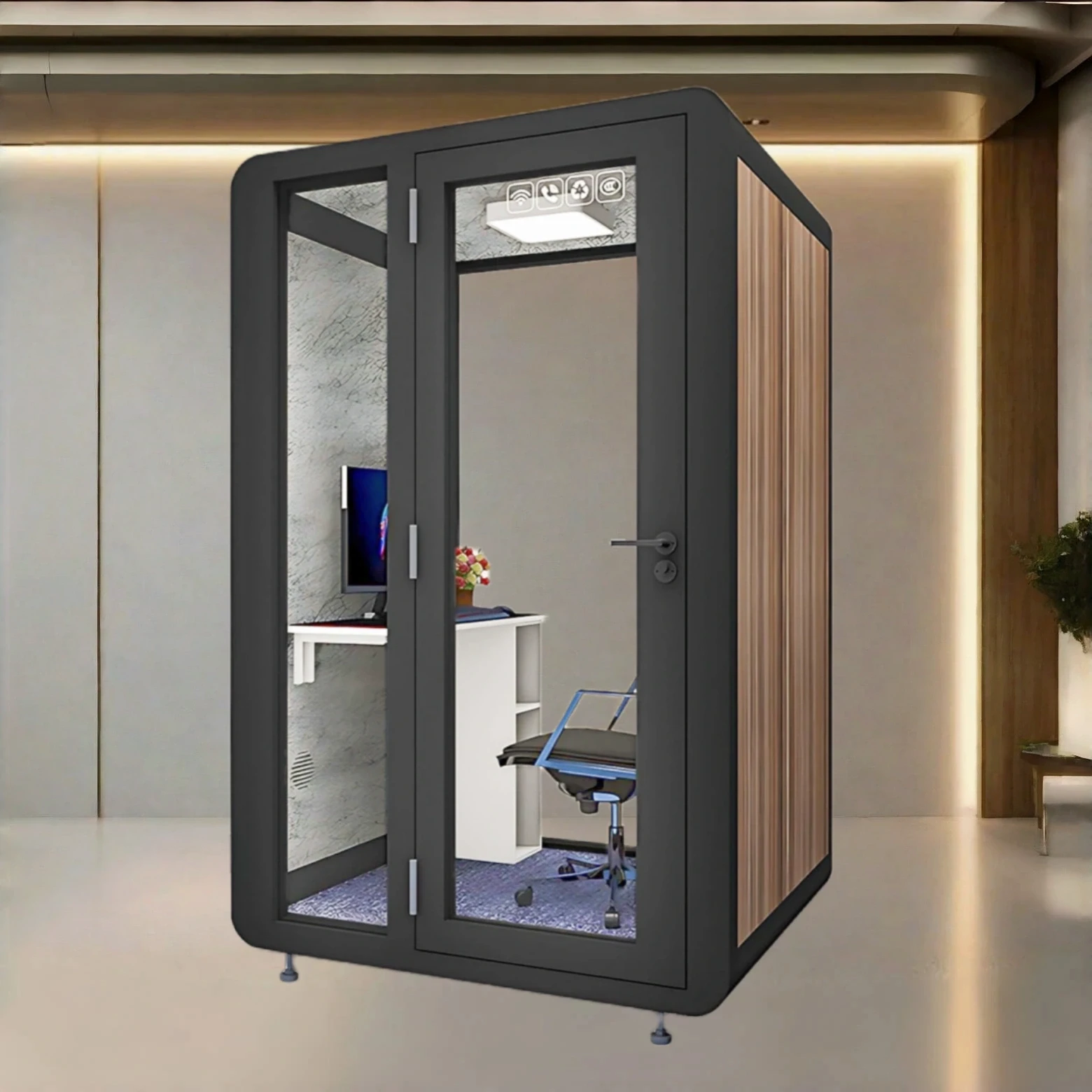
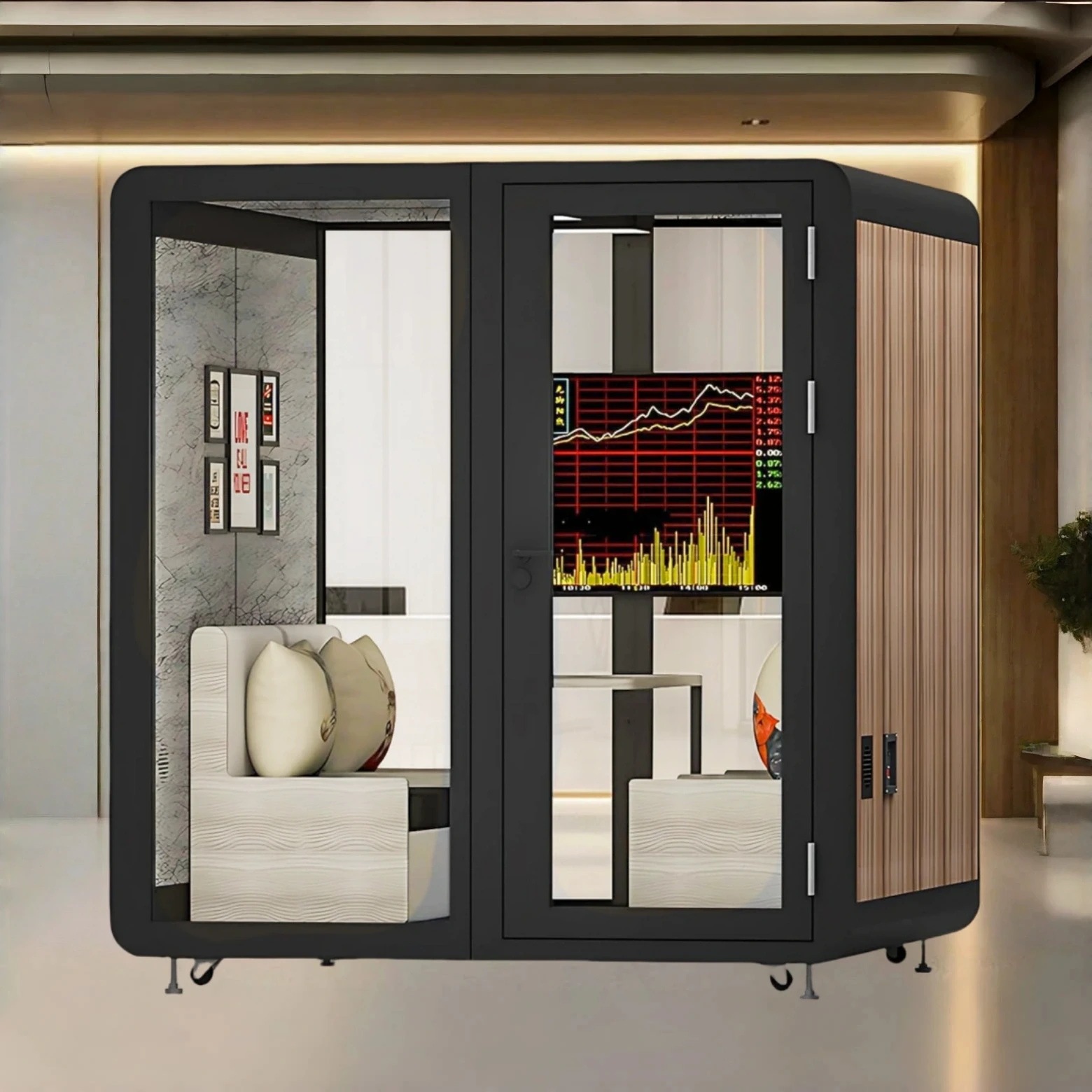
Smart furniture that supports wireless projection or video conferencing boosts communication efficiency. Integrated sound systems and acoustic materials help create a quieter, more focused meeting environment.
7. Consider Budget and Value
High-quality furniture may involve greater initial cost, but its durability and performance can reduce replacement costs over time. Evaluate long-term value and cost-effectiveness when making decisions.
Conclusion
The choice of meeting room furniture directly influences the effectiveness of meetings. By considering the room’s purpose, comfort, adaptability, audiovisual integration, and budget, organizations can foster a more productive and collaborative meeting environment.
Recommend reading
Subscribe To Our Newsletter
You Can Get The News Of Our Products
SIGN UP
Contact Info
support@Guddorfiss.com
Payment Methods