
 USD
USD GBP
GBP
 EUR
EUR









How Much Does It Cost to Reupholster a Sofa in 2025?
Dec 11, 2025


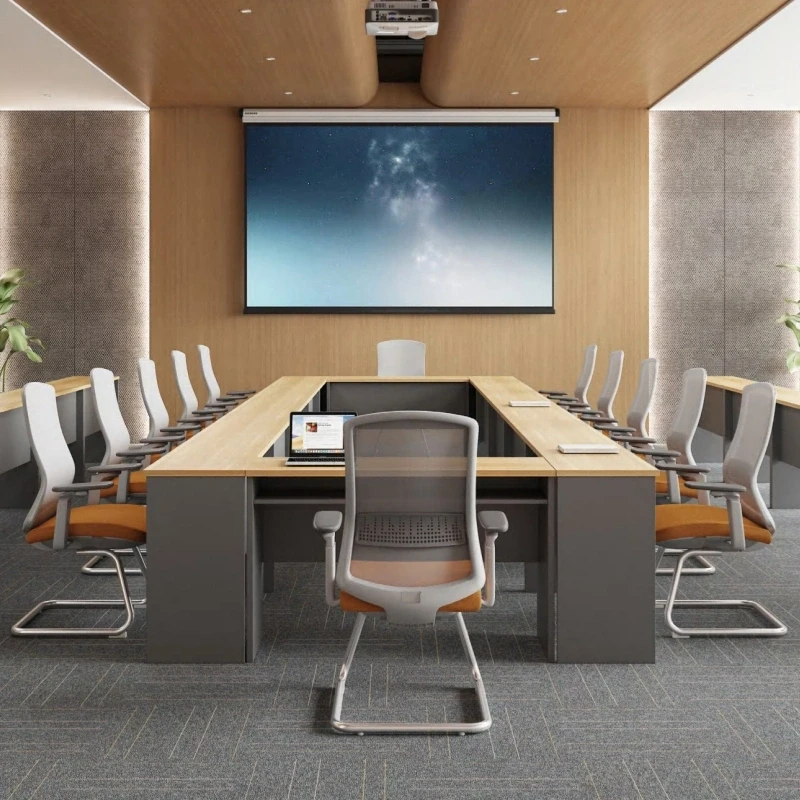
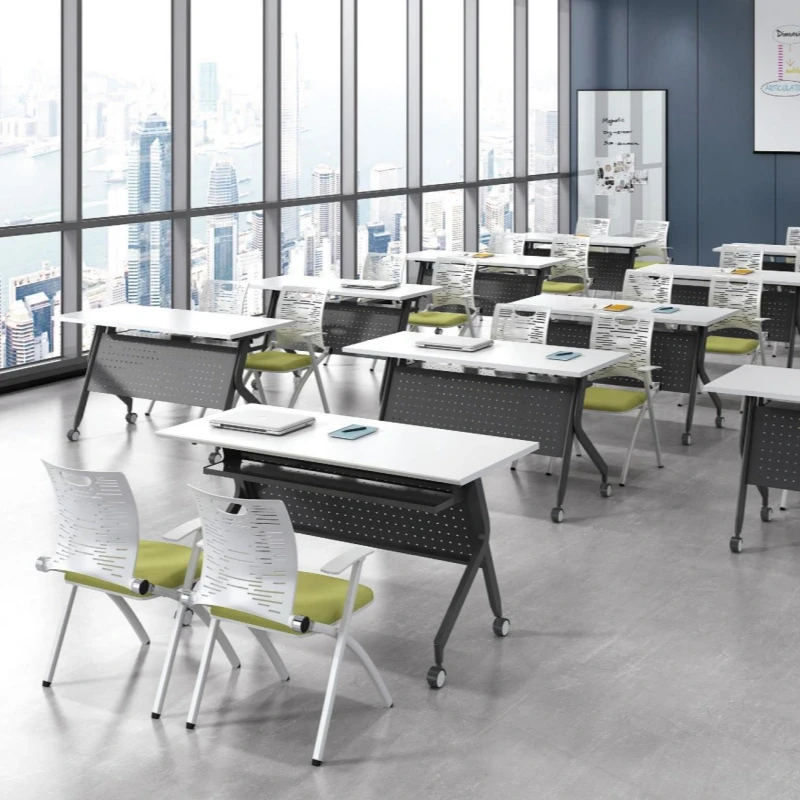
In a corporate office environment, the choice of a conference table is not only about aesthetics and brand image, but also directly impacts meeting efficiency and employee experience. Besides materials and environmental friendliness, size, design style, and functional requirements are also crucial factors in the decision-making process.
Size Selection: Precise Matching of Space and Purpose
The size of the conference table should be scientifically planned based on the physical space of the meeting room and the actual usage scenarios. For example, large corporations typically require long tables (such as 3.6 meters or longer) to accommodate more than 10 people. These tables need to ensure sufficient legroom and desktop area to support multi-person collaboration. Smaller meeting rooms may be better suited to oval or rectangular tables of medium size (such as 1.8-3 meters), which can meet the needs of team discussions while avoiding wasted space. Furthermore, the type of meeting should be considered: strategic decision-making meetings may require a more formal, symmetrical long table to reflect authority; while brainstorming or creative meetings might prefer round or irregularly shaped designs to promote equal communication and inspire creativity.
In-depth Material Analysis: Balancing Performance and Aesthetics
1. Solid Wood: High-end solid wood conference tables are favored for their natural grain and durability. For example, high-quality woods such as black walnut, maple, or cherry wood not only have a warm touch but can also be enhanced with carving and inlay techniques to improve the design. However, solid wood is sensitive to environmental humidity and requires regular maintenance to prevent cracking and deformation.
2. Engineered Wood: Made from multiple layers of wood or wood fibers pressed together, it is less expensive and more stable than solid wood, making it suitable for companies with limited budgets but a desire for a modern look. However, users should be wary of formaldehyde emissions from low-quality composite boards and prioritize products that meet E0 or CARB certification standards.
3. Metal and Glass Combination: The combination of a steel frame and a glass tabletop has become popular in recent years for technology companies or minimalist office spaces. Steel provides structural strength, while glass enhances the sense of spaciousness, but attention should be paid to the fragility of the glass and whether the cold, hard feel of the metal aligns with the company culture.
Environmental Protection and Health: Strict Control from Materials to Production Chain
Environmental friendliness is not only reflected in the materials themselves but also in the manufacturing process. For example, using water-based paint instead of traditional oil-based paint for solid wood furniture can significantly reduce VOC (volatile organic compound) emissions; composite materials should utilize sustainably sourced wood certified by the FSC (Forest Stewardship Council), and ensure that adhesives and edge banding processes meet international environmental standards. Furthermore, furniture formaldehyde emissions must pass authoritative tests such as EN 717-1 or GB 18580 to avoid long-term health risks to employees.
Brand and Customization: The Dual Demand for Reliability and Personalization
Choosing conference tables from well-known brands usually provides more reliable quality assurance and after-sales service. For example, while suppliers on the Alibaba platform offer diverse options, their qualifications (such as years of production experience and customer reviews) should be carefully verified. Simultaneously, customized design is becoming a trend – companies can customize conference tables based on conference room layout, brand colors, and even functional requirements (such as integrated power outlets and hidden cable management), maximizing space utilization and ensuring brand consistency.
Multi-dimensional Decision-making for Maximizing Value
The selection of conference tables requires comprehensive consideration of size suitability, material characteristics, environmental standards, brand reliability, and design flexibility. Companies should conduct on-site measurements, analyze needs (such as meeting types and frequency), and rigorously vet supplier qualifications to ultimately find the optimal solution that meets aesthetic requirements while ensuring functionality and health. This not only enhances the professionalism of the office environment but also demonstrates the company's commitment to employee health and sustainable development through attention to detail.
Subscribe To Our Newsletter
You Can Get The News Of Our Products
SIGN UP
Contact Info
support@Guddorfiss.com
Payment Methods