
 USD
USD GBP
GBP
 EUR
EUR


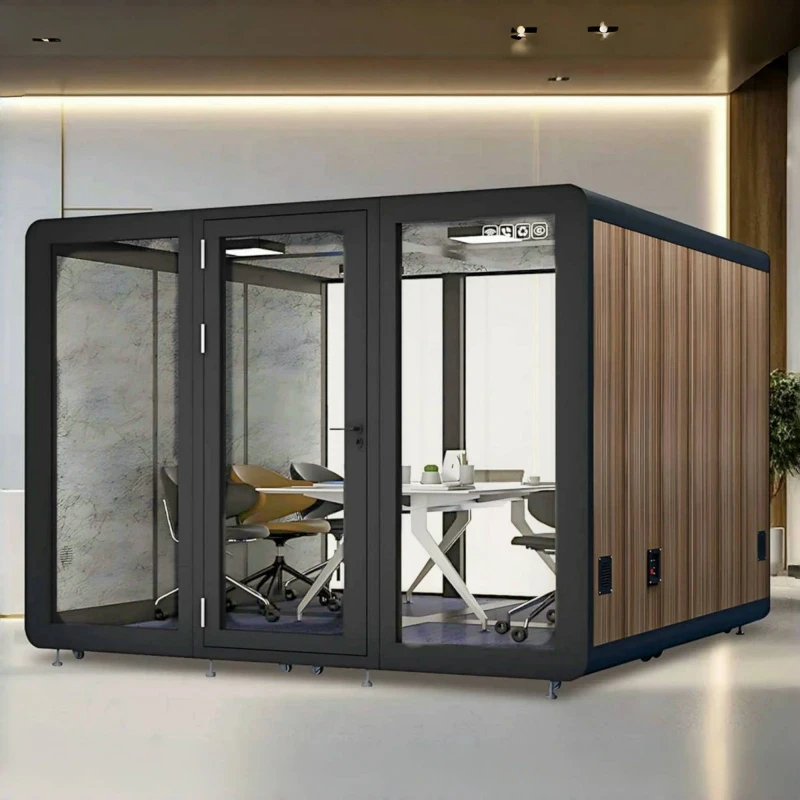
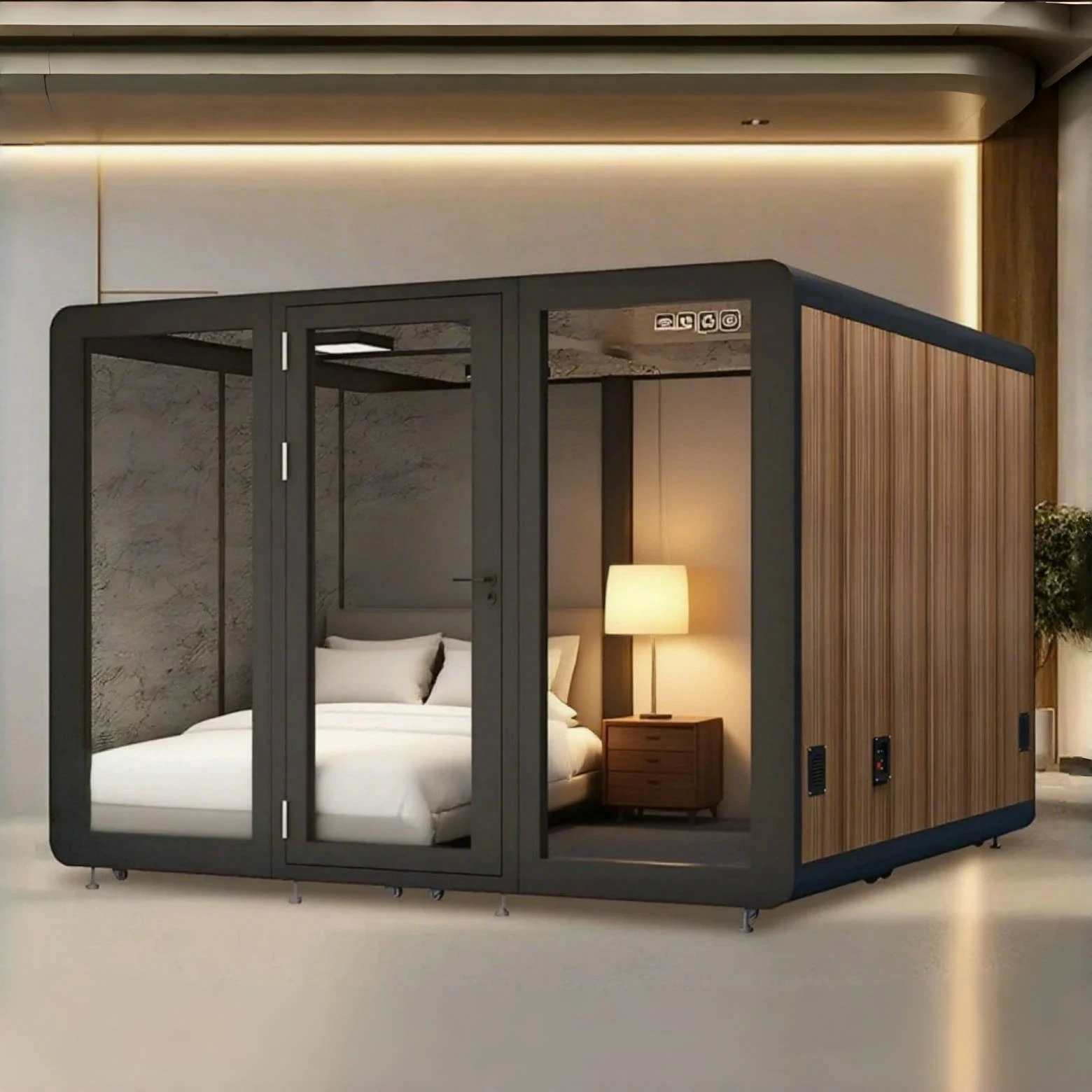







How to Choose Reception Room Furniture to Enhance the First Impression on Clients
Dec 09, 2025


Office space design is not only a reflection of spatial aesthetics but also a carrier of corporate culture and management efficiency. The selection and placement of office furniture, as a core aspect of environmental design, directly impacts employee work experience, team collaboration efficiency, and the company's professional image. The following discussion elaborates on this from three dimensions: selection criteria, placement principles, and comprehensive management strategies, providing a systematic reference for enterprises.
I. Core Criteria for Office Furniture Selection
The selection of office furniture should adhere to the basic principles of "practicality, environmental protection, and compliance," while also considering corporate culture and employee needs.
1. Frugality and Environmental Protection as Guiding Principles
According to the requirements of the "Guidelines for Specifications and Performance of General Office Furniture for Central Administrative Institutions," the selection, manufacturing, transportation, use, and disposal of office furniture should all comply with national standards for resource conservation and green, healthy, and environmentally friendly practices.<sup>1</sup> For example, prioritize materials that meet environmental certification standards (such as renewable wood and low-formaldehyde boards), which reduces the burden on the environment and aligns with the sustainable development concept of modern enterprises. Furthermore, avoid luxurious furniture and emphasize a "simple and practical" and "solemn and serious" style to reflect the company's pragmatic spirit.<sup>1</sup> 2. Scientifically Develop an Allocation Plan
Enterprises need to comprehensively consider existing furniture inventory, organizational and personnel changes, and office needs to scientifically develop an allocation plan. For example, internal assets can be prioritized to meet needs through internal reallocation; if internal allocation is insufficient, cross-departmental and cross-level public asset warehouse reallocation mechanisms can be utilized to avoid resource waste caused by duplicate purchases.<sup>1</sup> This planned allocation not only reduces procurement costs but also improves asset utilization efficiency.
3. Focus on Employee Needs and Flexibility
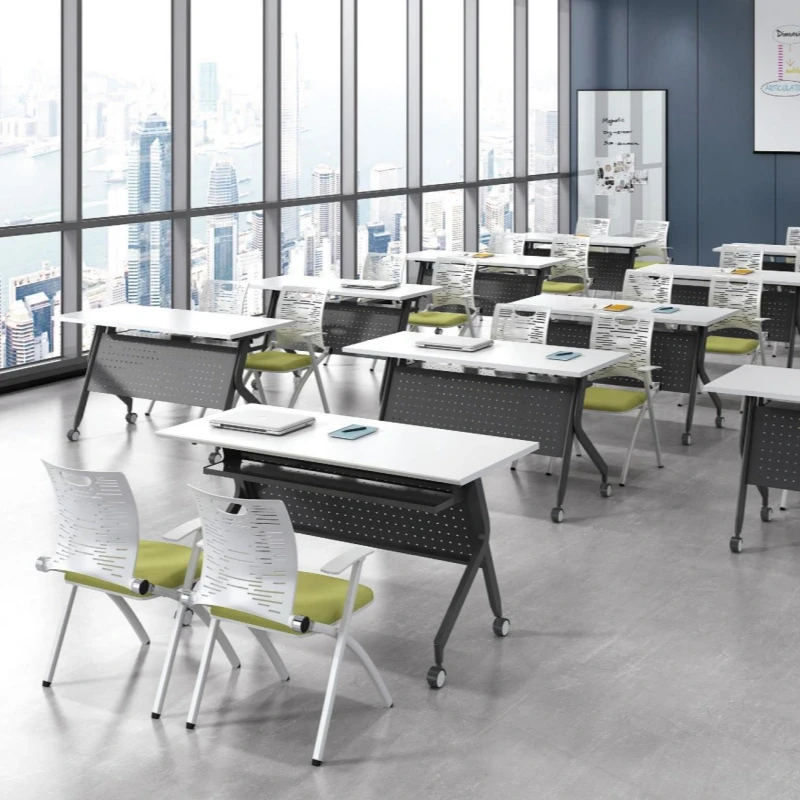
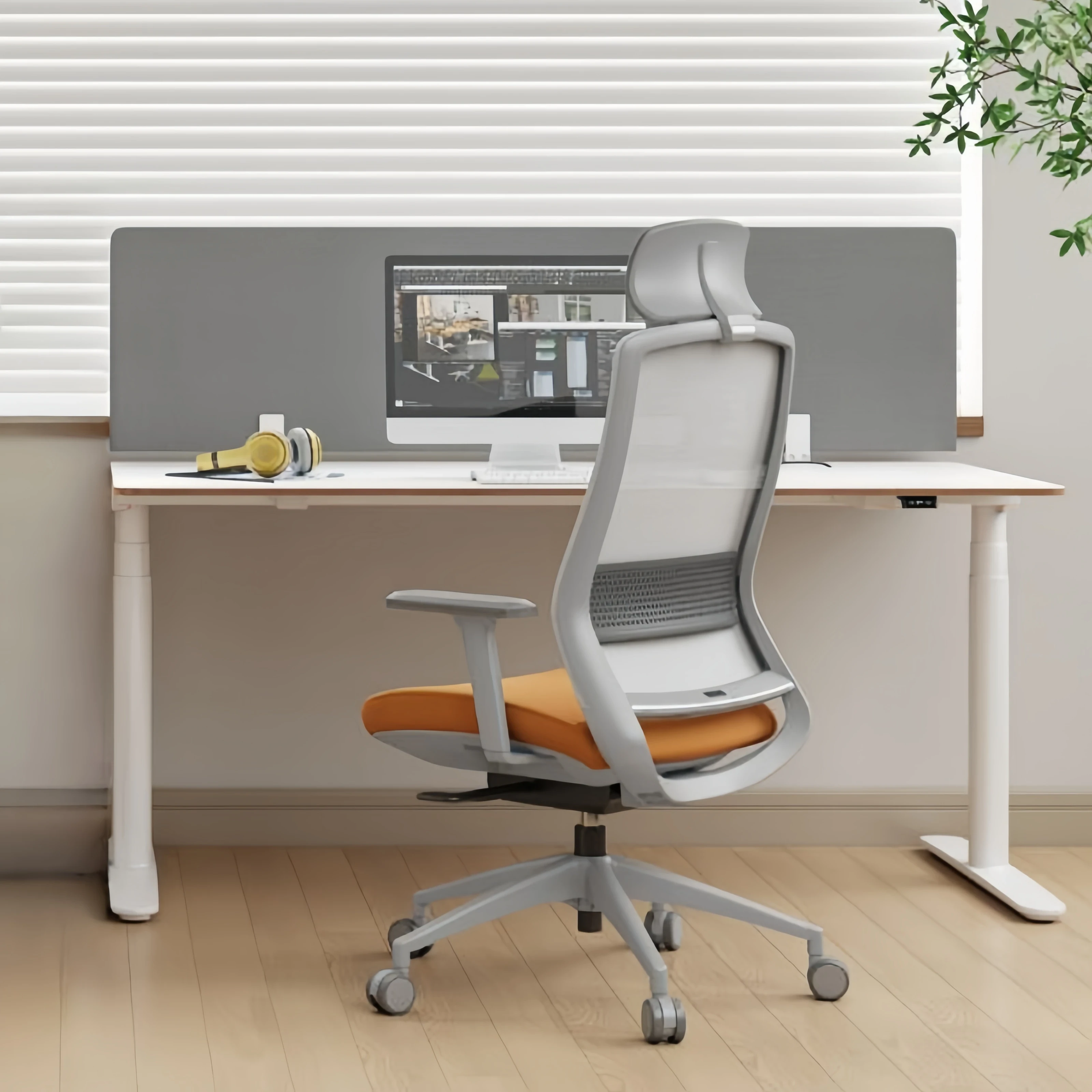
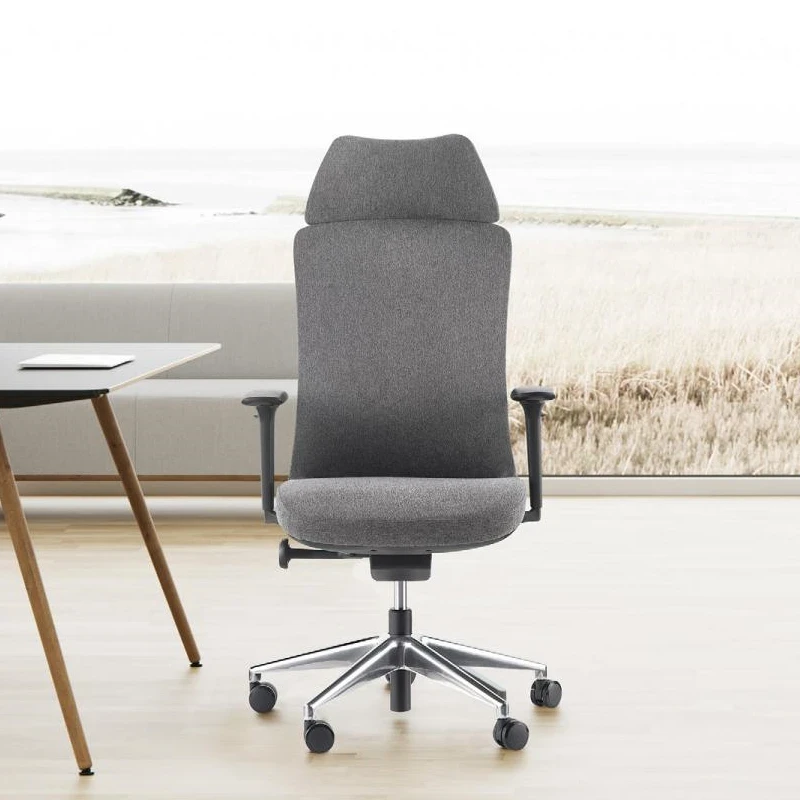
When selecting furniture, priority should be given to employees' individual needs and work habits. For example, equip employees who frequently use computers with spacious desks and height-adjustable chairs to reduce the health risks associated with prolonged sitting; simultaneously, choose modular and expandable furniture (such as modular filing cabinets and movable partitions) to adapt to future changes in business scale or team structure. Flexible design can significantly reduce redundant investment caused by space adjustments.
4. Balance Quality and Maintenance Costs
While high-quality office furniture requires a higher initial investment, its durability and stability reduce long-term maintenance and replacement costs. Furthermore, furniture design should facilitate daily maintenance and cleaning. For example, choose styles with smooth surfaces and simple structures to avoid affecting the cleanliness of the office environment due to cleaning difficulties.
II. Key Principles of Office Furniture Placement The placement of office furniture should follow the logic of "function first, reasonable traffic flow, and harmonious environment," meeting practical needs while optimizing the spatial experience.
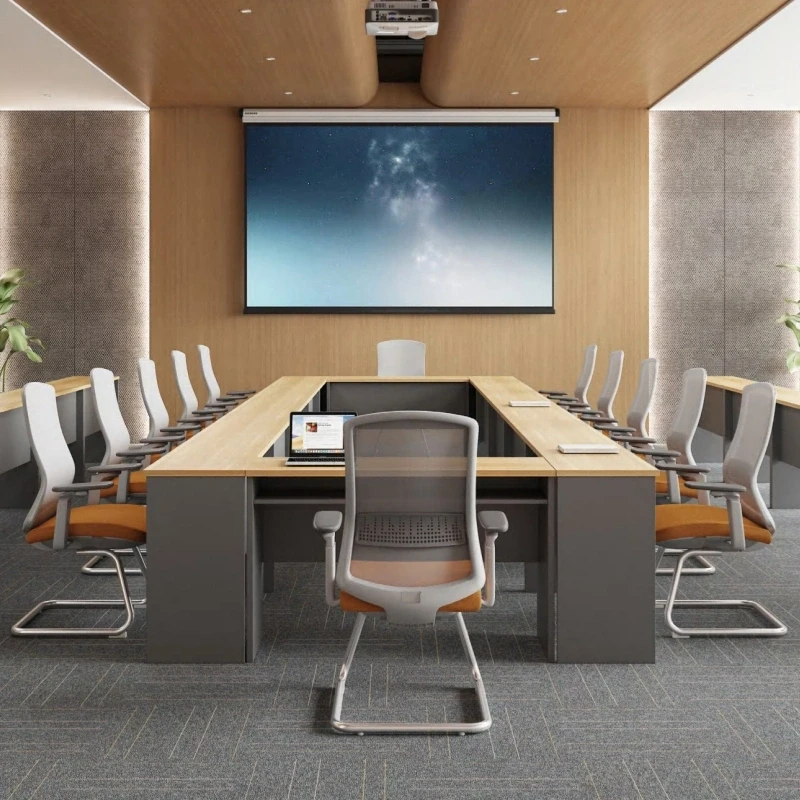
1. Space Planning and Traffic Flow Design The layout of office space should avoid excessive furniture accumulation, especially in small offices. Choose appropriately sized furniture to leave sufficient space for movement.2 For example, lockers and storage furniture should be placed in easily accessible locations for employees while ensuring they do not obstruct passageways. The size of conference tables should be adjusted according to the actual number of users, ensuring the comfort of participants and smooth eye contact.2 In terms of traffic flow design, ensure that employees' walking paths within the office area are not blocked by furniture, reducing efficiency losses caused by overcrowding.
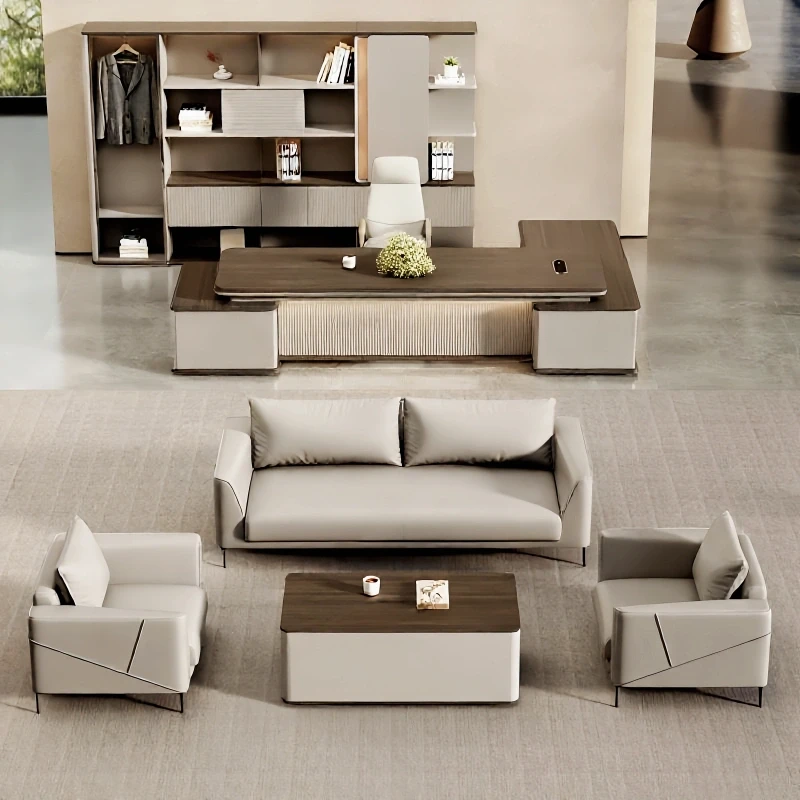
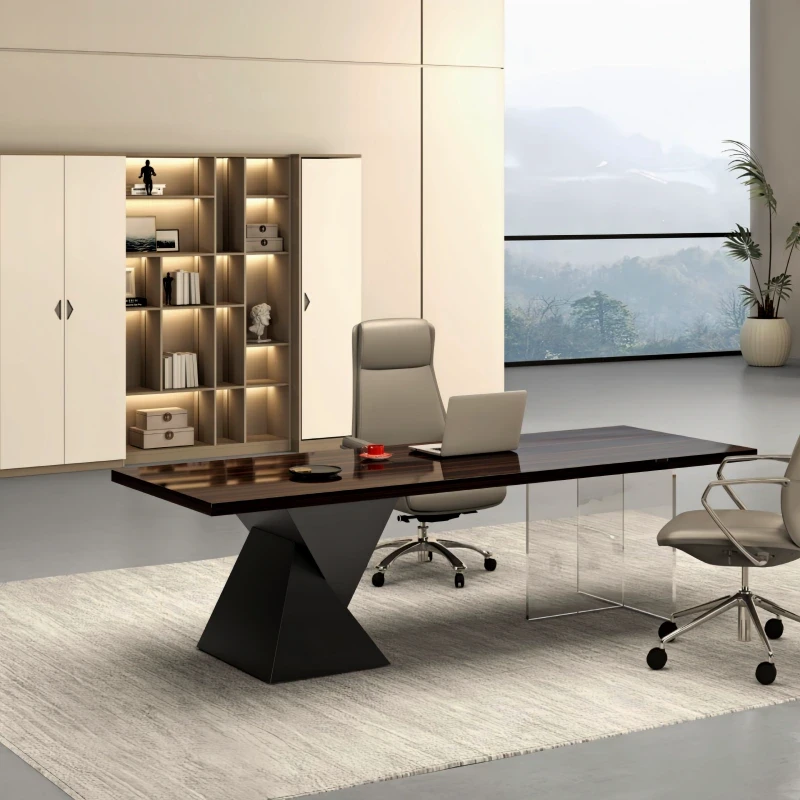
2. The Special Nature of Management Offices The office furniture for management personnel (such as presidents and department heads) should be differentiated from that of employees to reflect hierarchical differences. For example, the CEO's desk should be larger than employees' desks, with a clear view in front to enhance the decision-maker's sense of spatial control. Simultaneously, there should be a solid wall behind the desk and chair for support, avoiding a window or corridor behind it to reduce external interference and enhance a sense of security. Furthermore, the furniture style in the manager's office should coordinate with the overall corporate decoration style, but can be enhanced with details (such as materials and color shades) to reinforce a sense of authority.
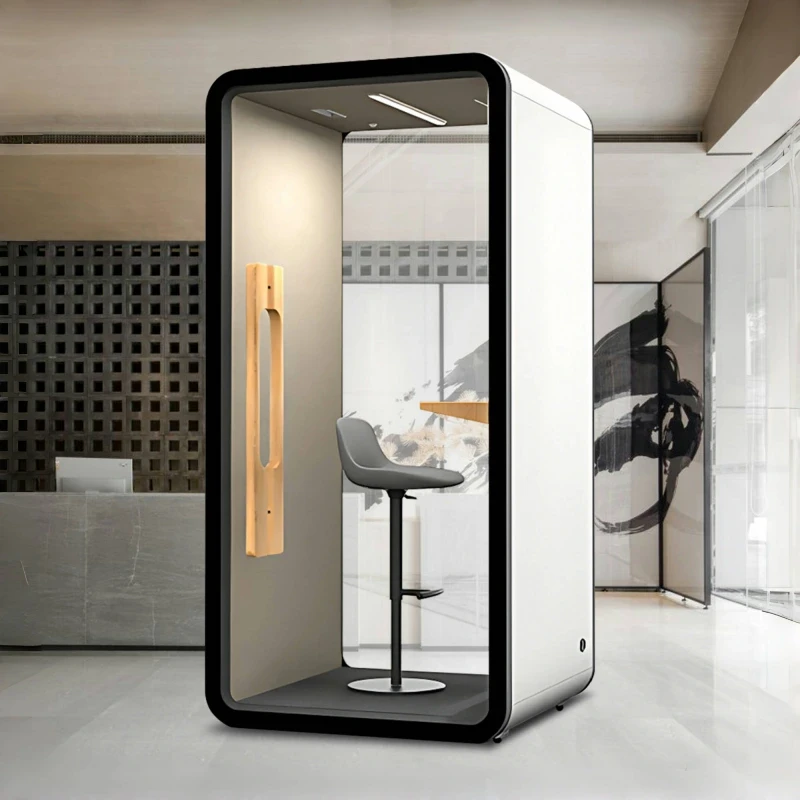
3. Optimization Strategies for Employee Workspaces The placement of furniture in employee workspaces should balance privacy and collaboration. For example, if the office has no windows or is small, avoid placing desks directly opposite the door or without a wall behind them to reduce noise interference and psychological unease. For office areas with windows, the ideal position for a desk is with a wall behind it and a window on the left (for good lighting and ventilation), and no frequently moving sources of disturbance outside the window (such as corridors or stairwells). In addition, the layout of sockets and cables needs to be planned in advance to ensure that employees do not need to frequently move or pull on the cables when using electronic devices. 4. Feng Shui and Psychological Considerations
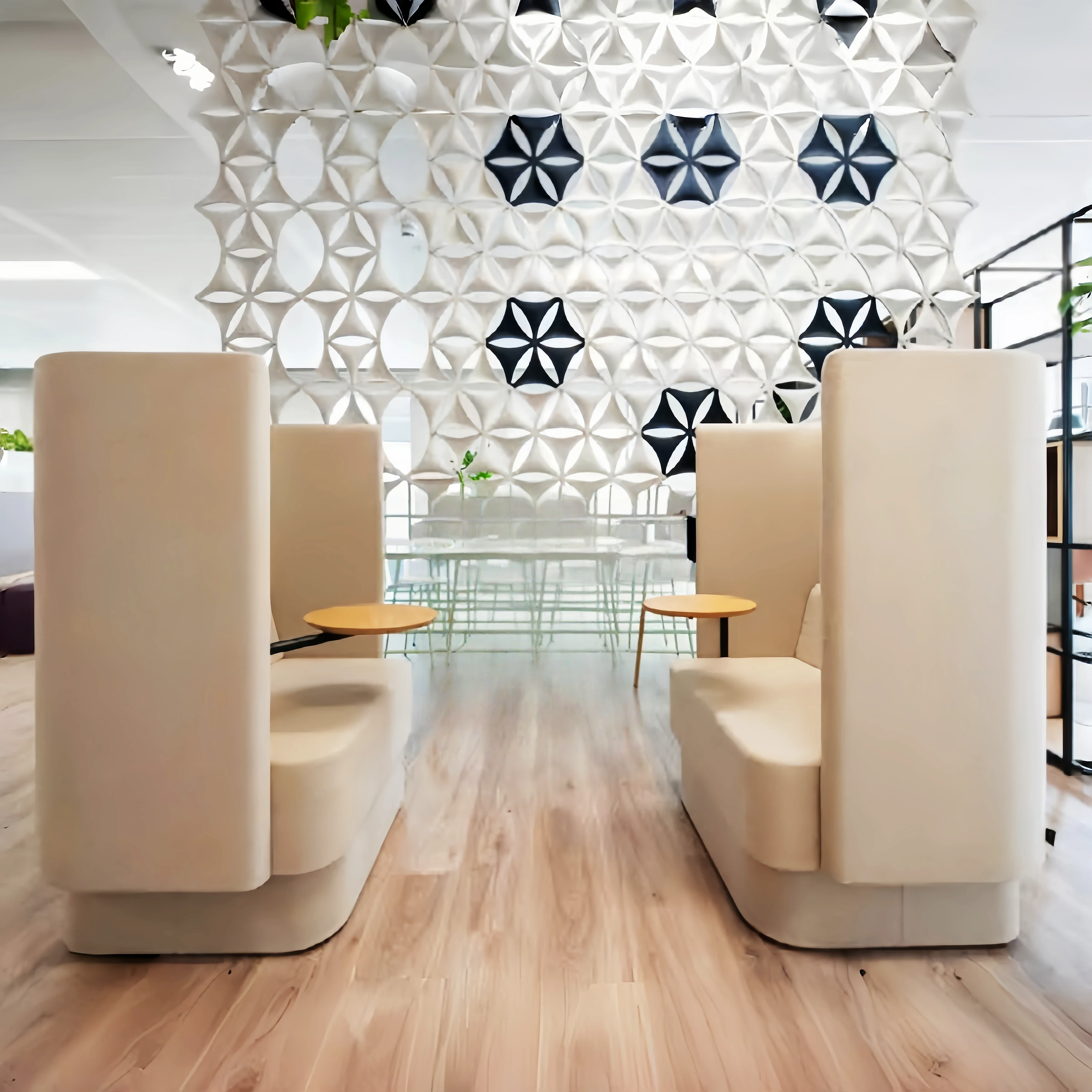
While feng shui theory is not scientifically based, its influence on the psychological feeling of a space can serve as a reference. For example, an office desk should not be positioned with its back to a door or window, as this layout can easily make people feel insecure. At the same time, a spacious "life-giving area" should be reserved in front of the desk to enhance employees' positive mood. Furthermore, the use of screens or partitions can effectively divide space, protecting privacy while avoiding the discomfort caused by an empty space behind the desk.<sup>2</sup>
III. Comprehensive Management Strategy: Optimization Throughout the Procurement and Disposal Cycle
The selection and placement of office furniture is not a one-time project but requires dynamic management throughout its entire lifecycle.
1. Usage Responsibility and Maintenance Mechanism
Companies should establish a "Usage Responsibility List System," clearly defining the responsibilities of the user and manager of each piece of furniture, regularly checking the condition of the furniture, and promptly proposing repair, maintenance, or replacement needs.<sup>1</sup> For example, regularly perform moisture-proofing treatments on filing cabinets and lubricate and maintain office chairs to extend their lifespan and protect employee health.
2. Disposal and Resource Reuse
Furniture that can still be used after repair should be prioritized for repair and reuse; furniture that has reached its scrap date but is still usable should continue to be used to avoid waste.<sup>1</sup> Furthermore, approved disposal procedures should be made public to ensure transparency.<sup>1</sup> This management strategy not only meets environmental protection requirements but also reflects the company's social responsibility.
3. Deep Integration with Interior Design Style
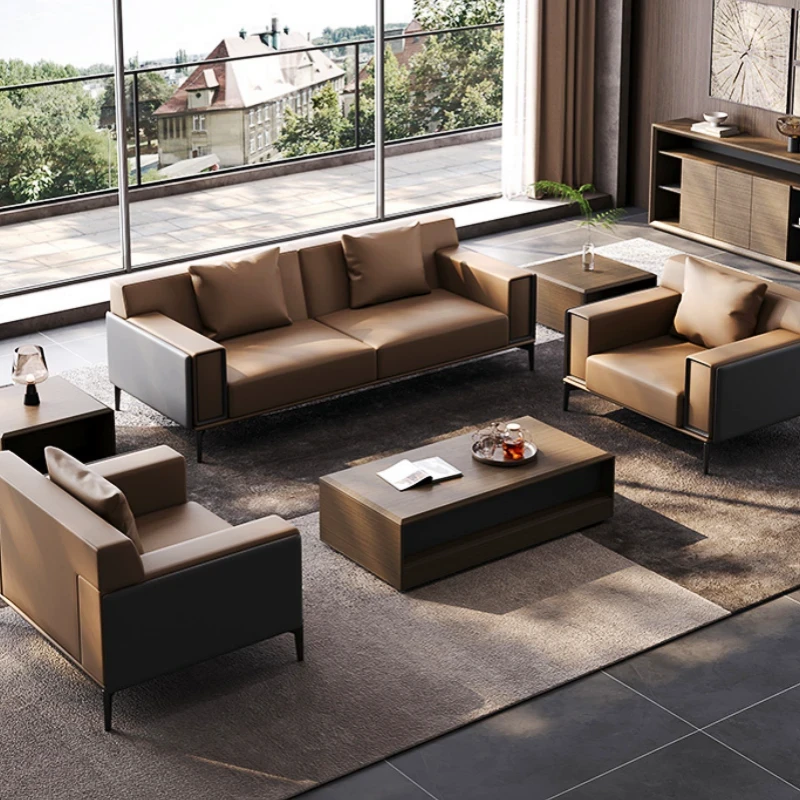
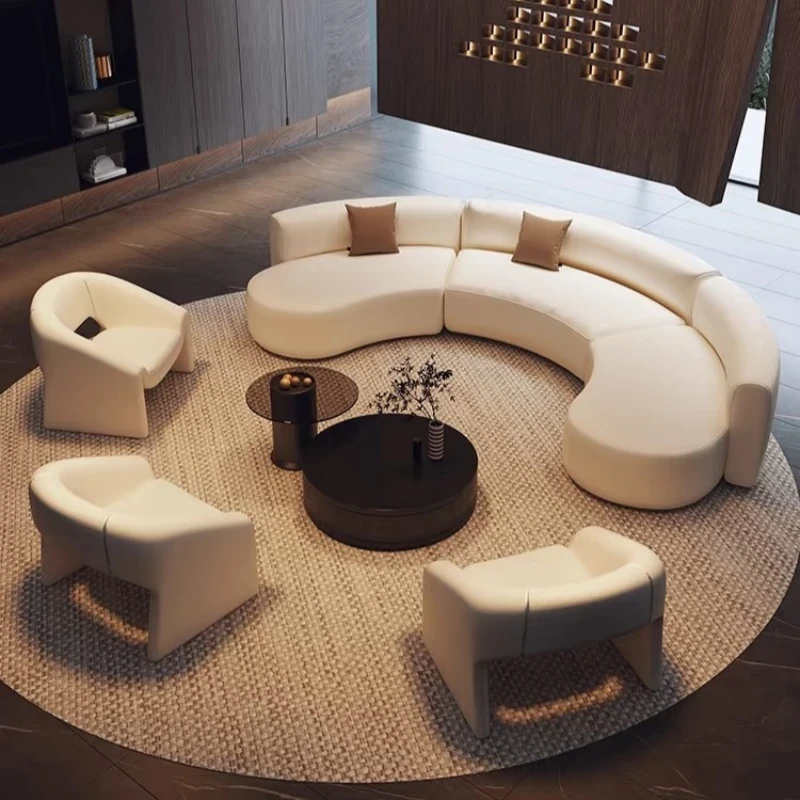
The color and material of the furniture should be consistent with the office's interior design style. For example, a modern minimalist office is suitable for furniture with simple lines and neutral colors (such as white and light wood), avoiding overly flashy combinations; while a traditional office can use dark wood furniture to enhance a sense of stability. A unified style can enhance the professionalism of the corporate image while creating a harmonious visual experience.
IV. The Value of Professional Design
The selection and placement of office furniture involves multiple dimensions of knowledge, including space planning, ergonomics, and aesthetic design. Companies can leverage the expertise of professional office furniture design companies. For example, designers can propose customized furniture layout solutions based on office area, lighting conditions, and team collaboration patterns, ensuring both functionality and aesthetics are met.<sup>2</sup> For complex spaces (such as windowless offices or areas with unique structures), professional design is particularly important. It can effectively avoid problems such as "empty space behind" and "obstructed views," improving the overall comfort and efficiency of the environment.
The selection and placement of office furniture is the cornerstone of corporate office environment design, requiring comprehensive planning from three aspects: compliance, practicality, and aesthetics. Through scientific configuration, rational layout, and full-cycle management, companies can not only optimize employee work experience but also strengthen their professional image externally, laying a solid foundation for long-term development.
Subscribe To Our Newsletter
You Can Get The News Of Our Products
SIGN UP
Contact Info
support@Guddorfiss.com
Payment Methods