
 USD
USD GBP
GBP
 EUR
EUR


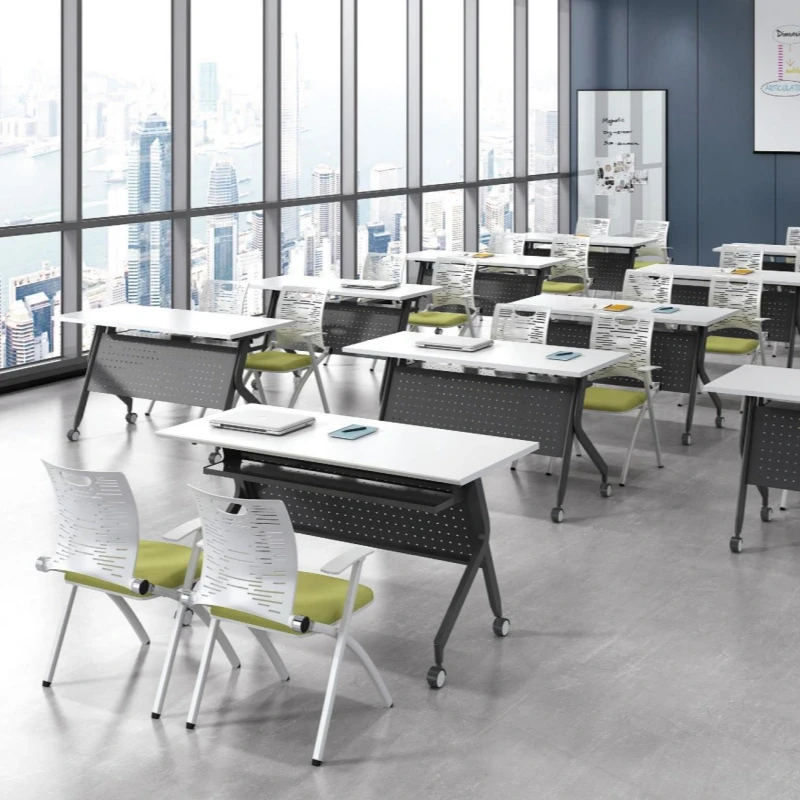
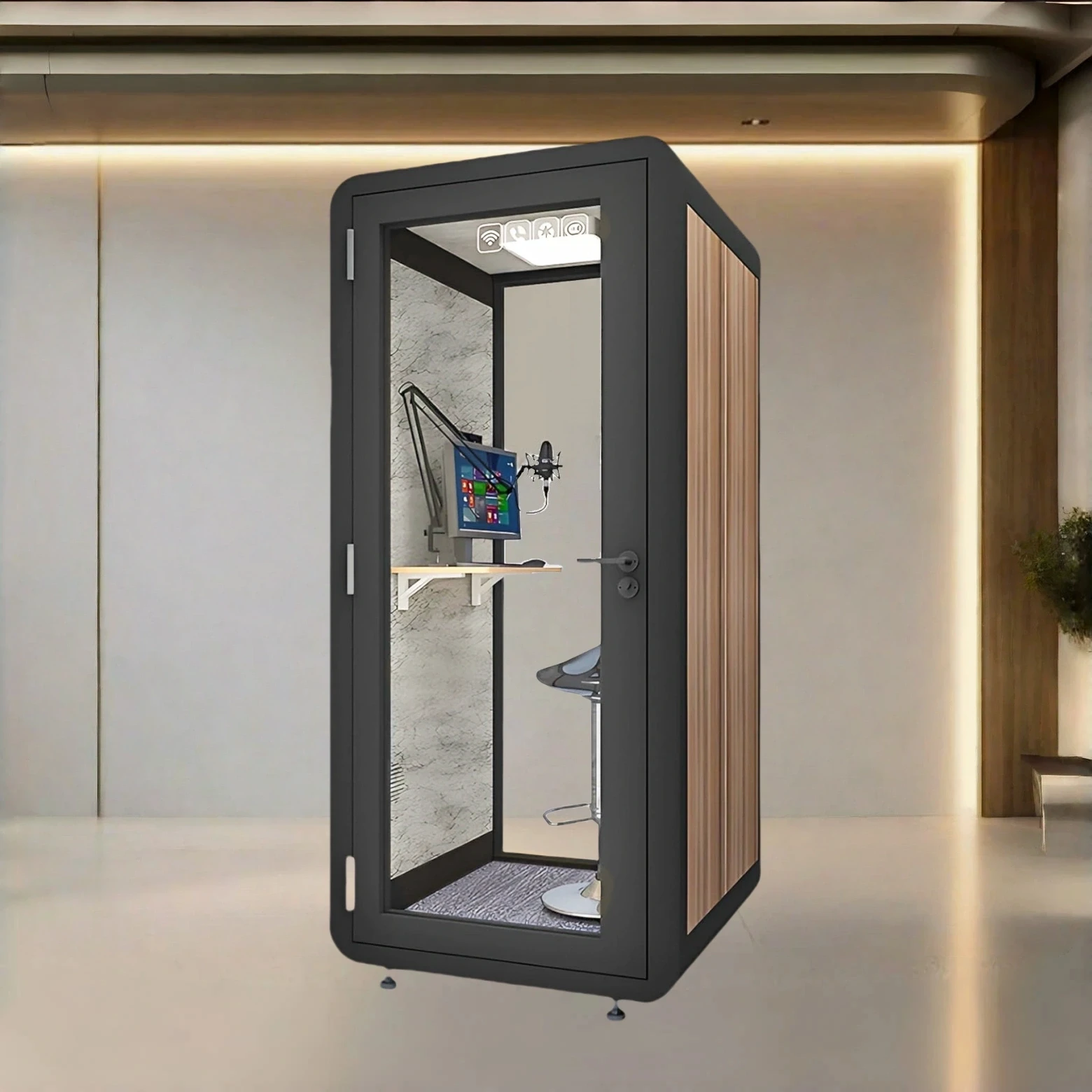
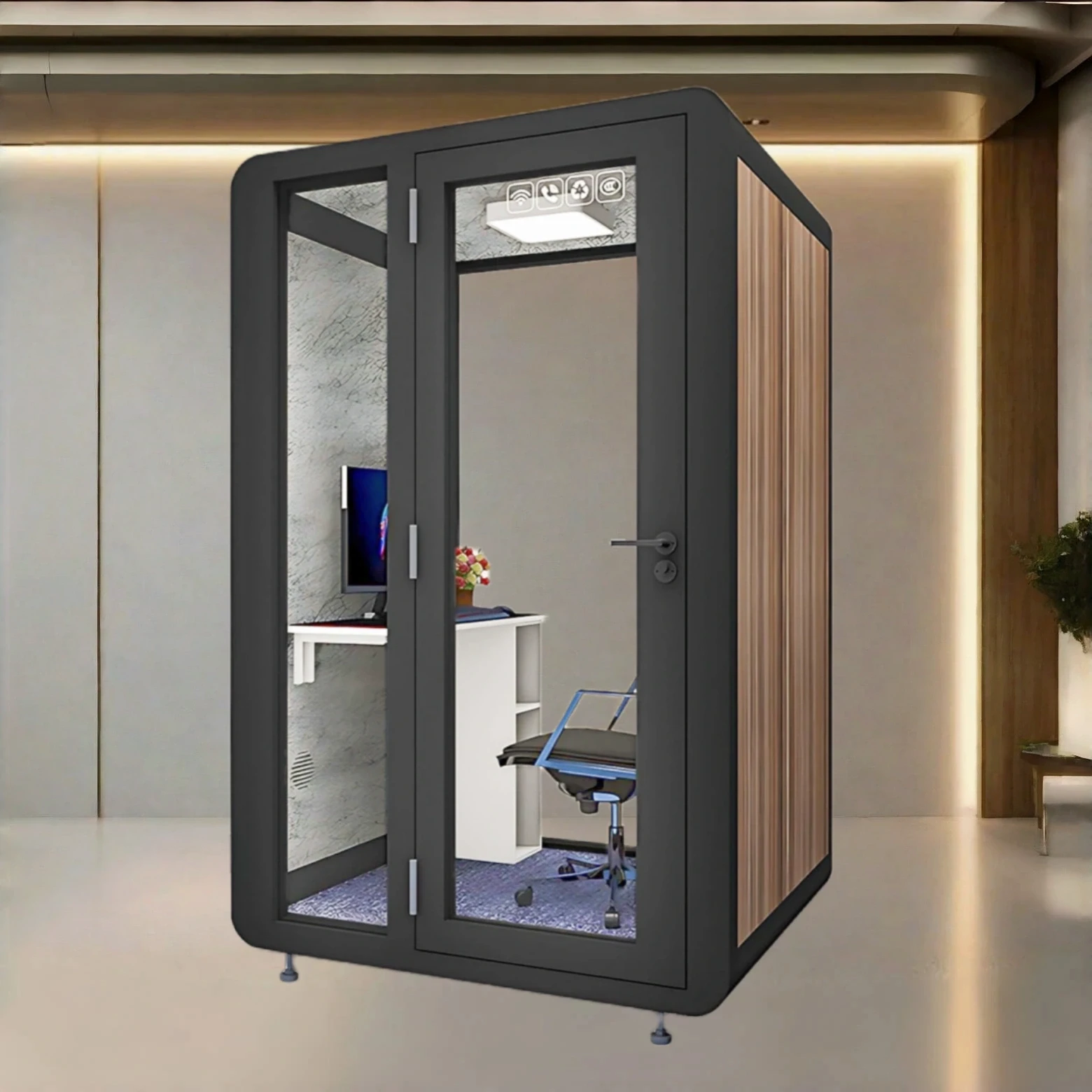
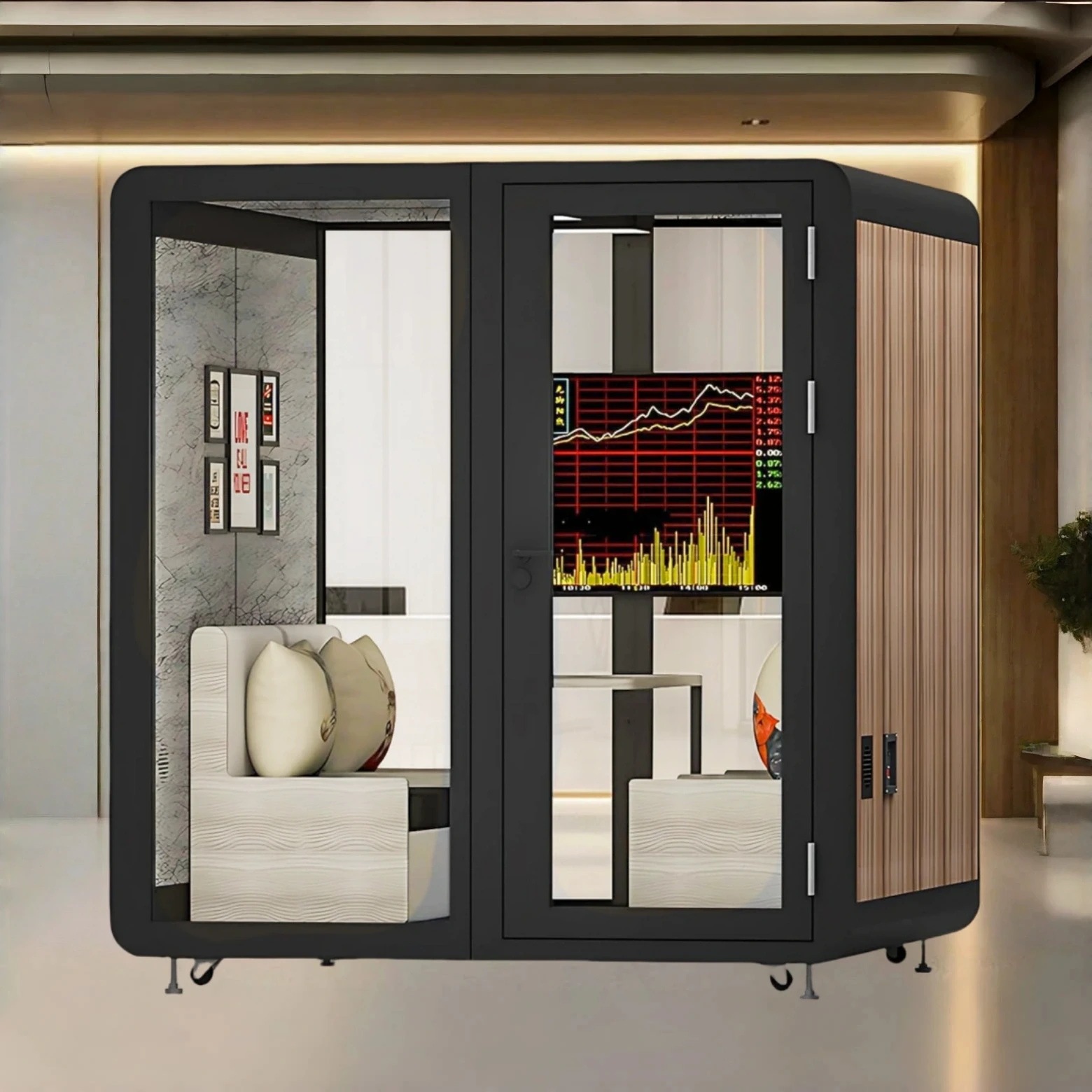







What NOT to Do When Finding a Good Office Chair for Back Problems
Dec 04, 2025


With the increasingly rapid pace of technological advancement, people are increasingly drawn to the efficiency brought by technology. In Shenzhen's office furniture industry, some manufacturers have already integrated intelligent systems into their furniture. Those that haven't yet adopted intelligent systems may feel that current office practices and existing furniture functions are sufficient, making further intelligent upgrades unnecessary. However, I disagree with this view. We live in a new era that demands new leaps forward.
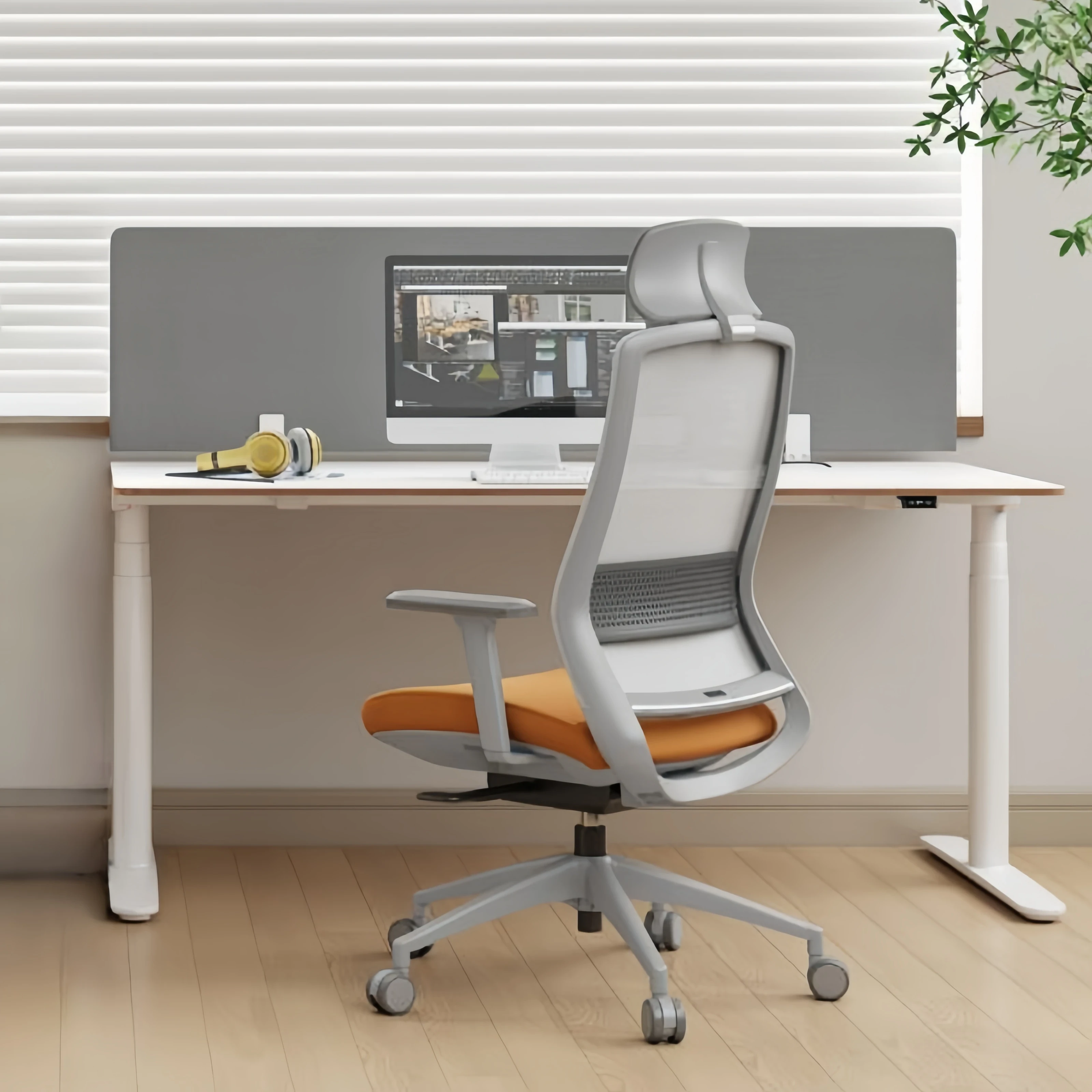
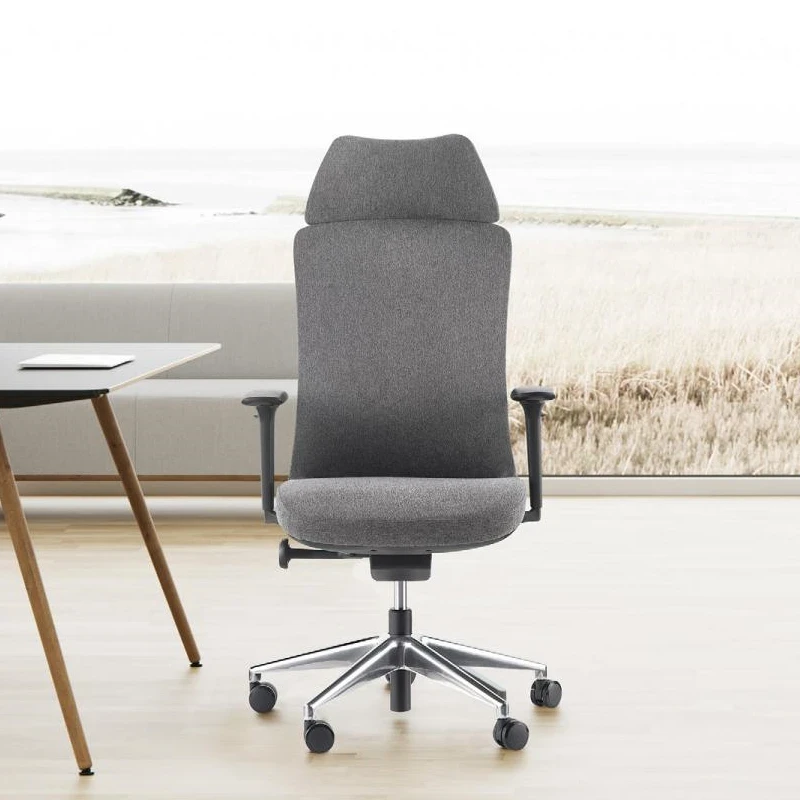
As society and technology evolve, and new businesses emerge, people's work styles will continue to change. Therefore, the traditional functions of office furniture may not always meet current needs, while intelligent systems offer greater flexibility and adaptability. Imagine the efficiency improvements that would be achieved by controlling office furniture with simple buttons. Of course, this isn't something that can be achieved overnight; it requires long-term development. However, some basic intelligent functions are already available, such as automatically adjustable desks, retractable computer bases, and intelligent chairs with height-adjustable seats, lumbar support, and armrests that can be adjusted forward, backward, up, down, and left/right to support different lumbar spine heights and elbow operating heights. They also have memory functions, automatically adjusting support points based on the user's posture.
The focus on health and environmental protection brought about by intelligent technology, necessitating the use of lower-carbon, more environmentally friendly, and recyclable materials in office furniture production, is a fundamental requirement for the future. Furthermore, ergonomic office furniture design represents a fundamental development in office furniture design. This allows more professionals to find greater freedom and inspiration in personalized work environments, making life more convenient and enjoyable, thereby improving efficiency.
Subscribe To Our Newsletter
You Can Get The News Of Our Products
SIGN UP
Contact Info
support@Guddorfiss.com
Payment Methods