
 USD
USD GBP
GBP
 EUR
EUR









Staff Desk and Chair Combos That Boost Productivity and Office Happiness
Dec 08, 2025


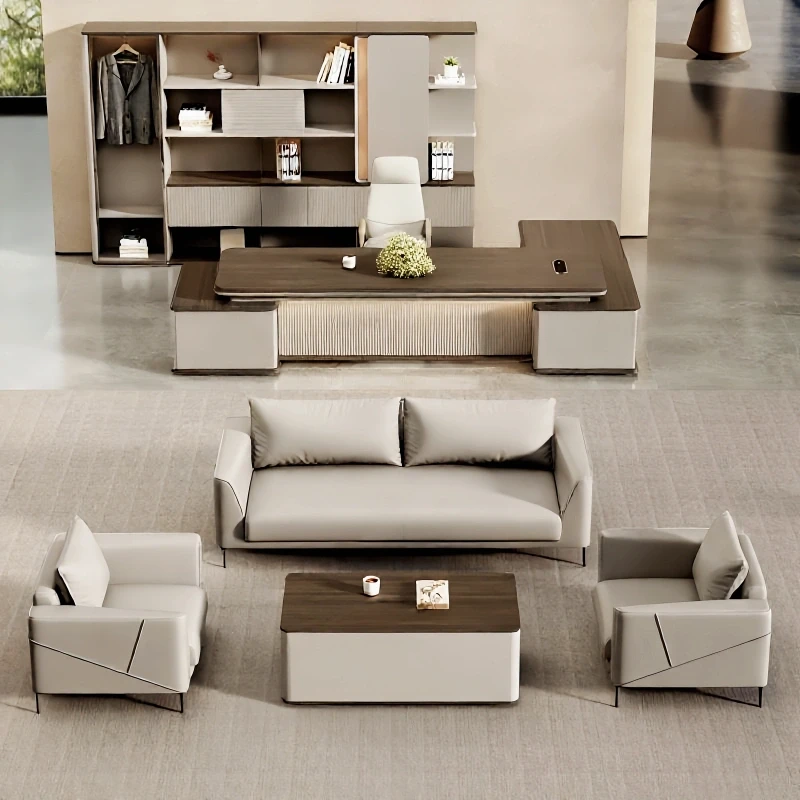
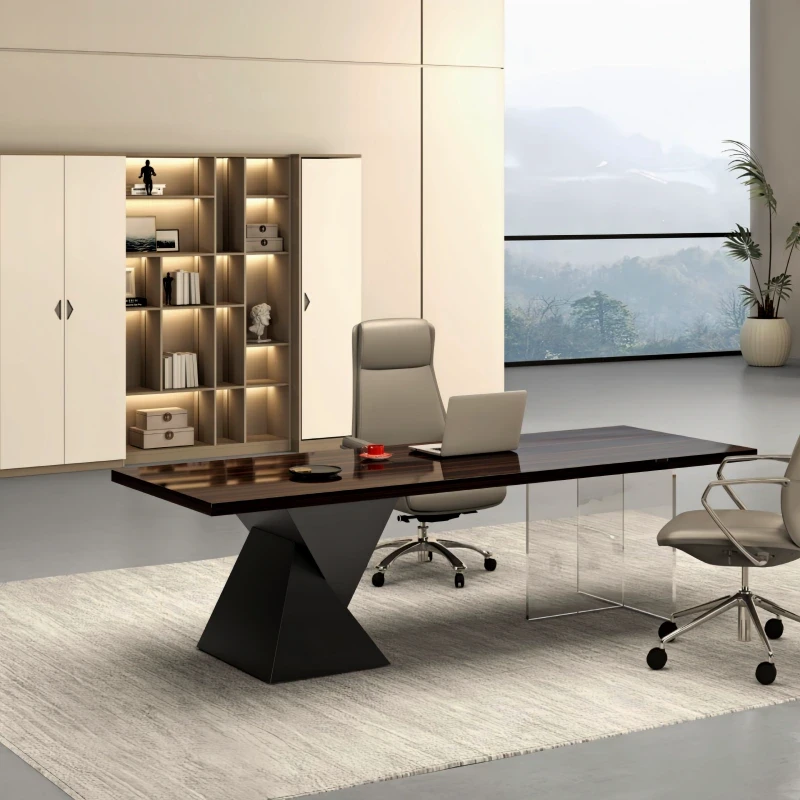
People often believe that the more complex the structure and the more intricate the craftsmanship of Shenzhen office furniture, the higher its quality and the more reliable it is. They tend to view simple, modern minimalist office furniture as too delicate and not worth the price. This reflects a tendency to judge value based on quantity and size, a notion that is highly flawed in today's commercial world, especially in the office furniture market. In reality, more complex office furniture in Shenzhen isn't necessarily better.
I. Simple Structure Reflects Modern Craftsmanship
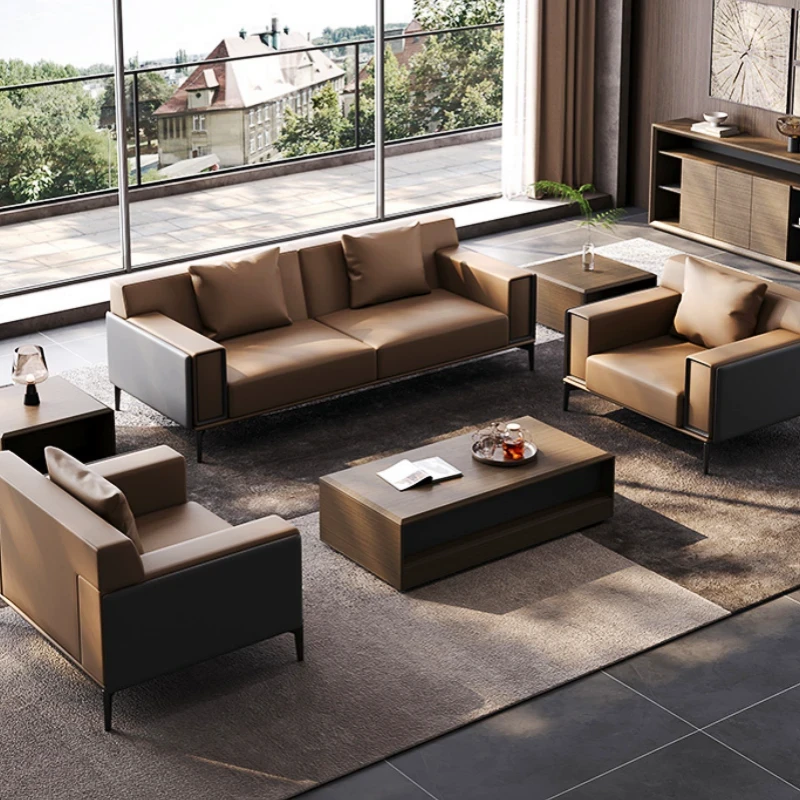
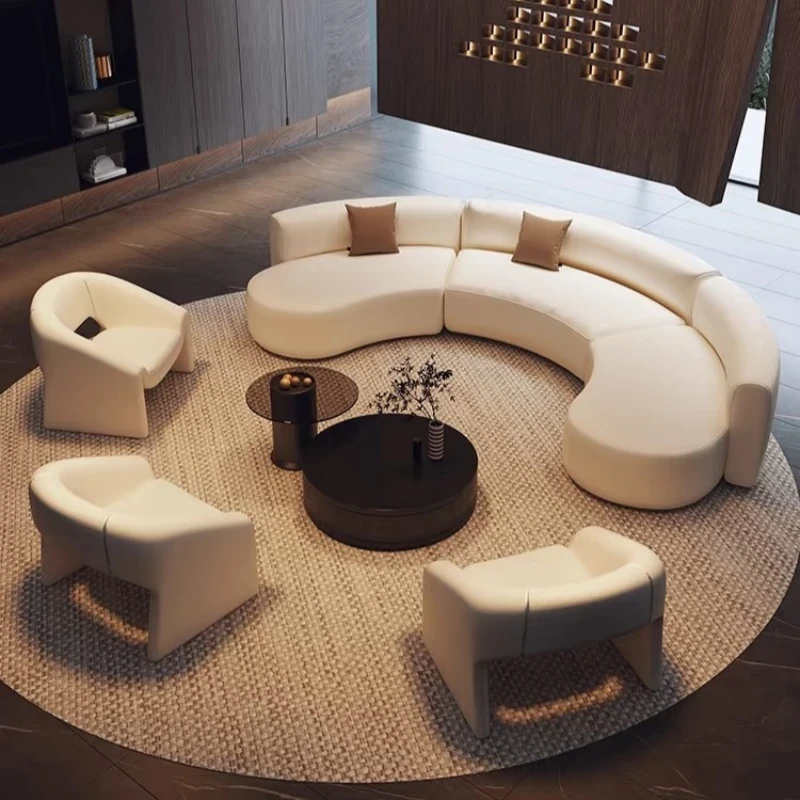
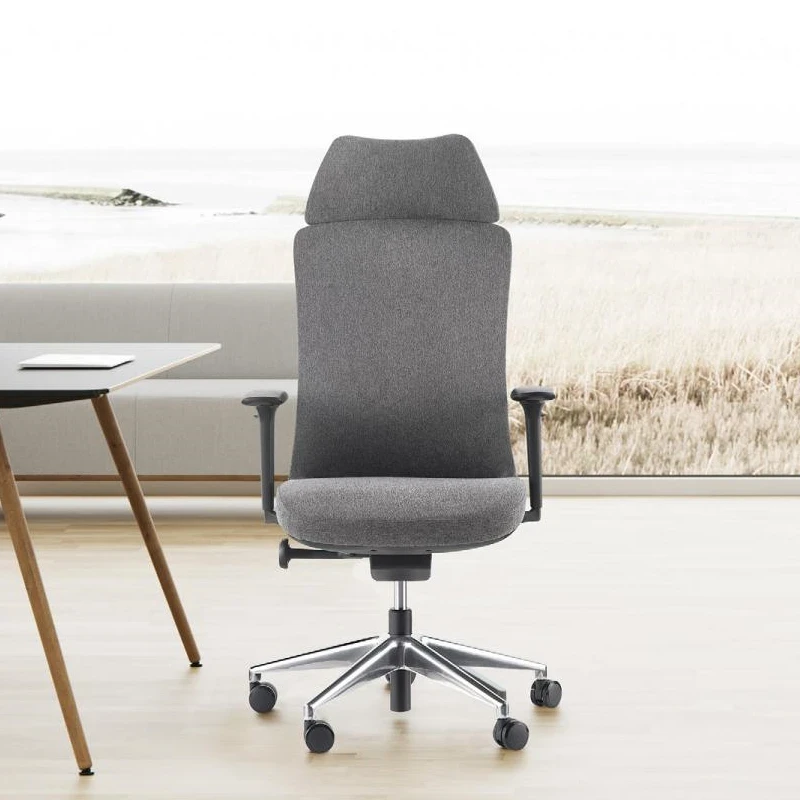
If traditional office furniture with its intricate carvings and engravings exudes elegance and tranquility, then modern office furniture with its simple outlines and clean lines possesses an immediate sense of understated beauty, both sophisticated and stylish. This minimalist style isn't a decline in craftsmanship, but rather an elevation of modern design concepts. The complex structures of traditional furniture often rely on hand carving and elaborate mortise and tenon joints, while modern furniture, through industrial production and precision technology, achieves a higher level of quality with fewer components and simpler lines. For example, the streamlined design of modern office chairs not only conforms to ergonomic principles but also enhances the sense of openness in the office space through lightweight structures.
For modern young workers, a minimalist style is closer to their aesthetic needs. In a fast-paced work environment, overly complex furniture can appear oppressive or cluttered, while a simple design can create a relaxed and efficient work atmosphere. This widely accepted aesthetic preference itself is a reflection of the value of office furniture.
II. Simple Yet More Innovative
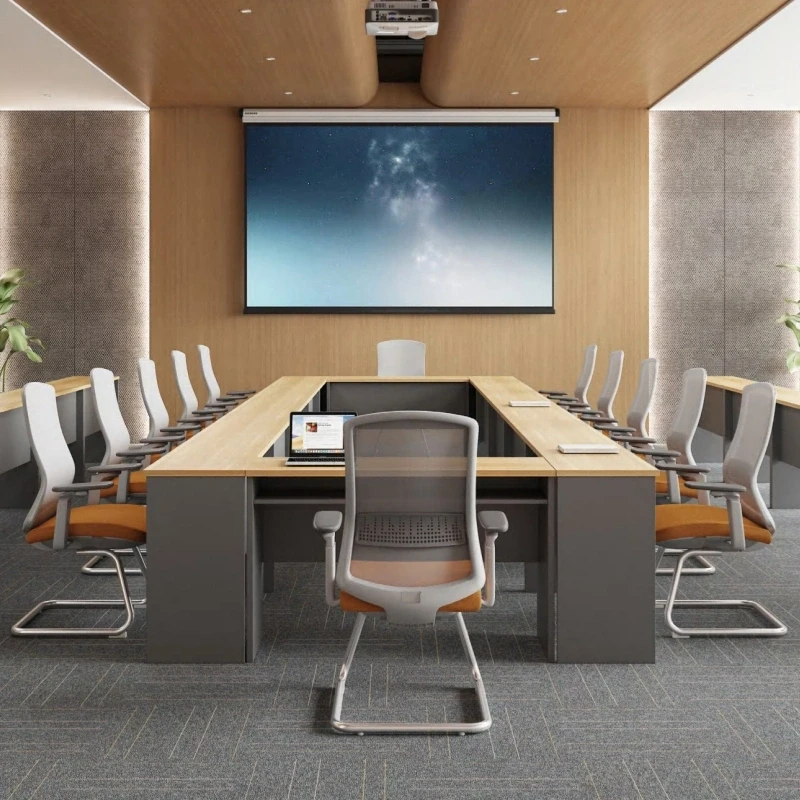
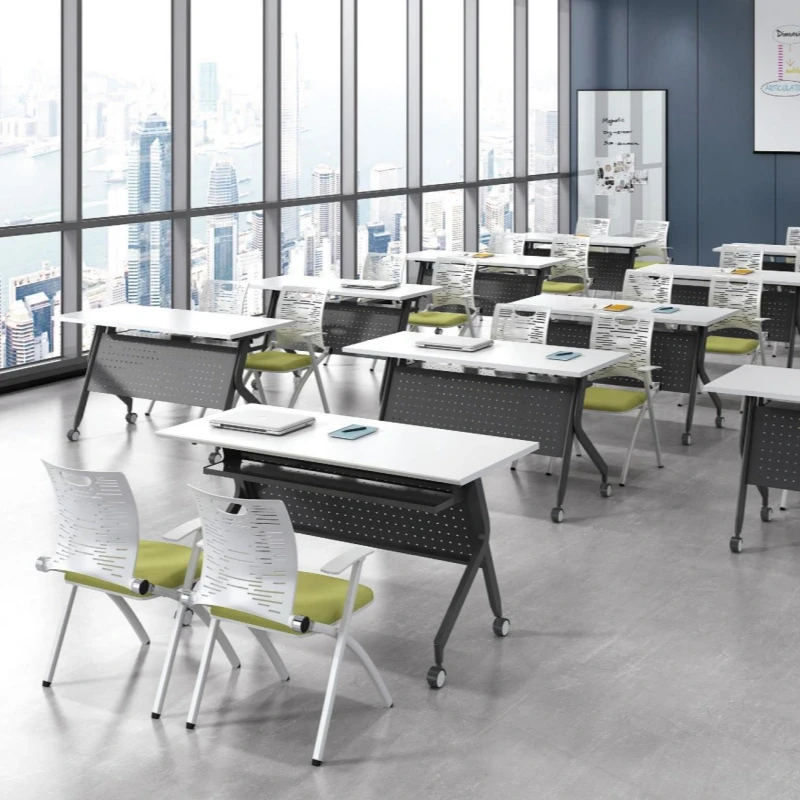
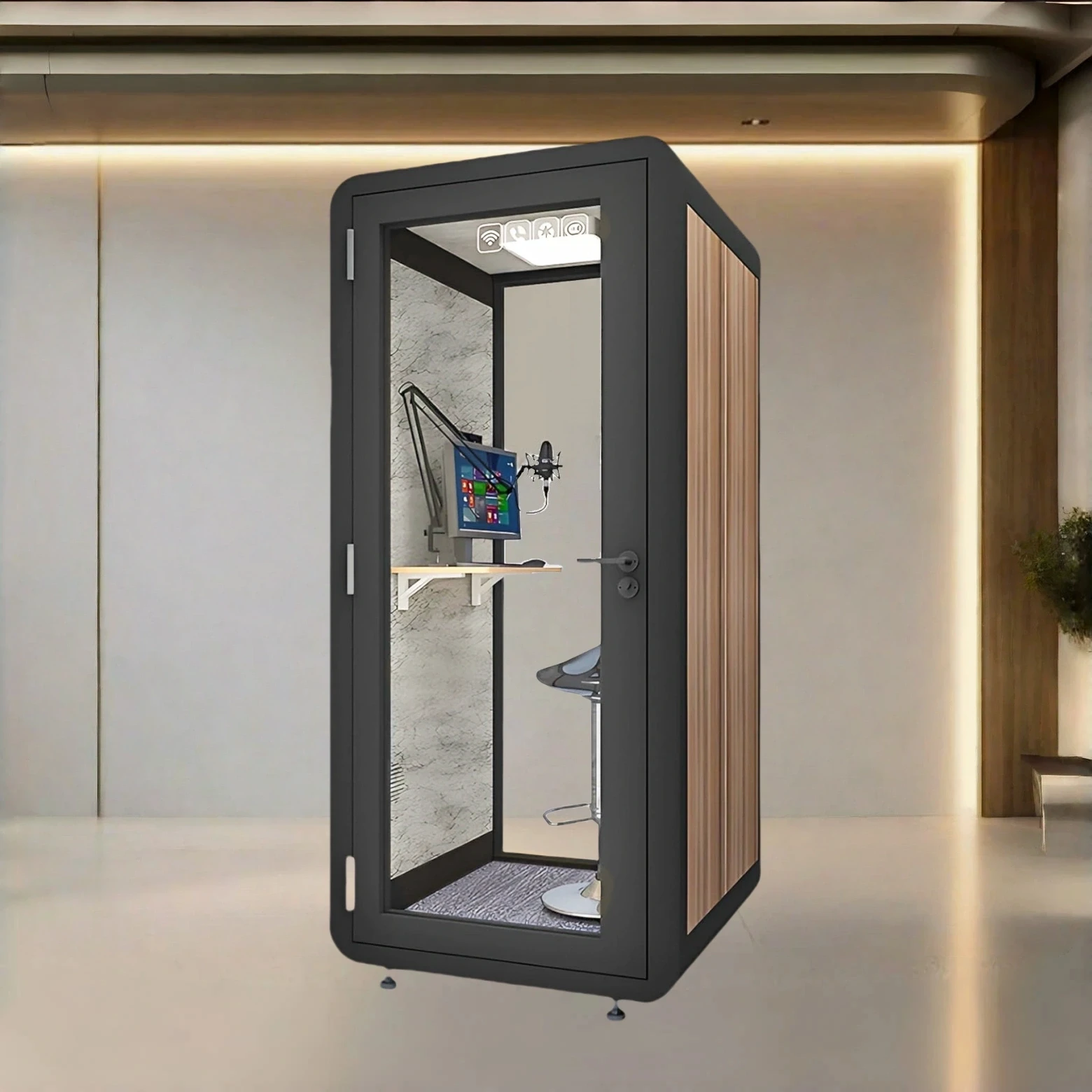
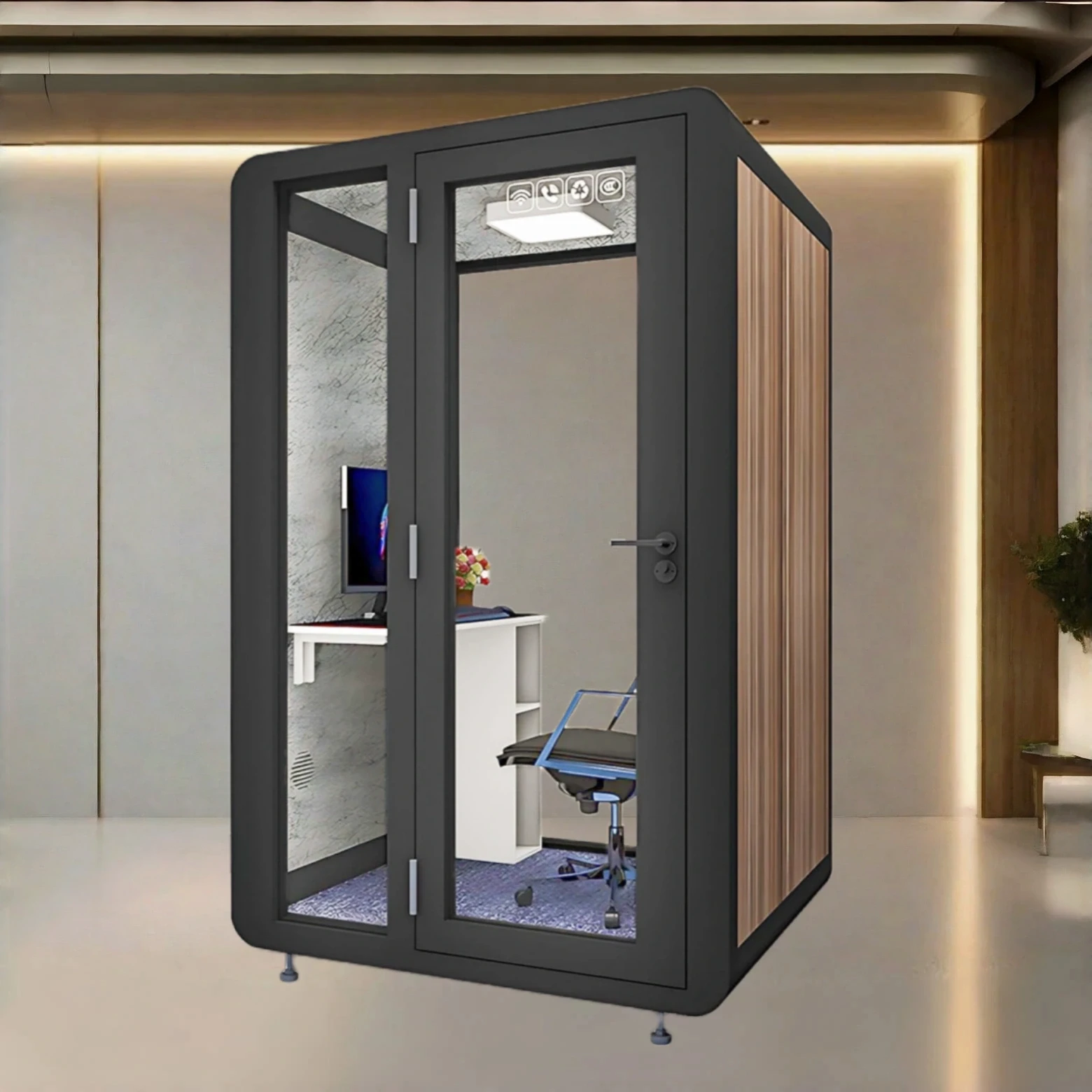
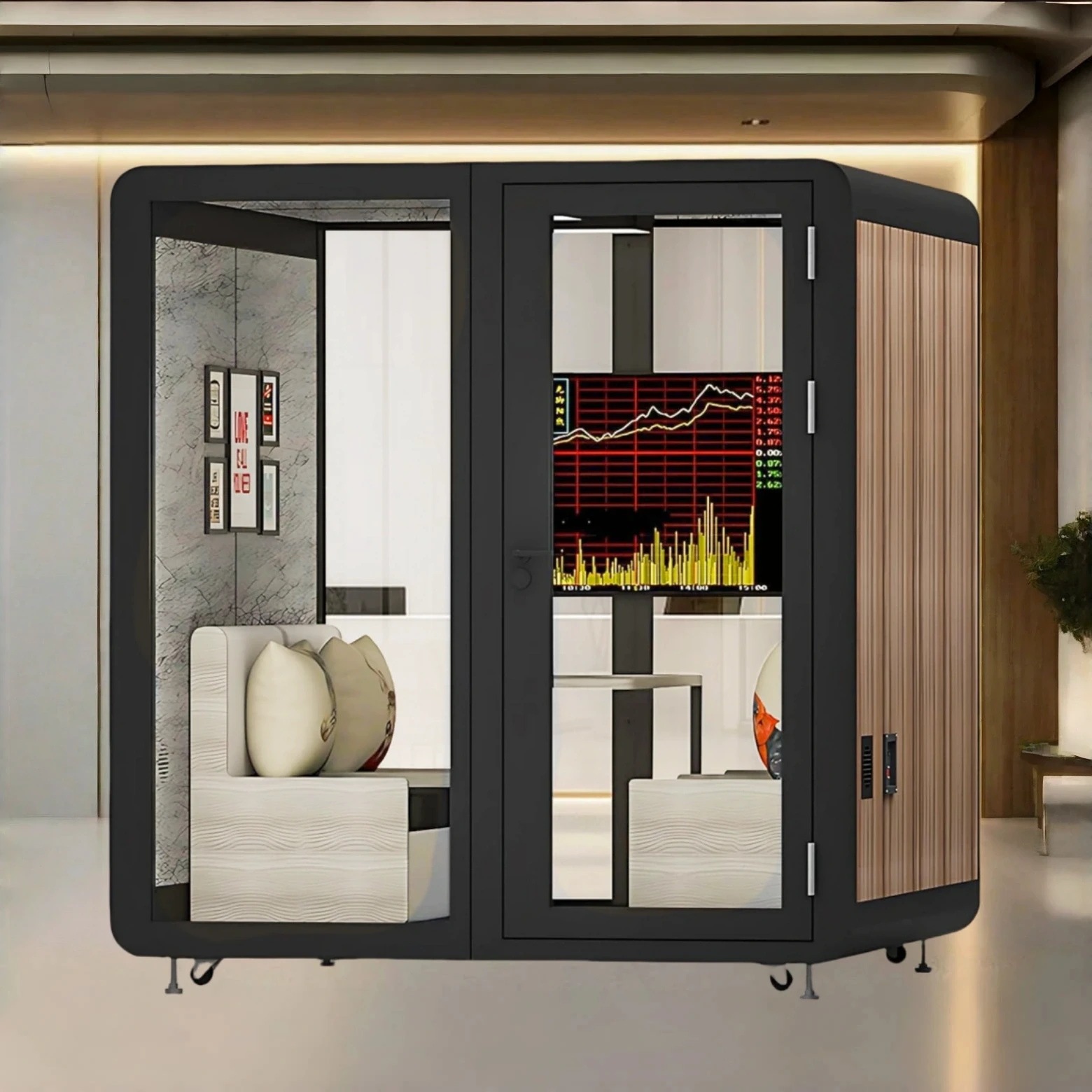
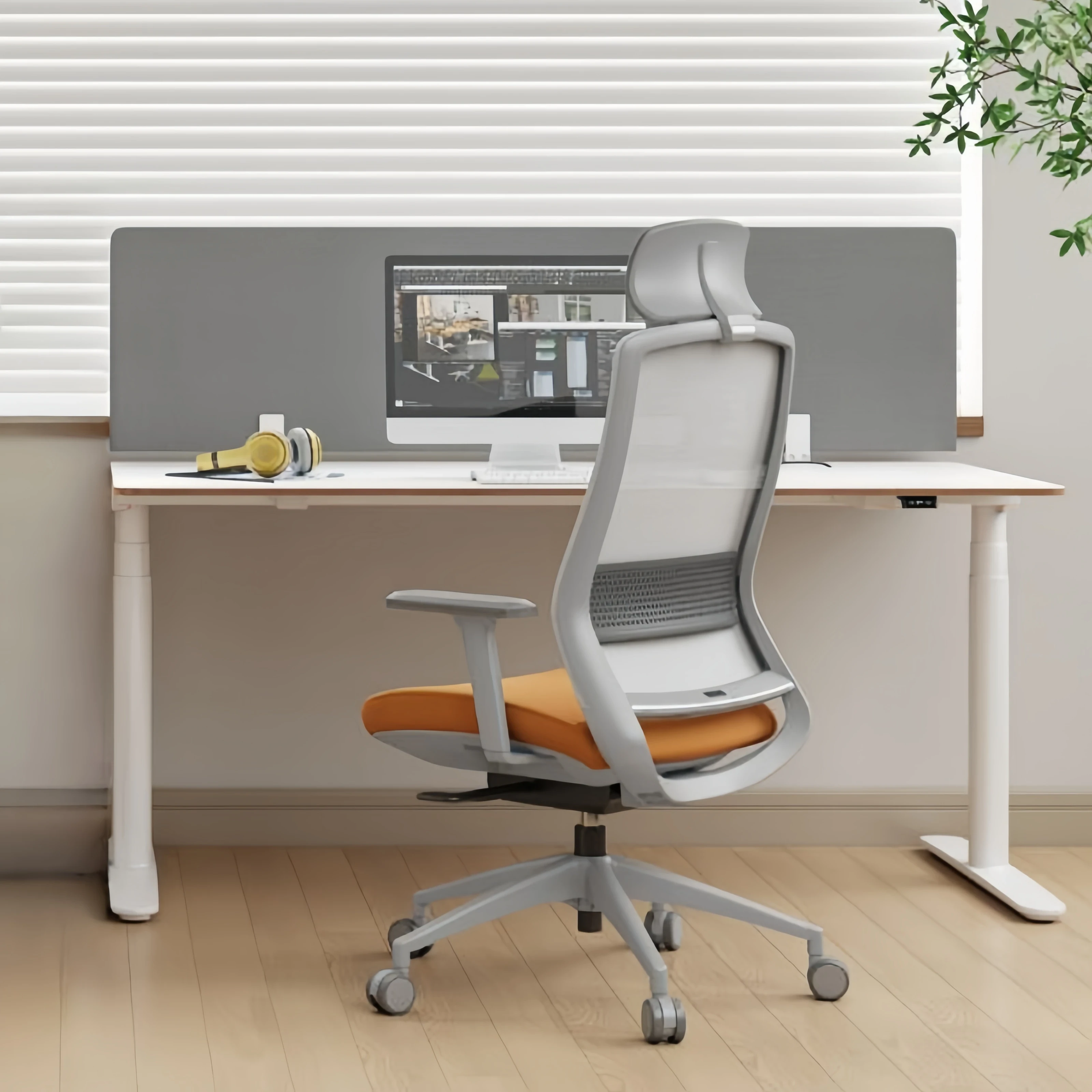
The distinction between "old-fashioned" and "modern" office furniture essentially lies in differences in appearance, structure, craftsmanship, and functionality. Take screen desks as an example; they are not only representative of modern office furniture but also solve the shortcomings of traditional straight desks in terms of space utilization and privacy protection through structural innovation. Screen designs, through modular combinations, can flexibly adapt to the needs of different office scenarios and reflect the technical characteristics of modern craftsmanship through detailed optimizations (such as adjustable partitions and concealed cable management).
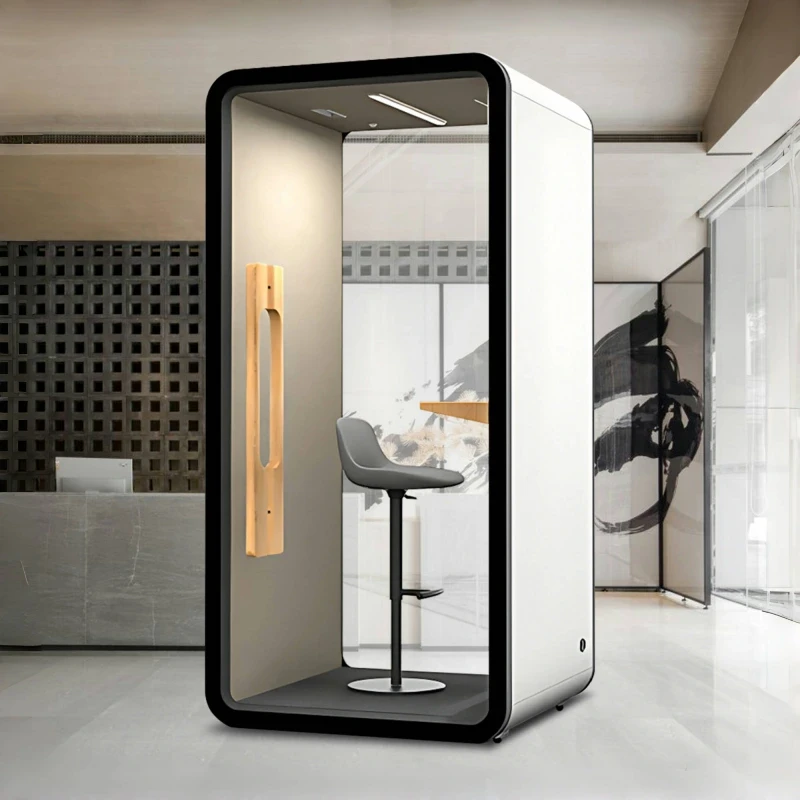
Innovation often lies within "simplicity." Modern office furniture design emphasizes the combination of functionality and aesthetics. Examples include height-adjustable desks, multi-functional filing cabinets, and ergonomic chairs. While these products appear structurally simplified, they achieve a more efficient user experience through intelligent and modular technologies. This innovation is not a replacement of traditional complex processes, but rather a precise response to complex needs.
III. Seemingly Simple, Yet Complex in Process
A desk may appear simple in structure, but the manufacturing process behind it can be extremely complex. The minimalist appearance of modern office furniture relies on precise processing techniques, scientific material selection, and strict quality control. For example, minimalist furniture demands extremely high precision in board cutting and surface treatment processes (such as environmentally friendly paint coating and seamless splicing technology), details that are often not directly observable to the naked eye.
Furthermore, the design of modern office furniture involves multidisciplinary collaboration, including industrial design, materials engineering, and ergonomics. From design drawings to finished product, repeated testing and optimization are required to ensure that the furniture, while simplifying its structure, still maintains stability, durability, and comfort. This "complex cause, simple result" manufacturing logic is precisely the core value of modern craftsmanship.
IV. Returning to the Essence: Rational Choices for Office Furniture
In conclusion, the value of office furniture does not solely depend on the complexity of its structure or the intricacy of its manufacturing process. It requires comprehensive consideration from multiple dimensions, including design, function, craftsmanship, and usage scenarios. Modern minimalist office furniture, with its simple appearance, innovative functions, and complex manufacturing process, is becoming the mainstream choice for office space design.
For consumers, when purchasing office furniture, it's crucial to avoid the misconception of "value based on complexity." Instead, focus on whether the furniture meets actual needs. For example, a simple desk that reduces fatigue from prolonged sitting through ergonomic design or improves space utilization through modular combinations is clearly more valuable than its superficially complex decorations. Similarly, a sleek office chair using high-polymer materials and an intelligent adjustment system may offer far greater comfort and durability than traditional, elaborate designs.
In the future, with the diversification of office scenarios and the upgrading of consumer demands, the design trend of office furniture will place greater emphasis on the balance between practicality and aesthetics. For companies to stand out in the market, they not only need to provide products with simple structures and clear functions but also need to convey the concept of "simplicity equals sophistication" through technological innovation and detail optimization. Only by truly understanding and meeting users' actual needs can a company earn long-term trust and a good reputation in the highly competitive office furniture market.
Therefore, both individual users and corporate buyers should rationally consider the complexity and simplicity of office furniture. Choosing simple furniture that reflects contemporary craftsmanship in design, showcases innovative thinking in function, and integrates complex technologies in manufacturing may be the most accurate grasp of value.
Subscribe To Our Newsletter
You Can Get The News Of Our Products
SIGN UP
Contact Info
support@Guddorfiss.com
Payment Methods