
 USD
USD GBP
GBP
 EUR
EUR
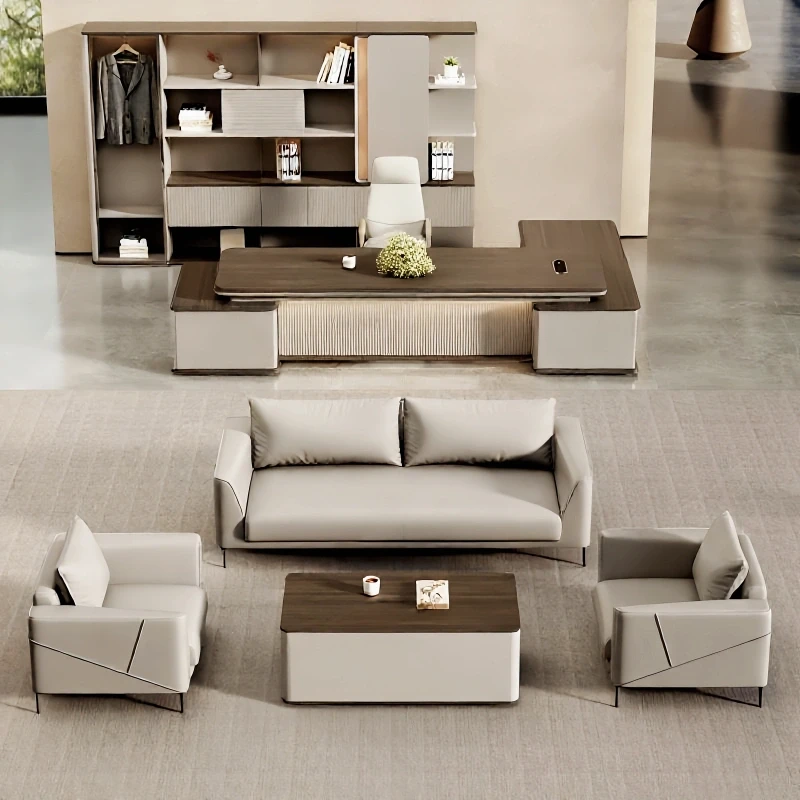
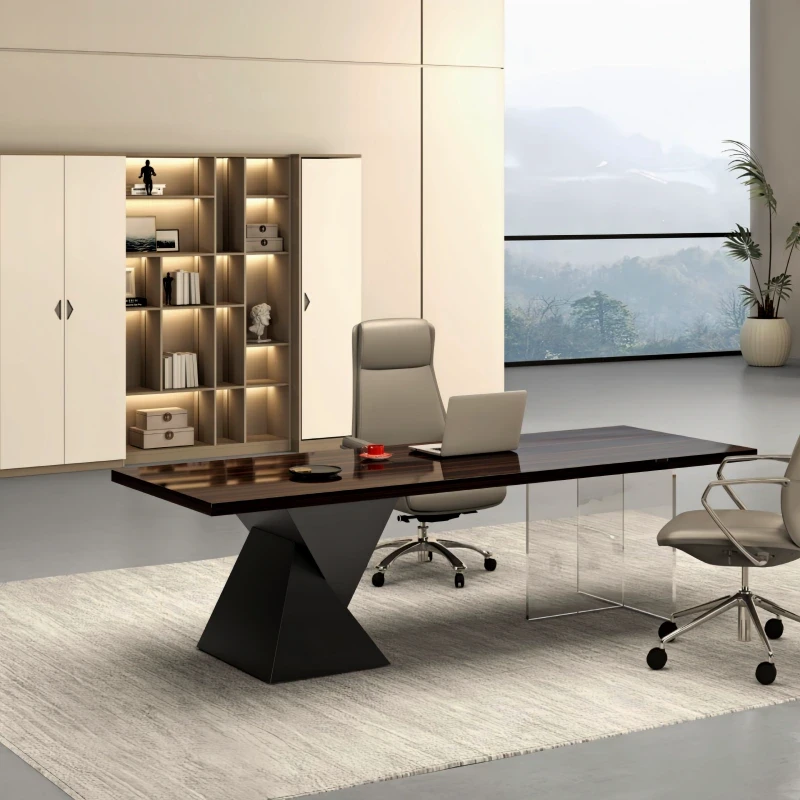


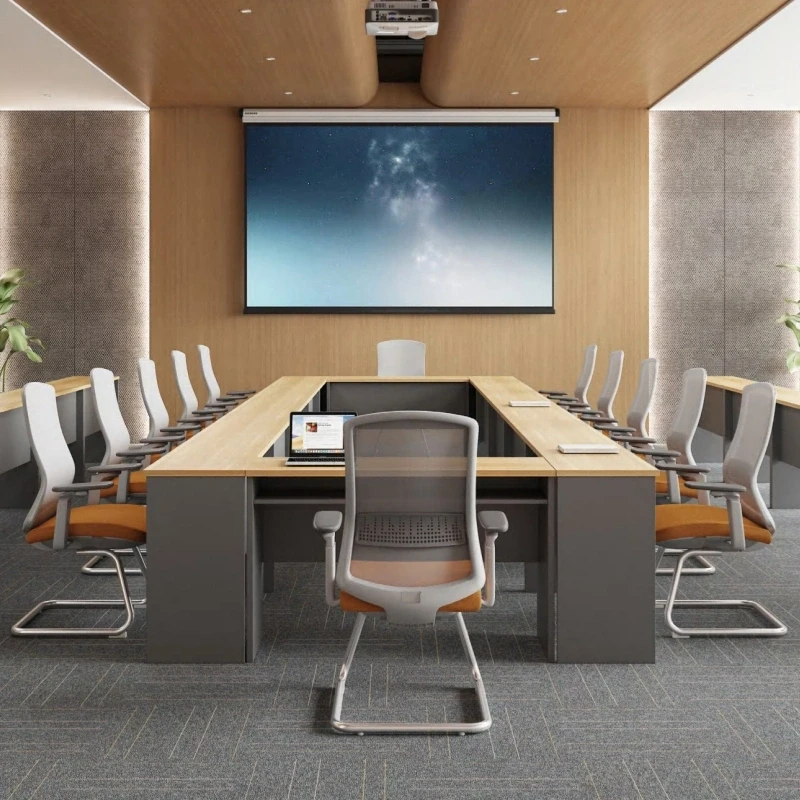
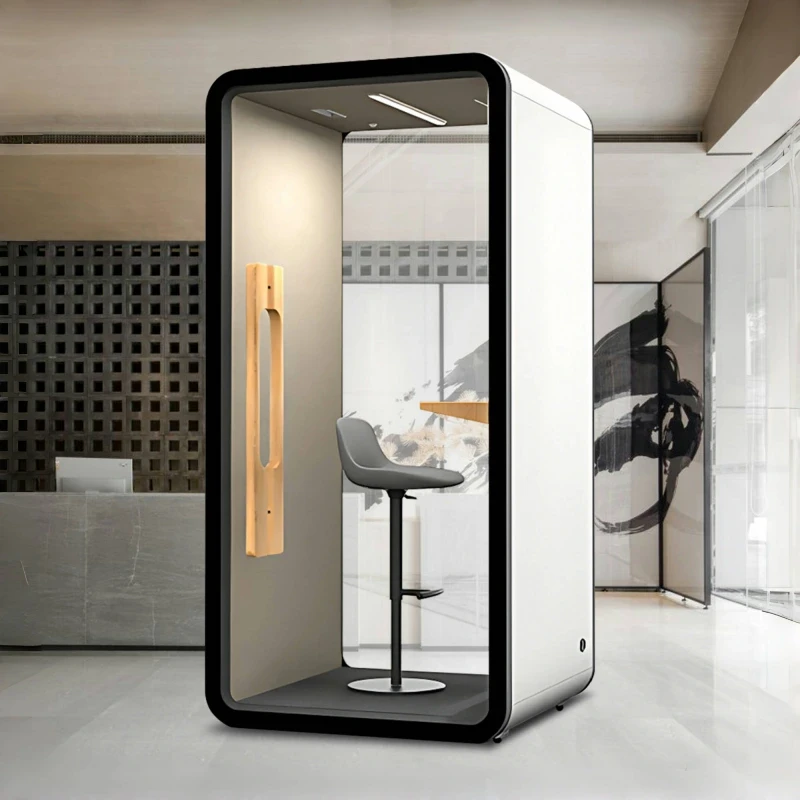
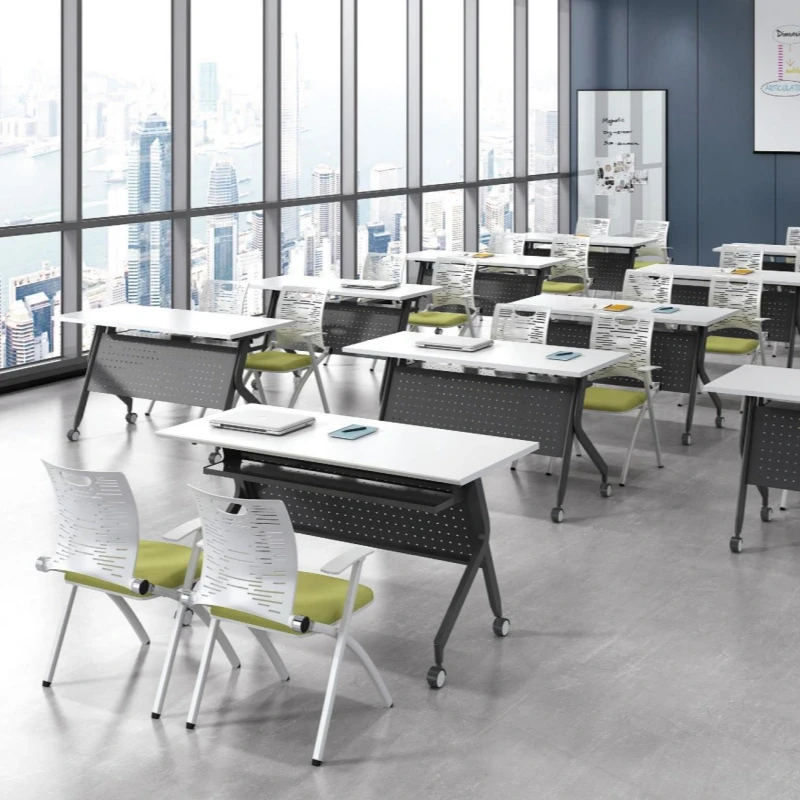
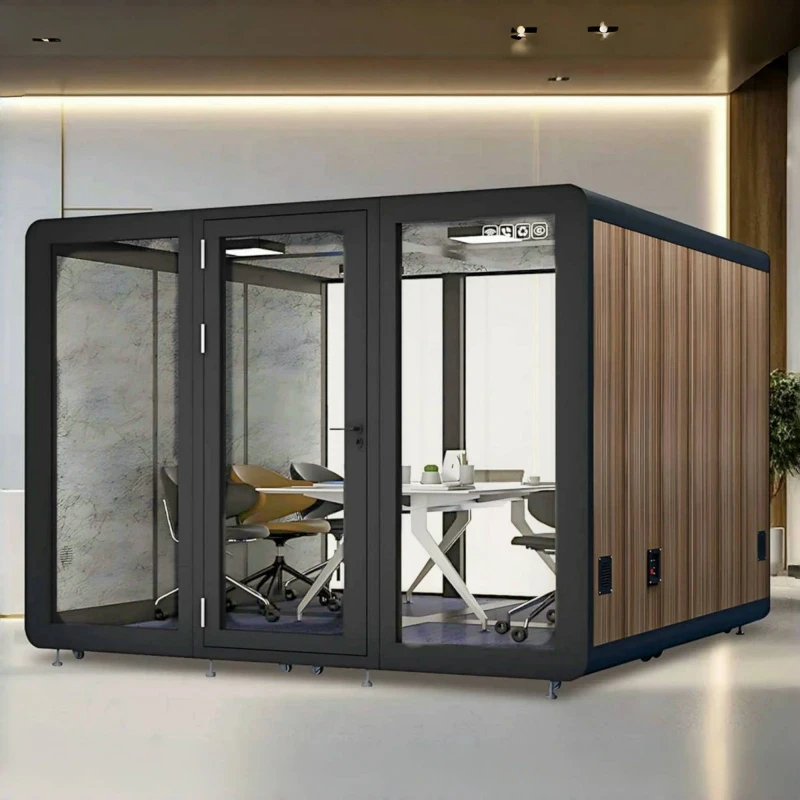


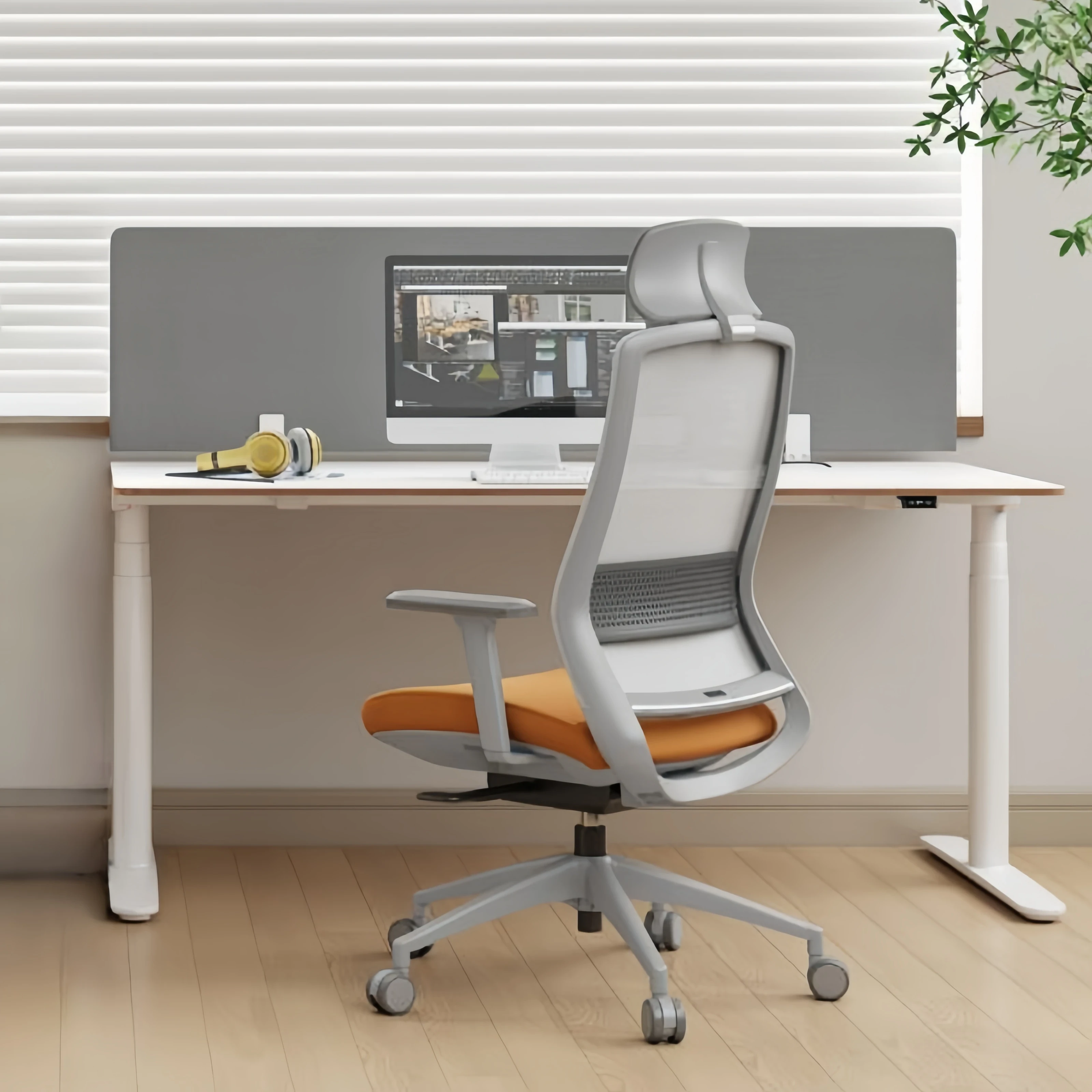


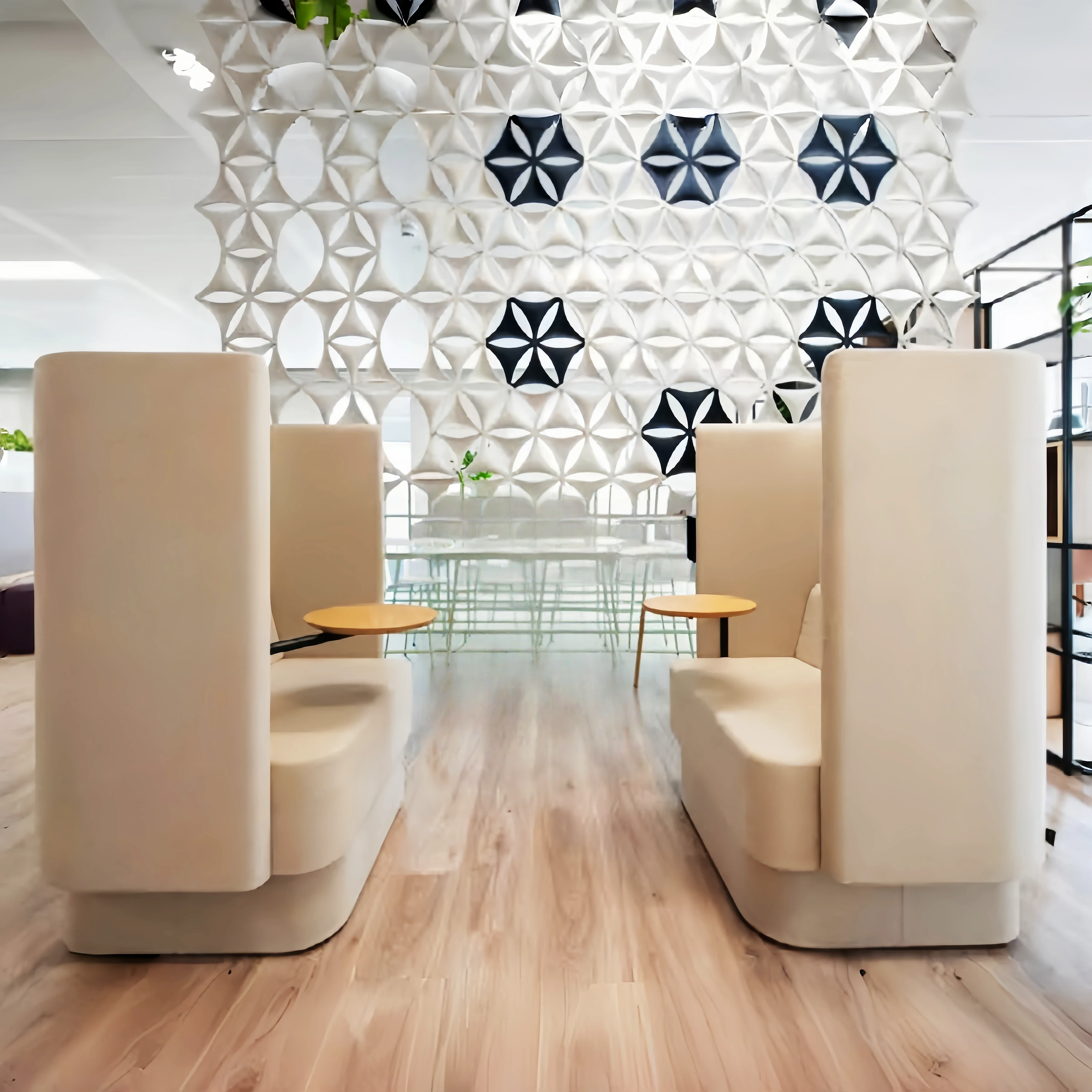

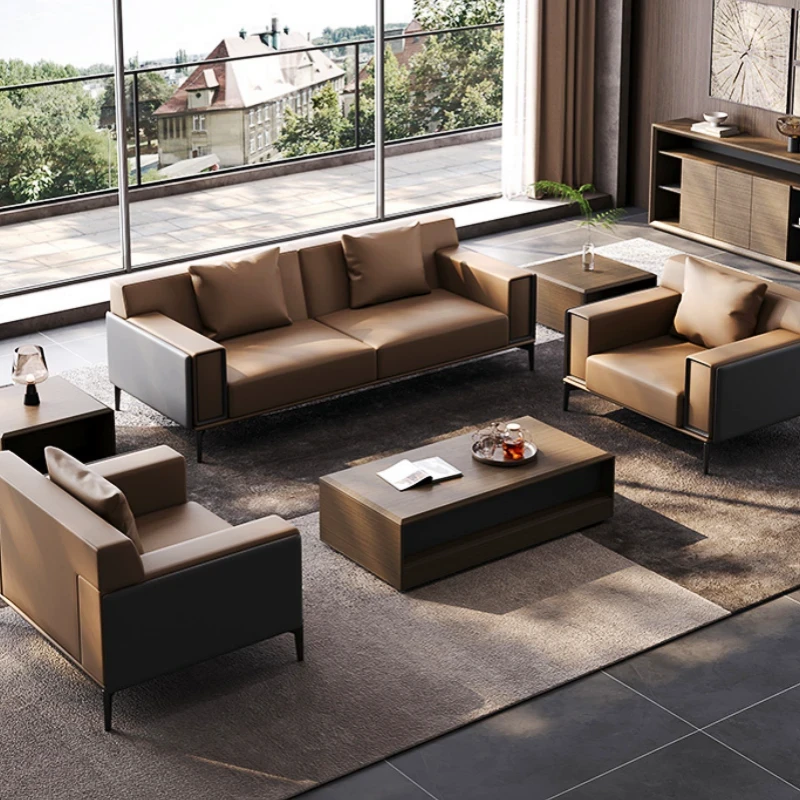
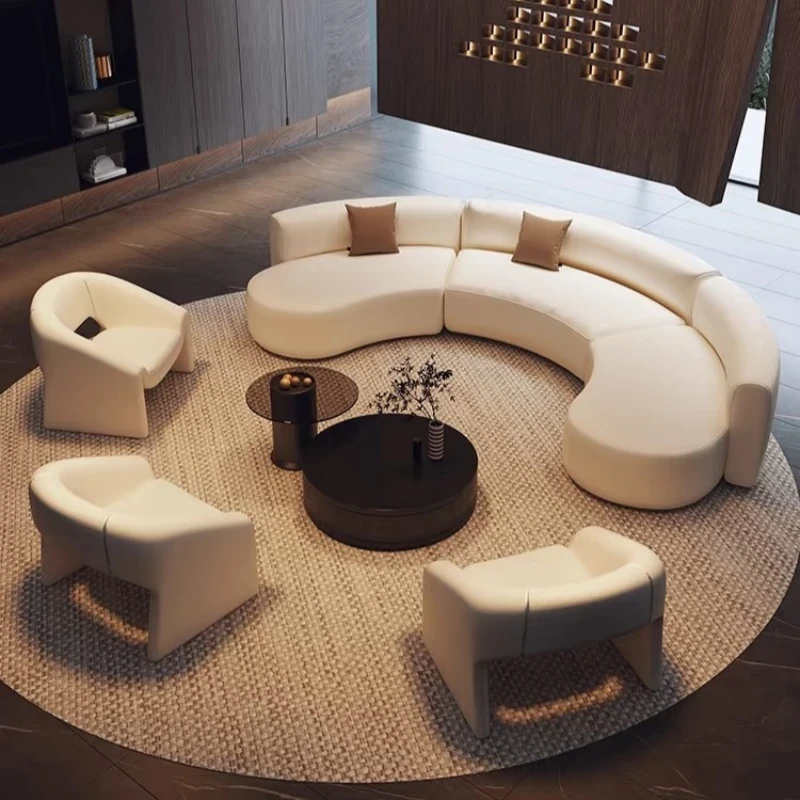
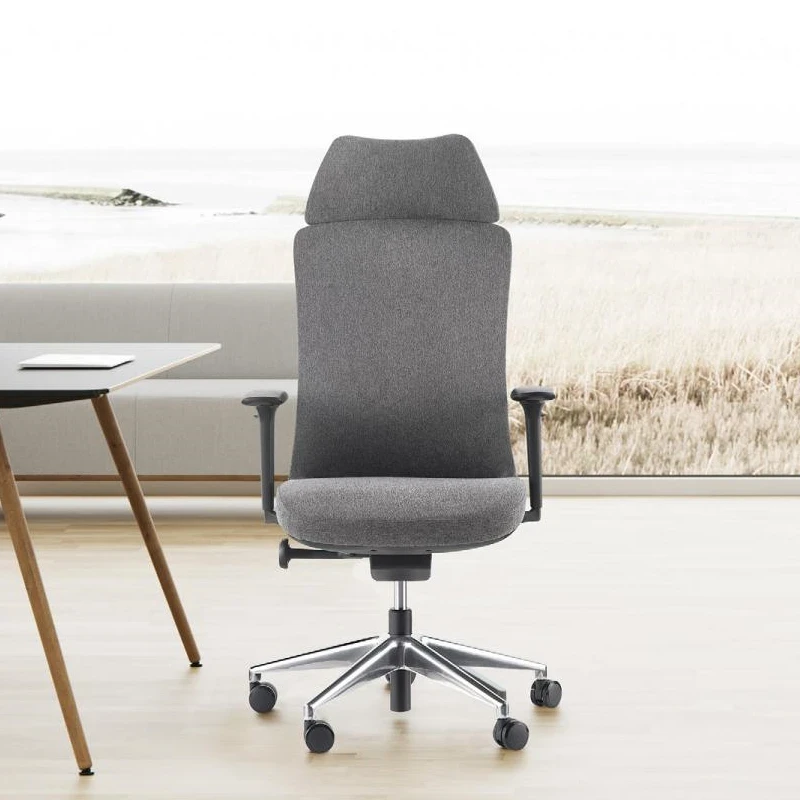


Students spend long hours sitting at their desks every day, making ergonomically designed student desks and chairs crucial.
Chair Adjustment Functions: A good ergonomic chair should have height and backrest angle adjustments to ensure students can adjust their posture according to their needs, reducing physical strain.
Desk Height and Space: The height of the student desk should match the chair, ensuring students' arms hang naturally when writing or reading, avoiding neck and shoulder fatigue. Furthermore, the desktop space should be ample for placing books, stationery, and other study supplies.
Material Selection: Safety and Environmental Considerations
The materials used in student desks and chairs not only affect their lifespan but also relate to students' health and safety.
Desktop Materials: Common desktop materials include solid wood, MDF, and tempered glass. Solid wood desktops have a good feel but are more expensive; MDF offers good value but requires attention to its environmental rating; tempered glass desktops are stylish and modern but easily show fingerprints. Chair Materials
: The seat and backrest materials of the chair should have good breathability and elasticity to prevent stuffiness or sagging after prolonged use. Mesh fabric has become a popular choice in recent years, offering both breathability and comfort.
Functional Configuration: The Combination of Intelligence and Personalization.
With technological advancements, the functional configurations of student desks and chairs are constantly being upgraded, with intelligence and personalization becoming new trends.
Electric Height-Adjustable Desks: Electric height-adjustable desks can be adjusted to meet students' needs, allowing for alternating sitting and standing while studying, reducing the health risks associated with prolonged sitting.
Multifunctional Chairs: Some high-end student chairs are equipped with additional features such as lumbar support, headrests, and footrests, further enhancing comfort.
Integrated Power and Data Interfaces: Modern student desks often integrate power sockets and USB ports, facilitating charging and use of electronic devices, and reducing desktop clutter.
Environmental Coordination: Overall Harmony and Atmosphere Creation.
The selection of student desks and chairs should also consider their harmony with the overall learning environment, creating a comfortable and efficient learning atmosphere.
Color Coordination: The colors of student desks and chairs should coordinate with the overall color scheme of the classroom, avoiding overly bright or somber colors that could negatively impact students' mood.
Spatial Layout: A reasonable spatial layout can improve learning efficiency. For example, placing student desks alongside bookshelves, storage cabinets, and other equipment in a logical manner reduces the time students spend moving around.
In conclusion,
student desks and chairs are an important component of the learning environment, and their design, materials, functionality, and environmental compatibility directly affect students' learning outcomes and physical health. Choosing ergonomic, environmentally friendly, and fully functional student desks and chairs can not only enhance students' learning experience but also create a more effective teaching environment for schools. Therefore, schools should fully consider these factors when purchasing student desks and chairs to create a comfortable and efficient learning environment for students.