
 USD
USD GBP
GBP
 EUR
EUR
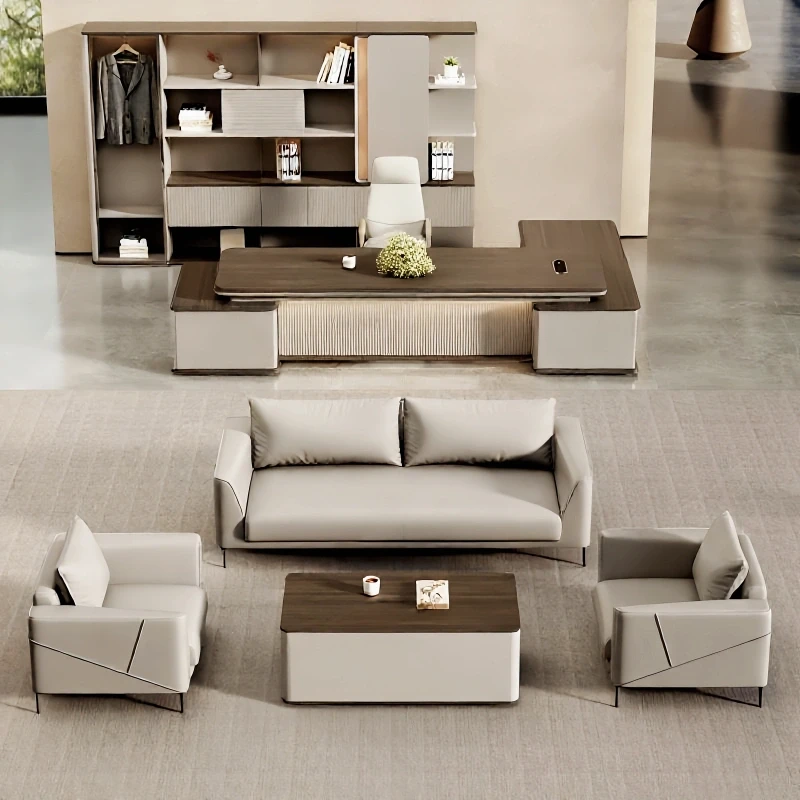
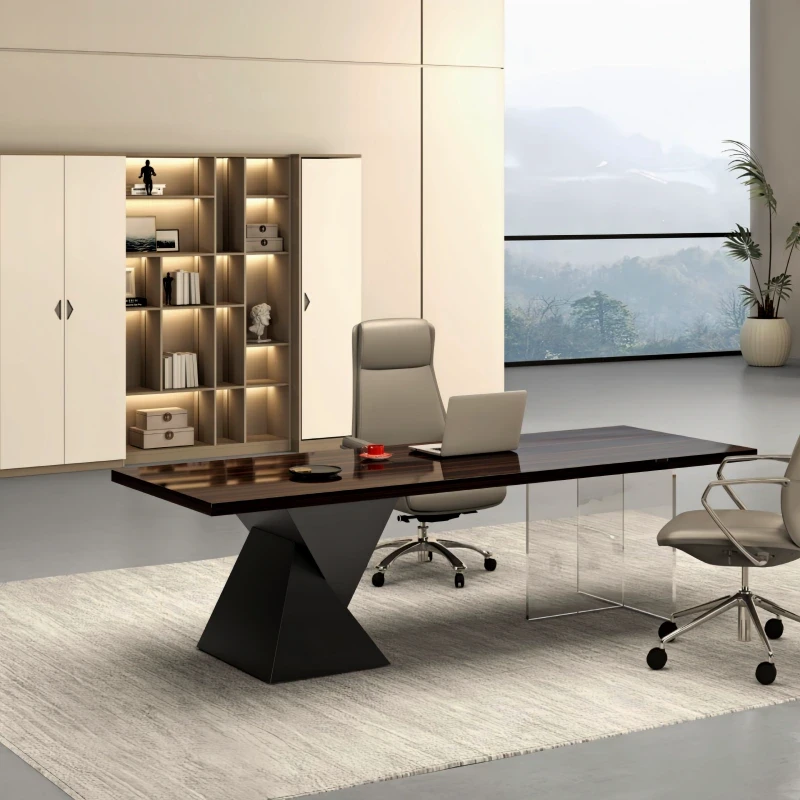


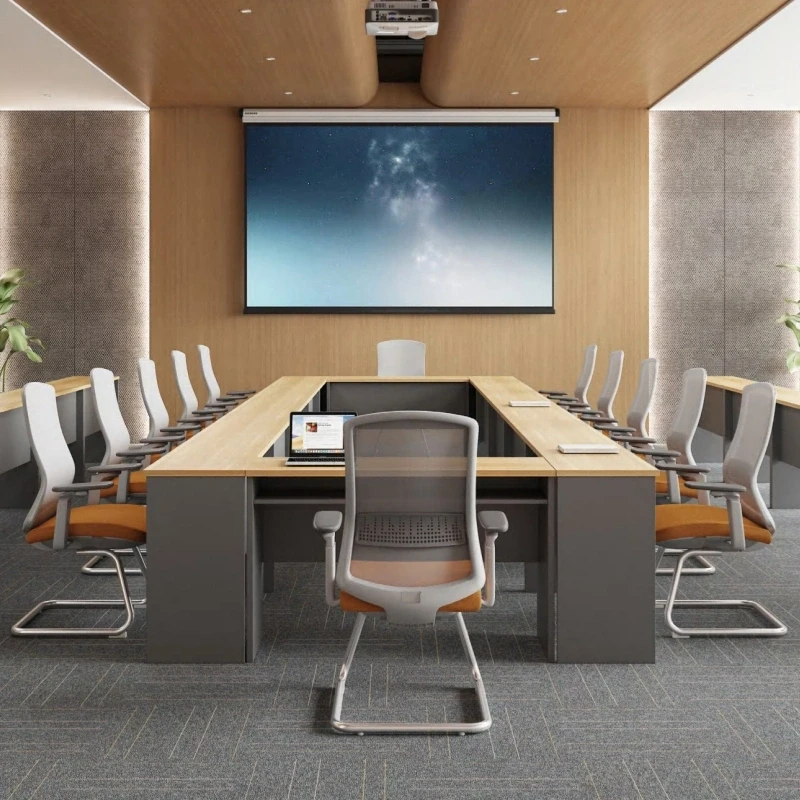
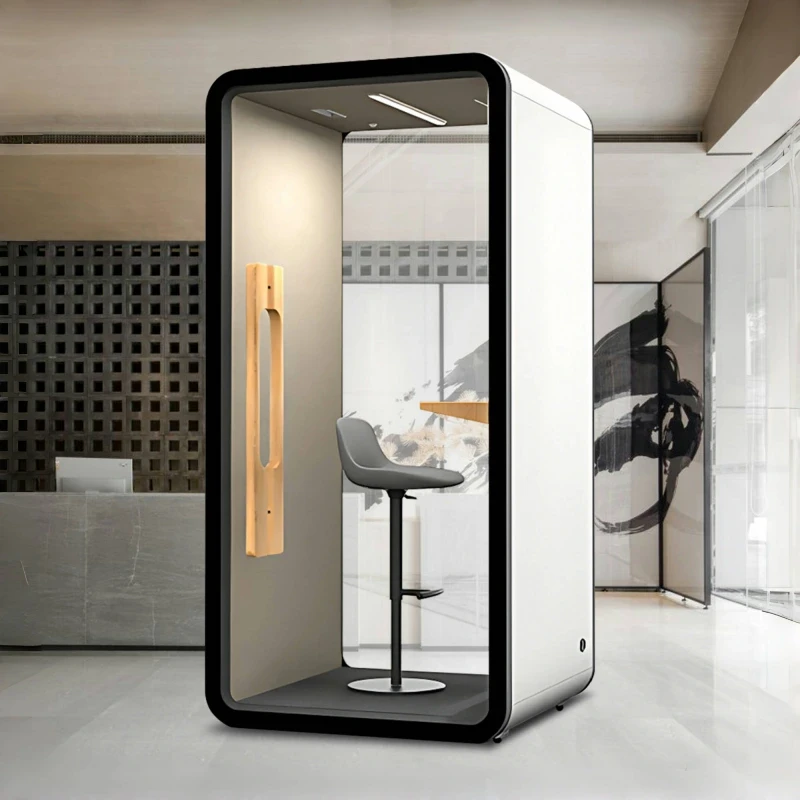
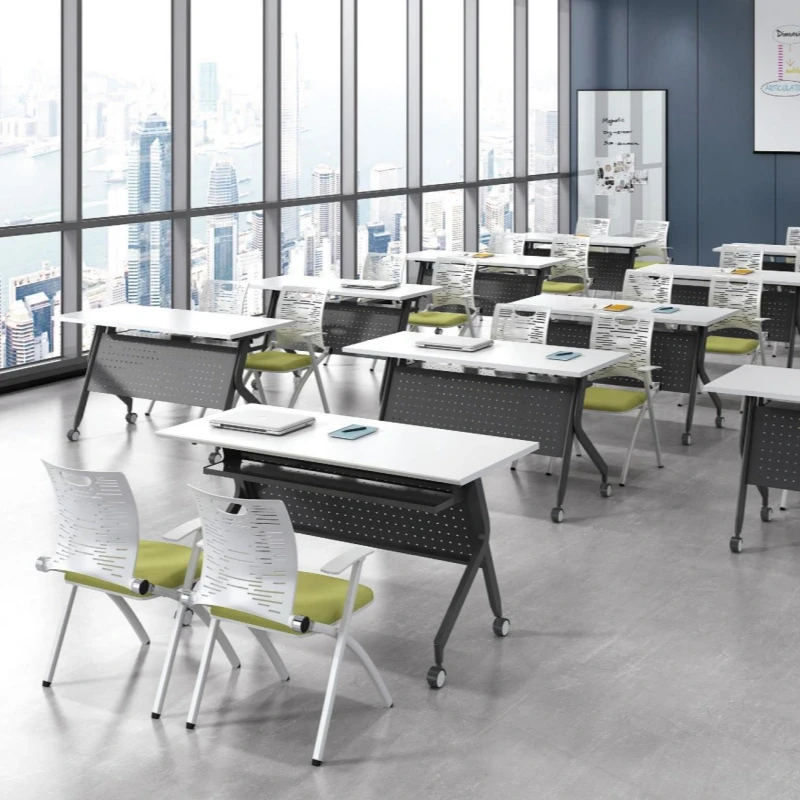
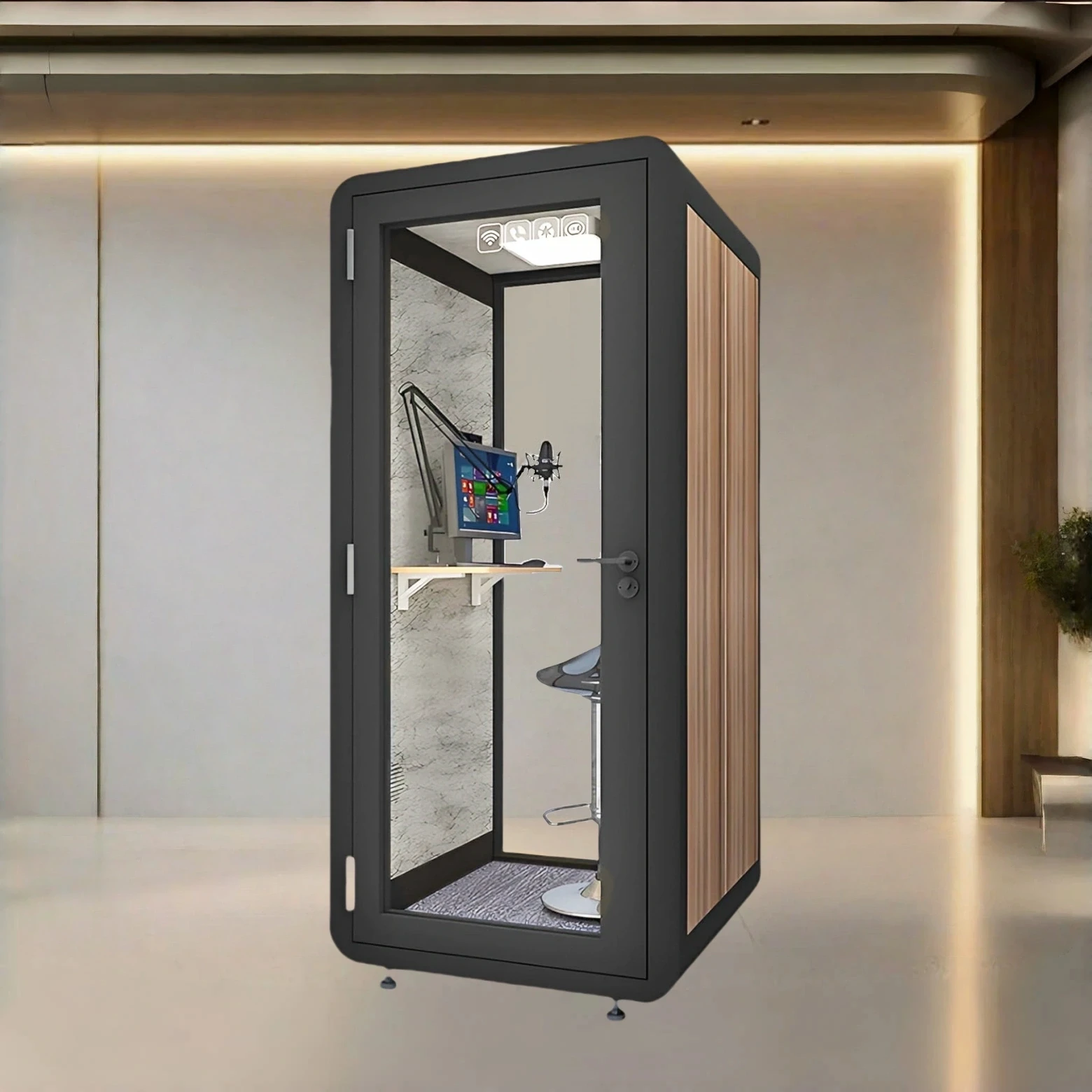
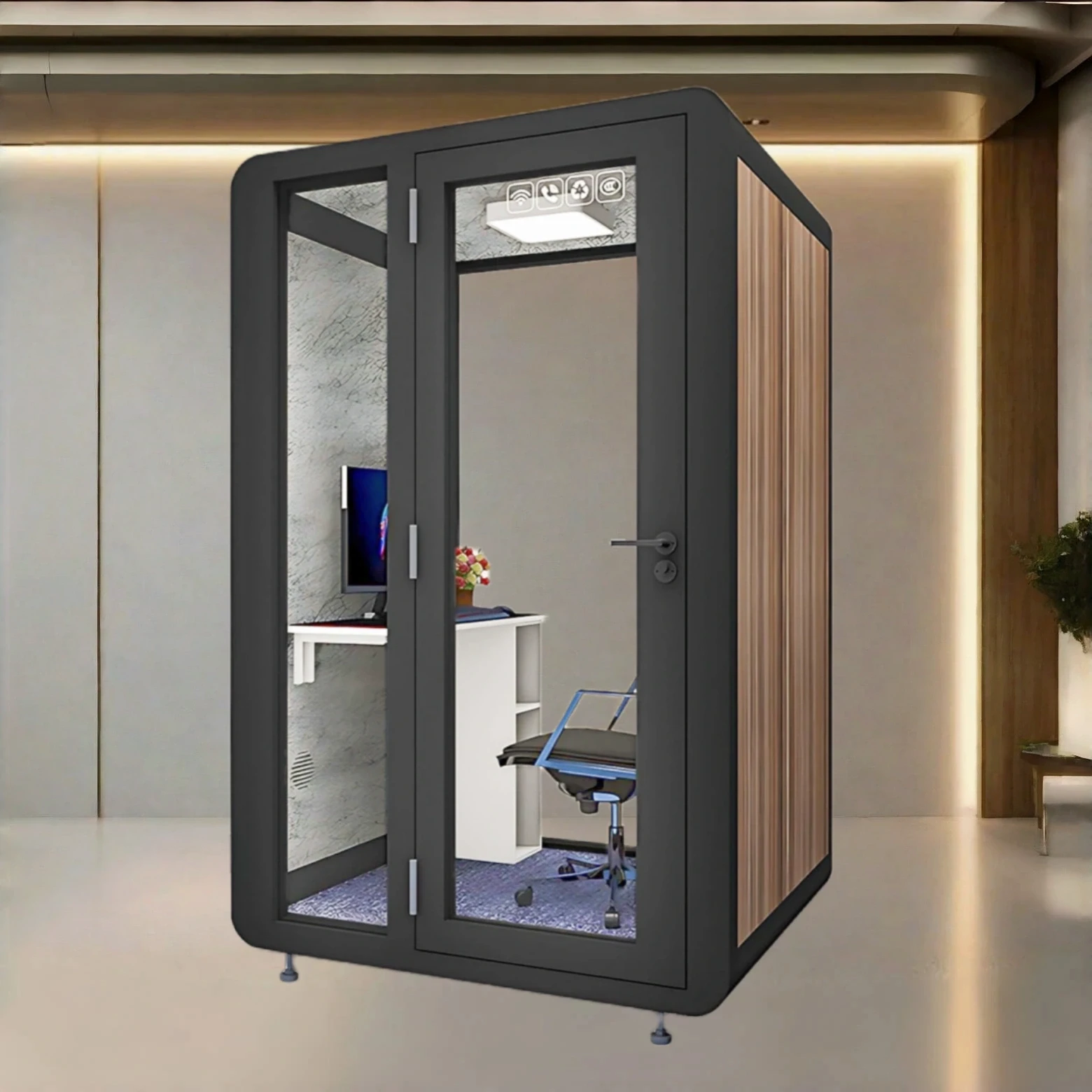
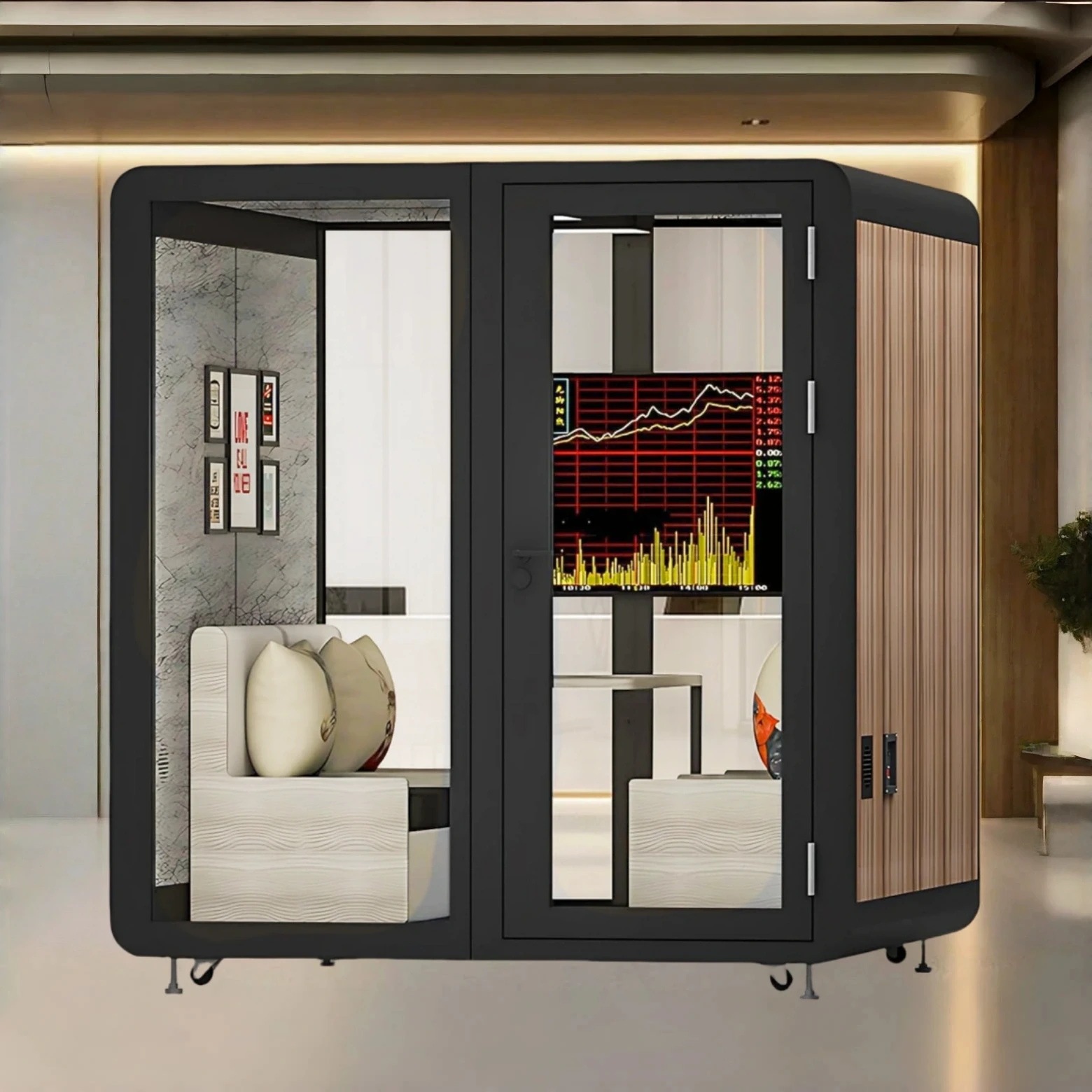
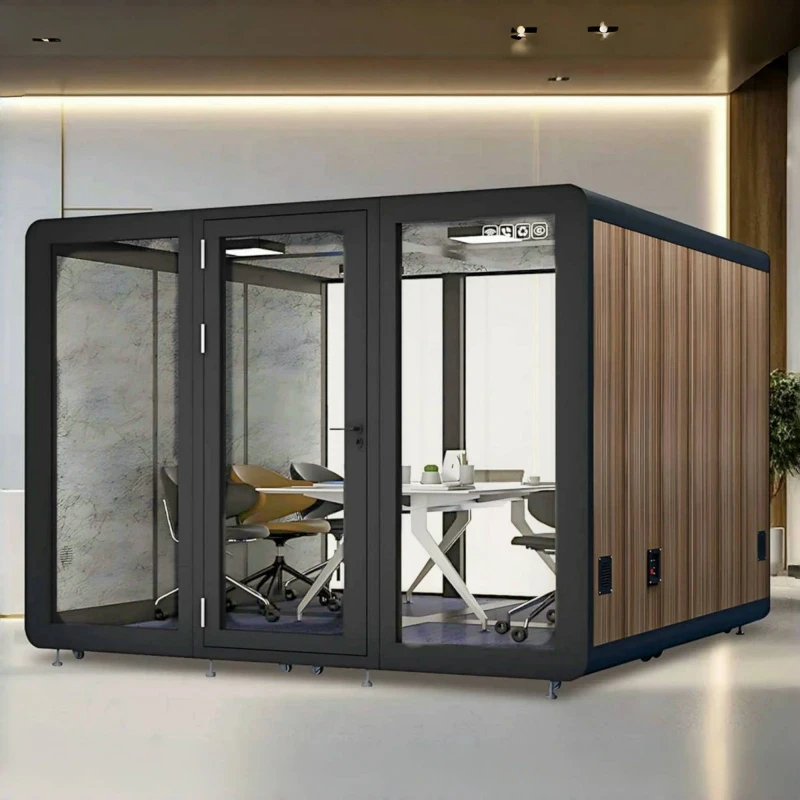
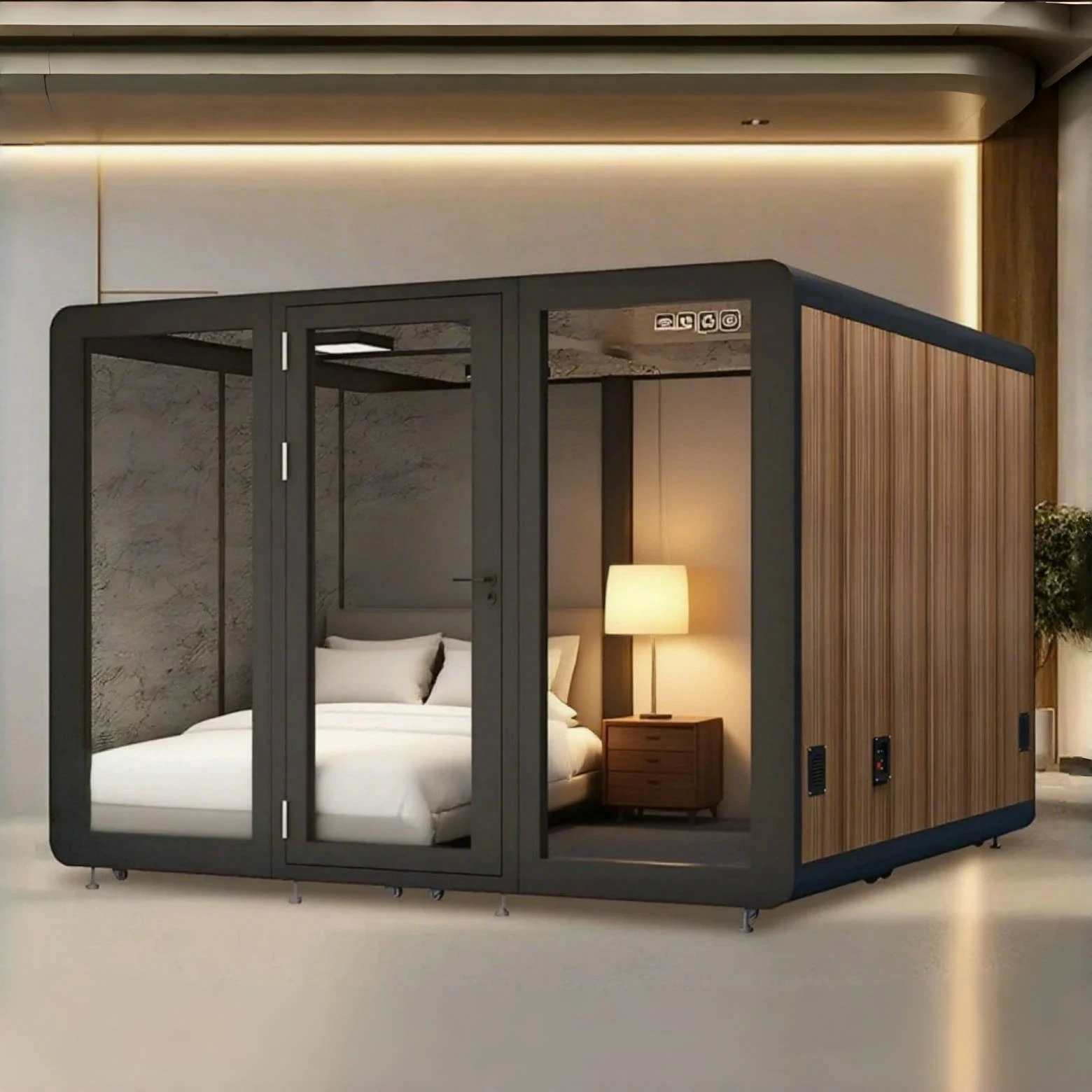


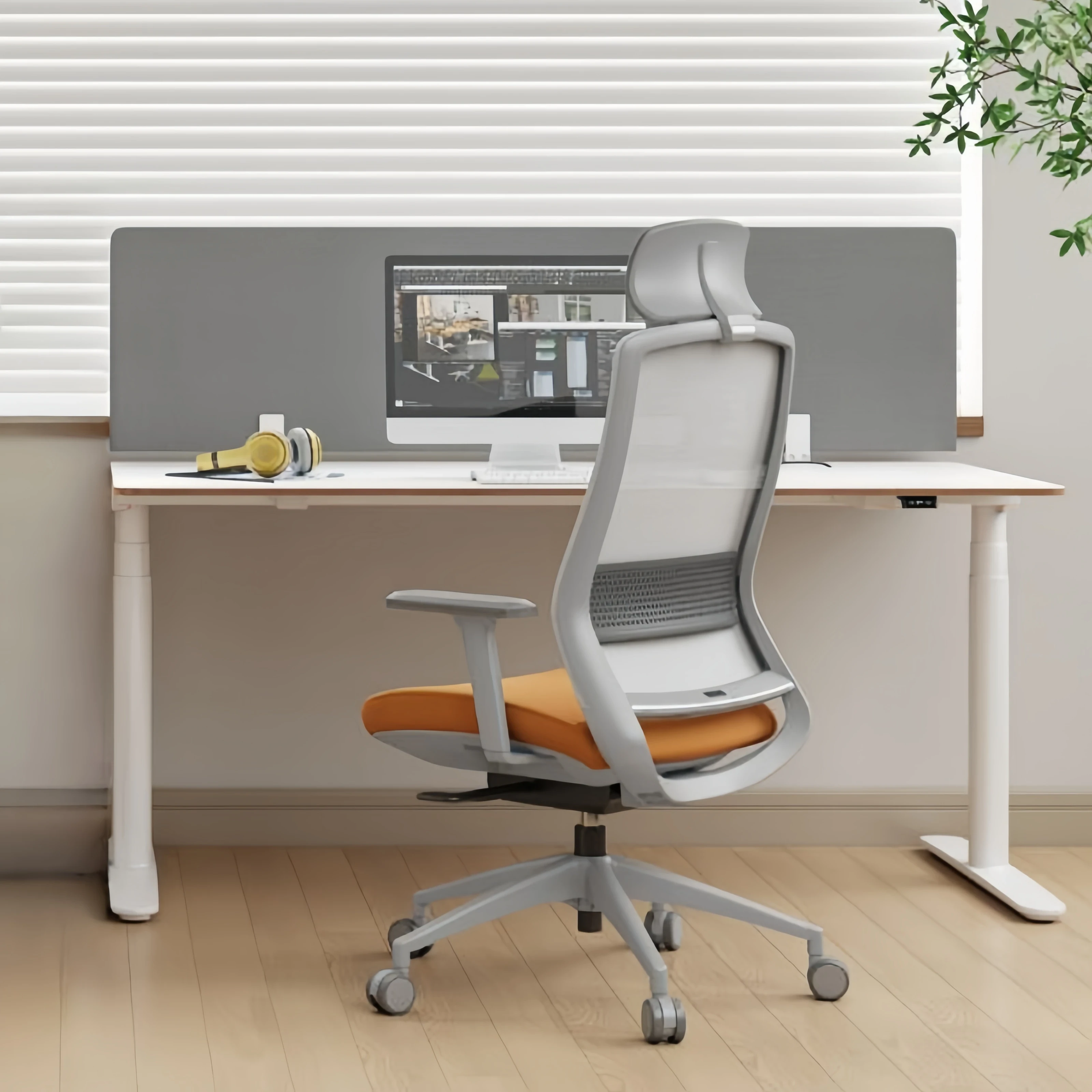


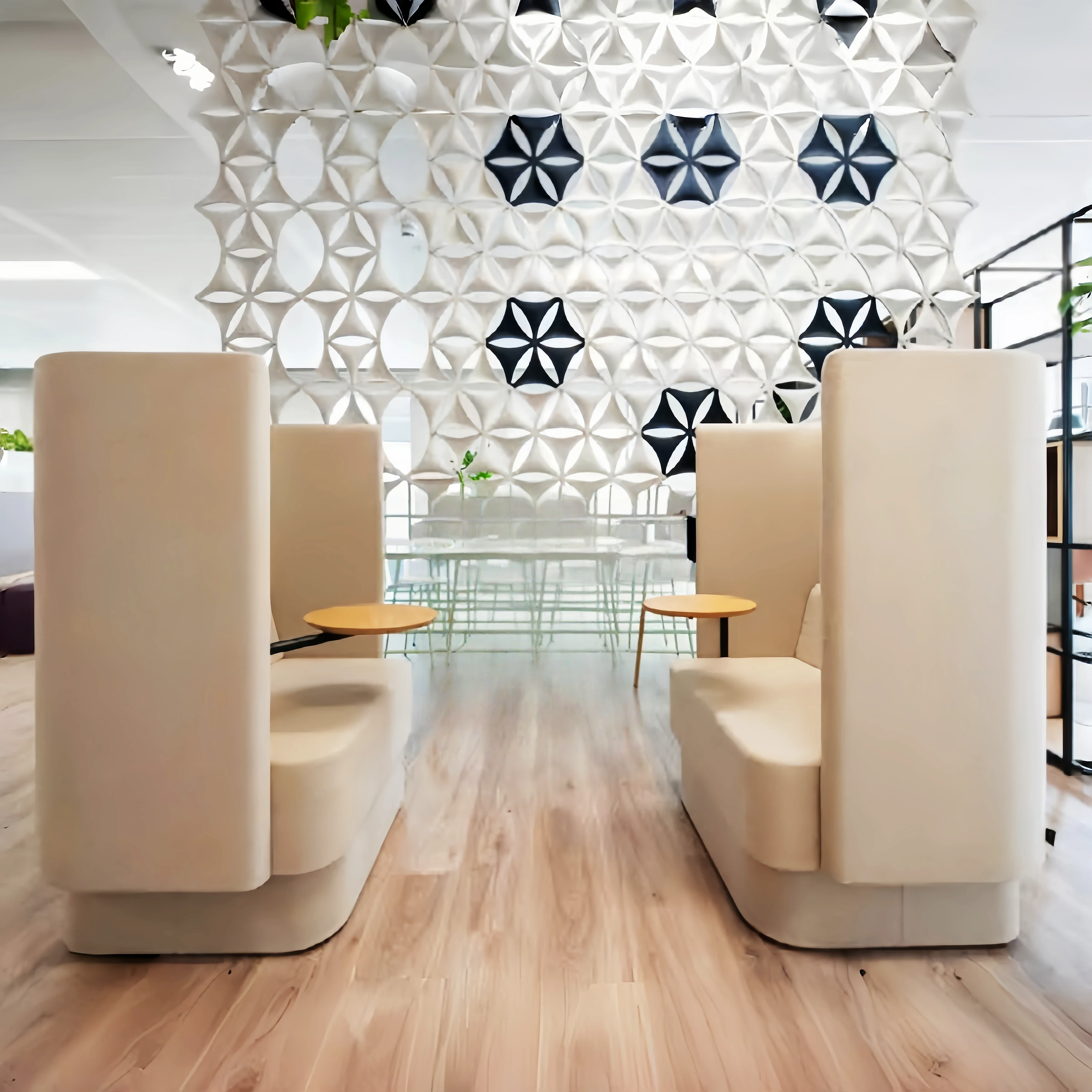

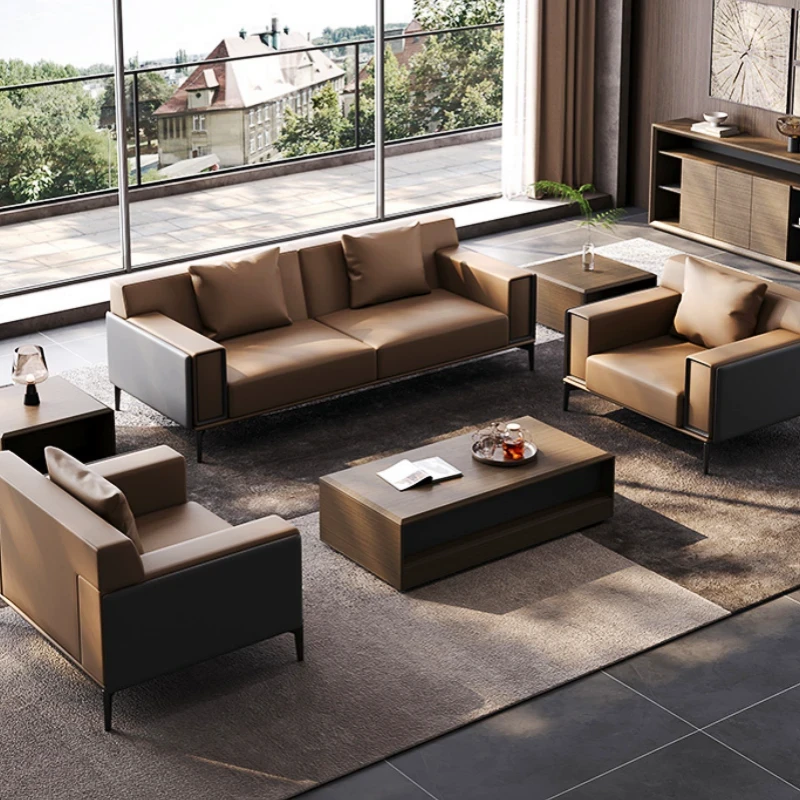
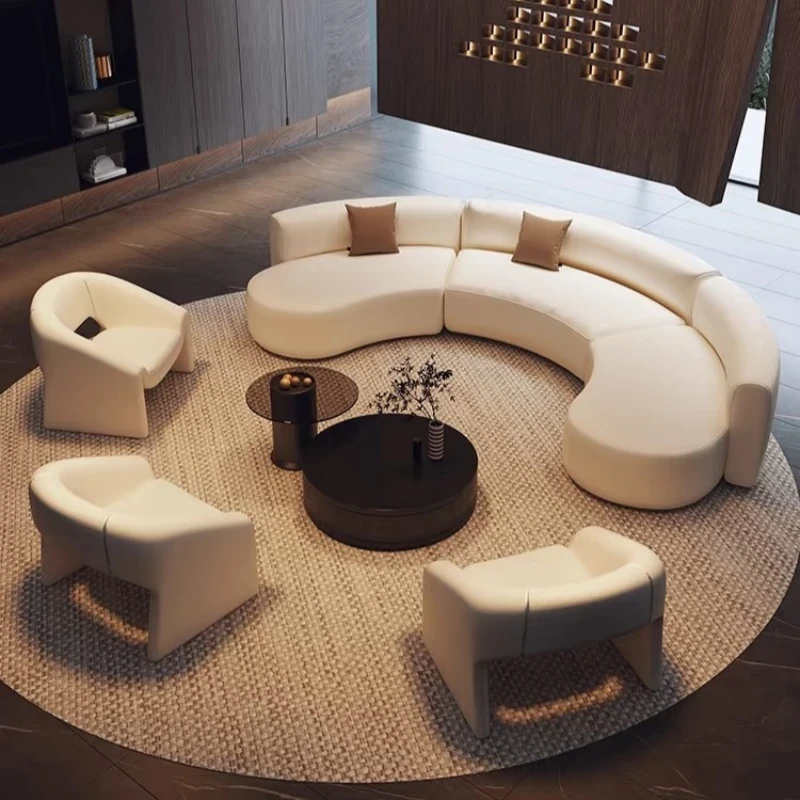
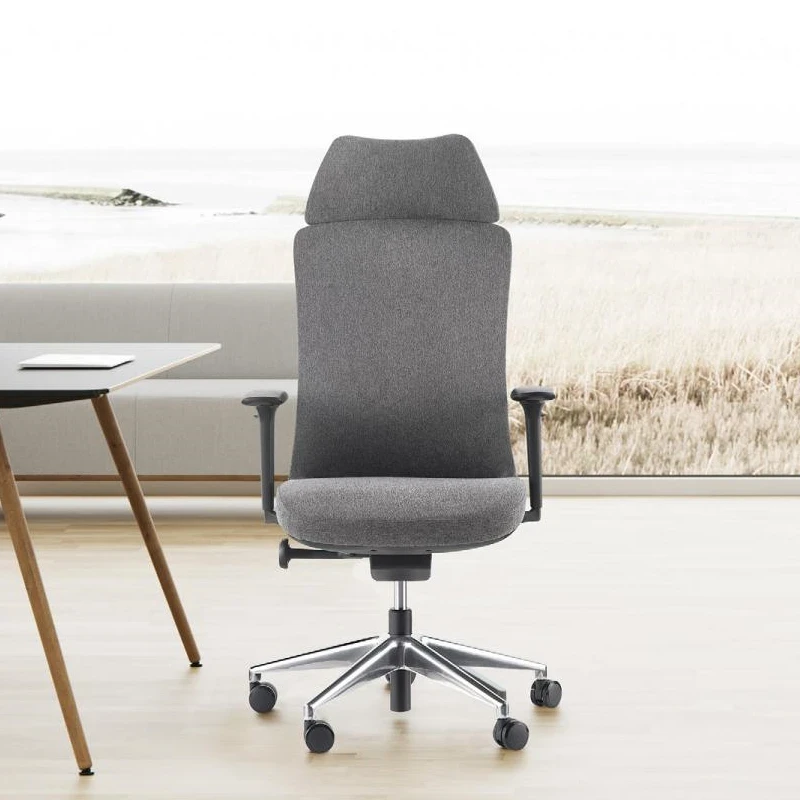


Bank Furniture: First and foremost, bank furniture must be highly functional, meeting both the needs of employees for efficient work and the comfort needs of customers. This involves the planning of various functional areas such as workstations, customer waiting areas, and meeting rooms.
Workspace: For example, teller workstations need a rational layout for daily operations, while providing sufficient storage space for documents and cash.
Waiting Area: Comfortable seating and appropriate lighting enhance the customer experience.
Meeting Room: Privacy measures are necessary, and the furniture should facilitate business negotiations.
2. Security:
Banks have extremely high security requirements; therefore, furniture design must consider how to integrate with the overall security system.
Teller Counter: Typically equipped with bulletproof glass or anti-theft designs to ensure employee safety.
Storage Space: Security locks are required to ensure the safe storage of sensitive documents and items.
3. Durability :
Banks experience high staff turnover and daily customer traffic; therefore, materials must be durable and easy to maintain.
Material Selection: Wear-resistant, scratch-resistant, and easy-to-clean materials should be used.
Structural Design: Stability should be emphasized to ensure the furniture remains in good condition even after prolonged use.
4. Brand Image
: Furniture style should be consistent with the bank's brand image to enhance the overall visual effect and customer brand recognition.
Design Style: Modern, minimalist, technological, or traditional and stable styles should match the bank's own positioning.
Color Scheme: Ensure consistency with the bank's logo color scheme to create a unified visual experience.
5. Ergonomics:
Especially for office furniture, it must meet ergonomic requirements to provide a comfortable working environment and improve employee efficiency and health.
Chair Design: Adjustable height and support help employees maintain correct posture.
Desk Height: Set according to ergonomic principles to reduce physical fatigue from prolonged use.
6. Technological Integration
: With the advancement of technology, bank furniture also needs to consider integration with technological equipment, including embedded designs for power supply equipment, data interfaces, and other intelligent devices.
Multimedia Equipment Adaptability: Such as screen mounting positions for meetings and presentations, audio system access, etc.
Intelligent System Compatibility: Configure smart lighting, air purification, and other facilities to improve environmental quality and safety.
7. Environmental Protection and Sustainability:
Modern design increasingly emphasizes environmental protection and sustainability. Bank furniture should prioritize environmentally friendly materials and pay attention to the product life cycle.
Material Selection: Use recyclable or environmentally certified materials.
Design Concept: Consider modular design to facilitate maintenance and replacement, reducing environmental impact.
In summary, custom design of bank furniture is a complex undertaking that requires a balance between aesthetics, practicality, and safety. Designers need to work closely with all stakeholders within the bank to ensure that the final design fully meets user needs and brand image, while also possessing sufficient foresight and adaptability.