
 USD
USD GBP
GBP
 EUR
EUR







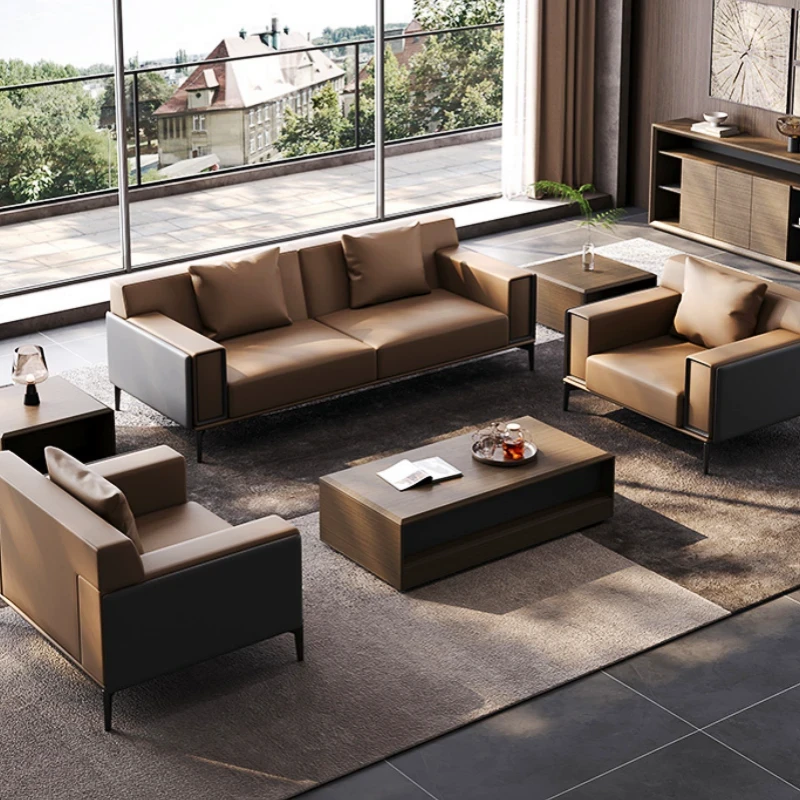
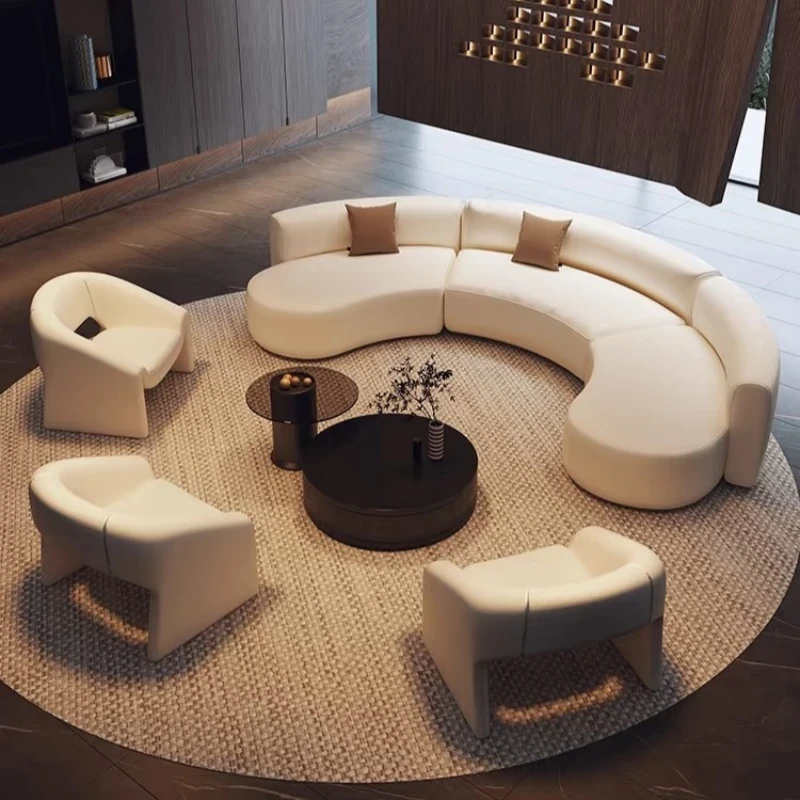
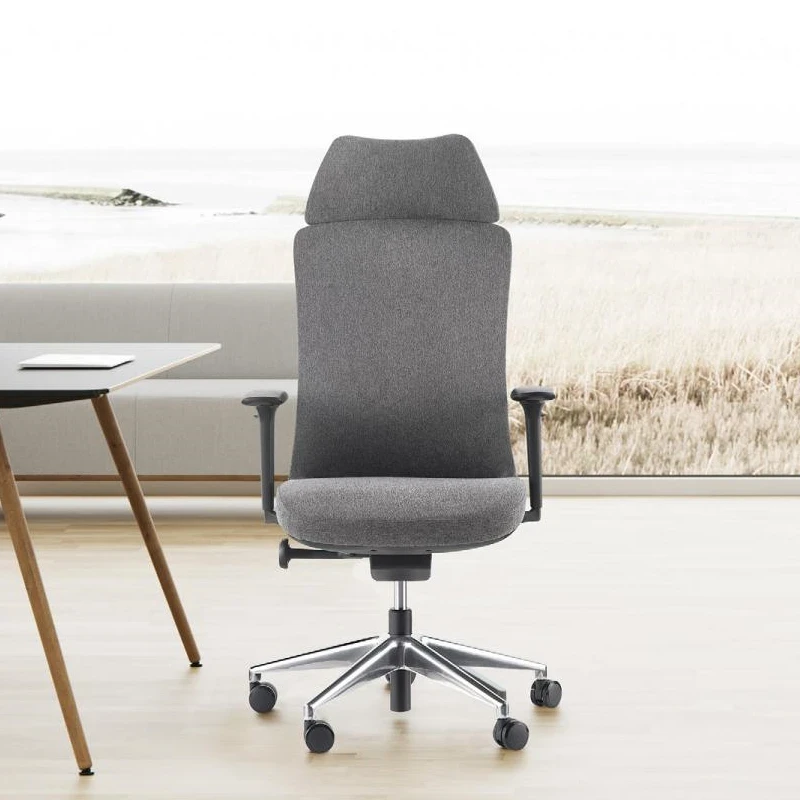


Transform Your Workspace: How to Decorate My Office at Work
Dec 10, 2025


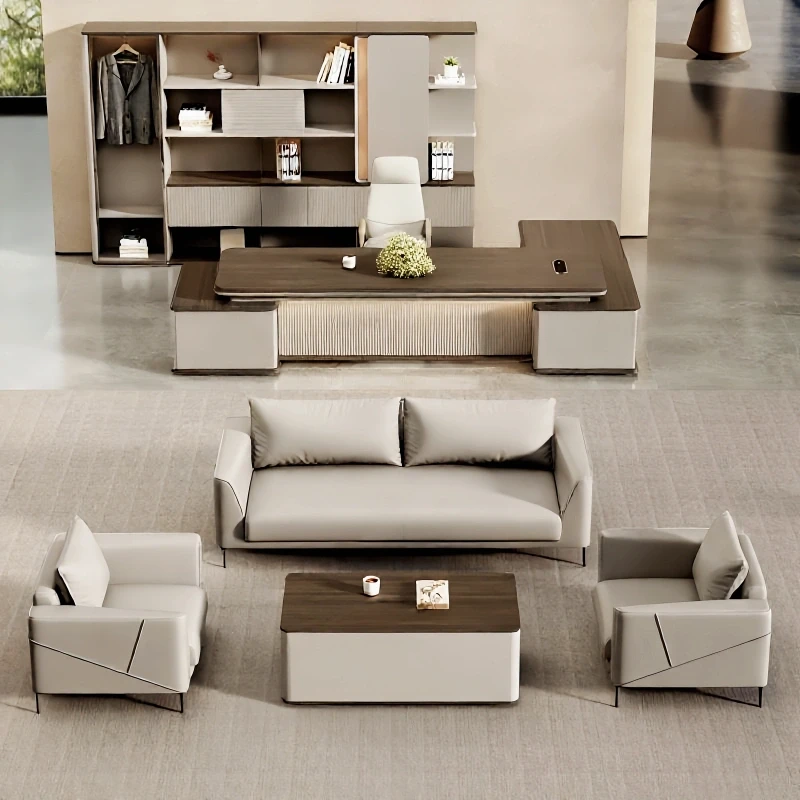
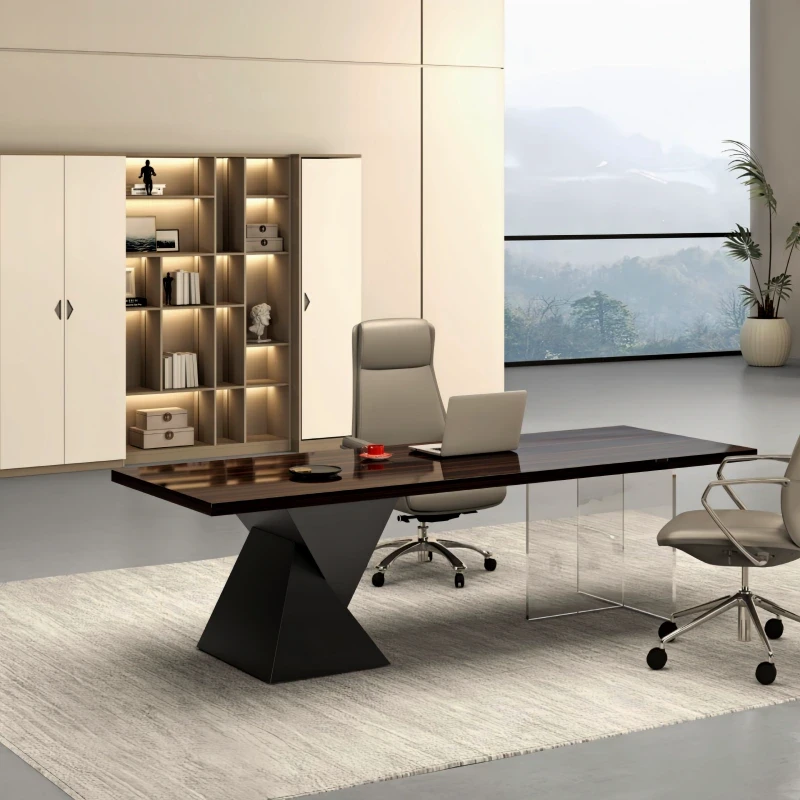
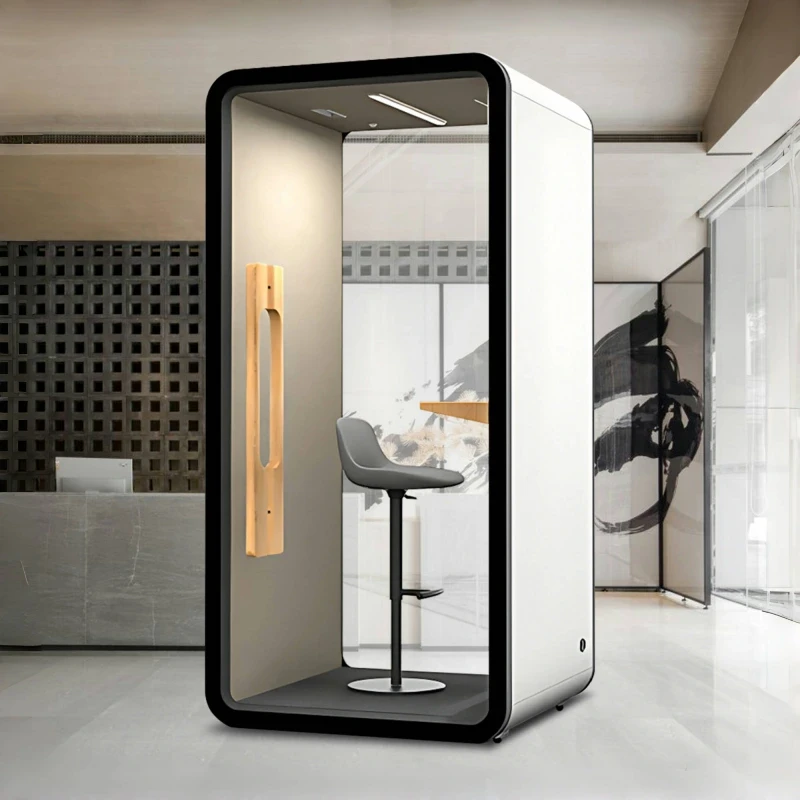
In the context of increasingly tight office space, cleverly arranging furniture is not only key to saving rental costs but also crucial for improving work efficiency and employee satisfaction. Beyond the versatility and flexibility of integrated office partitions, space-saving strategies for office furniture require comprehensive consideration from multiple dimensions, combining space planning, furniture selection, and environmental optimization to achieve the goal of "small space, big efficiency." The following is a detailed analysis based on industry practice and professional advice:
I. In-depth Application of Multifunctional Furniture
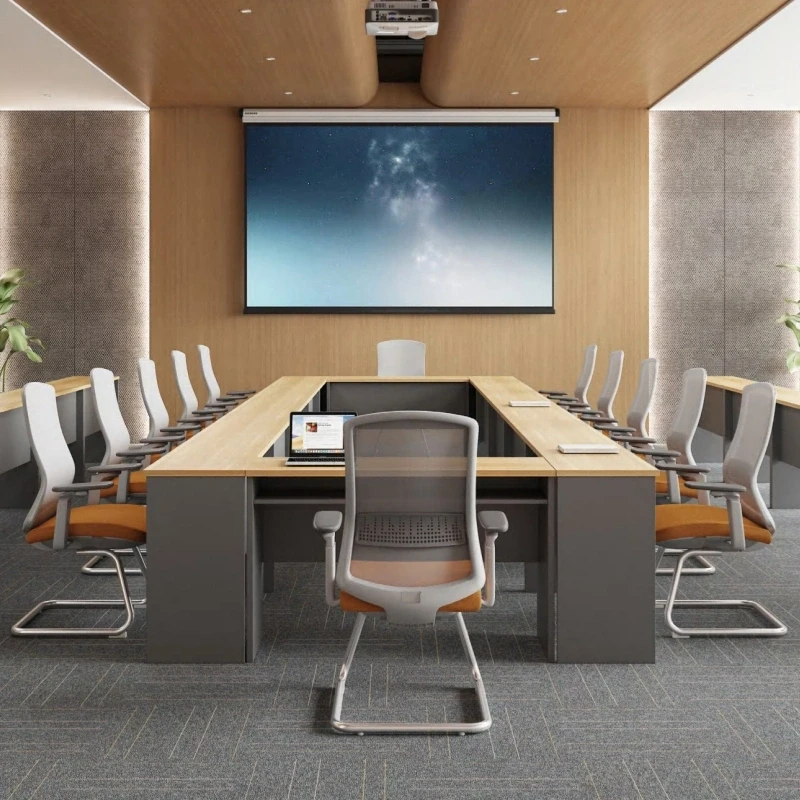
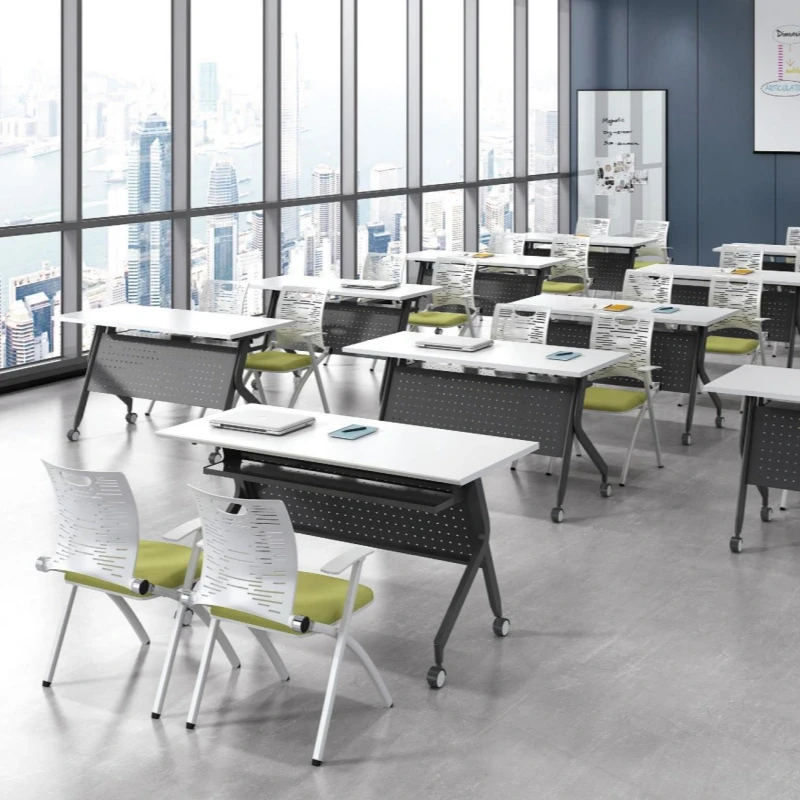
Multifunctional furniture is one of the core strategies for saving space, designed with the intention of "one item, multiple uses." Besides integrated partitions mentioned by users, other types of multifunctional furniture are also worth exploring. For example, desks with storage functions, through drawers under the desk, filing cabinets on the side, or built-in storage compartments on the desktop, can centrally manage documents, stationery, electronic devices, etc., avoiding the need for separate storage furniture that occupies space. In addition, foldable conference tables or extendable desks can be folded and stored in a corner or against a wall when not in use, freeing up activity space and adapting to different meeting sizes or temporary needs.
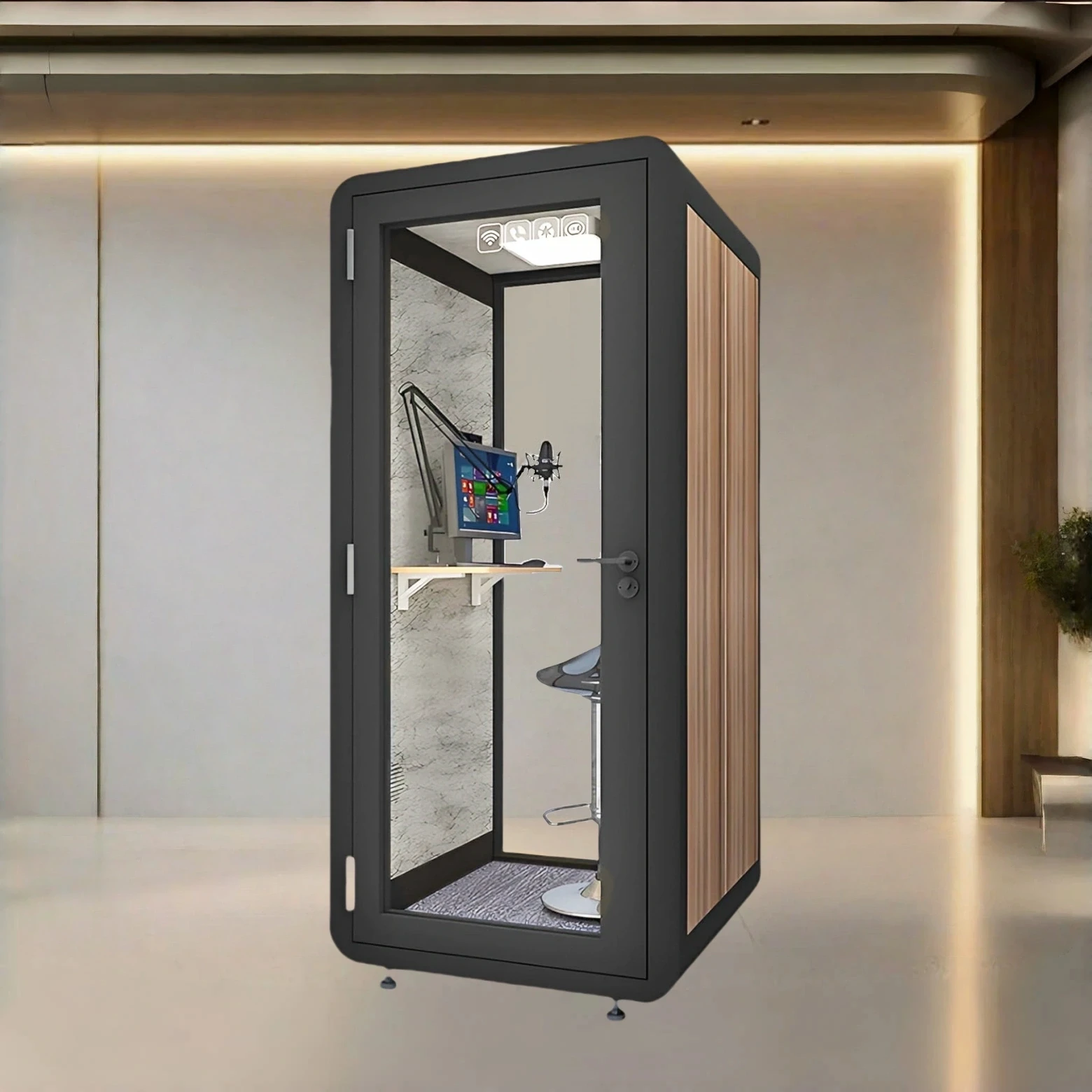
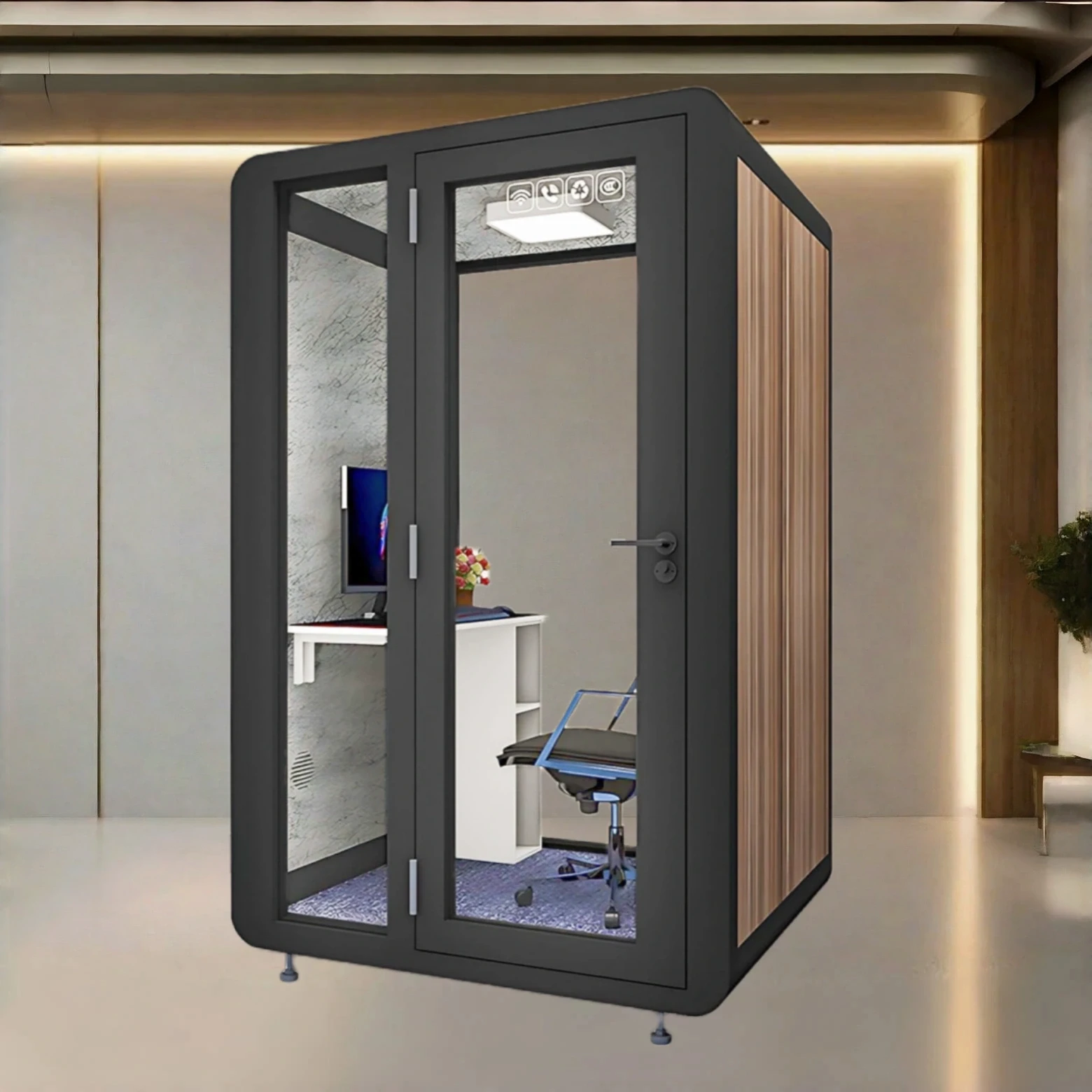
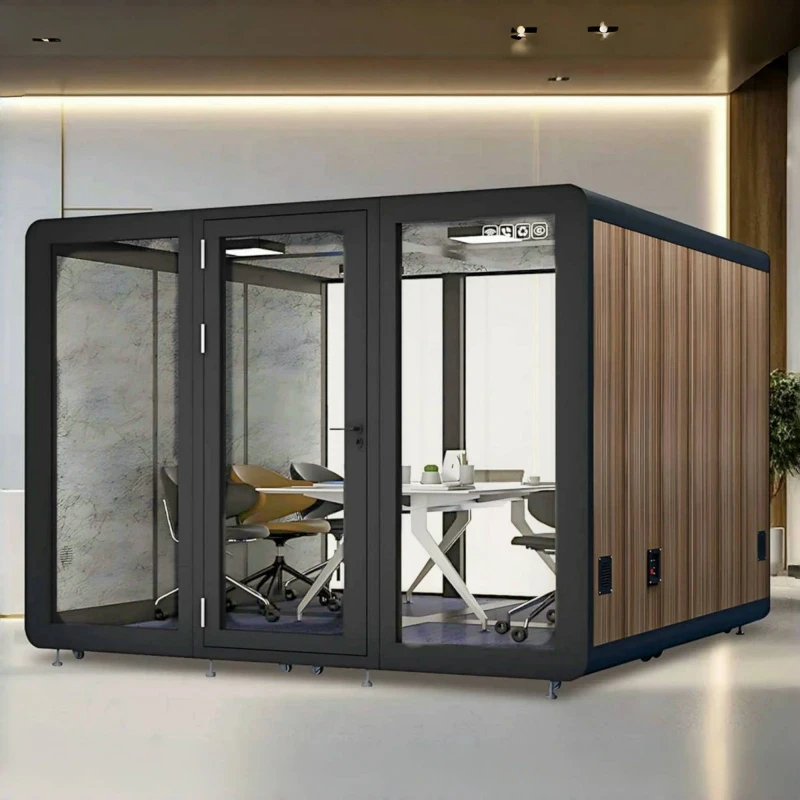
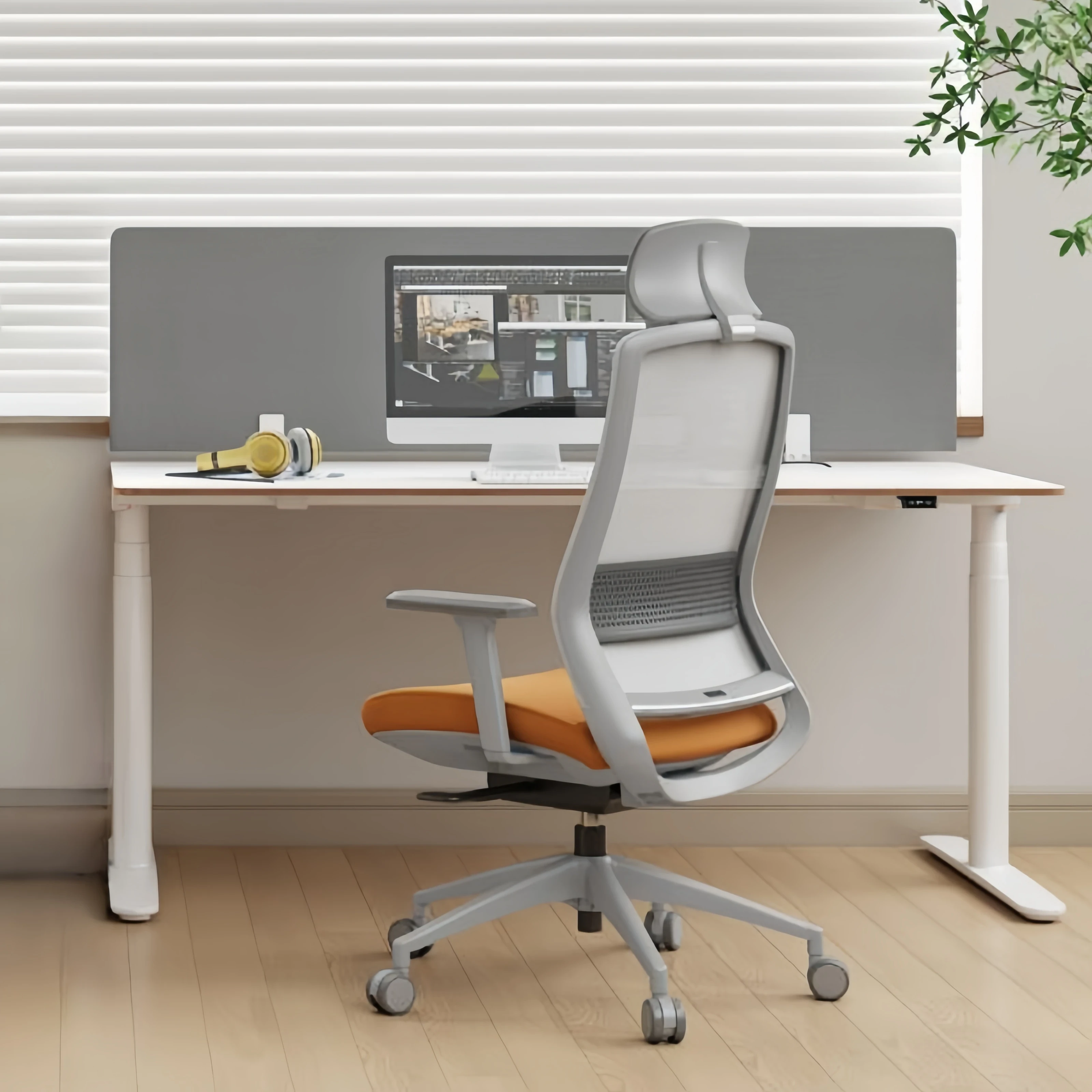
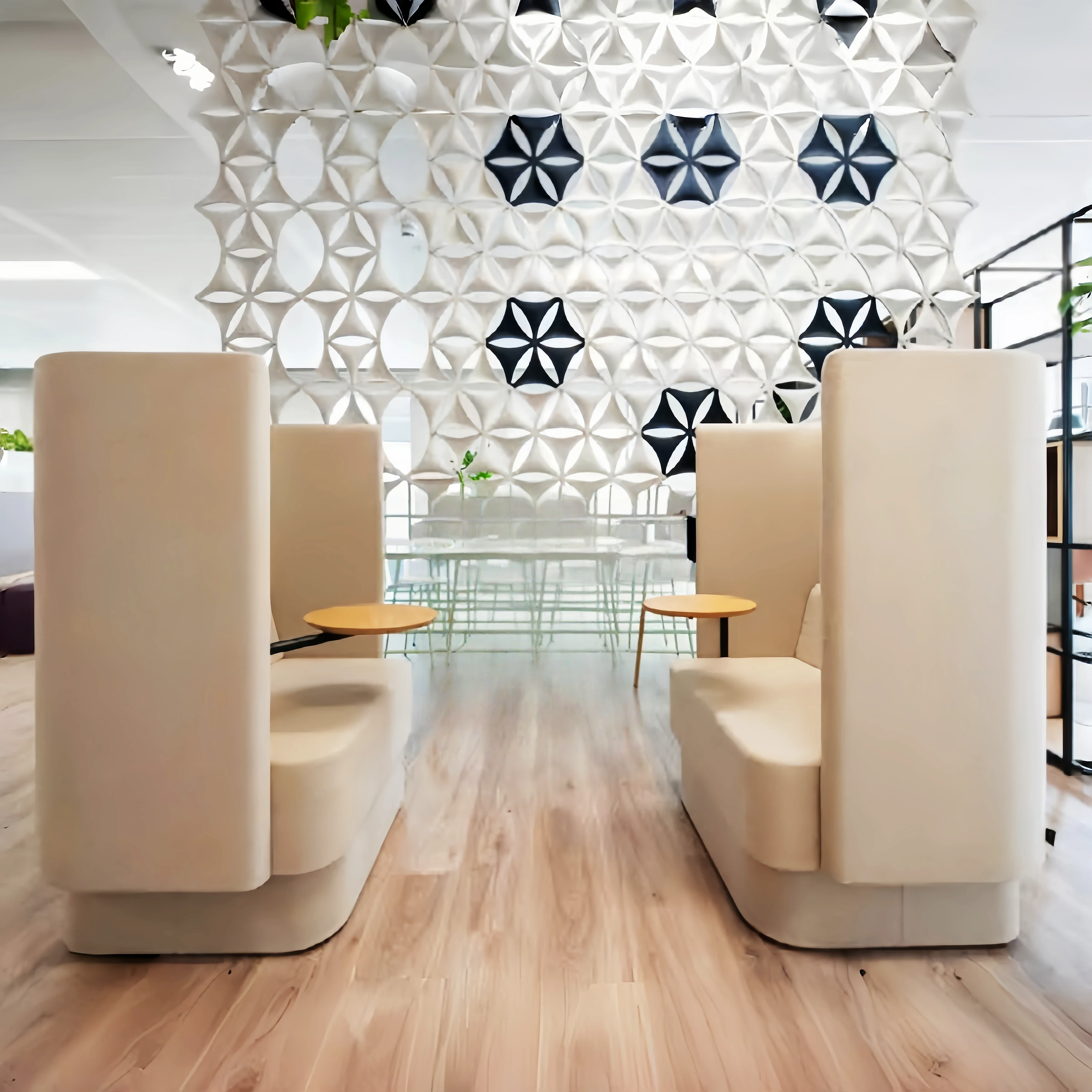
For small offices, modular furniture (such as modular screen desks and connectable storage cabinets) is an ideal choice. This type of furniture can be freely combined or disassembled according to the number of employees and departmental collaboration needs. For example, a multi-person screen desk with facing desks can meet daily office needs and can be quickly transformed into a temporary meeting table when needed. At the same time, the screen partitions can protect employee privacy and reduce psychological disturbances.
II. Efficient Utilization of Vertical Space
When floor space is limited, developing vertical space is key to overcoming bottlenecks. For example, wall-mounted bookshelves or filing cabinets can place books, documents, and other items at higher levels, saving floor space and making them easily accessible. For scenarios requiring frequent document access, tiered wall-mounted cabinets combined with labeling can improve efficiency.
Furthermore, wall-mounted cabinets or overhead storage shelves are suitable for storing infrequently used items (such as spare office supplies and out-of-season documents), reducing clutter on the floor. Hooks or racks installed on the walls can hang employee bags, coats, and even small plants, further freeing up desktop and floor space. It's important to note that the design of vertical furniture must balance safety and aesthetics. For example, choose a sturdy installation structure and ensure it coordinates with the overall office style.
III. Flexible Space Zoning and Layout
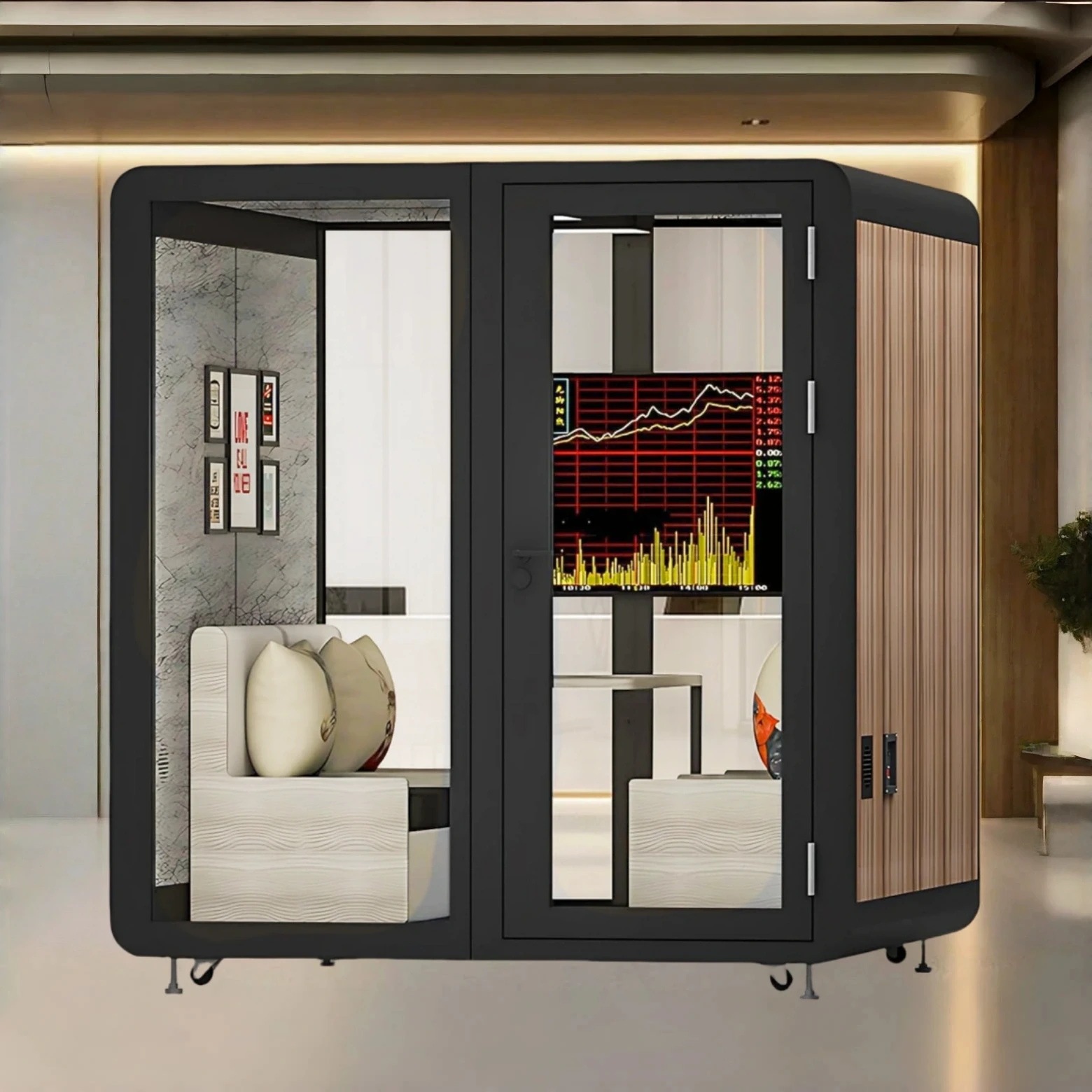
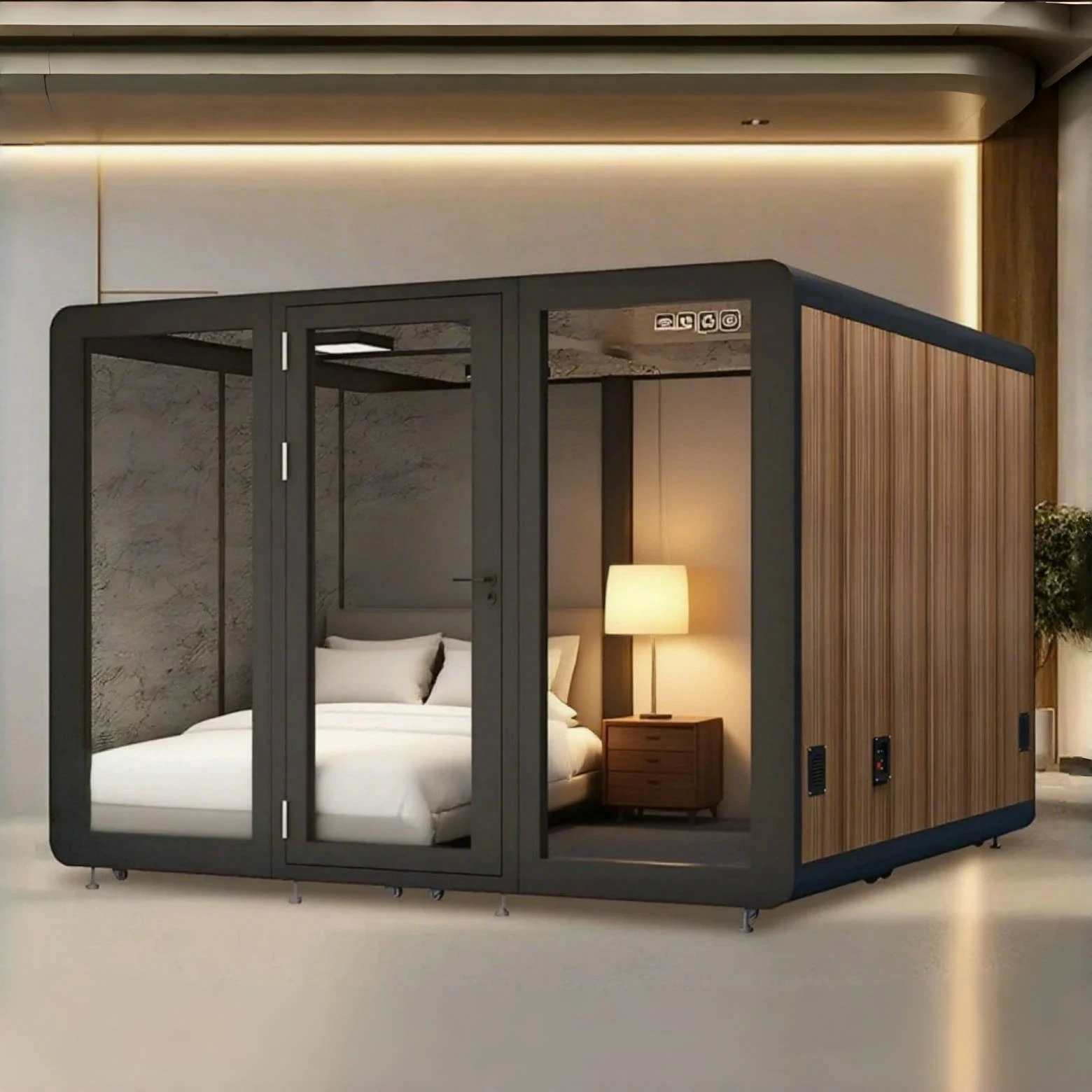
Rational division of office areas is a crucial prerequisite for saving space. Based on functional needs, clearly divide the space into modules such as office areas, meeting areas, and rest areas to avoid confusion caused by overlapping functions. For example, the office area can adopt a compact layout, placing desks against the wall with passageways in the middle; the meeting area can use movable tables and chairs, easily adjustable according to the number of participants; the rest area can be furnished with small sofas or folding chairs to meet employees' needs for short breaks.
In layout design, traffic flow planning is particularly critical. It's essential to ensure employees can move freely within the office area, avoiding obstructions caused by furniture placement. For example, avoid placing passageways directly behind sofas to prevent affecting conversations or creating collision risks; large furniture (such as filing cabinets) should be placed against walls as much as possible to minimize their impact on activity space. For small offices, an "L" or "U" shaped layout can be used, creating multifunctional areas through furniture combinations while maintaining smooth traffic flow.
IV. Precise Matching of Furniture Size and Shape
The size and shape of furniture directly affect space utilization. Before purchasing, the office space should be measured on-site to determine the usable area of each area. For example, choose compact desks (such as narrow, long desks or low desks) to avoid overly large furniture causing a cramped feeling; for corner spaces, round or curved desks can be used to reduce wasted space and make the space more streamlined.
At the same time, the height of the furniture must match the ceiling height. Low furniture (such as low cabinets and small coffee tables) can reduce the feeling of visual oppression, while tall furniture (such as floor-standing filing cabinets) is suitable for placement against the wall to avoid blocking windows or affecting lighting. In addition, lightweight and movable furniture (such as filing cabinets with wheels and modular sofas) can flexibly adjust the layout to adapt to changes in personnel or functional needs.
V. Balancing Ventilation, Lighting, and Comfort
While saving space, the comfort of the office environment must also be considered. Overly dense furniture placement will hinder air circulation and natural lighting, leading to employee fatigue or decreased efficiency. Therefore, furniture should not be piled up during layout, especially large furniture (such as screen tables and filing cabinets), which should be kept a certain distance from windows to ensure sufficient light.
In lighting design, natural light and artificial light sources can be combined. For example, choosing light-colored furniture (such as white and beige) can enhance the brightness of the space due to its strong light reflection ability; installing adjustable LED lights above screen tables can meet office lighting needs while avoiding the extra space occupied by the lights.
VI. Unity of Environmental Protection and Aesthetics
Modern office spaces increasingly demand both environmental protection and aesthetics. Choosing furniture made of environmentally friendly materials (such as low-formaldehyde boards and recycled wood) not only reduces health risks but also reduces visual burden through simple designs, indirectly saving space.
Aesthetically, furniture style should be consistent with corporate culture. For example, technology companies may prefer minimalist, modern designs, while creative agencies can choose brightly colored and uniquely shaped furniture. A unified style reduces visual conflict between furniture, making the space appear cleaner and more organized.
VII. Professional Design and Customized Solutions
For spaces with complex or special needs, the involvement of a professional designer is crucial. For example, Xiamen Xinjiahaomei Furniture Co., Ltd. offers personalized design solutions, customizing multifunctional furniture or flexible layouts based on company size, departmental collaboration needs, and future expansion. Professional design not only maximizes space utilization but also enhances the overall office experience through detail optimization (such as furniture corner treatment and storage system design).
The core of clever office furniture arrangement lies in "function priority, flexible adaptation, and detail optimization." By selecting multifunctional furniture, developing vertical space, precisely matching sizes and shapes, planning traffic flow and zoning, balancing ventilation, lighting, and comfort, and combining environmental and aesthetic needs, companies can effectively save space costs while creating an efficient, comfortable, and distinctive office environment. As office models continue to evolve (such as remote work and flexible workstations), furniture arrangement strategies also need continuous adjustment to adapt to dynamically changing needs. Ultimately, professional design and customized solutions will become key supports for companies to maximize the value of their space.
Recommend reading
Where to Buy Cheap Office Supplies | Guide for Bargain Hunters
How to Choose the Right Office Filing Cabinet to Improve Work Efficiency
Why I Switched: 7 Standing Desk Benefits That Matter
A Must-Read for Professionals: 3 Golden Rules for Choosing the Perfect Office Chair — From Back Support to Style
Subscribe To Our Newsletter
You Can Get The News Of Our Products
SIGN UP
Contact Info
support@Guddorfiss.com
Payment Methods