
 USD
USD GBP
GBP
 EUR
EUR


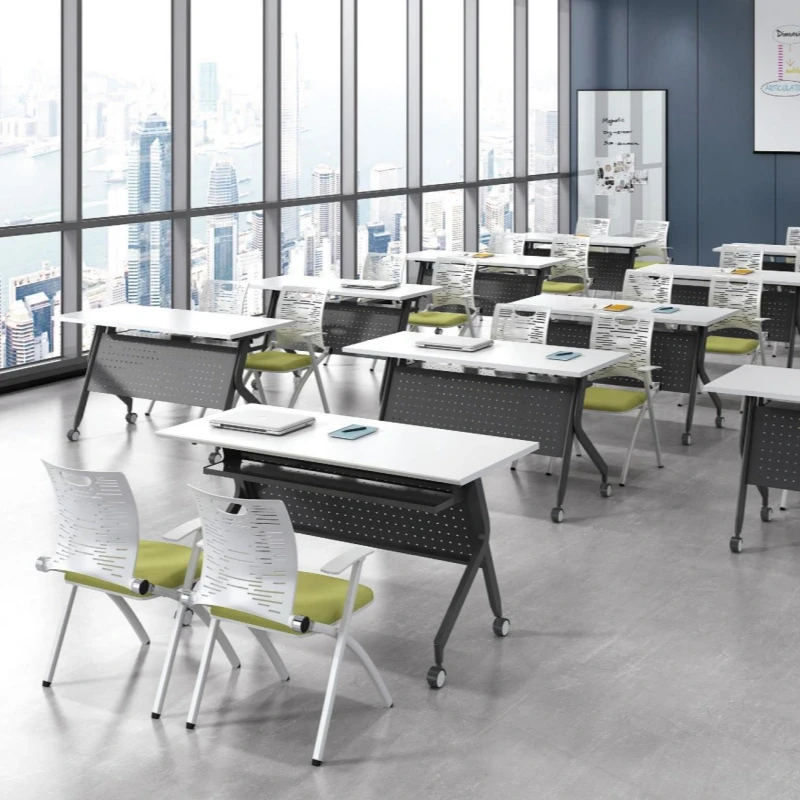






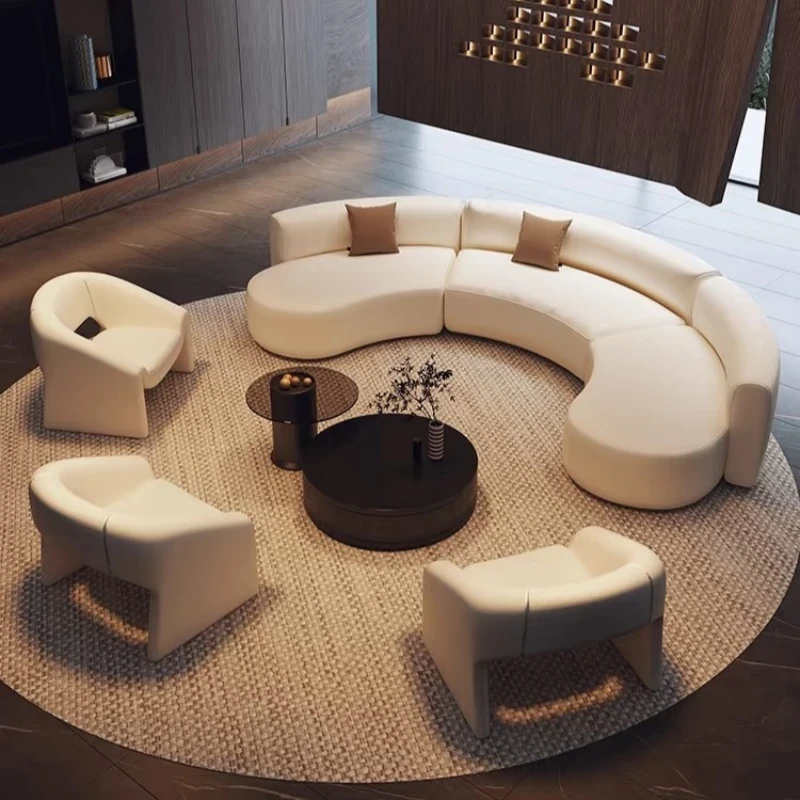
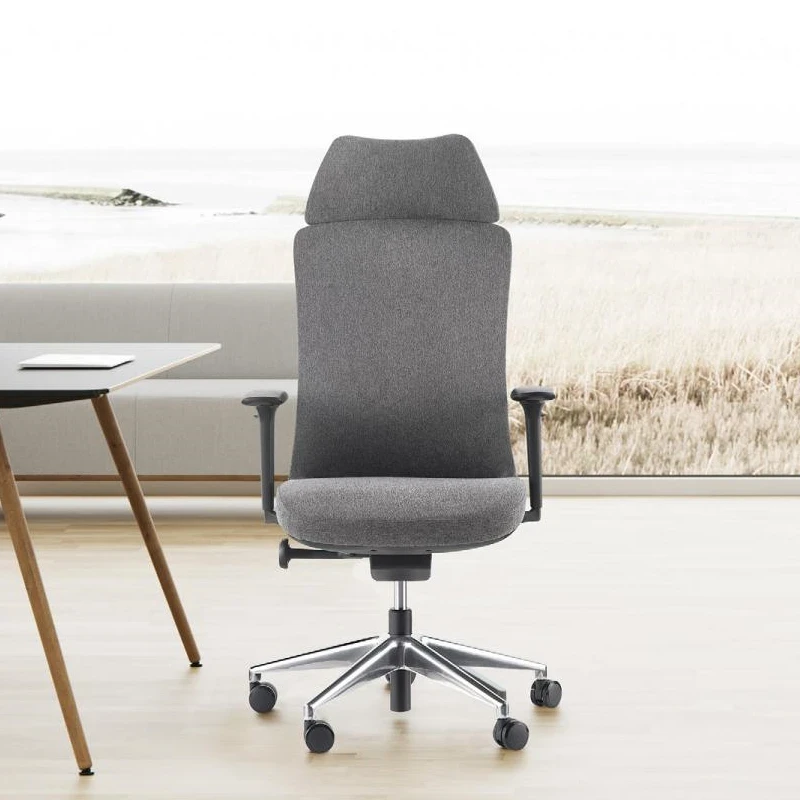


Spending hours at your desk requires a sitting system that allows your body to rest as well as increase productivity. Thus, the choice of office furniture is one of the most important decisions that any home worker or office worker would make. The right chair changes your work environment to be a place of comfort rather than a source of back pain, poor posture, and poor performance at work due to the rigorous working days. In the process of finding the most comfortable office chairs, it is crucial to acquire the basic attributes of the features that make the difference between excellent seating and mediocre seating when deciding to make an informed investment in the state of your health and professional performance.
Learning the Principles of Ergonomic Design
The cornerstone of most comfortable office chairs is ergonomic excellence, based on scientific concepts of human anatomy and biomechanics that aim at developing chairs that not only do not work against your anatomy during the extended hours of work, but rather work with it.
The lumbar spinal area normally curves inwards, and when chairs are not ergonomically fitted with a support to the lower back, the lumbar muscles are required to overwork, and you end up with fatigue, pain, and long-term back problems that will even determine the quality of the life you lead, even when you are not at the workplace.
Adjustable lumbar support systems also enable the user to adjust the backrest so that it fits in the areas where the lower back needs the most support and so that it can be customized to fit the natural S-curve of the spine during the working day.
The width and depth of the seat should fit your body dimensions, with a comfortable seat cushion that would allow you to sit with your back against the backrest and still have a few inches between the seat-edge and the back of your knees to allow healthy circulation.
Armrests, when set, ought to be adjustable to the height and width of your shoulders so that your shoulders can be naturally relaxed, where your elbows are positioned at ninety degrees, which will allow the strain on the neck and shoulder muscles that normally contract when you are engaged in a focused work session to be relieved.
The Material Choice and the Breathability
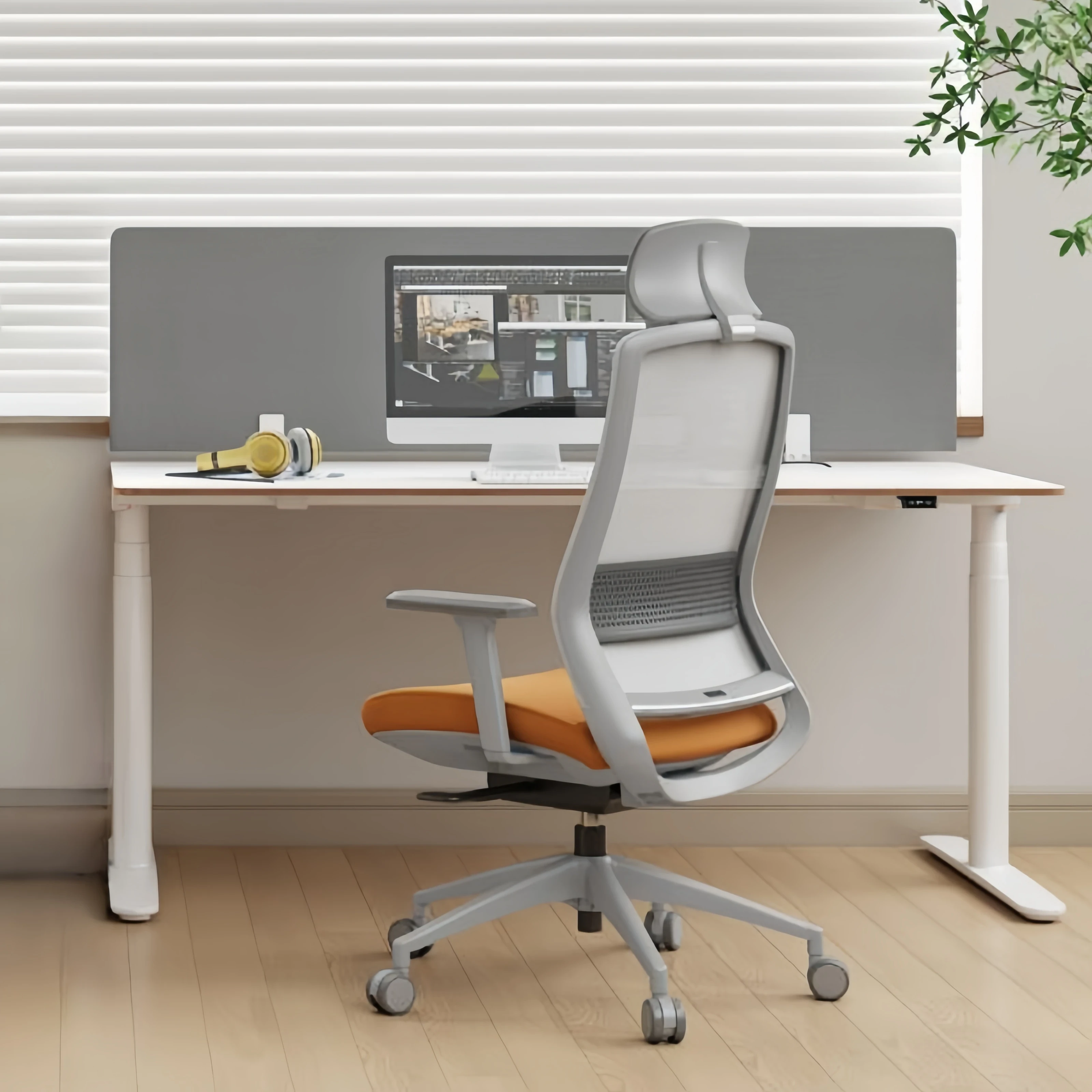
The structure of an office chair plays a major role in how comfortable it feels during long hours of sitting. Breathable fabrics and firm, supportive padding can determine whether you stay cool and comfortable or end up feeling hot and uncomfortable as the day goes on. Mesh backrests have become popular because they allow air to flow across your back, helping disperse the heat that usually builds up during warm weather or in offices with poor ventilation.
The high-density foam cushion offers excellent support to the alternatives, which are cheaper and are liable to compression and flattening within months of frequent use, and the capacity to evenly distribute body weight across the sitting surface and form pressure points.
Customization and Adjustability
Customization of your sitting position is what makes the difference between adequate office chairs and the most comfortable office chairs, which actually adjust to each individual's body size and preference as to how one would want to sit to accomplish various activities in a single day.
Height adjustability options must be easy to adjust and they should be firmly fixated at the level you wish them to be with ease so that you can position the chair in such a way that your feet are flat on the floor and that your thighs are parallel to the ground so that you can have good circulation and your legs will not be strained at the back.
Tilt tension adjustments allow you to change the force when sitting in a reclined position so that the chair does not give way too easily, as larger people can lean back without difficulty, and lightweight users do not have to fight against too much friction in the springs, which makes sitting back a physical exercise.
The forward tilt options are useful to those who often lean forward at their desks to write, draw, or do intensive computer tasks, and have the seat pan tilted at an angle that opens the hip angle and puts less stress on the bottom of the back when in the constant forward stooped positions.
Headrests are also imperative in supporting the neck muscles and the cervical spine, as well as being helpful in cases where the user is spending a considerable amount of time either on the phone or in a video conference, and the head is resting instead of struggling to lean forward to see the screens.
Weight Capacity and Durability Considerations
Education on weight ratings and quality of construction would mean that your investment in office chairs will be a reliable investment that will serve you for years, instead of failing just a few months into the job because the engineering of the chair was poor or the materials used were of poor quality, and thus cannot support your body type in daily operation.
The weight capacity of most standard office chairs is two hundred and twenty-five pounds to two hundred and fifty pounds, with many manufacturers currently producing heavy-duty types with a weight capacity of three hundred pounds or higher, with a reinforced frame, wider seat, and stronger hydraulic cylinders that can comfortably fit the larger user.
Recommendation
To the individuals who want to have outstanding office furniture that balances quality, style, and functionality, Guddorfiss presents a sophisticated choice of high-quality seating arrangements that will turn your workplace into a comfortable and productive place that enhances one's career and personal welfare. Their line is comprised of selectively chosen office seating that is of high standards in terms of comfort, adjustability, and the durability of their seats, and all their furniture can be of high quality, which includes the high-performance expectations of discriminating professionals.