
 USD
USD GBP
GBP
 EUR
EUR









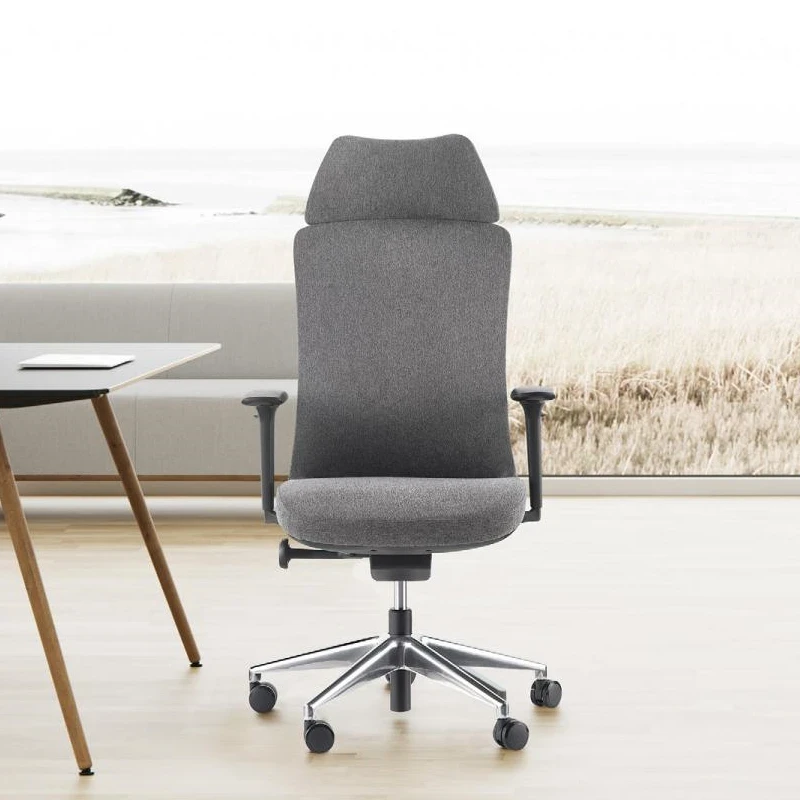


The Best Ergonomic Office Chair | Key FAQs Answered
Nov 04, 2025


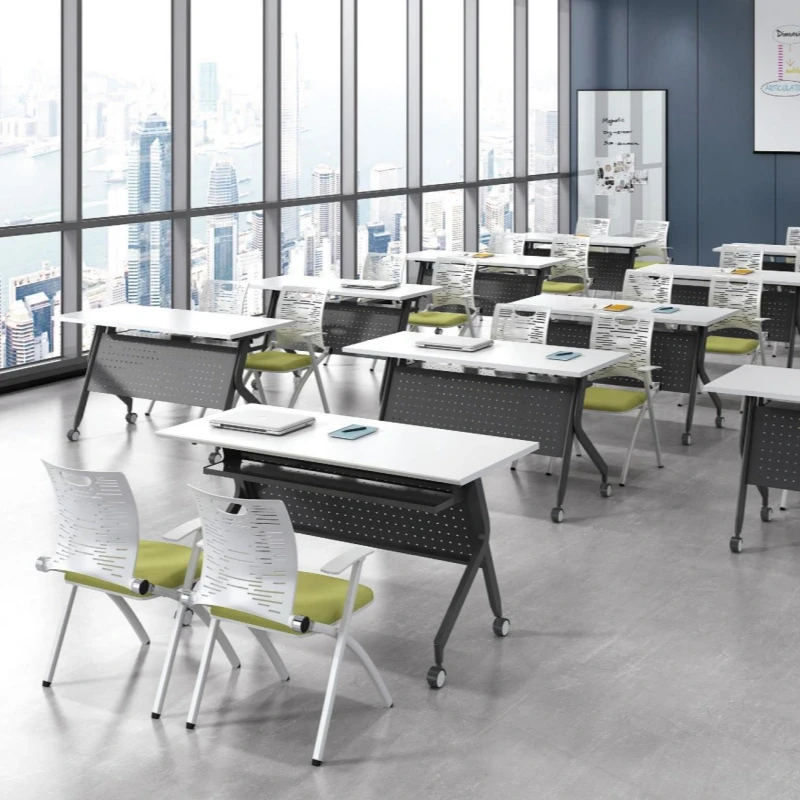
Auditorium chairs, as the name suggests, are chairs used in auditoriums. In modern life, they are widely used in important formal occasions such as auditoriums, opera houses, conference halls, meeting venues, and school lecture halls, providing seating to draw attention to the stage.
Auditorium chairs are designed with ergonomics in mind. In addition to the common features of all chairs, such as seats, backrests, armrests, and legs, they also include a tabletop on one side of the armrests for taking notes or placing items. This thoughtful design effectively saves space, enhances the feel of the auditorium, and makes it look more organized. The seats use soft cushions similar to sofas, making them very soft and comfortable. The backrests are also similarly upholstered, and the backrests have a flip-up design, automatically flipping up when not in use for easy access. Auditorium chairs come in two leg types: single-leg landing and armrest-leg landing. Auditorium chairs with one leg are easy to connect with other facilities, while those with armrests and legs are sturdy, simple in structure, and easy to install. Both types of auditorium chairs have their advantages. The internal structure of an auditorium chair is simple, consisting of a plastic panel, spring frame, and plastic inner shell. It has excellent resilience, and its springs are high-grade, making them durable and requiring no maintenance. Its seat height and armrests are precisely designed according to ergonomic principles. Auditorium chairs are generally more expensive than ordinary chairs, and naturally, their performance is also better. Their price is higher than ordinary chairs but lower than sofas. They can also be categorized as plastic, wooden, fabric, and stainless steel auditorium chairs.
I. Auditorium chairs mostly consist of five parts:
seat and back panel, seat, armrest mechanism, writing board, and legs. 1. The seat and back panel can be made of painted board or plastic shell, depending on the design requirements. The shape is often curved, aesthetically pleasing, and possesses a beautiful curve.
1. It boasts advantages such as being non-brittle, non-fading, non-deformable, and non-aging. The specially designed sound-absorbing holes in the seat effectively reduce noise, significantly improving the acoustics of the theater.
2. The seats are all made of one-piece molded foam sponge, offering high elasticity, comfortable seating, good resilience, and preventing sagging even after prolonged sitting. They also feature a flip-up cushion with three return modes: slow return, fast return, and weight-based return. The flip-up cushion facilitates pedestrian movement.
3. The armrests are the fundamental support components of the entire seat, connecting all major seat components. They are made of high-quality solid wood. The surface treatment utilizes the traditional Taiwanese Taibo paint process with multiple base and top coats, resulting in a highly smooth and glossy finish with a delicate feel.
4. The writing board uses a cast aluminum frame, offering extended load-bearing capacity, sturdiness, and durability, exceeding industry standards. It can be made with high-density MDF veneer, which is scratch-resistant, wear-resistant, and available in a variety of colors; or with multi-layer solid wood and a high-quality paint finish. Auditorium chairs are available with and without writing boards, as well as front and rear writing boards, so the installation site needs to be determined according to requirements.
5. Legs are generally available in iron and aluminum alloy, molded in one piece, capable of supporting over 200 catties, aesthetically pleasing, elegant, with a traditional sense of stability, and durable. Most importantly, the shape of the auditorium chairs must conform to ergonomic principles, providing good comfort and reducing fatigue for those sitting on them.
II. Auditorium chair materials are divided into three aspects: sponge, fabric, and paint:
1. Sponge: Specially molded foam produced independently. Made with imported raw materials, it has high density, comfortable seating, good resilience, and will not collapse even after prolonged sitting.
2. Fabric: Options include linen, velvet, high-grade special fabrics, and leather. These offer advantages such as flame retardancy, dust resistance, colorfastness, wear resistance, stain resistance, safety, and environmental friendliness.
3. Spray Painting: The steel parts undergo multiple degreasing, pickling, neutralization, surface conditioning, film application, crystallization, and electrostatic spraying processes, resulting in a smooth, clean, and uniform powder coating with no paint peeling.
III. Auditorium Chair Design Features:
1. Convenience and Efficiency: Auditorium chairs typically feature sofa-style cushions. To facilitate evacuation and save space, the cushions are generally designed to be flip-up. Furthermore, considering large venues and multiple seats, allowing users to quickly identify and find their seats, numbered seats and localized lighting are usually incorporated.
2. Multifunctionality: Depending on the usage and site design needs, auditorium and lecture hall chairs may include features such as document holders and writing boards for note-taking, while cinema auditorium chairs may include cup holders.
3. Comfort: Seats should provide good visibility during meetings and performances, be easy to maintain and clean, and be comfortable to use, reducing fatigue.
IV. Points to Note When Purchasing Auditorium Chairs:
1. The surface material should be relatively thick, durable, and resistant to pilling and skipped stitches even after prolonged friction. Sofa fabrics can be divided into domestic and imported. Foreign manufacturers produce high-quality chair fabrics with minimal color difference, high colorfastness, and no weft skew. Some high-end fabrics undergo special surface treatments to enhance stain resistance. Imported high-end fabrics also possess anti-static and flame-retardant properties.
2. The structure of the auditorium chair plays a crucial role. The frame structure, its sturdiness, and the rationality of its design directly affect the chair's quality and usability. Therefore, the first step in selection is to check the overall structural sturdiness and looseness, and whether the design conforms to ergonomics.
3. The internal filling of the auditorium chair is crucial. It is important that the filling and all fabrics are tightly fitted, flat, and crisp. Carefully check for wrinkles at the joints of the armrests, seat, and back. When purchasing, sit on the chair to feel its stability, the rationality of the angles, and its comfort. The quality of the elastic material affects the sofa's comfort and lifespan.
Therefore, elastic materials should be highly pressure-resistant, elastic, and dense. When purchasing, in addition to trying them on, customers can request relevant specifications from the manufacturer to ensure product quality.
4. The color of the auditorium chairs should coordinate with the overall color scheme of the auditorium.
V. Auditorium Chair Maintenance Methods:
1. Cotton Auditorium Chairs: First, wipe with a soft cloth and then allow to air dry. Please note that you should not use wet cloths, hard objects, or acidic or alkaline chemicals to contact the fabric, as this will damage the surface quality and lifespan of the auditorium chairs. Precautions: Wipe with a neutral detergent dissolved in warm water; wipe dry with a clean, soft cloth; dry at a low temperature.
2. Fabric Auditorium Chairs: First, wipe with a neutral detergent diluted in warm water, then wipe off the cleaning solution with a wrung-out damp cloth, and then wipe with a dry cloth. After completely drying, apply an appropriate amount of wood conditioner evenly.
3. Wooden Auditorium Chairs and Chairs: For wooden materials, avoid placing beverages, chemicals, or excessively hot objects on the surface to prevent damage to the natural color of the wood.
4. Leather auditorium chairs have a strong absorption capacity, so care should be taken to prevent stains. Leather materials should be cleaned with a special leather cleaner, and strong cleaners should not be used.
Subscribe To Our Newsletter
You Can Get The News Of Our Products
SIGN UP
Contact Info
support@Guddorfiss.com
Payment Methods