
 USD
USD GBP
GBP
 EUR
EUR


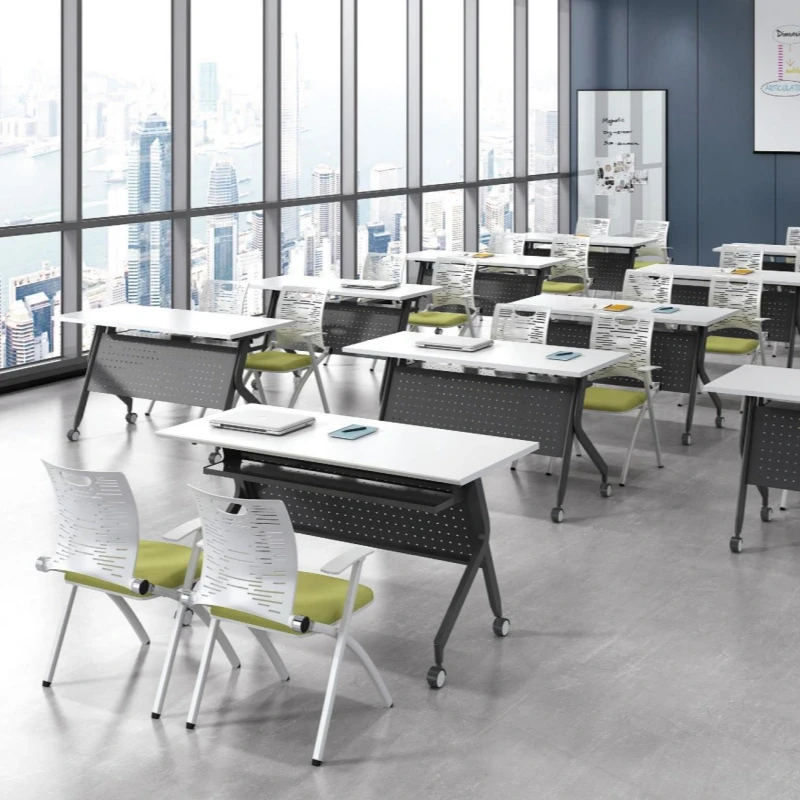
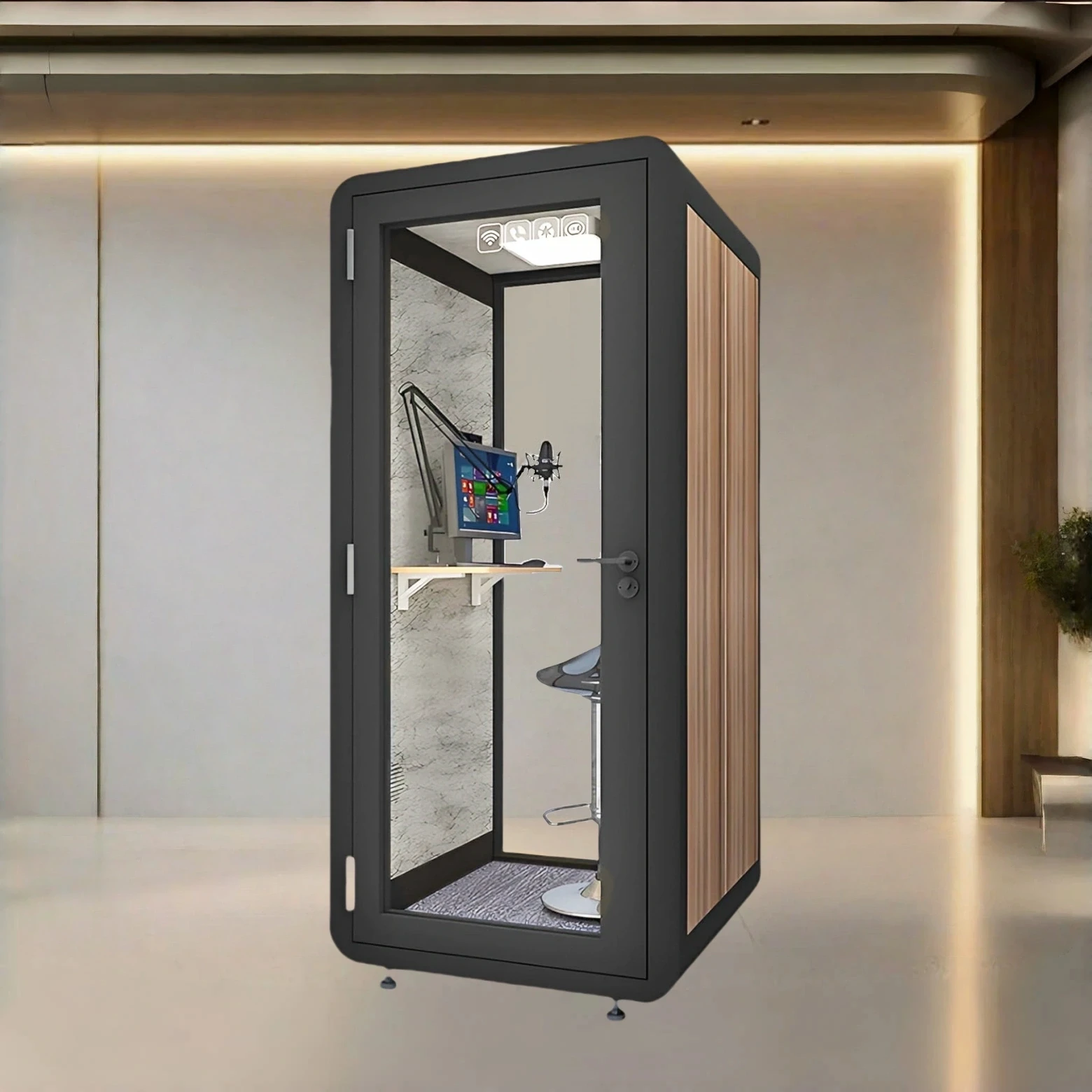
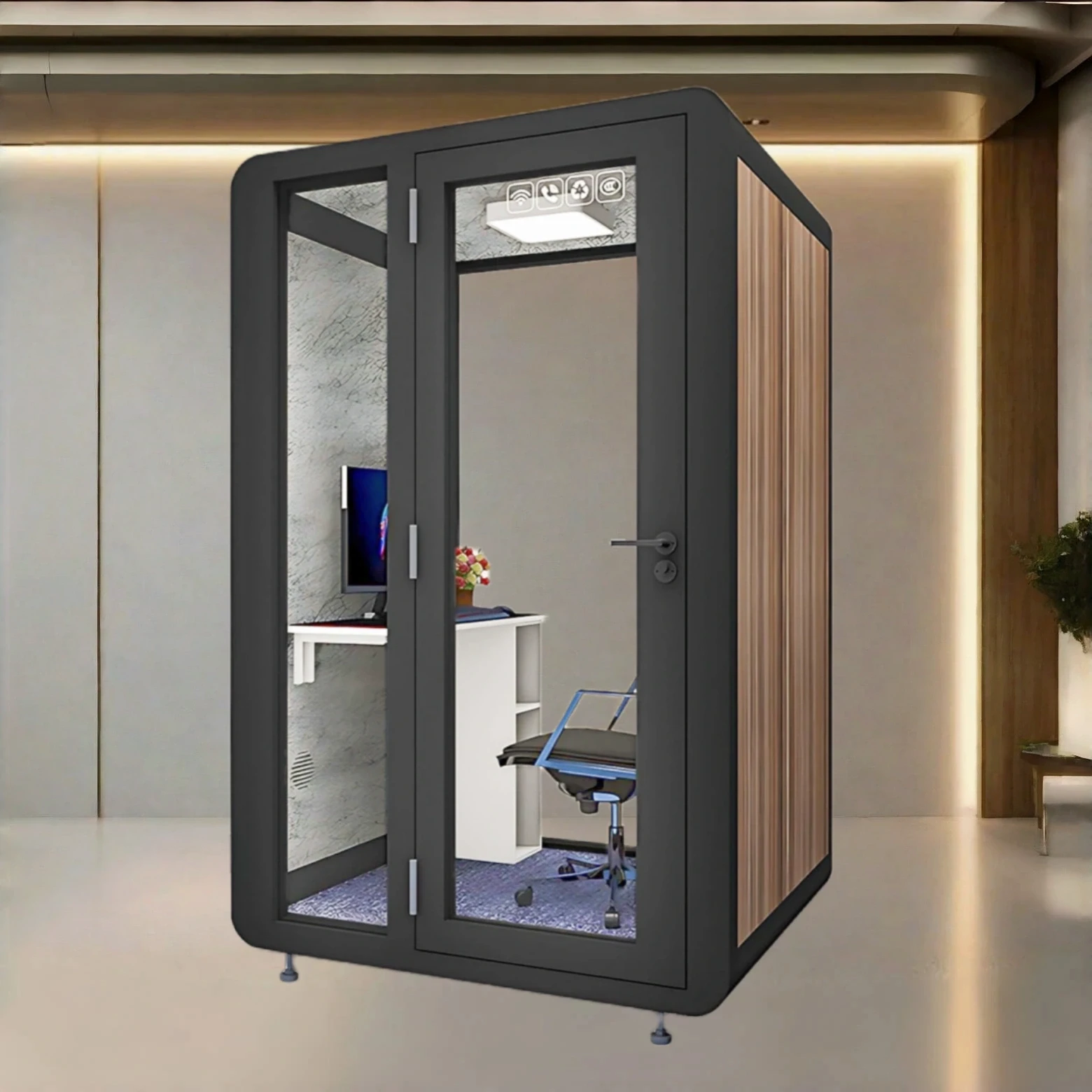
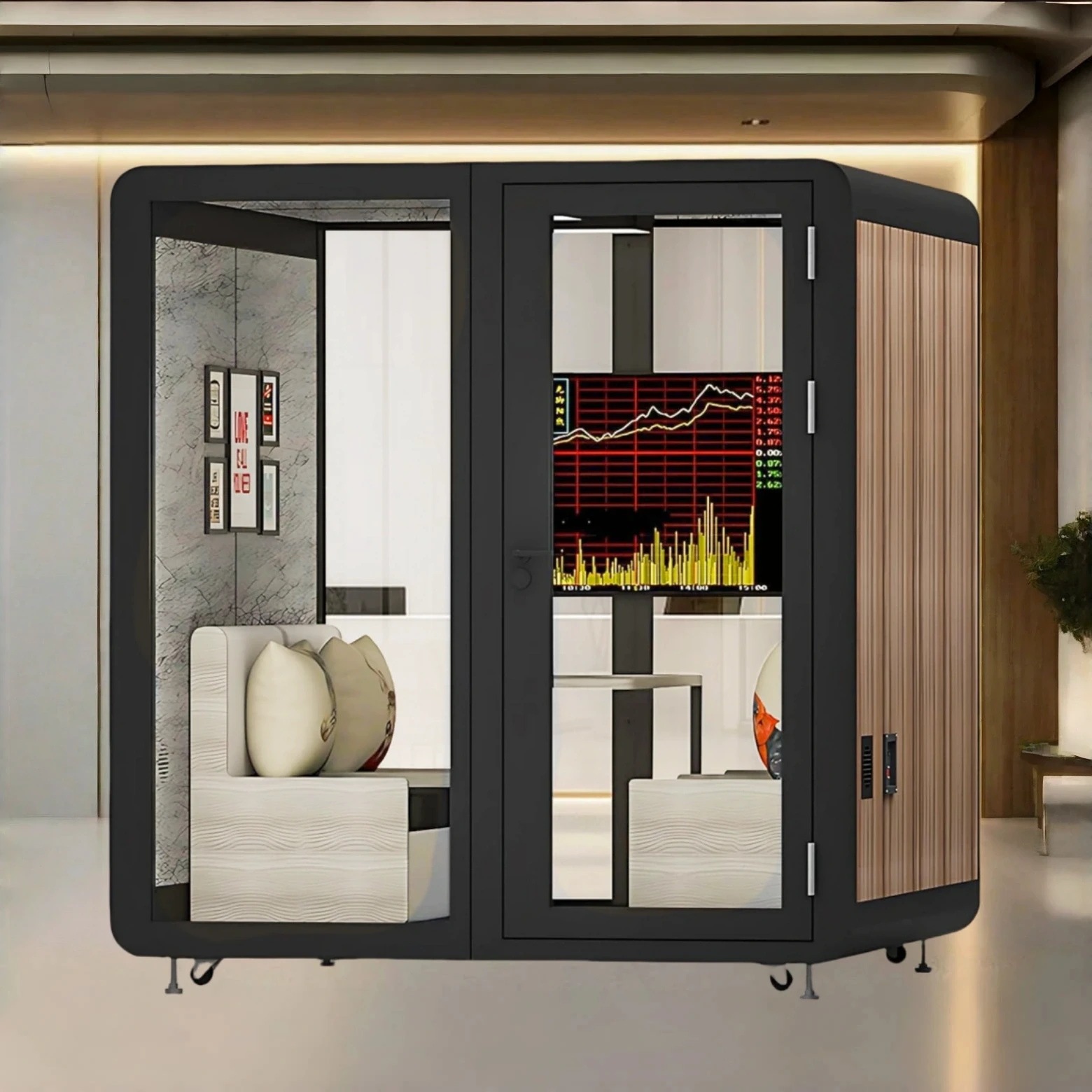







Where to Buy Computer Desks: Top Online Shops for 2025
Dec 24, 2025


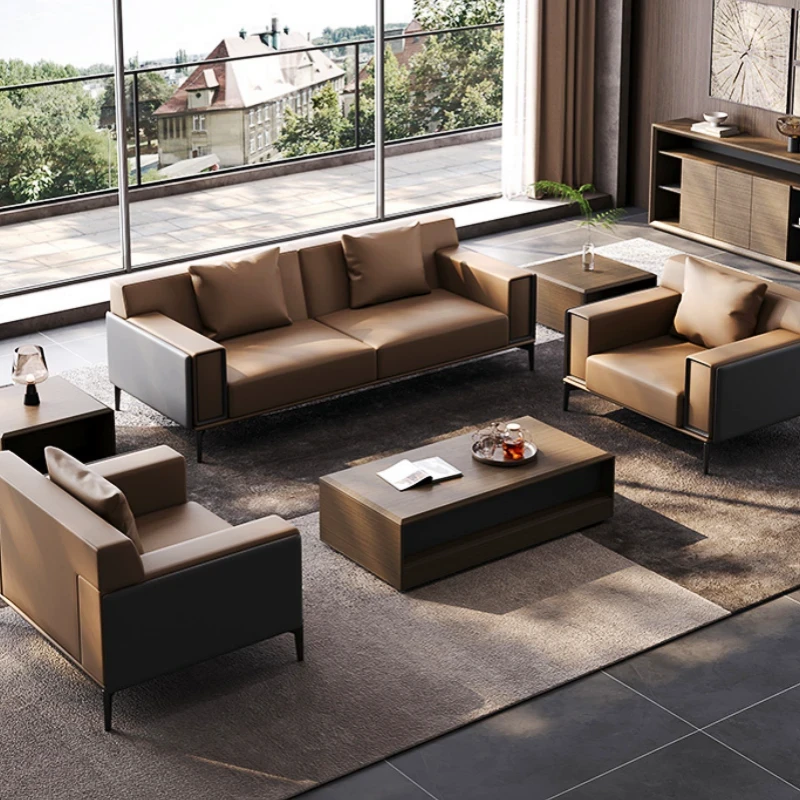
Choosing the right furniture requires a clear understanding of the trade-offs between leather and polyurethane. By evaluating the unique properties of each, you can make a strategic investment that balances functional durability with your personal style and financial considerations. Each of these materials has its own benefits and peculiarities that can be used in different situations, whether you want to furnish a professional office area, a modern interior to a home, or make a comfortable place to relax, avoiding much stress on the device's life cycle, and at the same time being neither too expensive nor too dull.
Understanding Genuine Leather Upholstery
Real leather is an upholstery option that has been admired over the centuries because of its natural origin, high durability, and the patina formation it creates throughout the years, which gives furniture pieces’ character and depth. This leather is made of animal hides and a complicated tanning procedure, resulting in breathability unmatched by other materials, allowing the body to cool down and avoiding the unpleasant feeling of sticking of synthetic substitutes that occur in hot weather conditions.
The natural grains of natural leather also mean that there is no way of obtaining two similar objects because of the visual peculiarities of each furniture. The wearing and tear resistance of high-quality leather upholstery is remarkable, and it may take decades to wear out under the condition of proper maintenance in the form of frequent cleaning and conditioning interventions, maintaining the pliability of the material, and avoiding cracking or drying.
Investigating Polyurethane as an Alternative Synthetic Material
Polyurethane, often known as PU leather, or faux leather, has become one of the most popular synthetic leather alternatives that can convincingly imitate the look of real leather but has a variety of useful features that attract consumers with limited budgets and animal welfare concerns. It is a man-made fabric made up of a fabric platform covered with a layer of polyurethane, to create an appearance of real leather at a very low cost.
Polyurethane production permits quality control and creation of similar colors and textures, which would be challenging with natural leather; thus, it is a better option in modern furniture design where aesthetic consistency is the priority.
In contrast to genuine leather, polyurethane is exceptionally low-maintenance. Its non-porous surface offers superior stain resistance and ease of cleaning, eliminating the need for specialized conditioning products or frequent treatments to maintain its appearance.
Factor Comparison: Durability and Longevity
Durability comparison between leather and polyurethane shows that there are great differences in durability, wear, and aging of furniture, which directly affect the long-term value and satisfaction of investments in furniture.
When well treated, genuine leather may retain both its structural integrity and physical appearance up to twenty or thirty or more years, acquiring a rich patina that many lovers find aesthetically attractive, as it is such an experience of the history and use of the furniture.
Polyurethane upholstery, on the contrary, tends to have a shorter life cycle with an average of three to five years span before it starts showing wear signs like peeling, cracking, or fading, especially when it is used in high foot traffic or when subjected to direct sunlight and excessive changes in temperature.
Over time, the bond between the polyurethane coating and its fabric backing may weaken, leading to irreversible surface degradation such as peeling or cracking. Unlike genuine leather, this type of wear cannot be corrected through conditioning, eventually requiring reupholstery or total replacement to restore the furniture's appearance.
Maintenance and Care Requirements
Maintenance requirements among these upholstery materials vary significantly, with genuine leather being sensitive and necessitating regular upkeep through conditioning with special products to remain soft without cracking, whereas polyurethane is less sensitive and has a less demanding care regimen that makes it attractive to people in need of low-maintenance furniture solutions.
The use of leather upholstery is helpful in that it can be occasionally cleaned using proper leather cleaning agents and then conditioned after every six to twelve months, so as to replenish the natural oils and ensure that the material will not lose its flexibility and resistance to stresses in the environment.
Leather surfaces that spill need to be hurriedly covered with absorbent cloths to avoid stains, and the material should be kept away from excessive sunlight and extreme temperatures that may result in fading and damage to the structure.
On the other hand, polyurethane surfaces could be wiped using damp cloths and mild soap solutions, and thus it is especially good in homes with children or pets, where cleaning frequently is to be done to preserve cleanliness and appearance levels.
Ecological Impact and Moral Aspects
The environmental footprint and ethical considerations related to the process of leather and polyurethane manufacturing are a relevant issue to the environment-conscious consumers, who consider the sustainability process and animal welfare as the key factors in their buying choices.
The actual leather manufacturing process incorporates animal farming and chemical tan treatment, which raises the questions of animal welfare, resource use, and environmental friendliness of tannery waste disposal, but some companies have tried more environmentally friendly procedures and chromium-free tan techniques to mitigate this.
Although polyurethane production replaces animal-derived materials, petroleum-based chemicals and synthetic production processes are also part of the process, which attracts environmental issues due to the consumption of fossil fuels and the release of volatile organic compounds during the production process and some attempts to use water in polyurethane technologies have already been made to mitigate some of these environmental issues by reducing the volume of harmful emissions and improving overall sustainability ratings.
Recommendation
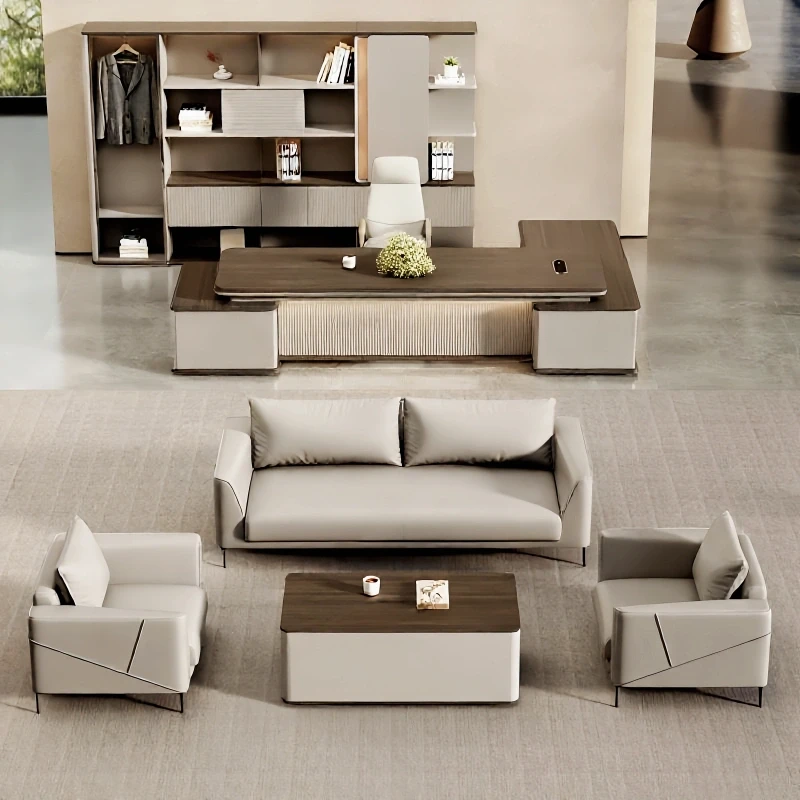
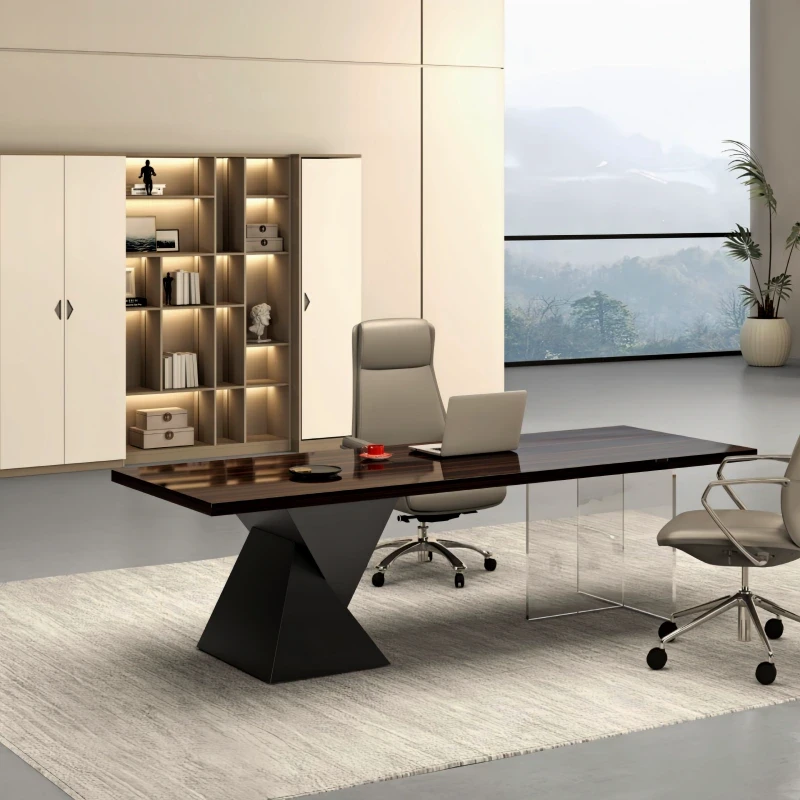
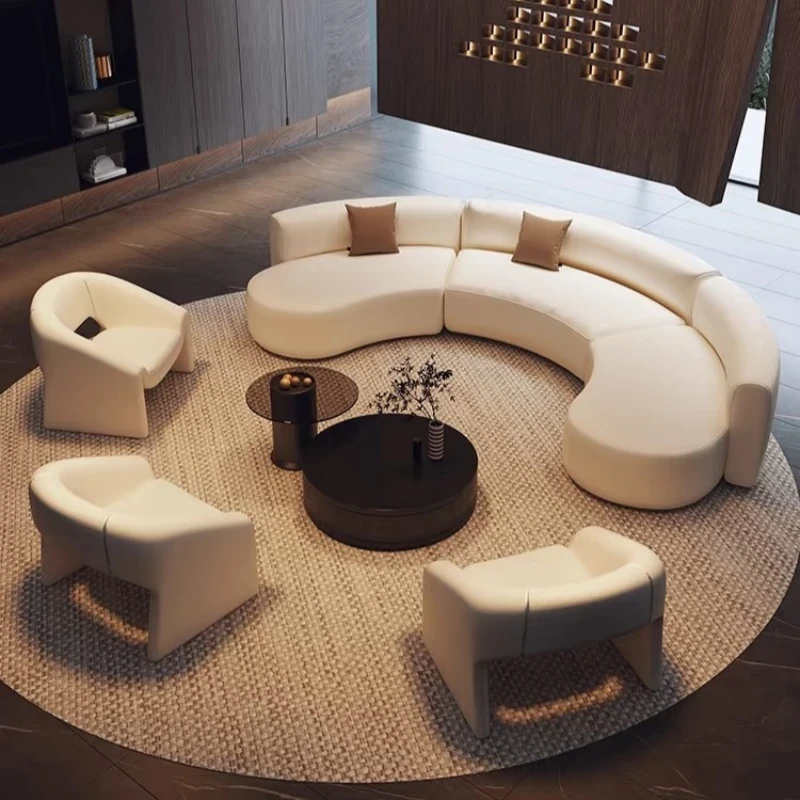
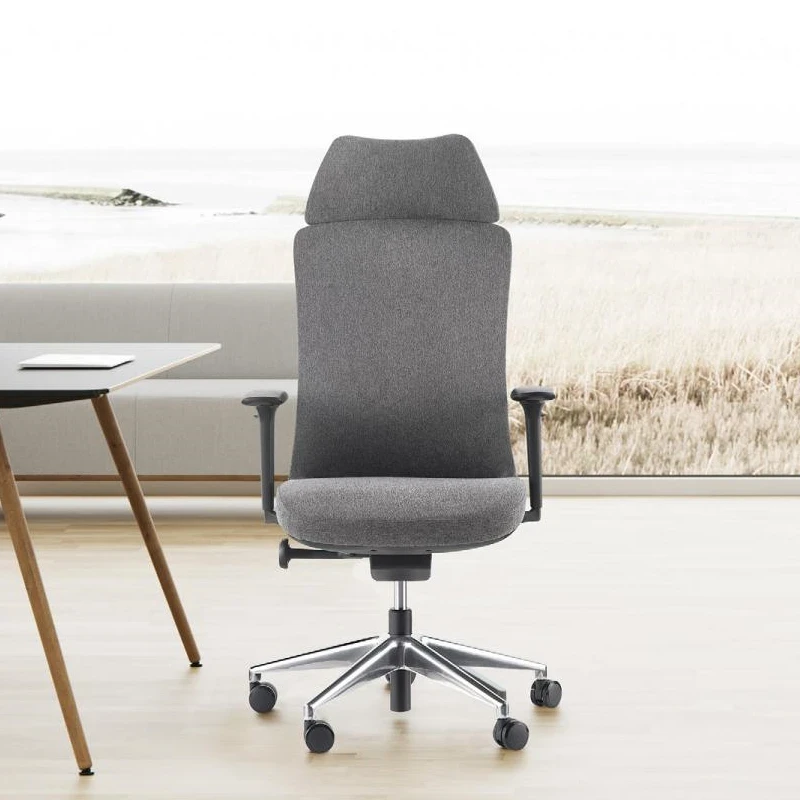
Guddorfiss delivers high-end office furniture crafted with top-tier leather and polyurethane upholstery. Our range—spanning executive chairs, breakroom sofas, and reception furniture—is designed to boost productivity through ergonomic comfort. With a focus on quality and style, Guddorfiss provides durable, sophisticated solutions tailored to the needs of the contemporary professional workplace
Subscribe To Our Newsletter
You Can Get The News Of Our Products
SIGN UP
Contact Info
support@Guddorfiss.com
Payment Methods