
 USD
USD GBP
GBP
 EUR
EUR
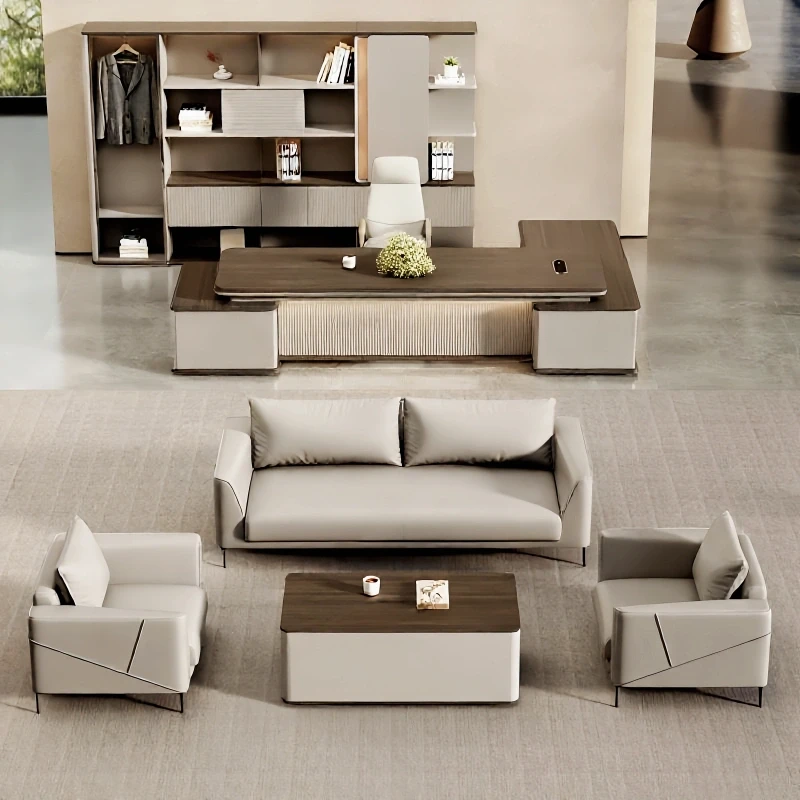
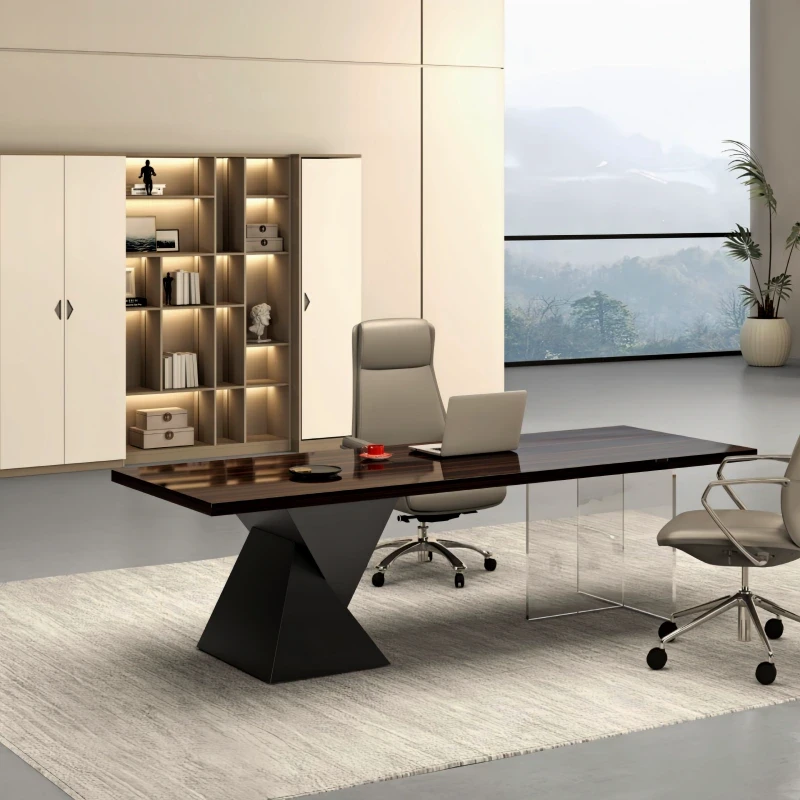


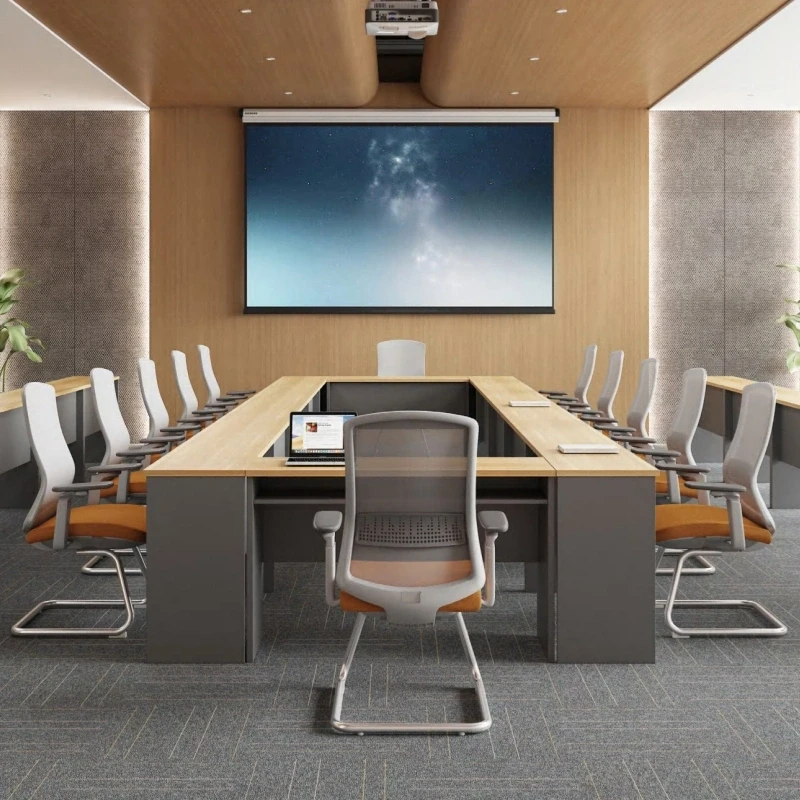
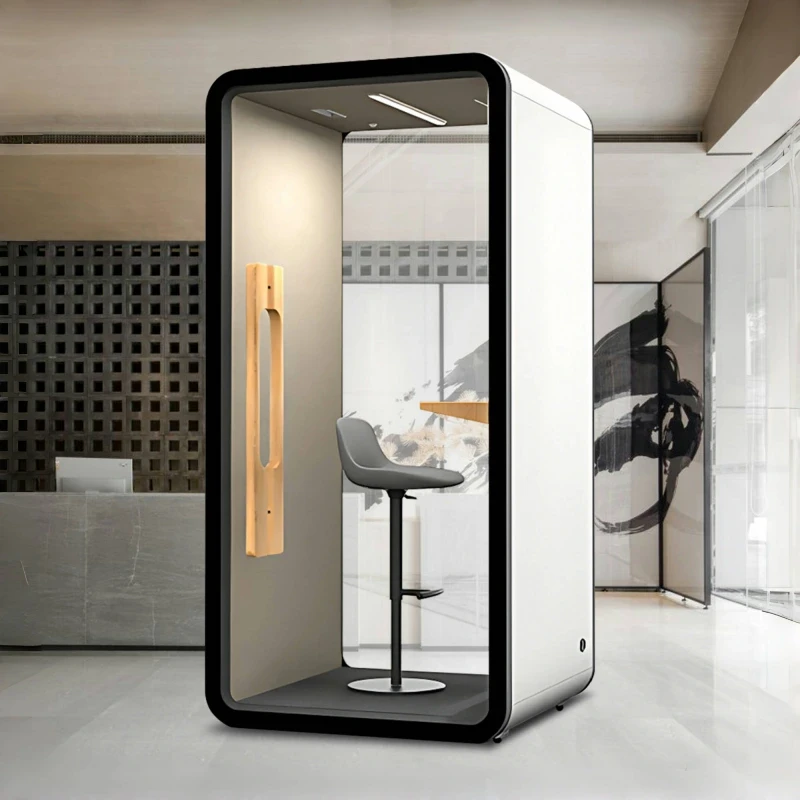
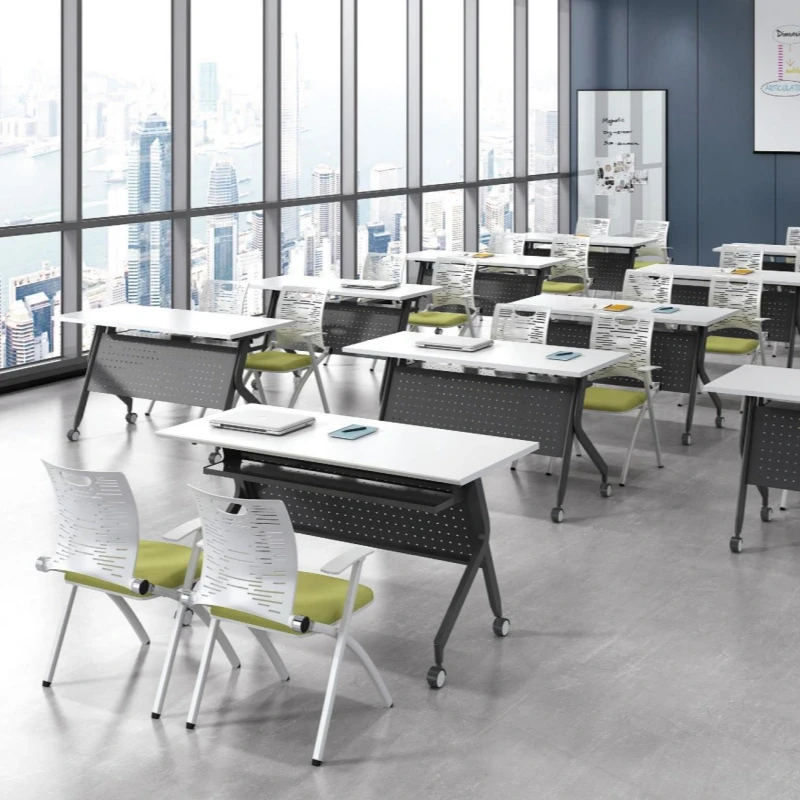







1.1 Ergonomically Designed Seats
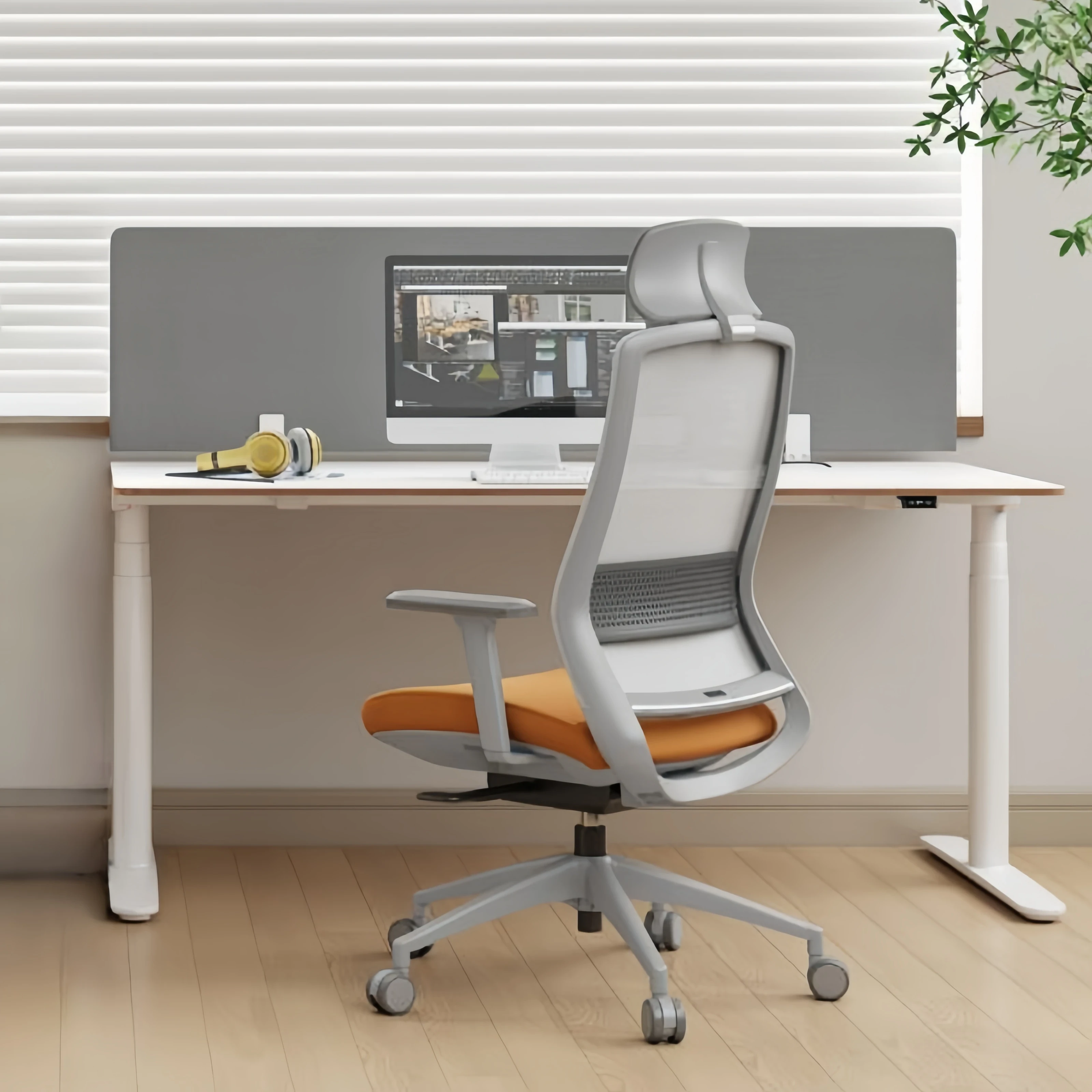
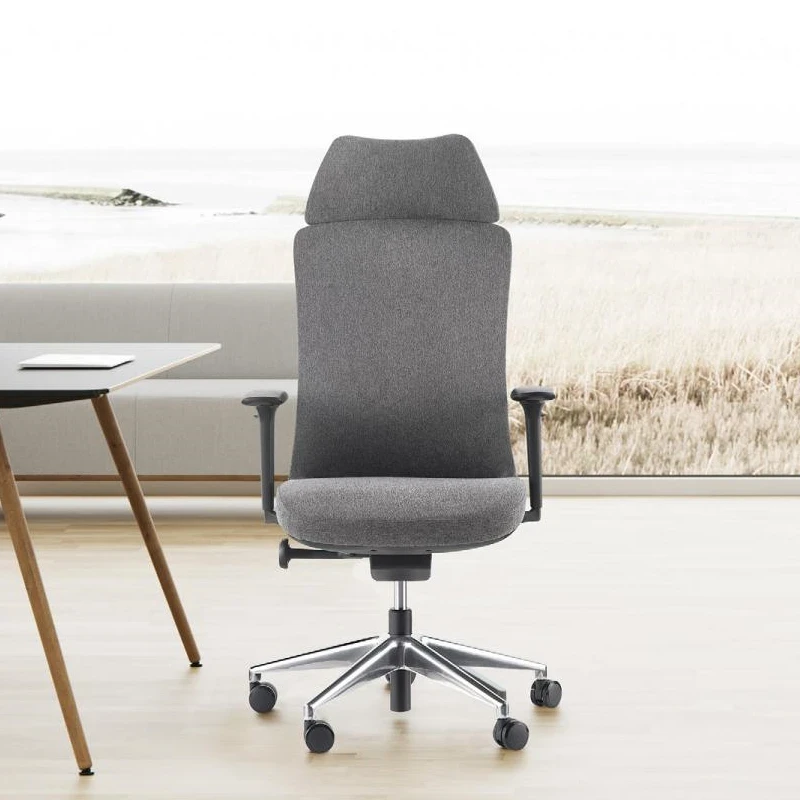
Ergonomically designed seats effectively support students' spines, reducing fatigue and discomfort from prolonged sitting. The height and angle of the seats should be adjustable to accommodate students of different heights, ensuring they maintain correct posture during study and reducing pressure on the neck and back.
1.2 Suitable Desk Height
The height of the desk directly affects students' writing posture and eye level. A suitable desk height allows students' arms to hang naturally while writing, avoiding excessive shoulder tension. Simultaneously, the desk's tilt angle should be appropriate to reduce visual deviations during reading and writing, improving learning comfort.
II. Durability and Safety Guarantee
2.1 Selection of High-Quality Materials
School furniture needs to withstand frequent use and multiple moves, therefore, selecting high-quality, durable materials is crucial. Wooden furniture, metal frames, and high-strength plastics are common choices, offering not only a long lifespan but also maintaining good appearance and function during daily use.
2.2 Safety Design Prevents Accidents
The edges and corners of the furniture should be rounded to prevent sharp parts from causing injury to students. In addition, the stability of tables and chairs is also crucial to prevent them from tipping over or sliding during use, ensuring student safety.
III. Functionality and Diversity to Meet Different Needs
3.1 Multifunctional Table and Chair Design
Modern school furniture increasingly emphasizes multifunctionality, such as height-adjustable tables and chairs, and tables with storage space. These designs not only meet the needs of different subjects and teaching activities but also improve classroom space utilization and promote diversified teaching activities.
3.2 Flexible Classroom Layout
Movable and modular furniture allows teachers to flexibly arrange classrooms according to teaching needs. For example, group-style table and chair arrangements are suitable for group discussions and collaborative learning, while traditional linear layouts are suitable for lecture-style teaching. Flexible furniture configurations enhance classroom interactivity and teacher teaching efficiency.
IV. Environmental Protection and Sustainable Development Reflecting Social Responsibility
4.1 Use of Environmentally Friendly Materials
Choosing school furniture made from environmentally friendly materials, such as non-toxic and harmless paints and recyclable wood, not only helps protect the environment but also ensures student health. Environmentally friendly furniture reduces the release of harmful substances, creating a safe and healthy learning environment.
4.2 Sustainable Design Extends Service Life
Sustainable design not only focuses on the environmental friendliness of materials but also includes the durability and maintainability of furniture. Modular and easily replaceable component designs extend furniture lifespan, reduce resource waste, and reflect the school's commitment to sustainable development.
V. Alignment with Educational Philosophy and Promotion of Holistic Development
5.1 Designs that Inspire Student Creativity
Brightly colored and uniquely designed furniture can stimulate students' creativity and learning interest. For example, creative desk and chair combinations and flexible learning area designs can provide students with an inspiring learning environment, promoting their holistic development.
5.2 Layouts that Support Teamwork
Modern education emphasizes teamwork and collaborative learning; furniture design should support this philosophy. Open learning spaces and multi-person desk and chair configurations facilitate interaction and communication among students, fostering their cooperative spirit and teamwork.
VI. Balance of Economy and Cost-Effectiveness
6.1 The Best Choice Within the Budget
When selecting furniture, schools need to find cost-effective products within their budget. While high-quality furniture requires a larger initial investment, its durability and versatility can save on replacement and maintenance costs in the long run, maximizing economic benefits.
6.2 Comprehensive Cost Considerations
In addition to initial purchase costs, schools should also consider the maintenance and management costs of furniture. Easy-to-clean and easy-to-maintain furniture designs reduce subsequent maintenance costs, extend the lifespan of the furniture, and improve overall cost-effectiveness.
VII. Importance of Suppliers and After-Sales Service
7.1 Choosing Reliable Suppliers
Select suppliers with good reputations and rich experience to ensure that the quality and design of the purchased furniture meet the school's needs. Reliable suppliers can provide professional advice and customized services to meet the specific teaching environment requirements of the school.
7.2 Comprehensive After-Sales Service Guarantee
Good after-sales service includes timely repair, maintenance, and replacement services, ensuring prompt resolution of furniture problems and guaranteeing the smooth operation of teaching activities. Schools should choose suppliers that provide comprehensive after-sales service to ensure the long-term effectiveness of the furniture.
Conclusion
Choosing suitable school furniture is of great significance to improving learning efficiency. By focusing on ergonomic design, durability and safety, functionality and versatility, environmental protection and sustainable development, alignment with educational philosophy, and economy and cost-effectiveness, schools can create a comfortable, safe, and efficient learning environment for students, promoting their all-round development. In the furniture selection process, schools should comprehensively consider various factors to choose the furniture most suitable for their own needs, ultimately achieving a win-win situation for educational goals and student development.