
 USD
USD GBP
GBP
 EUR
EUR
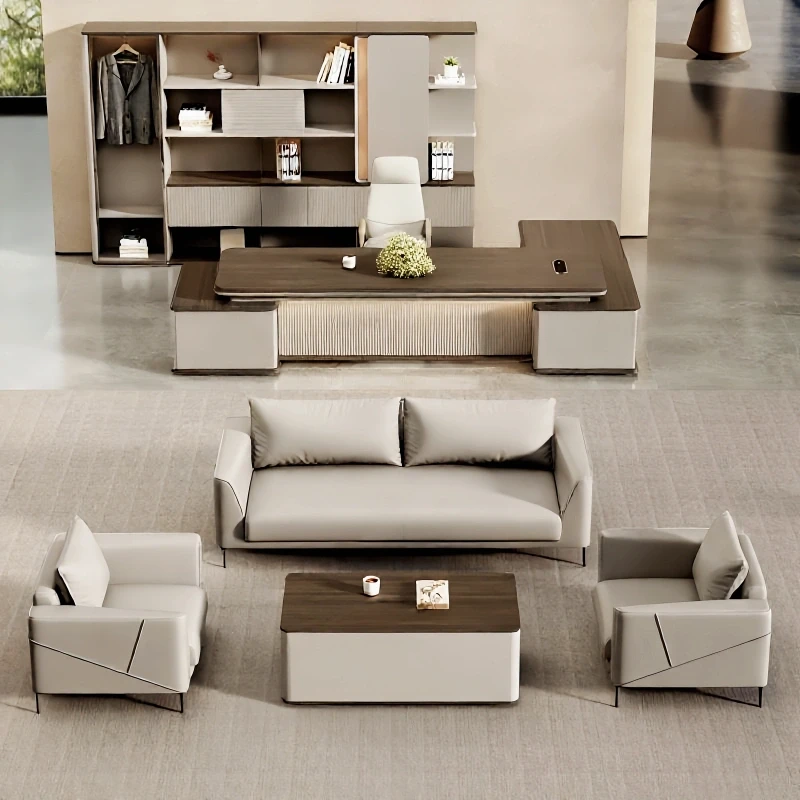
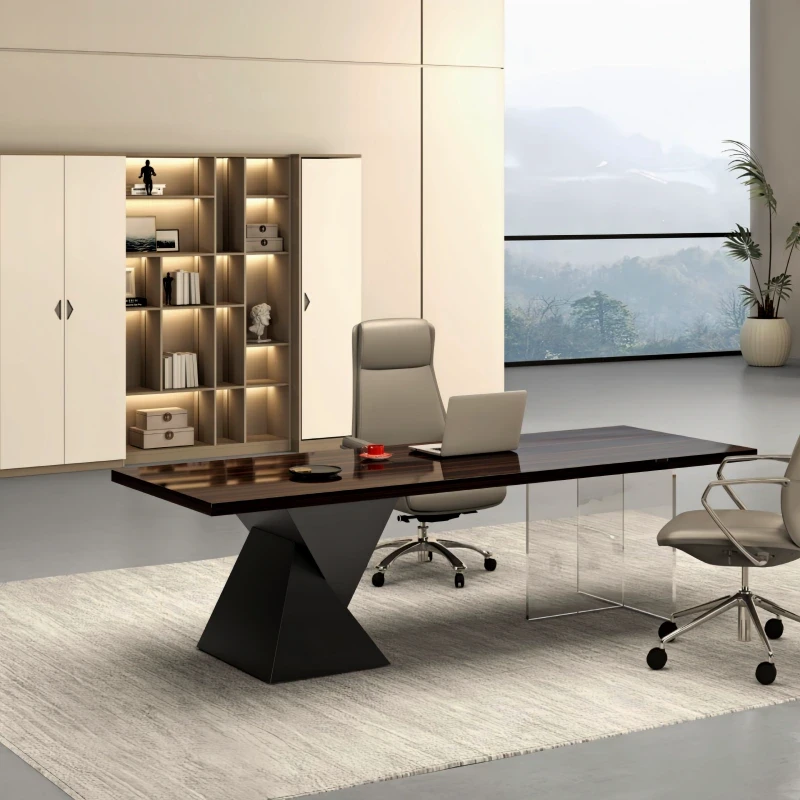


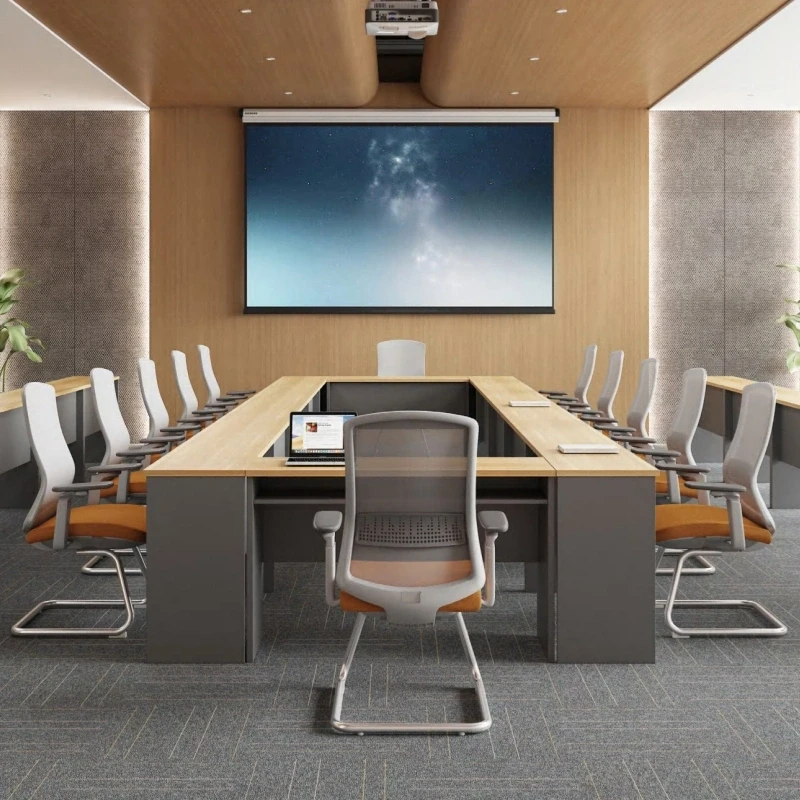
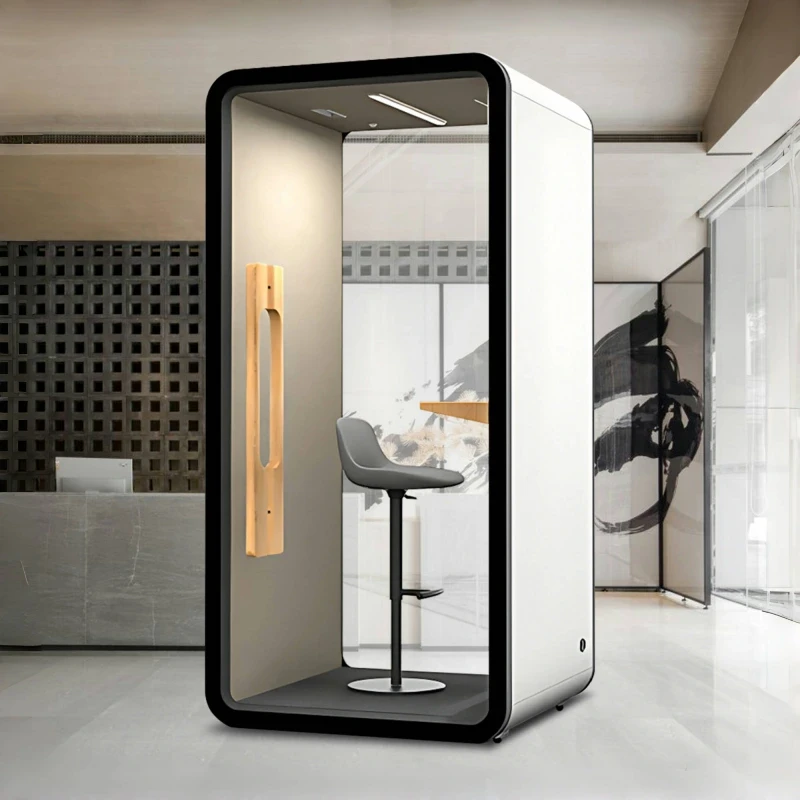









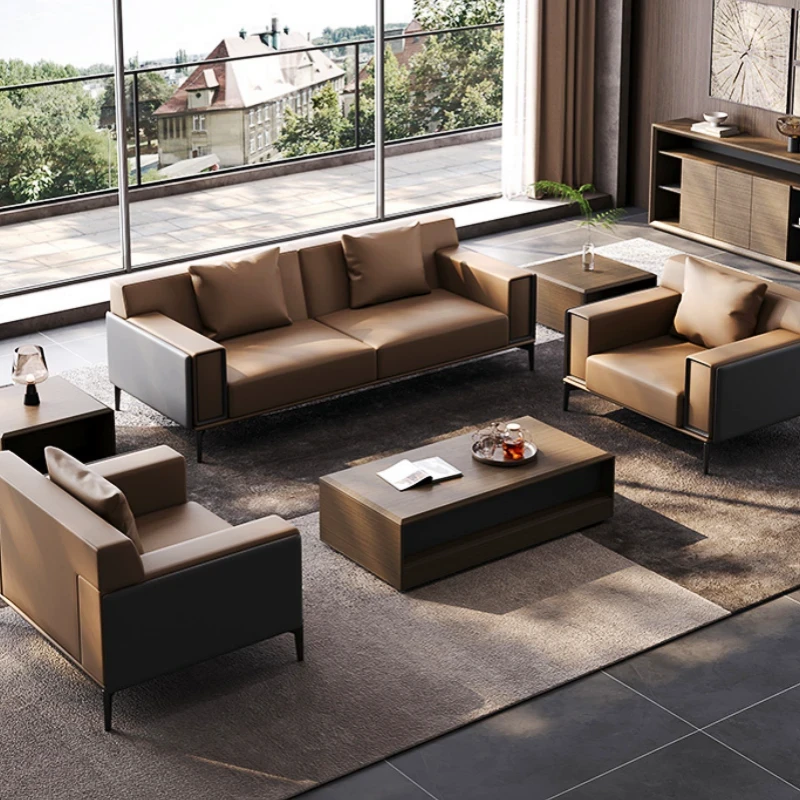
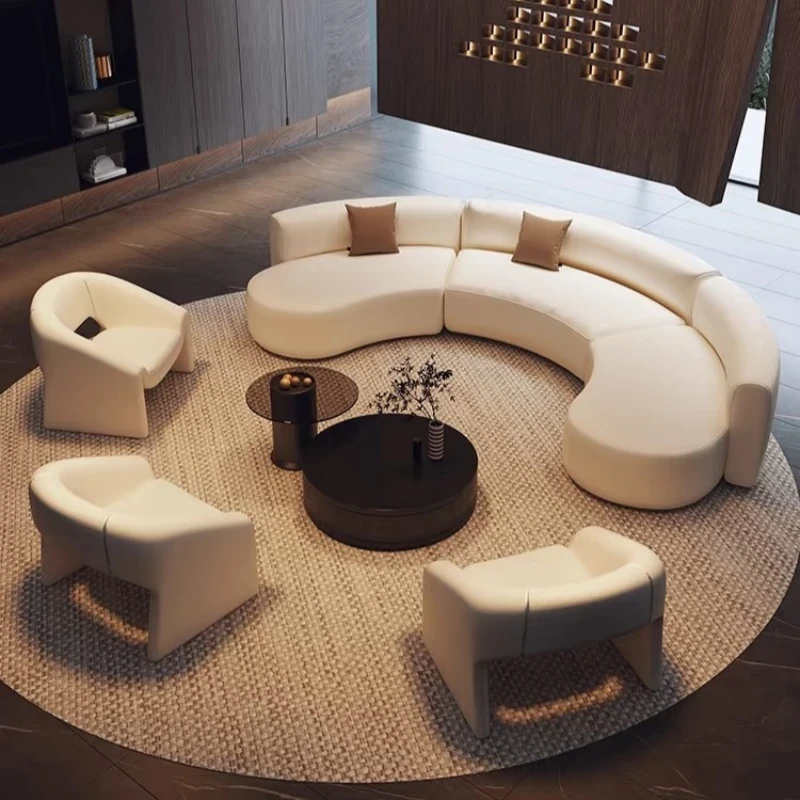
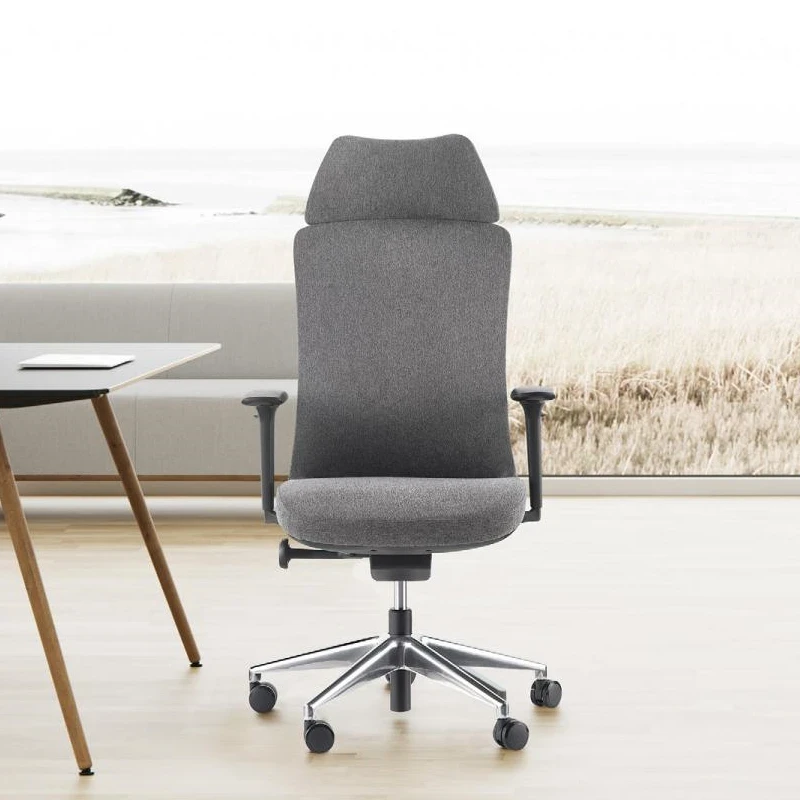


Hotel furniture not only provides a comfortable accommodation environment but also largely reflects the hotel's brand image and service level. High-quality furniture can improve guest satisfaction, increase repeat customers, and help establish a good reputation in the market. However, hotels of different star ratings have significantly different requirements for furniture, requiring careful consideration from design style and durability to cost control. Therefore, choosing high-quality furniture suitable for different star ratings requires comprehensive consideration of multiple factors.
II. Clarifying Hotel Star Rating and Furniture Needs
1. Definition and Standards of Different Star Ratings
Hotel star ratings are usually based on factors such as the quality of service, facilities, and atmosphere. Generally speaking, the higher the star rating, the higher the requirements for decoration, furniture, and service. For example, five-star hotels have higher standards for furniture materials, unique design, and comfort, while three-star hotels focus more on cost-effectiveness and practicality.
2. Basic Furniture Requirements for Each Star Rating
Five-star hotels: Pursuing luxury and uniqueness, emphasizing high-end materials, exquisite craftsmanship, and personalized design. Furniture must not only be highly comfortable but also reflect brand characteristics and a sense of luxury.
Four-star hotels: While ensuring comfort, they focus on the fashion sense and practicality of the design. Material selection balances quality and economy.
Three-star hotels prioritize practicality, focusing on furniture durability and cost control. Designs are simple and highly functional.
Two-star and below emphasize basic functions, choosing durable and easy-to-maintain furniture, prioritizing high cost-effectiveness.
III. Key Factors in Choosing High-Quality Furniture
1. Materials and Craftsmanship:
Different star ratings have different requirements for furniture materials. Five-star hotels typically use high-grade solid wood, metal, and genuine leather, emphasizing environmental friendliness and durability; while mid- to low-star hotels can choose cost-effective materials such as medium-density fiberboard and synthetic materials. Regardless of star rating, meticulous craftsmanship is fundamental to ensuring furniture quality.
2. Design Style and Functionality:
The design style of furniture must match the overall hotel décor. For example, modern minimalist style is suitable for many four- and five-star hotels, while classic European style is suitable for traditional luxury hotels. Functionality is also crucial, especially in high-star hotels, where furniture needs to be multifunctional and ergonomically designed, such as height-adjustable beds and intelligently controlled lighting.
3. Comfort and Ergonomics:
Regardless of star rating, guest comfort is always the primary consideration. Ergonomic design effectively enhances furniture comfort and reduces user fatigue. For example, chairs that conform to the human body's curves and supportive mattresses significantly improve the guest experience.
4. Durability and Ease of Maintenance
Hotel furniture needs to withstand frequent use and movement, so durability is crucial. Choosing furniture with high-quality materials and sturdy structures can extend its lifespan and reduce replacement frequency. At the same time, designs that are easy to maintain and clean also reduce daily maintenance costs and manpower.
5. Environmental Protection and Safety
Modern hotels increasingly emphasize environmental protection and sustainable development. Choosing furniture that meets environmental standards not only helps reduce the environmental burden but also enhances the hotel's social responsibility image. Furthermore, furniture safety is also a must, ensuring safety features such as no sharp corners and fire-resistant materials to protect guest safety.
IV. Evaluating and Selecting Furniture Suppliers
1. Supplier Qualifications and Reputation
Choosing a furniture supplier with a good reputation and rich experience is an important prerequisite for ensuring furniture quality. High-quality suppliers usually possess relevant certifications and can provide comprehensive pre-sales, sales, and after-sales services.
2. Sample Testing and On-site Inspection
: Before making a final decision, request samples from suppliers for testing to experience the materials, craftsmanship, and comfort of the furniture firsthand. Simultaneously, on-site inspections of the supplier's production base and showroom are necessary steps to understand their production capacity and quality control processes.
3. Cost and Budget Control:
Different star-rated hotels have different budgets for furniture. A balance must be found between quality and cost when selecting furniture. By comparing the quotations and cost-effectiveness of different suppliers, select the furniture products that best fit the budget and are reliable in quality.
4. Customized Services:
High-star hotels often require unique furniture designs to reflect the brand's personality and characteristics. Choosing suppliers that can provide customized services allows for the design and production of exclusive furniture tailored to the hotel's specific needs.
V. Case Analysis
1. Five-Star Hotel Furniture Selection Example:
A five-star hotel, in its furniture selection process, focused on using high-grade solid wood and genuine leather materials, combining modern and classic design elements to create a luxurious and comfortable guest room environment. Simultaneously, it collaborated with suppliers on customized designs to ensure that each piece of furniture reflected the brand's unique style.
2. Case Study of Furniture Selection in a Three-Star Hotel
: A three-star hotel focused on selecting durable and easy-to-maintain furniture, using medium-density fiberboard and synthetic materials, with a simple and practical design. Simultaneously, by comparing multiple suppliers, they selected the most cost-effective solution, successfully controlling procurement costs.
VI. Conclusion:
Selecting high-quality furniture suitable for different star ratings is a process that comprehensively considers factors such as design, materials, function, and cost. By clearly defining the hotel's star rating, understanding the furniture needs of different star ratings, evaluating key quality indicators of furniture, and selecting reliable suppliers, hotel managers can provide guests with a comfortable and satisfactory stay experience, enhancing the hotel's market competitiveness. Ultimately, high-quality furniture is not only an important part of hotel operations but also a crucial reflection of brand image.