
 USD
USD GBP
GBP
 EUR
EUR
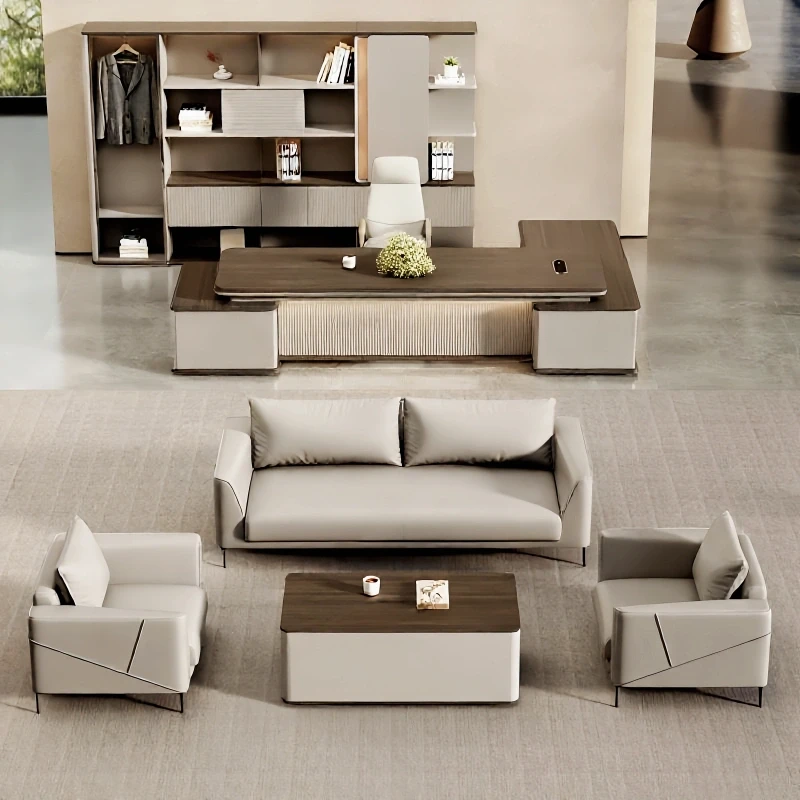
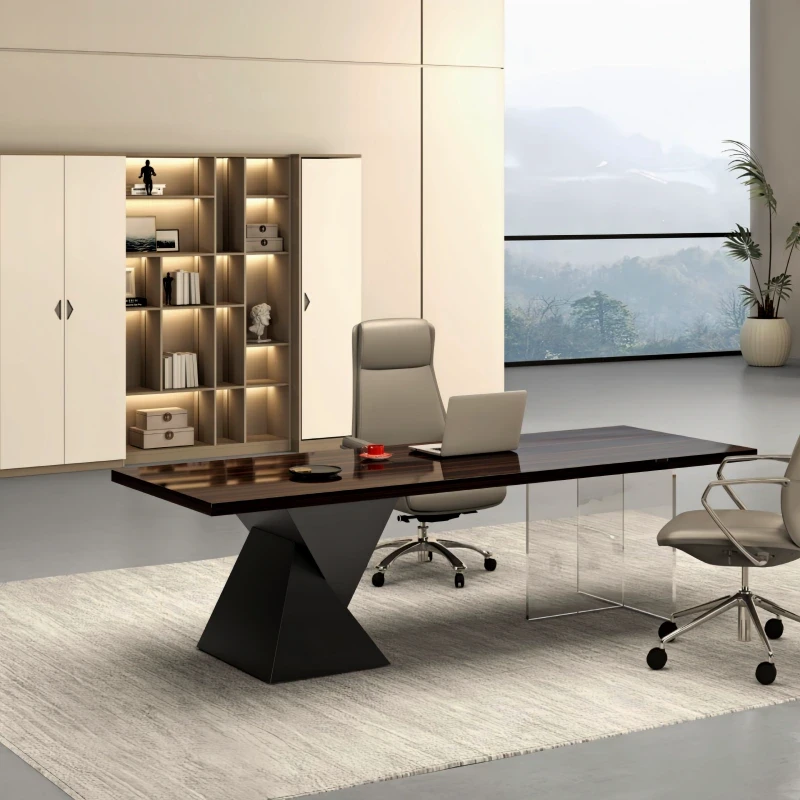


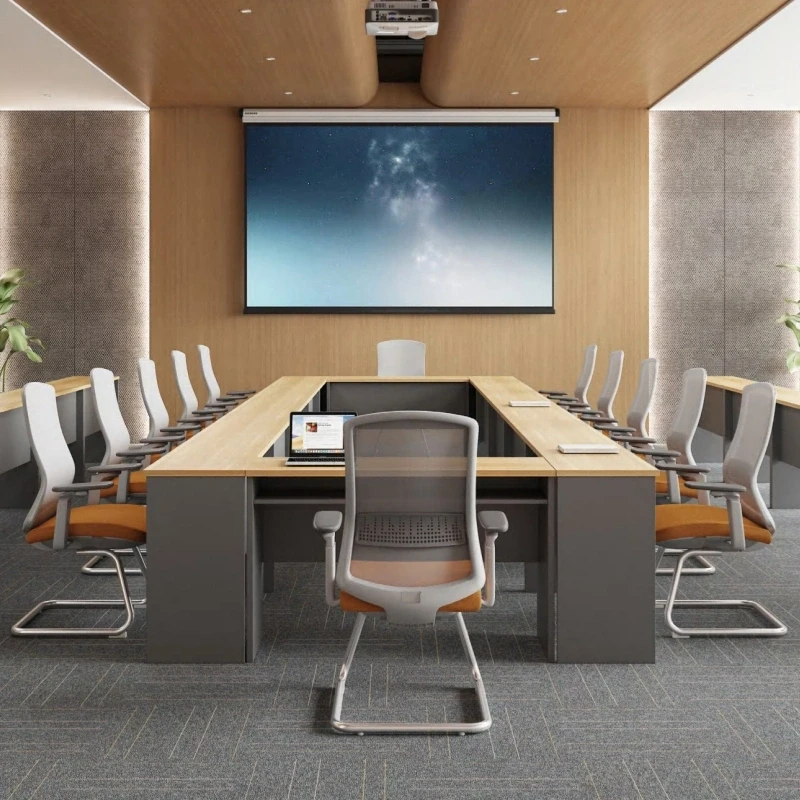
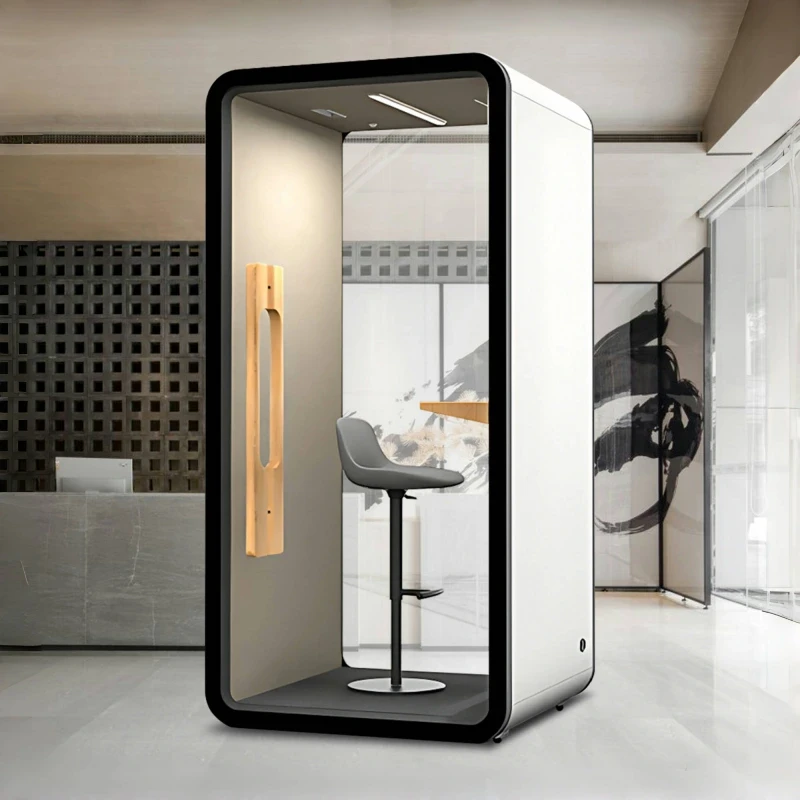
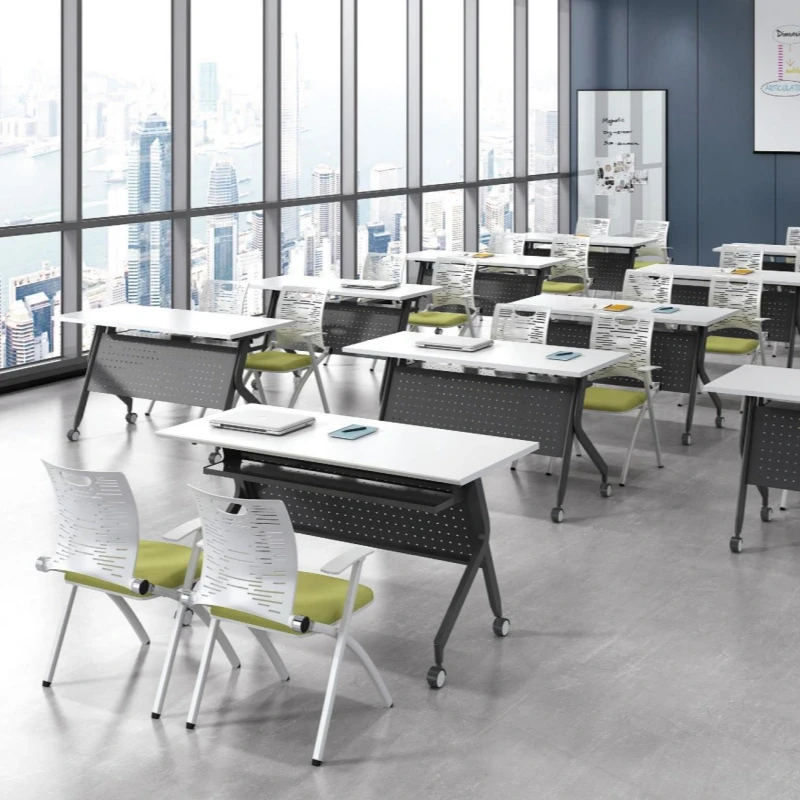
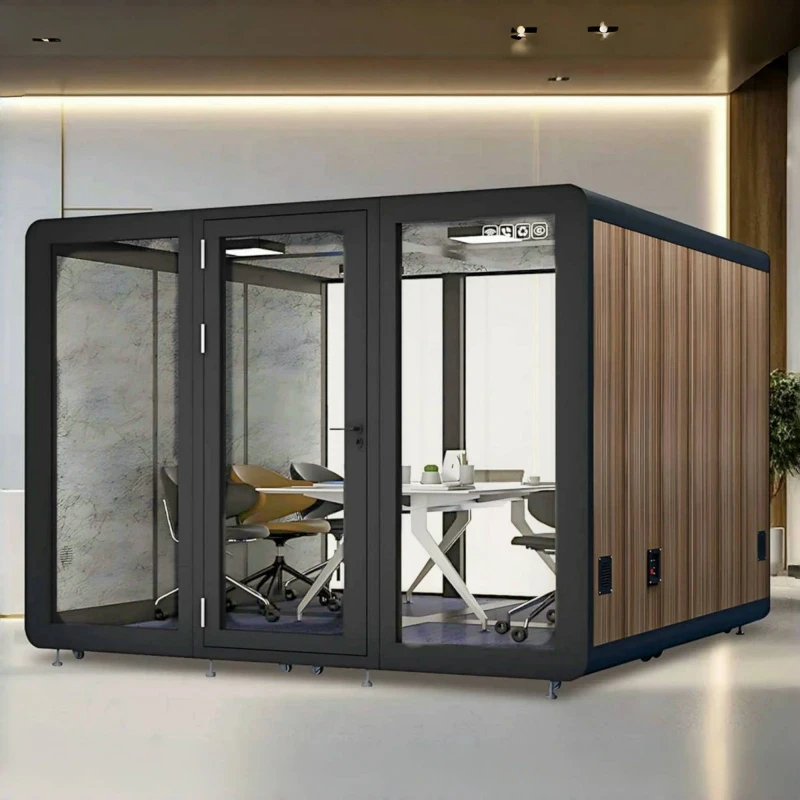
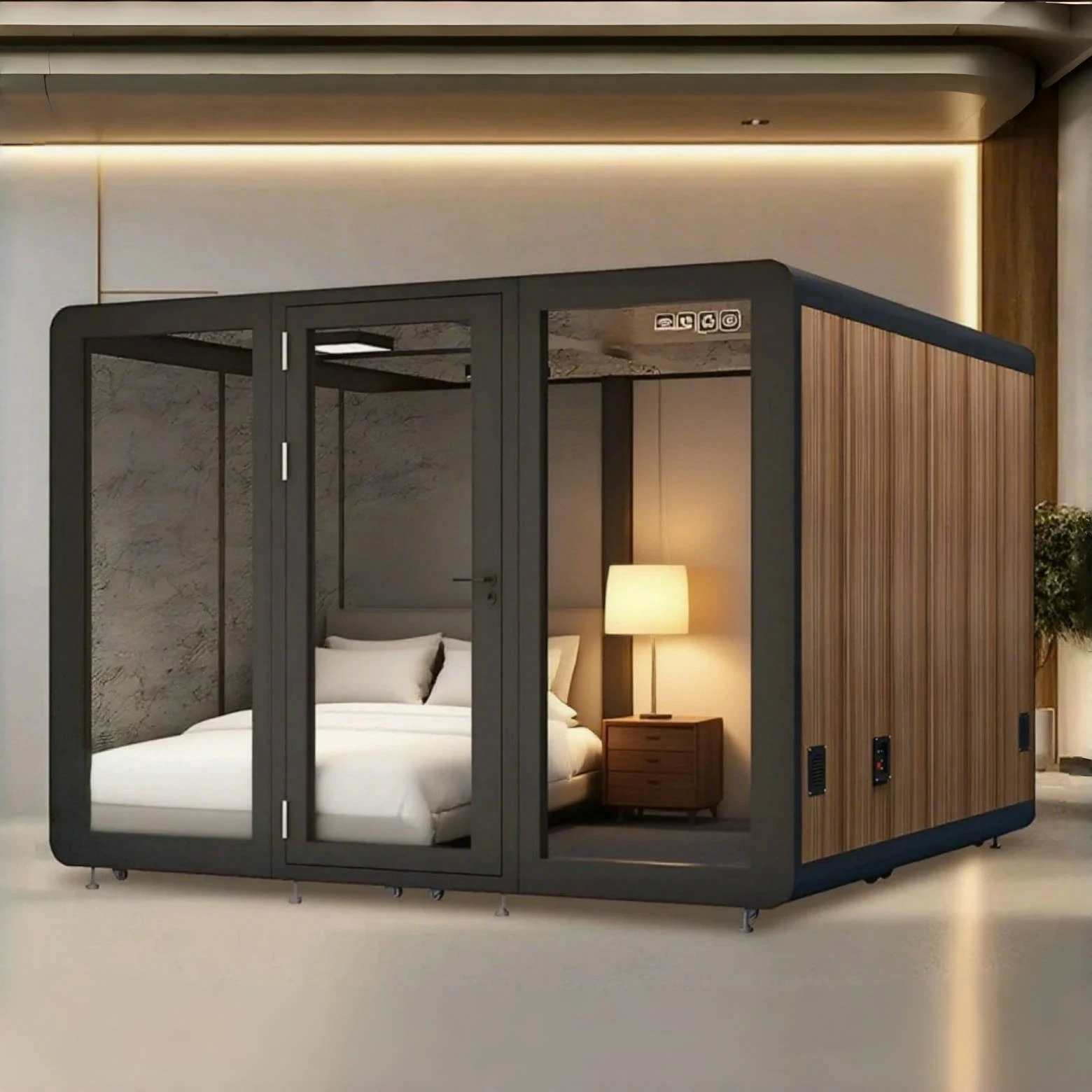


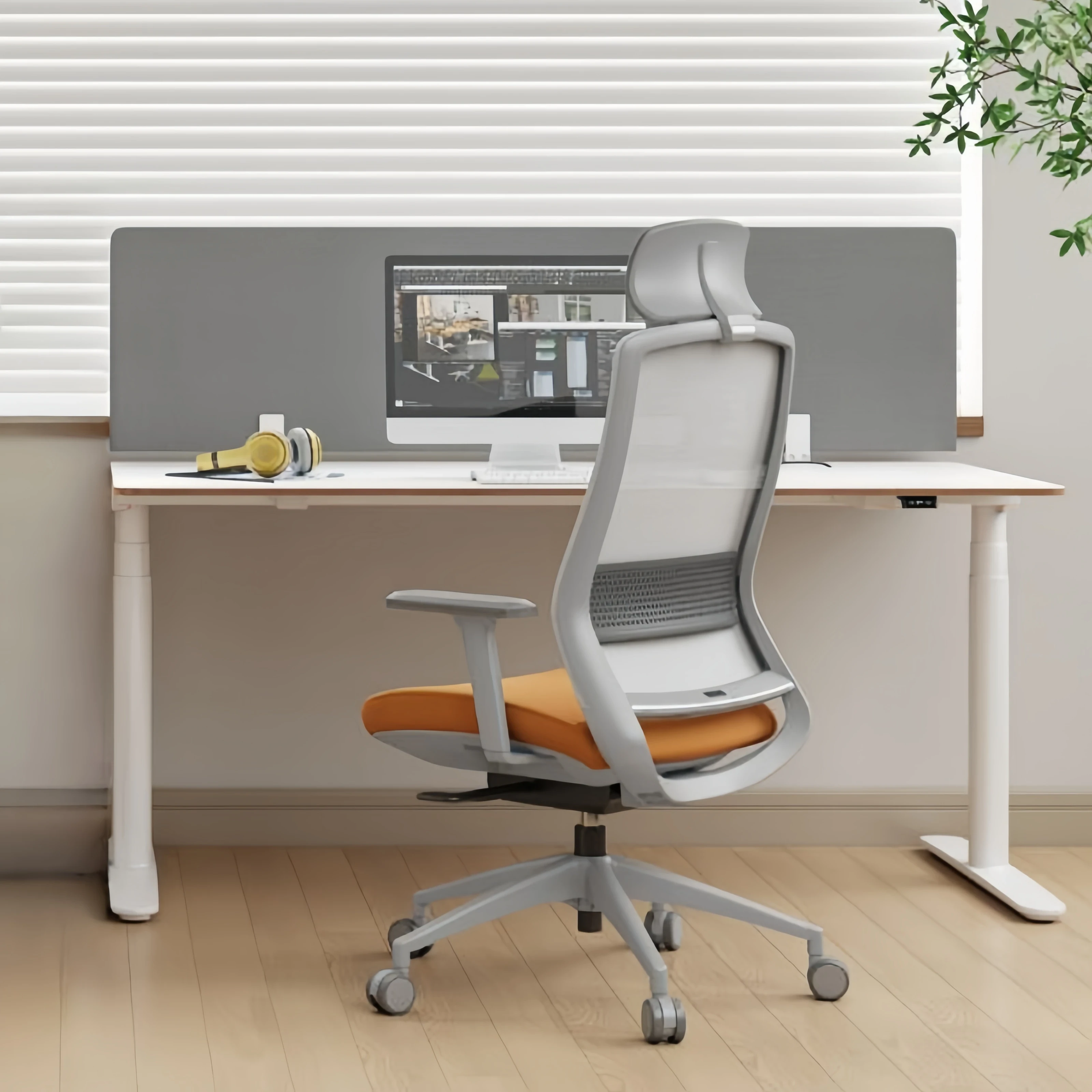


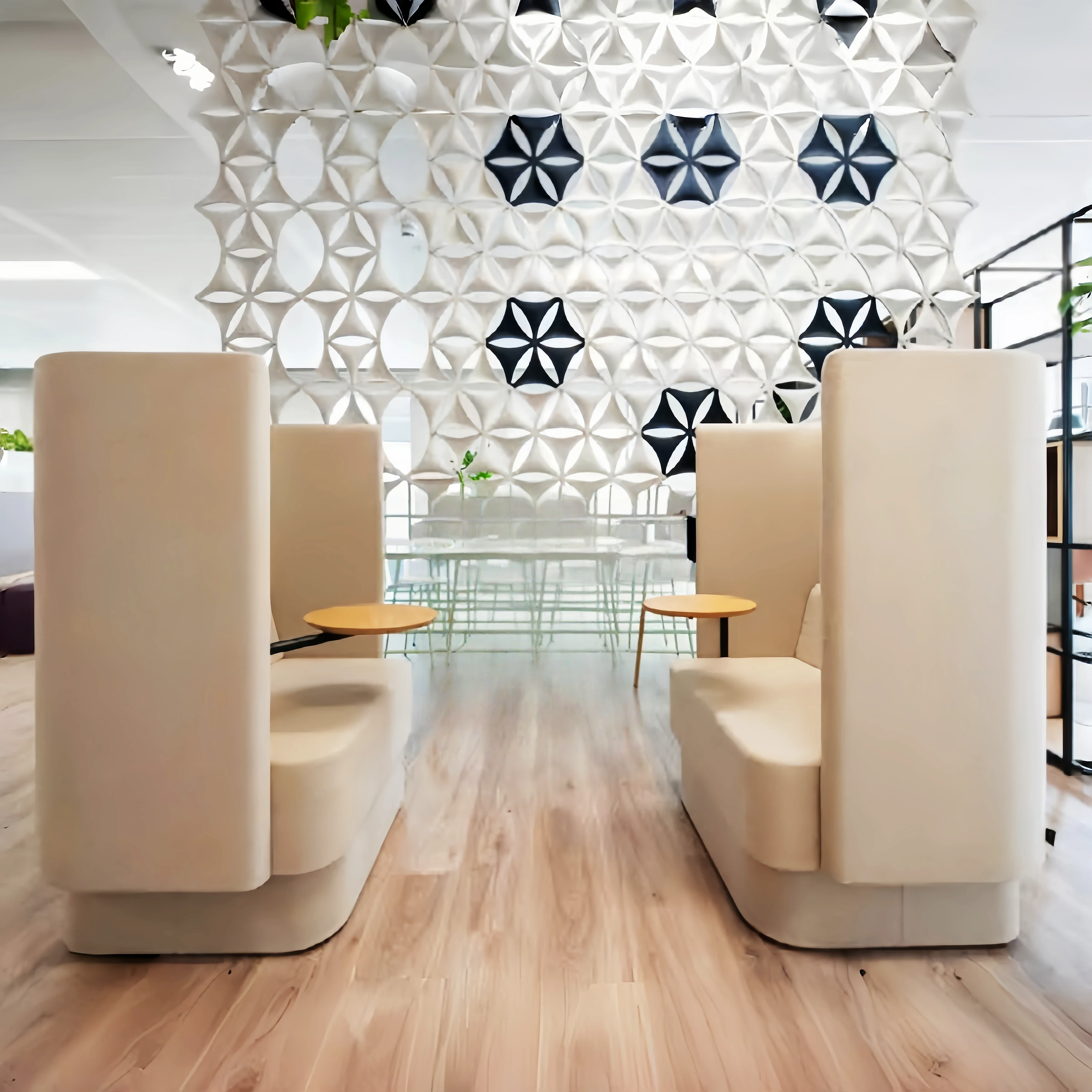

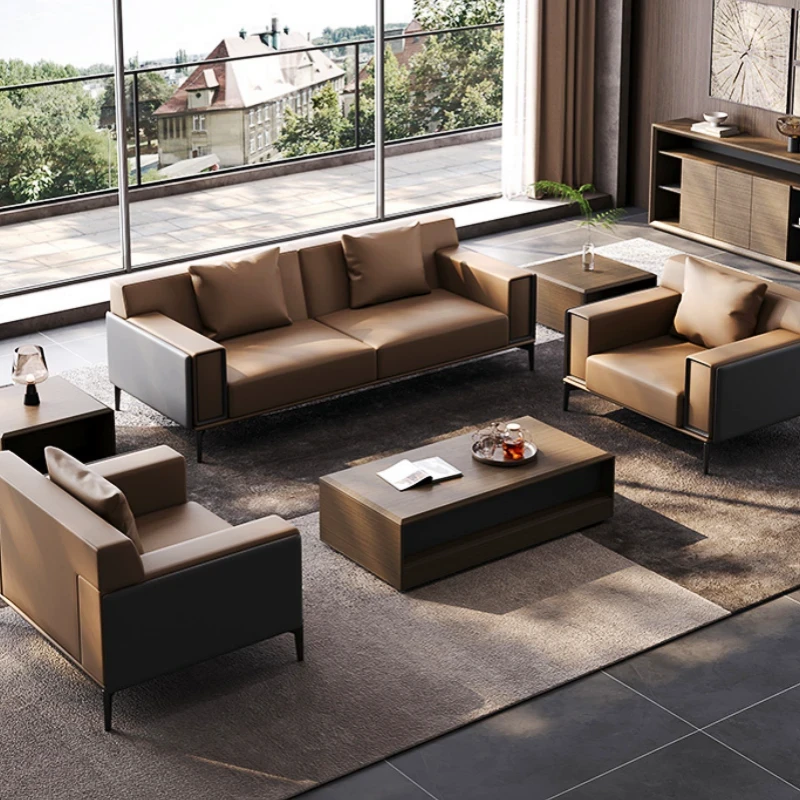
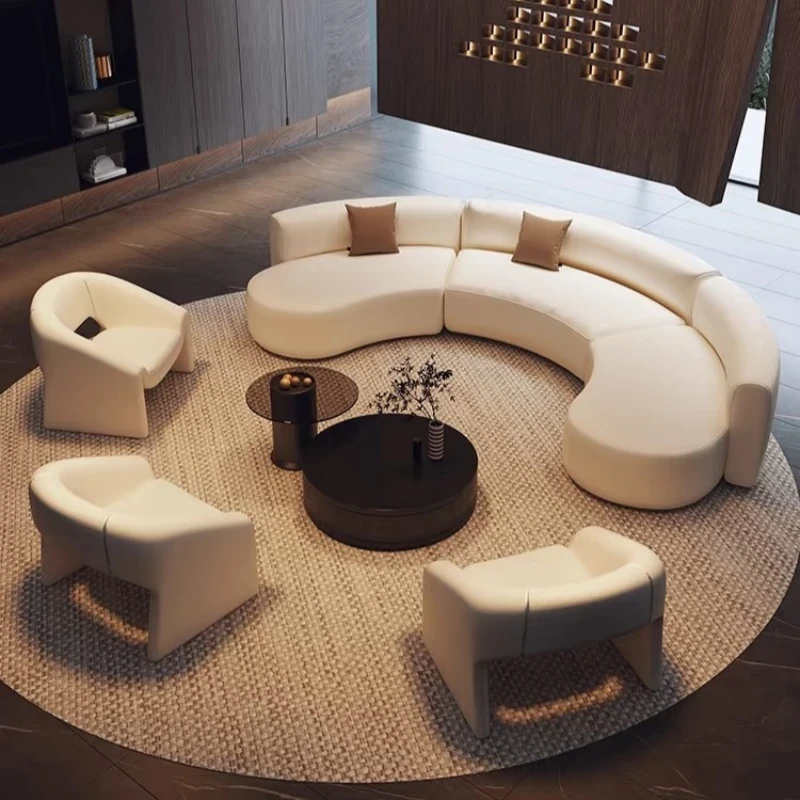
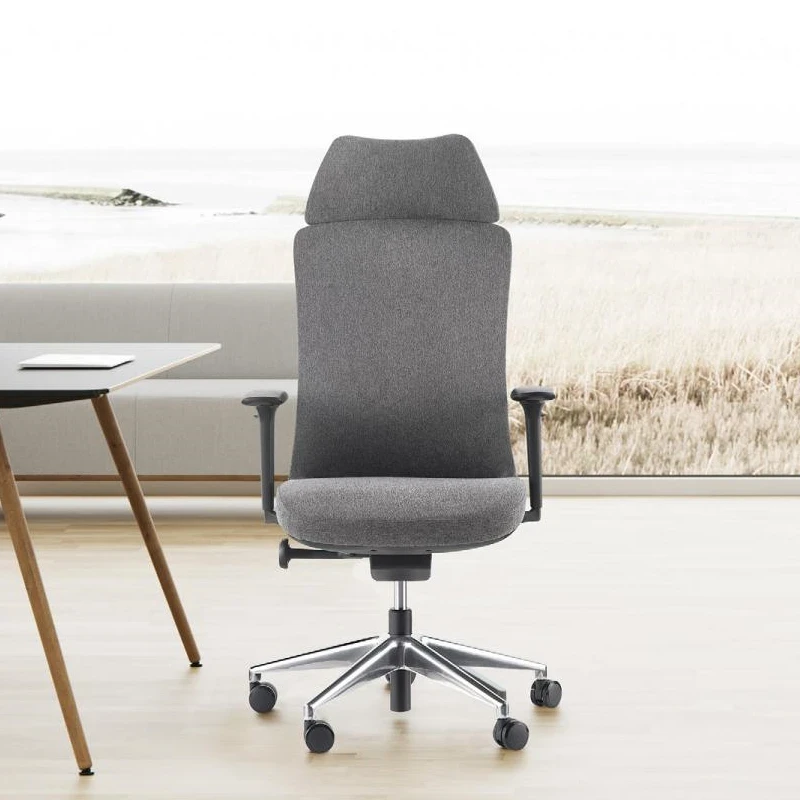


Before customizing and purchasing school furniture, it is essential to first clarify the school's specific needs and functions:
Usage Scenarios: Different learning scenarios require different types of furniture. For example, classrooms, laboratories, libraries, and multi-functional activity rooms all require different functions and designs.
Student Age: Select appropriate furniture based on the students' age groups. Kindergarten furniture should prioritize safety and fun, while primary and secondary school furniture needs to consider flexibility in learning and activities.
Class Size: Rationally allocate the number and layout of desks and chairs according to the class size to ensure that each student has sufficient space for learning and activities.
II. Emphasize Ergonomics and Comfort
Students need to sit at desks and chairs for extended periods during learning; therefore, ergonomic design and comfort are crucial:
Desk and Chair Height: Design desk and chair heights appropriately based on students' height to ensure they maintain correct posture and reduce physical fatigue during learning.
Seat Comfort: Choose chairs with good support and comfortable cushions to improve students' concentration and learning effectiveness.
Activity Space: Consider students' activity space during the design phase, avoiding overly crowded environments so that students can move freely in the classroom.
III. Materials and Safety
The choice of materials for school furniture directly relates to students' health and safety:
Environmentally Friendly Materials: Prioritize materials that meet environmental standards to ensure the furniture does not release harmful substances during use, protecting students' health.
Safety Design: Furniture edges and corners should be rounded to avoid sharp parts causing injury to students.
Durability: School furniture needs to withstand frequent use; therefore, choose high-strength, wear-resistant materials to extend its lifespan.
IV. Flexibility and Adaptability
Modern education emphasizes flexibility and interactivity; therefore, school furniture design should possess a certain degree of adaptability:
Mobility: Choose movable and combinable furniture for flexible adjustments based on different teaching activities and class needs.
Multifunctional Design: Considering different learning activities, design multifunctional furniture, such as foldable tables and chairs, and desks with storage space, to improve space utilization. Technological Integration:
With technological advancements, school furniture should consider integration with modern teaching equipment, such as built-in power outlets and data cable trays, facilitating the use of electronic devices by students and teachers.
V. Budget and Cost-Effectiveness
When purchasing school furniture, budget management and cost-effectiveness are equally important:
Transparent Pricing: Choose suppliers that offer transparent pricing to avoid hidden costs.
Comprehensive Assessment: While considering price, comprehensively evaluate the quality, functionality, and after-sales service of the furniture to select products with high cost-effectiveness.
Long-Term Investment: Purchasing school furniture is a long-term investment; choosing durable and easy-to-maintain furniture can save costs in the long run.
VI. Choosing a Professional Supplier
: Selecting a professional school furniture supplier ensures product quality and service:
Brand Reputation: Choose brands with a good reputation in the industry and understand their customer feedback and success stories.
Customization Services: Ensure the supplier can provide personalized customization services and offer professional advice based on the school's specific needs and space layout.
After-Sales Support: Understand the supplier's after-sales service policy to ensure timely support and resolution of any problems encountered during use.
Conclusion:
Customized procurement of school furniture is not only related to the comfort and safety of the educational environment but is also an important factor in improving the quality of education. By clarifying needs, focusing on ergonomics, selecting safe and environmentally friendly materials, paying attention to flexibility and adaptability, and choosing a professional supplier, schools can create a good learning environment for students and promote their all-round development. We hope this article can provide valuable reference and guidance for your school furniture customization and procurement process.