
 USD
USD GBP
GBP
 EUR
EUR
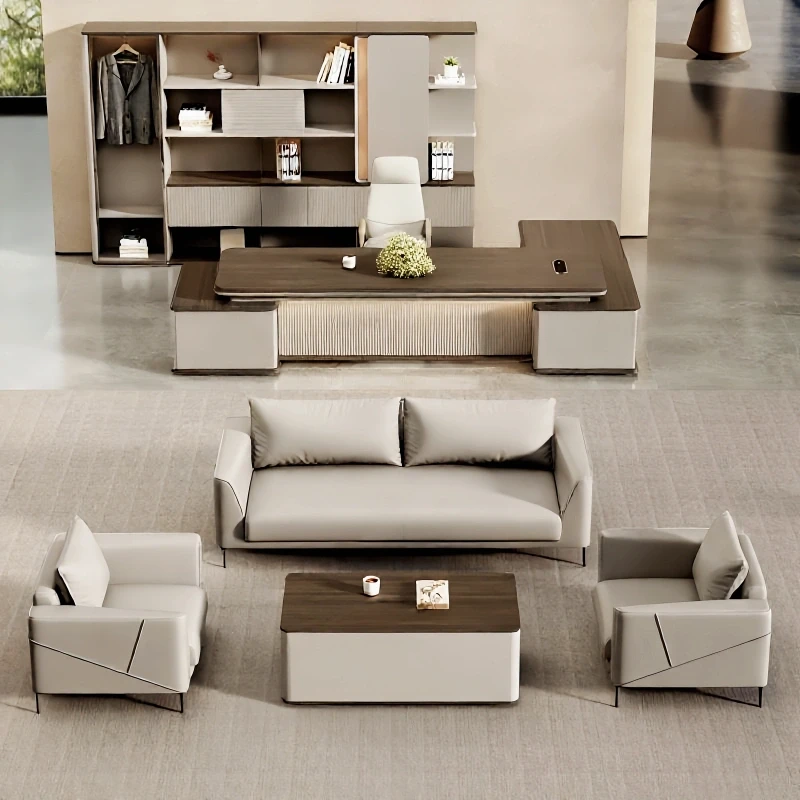















1. Determine Usage Scenarios
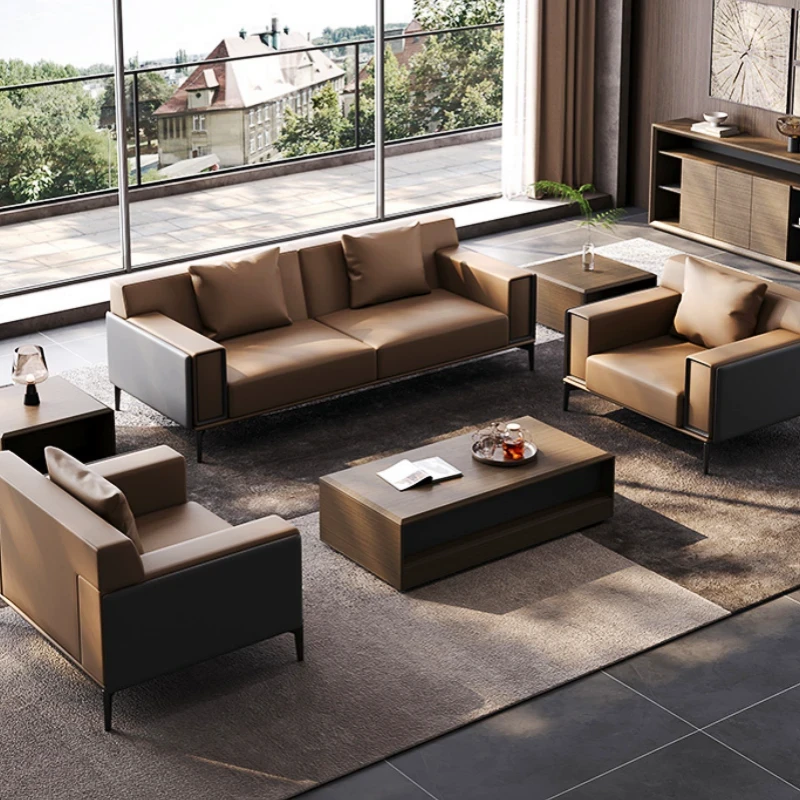
Office sofas serve various purposes, including employee rest areas, reception areas, and meeting rooms. First, it's necessary to define the intended use of the sofa to select the appropriate style, size, and function. For example, a reception area might require a more stylish and comfortable sofa, while an employee rest area prioritizes comfort and durability.
2. Develop a Budget
Based on the company's financial situation and renovation needs, develop a reasonable budget. The budget not only affects the quality and material selection of the sofa but also determines the range of suppliers to choose from. Ensuring that you find cost-effective products within your budget is the first step in selecting a supplier.
II. Examine Supplier Qualifications and Experience
1. Company Qualifications
Choosing a supplier with legal qualifications is crucial. Check whether the supplier possesses relevant business licenses, product certifications (such as ISO certification), environmental certifications, etc. These qualifications not only guarantee product quality but also reflect the supplier's professionalism and reliability.
2. Industry Experience
Suppliers with extensive industry experience typically understand market demands and customer preferences better, enabling them to provide products and services that better meet actual needs. Examining the supplier's years of experience in the office furniture industry and their success stories is an important basis for assessing their capabilities.
III. Product Quality and Material Selection
1. Material Diversity
: High-quality office sofas should use high-quality materials, such as premium fabrics, leather, and environmentally friendly materials. Different materials offer varying levels of comfort, durability, and aesthetics; choosing the right material based on the needs of the office environment is crucial.
2. Exquisite Craftsmanship:
High-quality craftsmanship not only enhances the sofa's appearance but also affects its lifespan and comfort. Examining samples provided by the supplier or actual products in their showroom to personally experience the craftsmanship is an effective way to assess product quality.
IV. Design and Customization Capabilities
1. Diverse Designs:
The design of office sofas should coordinate with the overall office decoration style. Choosing suppliers with diverse designs and rich styles can meet the personalized needs of different companies and enhance the overall aesthetics of the office space.
2. Customization Services:
Companies may have special requirements for size, color, style, or function. Choosing suppliers that offer customization services allows for tailor-made office sofas to specific needs, ensuring a perfect fit for the office space.
V. Price and Cost-Effectiveness
1. Reasonable Pricing:
While ensuring quality and design, choose suppliers with reasonable prices. Compare prices from multiple sources to understand market price levels and avoid prices that are too high or too low, which could affect product quality or budget control.
2. Cost-Effectiveness
: Considering product quality, design, functionality, and price, select the supplier with the highest cost-effectiveness. High cost-effectiveness not only meets current needs but also saves the company long-term costs.
VI. Supply Chain Management and Delivery Capabilities
1. Production Capacity
: High-quality suppliers should have stable production capacity and sufficient inventory to meet the company's large-scale procurement needs and avoid project delays due to insufficient supply.
2. Delivery Cycle:
Clearly define the supplier's delivery cycle to ensure they can complete production and delivery within the stipulated time. Plan procurement time in advance to avoid delays affecting the office space renovation progress.
VII. After-Sales Service and Guarantee
1. Comprehensive After-Sales Service:
Excellent after-sales service is an important consideration when selecting a supplier. Understand whether the supplier provides installation services, maintenance, returns, and exchanges to ensure timely resolution of problems encountered during product use.
2. Warranty Policy:
Understand the supplier's warranty policy to ensure effective repair or replacement services when product quality problems occur. Reasonable warranty period and coverage are important indicators for evaluating supplier reliability.
VIII. Customer Evaluation and Market Reputation
1. Customer Feedback:
Understand the supplier's performance in actual cooperation by reviewing customer evaluations, case studies, and user feedback. 1. **Good Customer Reputation and High Satisfaction:** This reflects the supplier's professionalism and product quality.
2. **Industry Recognition:**
Examine whether the supplier has received industry awards or certifications to understand their market position and reputation. These honors and recognitions further demonstrate the supplier's strength and credibility.
IX. **Environmental Protection and Sustainable Development
:** 1. **Environmentally Friendly Materials:**
Choosing suppliers who use environmentally friendly materials not only aligns with modern corporate social responsibility but also enhances the company's brand image. Understanding whether the supplier uses non-toxic, renewable, or recyclable materials is a crucial consideration in the selection process.
2. **Sustainable Production :
** Focus on whether the supplier's production process prioritizes sustainable development and employs energy-saving and emission-reducing production technologies. Environmentally friendly production not only reduces environmental impact but also reflects the company's green office philosophy.
X. **On-site Inspection and Sample Testing: **
1. **On-site Inspection:**
Personally visit the supplier's production base or showroom to inspect their production processes, equipment configuration, and technological level, ensuring their ability to consistently produce high-quality office sofas.
2. **Sample Testing:**
Before finalizing the supplier selection, request samples for actual testing. Through practical use, evaluate the product's comfort, durability, and appearance quality to ensure it meets the company's actual needs and standards.
In conclusion
, choosing the right office sofa supplier is a crucial step in creating an efficient, comfortable, and professional work environment. By clearly defining needs and budget, examining the supplier's qualifications and experience, focusing on product quality and design, comprehensively evaluating price and cost-effectiveness, and considering after-sales service and environmental protection, businesses can find the most suitable supplier, ensuring the smooth implementation of the office sofa project and long-term user satisfaction. We hope this guide will help you make an informed choice among numerous suppliers and create your ideal office space.