
 USD
USD GBP
GBP
 EUR
EUR









1. Ergonomic Form:
Medical furniture should be designed with ergonomic principles in mind, taking into account the different body structures and usage needs of patients. For example, the height, tilt angle, and support strength of hospital beds should be adjustable to accommodate patients of different heights and physical conditions, ensuring they maintain a comfortable posture during rehabilitation and reducing physical pressure and discomfort.
2. Providing Good Support:
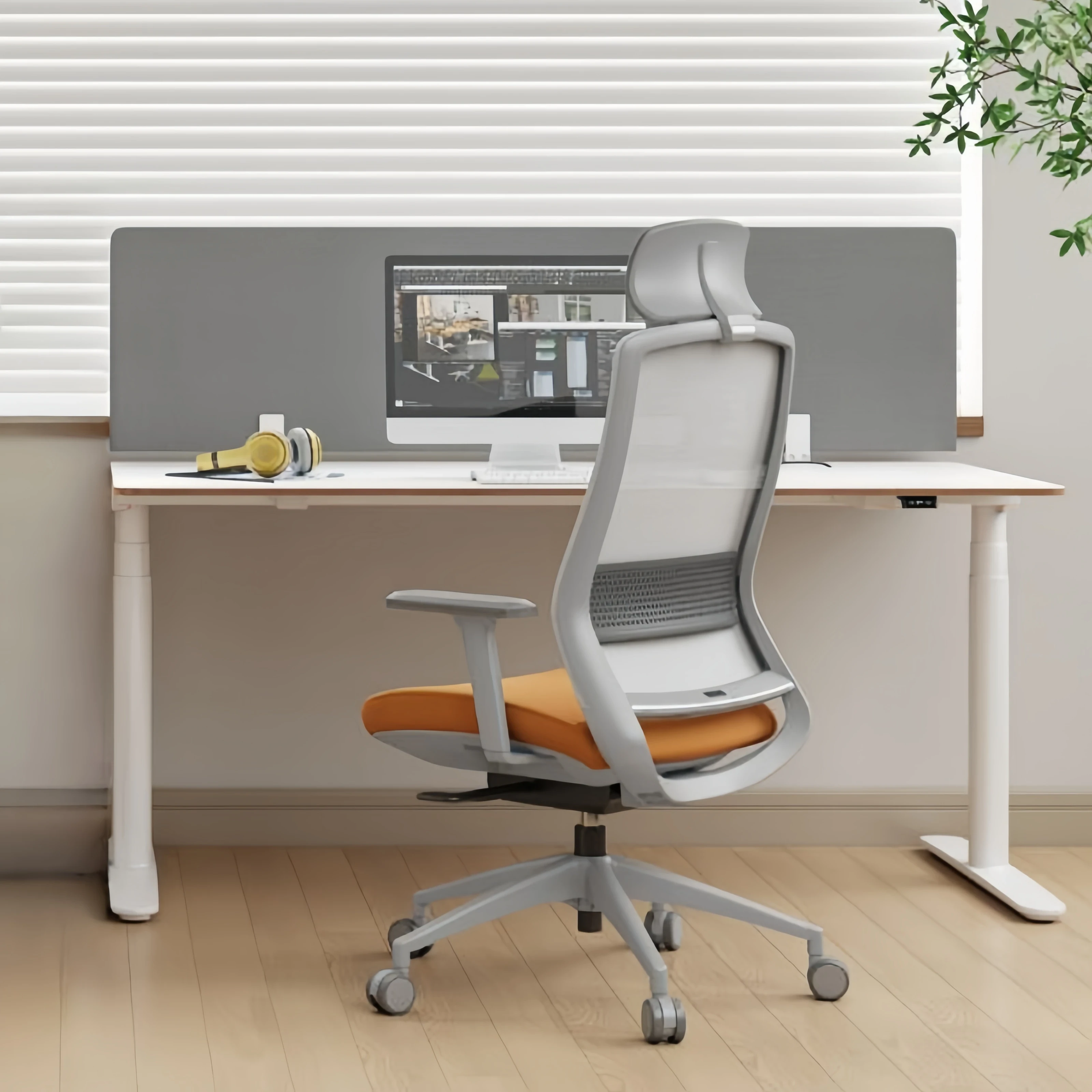
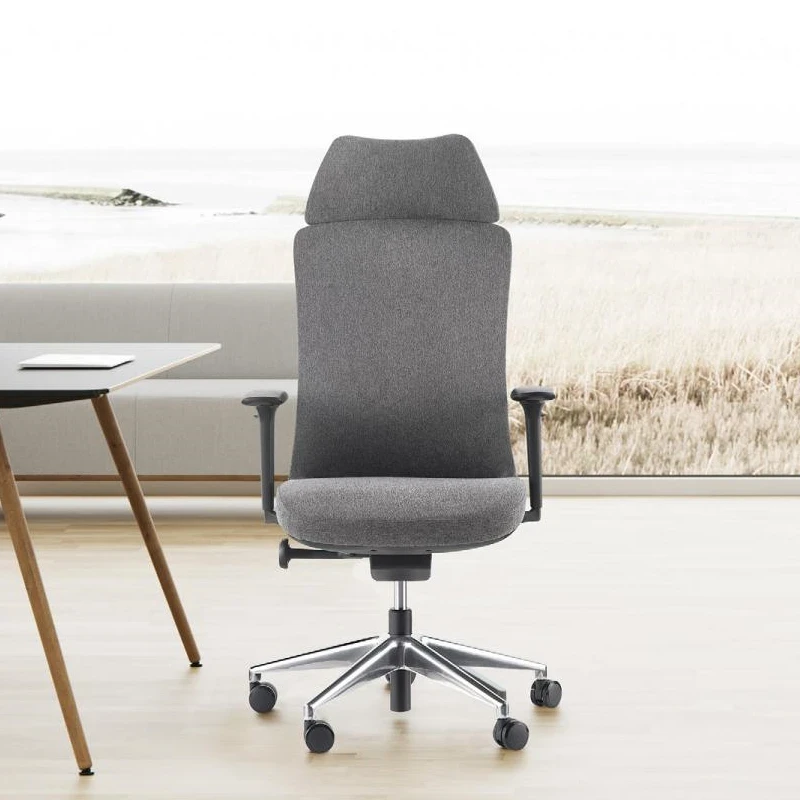
During rehabilitation, patients may need to perform various positional adjustments and rehabilitation exercises. Furniture design should provide sufficient support, such as chairs with lumbar and neck support, adjustable rehabilitation training equipment, etc., to help patients maintain correct posture during recovery and prevent secondary injuries caused by improper posture.
II. Safety Design: Ensuring a Worry-Free Rehabilitation Process
1. Stability and Durability:
Medical furniture must possess high stability and durability, capable of withstanding long-term use and frequent adjustments. For example, wheelchairs, hospital beds, and other furniture should use sturdy materials and structural designs to prevent tipping or damage during patient use, ensuring patient safety.
2. Anti-Slip and Anti-Fall Design:
In a medical environment, anti-slip design is particularly important. Furniture surfaces should be made of non-slip materials to prevent patients from slipping during use. At the same time, the edges of chairs and beds should be rounded to reduce the risk of injury from sharp corners.
III. Multifunctional and Flexible Design: Adapting to Diverse Needs
1. Adjustability and Modular Design:
During rehabilitation, patients' needs may change at any time. Therefore, medical furniture should have a high degree of adjustability and modular design. For example, height-adjustable treatment tables and modular rehabilitation training equipment can be flexibly adjusted according to different rehabilitation stages and training content to improve rehabilitation effectiveness.
2. Integrated Auxiliary Functions:
To improve rehabilitation efficiency, medical furniture can integrate multiple auxiliary functions. For example, treatment stools with storage space and rehabilitation beds with monitoring equipment not only facilitate operation for medical staff but also improve the patient's rehabilitation experience.
IV. Hygienic and Easy-to-Clean Design: Creating a Healthy Rehabilitation Environment
1. Material Selection :
Medical furniture should use easy-to-clean and antibacterial materials, such as stainless steel and antibacterial plastics, to prevent bacterial growth and reduce the risk of cross-infection. At the same time, the furniture surface should be smooth and seamless to avoid dirt accumulation and facilitate daily cleaning and disinfection.
2. Simple Design:
A simple design is not only aesthetically pleasing but also reduces the difficulty of cleaning. Avoid overly complex structures and decorations to make cleaning more convenient and efficient, ensuring the hygiene and safety of the medical environment.
V. Aesthetic Design: Enhancing Psychological Rehabilitation
1. Color Matching
: Color has a significant impact on the patient's psychological state. Medical furniture should primarily feature soft and bright colors, such as light blue and light green, which can help patients relax, reduce anxiety, and promote recovery.
2. Humanized Appearance:
The appearance design of medical furniture should be humanized, avoiding overly cold and mechanical designs. By incorporating warm design elements, such as curved shapes and natural textures, a comfortable and warm rehabilitation environment can be created, helping to improve the patient's psychological comfort.
VI. Barrier-Free Design: Meeting the Needs of Special Groups
1. Adapting to Different Physical Conditions:
Medical furniture should consider various special needs, such as the usage habits and physical conditions of disabled patients and elderly patients, designing highly adaptable furniture. For example, height-adjustable beds and operating tables can meet diverse rehabilitation needs.
2. Convenient Movement and Operation:
The movement and operation of furniture should be simple and easy, facilitating use by patients and medical staff. For example, wheelchairs should be highly maneuverable, facilitating free movement within the medical environment; foldable assistive devices are easy to store and carry, improving ease of use.
In conclusion,
the design of medical furniture plays a crucial role in enhancing the patient's rehabilitation experience. By focusing on ergonomics, safety, multifunctionality, hygiene, aesthetics, and accessibility, medical furniture can not only meet patients' basic needs but also provide comprehensive support during rehabilitation, improving overall recovery outcomes. In the future, with continuous technological advancements, intelligent and personalized medical furniture will become a trend, creating a higher-quality and more efficient rehabilitation environment for patients and promoting a comprehensive improvement in the level of medical services.