
 USD
USD GBP
GBP
 EUR
EUR
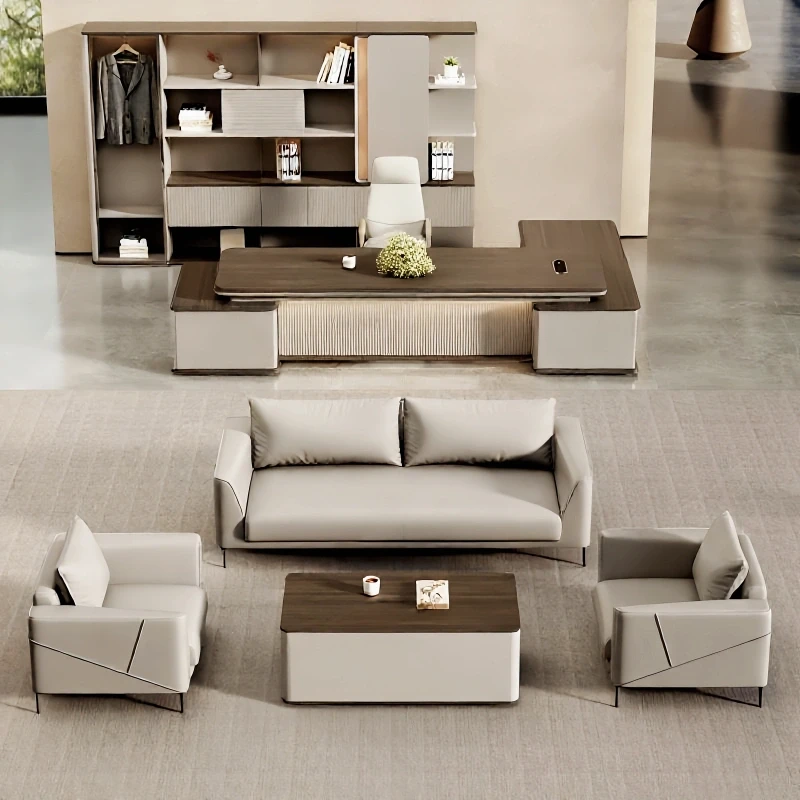
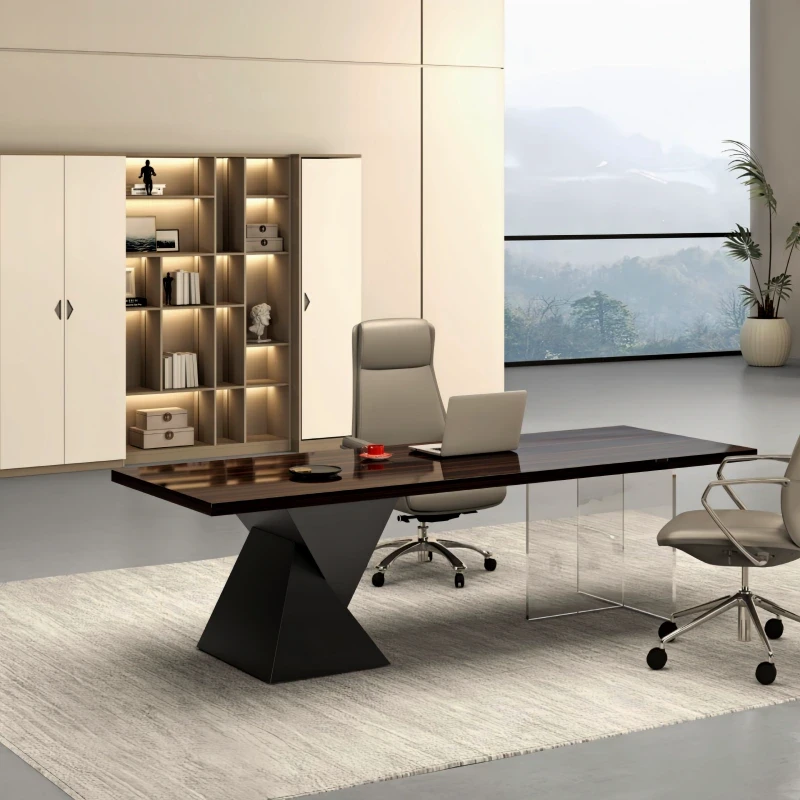


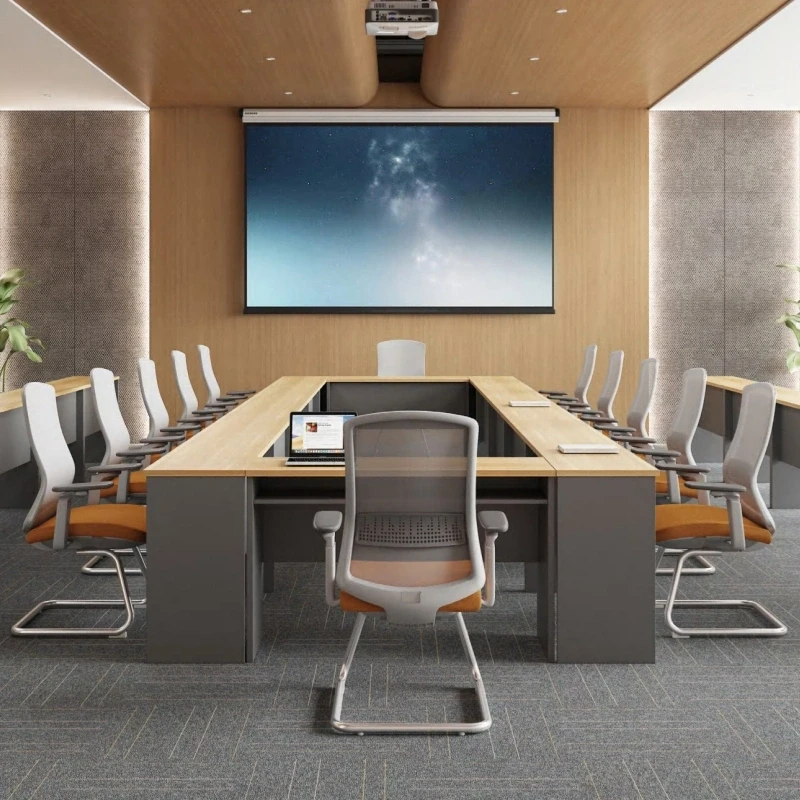
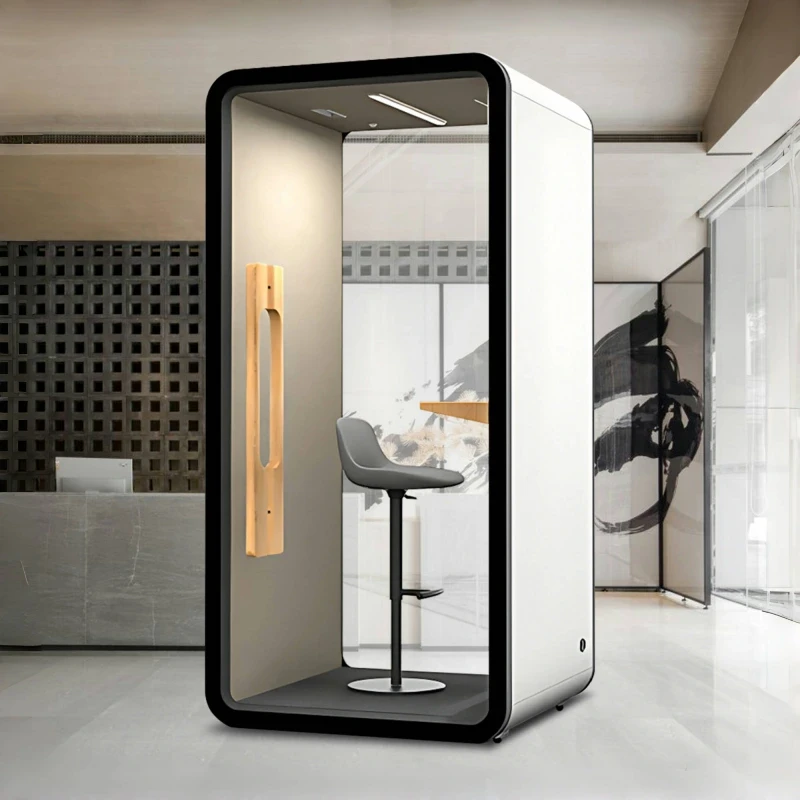
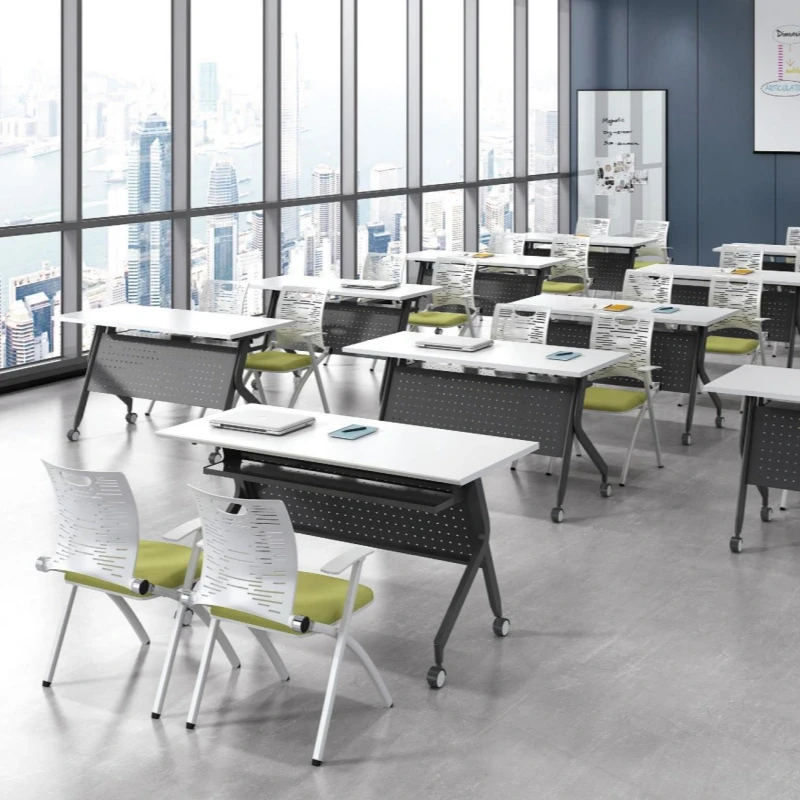
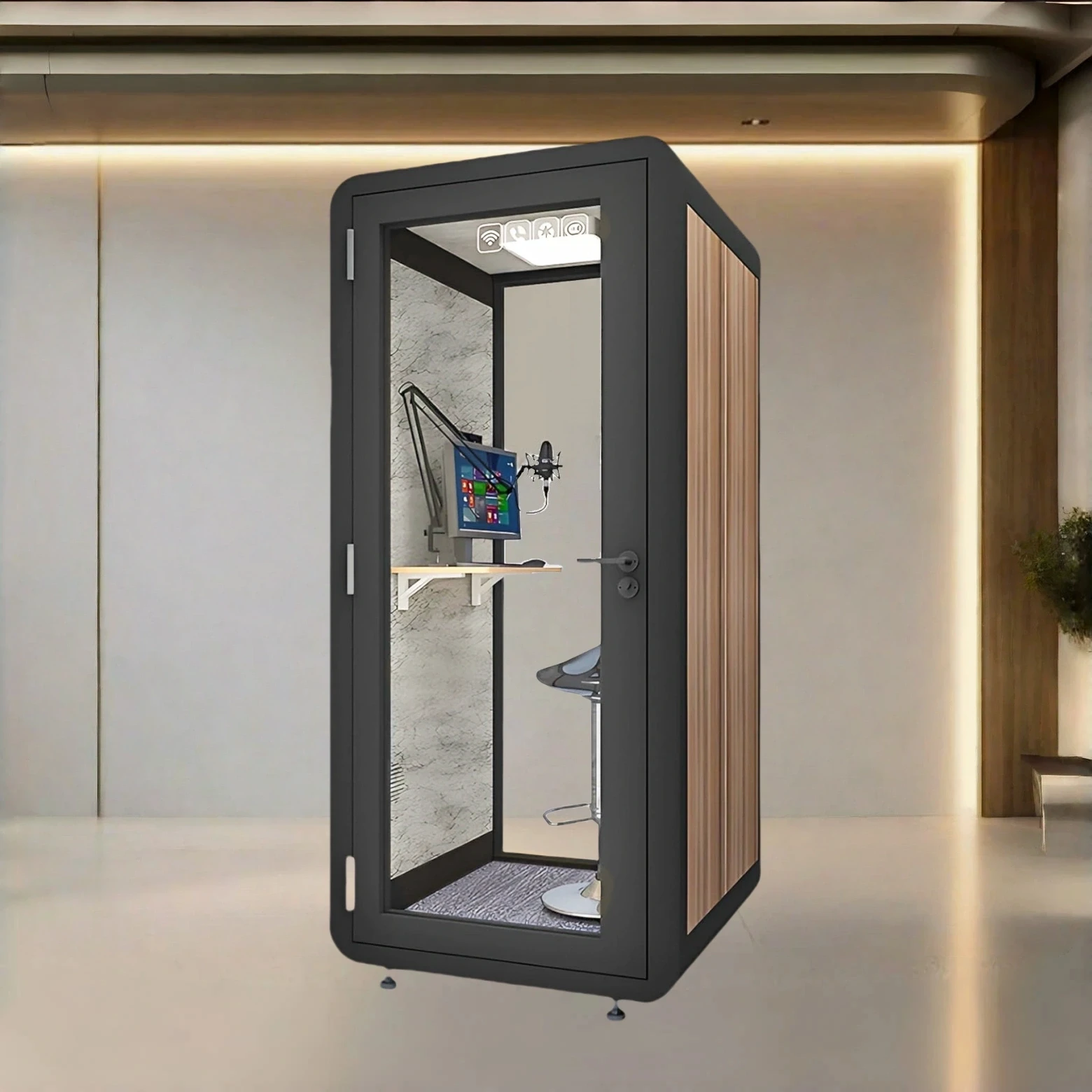
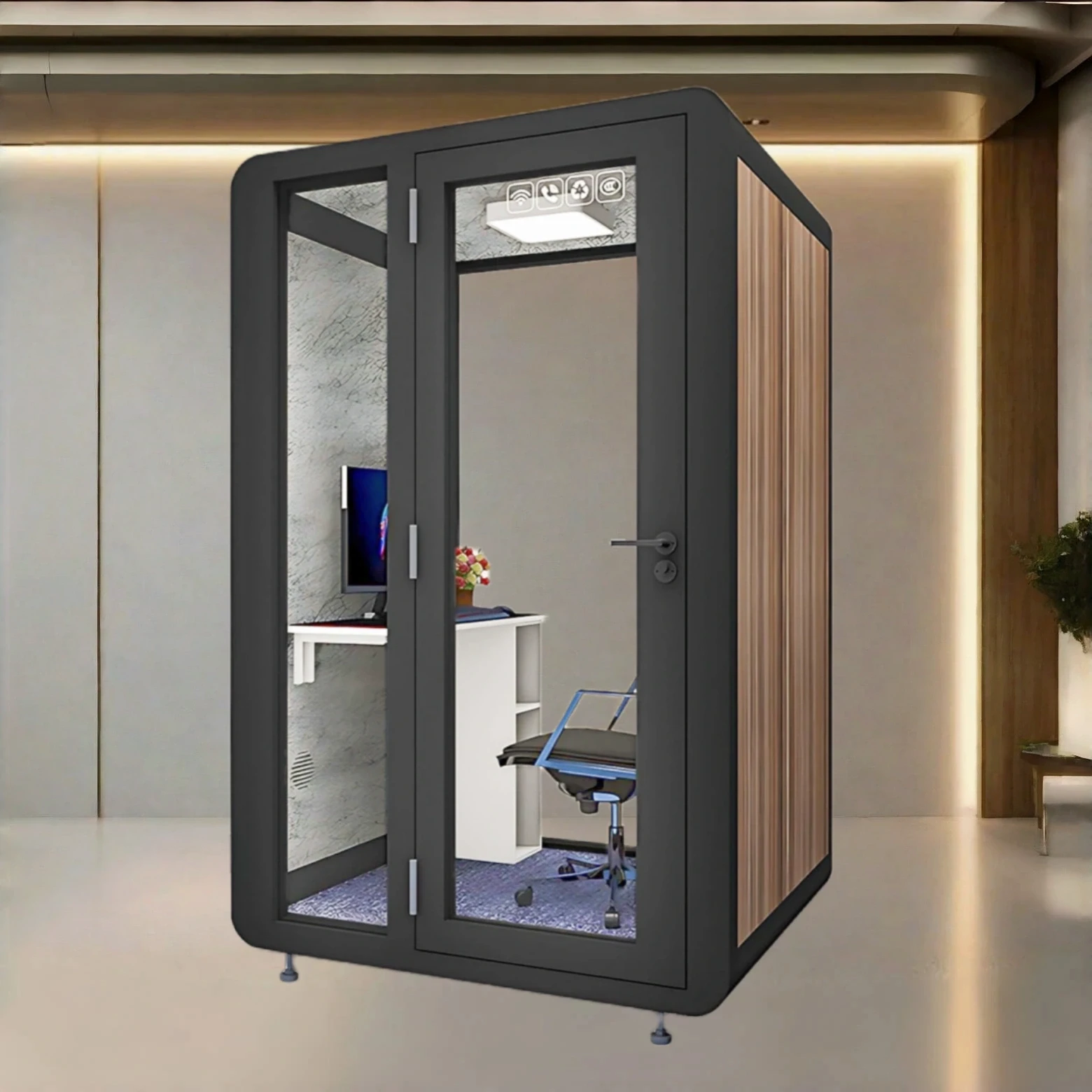
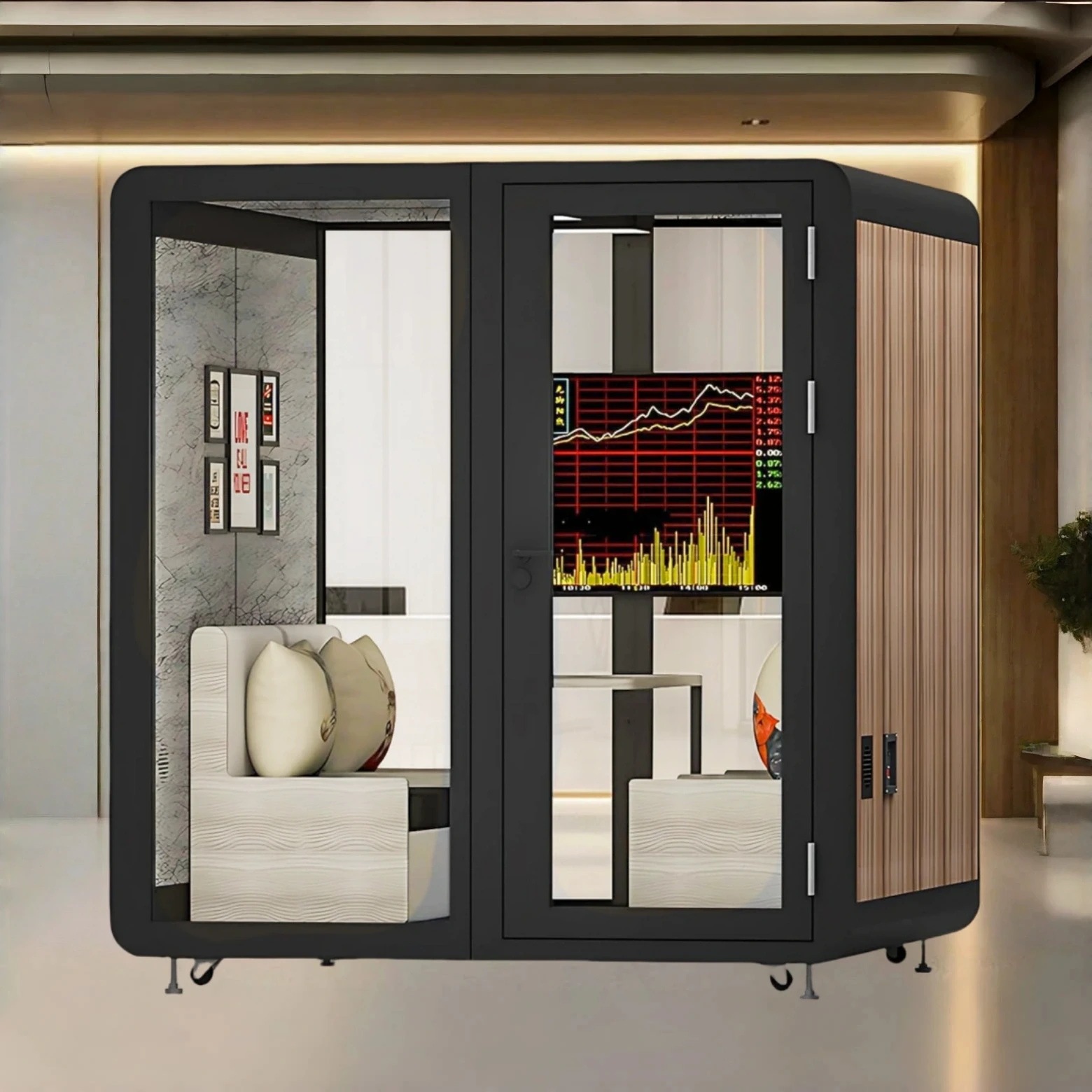
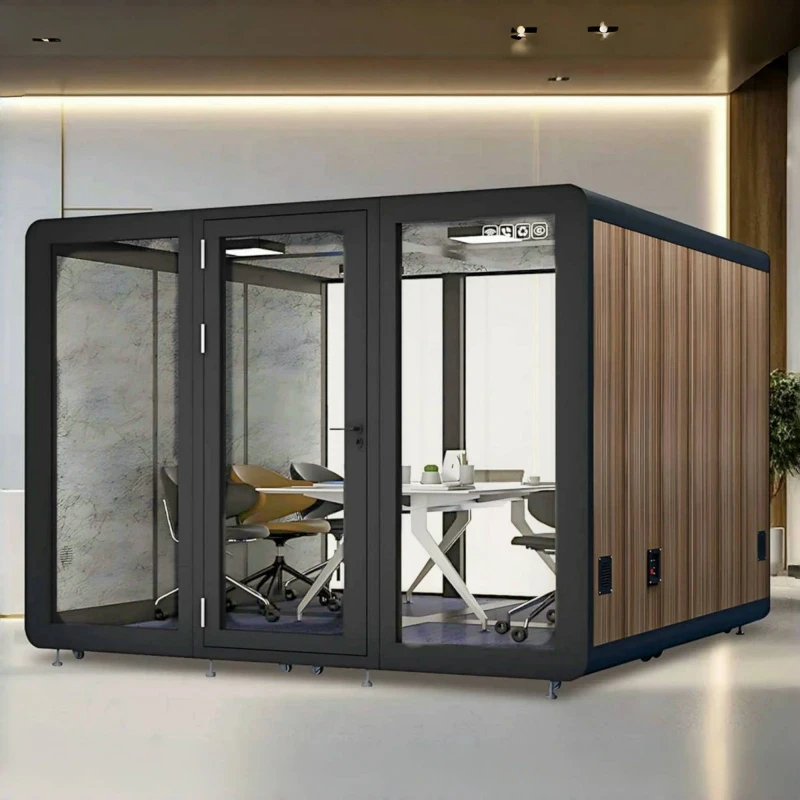
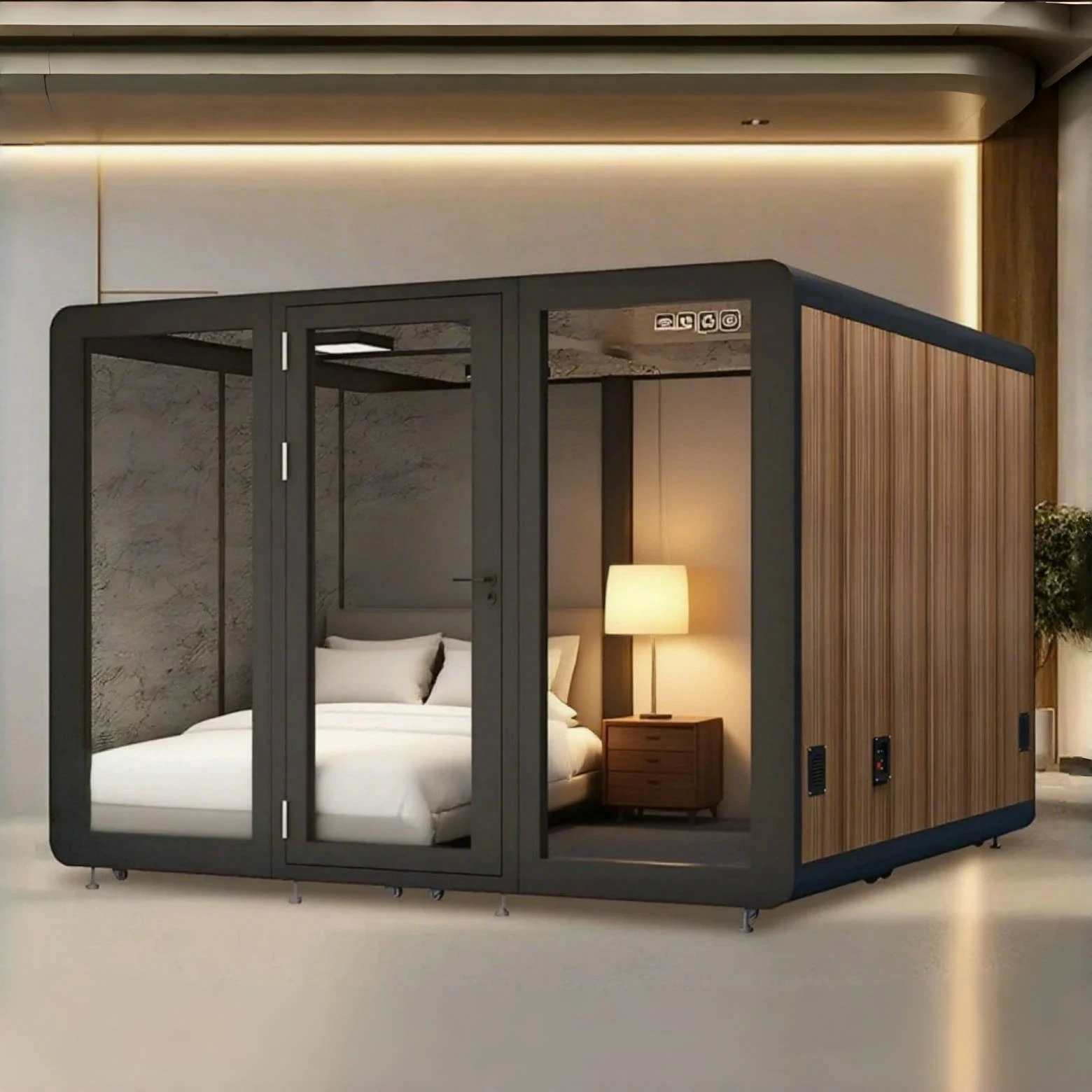




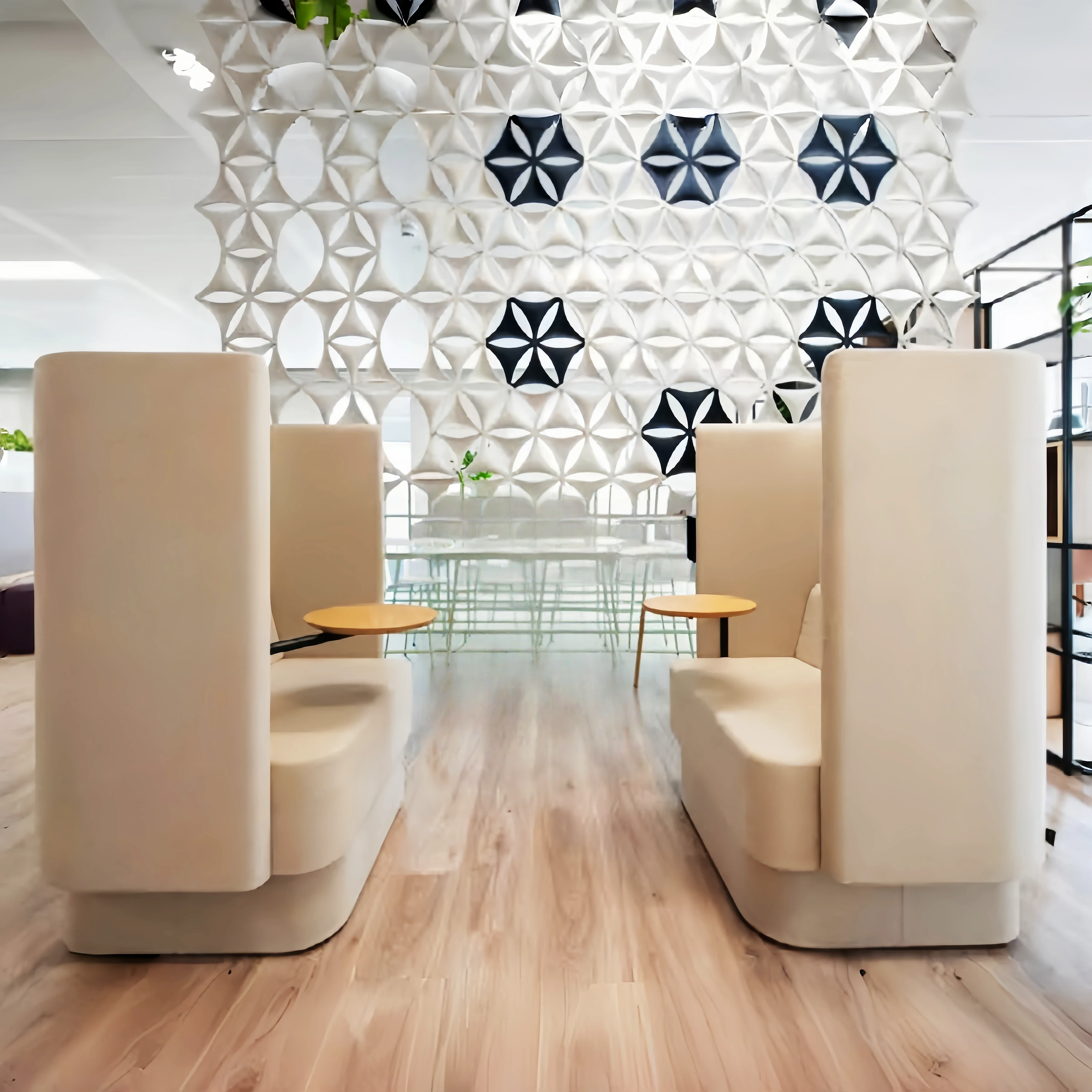

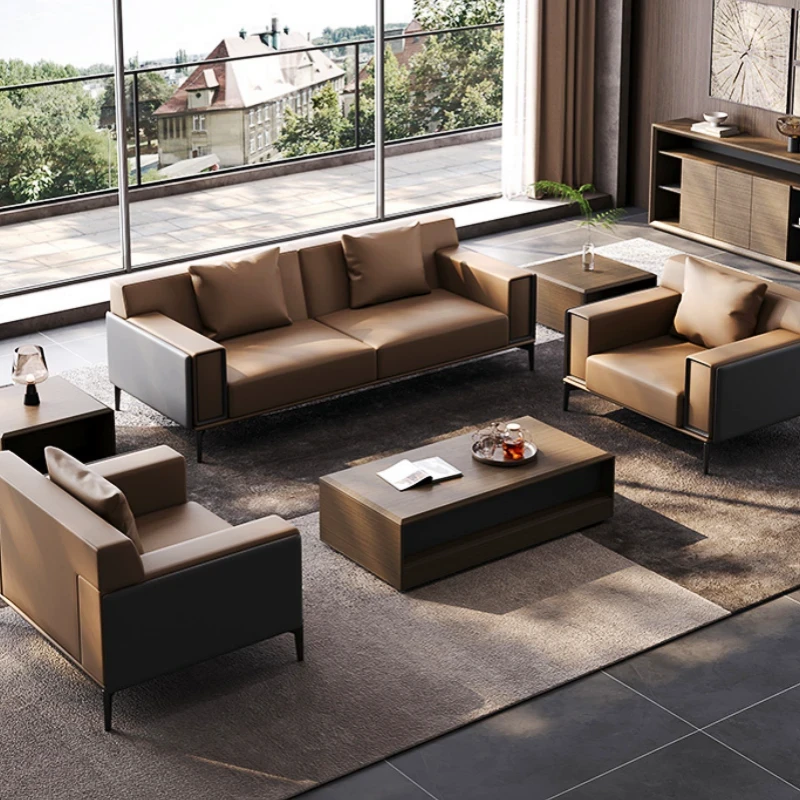
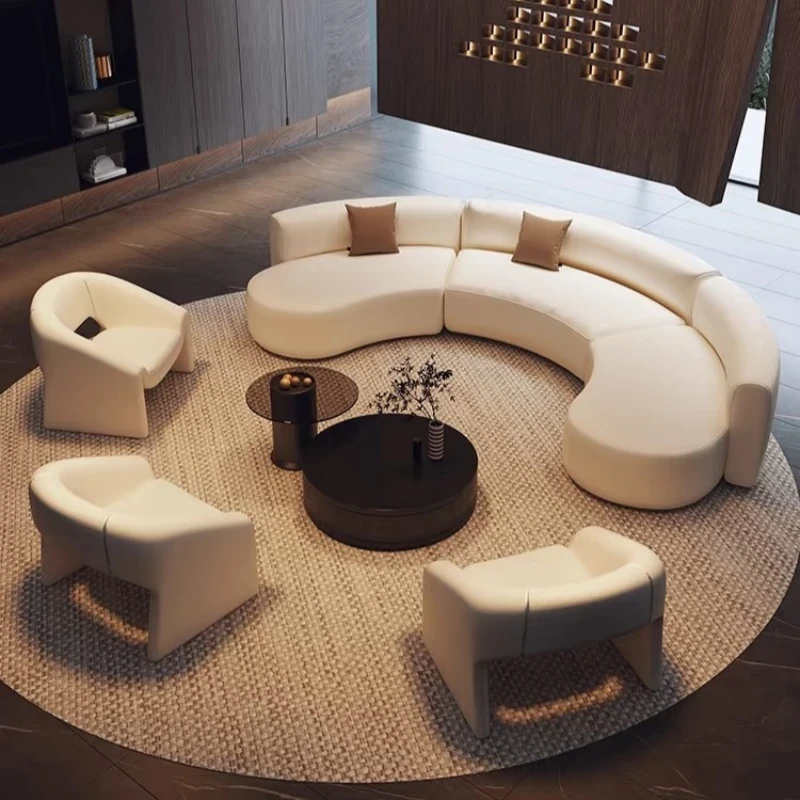
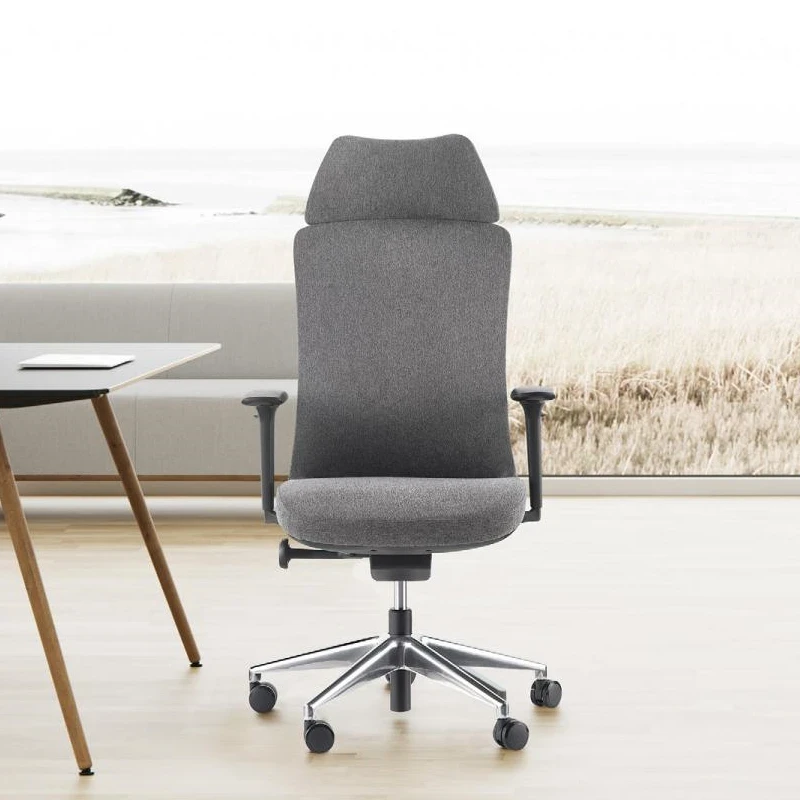


: Reasons and Importance:
Understanding tenants' lifestyles and needs is the first step in custom furniture design. Only by understanding the characteristics of the target tenant group can furniture truly meet their needs be designed.
Practical Methods:
Research and Analysis: Obtain potential tenants' expectations for furniture functionality and comfort through questionnaires, tenant interviews, etc.
Market Segmentation: Categorize tenants based on their occupation, age, and lifestyle habits to tailor furniture design accordingly.
2. Emphasizing Space Utilization and Functional Diversity
: Reasons and Importance:
Urban apartments have limited space; efficient space utilization is key to improving tenant satisfaction. Simultaneously, multifunctional furniture can meet tenants' diverse needs in living, working, and entertainment.
Practical Methods:
Multifunctional Furniture: Select furniture with multiple uses, such as sofa beds, folding tables, and storage sofas.
Modular Design: Adopt modular furniture design schemes, which can be flexibly adjusted according to space changes and tenant needs.
3. Focusing on Comfort and Ergonomic Design
: Reasons and Importance:
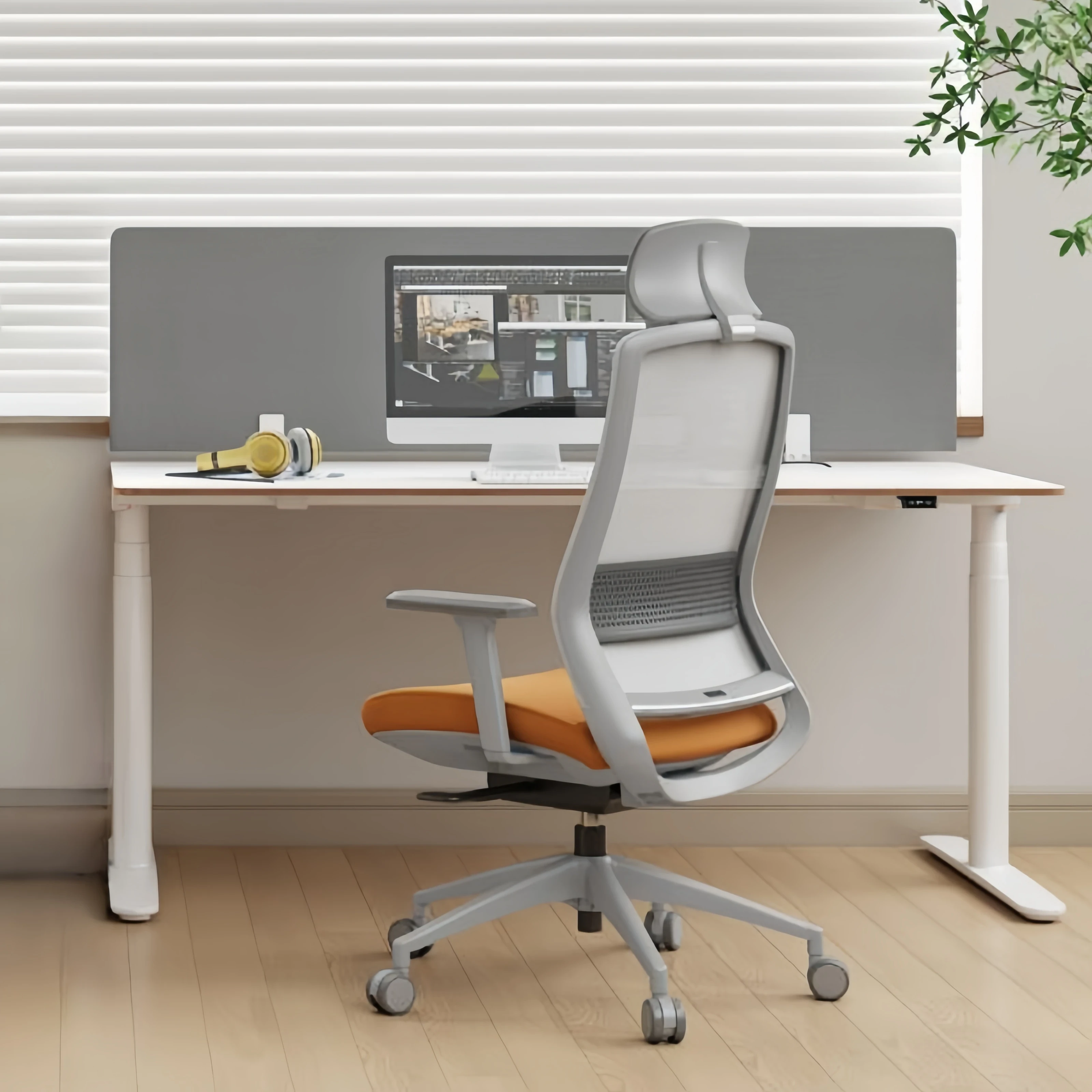
Comfort directly affects tenants' quality of life, especially during long working or studying periods; therefore, ergonomic furniture design is particularly important.
Practical Methods:
4. Ergonomic Seating: Choose chairs with good back support to provide a comfortable sitting experience for extended periods.
High-Quality Bedding: Provide high-quality mattresses and bedding to ensure tenants' sleep quality.
5. Choosing Durable and Easy-to-Maintain Materials :
Reasons and Importance:
Durable materials extend the lifespan of furniture, reducing replacement frequency and maintenance costs. Easy-to-maintain furniture surfaces also help tenants maintain a pleasant living environment.
Practical Methods:
Stain-Resistant Materials: Choose easy-to-clean and wear-resistant materials, such as stain-resistant fabrics or durable boards.
Environmentally Friendly Materials: Use environmentally friendly furniture materials to reduce potential threats to tenants' health.
6. Modern Aesthetic Design Style:
Reasons and Importance:
Modern aesthetic design enhances the overall attractiveness of the apartment, satisfying tenants' aesthetic and individualistic pursuits.
Practical Methods:
Combining Fashion and Simplicity: Use a minimalist style as a base, incorporating fashionable elements to achieve a simple yet individualistic effect.
Color and Material Combinations: Enhance the texture and layering of the space through the fusion of natural and modern elements, such as the combination of wood, metal, and fabrics. In
conclusion
, the customization of furniture for talent apartments should fully consider the needs of tenants, combining comfort and functionality to create a fully functional, comfortable, and livable living space. By emphasizing space utilization, ergonomic design, material selection, and modern aesthetics, apartment operators can stand out in the competitive rental market, attract more high-quality tenants, and ultimately achieve a win-win situation. This not only enhances the usability of the apartments but also contributes to the city's strategic goal of attracting and retaining top talent.