 USD
USD GBP
GBP
 EUR
EUR
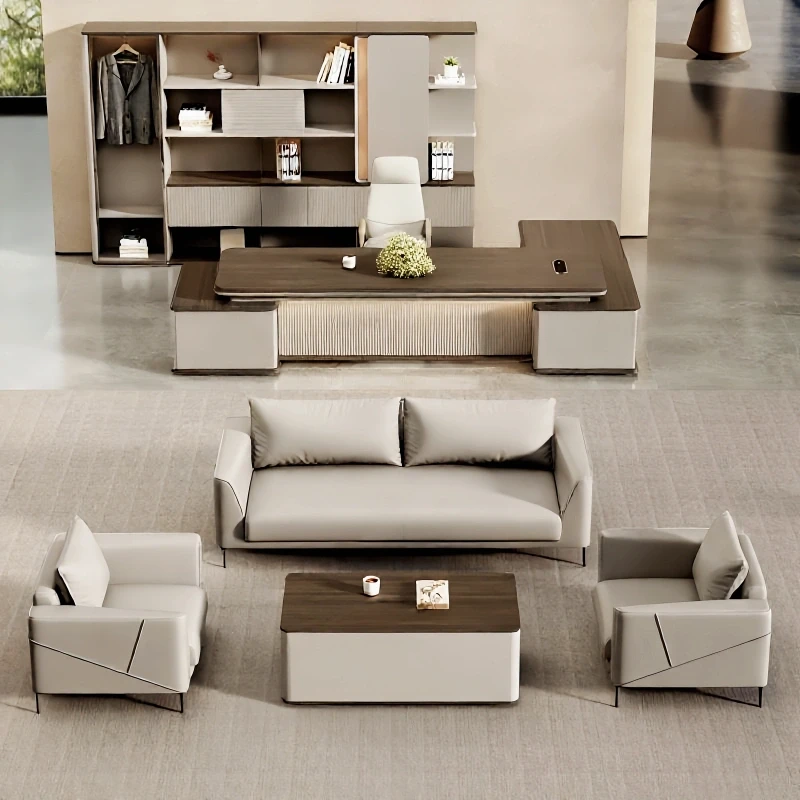
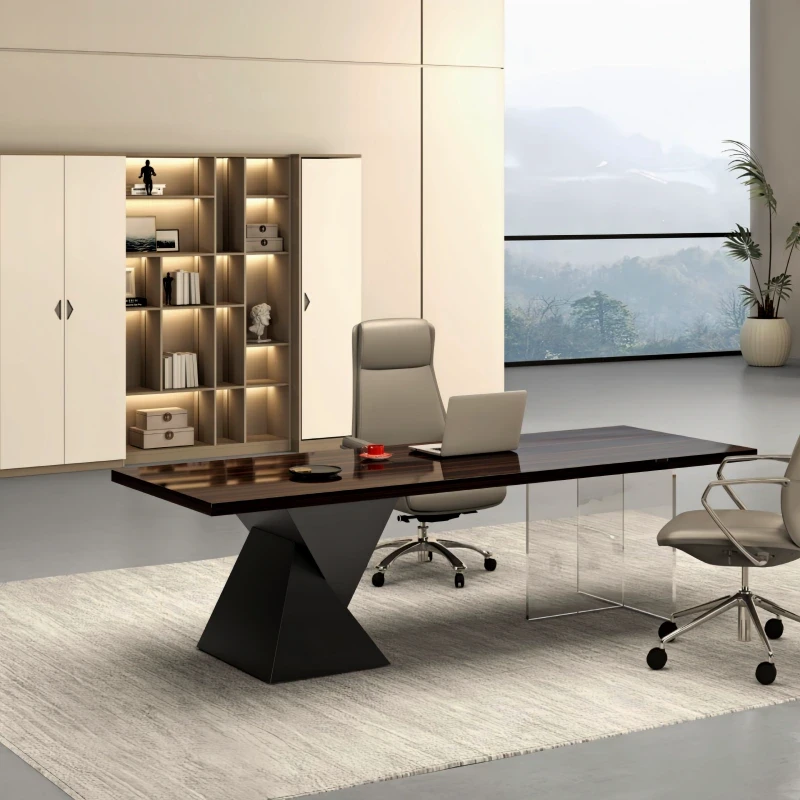


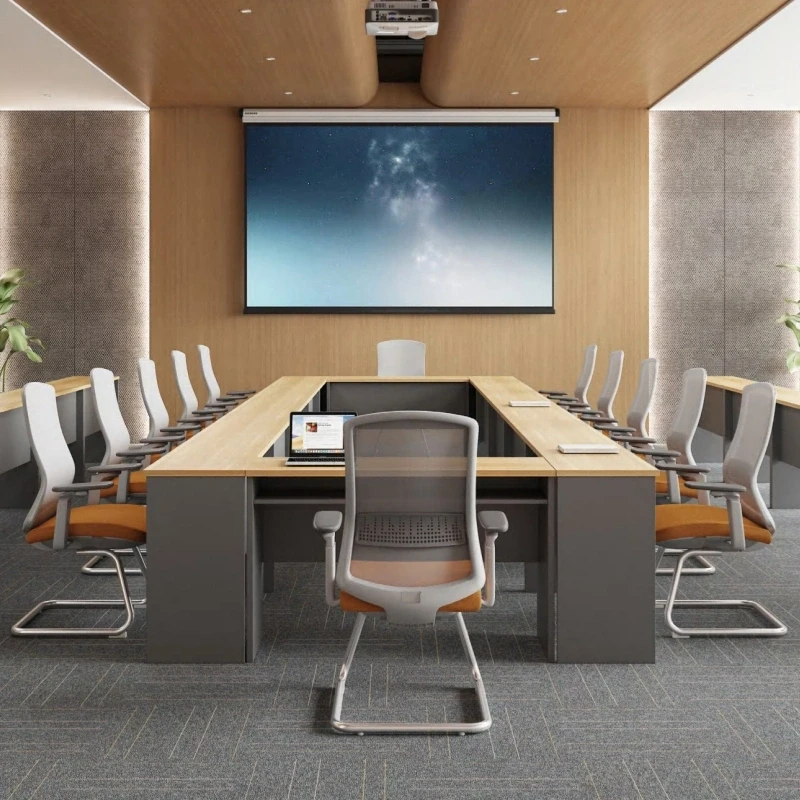
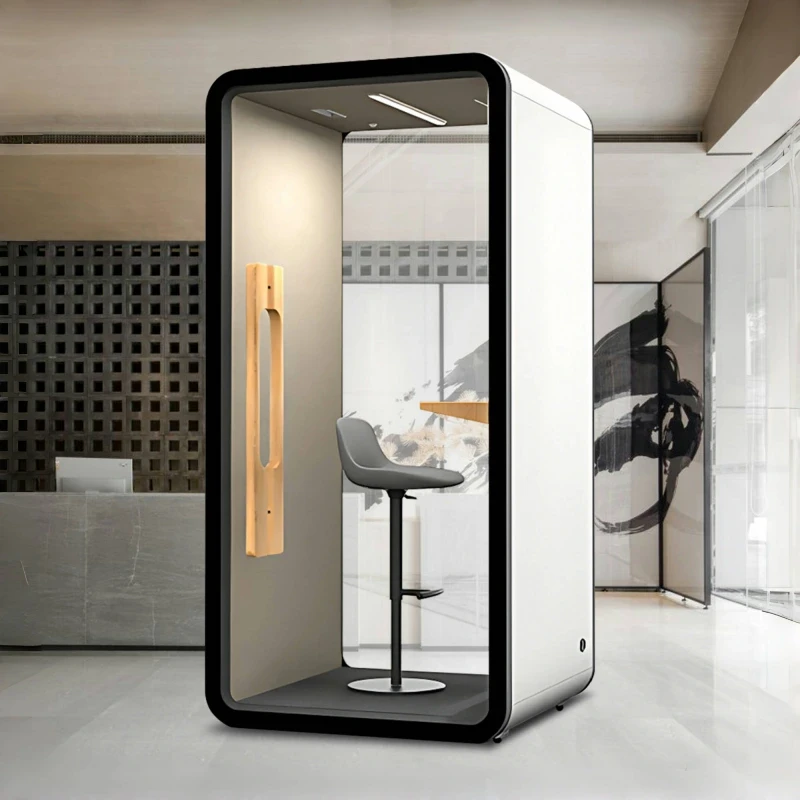
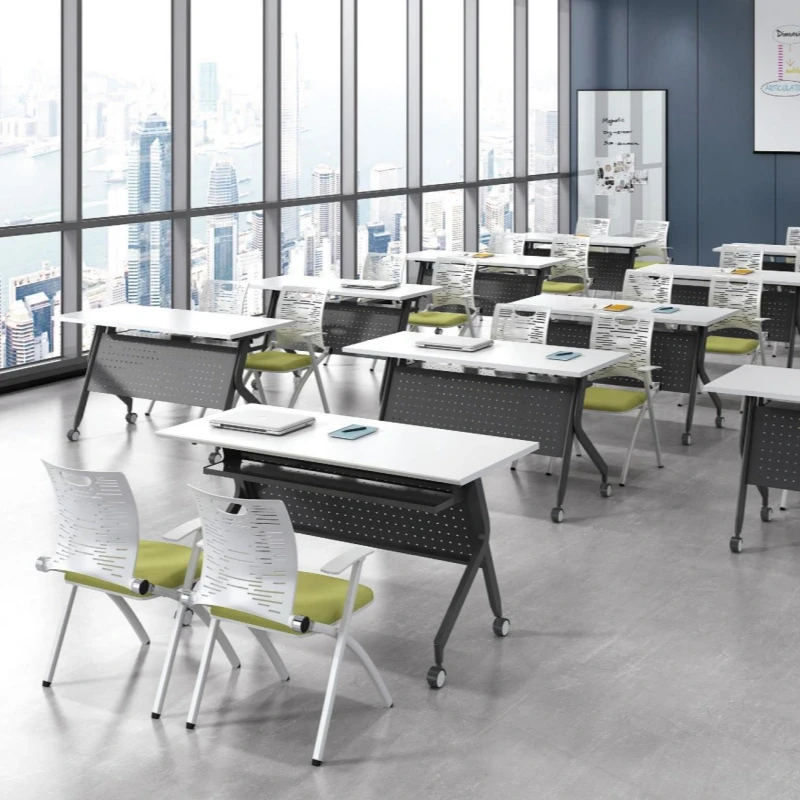
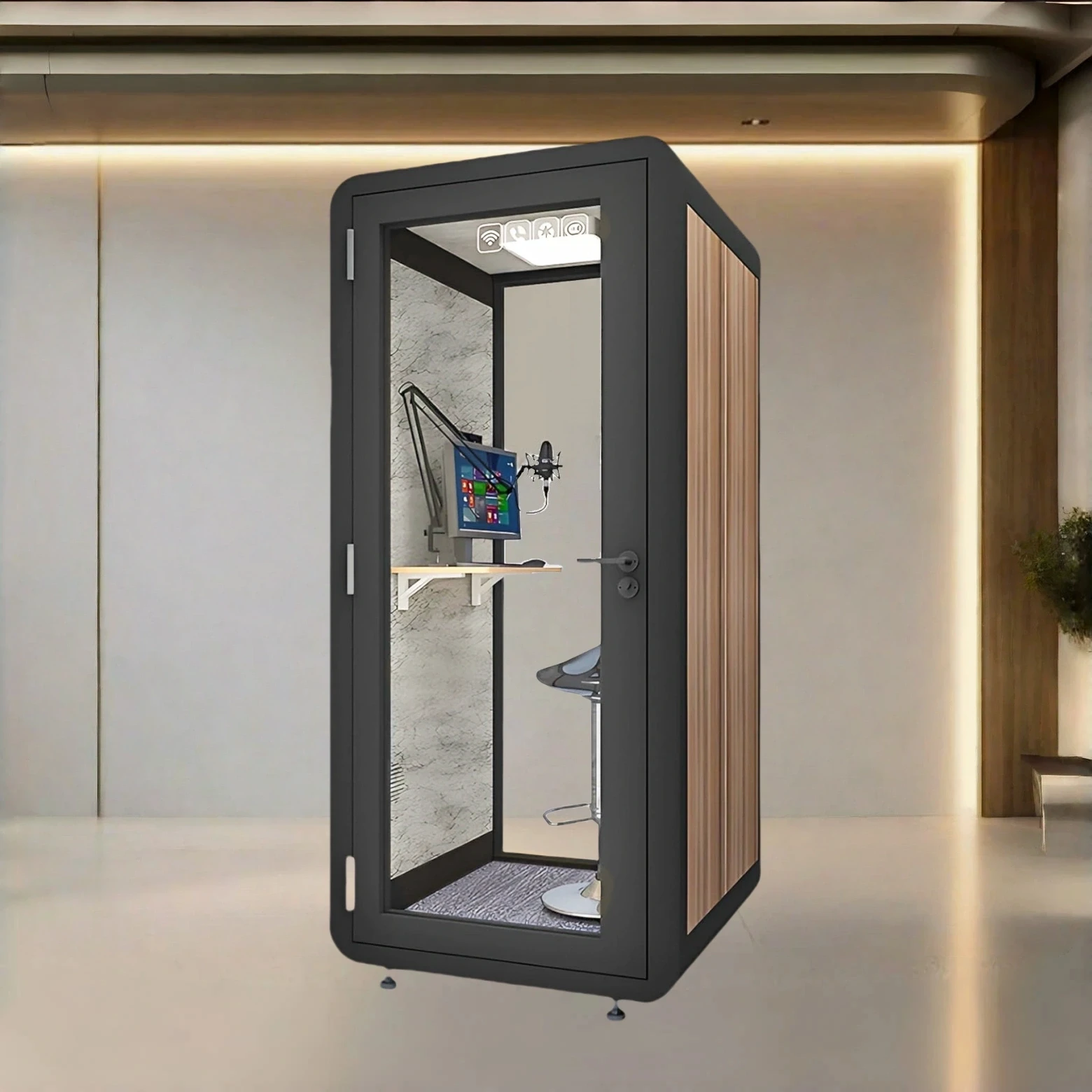
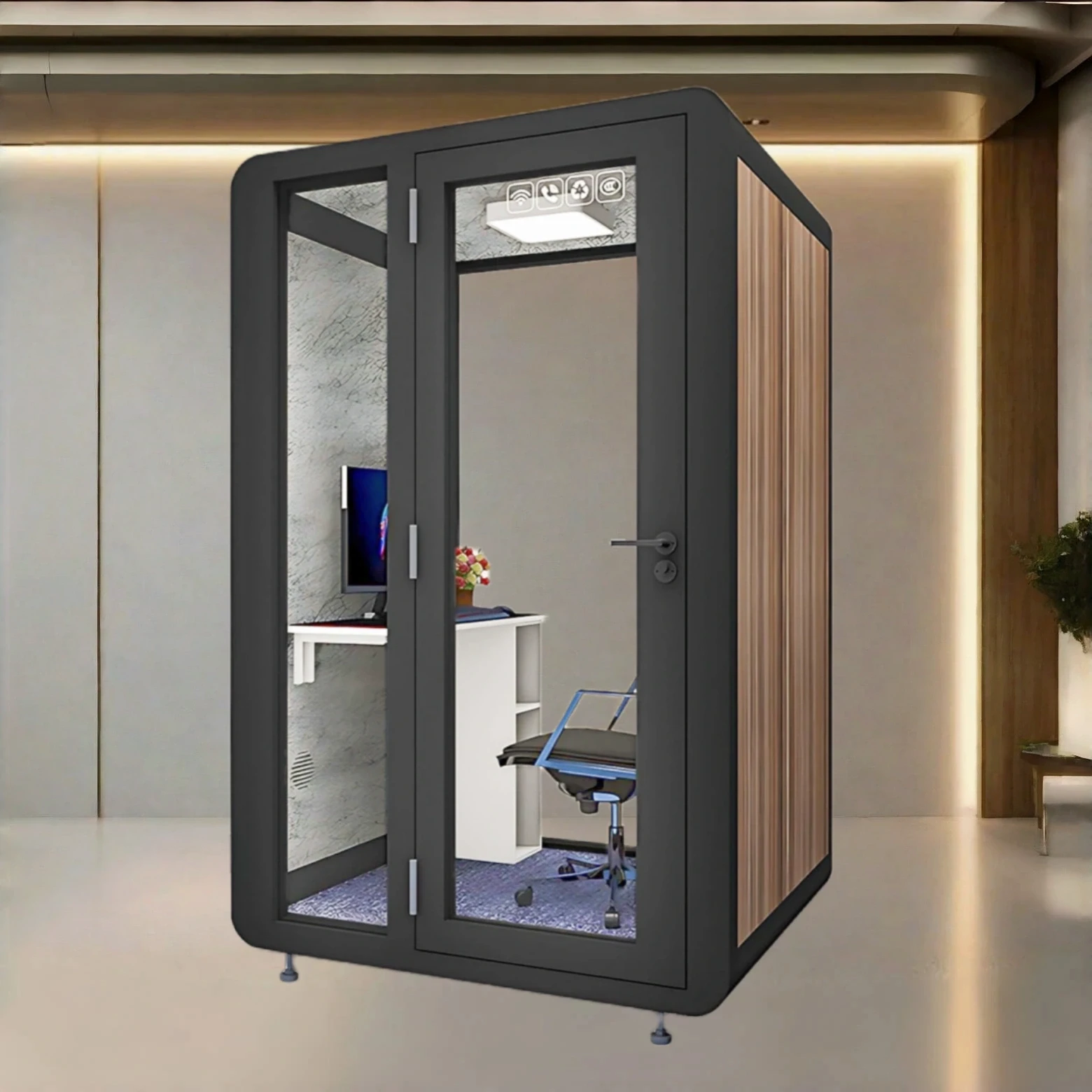
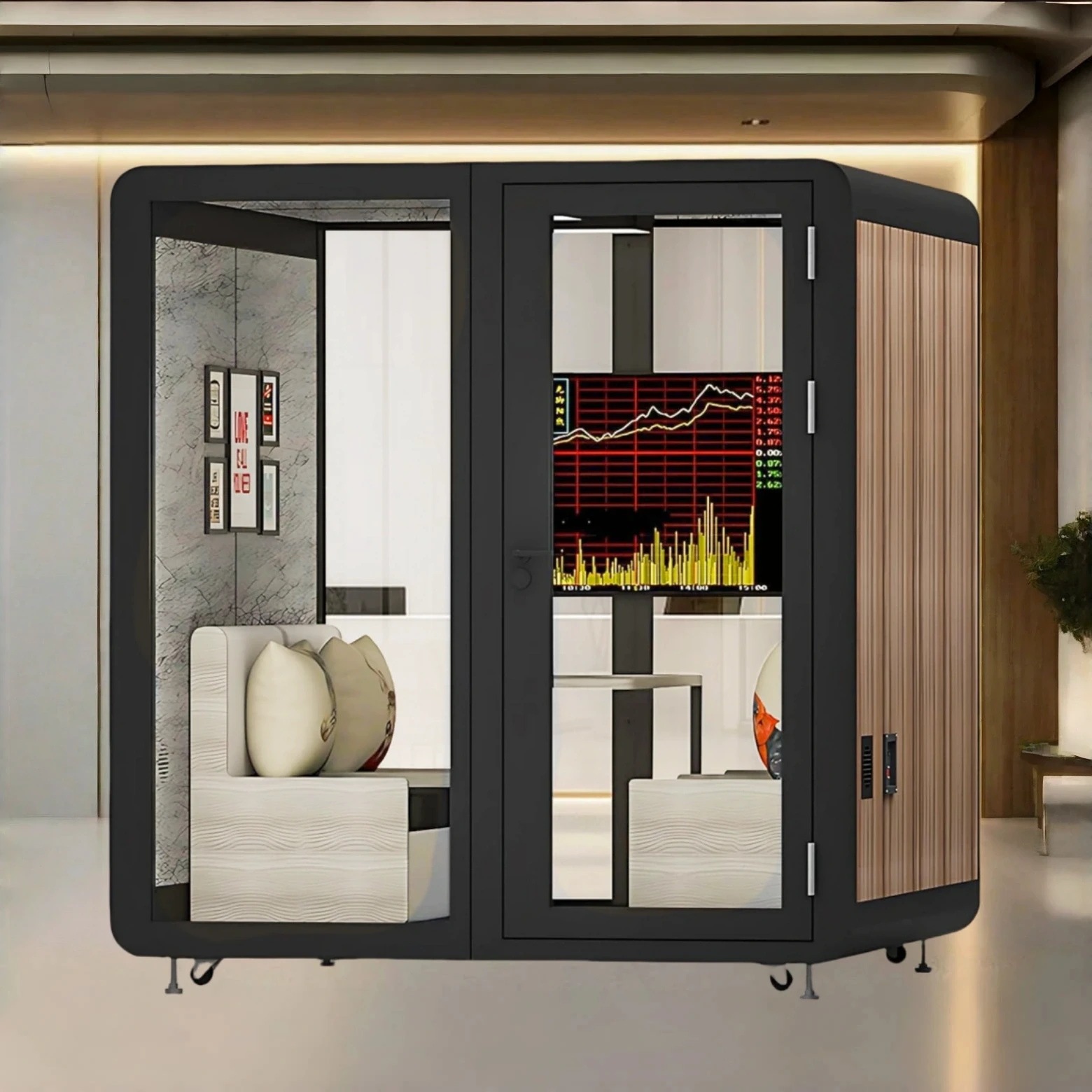
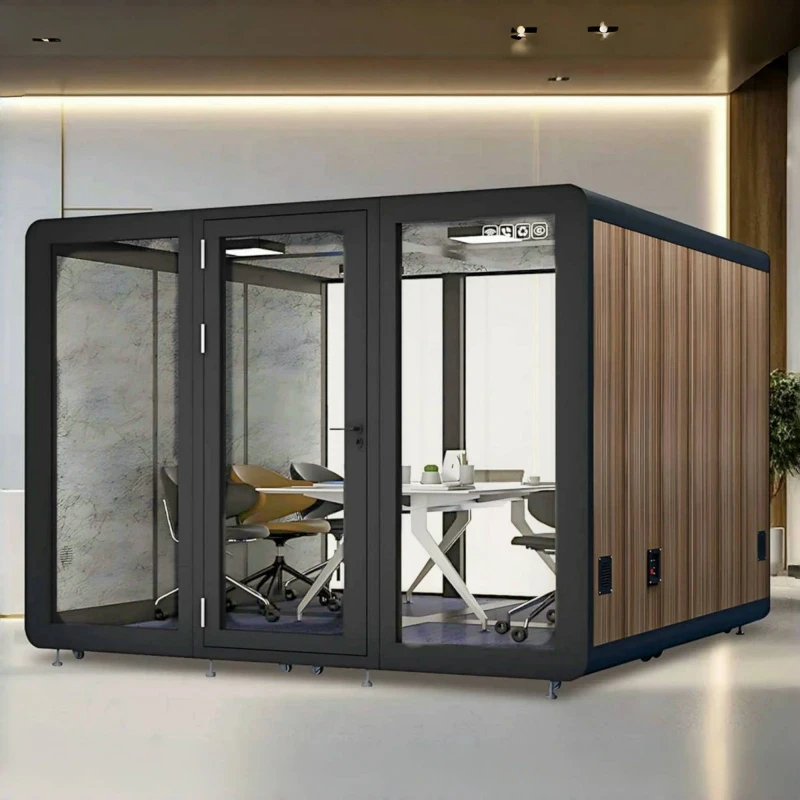
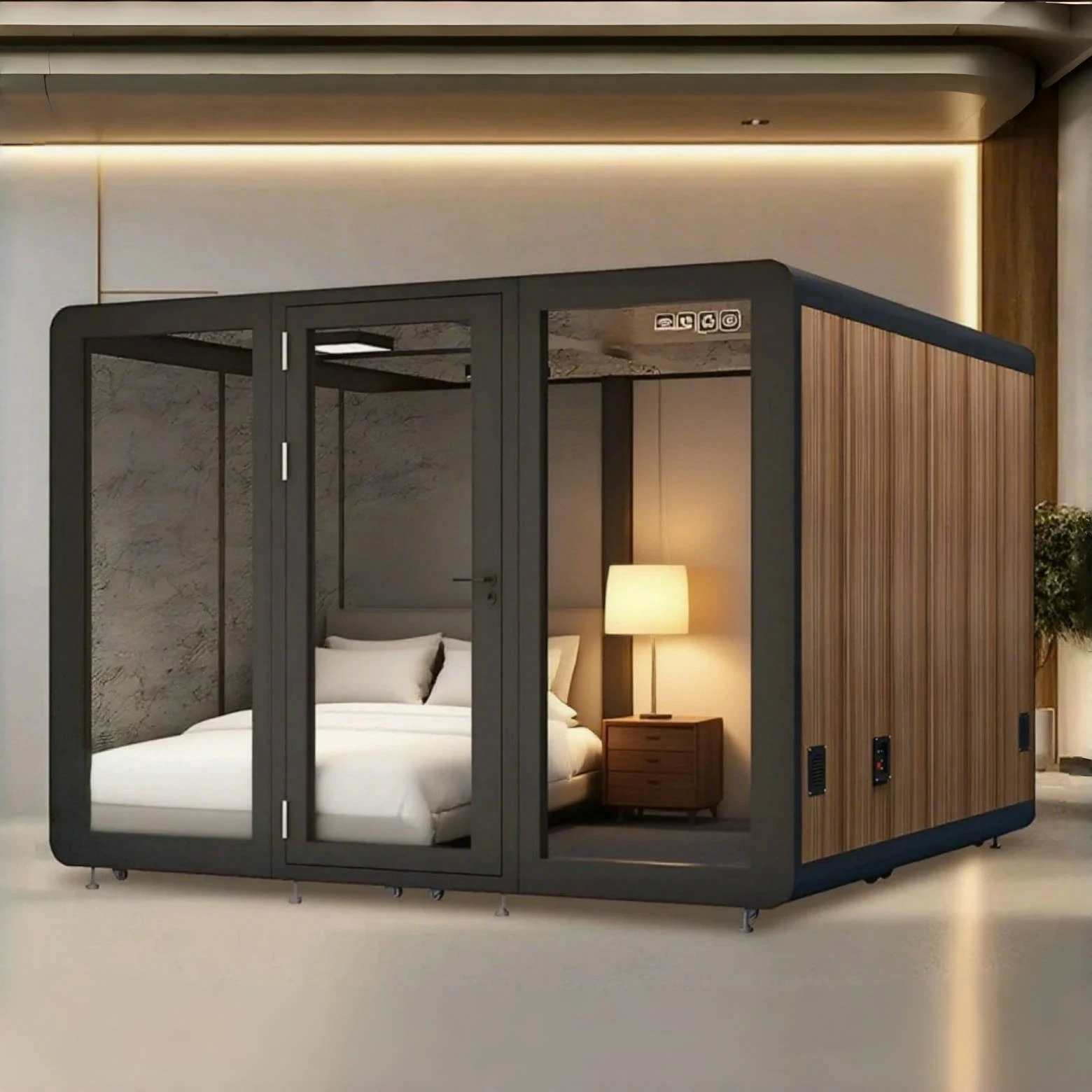


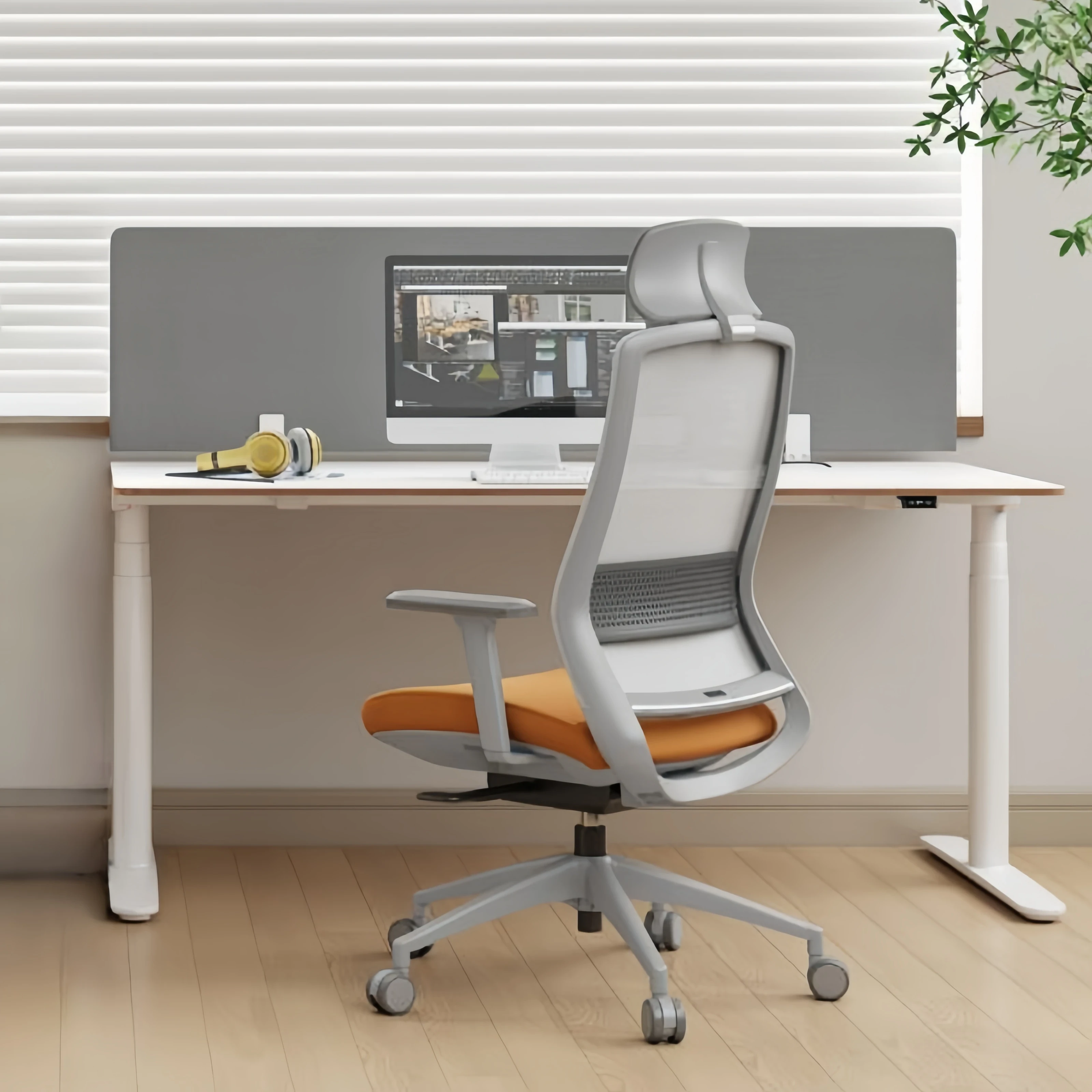


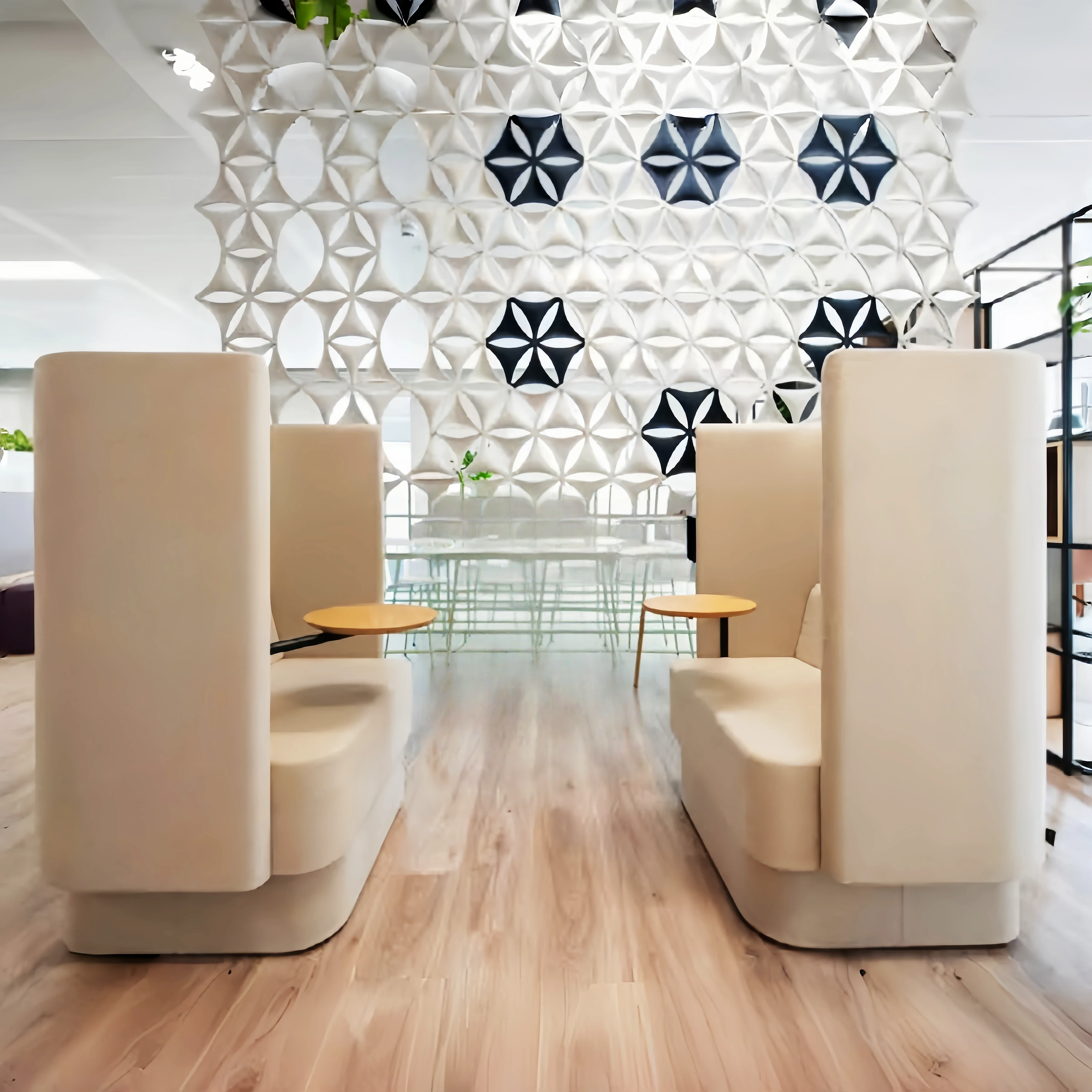

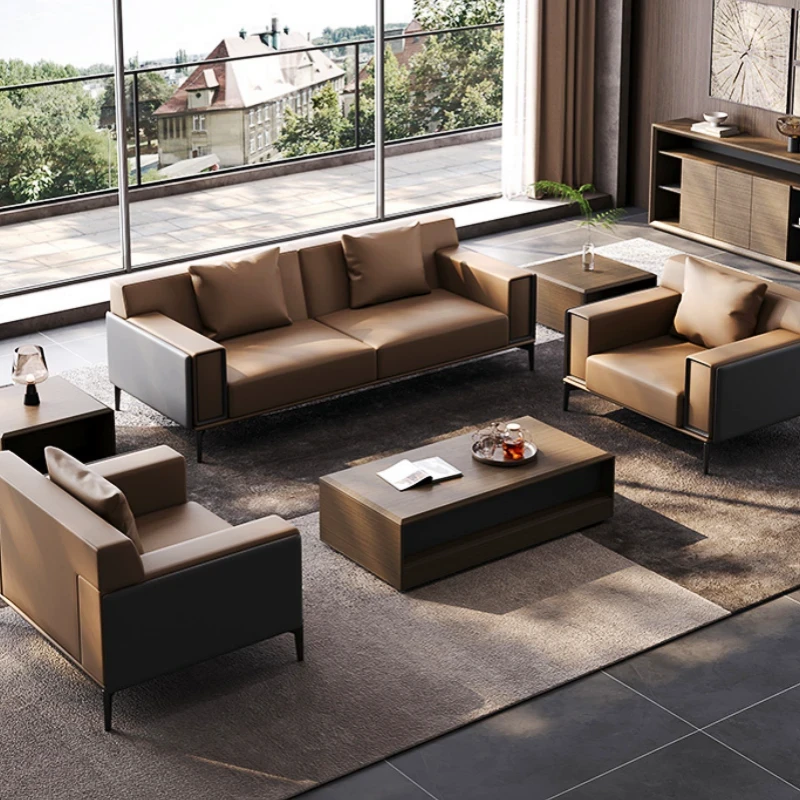
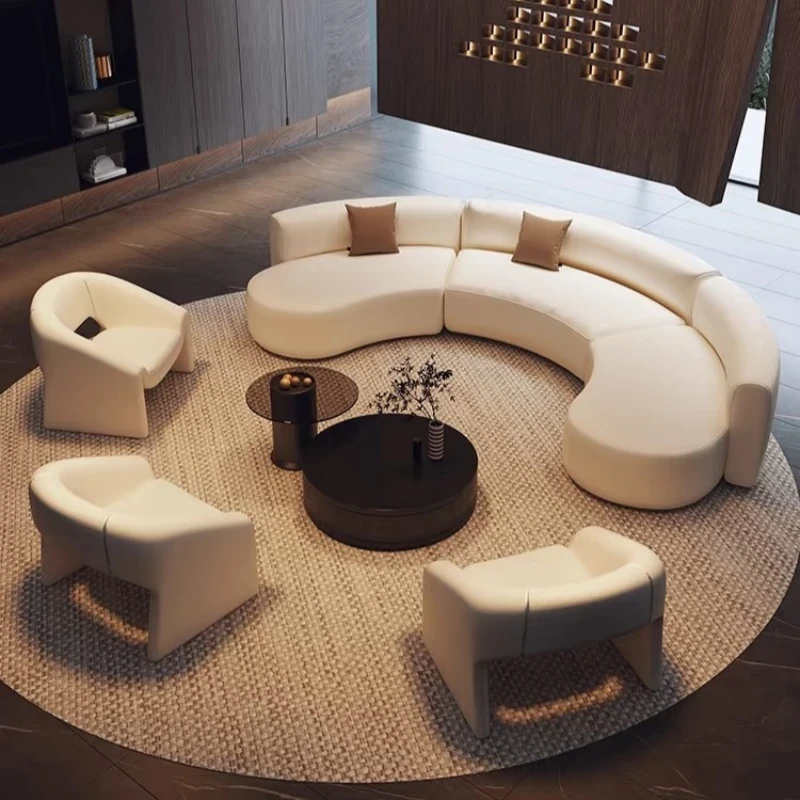
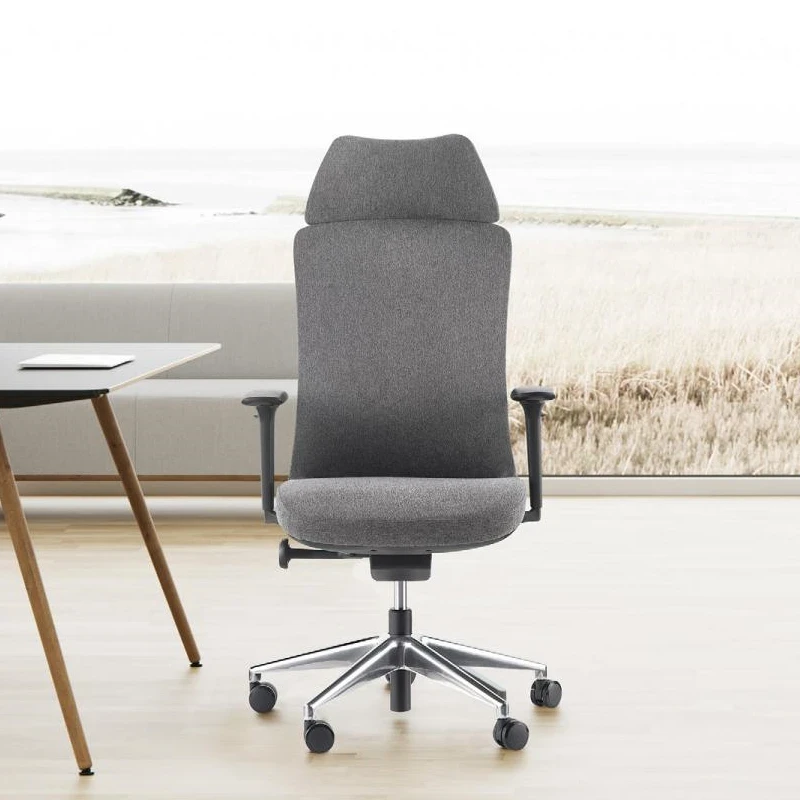


The style of the furniture in the lounge area directly impacts employees' relaxation experience. Different styles suit different types of employees.
Modern Minimalist Style: Suitable for employees who value simplicity and efficiency. A minimalist design creates a clean and tidy lounge environment, allowing employees to relax after a stressful workday.
Nordic Style: Suitable for employees who prefer a natural and warm atmosphere. Nordic style designs create a warm and comfortable atmosphere, making employees feel relaxed and happy.
Industrial Style: Suitable for employees who value freedom and creativity. Industrial style designs create an open and free atmosphere, inspiring employees' creativity.
Material Selection: Balancing Comfort and Environmental Friendliness
The materials used in the lounge area furniture not only affect its lifespan but also the health and comfort of employees.
Sofa Materials: Common sofa materials include fabric, genuine leather, and artificial leather. Fabric sofas are breathable and suitable for long-term use; genuine leather sofas have a good texture but are more expensive; artificial leather sofas offer good value for money, but their environmental protection rating needs to be considered.
Coffee Table Materials: Common coffee table materials include solid wood, glass, and metal. Solid wood coffee tables have a good feel but are expensive; glass coffee tables are stylish and modern but easily show fingerprints; metal coffee tables are durable but require attention to rust prevention.
Functional Configuration: The Combination of Intelligent and Human-Centered Designs.
With the development of technology, the functional configurations of lounge furniture are constantly being upgraded, with intelligent and human-centered design becoming a new trend.
Electric Sofas: Electric sofas can adjust their angle according to employees' needs, allowing for alternating reclining and lying down rest, improving employee comfort .
Multifunctional Coffee Tables: Some high-end coffee tables are equipped with storage functions, height adjustment functions, etc., further enhancing practicality.
Integrated Power and Data Interfaces: Modern lounge tables often integrate power sockets and USB ports, making it convenient for employees to charge and use electronic devices, reducing desktop clutter.
Environmental Matching: Overall Coordination and Atmosphere Creation.
The selection of lounge furniture should also consider its coordination with the overall lounge environment, creating a comfortable and efficient lounge atmosphere.
Color Matching: The colors of lounge furniture should coordinate with the overall color scheme of the lounge area, avoiding overly bright or dull colors that may affect employee mood.
Spatial Layout: A reasonable spatial layout can improve lounge efficiency. For example, arranging sofas, coffee tables, and green plants in a reasonable manner reduces the time employees spend moving around.
In conclusion,
as an important space for employees to relax and socialize, the design, materials, functionality, and environmental ambiance of lounge furniture directly impact employee well-being and work efficiency. Choosing lounge furniture that meets employee needs, uses environmentally friendly materials, and offers comprehensive functionality can not only enhance employees' leisure experience but also create higher productivity for the company. Therefore, companies should fully consider these factors when purchasing lounge furniture to create a comfortable, efficient, and fulfilling leisure environment for their employees.