
 USD
USD GBP
GBP
 EUR
EUR
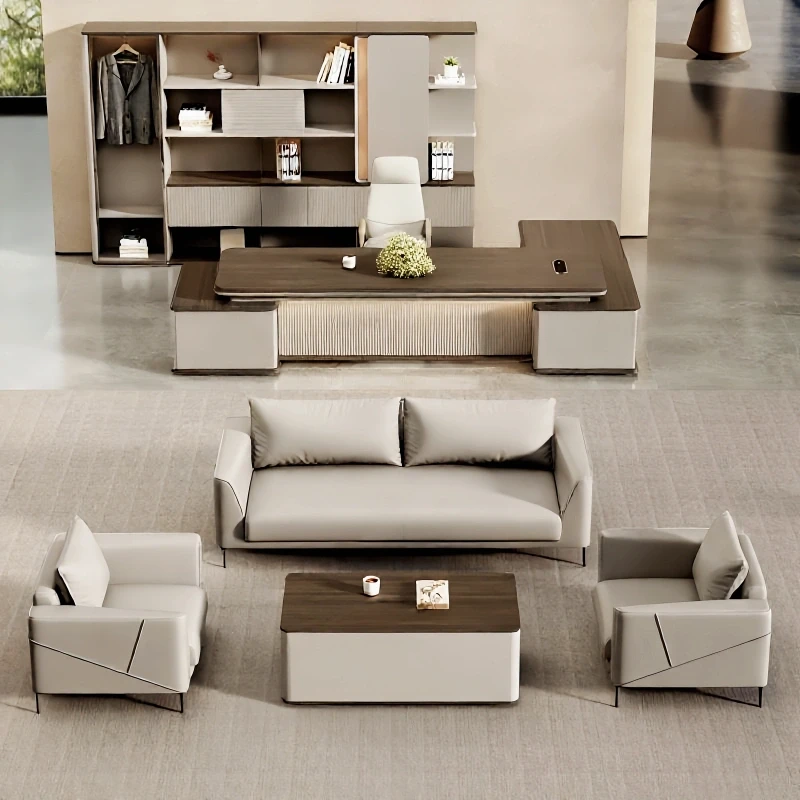
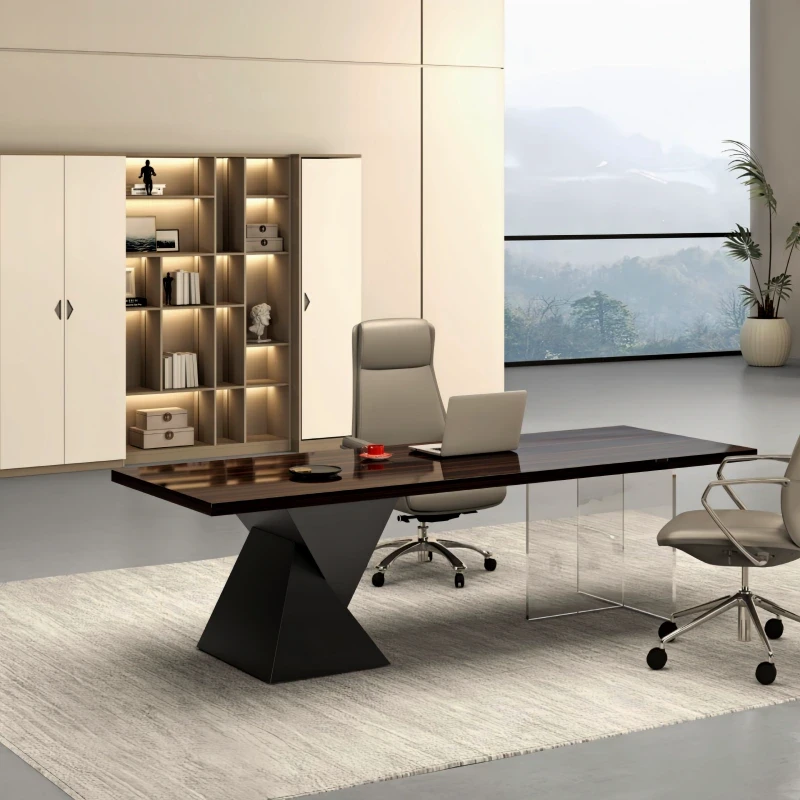


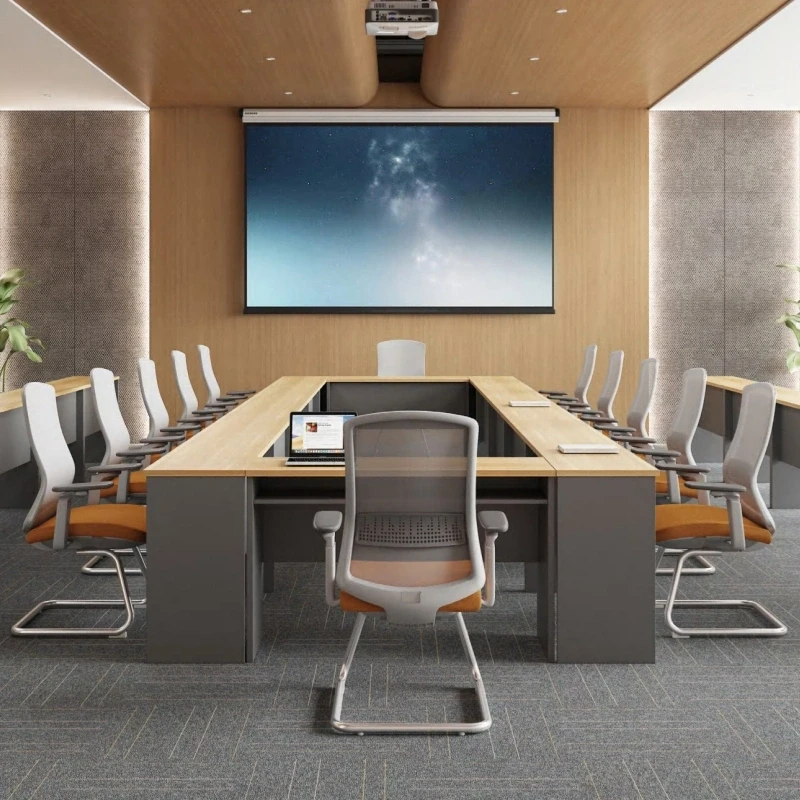
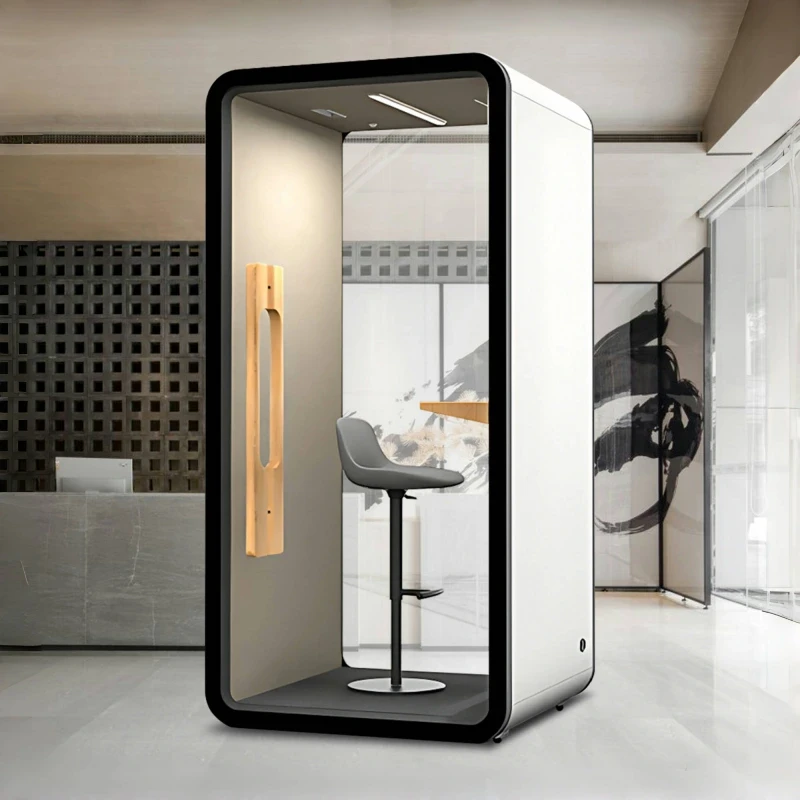
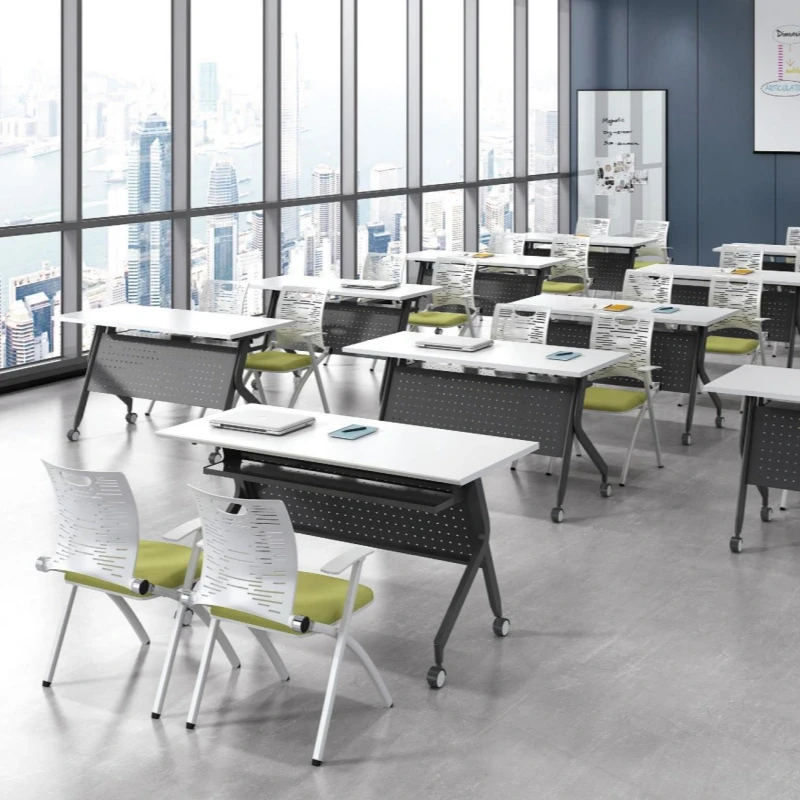
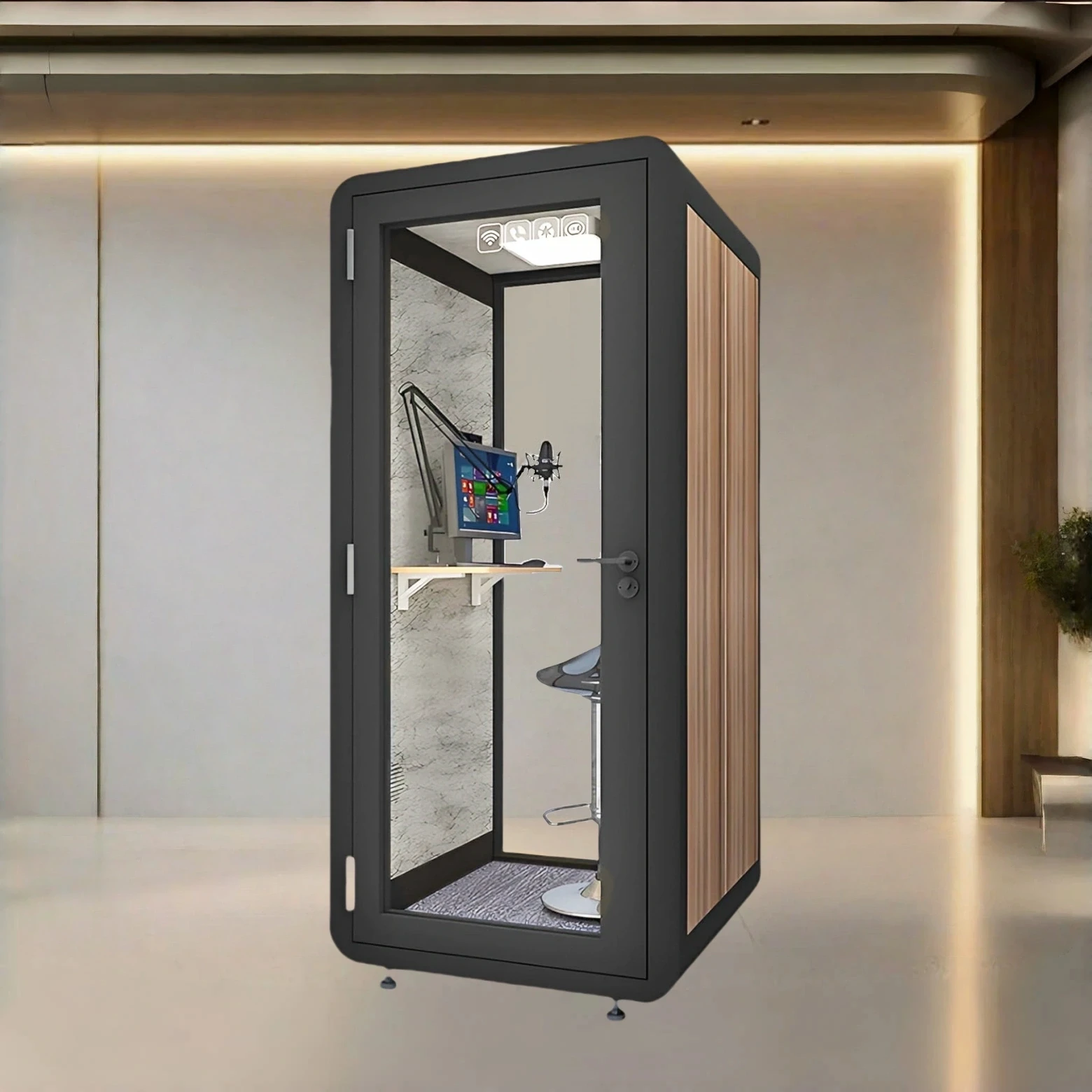
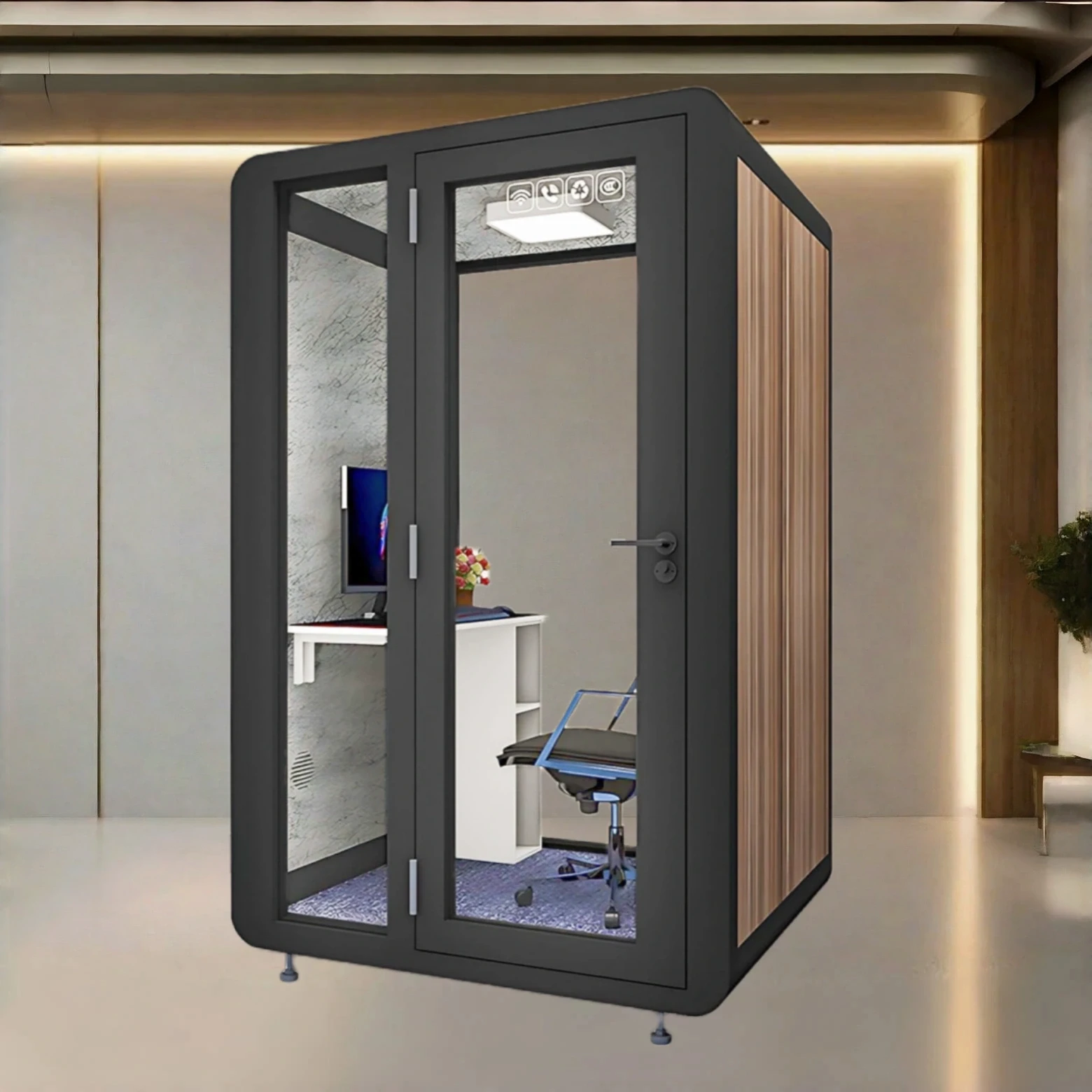
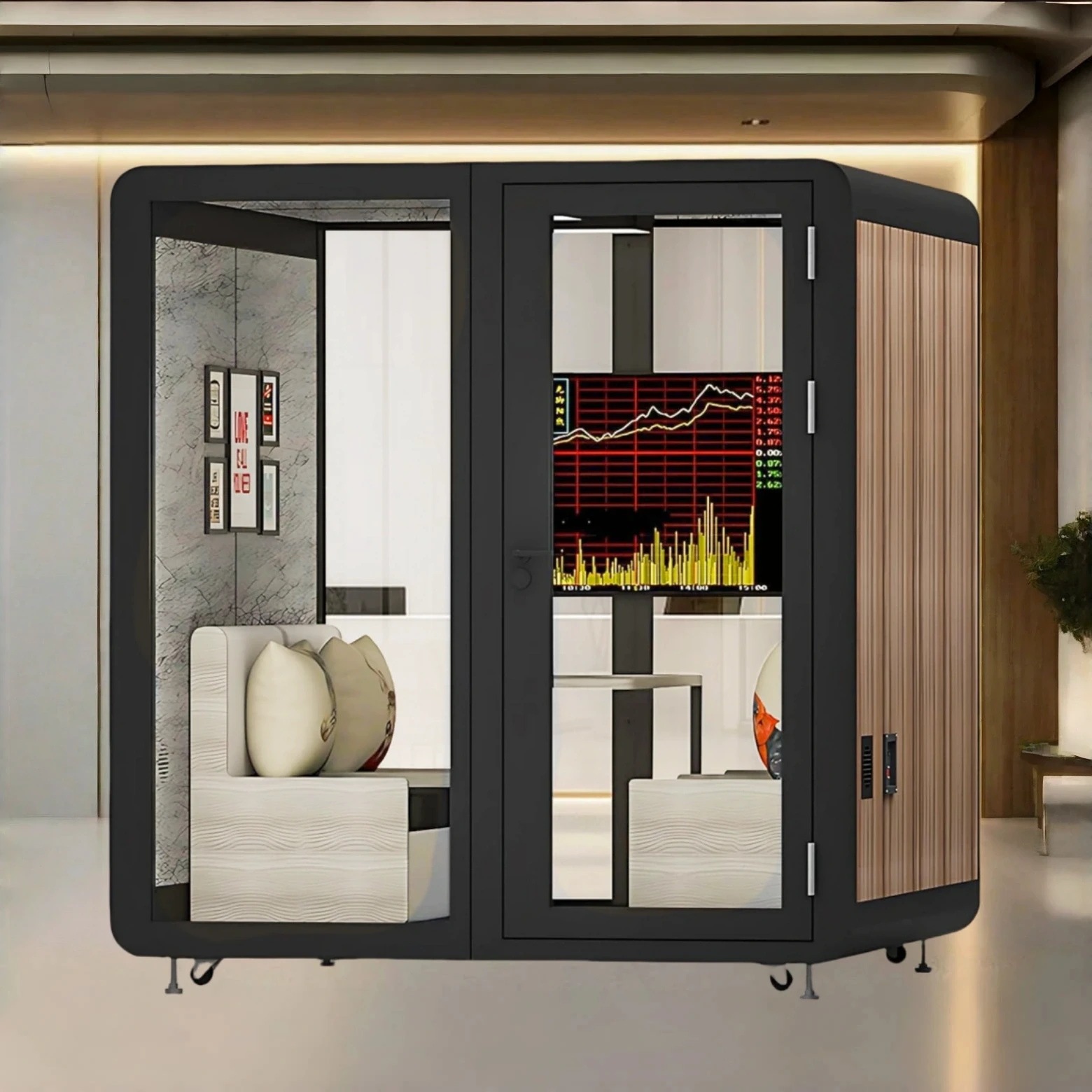
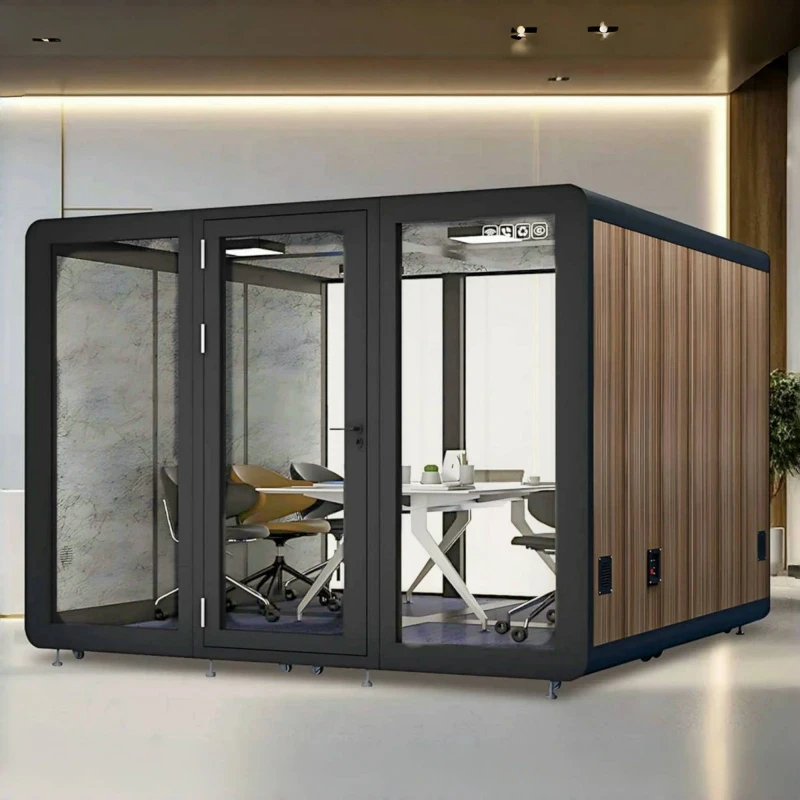
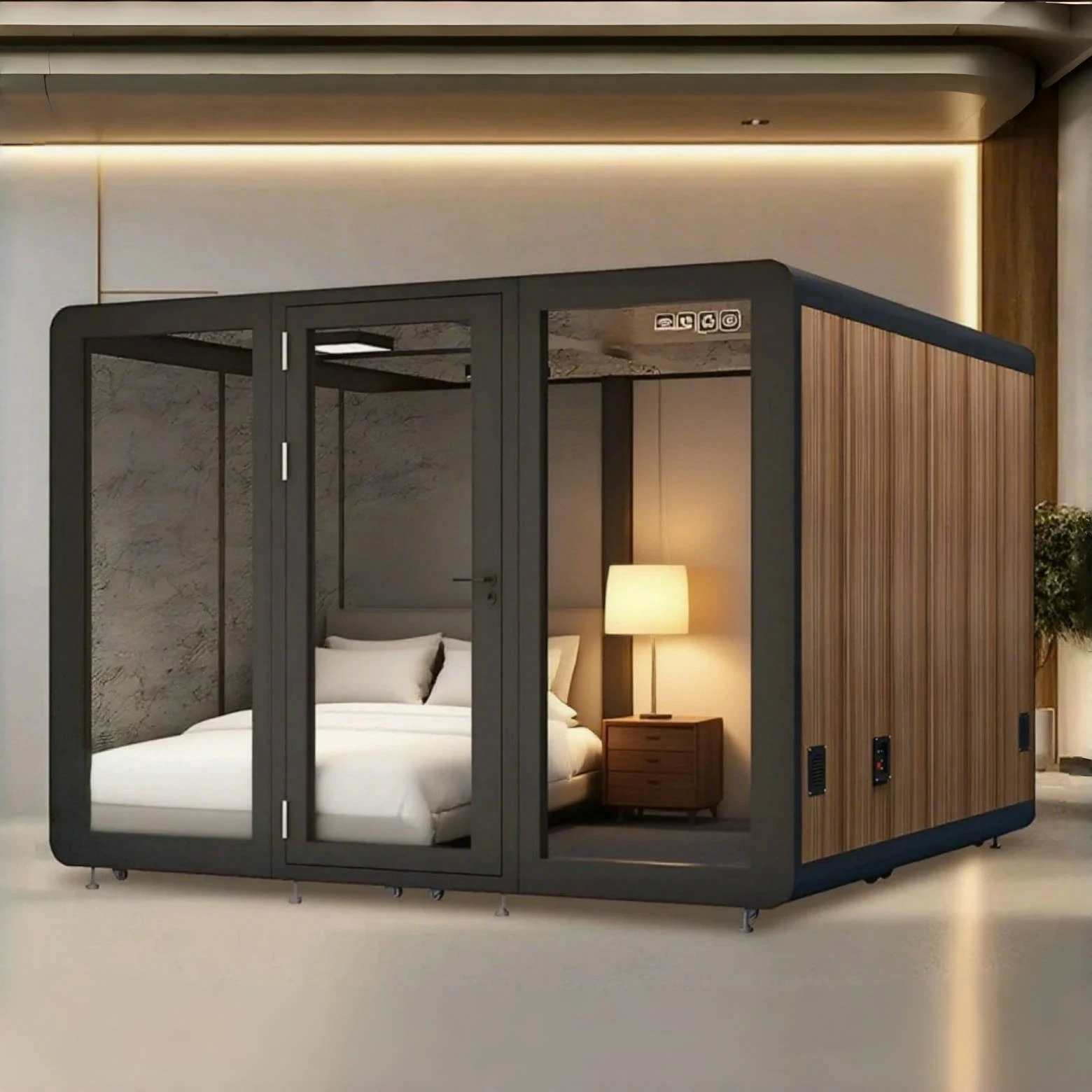


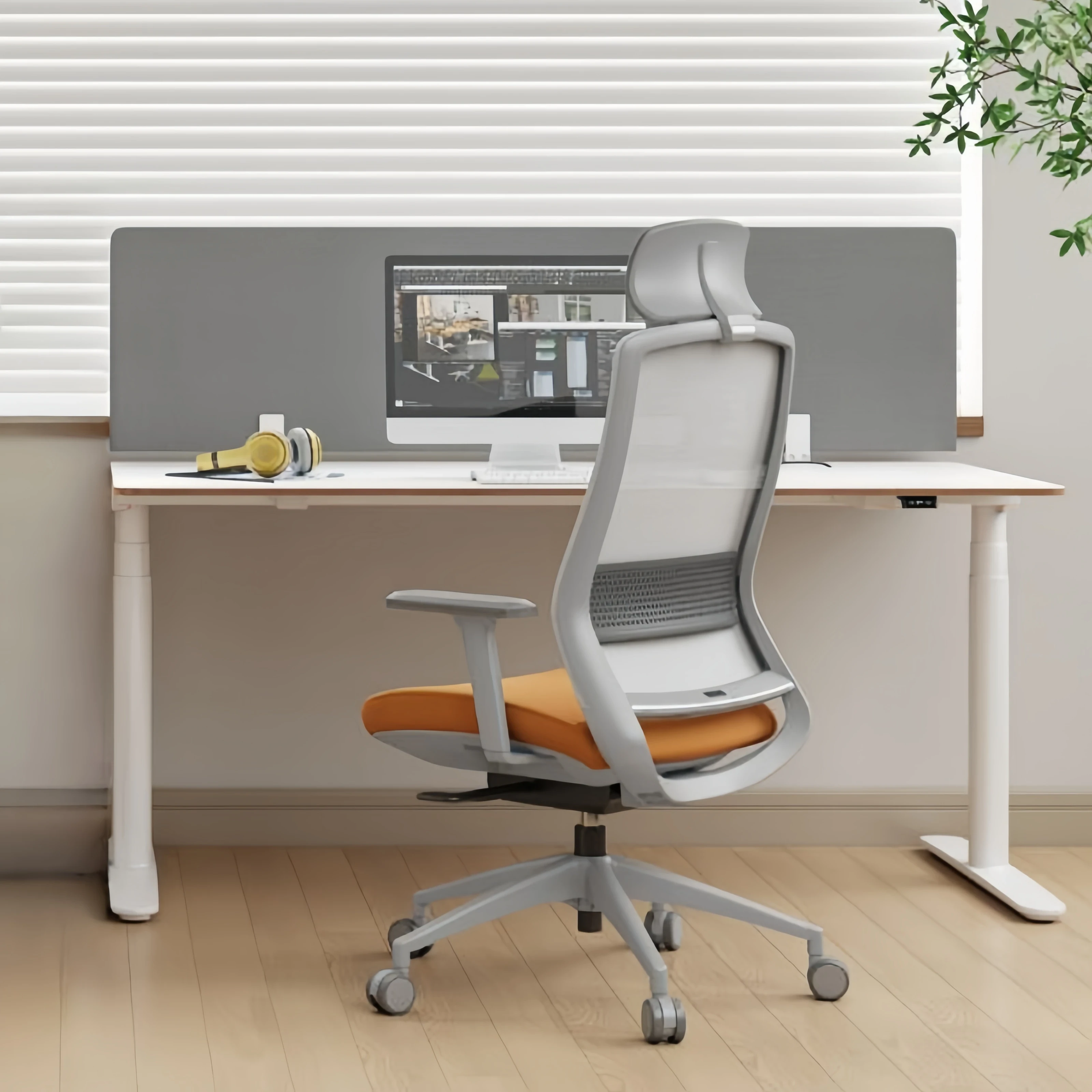


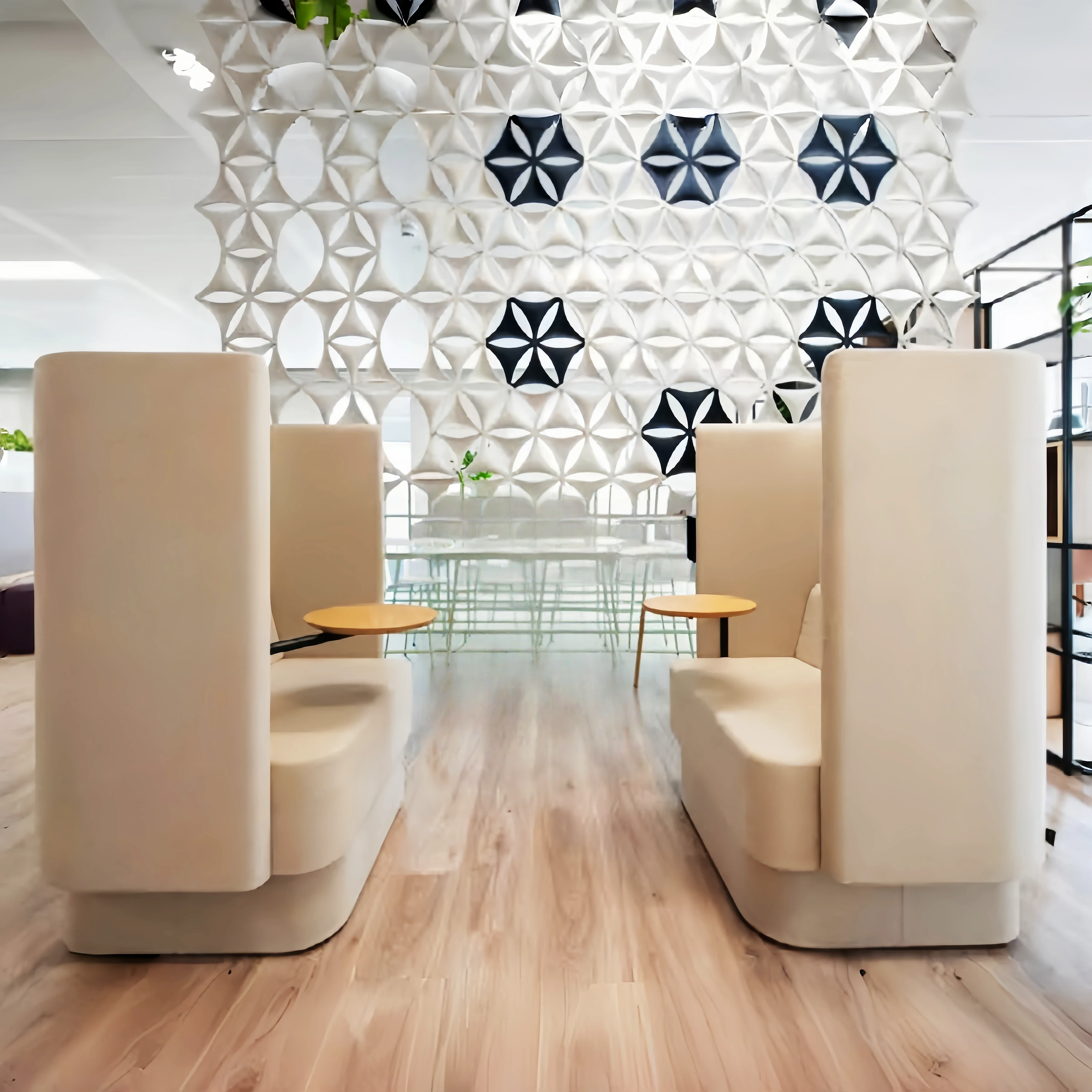

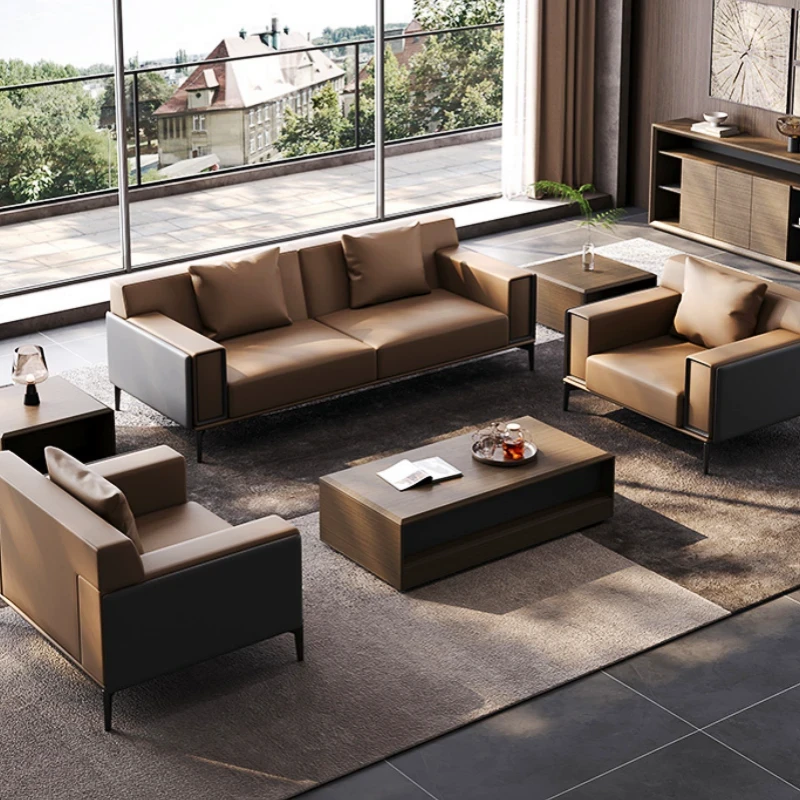
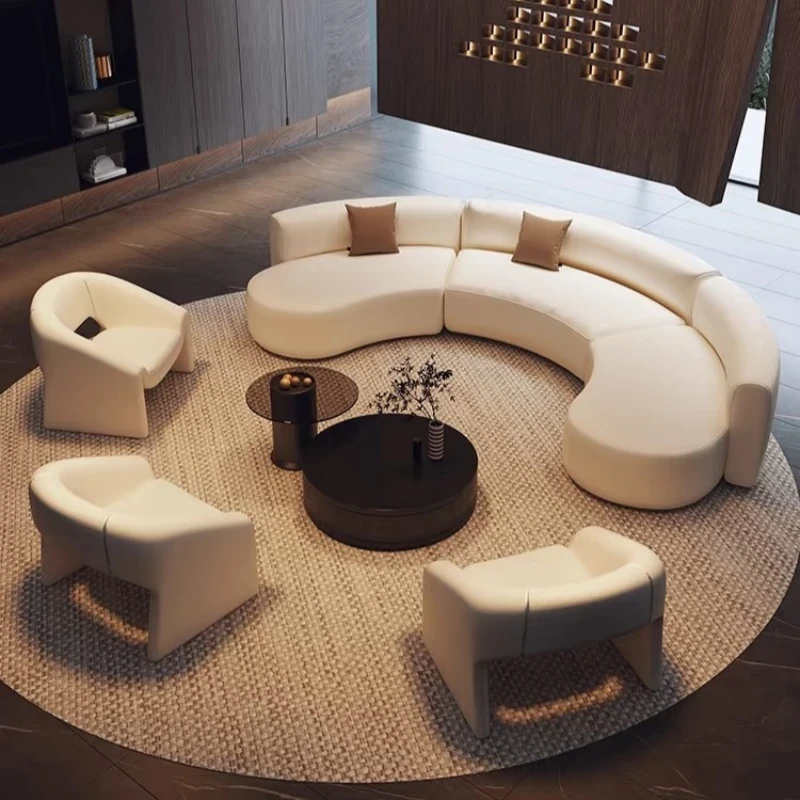
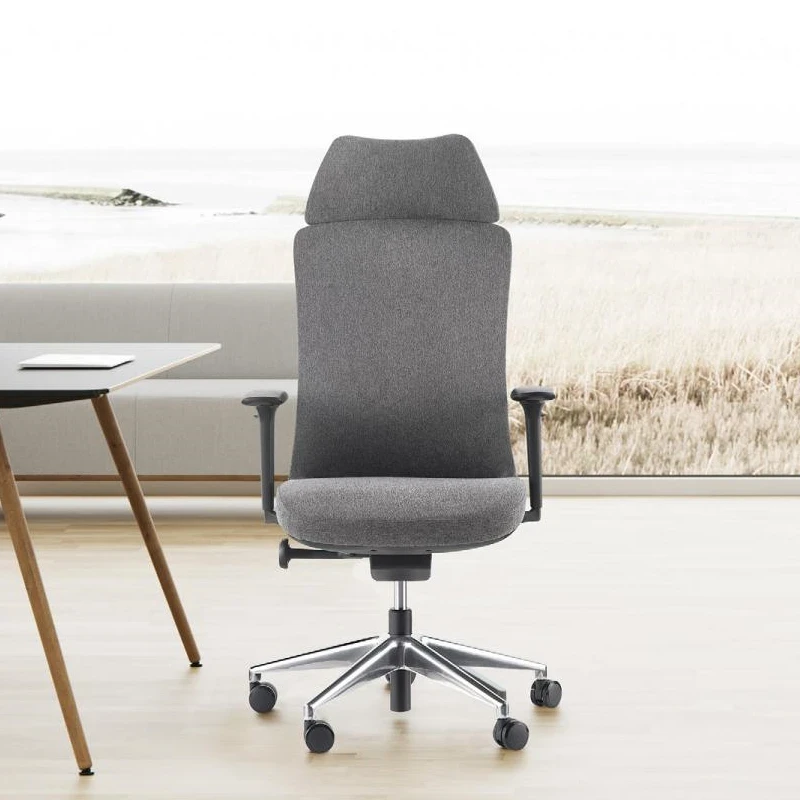


When it comes to choosing office furniture, many businesses are unsure whether to opt for a classic traditional or modern style. What is traditional? Traditional furniture generally refers to furniture styles dating back to the 19th century or earlier. Typical styles include heavy wood for dark-colored desks and cabinets. These wooden pieces are often large in size and tend to be ornately carved, embellished, or decorated. A common characteristic between traditional furniture items is their luxuriousness and richness. Traditional seating is also typically large, comfortable, and richly upholstered in leather and luxurious fabrics. Traditional office decor also favors lush carpets, heavy curtains or patterned blinds, and elegant accent pieces and decorative items. Dark colors and unusual, elegant artwork adorn the walls. What is modern? In contrast, modern office furniture moves away from luxurious and ornate decorations, favoring sleek, clean, and simple designs. Heavy wood and artificial materials are replaced with metal and PVC resin. Lighter materials are increasingly popular in modern offices, with composite boards or cheaper woods replacing traditional oak and other woods. Colors are lighter, with choices leaning towards bright and vibrant yet soft and soothing tones. Modern furniture often opts for minimalist or simple styles to promote productivity and optimize space. Practicality has replaced luxury; modern designer office furniture offers multitasking capabilities. Its style reflects modern development, urbanization, and small office spaces.
In fact, the type of office furniture can reflect a company's image. Customers will subconsciously notice it and retain a lasting impression. It reflects a company's taste and style.
Advantages of Traditional Furniture: Traditional office furniture can project an image of maturity, professionalism, and reliability for your company. Its style reflects experience and expertise. Clients may perceive a traditional office as more trustworthy, capable, wealthy, and resolute. Traditional office furniture, which generally garners positive feedback, features: Durable and high-quality Timeless classic Comfortable Attractive. Of course, some younger clients may find traditional office styles outdated, lagging behind the times, or even oppressive. Designing an impressive traditional office hinges on selecting classic, timeless furniture styles that reflect the homeowner's own preferences and taste.
Another drawback of choosing traditional furniture for the office is cost. Large solid wood furniture is expensive, and if your goal is to collect and appreciate it, you'll need to increase your budget accordingly. However, the extra expense brings with it elegance and taste, which is well worth it.
Advantages of Choosing Modern Furniture : Modern office furniture lets clients know what styles are currently popular and what new features are available. Furthermore, modern furniture: Improves employee morale and productivity through inspiring colors and functions Offers a wider variety of styles and options More affordable prices Provides comfort, new and improved features to ensure health and boost productivity Better meets the needs of modern offices . Which is right for you? If you're unsure which style suits you best, why not consult an expert interior designer to help select professional and stylish office furniture, or consult an ergonomics expert to choose furniture that best meets the physical needs of your employees?
Ultimately, the style you choose should reflect your corporate image. Businesses offering modern products or services, such as web designers, interior designers, and marketing professionals, may prefer a more contemporary office design and functionality to boost their business. Bankers, accountants, and lawyers, on the other hand, might opt for a timeless, traditional style. Ultimately, whichever style suits you best and reflects your corporate image and style is the most important.