
 USD
USD GBP
GBP
 EUR
EUR


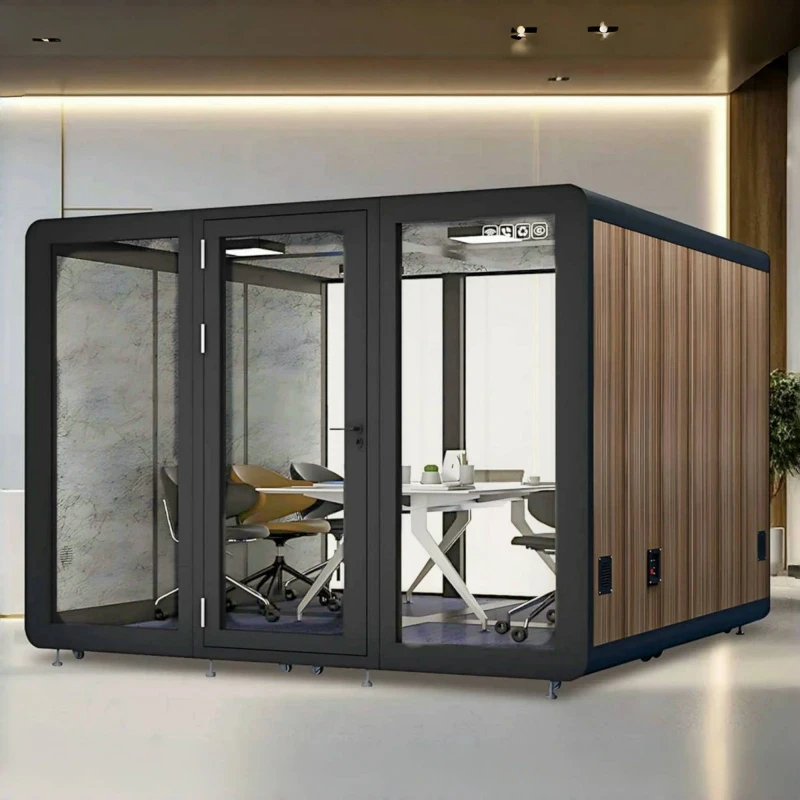
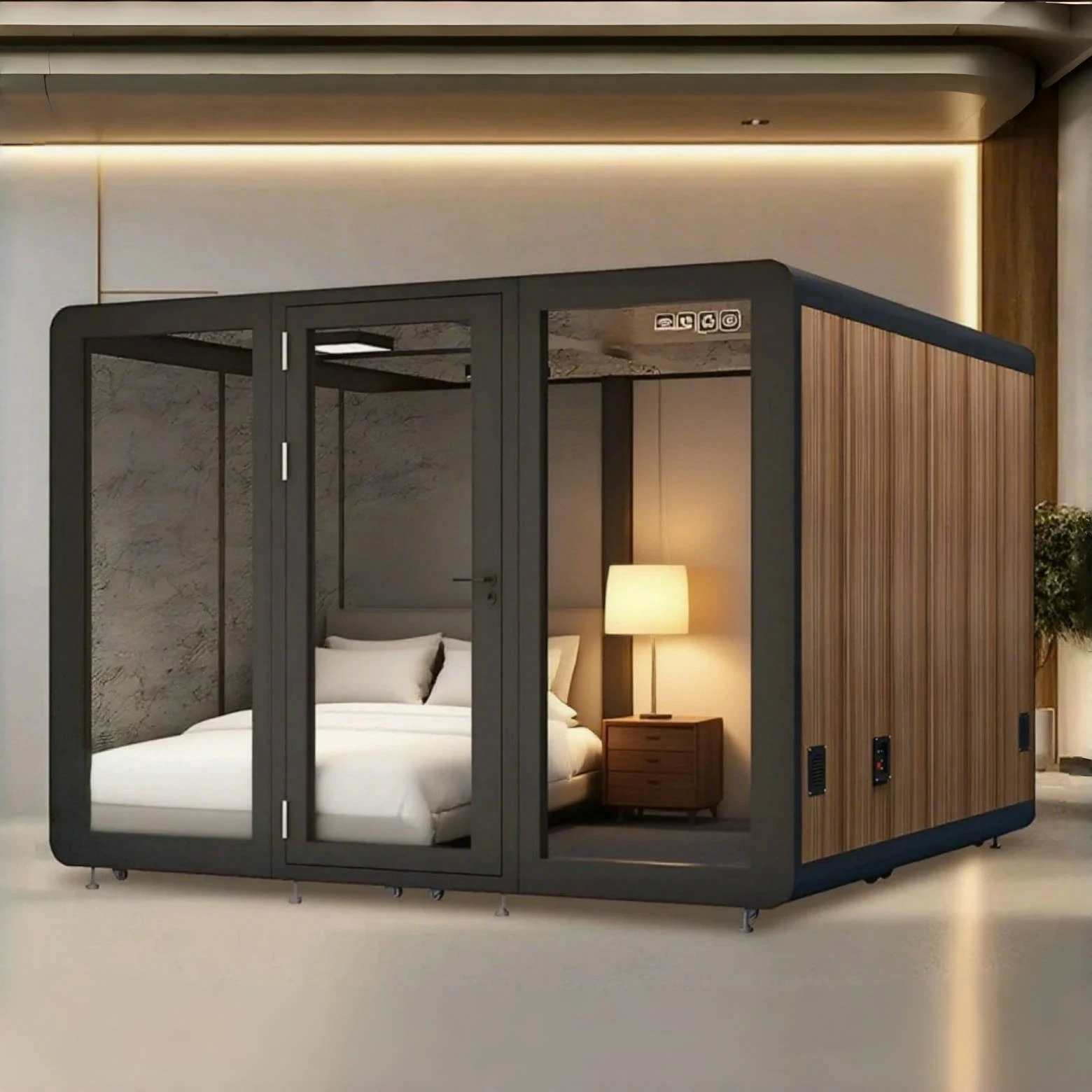


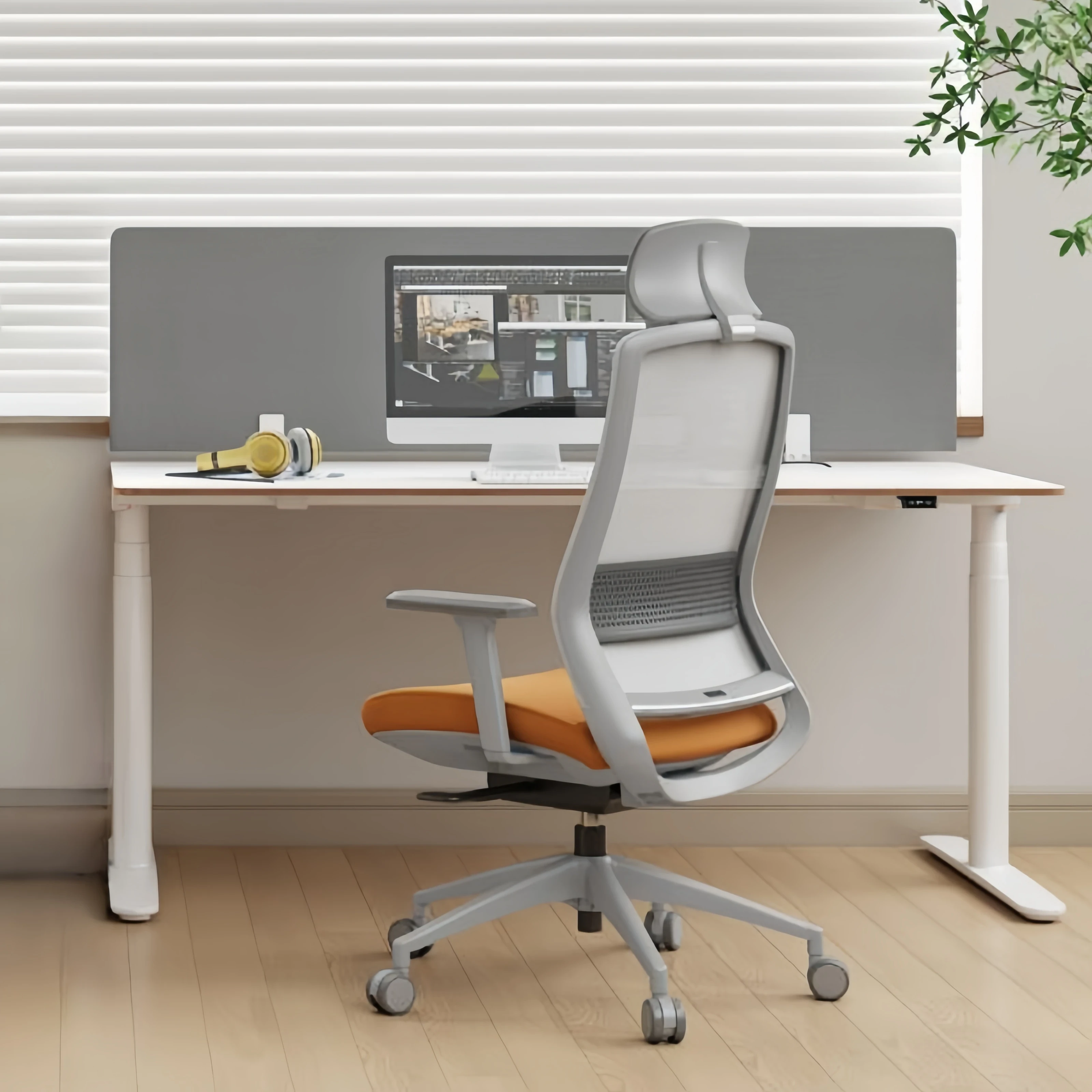


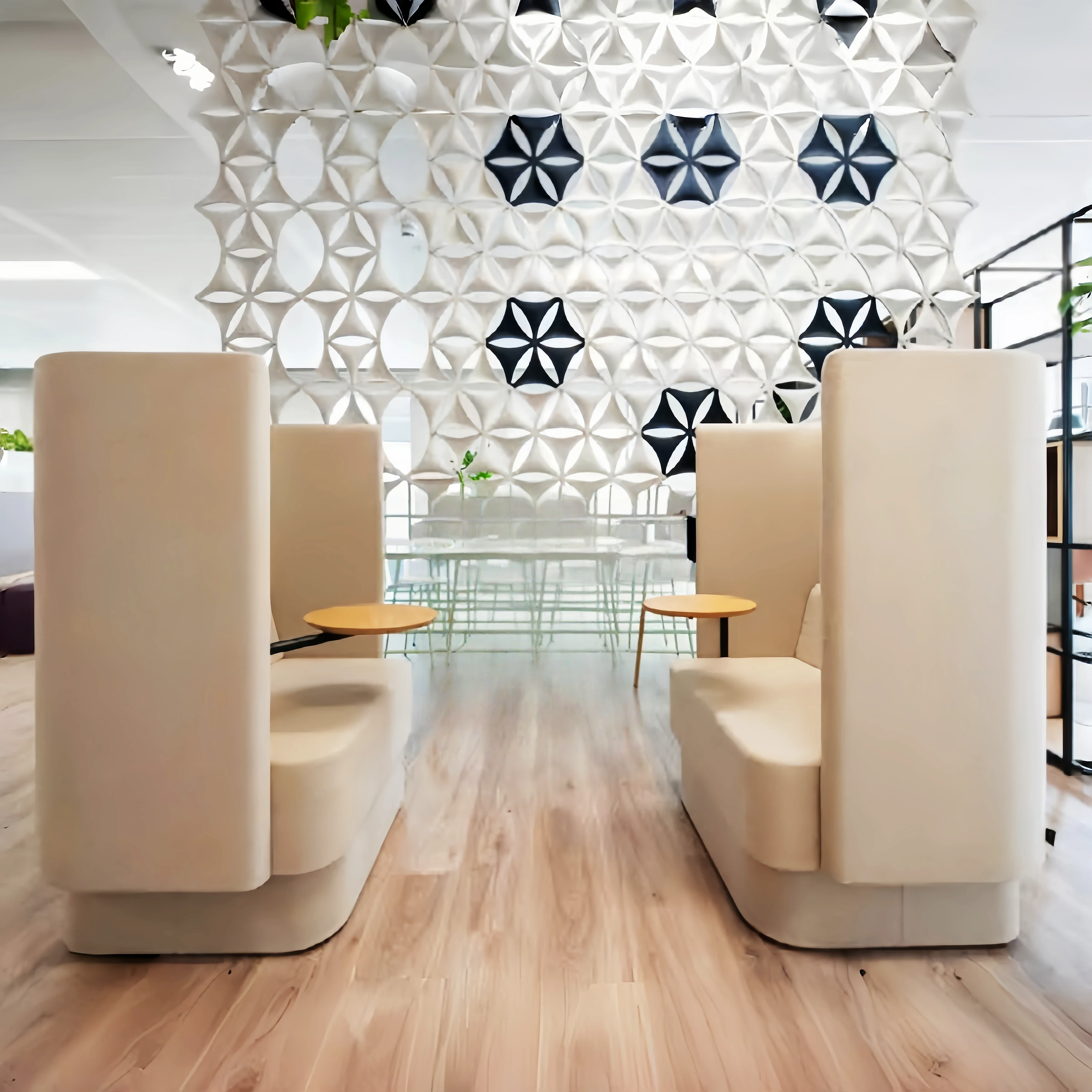



1. Non-toxic and Harmless Materials:
Choose non-toxic and harmless materials certified by authoritative bodies, such as products certified by ISO standards. These standards ensure that materials do not release harmful substances, such as formaldehyde, benzene, and other volatile organic compounds (VOCs), during manufacturing and use.
2. Use of Natural Materials:
Prioritize natural materials such as solid wood and bamboo. These materials do not contain harmful chemicals and are renewable. Solid wood furniture is not only environmentally friendly but also has excellent durability and aesthetic appeal.
II. Choosing Paints and Coatings
1. Water-based Coatings:
Choose water-based coatings instead of oil-based paints to reduce the emission of volatile organic compounds. Water-based coatings are odorless, quick-drying, and non-toxic, making them an ideal choice for kindergarten furniture.
2. Environmental Certification Marks:
Ensure that the paints or coatings used have environmental certification marks. These certifications guarantee that the product will not release harmful gases or particles during use.
III. Safety of Structure and Design
1. Rounded Corner Design:
The corners of the furniture should be rounded to reduce the risk of accidental bumps and injuries to children. Smooth surface treatments also help reduce the possibility of scratches or abrasions.
2. Stable Structural
Design: A sturdy and stable furniture structure prevents tipping accidents when children accidentally climb or push it. Additionally, consider fixing the furniture to the wall for increased stability.
IV. Supplier and Manufacturer Selection
1. Qualification Review
: Select suppliers and manufacturers with good reputations and relevant qualifications. It's best to choose companies with experience in producing children's furniture, as they are better able to understand the specific needs regarding safety and environmental protection.
2. On-site Inspection
: Conduct on-site inspections when necessary to understand the manufacturer's production processes and environmental protection facilities, ensuring compliance with environmental production standards and the use of genuine environmentally friendly materials.
V. User Feedback and Continuous Improvement
1. Feedback Collection
: Collect feedback from parents and teachers to understand the furniture's performance in actual use, focusing on safety issues.
2. Continuous Improvement:
Make necessary adjustments and improvements based on feedback information to ensure the long-term safety and comfort of the furniture and continuously improve its environmental performance.
Conclusion:
Ensuring the safety and environmental friendliness of materials is a multifaceted responsibility when customizing kindergarten furniture. Only by selecting safe and environmentally friendly materials, strict manufacturing processes, and reliable manufacturers, coupled with continuous user feedback and improvement, can a truly safe and healthy learning and growth environment be created for children. This focus not only helps protect children's health but also builds a good reputation for kindergartens and demonstrates social responsibility.