
 USD
USD GBP
GBP
 EUR
EUR
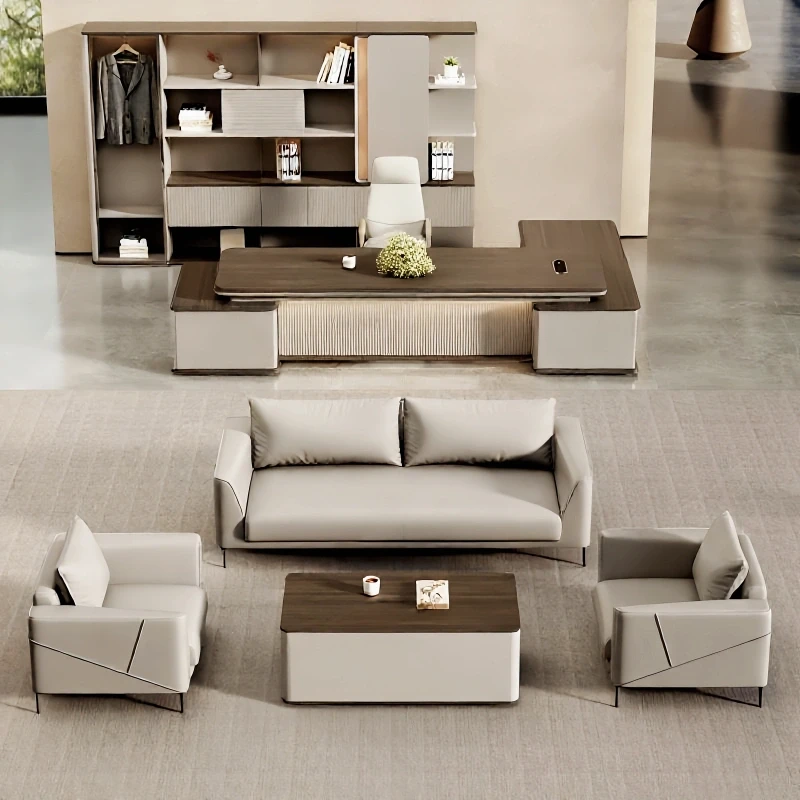
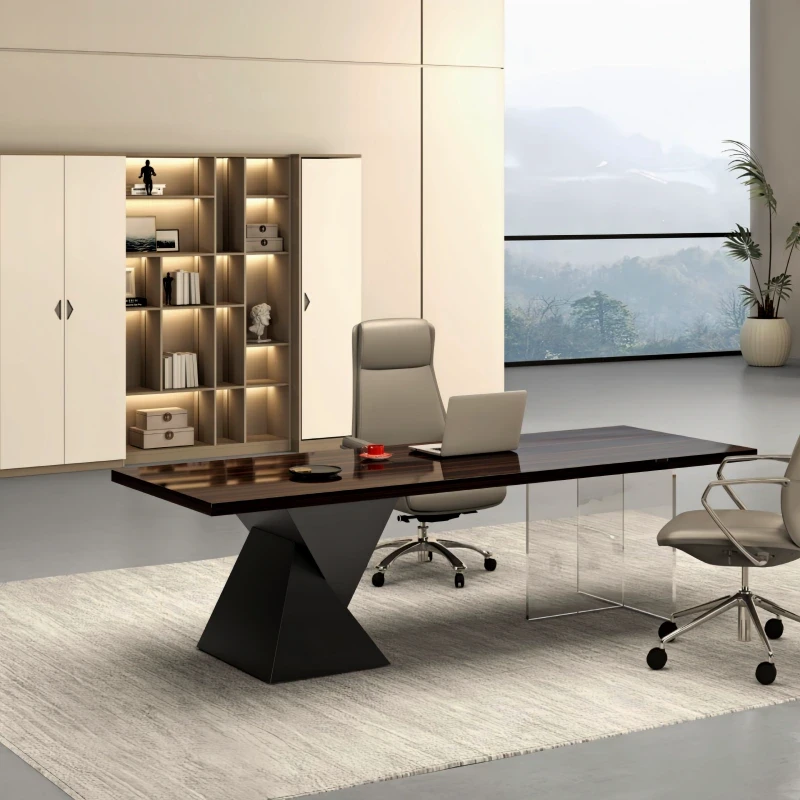


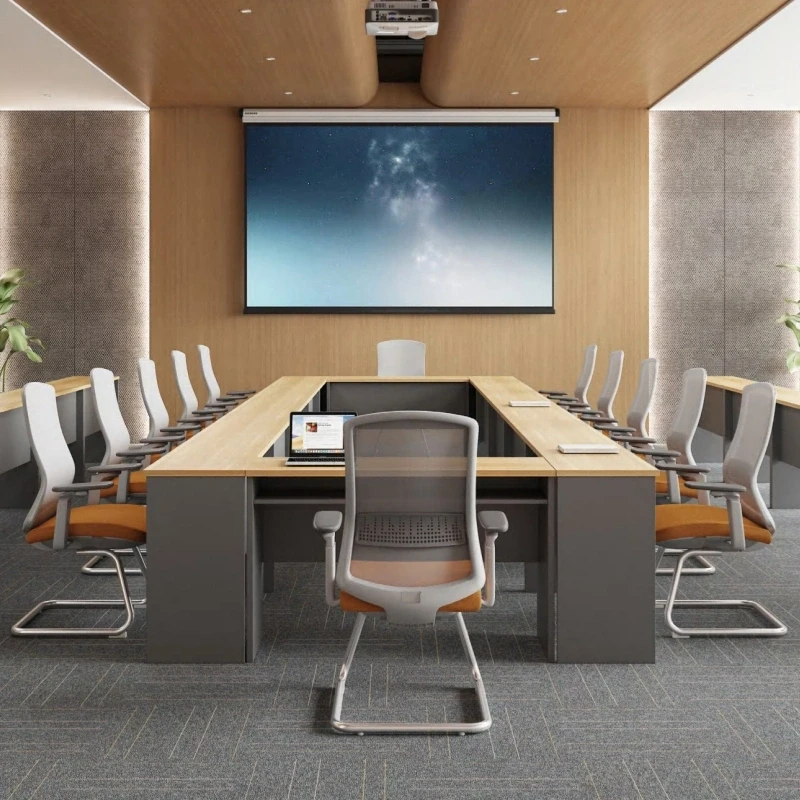
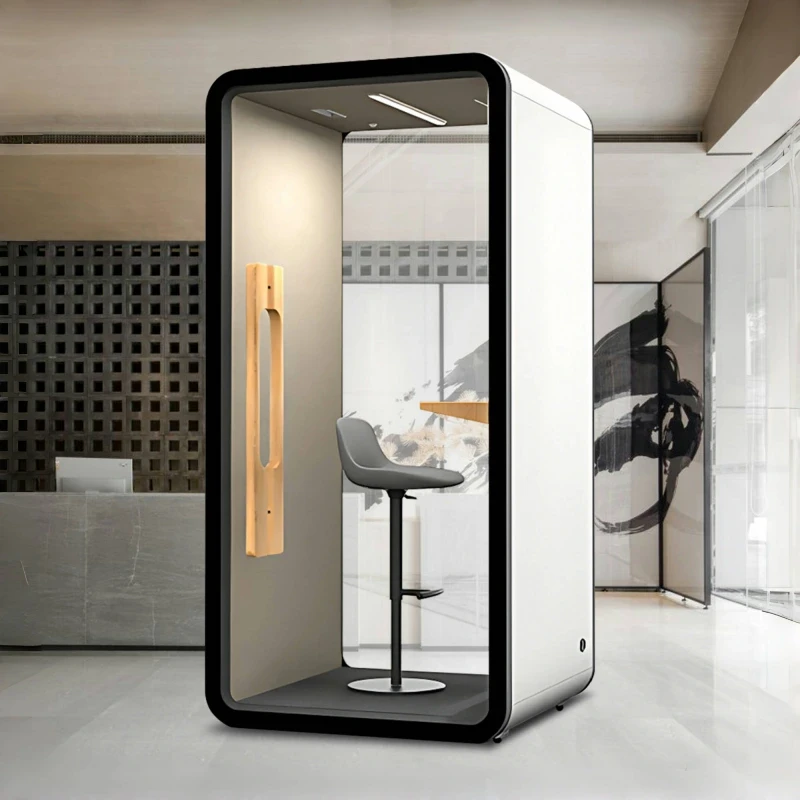
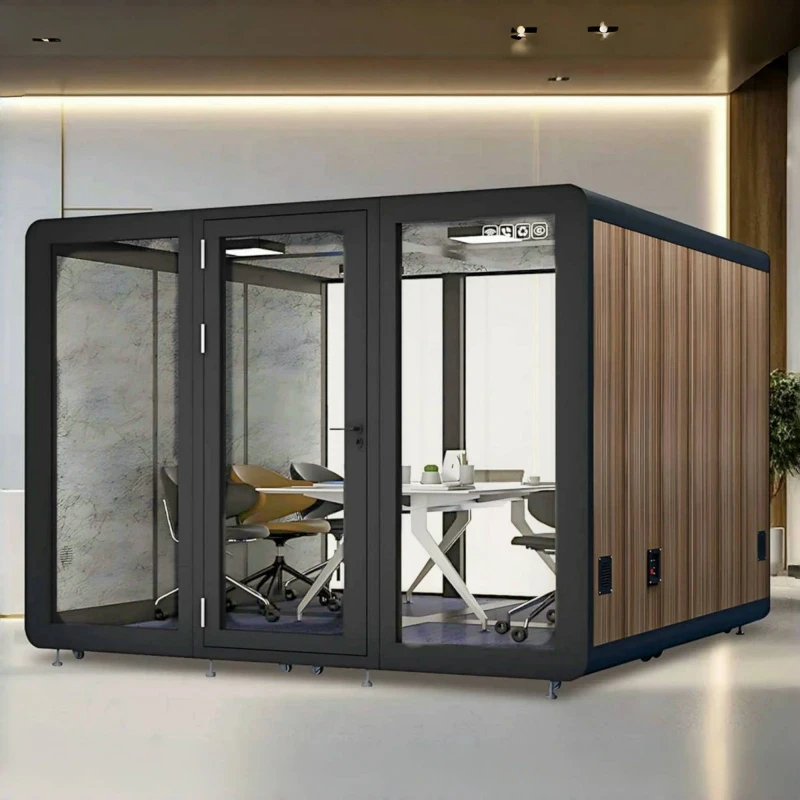
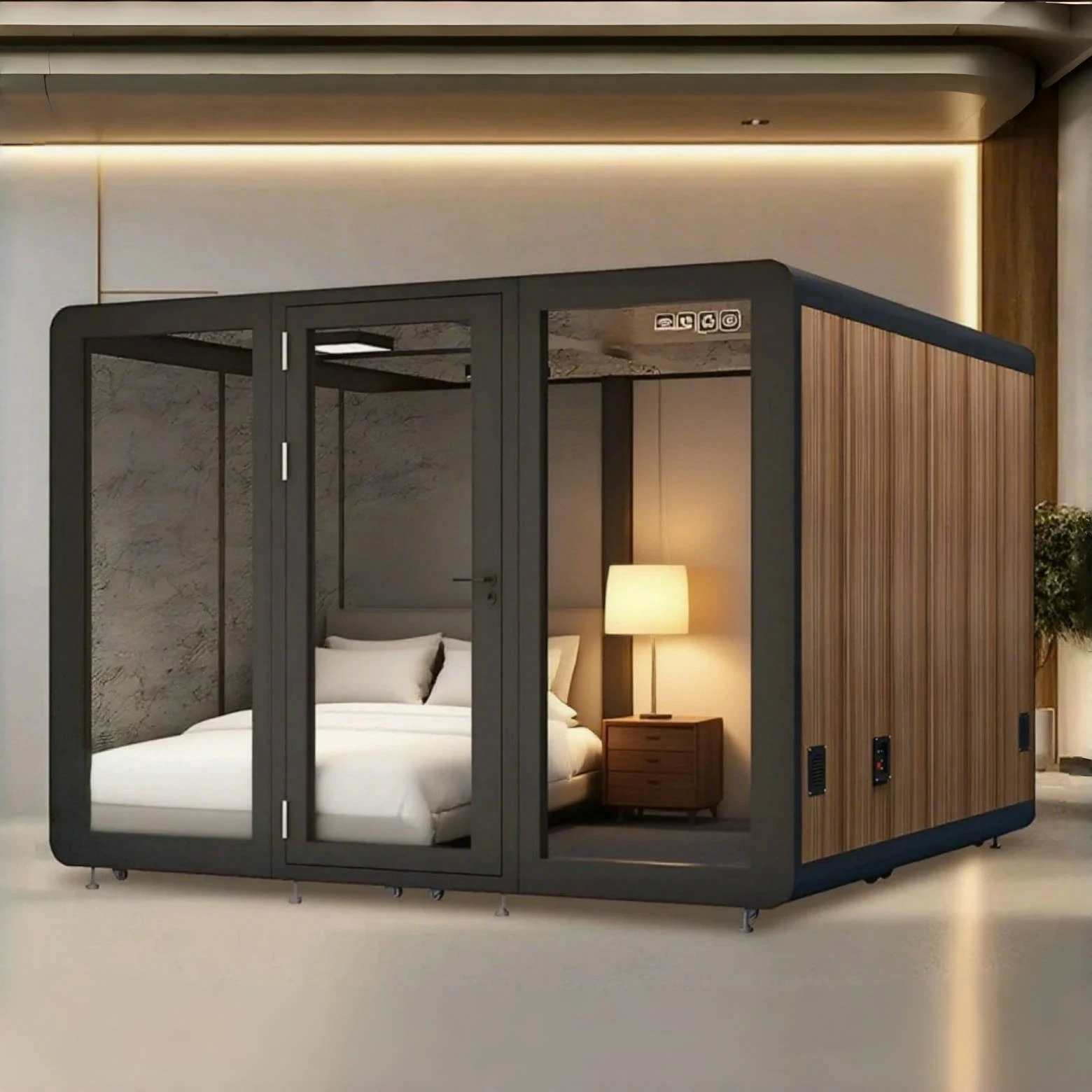


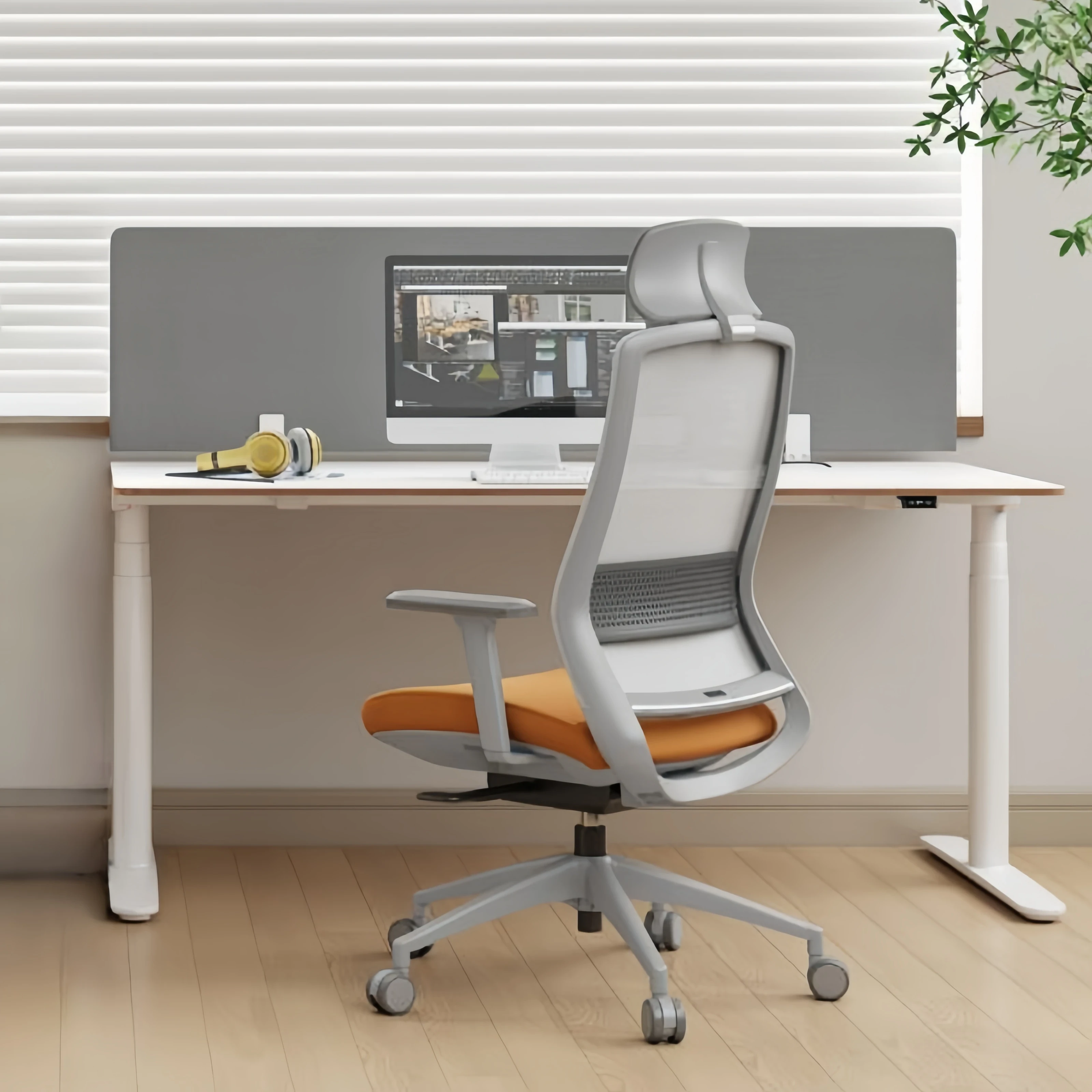


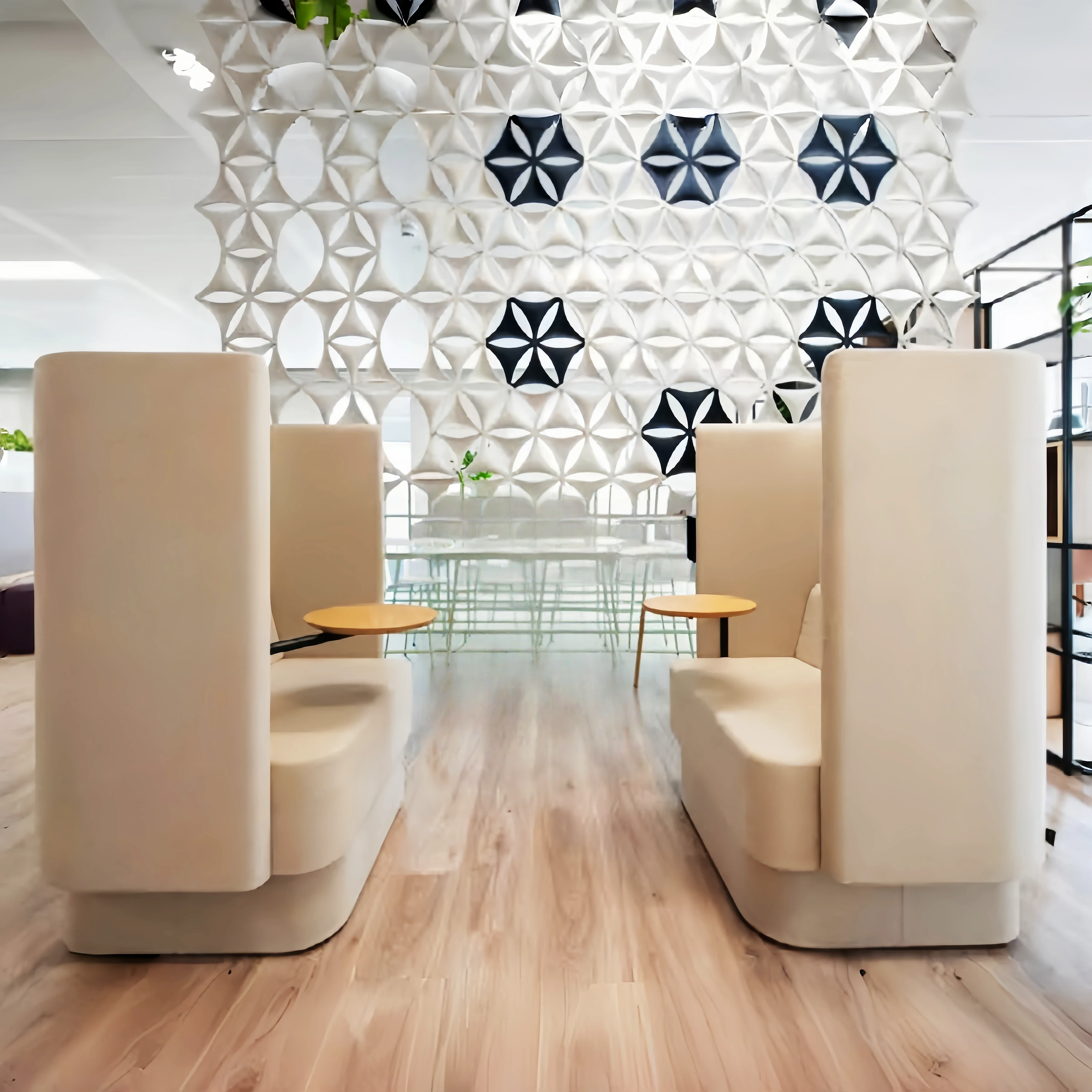

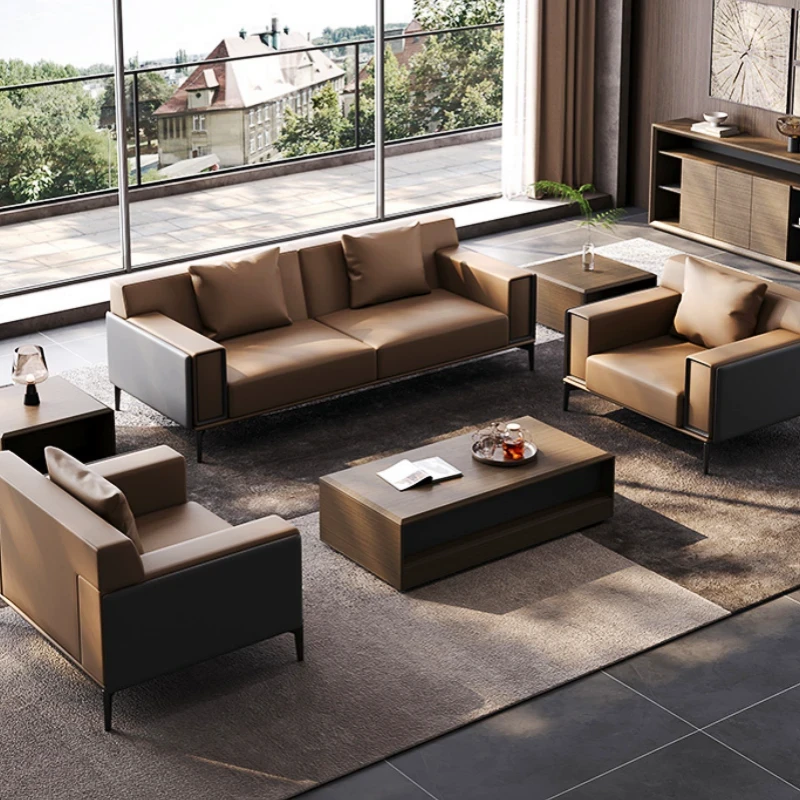
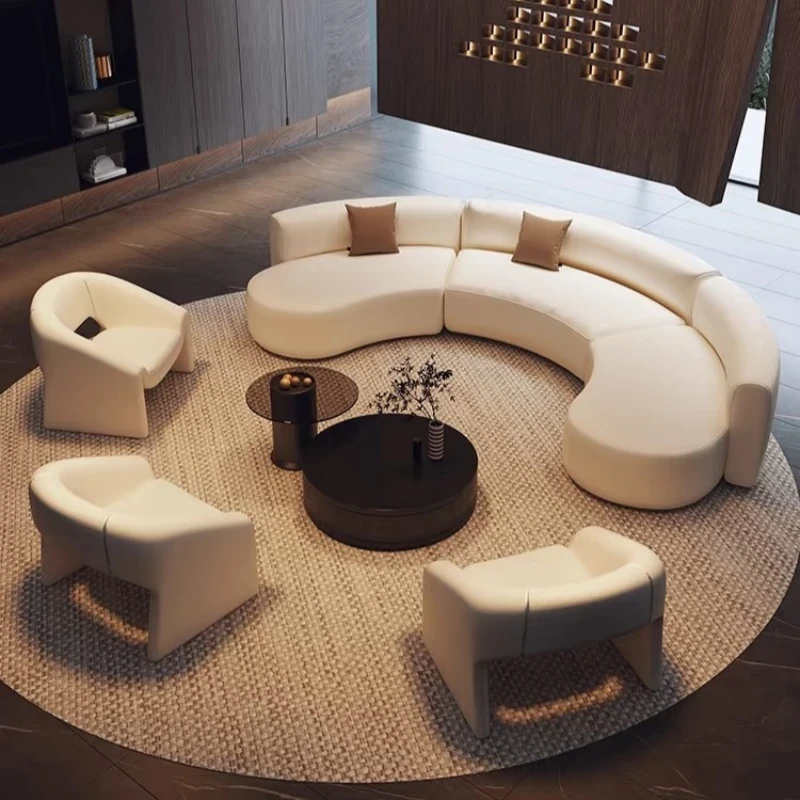
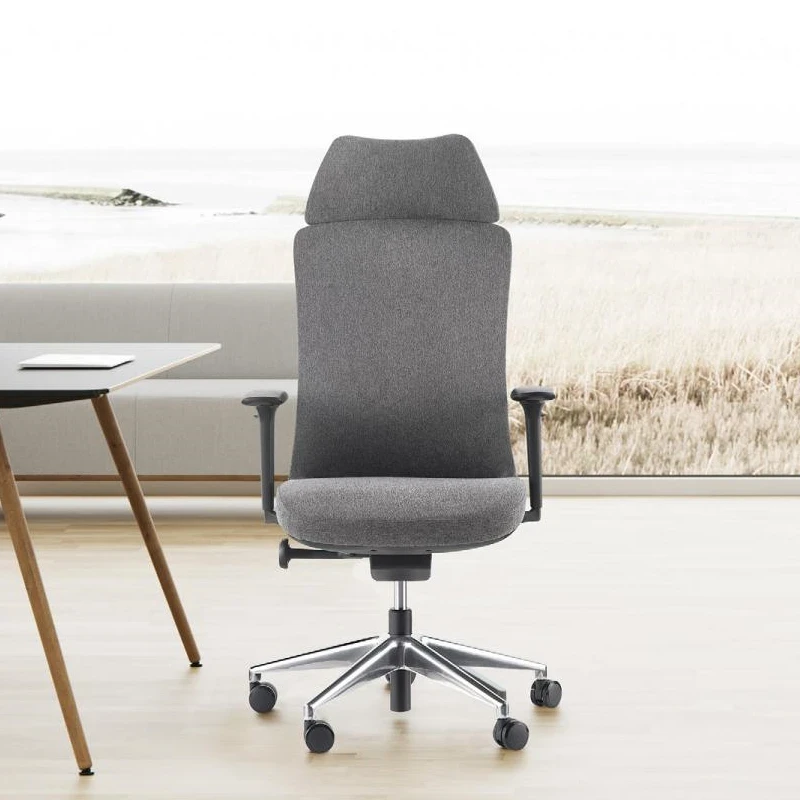


1. Clearly Defined Needs
Before starting procurement, hotel managers need to clearly define the hotel's positioning, style, and specific furniture requirements. This includes the purpose, quantity, design style, and material requirements of the furniture. Clear needs help avoid duplicate purchases or unnecessary expenses due to unclear requirements.
2. Developing a Detailed Procurement Plan
Developing a detailed procurement plan, covering budget, timeline, supplier selection criteria, etc., helps maintain order and efficiency in the procurement process. The plan should consider the hotel's future development and expansion needs, avoiding short-term cost savings that could affect long-term usability.
II. Choosing Suitable Materials
1. Material Costs and Durability
When choosing materials, a balance needs to be found between cost and durability. High-quality materials may have higher initial costs, but their durability and low maintenance costs make them more economical in the long run. Common hotel furniture materials include solid wood, metal, glass, and high-density fiberboard. Choosing appropriate materials according to different uses can effectively control total costs.
2. Environmental Protection and Sustainability
Environmentally friendly materials not only conform to modern environmental trends but also enhance the hotel's social responsibility image. Choosing sustainable materials may increase initial costs, but in the long run, it helps reduce additional costs due to repairs and replacements.
III. Optimized Design and Functionality
1. Multifunctional Design
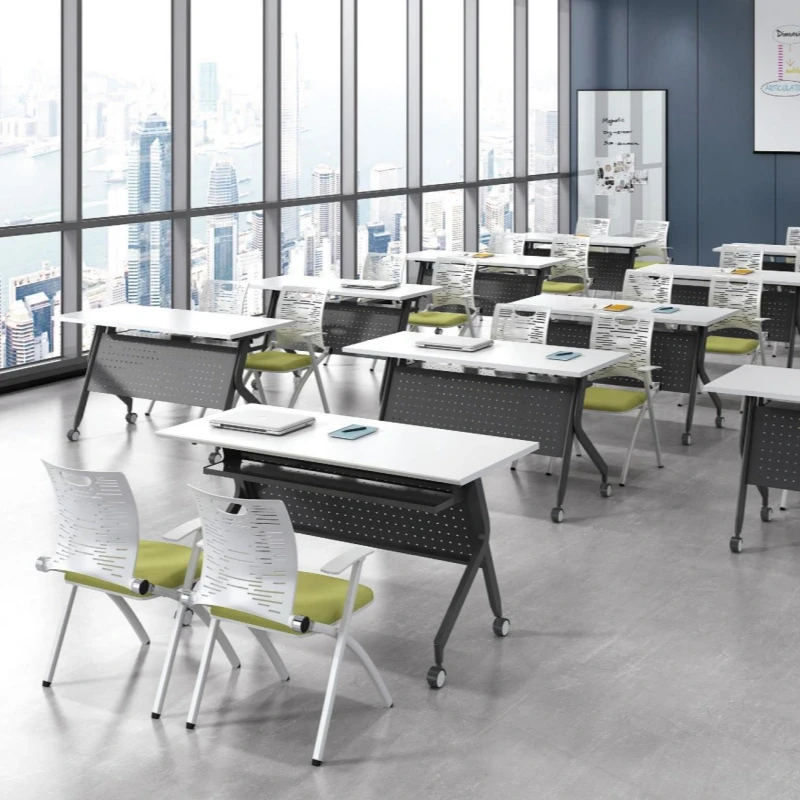
By selecting multifunctional furniture, more uses can be achieved within a limited space, reducing the overall purchase volume. For example, foldable beds or adjustable tables and chairs save space and increase the flexibility of furniture use.
2. Modular Design
Modular furniture design facilitates future expansion and adjustment, reducing the cost of repurchasing due to changes in hotel layout. Modular design also facilitates mass production, reducing production costs, thereby achieving a dual improvement in cost and quality.
IV. Choosing the Right Supplier
1. Supplier Reputation and Experience
Choosing suppliers with a good reputation and rich experience ensures the quality of furniture and timely delivery. By examining the supplier's qualifications, customer reviews, and success stories, reliable partners can be selected.
2. Comparing Quotes from Multiple Suppliers
By comparing quotes and service offerings from multiple suppliers, find the supplier with the best cost performance. Don't just focus on price; also consider factors such as after-sales service, delivery time, and customization capabilities.
V. Bulk Purchasing and Long-Term Cooperation
1. Bulk Purchasing
Bulk purchasing can obtain more favorable prices and reduce the cost per piece of furniture. Negotiate bulk discounts with suppliers or achieve effective cost control through centralized purchasing.
2. Establish Long-Term Partnerships:
Establishing long-term partnerships with high-quality suppliers can secure more price discounts and priority services. Long-term cooperation also fosters a better understanding of each other's needs, improving the quality and fit of customized furniture.
VI. Emphasize Quality Control and Acceptance:
1. Strict Quality Control:
Implement strict quality control standards throughout the production and delivery process to ensure that every piece of furniture meets expected quality requirements. Regular on-site supervision and spot checks are conducted to promptly identify and resolve quality issues, avoiding additional costs later due to quality problems.
2. Comprehensive Acceptance Process:
Develop a detailed acceptance process, including visual inspection, functional testing, and material verification, to ensure that purchased furniture meets design requirements and quality standards. A comprehensive acceptance process effectively prevents substandard products from entering the usage stage, reducing later maintenance and replacement costs.
VII. Consider Long-Term Maintenance and Upkeep:
1. Maintenance Costs:
When selecting furniture, in addition to the initial cost, the cost of maintenance and upkeep must also be considered. High-quality furniture typically requires less maintenance, resulting in lower long-term operating costs and contributing to overall budget control.
2. Ease of Cleaning and Maintenance
: Choosing furniture that is easy to clean and maintain can reduce the hotel's operating costs. For high-frequency areas such as dining areas and guest rooms, easy-to-maintain furniture helps keep things clean and aesthetically pleasing, enhancing the guest experience.
VIII. Leveraging Technology and Innovation
1. Digital Procurement Tools
Utilizing digital procurement tools and platforms can improve procurement efficiency and reduce labor costs. These tools also help managers better track procurement progress and budgets, preventing overspending.
2. Innovative Design and New Materials
Focusing on innovation in furniture design and materials can lead to cost-effective and high-quality solutions. The application of new materials and technologies often reduces production costs while maintaining quality, achieving a win-win situation. IX
. Comprehensive Cost-Effectiveness Assessment
1. Comprehensive Evaluation
When evaluating the cost-effectiveness of furniture, it's essential to consider not only the initial procurement cost but also the furniture's lifespan, maintenance costs, design aesthetics, and its impact on the hotel's overall image.
2. Return on Investment Analysis
Through return on investment analysis, assess the actual contribution of furniture to hotel operations. High-quality furniture can improve customer satisfaction and loyalty, increase repeat purchase rates and positive word-of-mouth, thereby achieving higher long-term returns.
Conclusion
Balancing cost and quality is a complex but crucial task in the process of customizing hotel furniture. By clearly defining needs, selecting appropriate materials, optimizing designs, choosing reliable suppliers, implementing bulk purchasing, emphasizing quality control, considering long-term maintenance, and leveraging technological innovation, hotel managers can effectively control procurement costs and achieve the best return on investment while ensuring furniture quality. Ultimately, high-quality and cost-effective furniture will provide solid support for enhancing the hotel's overall image and customer satisfaction, helping the hotel stand out in fierce market competition.