
 USD
USD GBP
GBP
 EUR
EUR











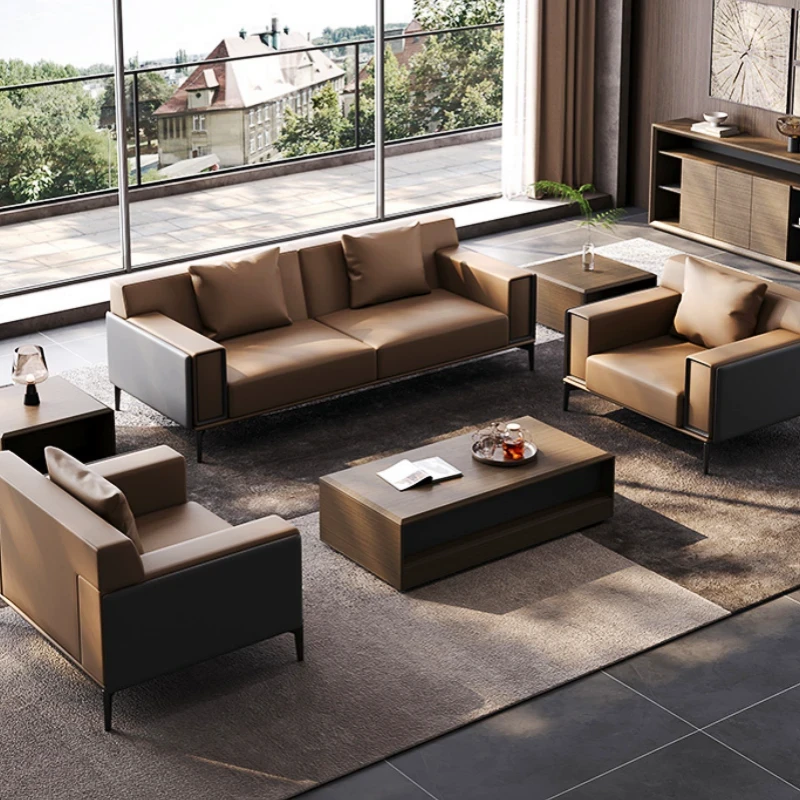
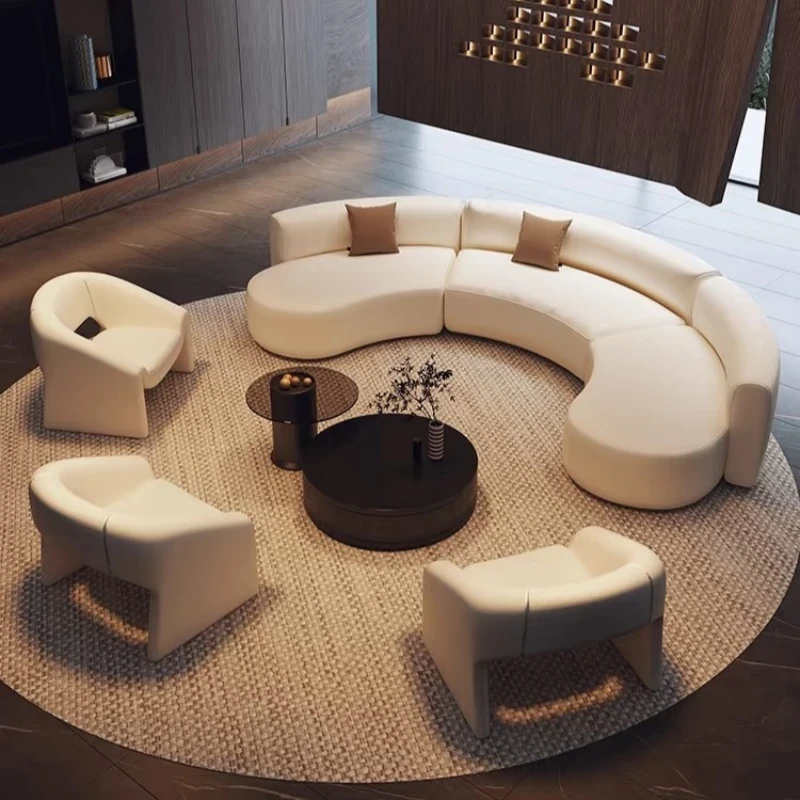
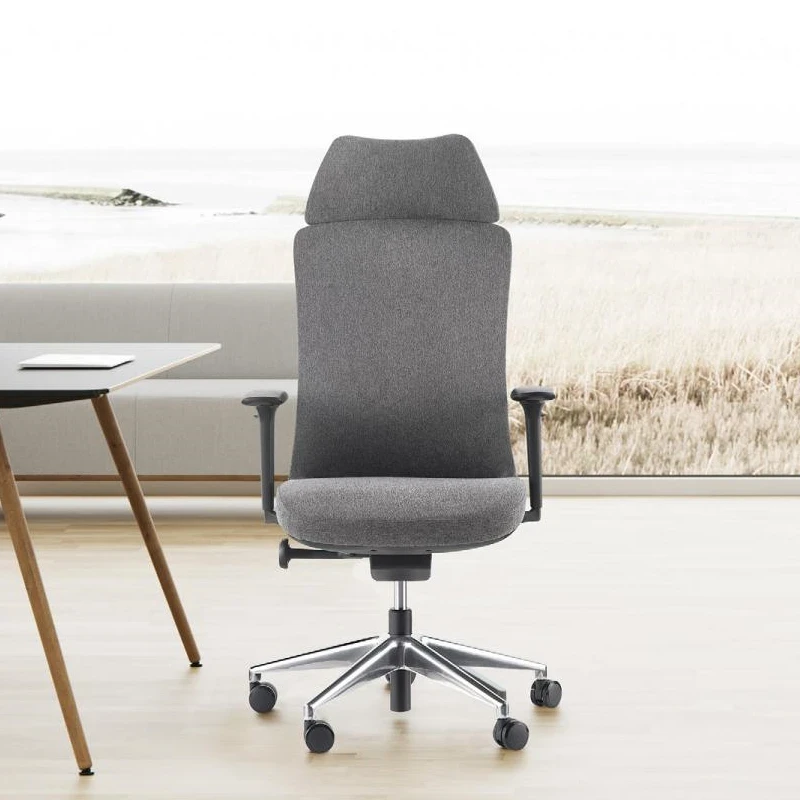


First and foremost, ensuring the supplier possesses legal business qualifications and relevant certifications is fundamental. When evaluating a supplier, their business license, tax registration certificate, and other basic documents should be verified to ensure they have the legal right to operate. Furthermore, industry-related certifications, such as ISO quality management system certification and environmental certification, are also important bases for assessing the supplier's professionalism and reputation. Suppliers with these certifications typically have stricter requirements regarding production quality, management standards, and environmental standards.
II. Industry Experience and Professional Capabilities
A supplier's industry experience and professional capabilities directly impact their performance in the furniture customization process. Choosing a supplier with extensive experience in hotel furniture customization ensures a deep understanding and responsiveness to the needs of the hotel industry. Assessing a supplier's professional capabilities can be done by examining their establishment date, the number of completed projects, and their collaborations with renowned hotels. Experienced suppliers typically possess mature design concepts and production processes, enabling them to provide customized solutions that better meet the needs of hotels.
III. Design and Innovation Capabilities
Furniture design must not only be aesthetically pleasing but also practical and comfortable. Assessing a supplier's design capabilities requires examining the professional level and innovation capabilities of their design team. Whether a supplier possesses a professional design team and can create designs based on the hotel's brand positioning and style is a crucial indicator of its design capabilities. Furthermore, whether the supplier prioritizes ergonomics and user experience in its designs is key to evaluating their design innovation and practicality.
IV. Production Capacity and Technological Level
The quality of custom furniture largely depends on the supplier's production capacity and technological level. Assessing a supplier's production capacity involves considering the modernization of their production equipment, the advancement of their production processes, and the efficiency of their production lines. Suppliers with high technological levels can guarantee fine processing and high-quality furniture, while also possessing the capacity for large-scale production to complete orders on time. In addition, whether a supplier uses advanced production management systems, such as ERP systems, reflects the professionalism and efficiency of their production management.
V. Material Selection and Quality Control
Hotel furniture requires high durability and aesthetics; therefore, material selection and quality control are paramount. When evaluating a supplier, it's essential to understand the source of the materials they use, the types of materials, and the environmental performance of the materials. High-quality materials can enhance the lifespan and visual appeal of the furniture, reducing subsequent maintenance costs. Regarding quality control, suppliers should have strict quality inspection processes, including raw material inspection, production process control, and finished product testing, to ensure that every piece of furniture meets quality standards.
VI. Production Cycle and Delivery Capacity
: Time is often a critical factor in hotel renovation or upgrades. Assessing the supplier's production cycle and delivery capacity ensures they can complete orders within the stipulated time, avoiding delays that could impact the hotel's opening or operation. Understanding the supplier's production planning management and logistics system helps determine their on-time delivery capability. Furthermore, the supplier's flexibility in handling urgent orders and adjusting production plans also affects their overall delivery capacity.
VII. Price and Cost-Effectiveness
: Price is an important factor when selecting a supplier, but cost-effectiveness is even more crucial. Evaluating the reasonableness of a supplier's quote should consider factors such as product quality, design level, and service content. Low prices are not always the best choice; potential quality and service issues should be carefully considered. Comparing multiple suppliers and selecting the partner offering the best cost-effectiveness within the budget is key to successful procurement.
VIII. After-Sales Service and Support:
Excellent after-sales service ensures timely resolution of any problems that arise during furniture use. Evaluating a supplier's after-sales service system, including warranty policies, maintenance services, and spare parts supply, is crucial for ensuring long-term cooperation. Understanding a supplier's after-sales response time and service quality reduces uncertainty in later maintenance, improving furniture user satisfaction and durability.
IX. Customer Reviews and Industry Reputation:
Customer reviews and industry reputation are important indicators of a supplier's actual performance. Reviewing other hotel clients' reviews and feedback reveals the supplier's strengths and weaknesses in actual cooperation. Furthermore, a supplier's participation in industry exhibitions and awards reflects their industry standing and recognition. Excellent suppliers typically have a good reputation and numerous success stories, serving as important selection criteria.
X. Environmental Protection and Sustainable Development
: With increasing environmental awareness, choosing suppliers who prioritize environmental protection and sustainable development not only fulfills social responsibility but also enhances the hotel's brand image. Evaluating a supplier's environmental measures, including the environmental friendliness of materials and energy-saving and emission-reduction measures in the production process, ensures that hotel furniture procurement meets green standards. Choosing suppliers with environmental certifications helps hotels achieve their sustainable development goals.
Conclusion:
In the process of customizing hotel furniture, comprehensively evaluating the qualifications and capabilities of suppliers is key to ensuring successful procurement. By examining a supplier's legitimacy, industry experience, design capabilities, production technology, material quality, delivery capacity, cost-effectiveness, after-sales service, customer reputation, and environmental awareness, hotel managers can select the most suitable partner. An excellent custom furniture supplier not only provides high-quality products and services but also safeguards the hotel's brand image and customer experience, thus helping the hotel stand out in the fierce market competition.