
 USD
USD GBP
GBP
 EUR
EUR
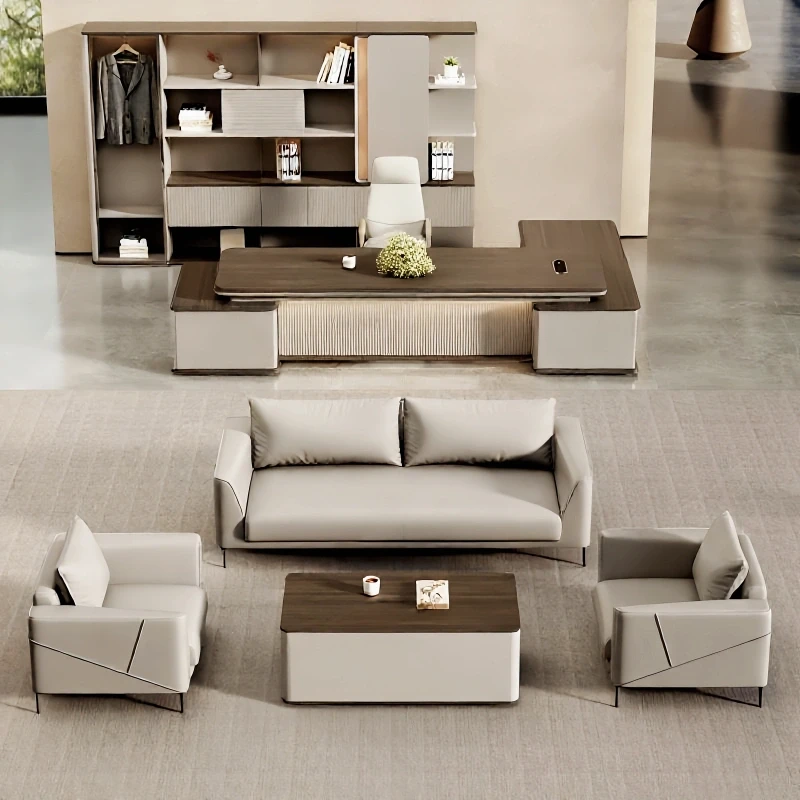
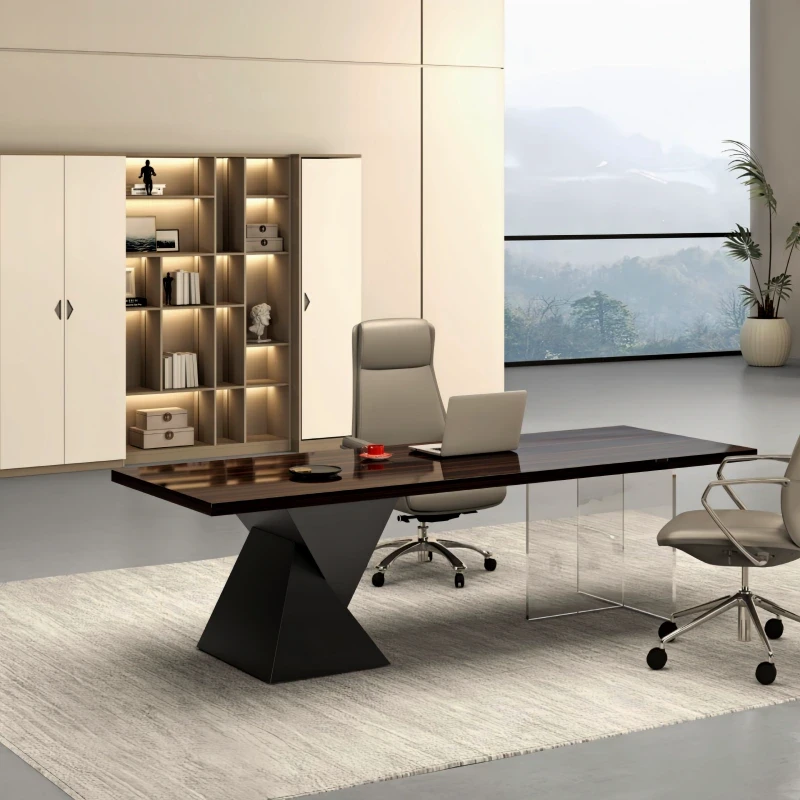


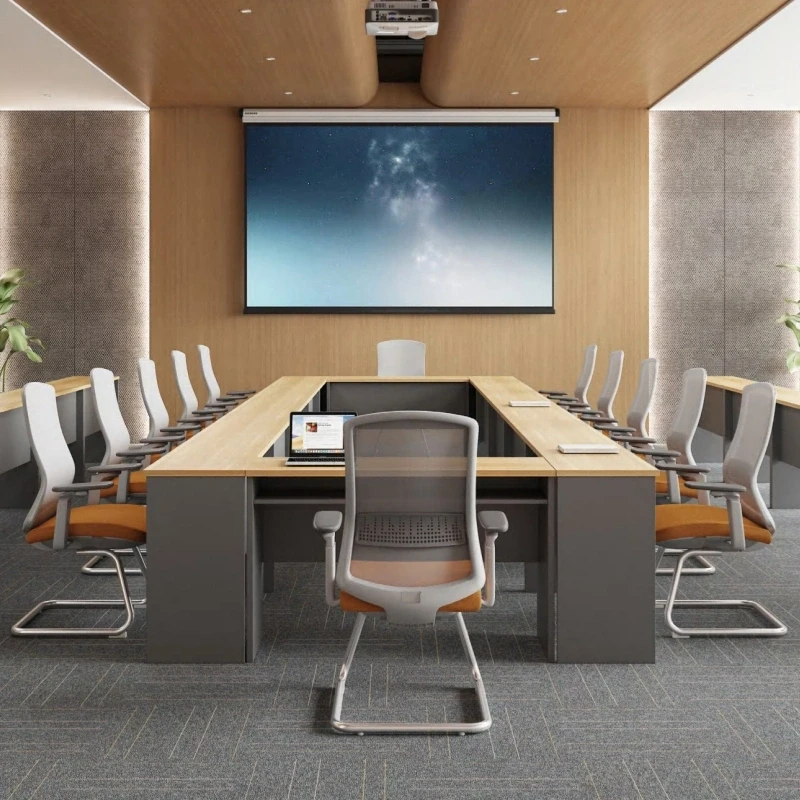
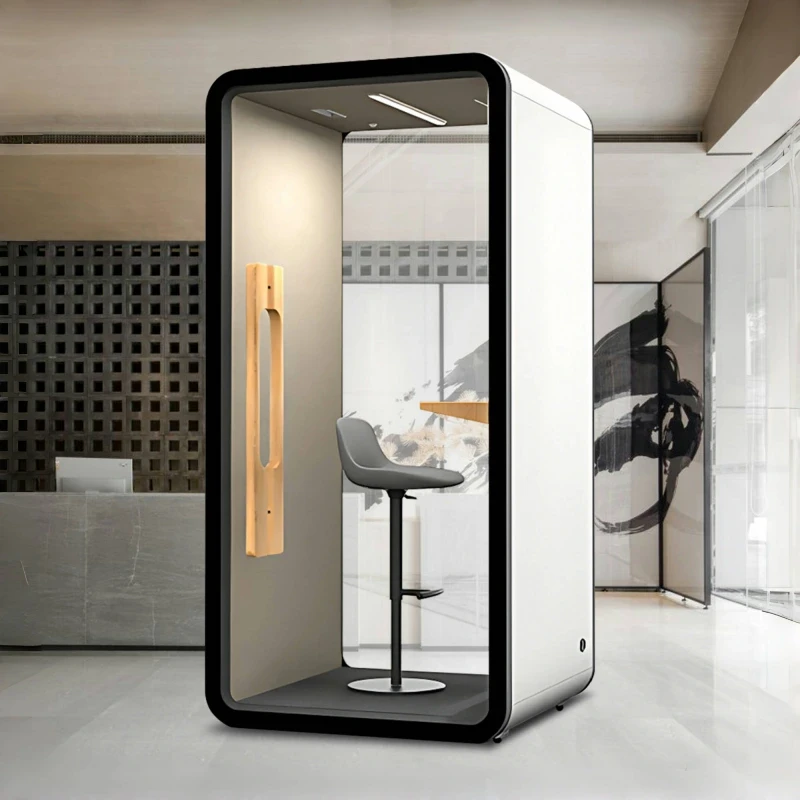
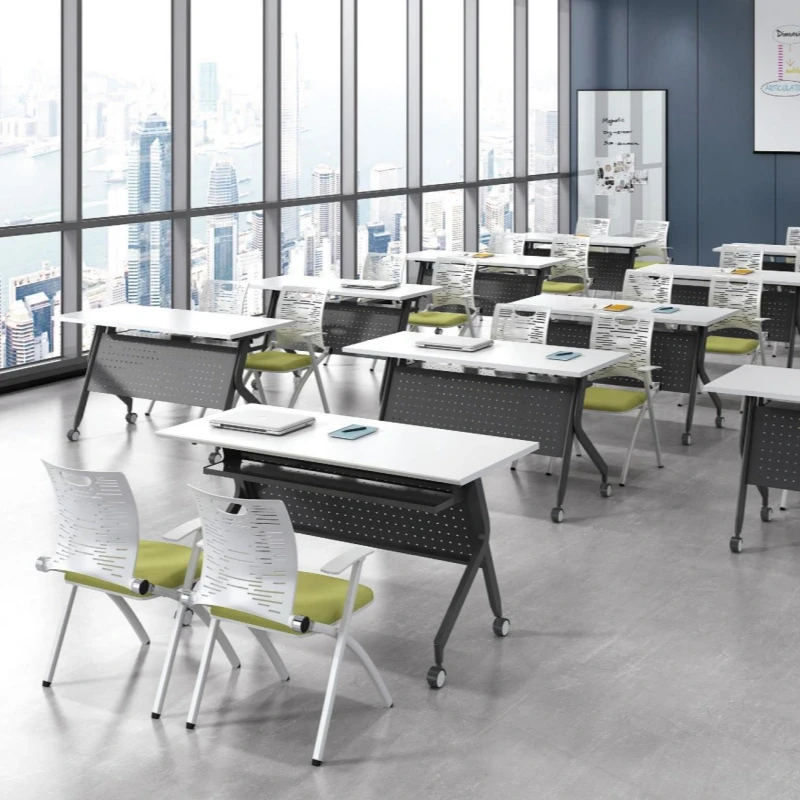
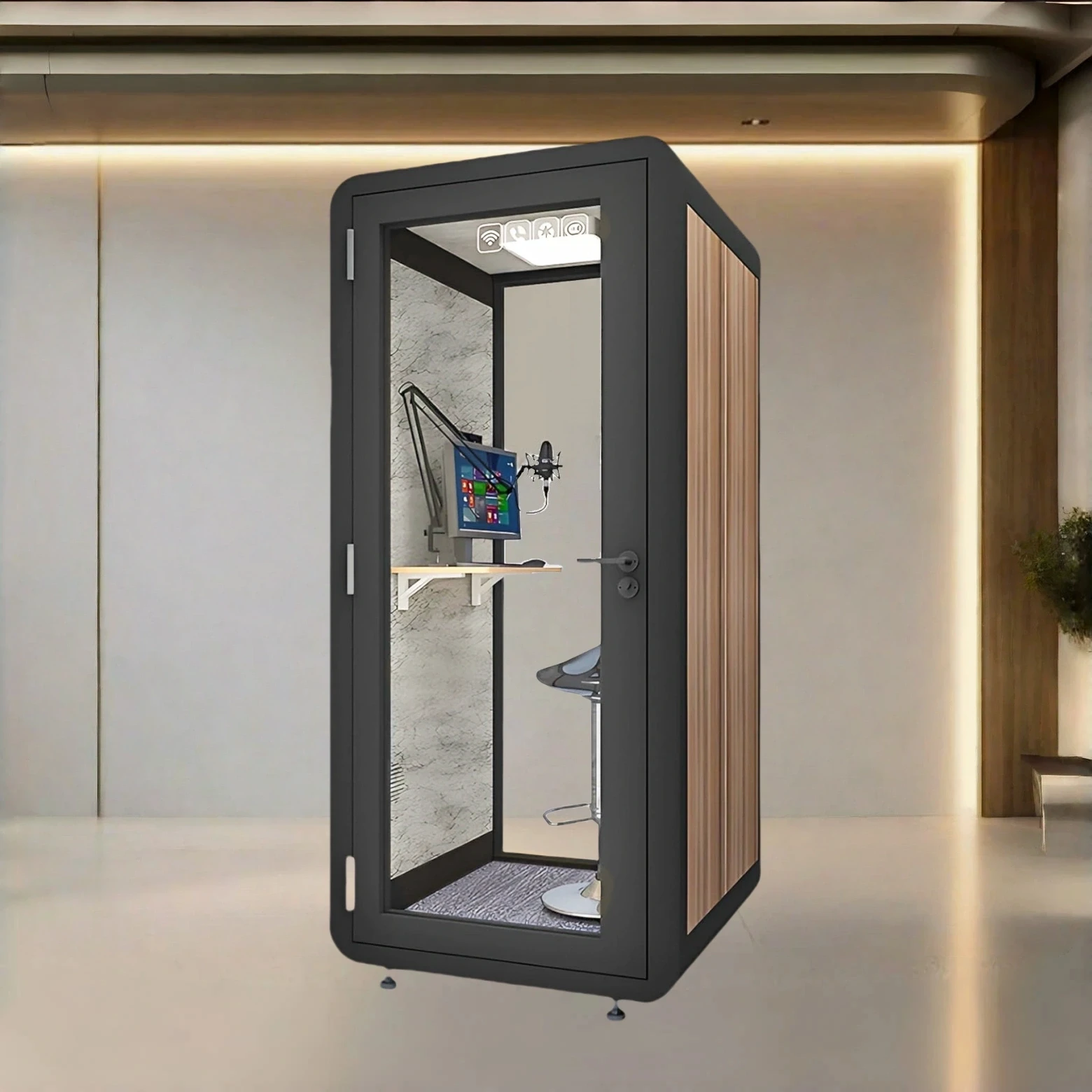
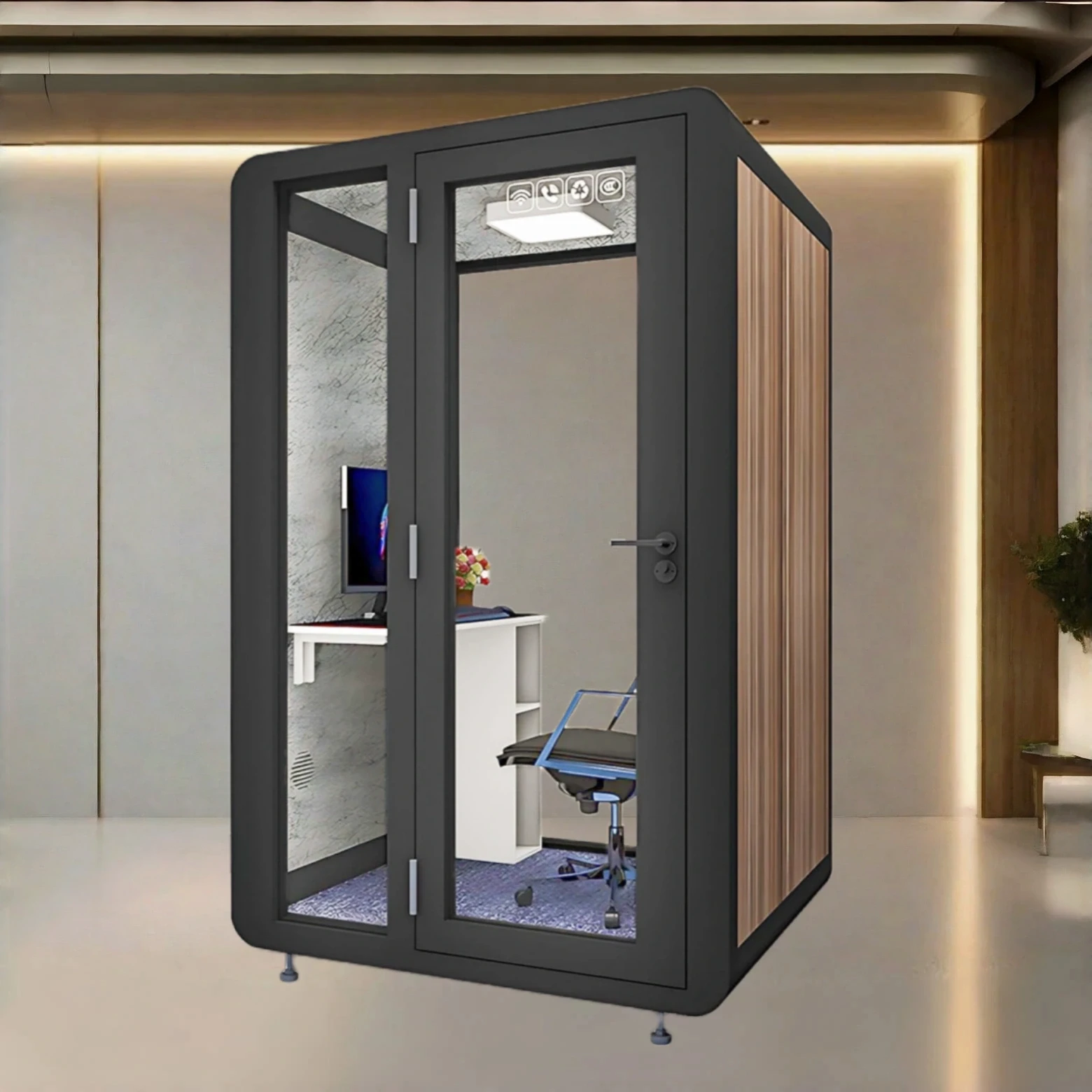
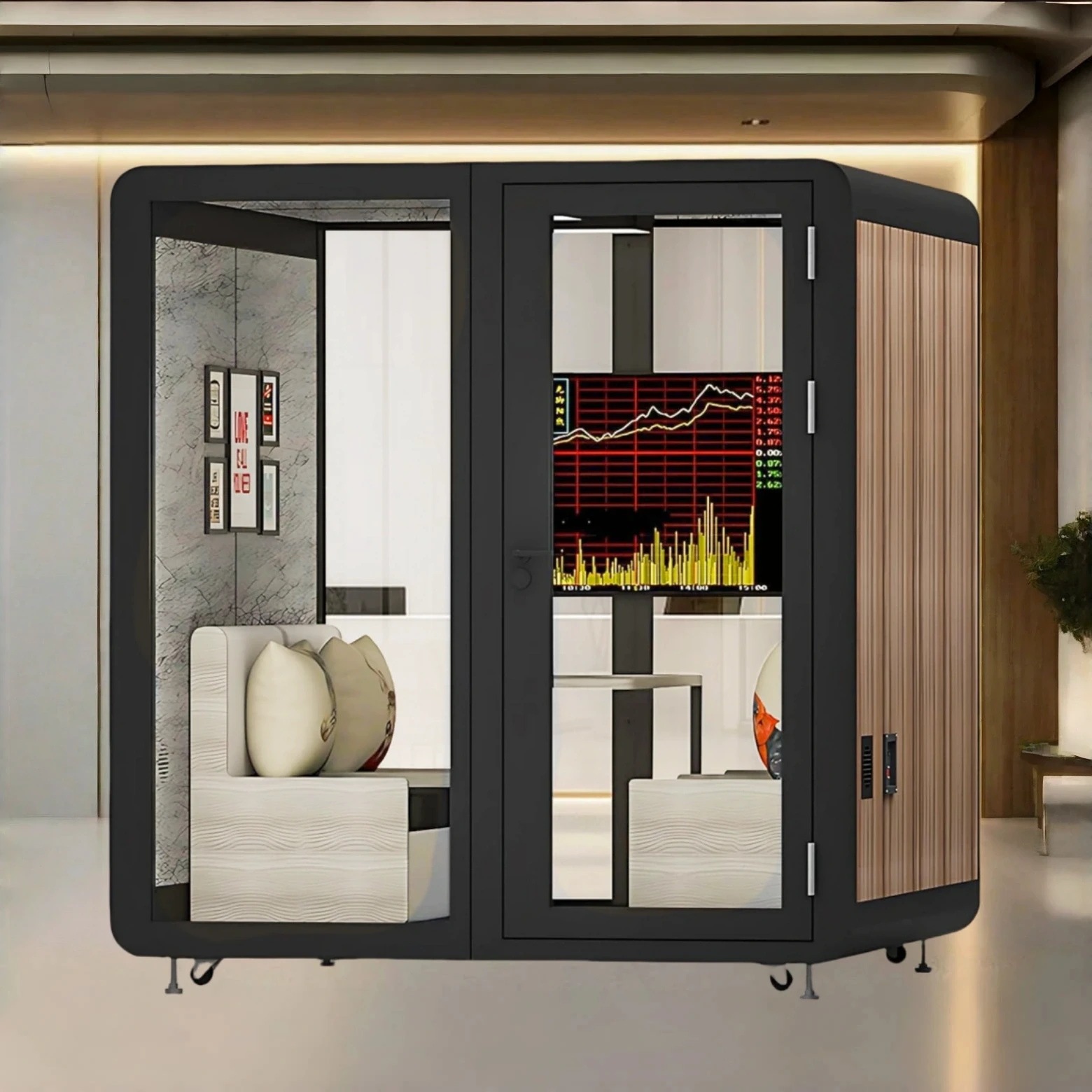
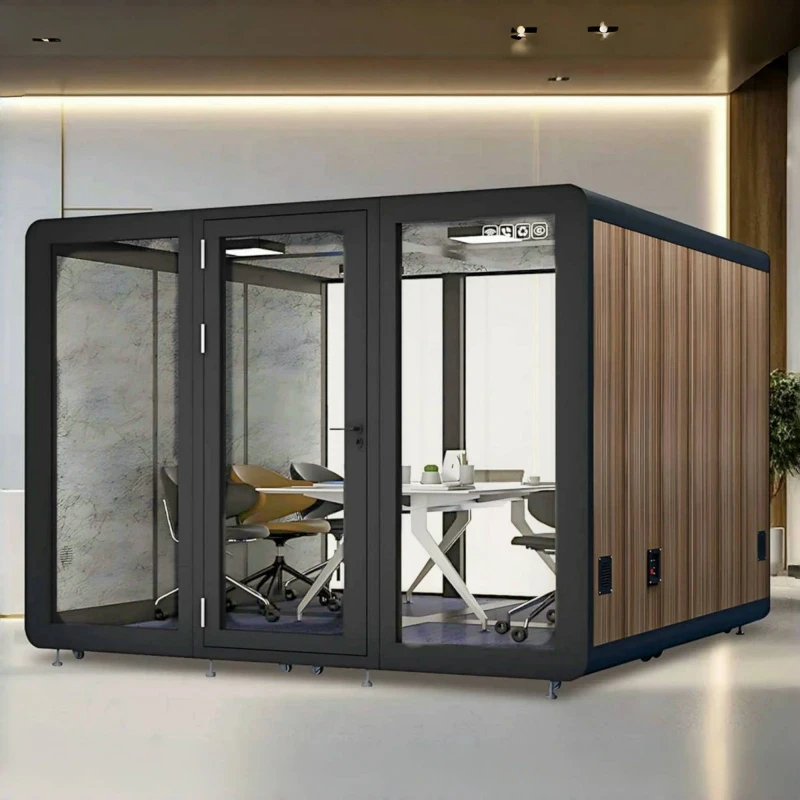
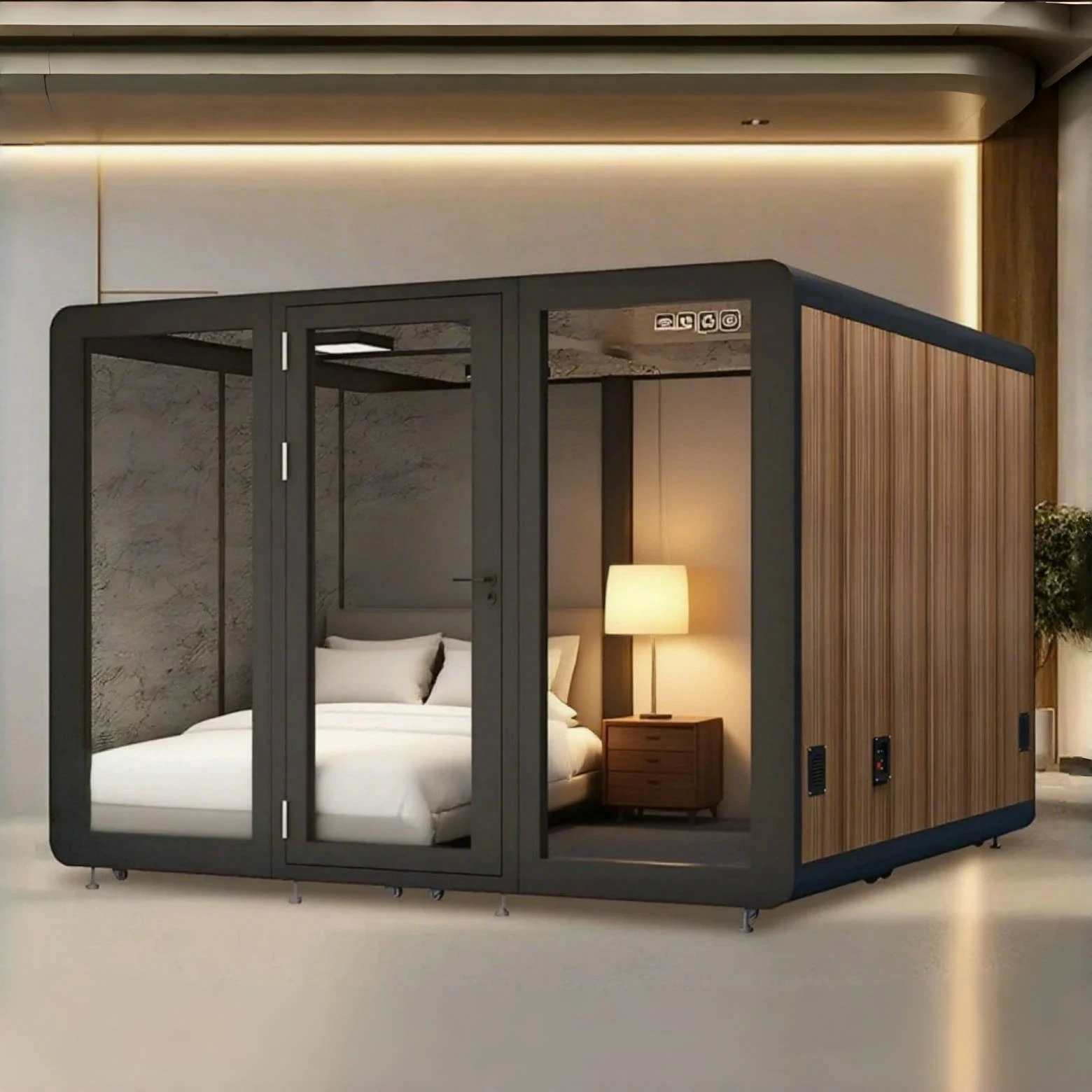


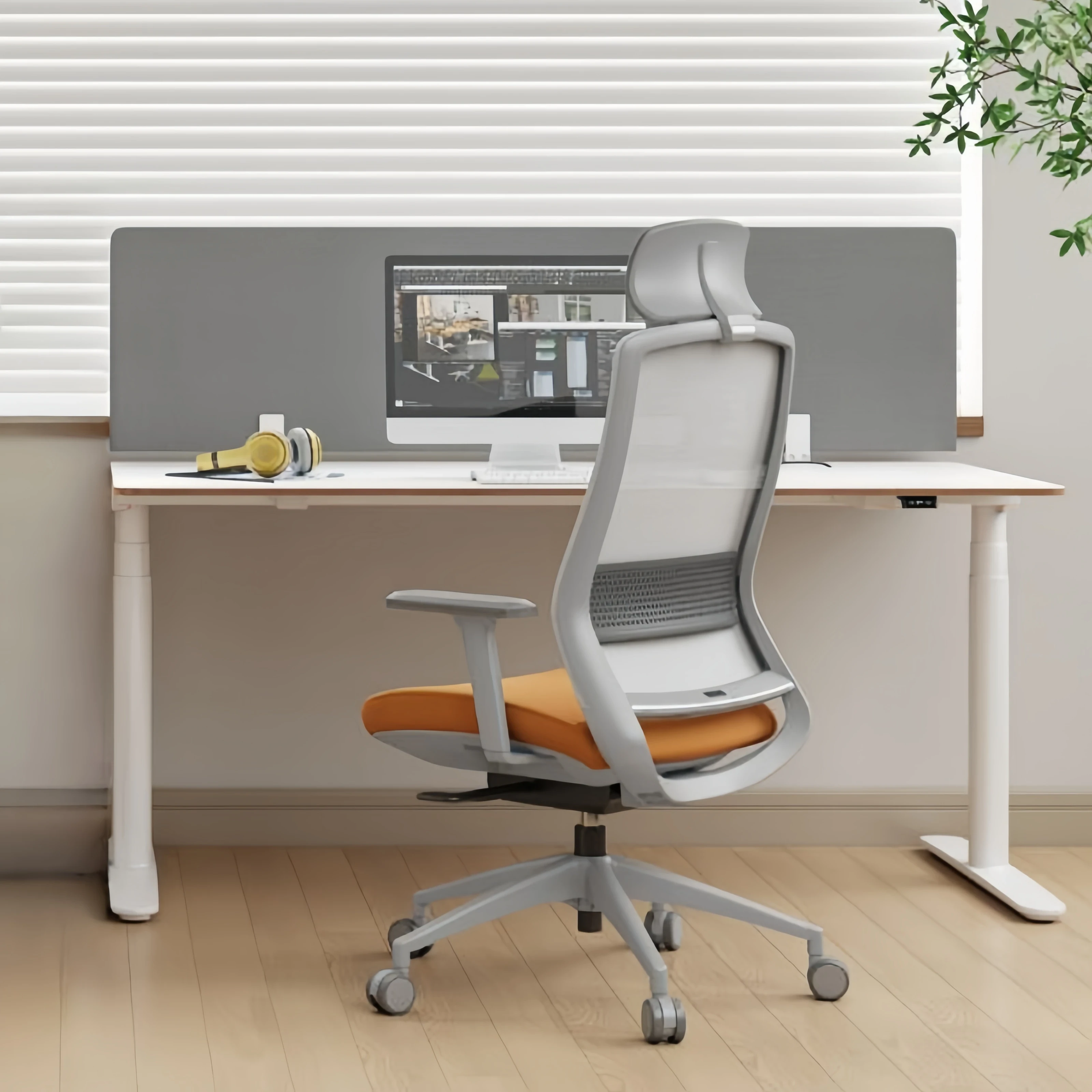


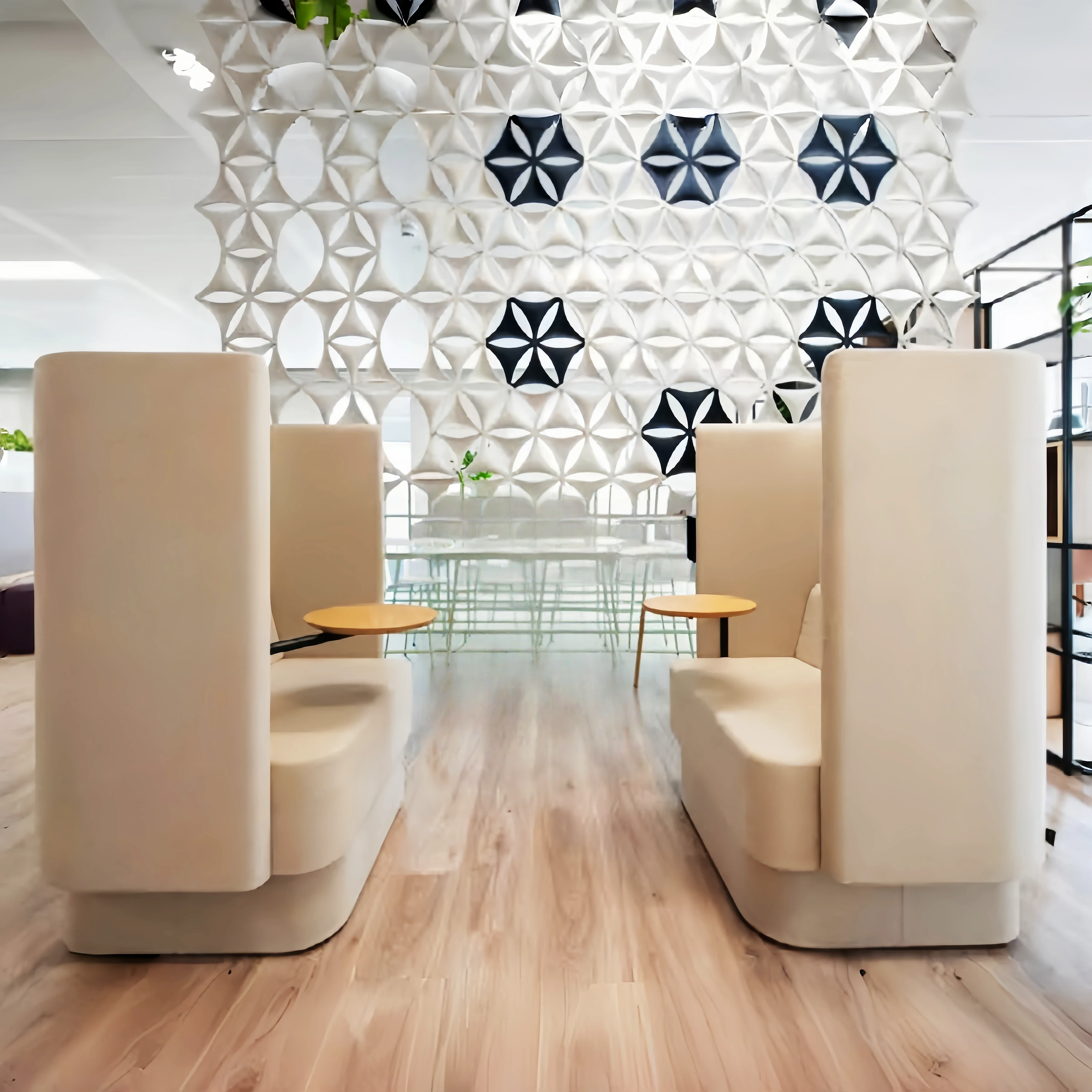

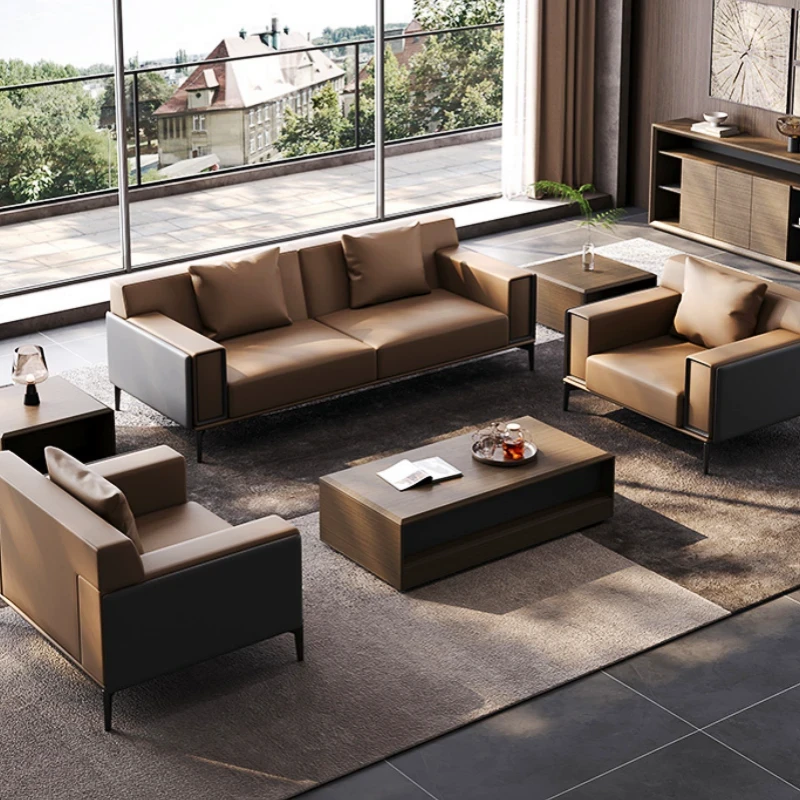
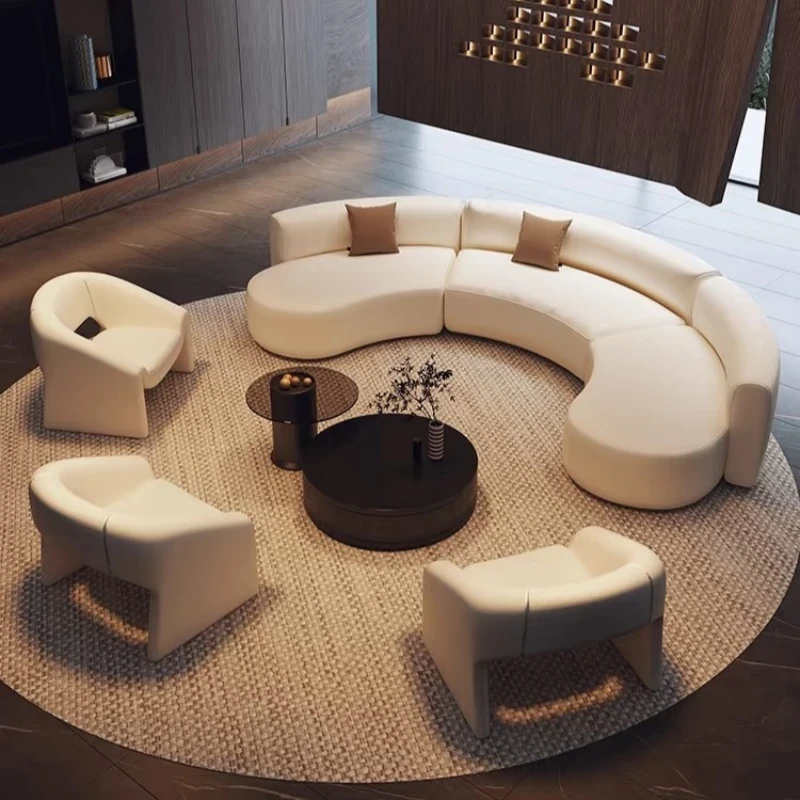
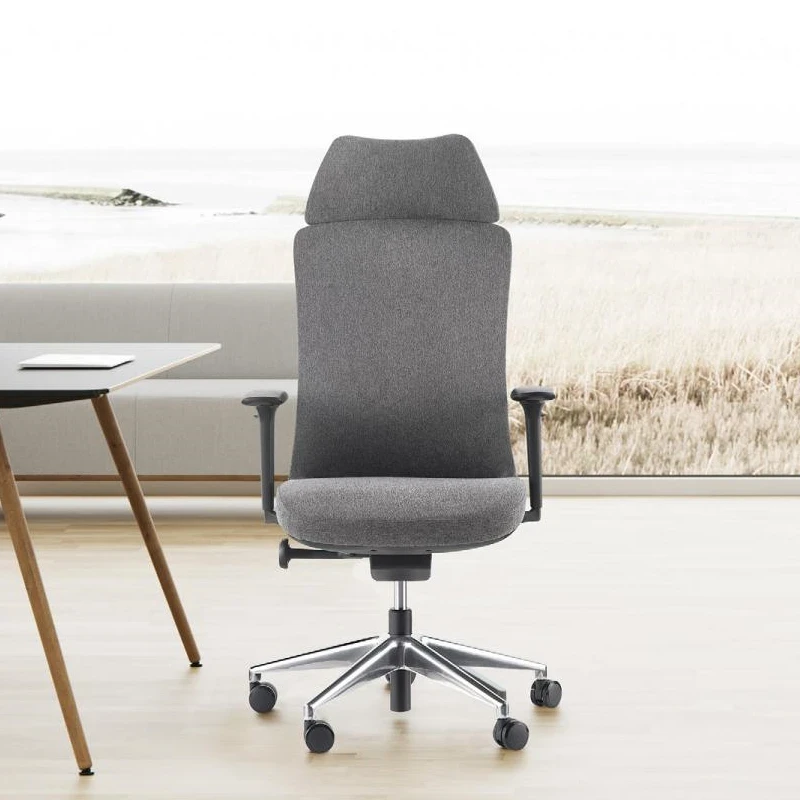


Functional Needs: First, businesses need to define the functional needs of their office space. Different areas require different types of furniture. For example, work areas need desks and chairs, meeting rooms need conference tables, and rest areas need sofas and lounge tables. Understanding the specific function of each work area is the foundation for choosing suitable furniture.
Number of Employees: Determine the quantity and type of furniture needed based on the number of employees and future expansion plans. For companies with strong teamwork, open-plan office furniture can be chosen to help enhance team communication.
Work Pattern: If the company implements flexible work arrangements or remote work, it may need to purchase movable or flexible furniture to adjust the layout according to actual needs.
II. Consider Comfort and Ergonomics
: Ergonomic design: Choosing ergonomic office furniture, such as height-adjustable desks and chairs, can effectively reduce employee fatigue and occupational disease risks, and improve work efficiency.
Comfort: The comfort of office chairs is particularly important. Excellent ergonomic office chairs should have good lumbar support and seat cushion design, which will directly affect employees' daily work experience and health.
III. Materials and Quality
: Environmentally Friendly Materials: Choose office furniture made from environmentally friendly materials to ensure it is non-toxic and harmless, meeting national environmental standards, and creating a healthy working environment for employees.
Durability and Maintenance: Office furniture should be durable and able to withstand the wear and tear of daily use. When purchasing, understand the furniture's maintenance requirements and choose materials that are easy to clean and maintain to reduce long-term maintenance costs.
IV. Company Image and Design Style
: Brand Image: Office furniture is not only a functional product but also an important reflection of the company's image. Therefore, when purchasing, consider whether the furniture's design style matches the company culture. Modern and minimalist designs can convey innovation and vitality, while traditional styles may convey stability and professionalism.
Color Matching: The color of the furniture should coordinate with the company's overall decoration style. Healthy and bright colors can enhance employee motivation and creativity.
V. Budget Control:
Reasonable Budget Allocation: Before purchasing, the company needs to establish a reasonable budget range, fully considering factors such as furniture performance, materials, and after-sales service. Find products with high cost-performance while ensuring quality, so as to meet purchasing needs within the budget.
Comparison of Multiple Suppliers: By consulting with multiple suppliers, understand the different brands and performance of office furniture, compare their cost-effectiveness, and select the products that best meet the company's needs.
VI. Choosing Suitable Supplier
Brands and Reputation: Select reputable office furniture brands with high industry ratings to ensure product quality and reliable after-sales service. Suitable suppliers can be found through industry exhibitions, online reviews, and word-of-mouth recommendations.
After-sales Service: Excellent after-sales service ensures smooth use after purchase, including warranty, maintenance, delivery, and installation. Ensure that after-sales service terms are clearly stipulated in the contract.
Conclusion:
The choice of office furniture is related to the employee's work experience and the overall comfort of the office environment. When purchasing office furniture, companies need to comprehensively consider multiple aspects such as needs analysis, ergonomics, material quality, company image, budget control, and supplier reputation. Through scientific methods and meticulous selection, companies can not only build an efficient and comfortable office environment but also subtly enhance the company's overall image and culture.