
 USD
USD GBP
GBP
 EUR
EUR
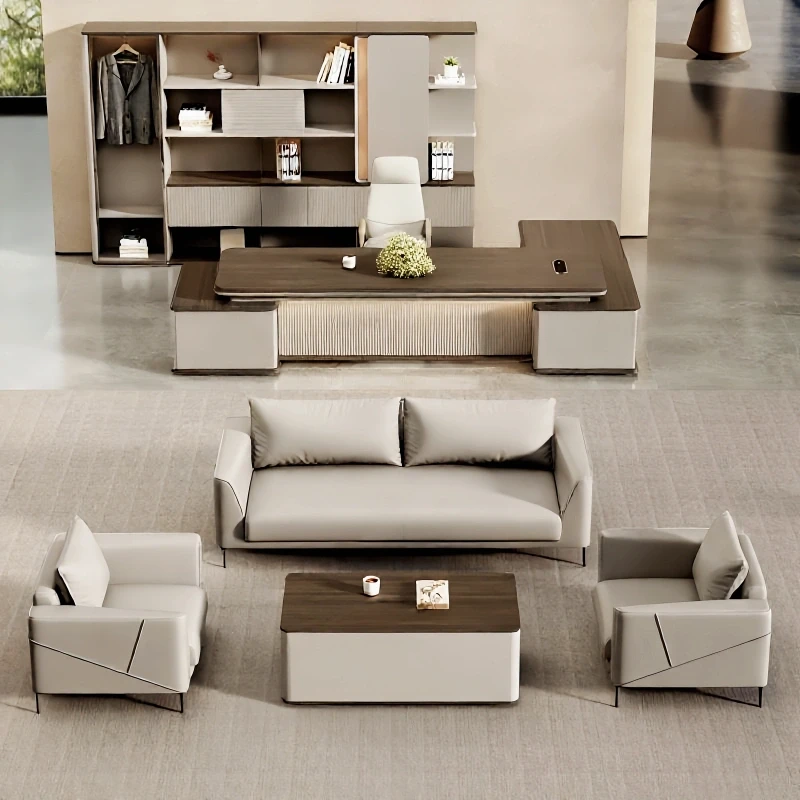
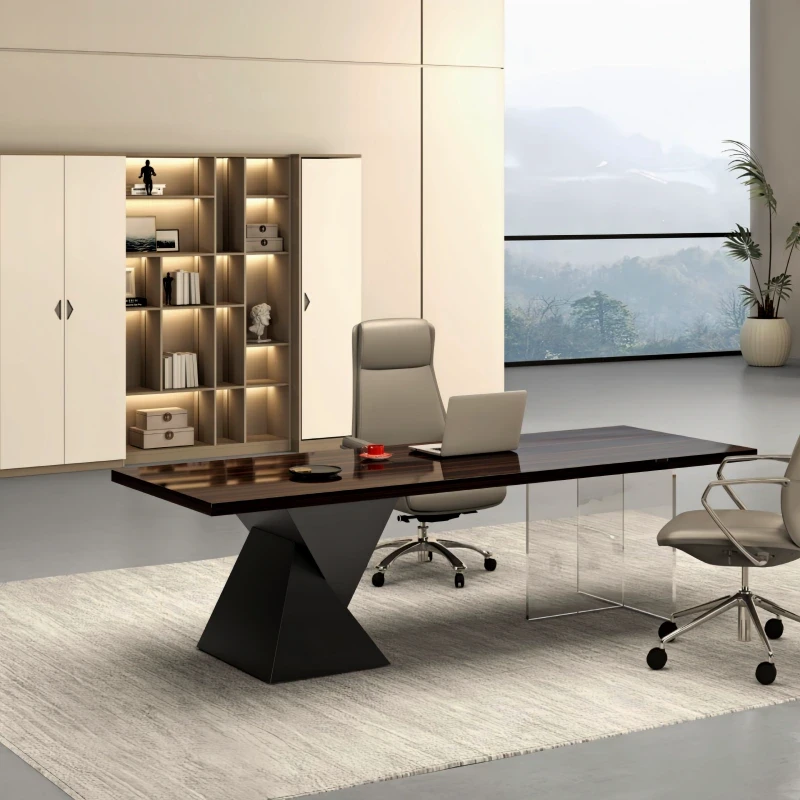


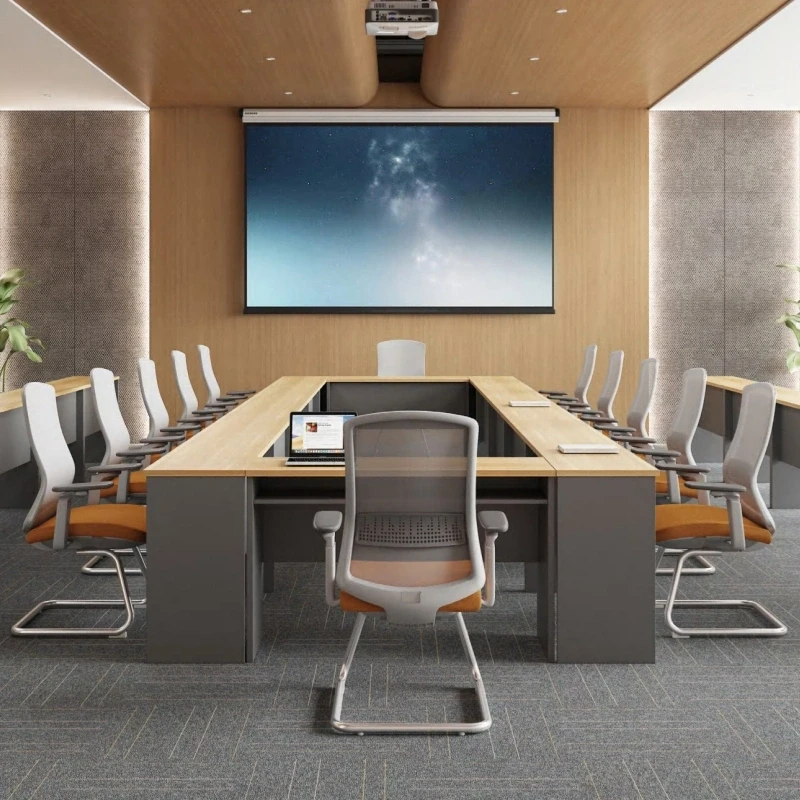
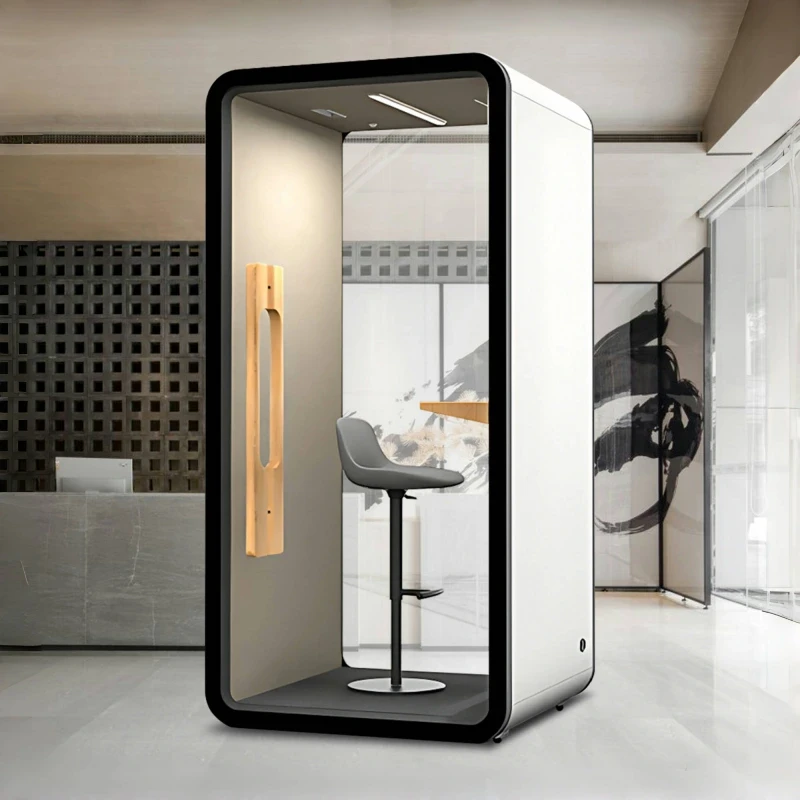






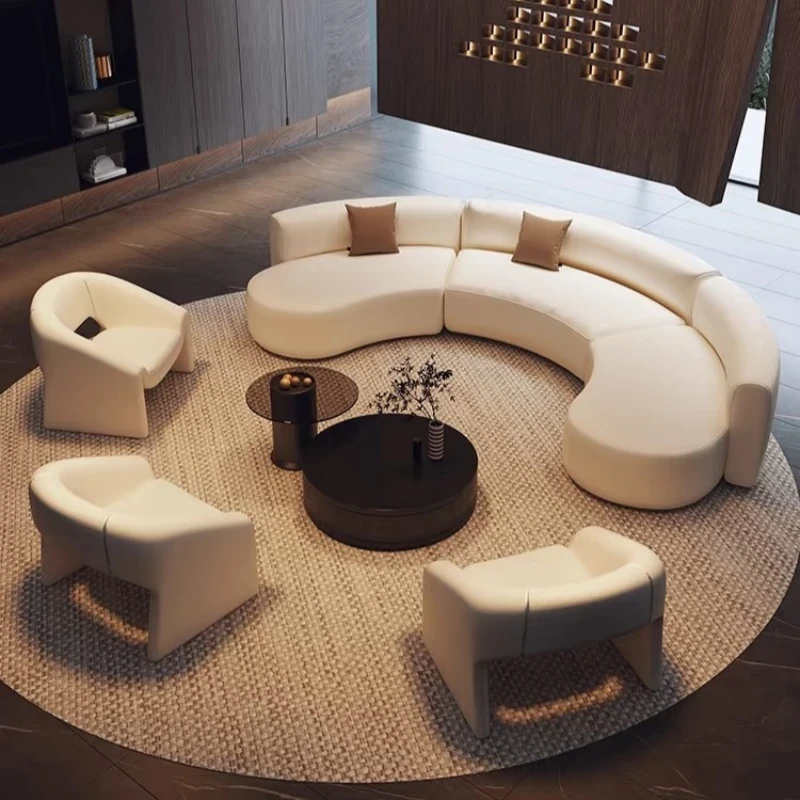
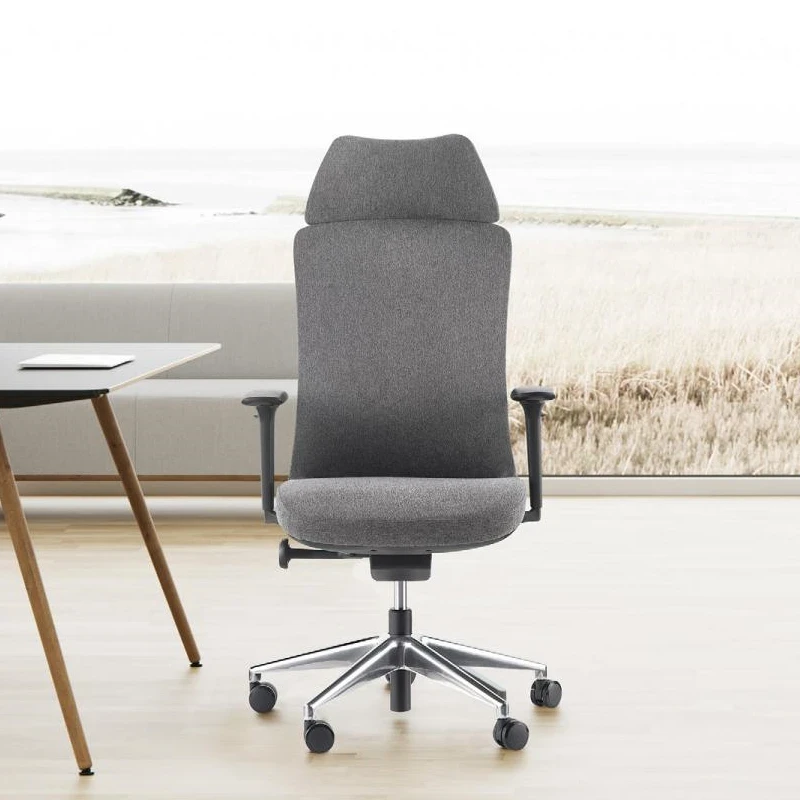


Choosing suitable environmentally friendly materials is the foundation of sustainable development for five-star hotel furniture. Hotels can achieve this goal in several ways:
Recycled Materials: Using furniture made from recycled wood, recycled metal, or plastic helps reduce the demand for raw materials and minimizes the negative environmental impact of furniture production.
Local Sourcing: Purchasing materials or furniture from local suppliers reduces carbon emissions from transportation and supports local economic development.
Natural Materials: Selecting untreated natural materials, such as bamboo, cotton and linen fibers, and natural marble, is more environmentally friendly and often biodegradable. 2. Sustainable Design Principles : When selecting furniture, five-star hotels should focus on the durability and flexibility of the design to optimize resource use: Modular Design: Choosing disassembled and reassembleable furniture not only facilitates cleaning and maintenance but also allows for adjustments to meet changing hotel needs.
Classic Design: Timeless classic designs reduce the need for frequent furniture replacements due to outdated designs, reducing resource waste. Multifunctional Furniture: Through multifunctional designs, a single piece of furniture can meet multiple usage needs, thereby reducing the need for other furniture. 3. Environmental Certifications and Standards: Five-star hotels should prioritize furniture and materials with relevant environmental certifications to ensure that products meet sustainable development standards. FSC Certification: This certification ensures that the wood comes from sustainably managed forests, which is especially important for wooden furniture. Green Label Certification: These certifications provide comprehensive environmental standards for furniture production, use, and disposal. 4. Continuous Management and Maintenance: Sustainable development is not only reflected in the selection stage but also in every step of continuous management and use: Regular Maintenance: Regular maintenance extends the lifespan of furniture and reduces resource waste caused by damage or failure. Recycling and Reuse: When furniture reaches the end of its lifespan, five-star hotels can partner with professional recycling companies for recycling or refurbishment to extend its lifespan. 5. Customer Education and Engagement: Five-star hotels can convey the concept of sustainability to guests through various means: Information Dissemination: Introducing the hotel's efforts and achievements in environmental protection and sustainable development in the hotel's in-room promotional materials or on its website. Providing Options: For example, offering green meeting options or silver-plated tableware to encourage guest participation in the hotel's sustainable development practices. Conclusion: Under the trend of sustainable development, five-star hotels need to comprehensively consider the selection of environmentally friendly materials, sustainable design principles, environmental certifications, and management and maintenance strategies when selecting furniture and materials. This not only helps reduce the hotel's environmental impact but also enhances its brand image through environmental practices, thereby meeting modern consumers' expectations for a sustainable lifestyle. In the future, five-star hotels can contribute more to sustainable development through continuous innovation and improvement.