
 USD
USD GBP
GBP
 EUR
EUR


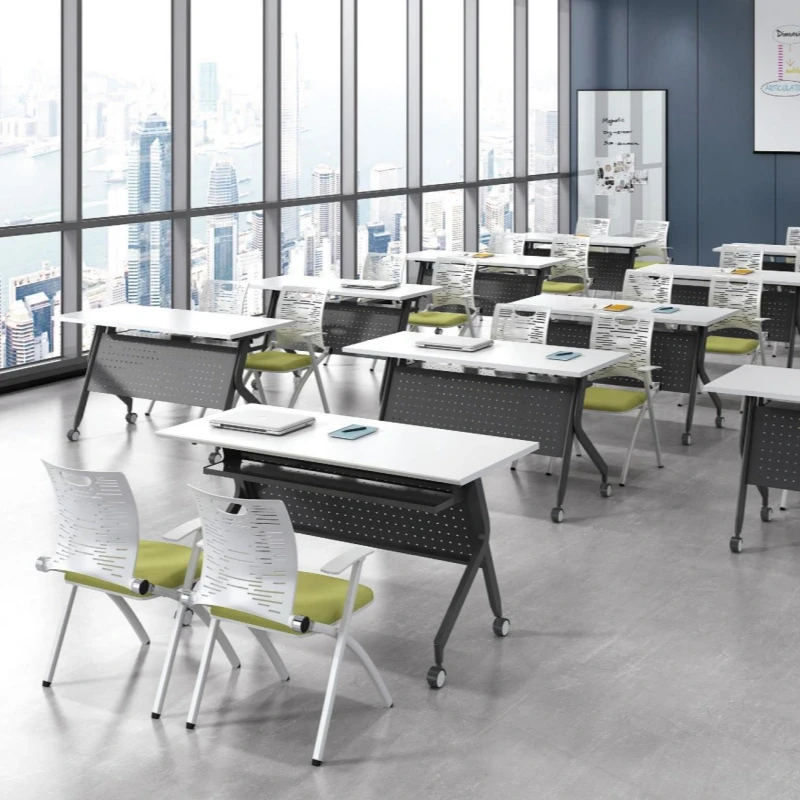
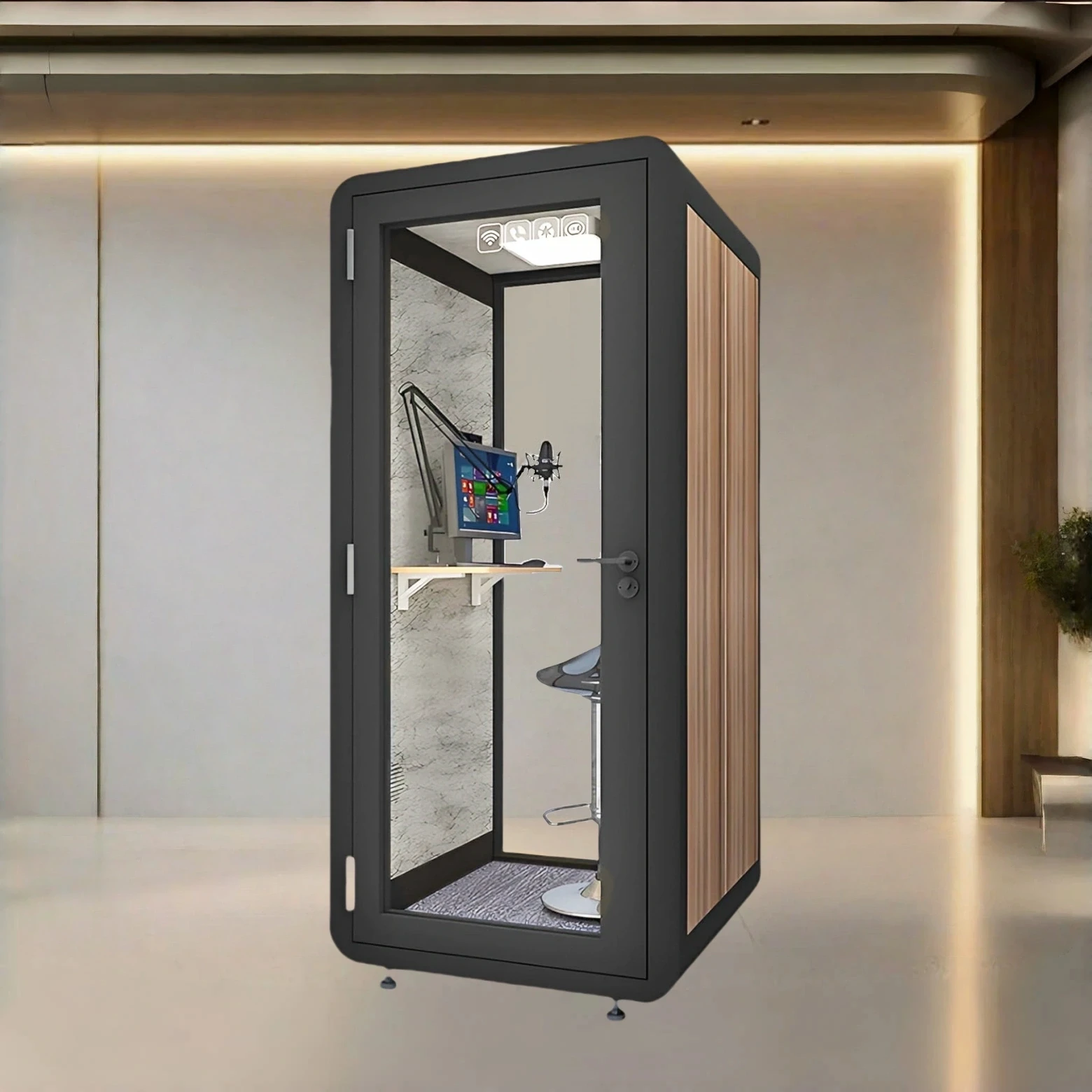
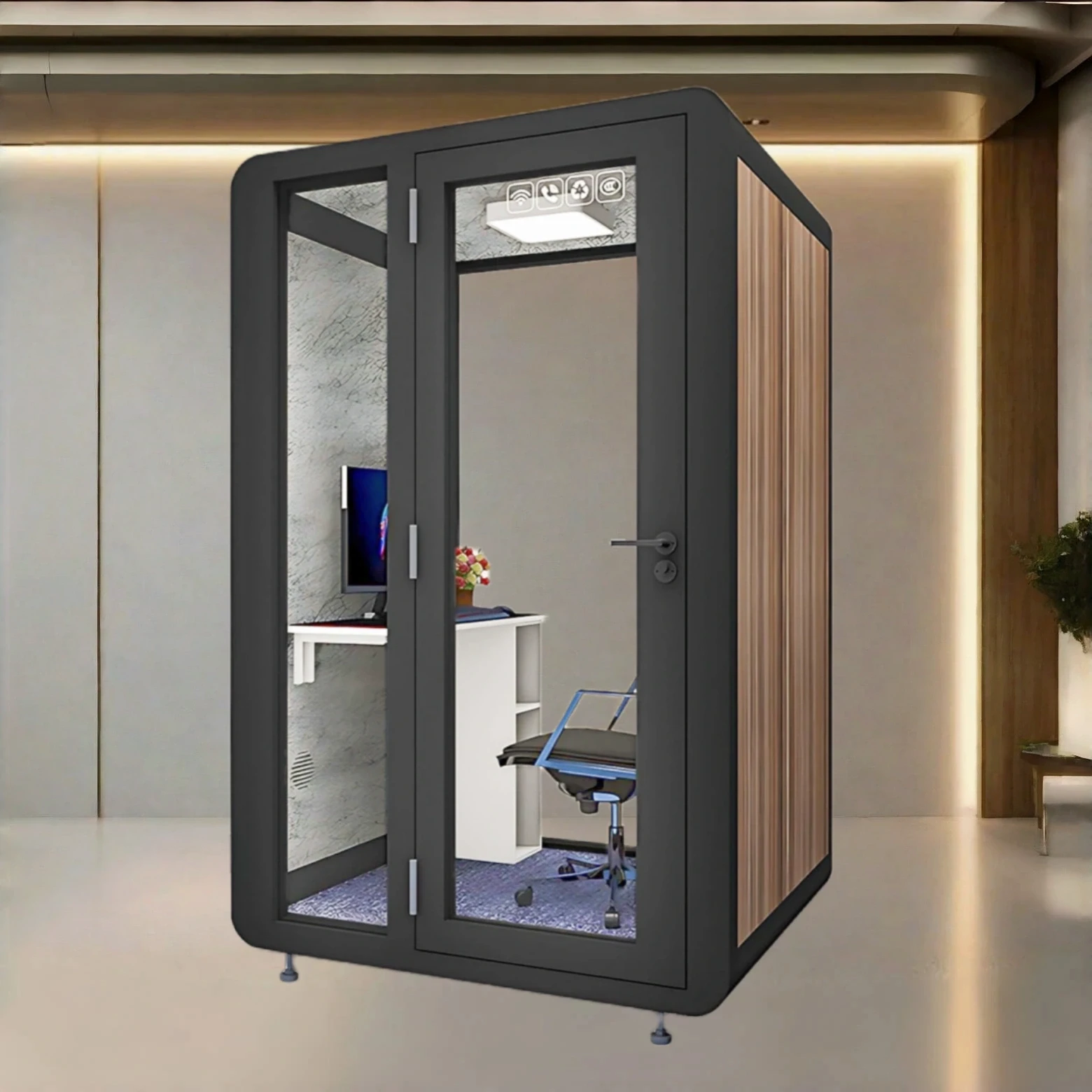
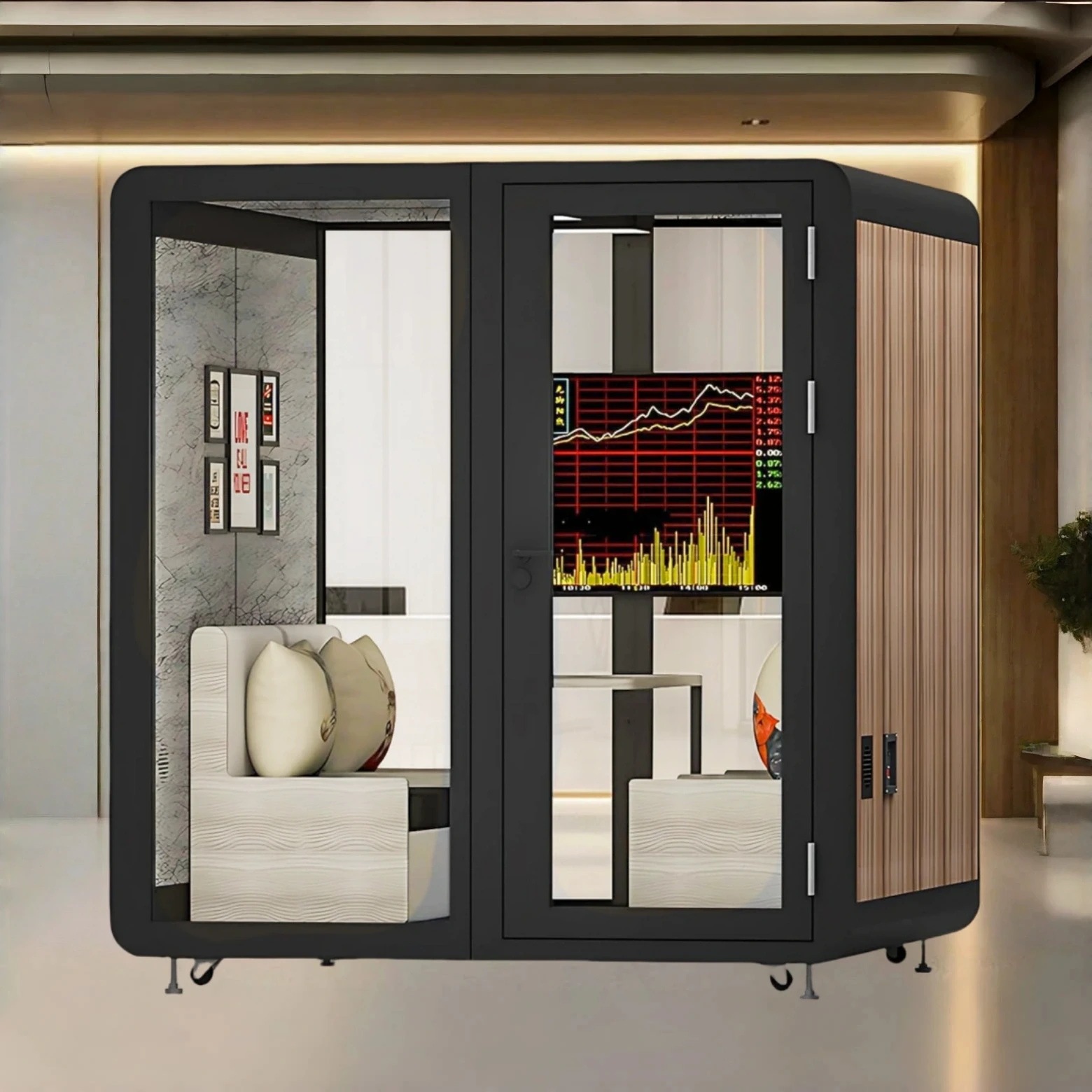
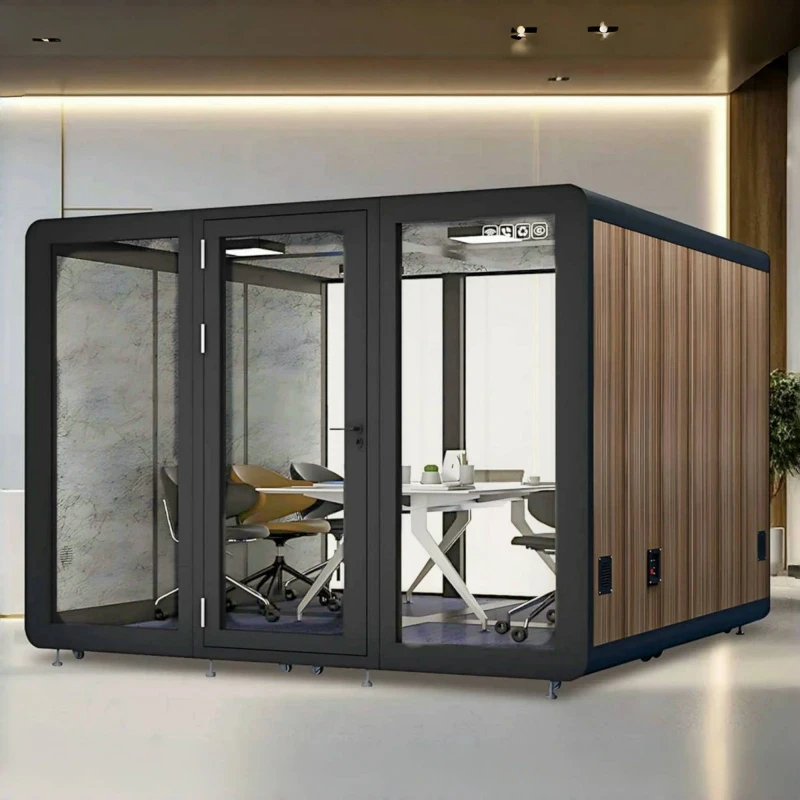
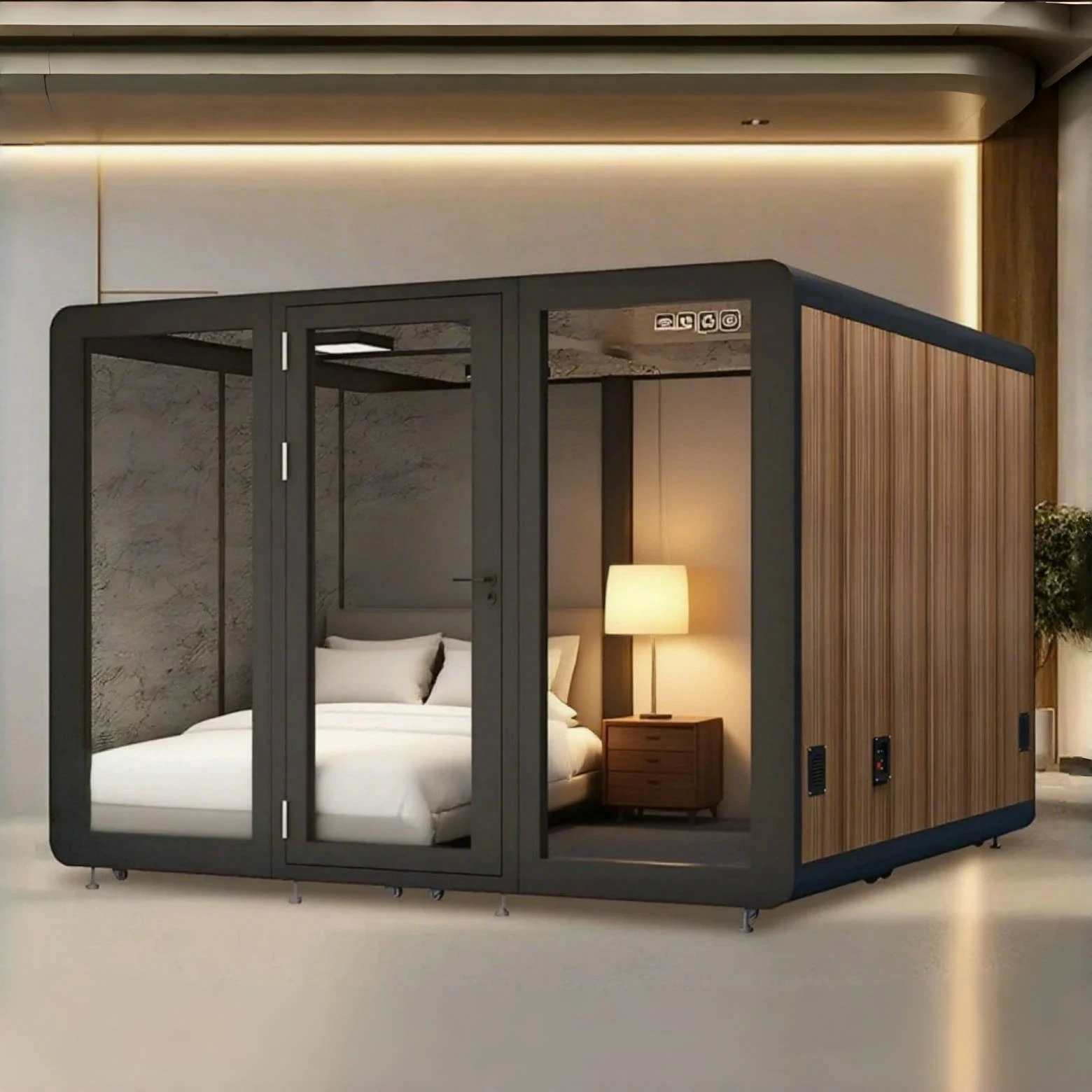


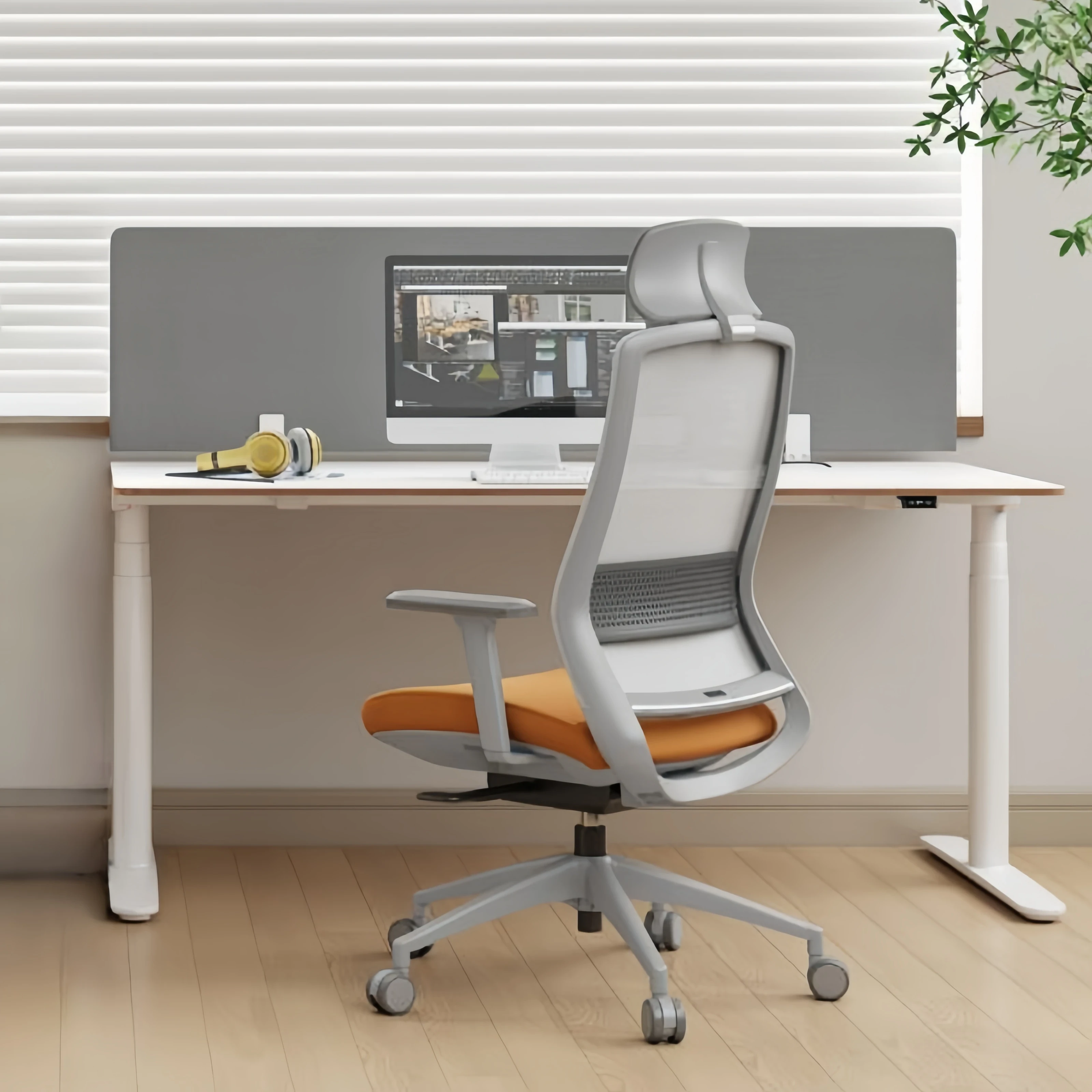


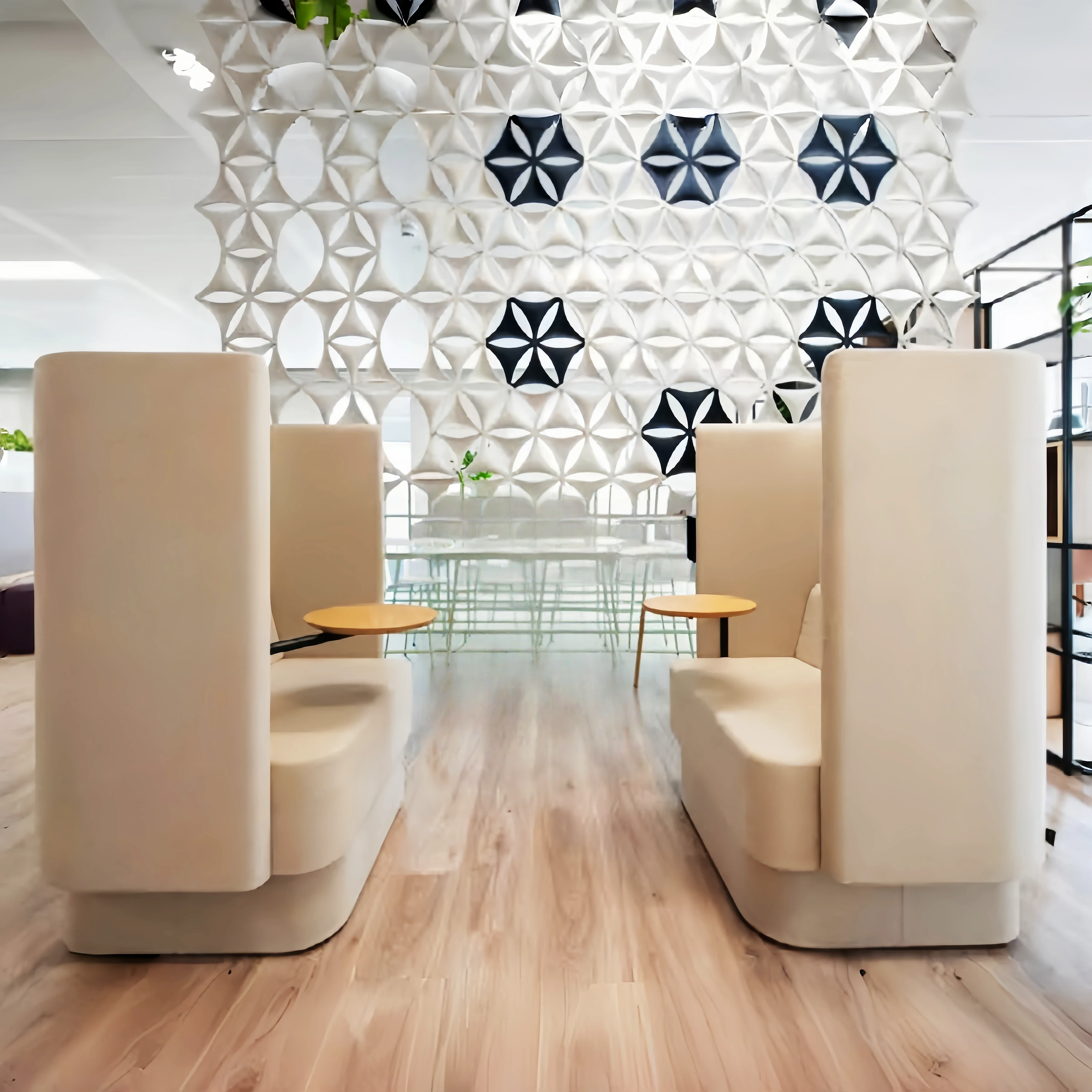

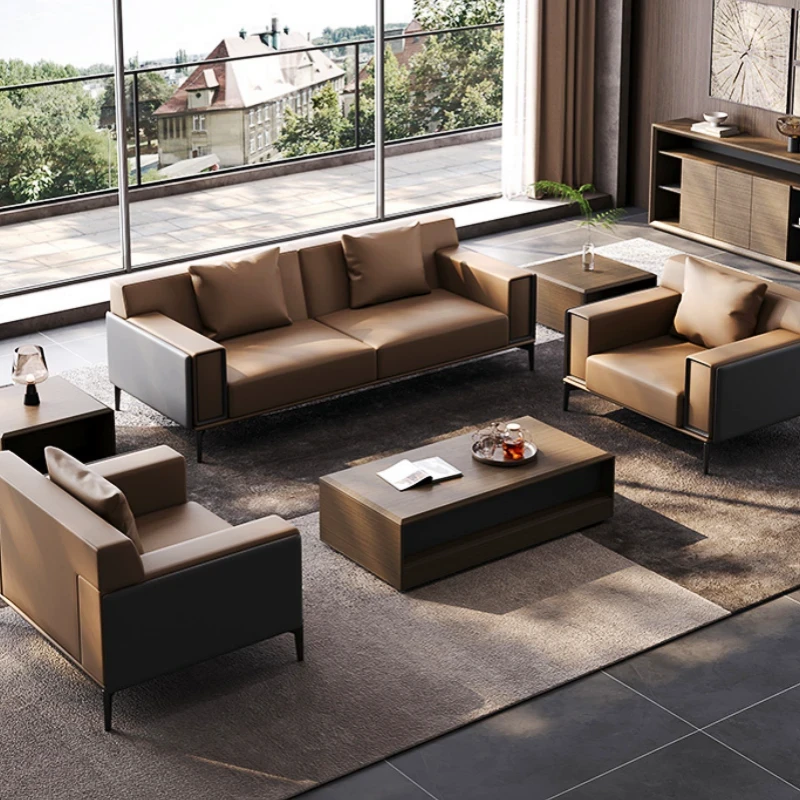
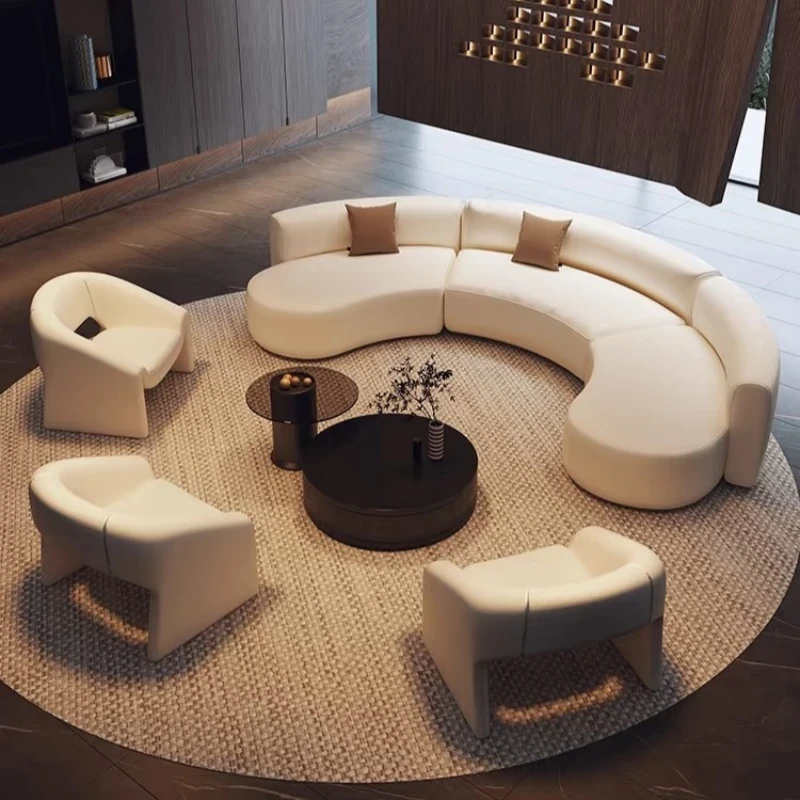
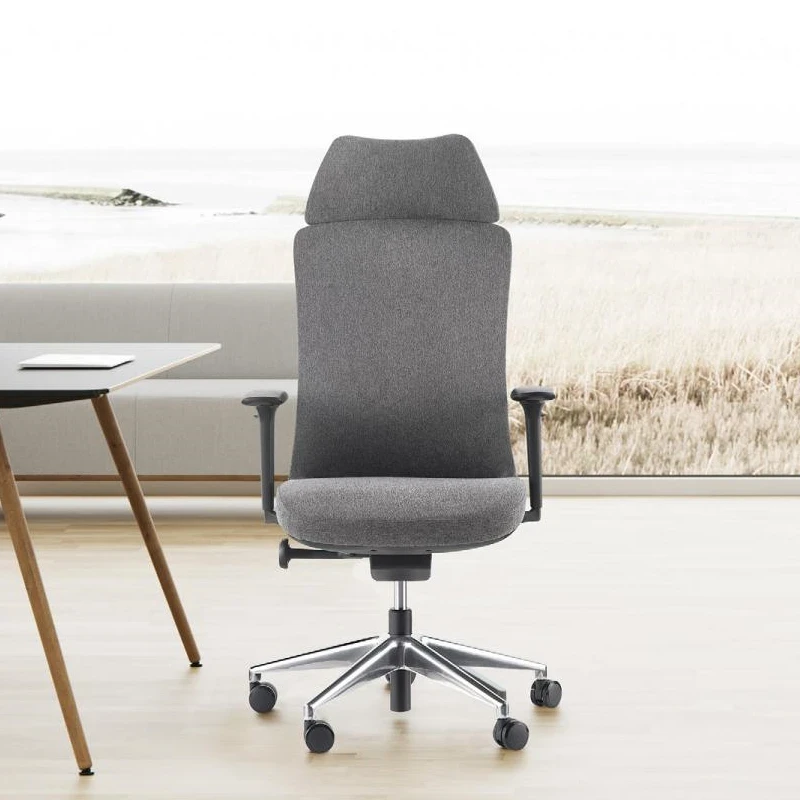


Ergonomic design is the foundation of medical and elderly care furniture. Through scientific and rational design, user fatigue can be effectively reduced, while improving comfort and user experience.
Seating: Good back support should be provided, and the seat height should be adjustable for easy getting up and sitting down. For example, seats designed for wheelchair users can include adjustable armrests and anti-gravity tilting functions.
Beds: The height and sturdiness of the bed are crucial. Electrically adjustable beds allow the elderly or caregivers to easily adjust the height and angle of the headboard and legs to meet different rest and care needs.
2. Safety Assurance :
Safety is an indispensable element in the design of medical and elderly care furniture, especially for the elderly and those with limited mobility.
Anti-slip Design: Parts of tables and chairs that contact the ground should have anti-slip properties to prevent accidental slips. Armrests and handles should also be made of anti-slip materials.
Stability: All furniture, especially moving parts (such as wheeled chairs and beds), must have high stability to prevent tipping or accidents during movement.
3. Smart Function Integration:
With the development of smart home technology, integrating smart functions into medical and elderly care furniture can greatly improve the quality of life for users.
Monitoring Functions: For example, smart beds can be equipped with health monitoring devices to track physiological indicators such as heart rate and respiratory rate in real time, providing timely health feedback to users and caregivers.
Emergency Call System: Emergency call buttons are installed at the head of the bed or on the armrests of the chair, allowing users to contact caregivers immediately when needed.
4. Durability and Ease of Cleaning :
Medical and elderly care furniture needs to be durable and easy to clean to meet the needs of long-term use and hygiene maintenance.
Material Selection: Durable, waterproof, and antibacterial materials should be selected to ensure excellent performance even after long-term use.
Removable and Replaceable Parts: Furniture design should be modular as much as possible to facilitate cleaning, maintenance, and replacement of damaged parts, extending product life.
5. Personalization and Aesthetics:
Although medical and elderly care furniture is primarily functional, aesthetics and personalized design are also important factors.
Personalization Options: A variety of colors and styles can be offered to meet the aesthetic needs of different users and blend in with the home environment.
Comfort and Aesthetics: Through humanized design, aesthetics and practicality are considered to improve the user's quality of life and increase their psychological comfort.
In conclusion
, the design of medical and elderly care furniture requires consideration of multiple factors, particularly the integration of functionality, safety, intelligence, durability, and aesthetics, to truly meet the needs of diverse users. This not only enhances the user experience but also strengthens the product's market competitiveness. Future designs should place greater emphasis on the integration of human-centered design and technology to address the ever-changing needs and challenges of users.