
 USD
USD GBP
GBP
 EUR
EUR
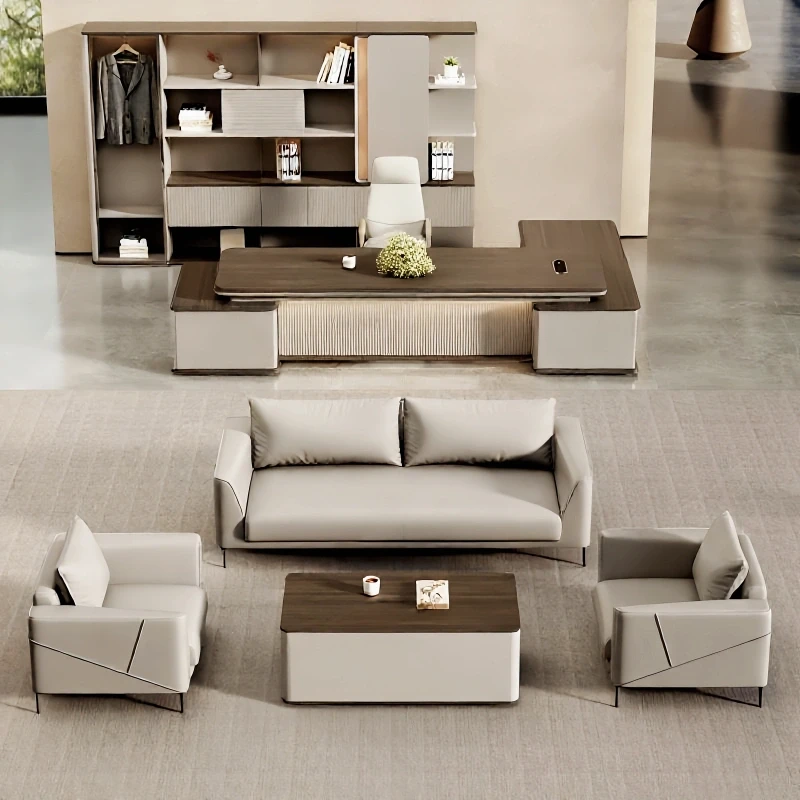
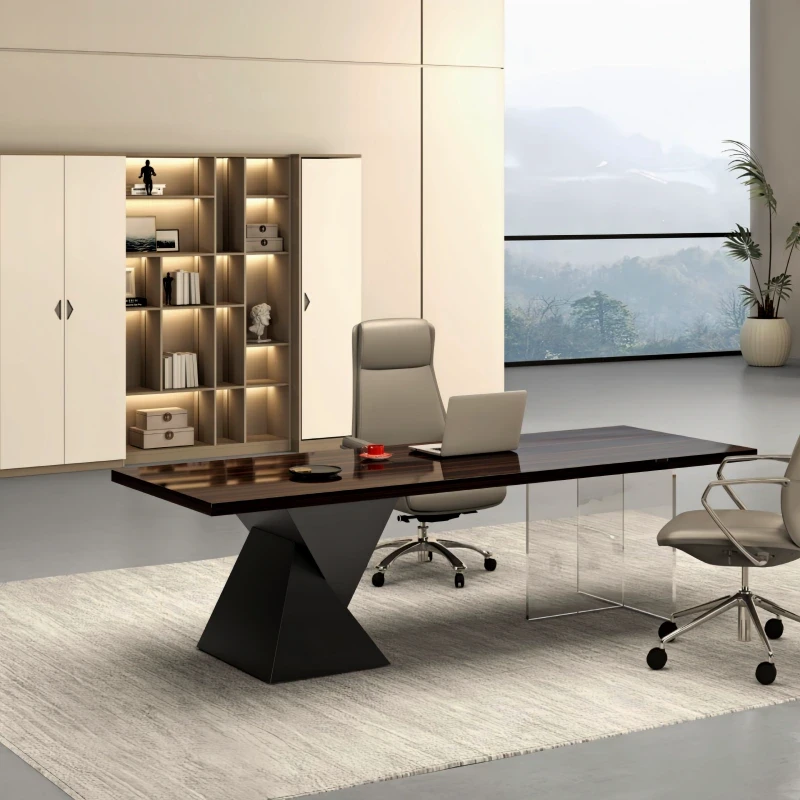


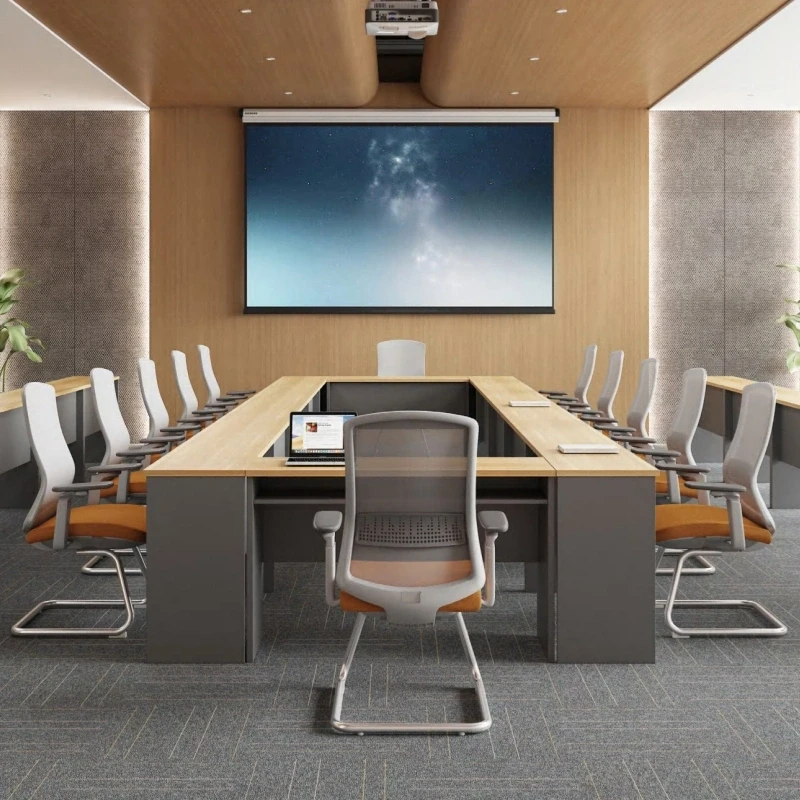
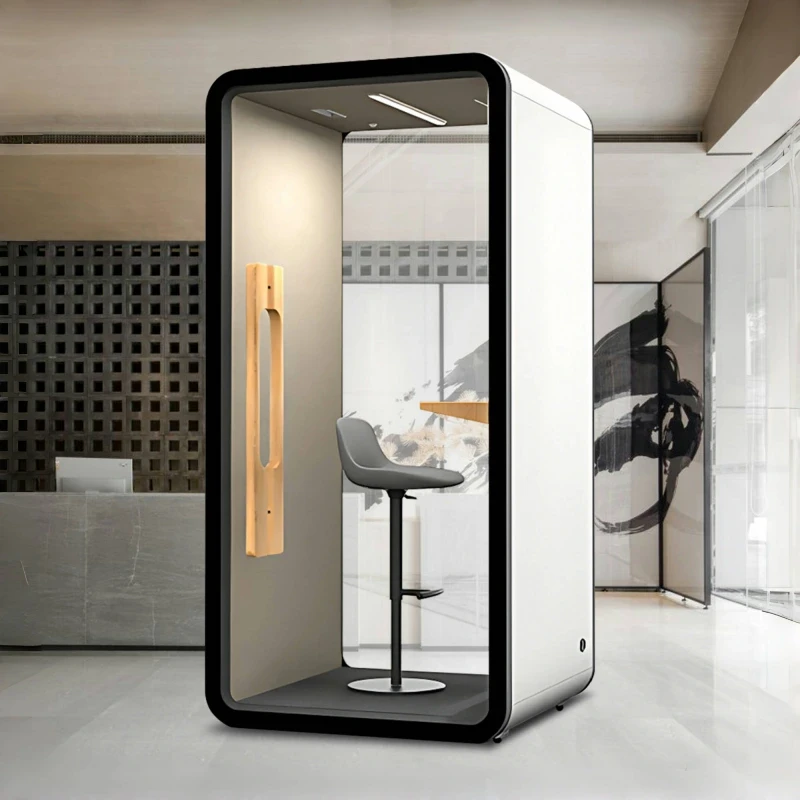
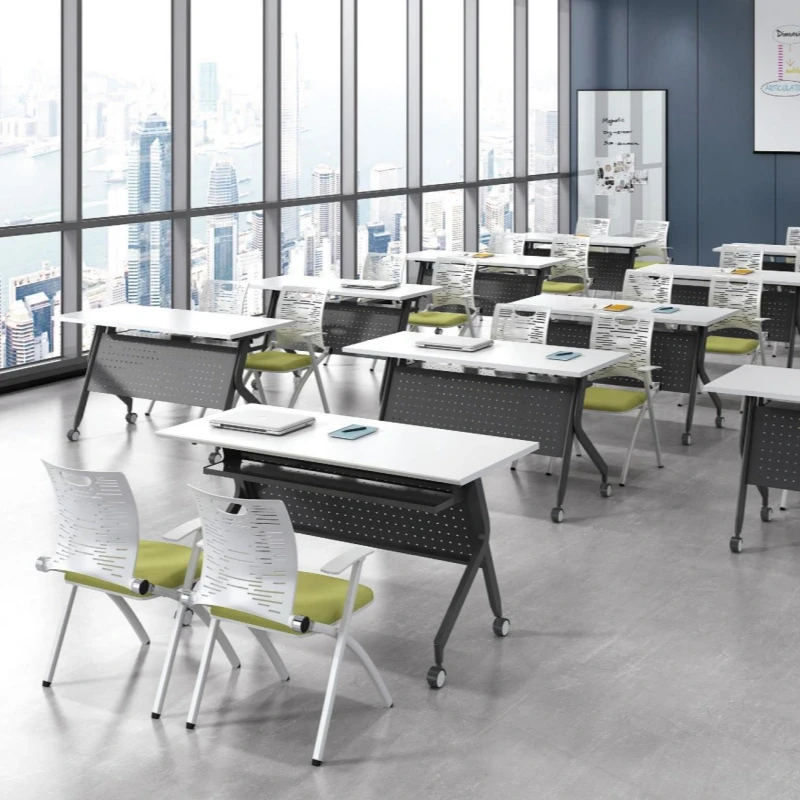
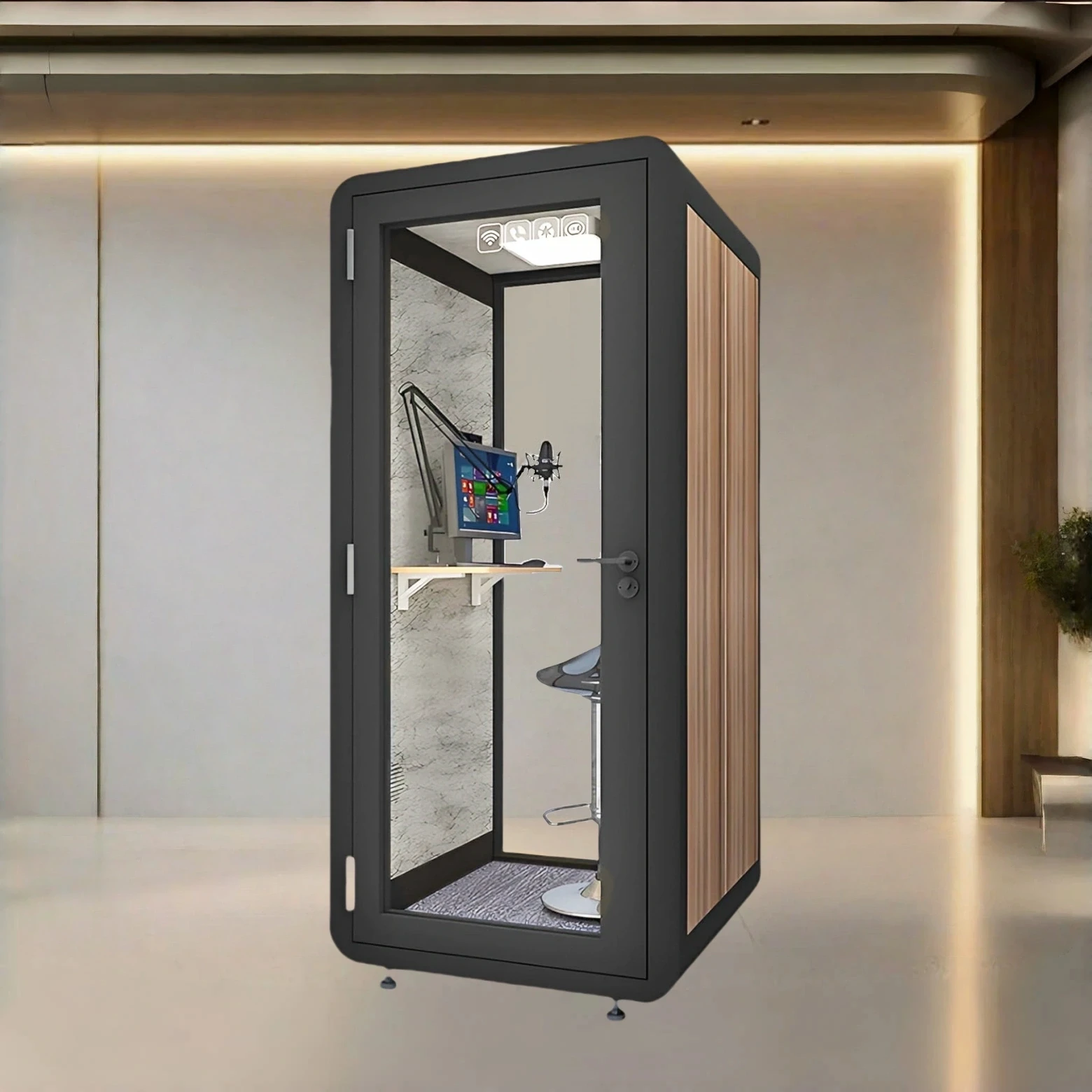
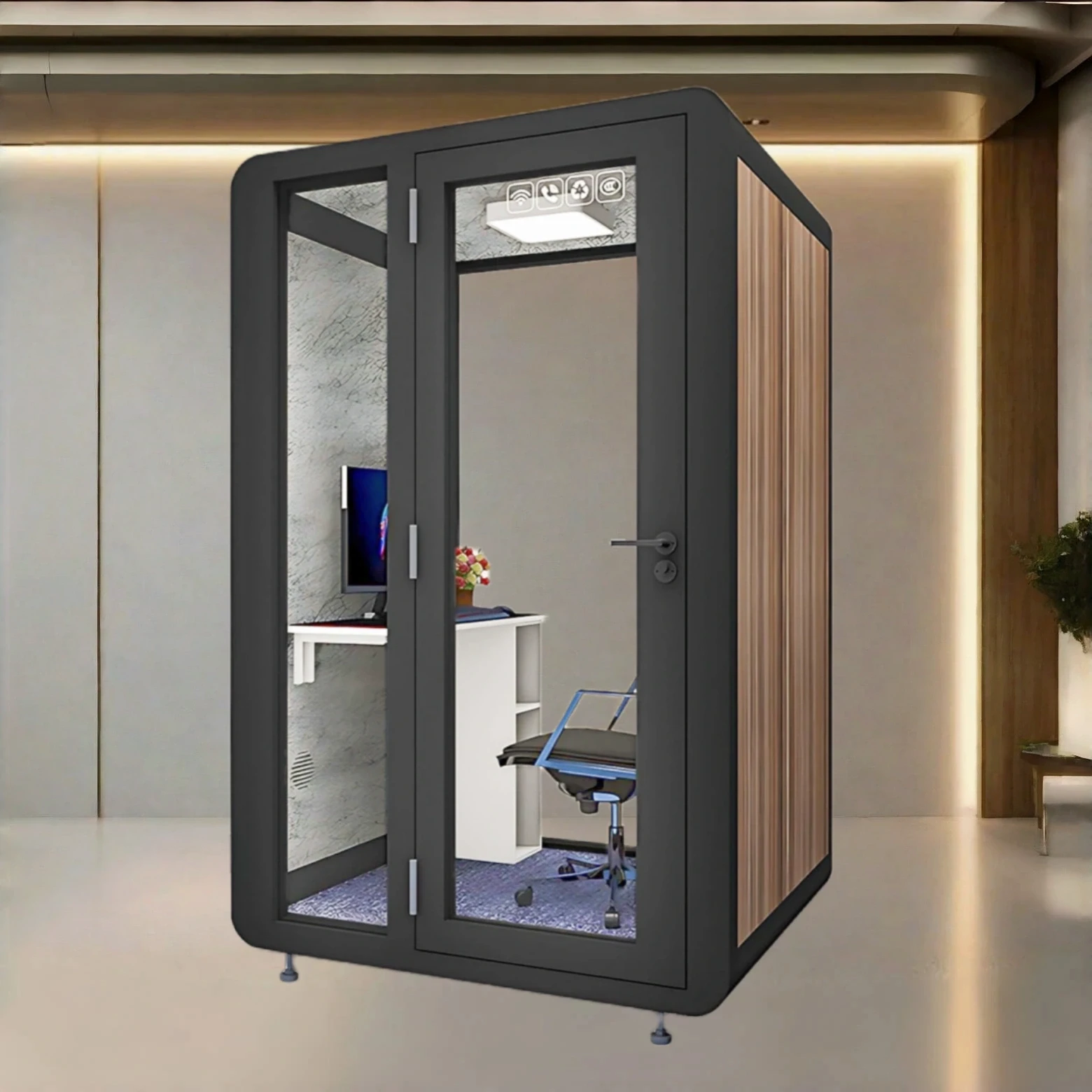
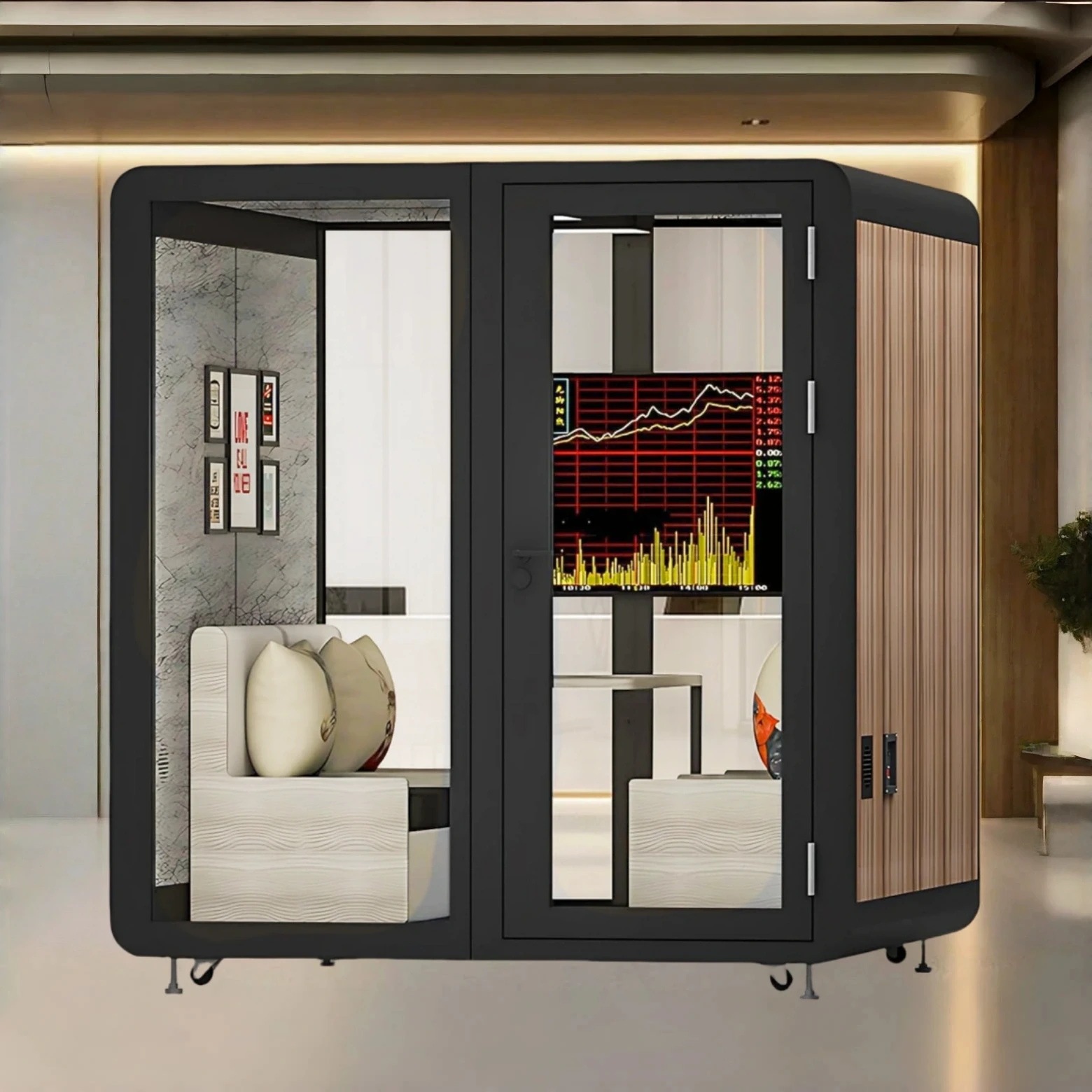
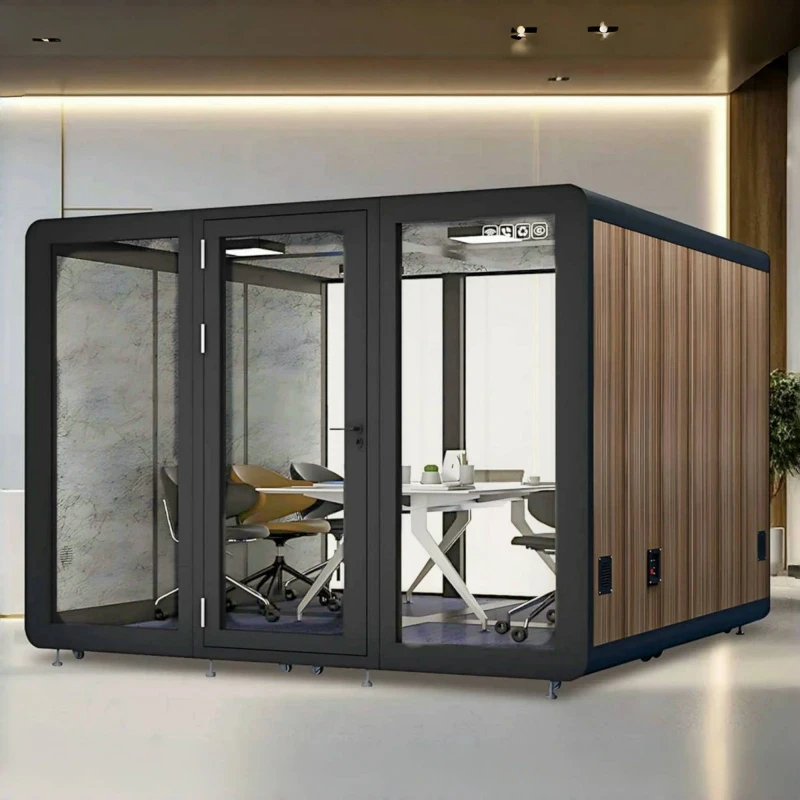
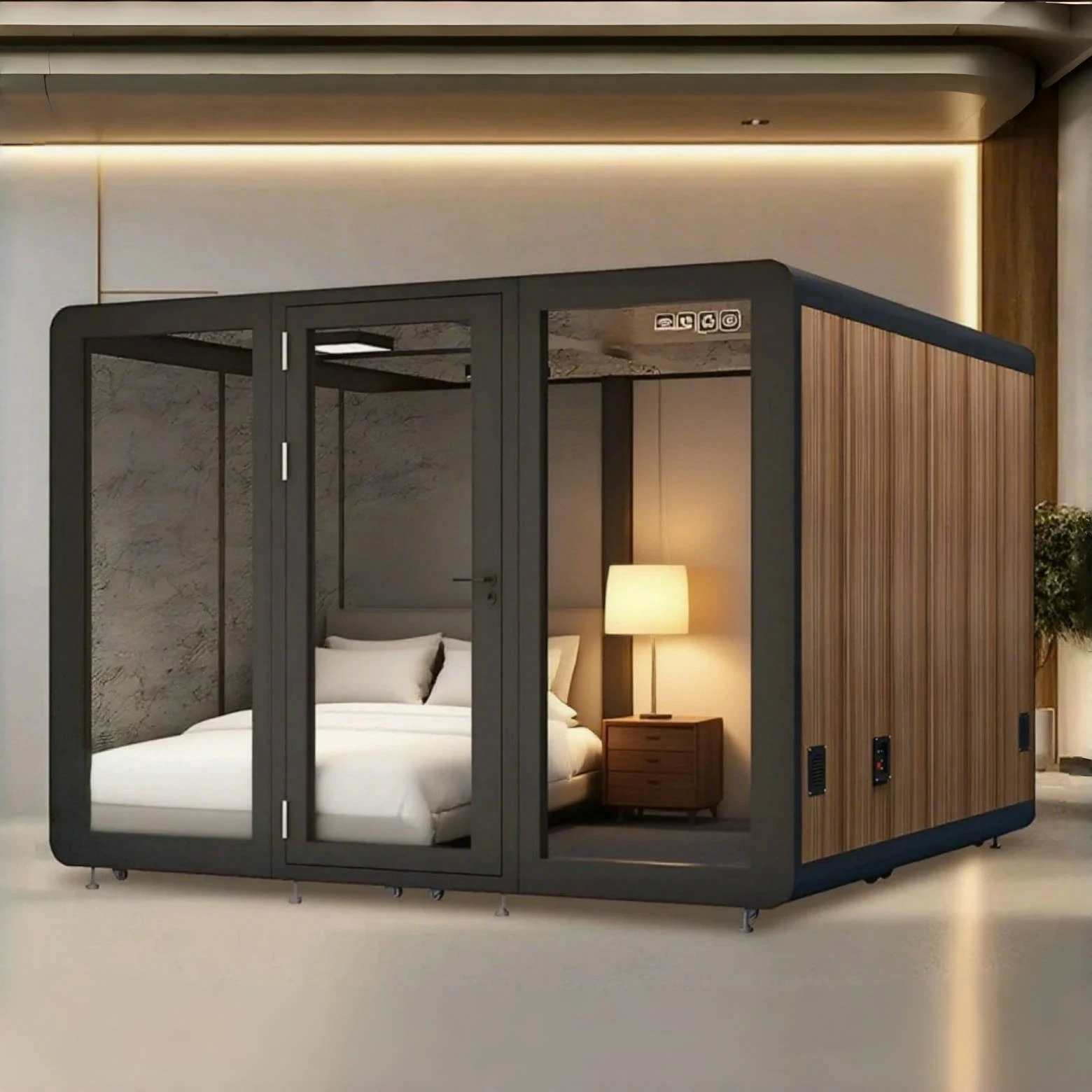


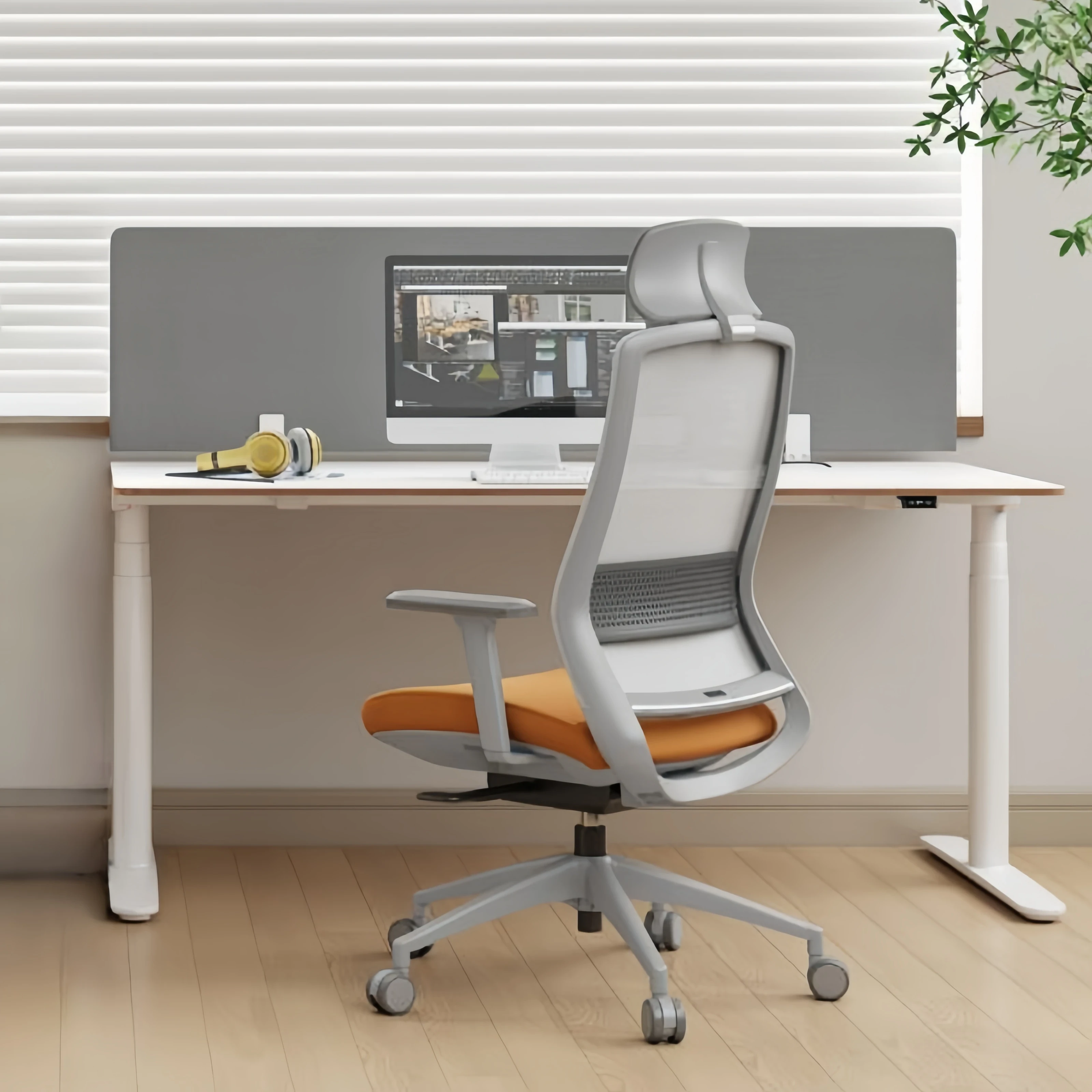


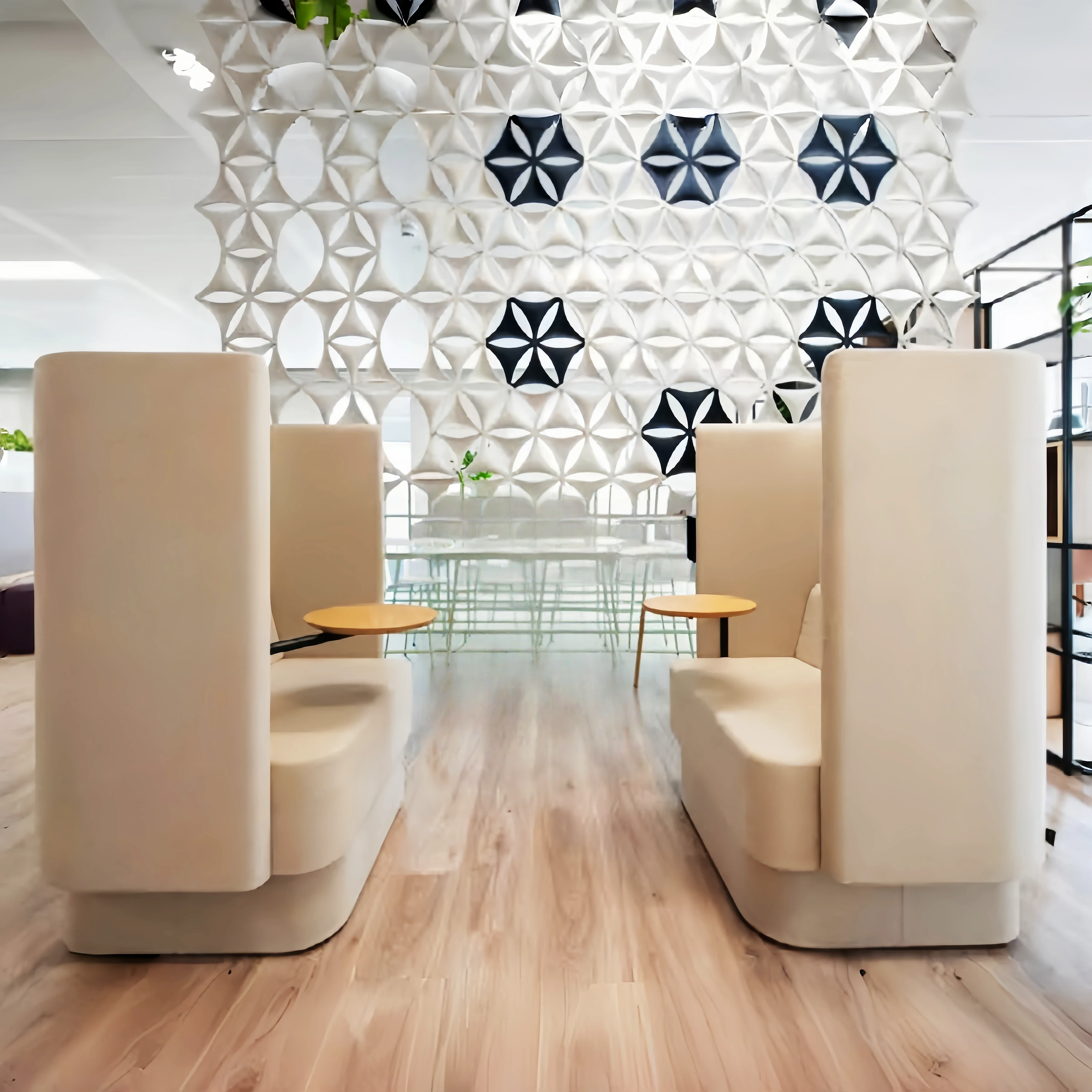

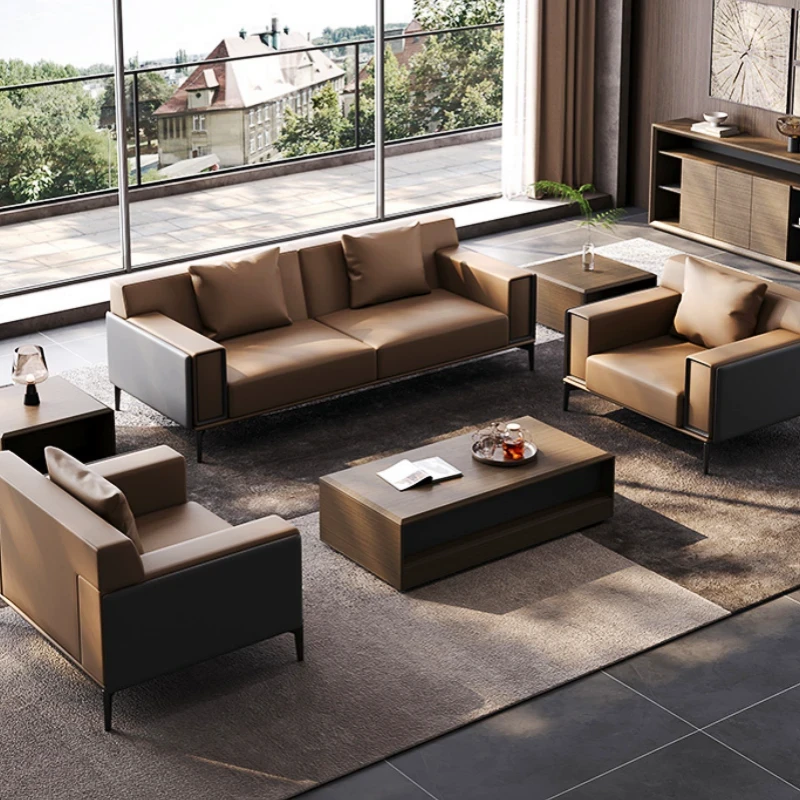
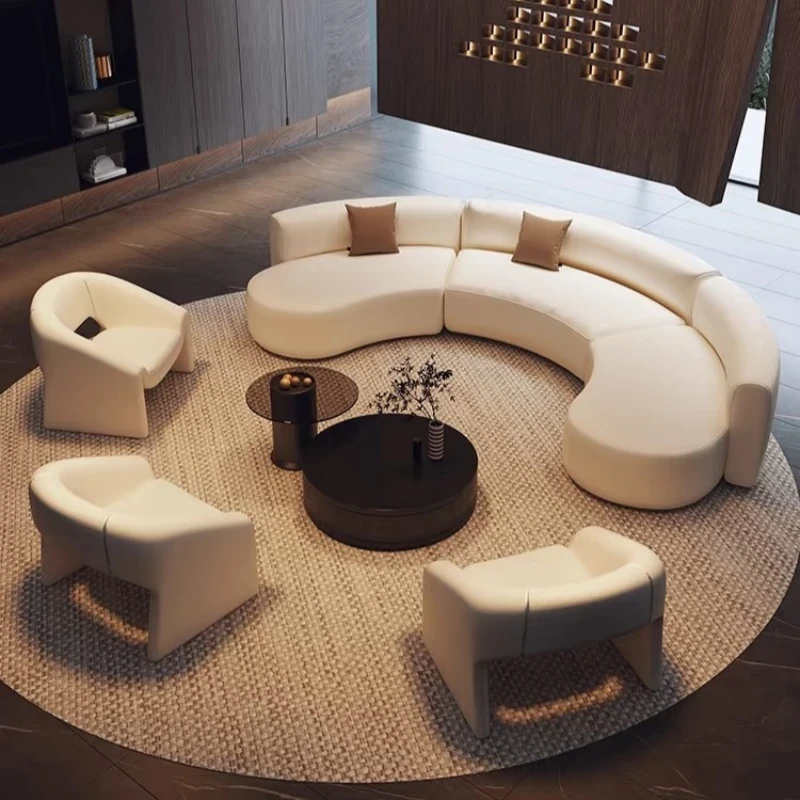
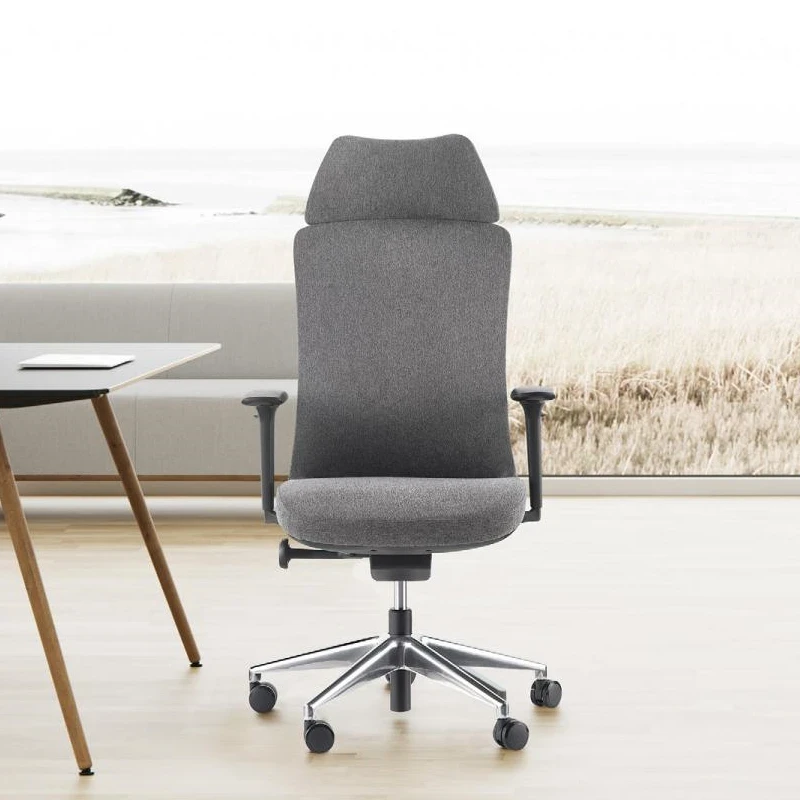


: When designing guest room furniture, making rational and efficient use of space is key to enhancing functionality.
Multifunctional Furniture: For example, foldable workbenches and hidden storage spaces can make the most of limited space. This design not only makes the room appear more spacious but also increases versatility.
Modular Design: Modular furniture can be adjusted according to guest needs, increasing room flexibility. This is especially important for smaller guest rooms, as it provides a more diverse accommodation experience.
2. Focus on Ergonomic Design :
Ergonomic design significantly improves furniture comfort and enhances the guest experience.
Seating and Beds: High-quality mattresses and ergonomic chairs greatly improve comfort. Adjustable headboards or angled chairs provide ideal support for working or relaxing in the room.
Desks and Workspaces: Considering the needs of business travelers, desks should be ergonomically designed and equipped with sufficient power outlets and lighting.
3. Comfortable Materials and Texture Selection:
The choice of furniture materials directly affects the guest's sensory experience; attention to detail should be paid to both touch and visual appeal.
Soft textiles: Using high-quality fabrics, such as Egyptian cotton or premium wool, can greatly enhance the luxury and comfort of guest rooms.
Eco-friendly materials: In today's increasingly environmentally conscious environment, using sustainable and non-toxic materials not only aligns with fashion trends but also reflects the brand's values.
4. Integration of smart functions :
With technological advancements, smart furniture has become an important means of enhancing guest room functionality.
Smart lighting and curtains: Through automated systems, guests can easily control room lighting and privacy. Smart curtains and dimmable lighting allow guests to create their ideal environment according to personal preferences. Smart
storage space: Smart technology can remind or assist guests in managing the storage of personal belongings, improving the stay experience.
5. Unity of aesthetics and style :
The aesthetics of furniture design and its coordination with the overall hotel style directly affect guests' first impressions and overall experience.
Harmony of color and design: The color scheme and style of furniture should be consistent with the room's interior design and overall decorative theme to create a harmonious visual effect.
Brand personality and cultural elements: Furniture design reflects the hotel's brand personality and local culture, enhancing uniqueness and brand memorability.
Conclusion:
By carefully designing and selecting suitable furniture, five-star hotels can significantly improve the comfort and functionality of their guest rooms. This not only provides guests with an exceptional stay experience but also enhances the hotel's brand image and competitiveness. In the future, with the continuous development of technology and design, innovative furniture design will continue to play a vital role in improving the hotel room experience.