
 USD
USD GBP
GBP
 EUR
EUR
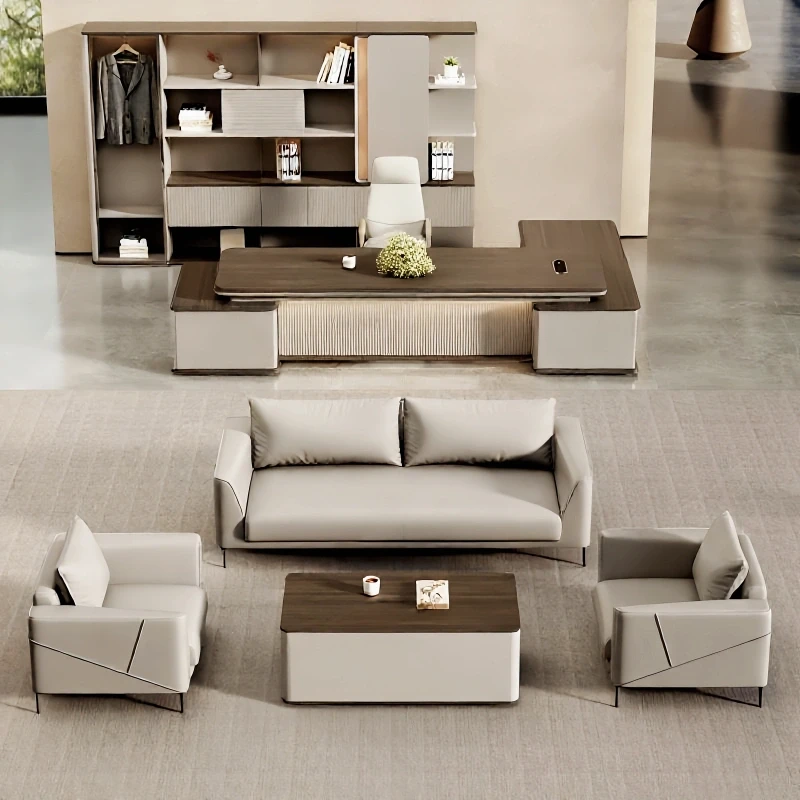
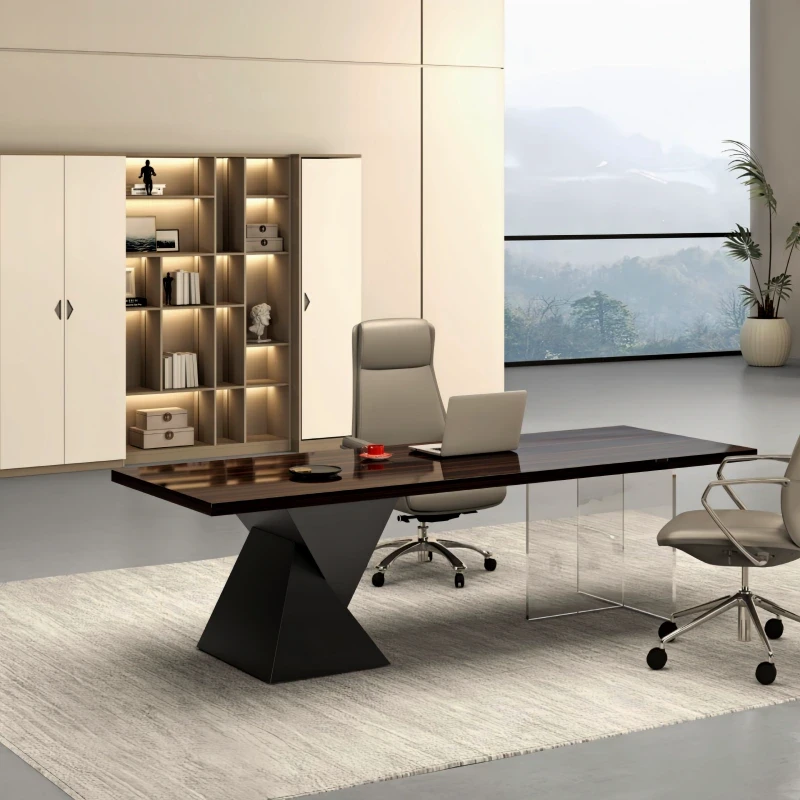


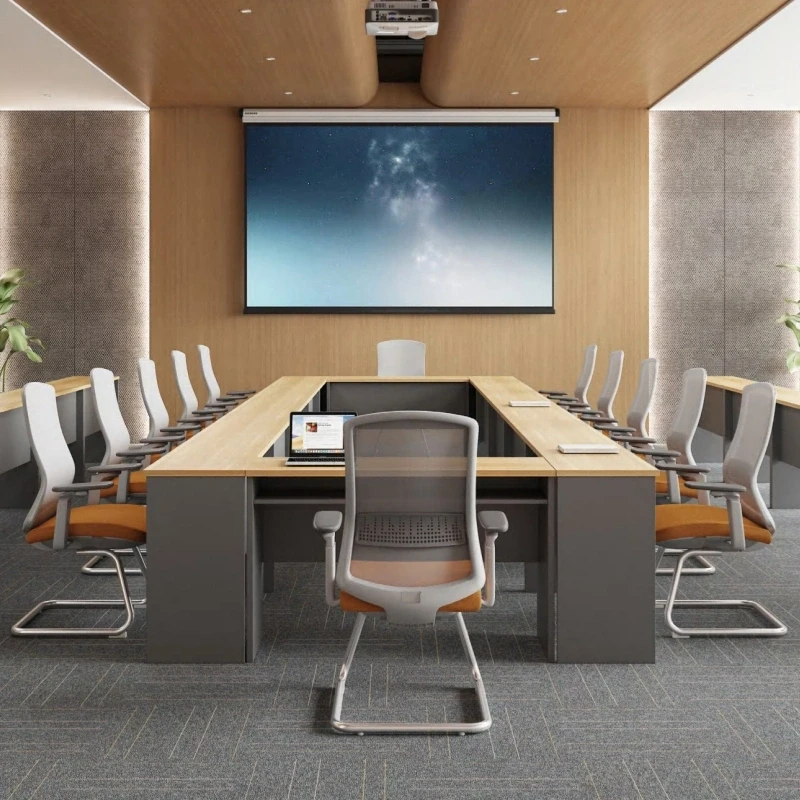
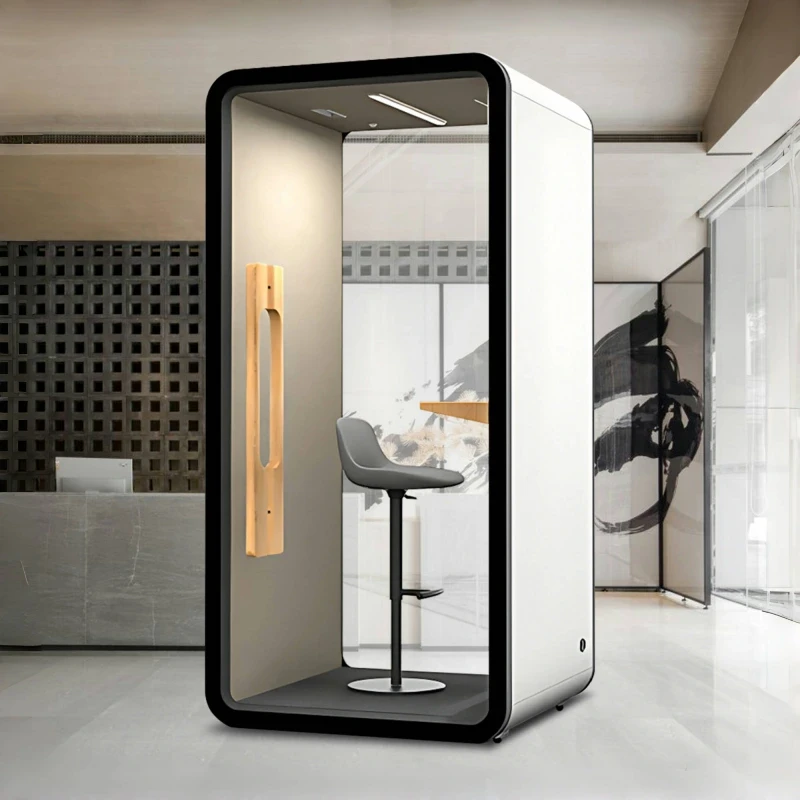
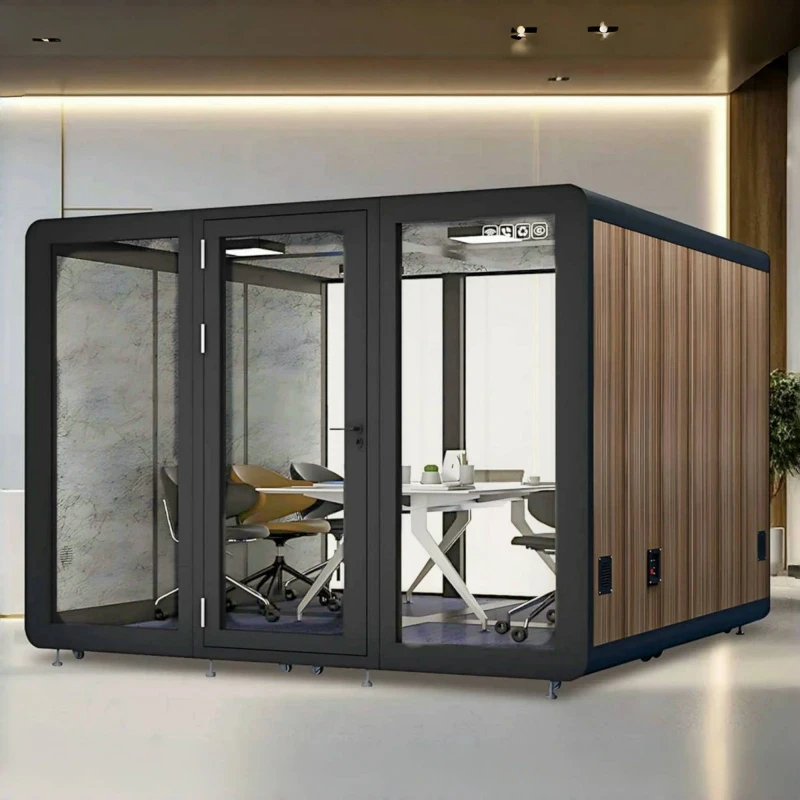
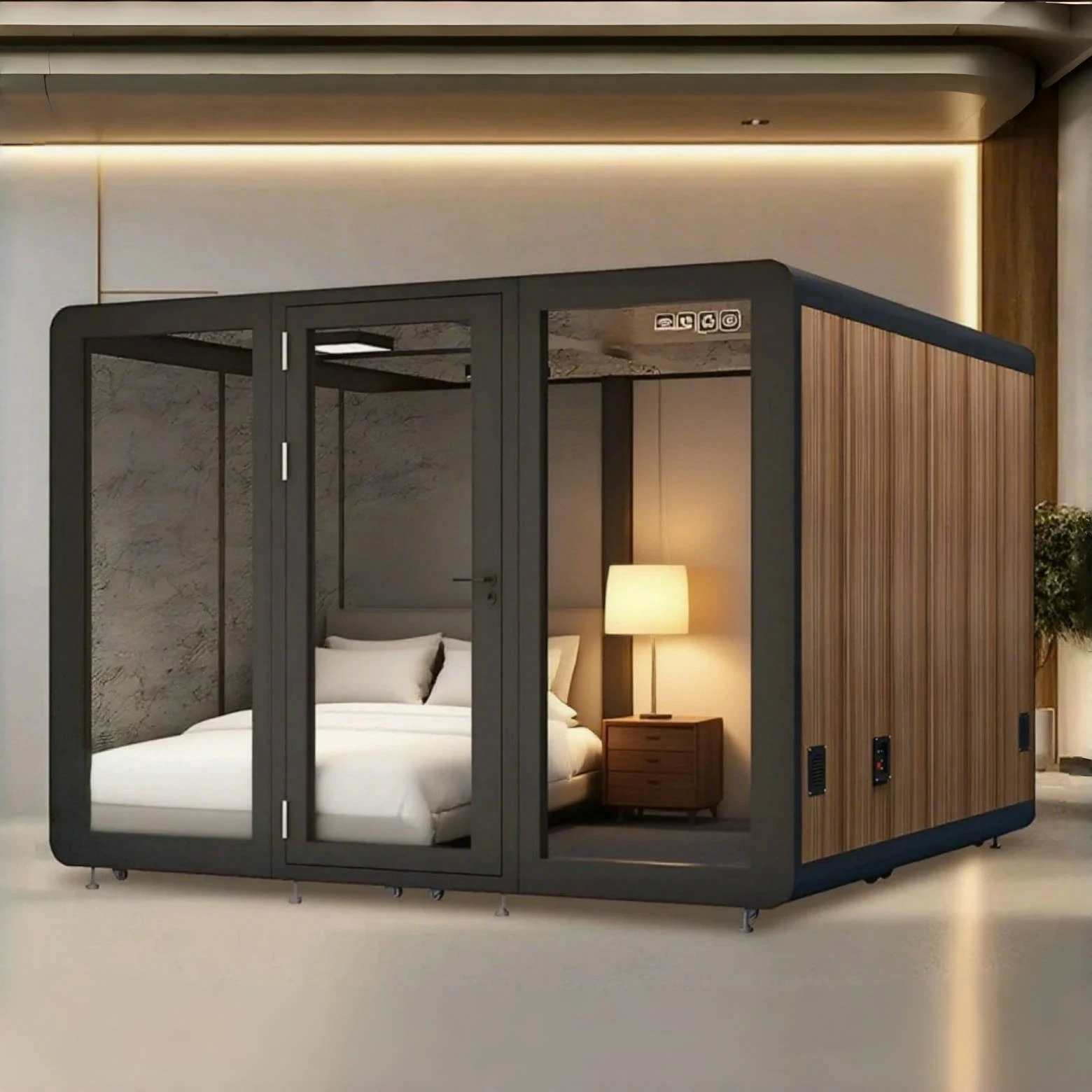


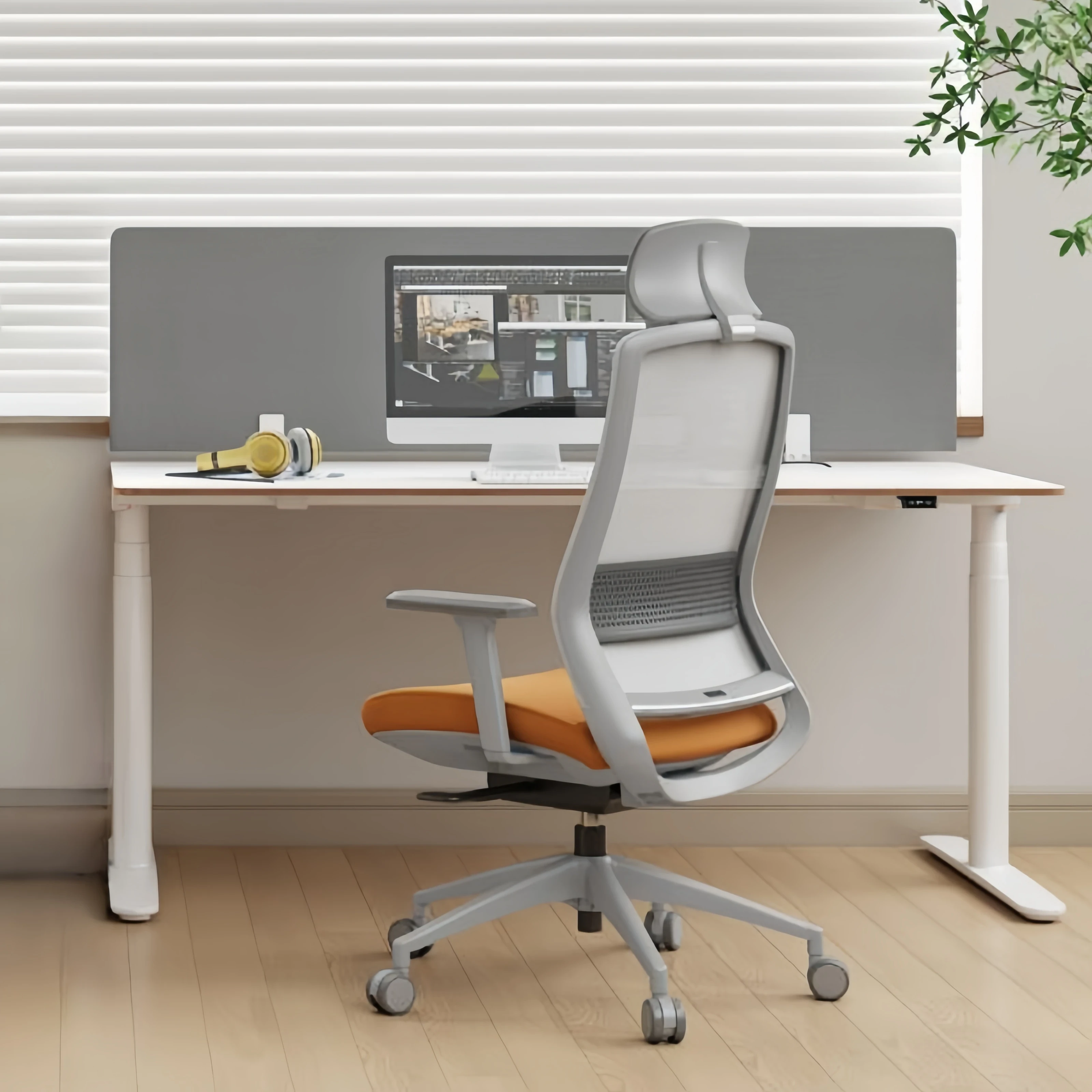


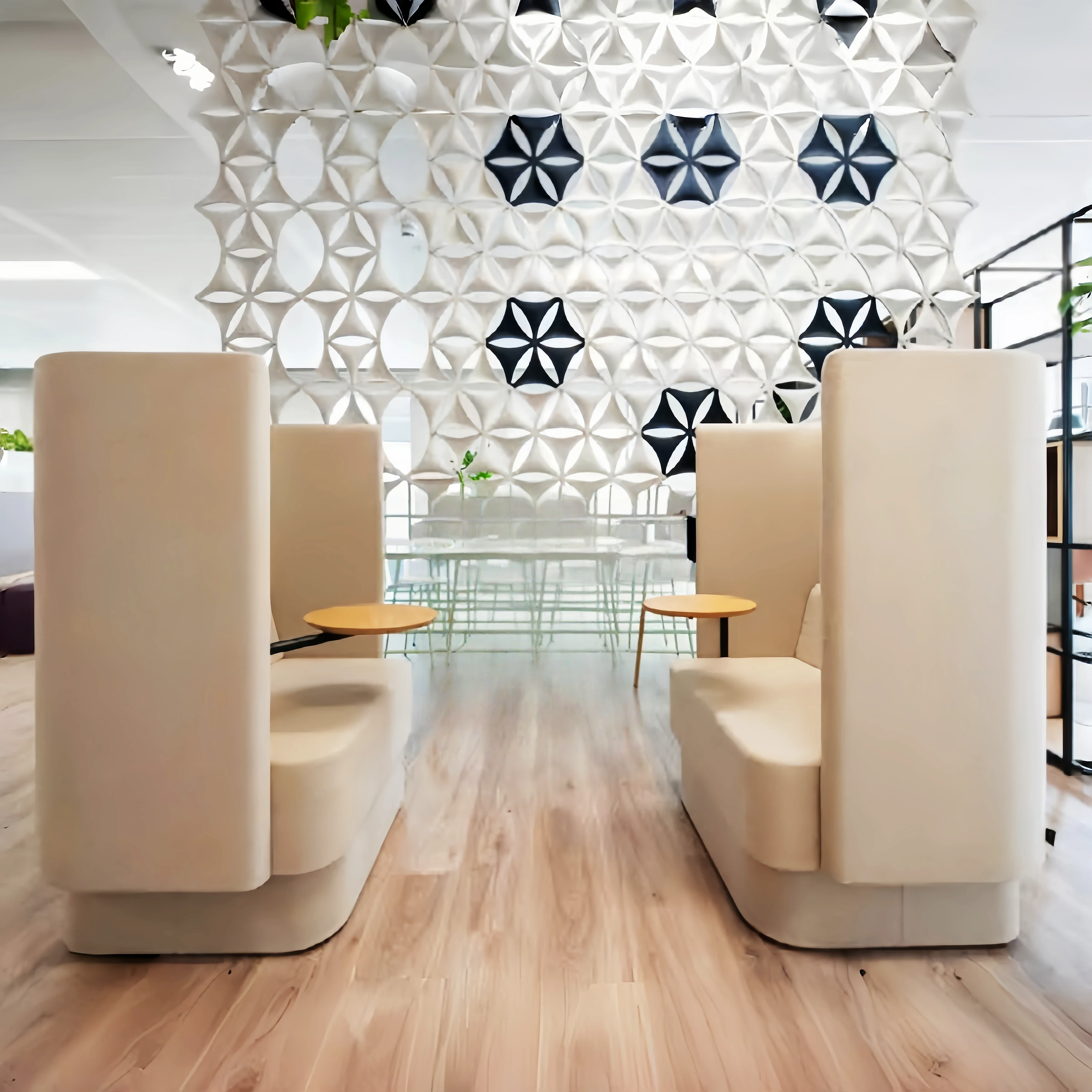

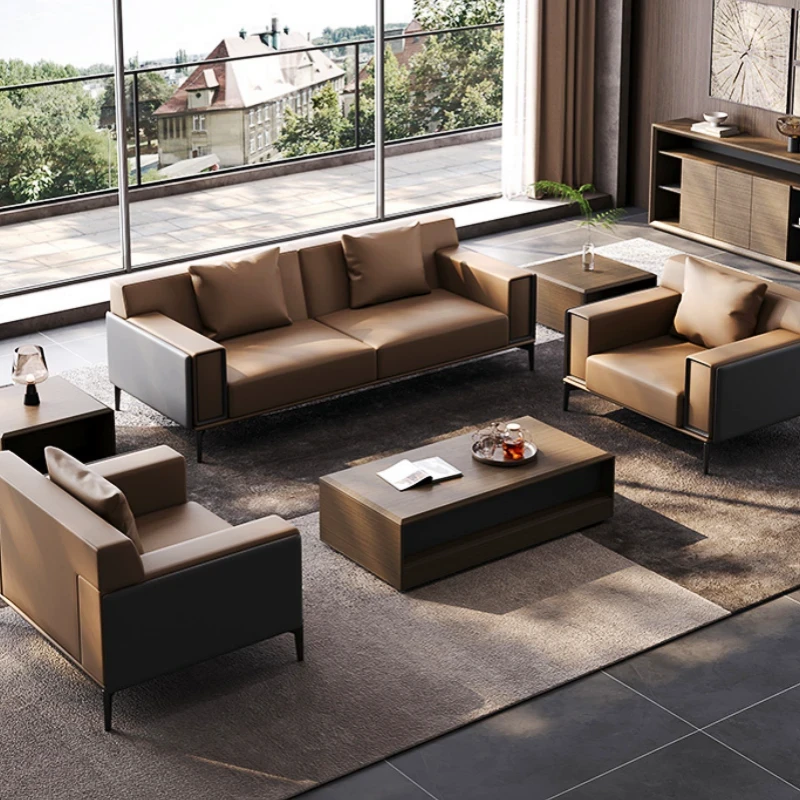
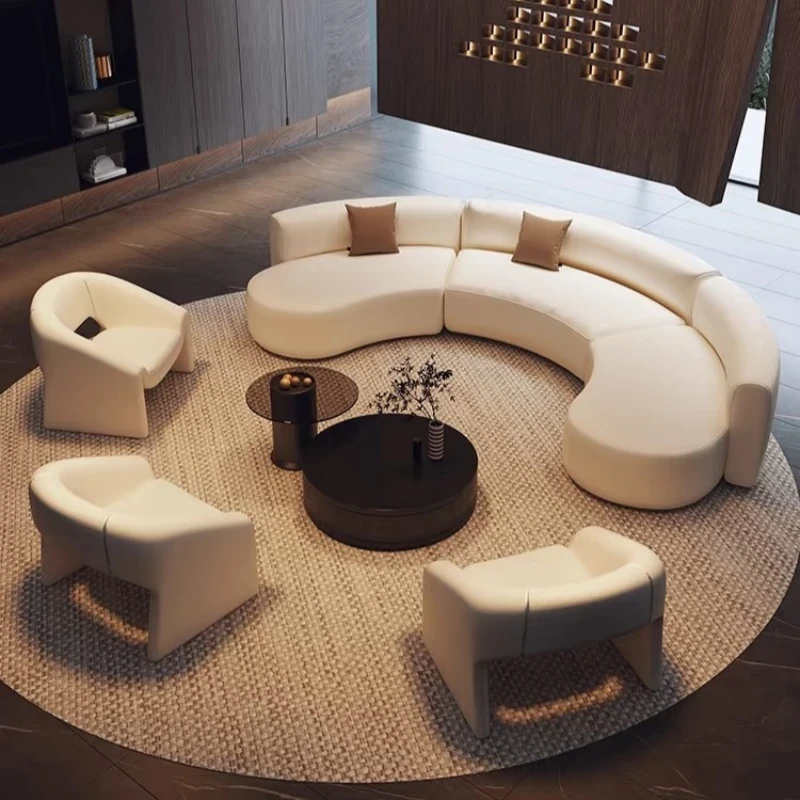
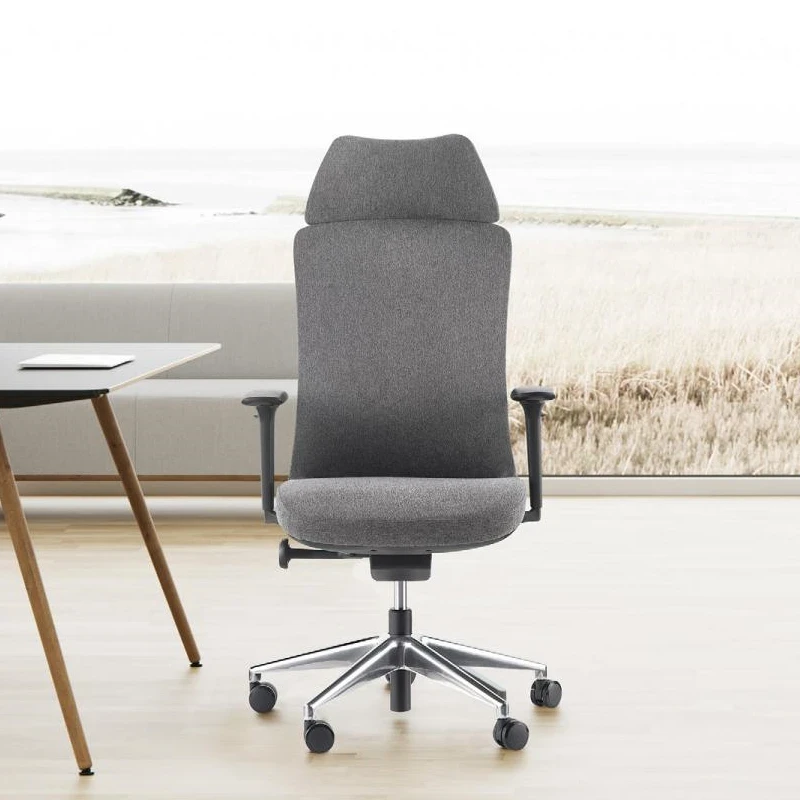


: 1. Hotel Theme and Positioning
: The overall theme and market positioning of the hotel are the primary factors determining the furniture design style. Business hotels typically require a minimalist, modern furniture style to convey a professional and efficient atmosphere. Resort hotels, on the other hand, may prefer a more natural and welcoming design style to enhance relaxation and enjoyment. Boutique hotels may choose unique art-style furniture to highlight individuality and taste.
2. Customer Preferences:
Understanding the preferences of the target customer group can help the hotel design furniture more effectively. Younger customers may prefer modern and fashionable furniture styles, while older customers may prefer traditional and classic designs. In addition, cultural background also influences guests' aesthetic preferences, so for international hotels, furniture that integrates multiple cultural styles may be more appropriate.
3. Coordination and Unity
: The furniture style between public areas and guest rooms should be coordinated and unified to give a sense of wholeness. At the same time, the design style of different room types, such as standard rooms, suites, and deluxe suites, should be consistent, but there can be differences in details to meet the needs of different levels of guests. Functional
Requirements:
1. Durability and Ease of Maintenance:
Hotel furniture is used frequently, so durability and ease of maintenance are important considerations when selecting it. 1. **Materials Selection:** Materials should be sturdy and durable, and surface treatments should facilitate cleaning to reduce daily maintenance and lower operating costs. Wear resistance is particularly important in public areas such as open lobbies and restaurants.
2. **Comfort and Ergonomics:
** Furniture comfort directly impacts the guest experience. Seats, mattresses, and other furniture need to be ergonomically designed to provide optimal support and comfort. Furthermore, the size of the furniture should be appropriate to ensure comfort for guests of different body types.
3. **Multifunctionality and Flexibility:**
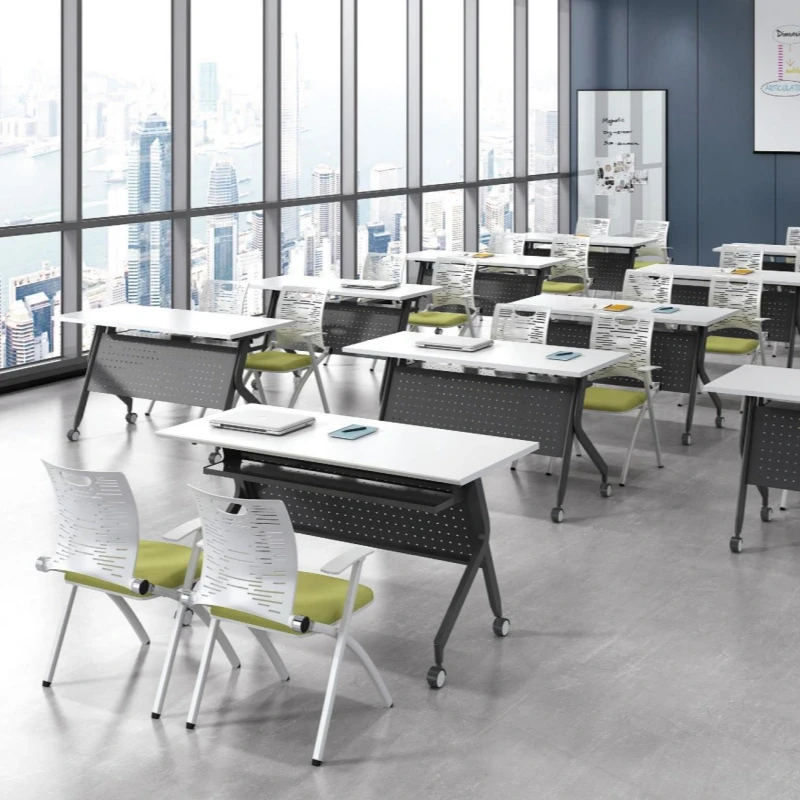
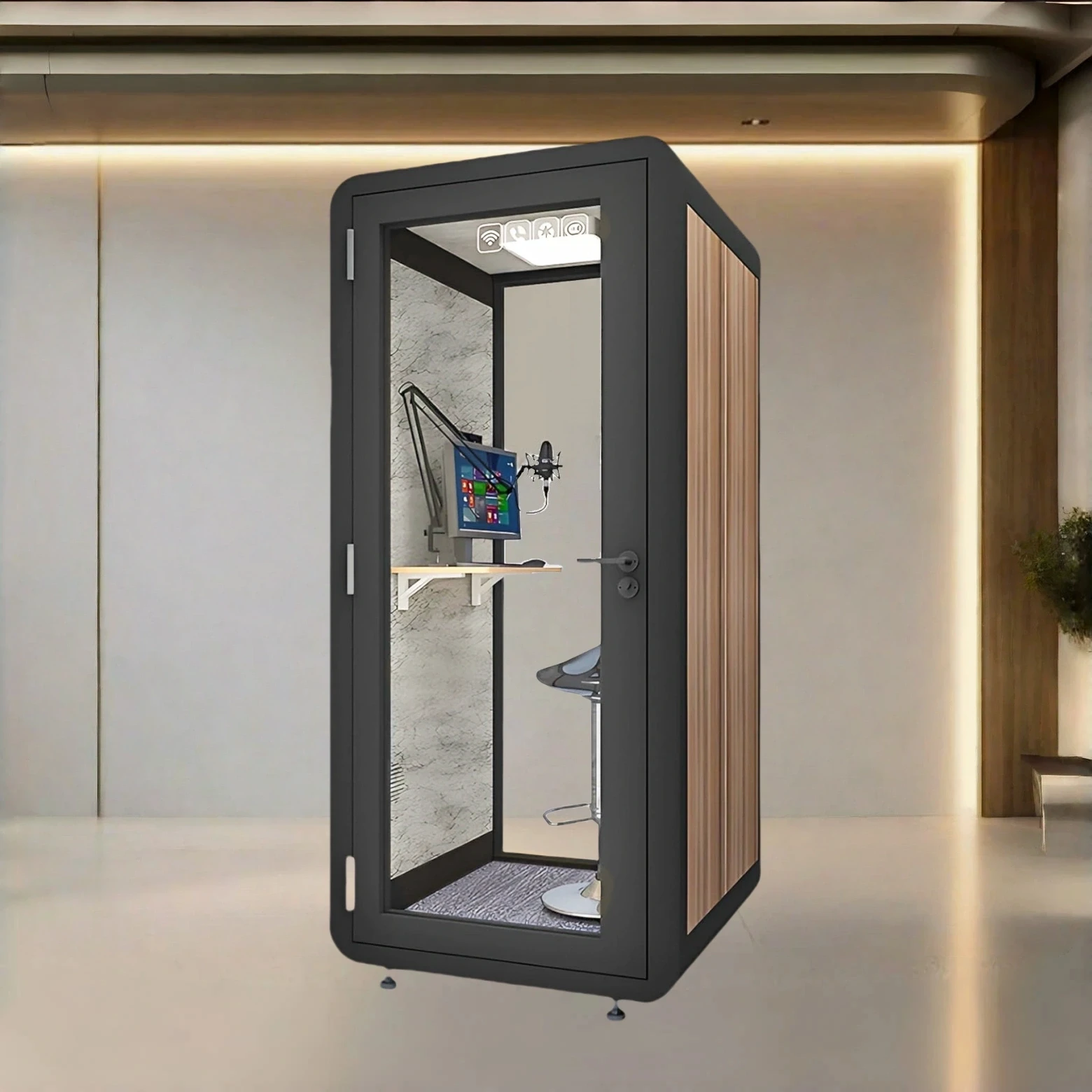
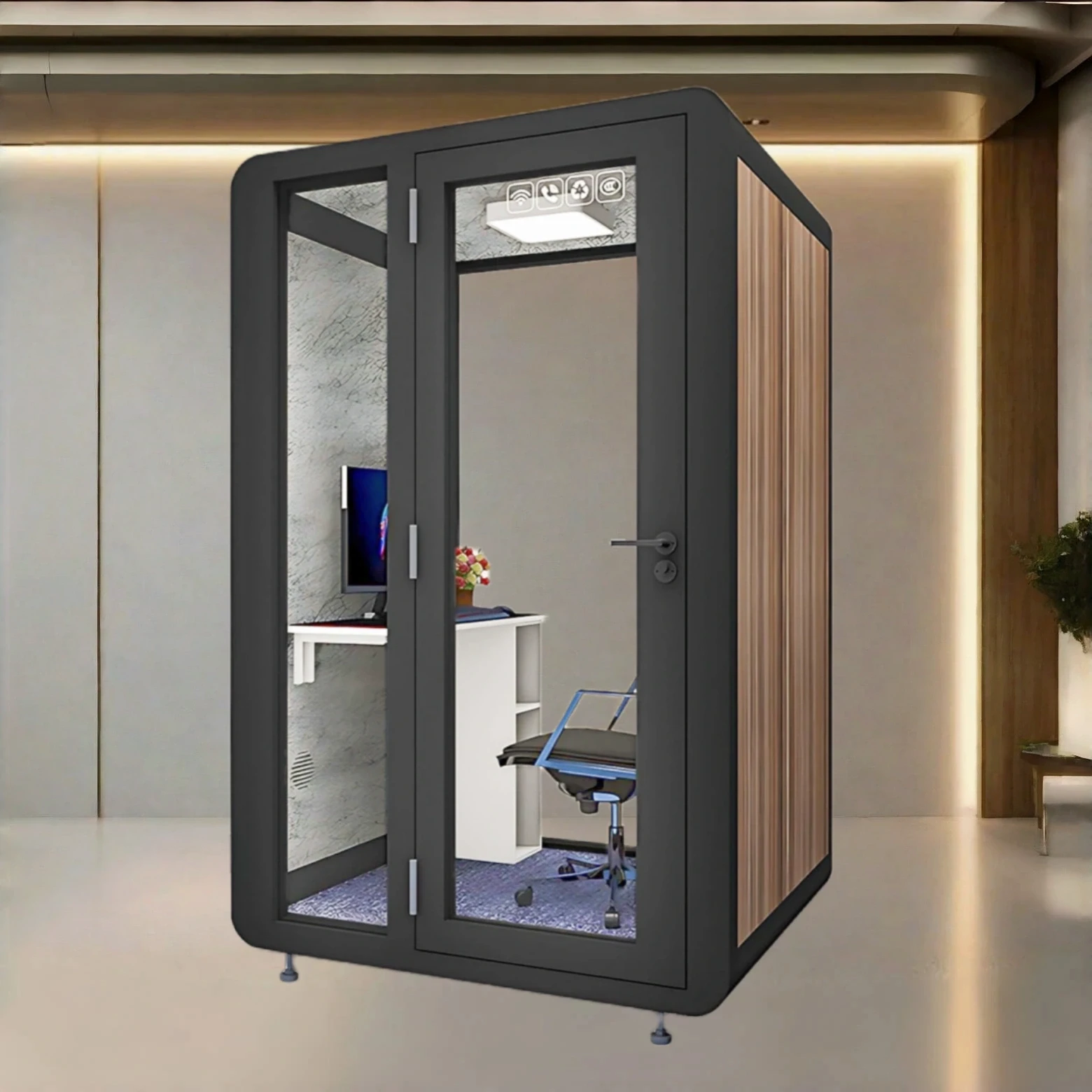
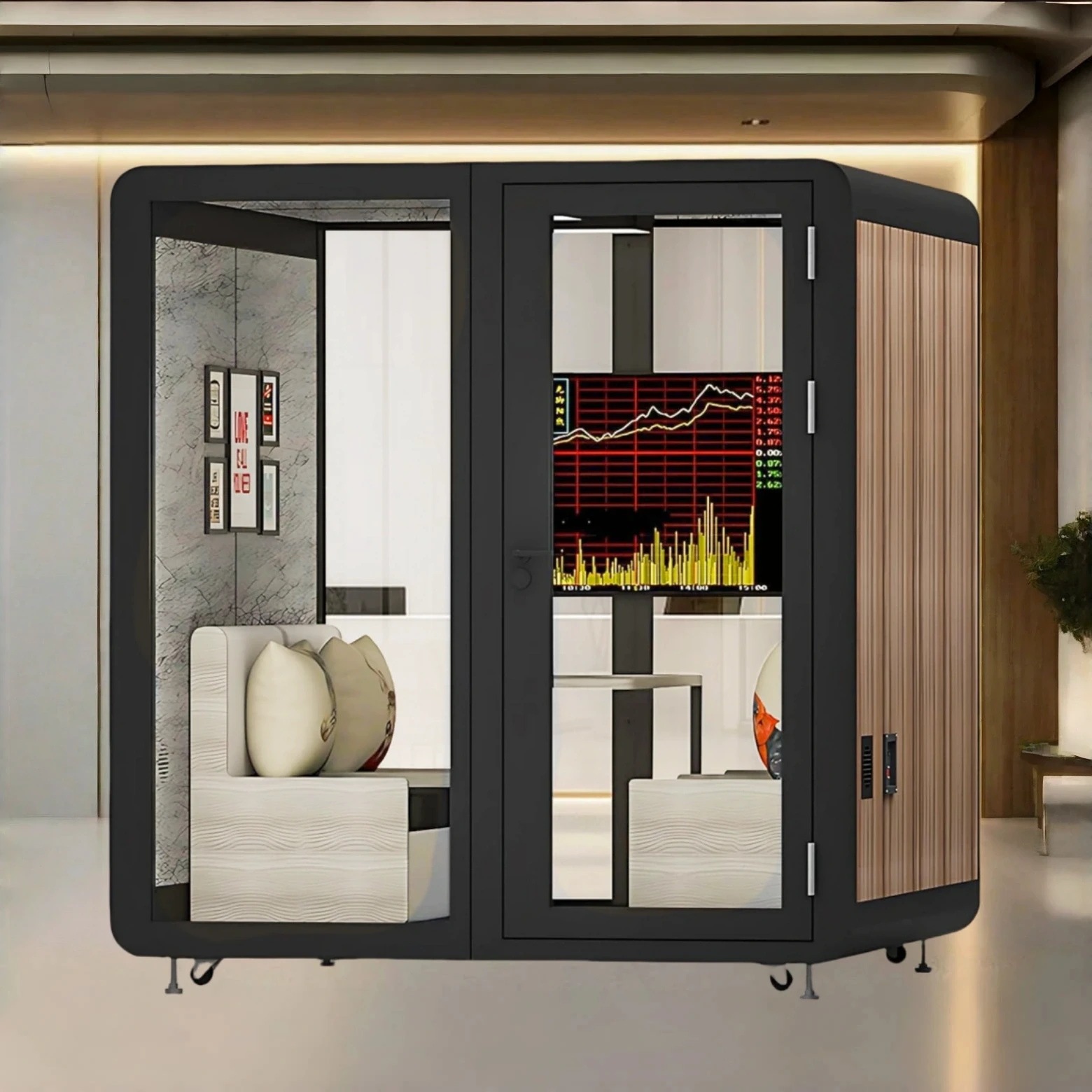
Modern hotels increasingly favor multifunctional and flexible space designs, and furniture selection should align with this trend. For example, sofa beds and folding tables and chairs can help hotels improve room utilization without increasing space. Modular furniture designs can be adjusted for layout and flexible application in different settings.
Conclusion:
Considering both design style and functional needs when selecting hotel furniture is key to enhancing the hotel's image and customer satisfaction. Appropriate design styles can create a unique hotel atmosphere, while choosing functional furniture that meets practical needs ensures a lasting comfortable experience. Ultimately, the right choice of hotel furniture will provide guests with an unparalleled stay experience and also enhance the hotel's image.