
 USD
USD GBP
GBP
 EUR
EUR
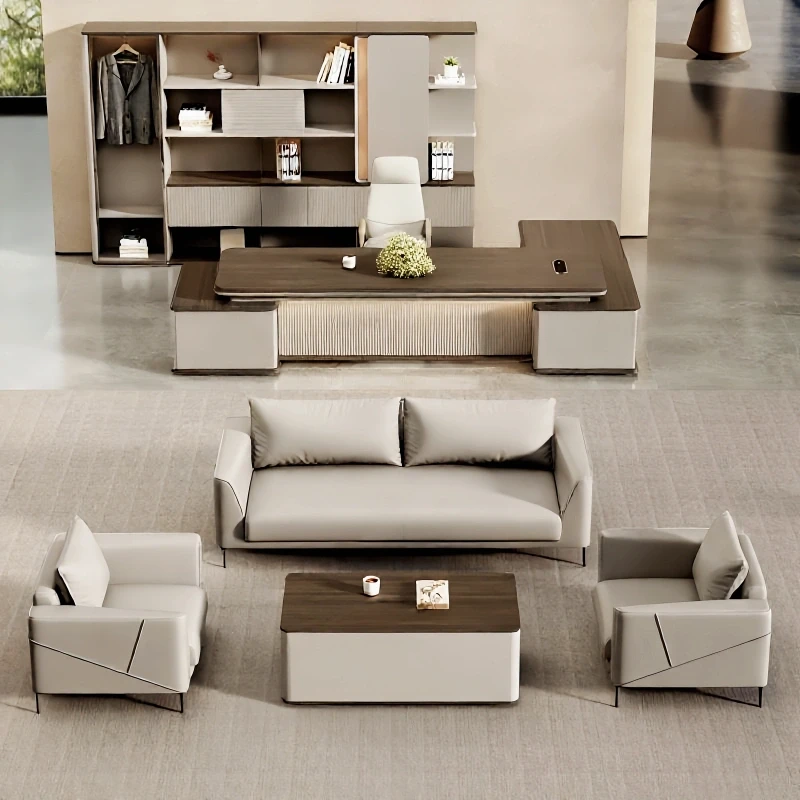
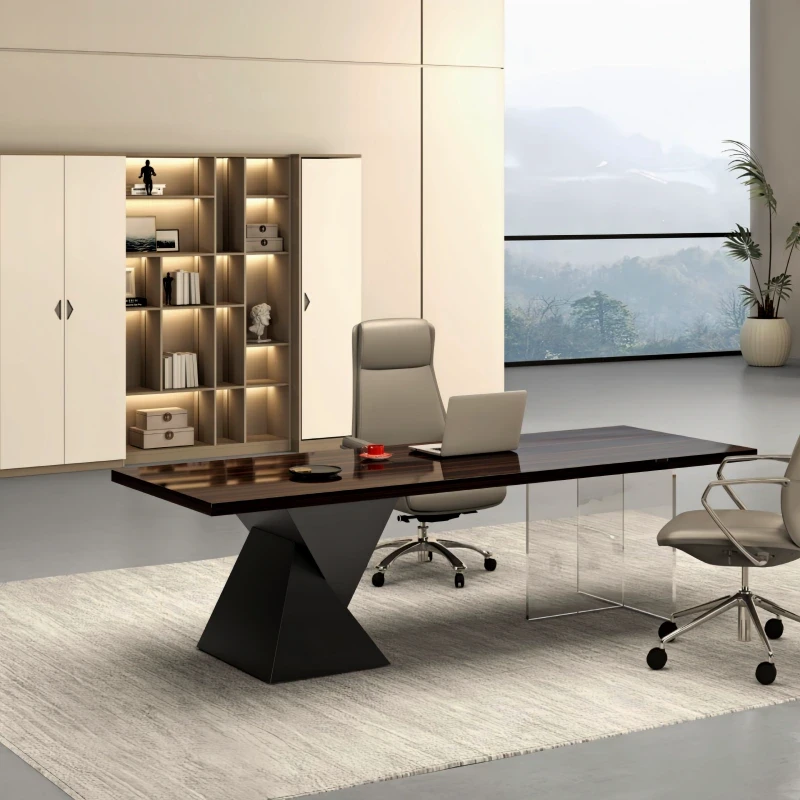


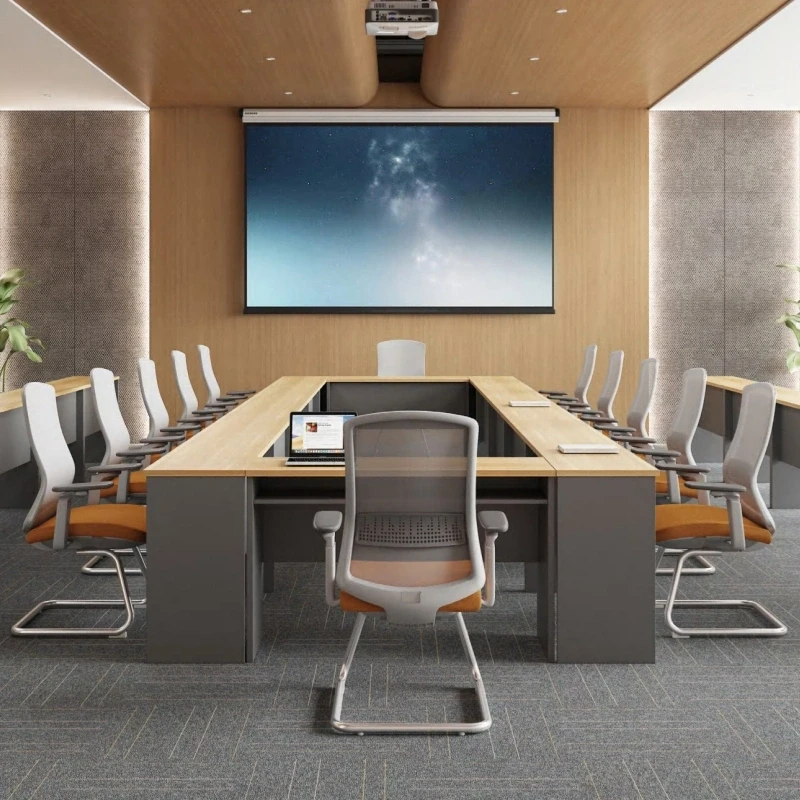
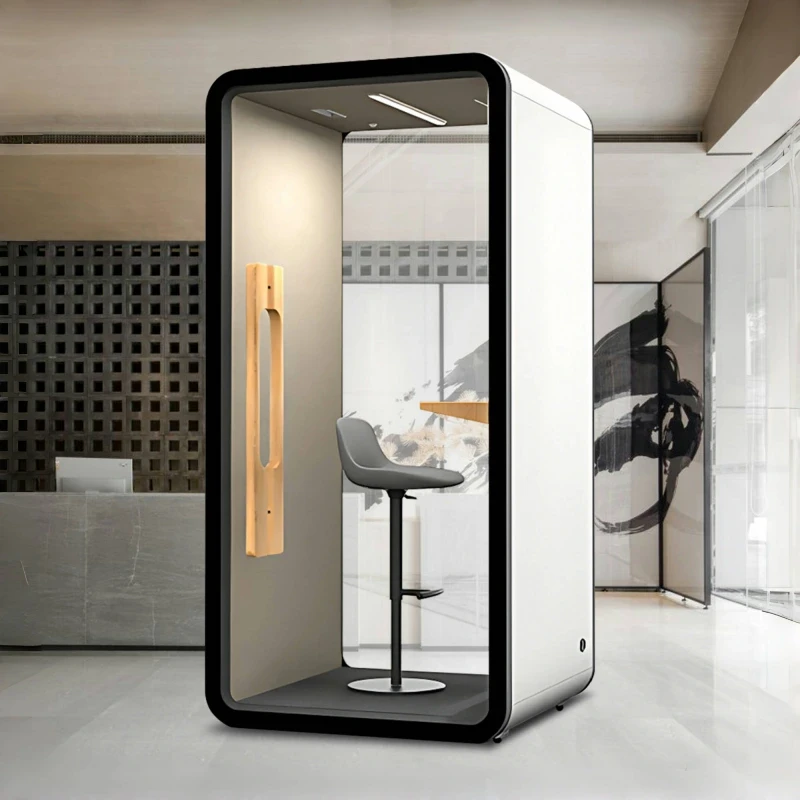
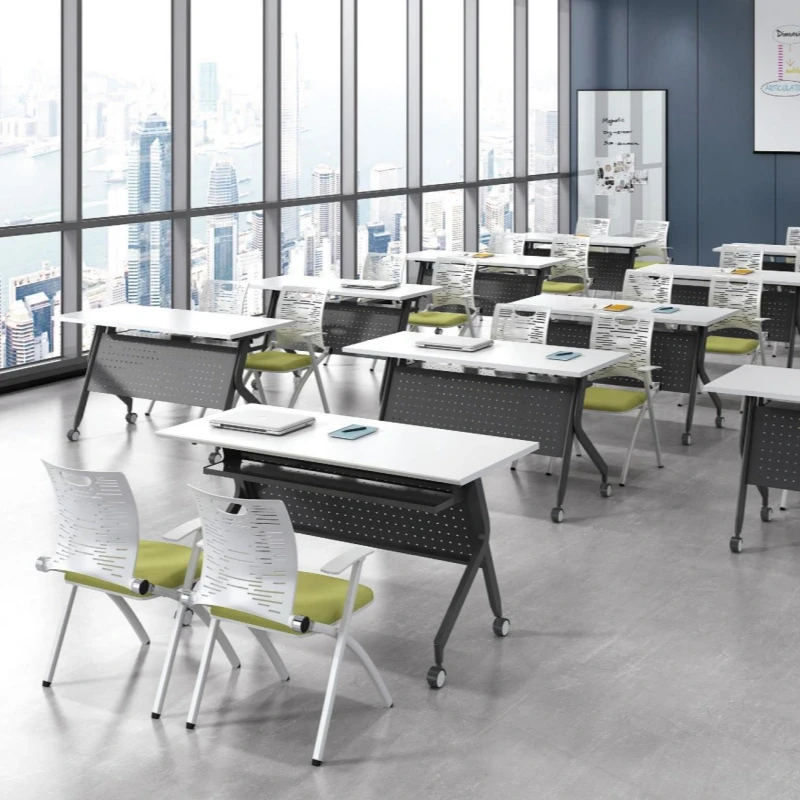
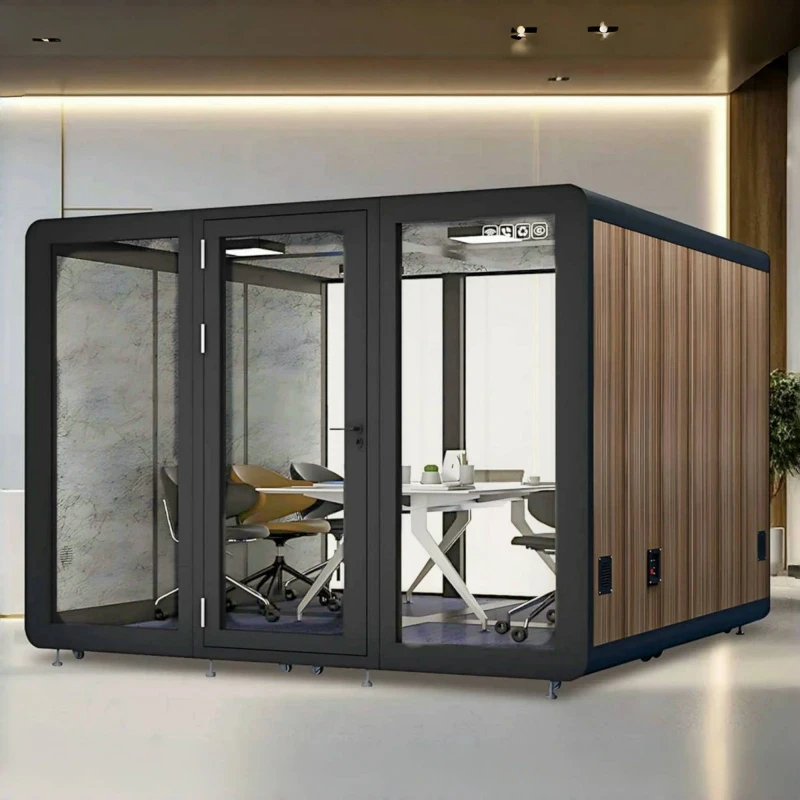
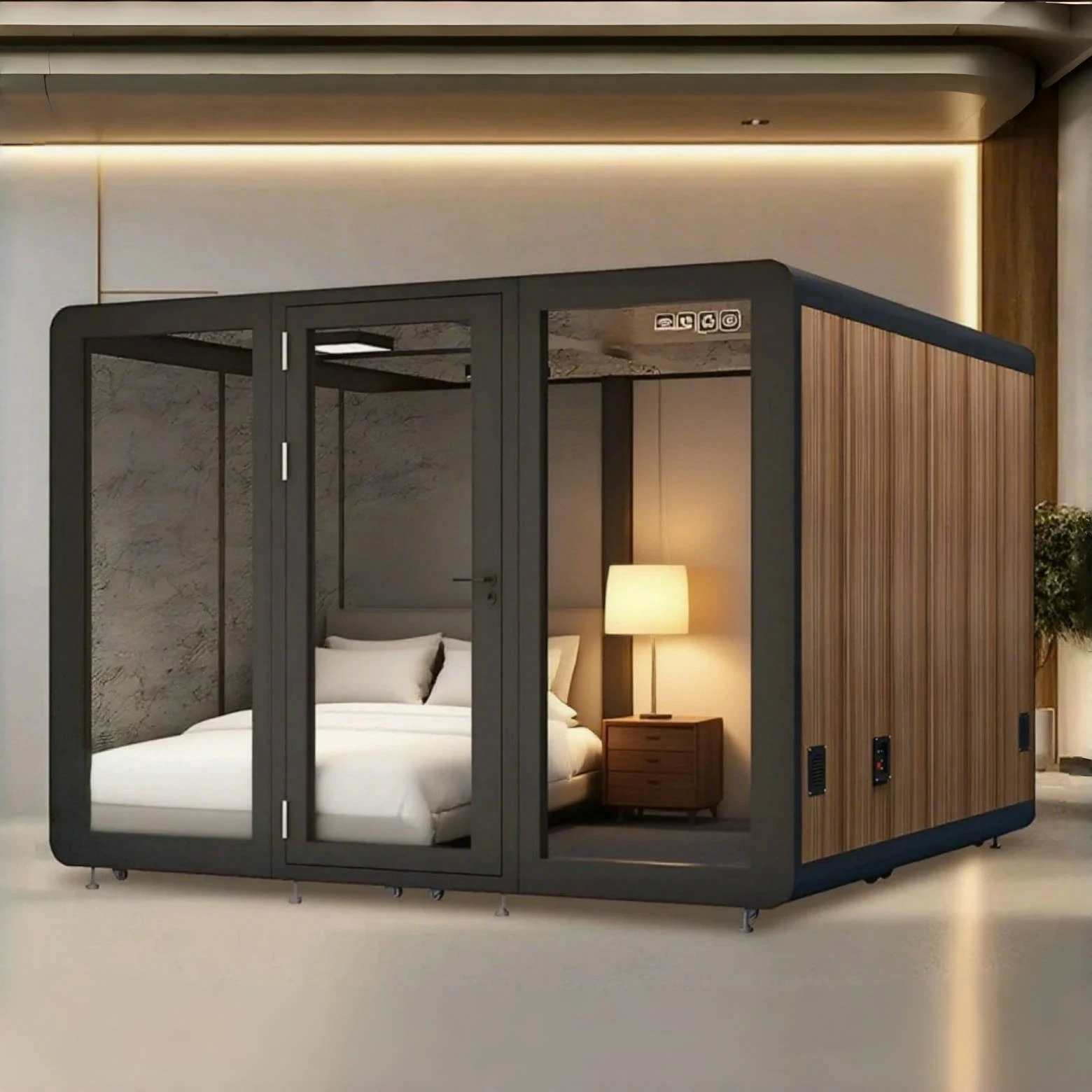


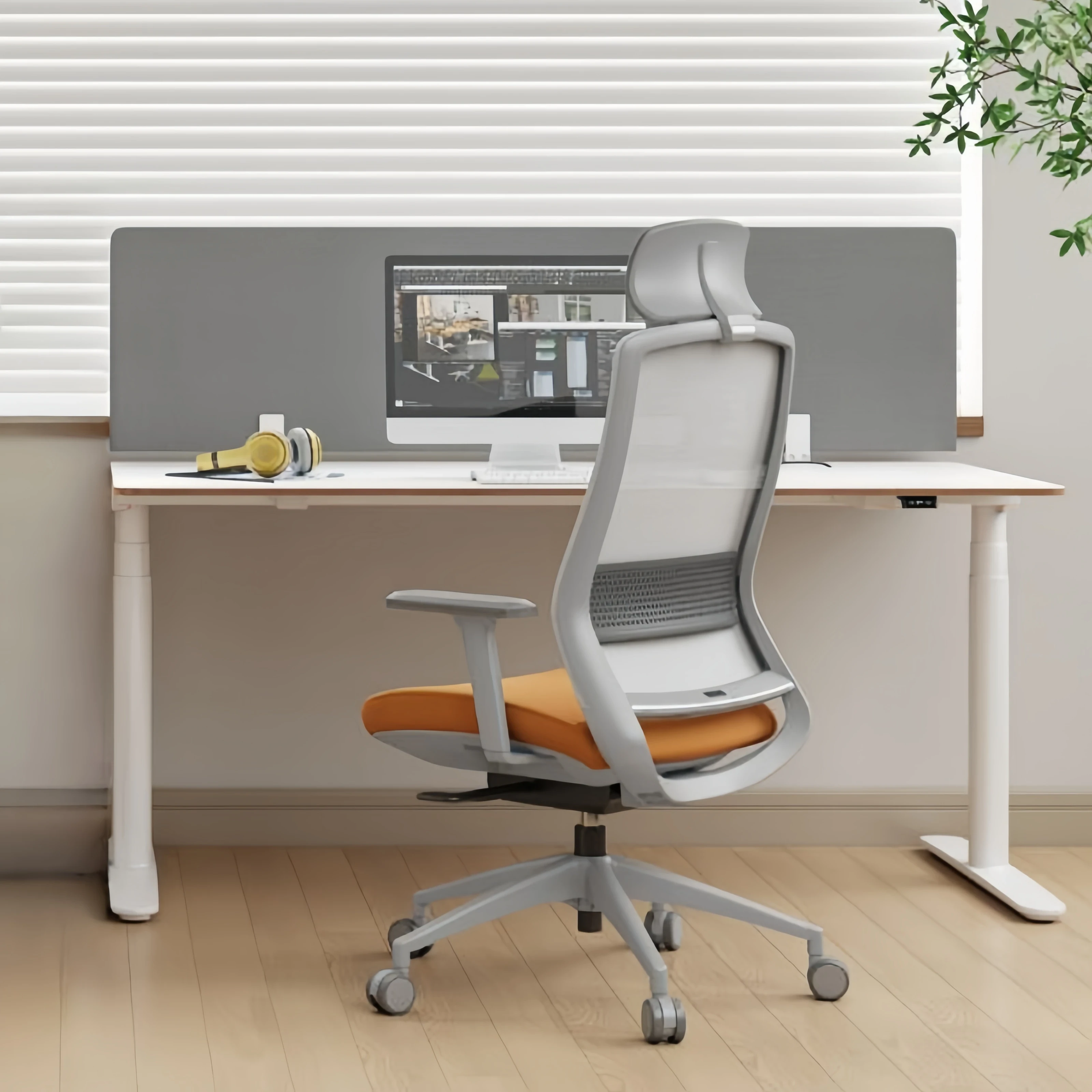


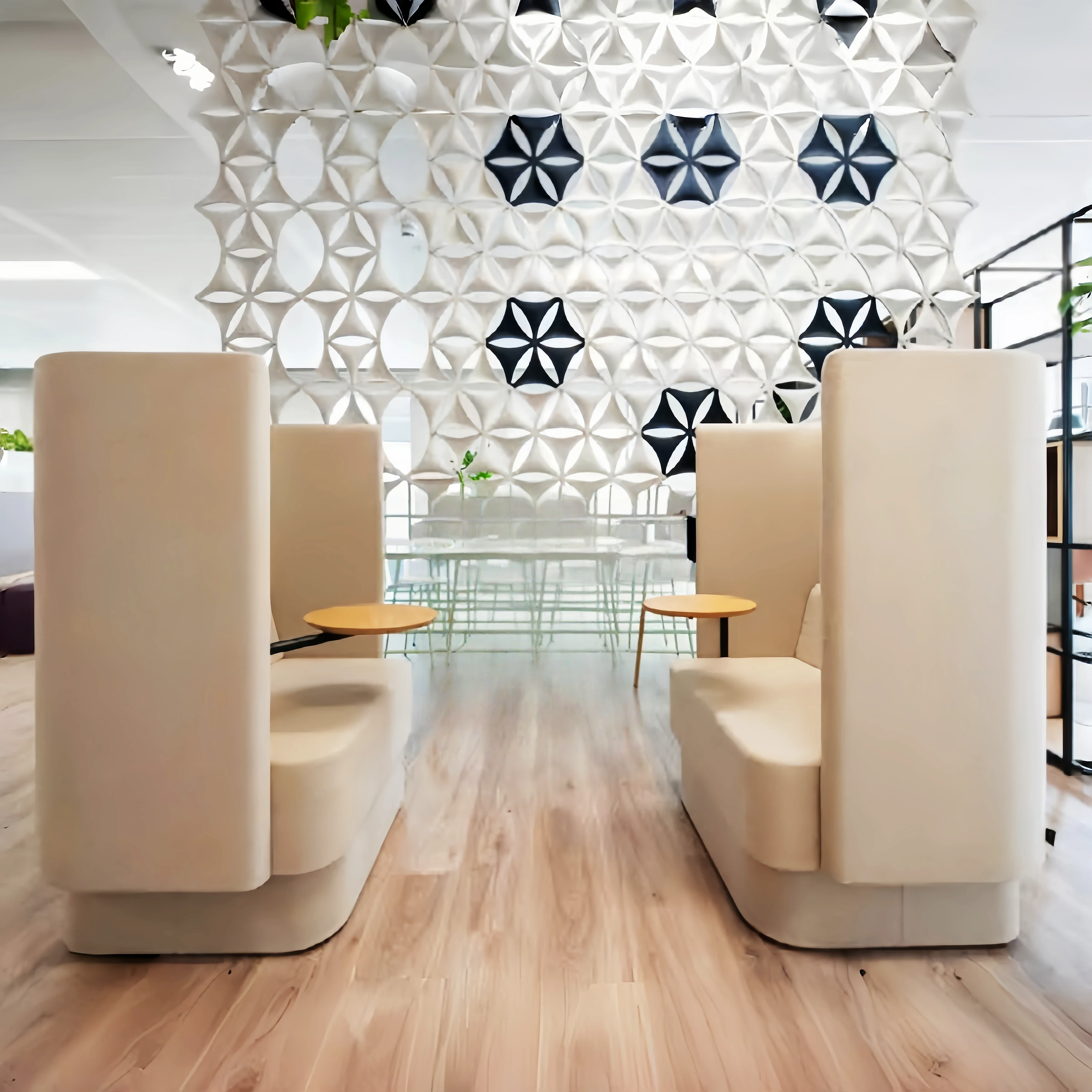



When customizing furniture for kindergartens, children's safety is paramount, taking into account their physical and mental development . Children are active and curious, so furniture design should avoid sharp edges and unstable structures to prevent accidental injuries. Choosing non-toxic, environmentally friendly materials is also essential to ensure children are not exposed to harmful substances during activities and learning. Ergonomic furniture design is a key factor in promoting children's healthy growth. For example, chair and table heights should be suitable for children of different ages, allowing them to sit and write comfortably.
Adjustable
chairs and tabletops provide personalized options for children of different heights, supporting normal physical development. Beyond basic safety and comfort, furniture design should also focus on stimulating children's
intellectual
and emotional development. Brightly colored but not glaring furniture helps stimulate children's visual nerves and enhance their cognitive abilities. Therefore, the colors and shapes of walls, tables, and chairs should be creative, sparking children's imagination and curiosity.
Supporting the Development of Interaction and Social Skills:
Kindergartens are one of the most important places for children to begin socializing, and furniture design needs to support children's interactive and collaborative learning. For example, round or semi-circular tables can encourage group activities and cooperation. Furniture with high mobility or modular design allows teachers to quickly adjust the layout according to teaching needs, promoting a flexible learning and communication environment. In addition, specific play areas and reading corners, through careful furniture arrangement, also provide children with more opportunities for socialization and communication.
Emphasis on Flexibility and Diversity:
With the continuous development of educational philosophies, the teaching and activities in kindergartens are becoming increasingly rich. Furniture design needs to have a certain degree of flexibility and diversity to adapt to the needs of different teaching activities. For example, multifunctional storage shelves can be used to store drawing tools or become a scenic feature displaying children's artwork, increasing the fun and interactivity of learning.
Conclusion:
Choosing kindergarten furniture that meets the needs of children's activities and growth requires designers to have a deep understanding of the characteristics of children's physical and mental development, as well as the importance of the educational environment for children's growth. Through comprehensive consideration of safety, ergonomics, intellectual development, social skills, and flexibility, customized furniture can not only provide children with a safe and comfortable activity environment but also effectively support their all-round development, laying a solid foundation for future learning and life.