
 USD
USD GBP
GBP
 EUR
EUR


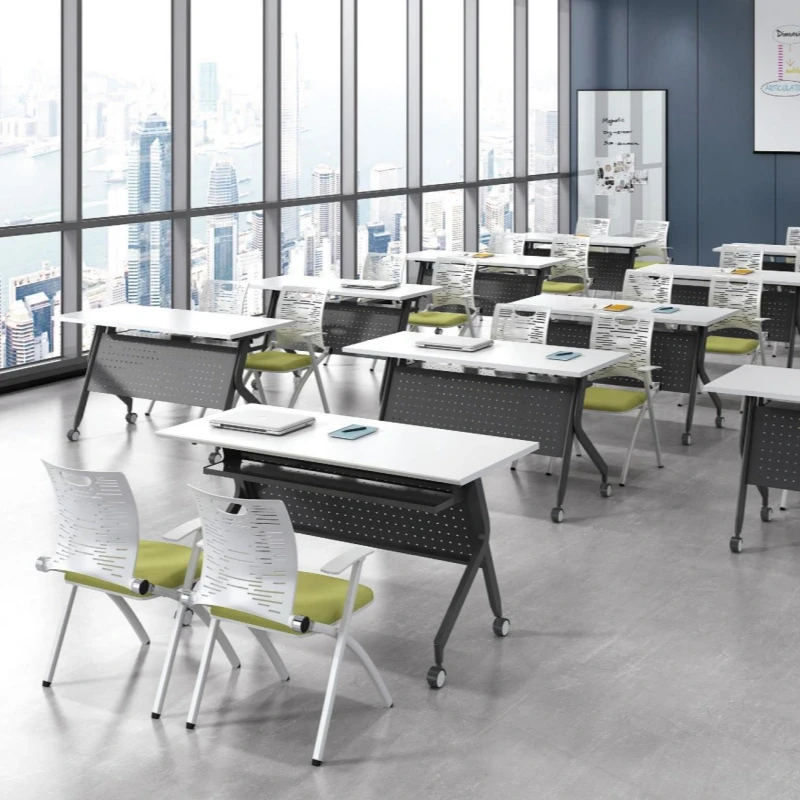
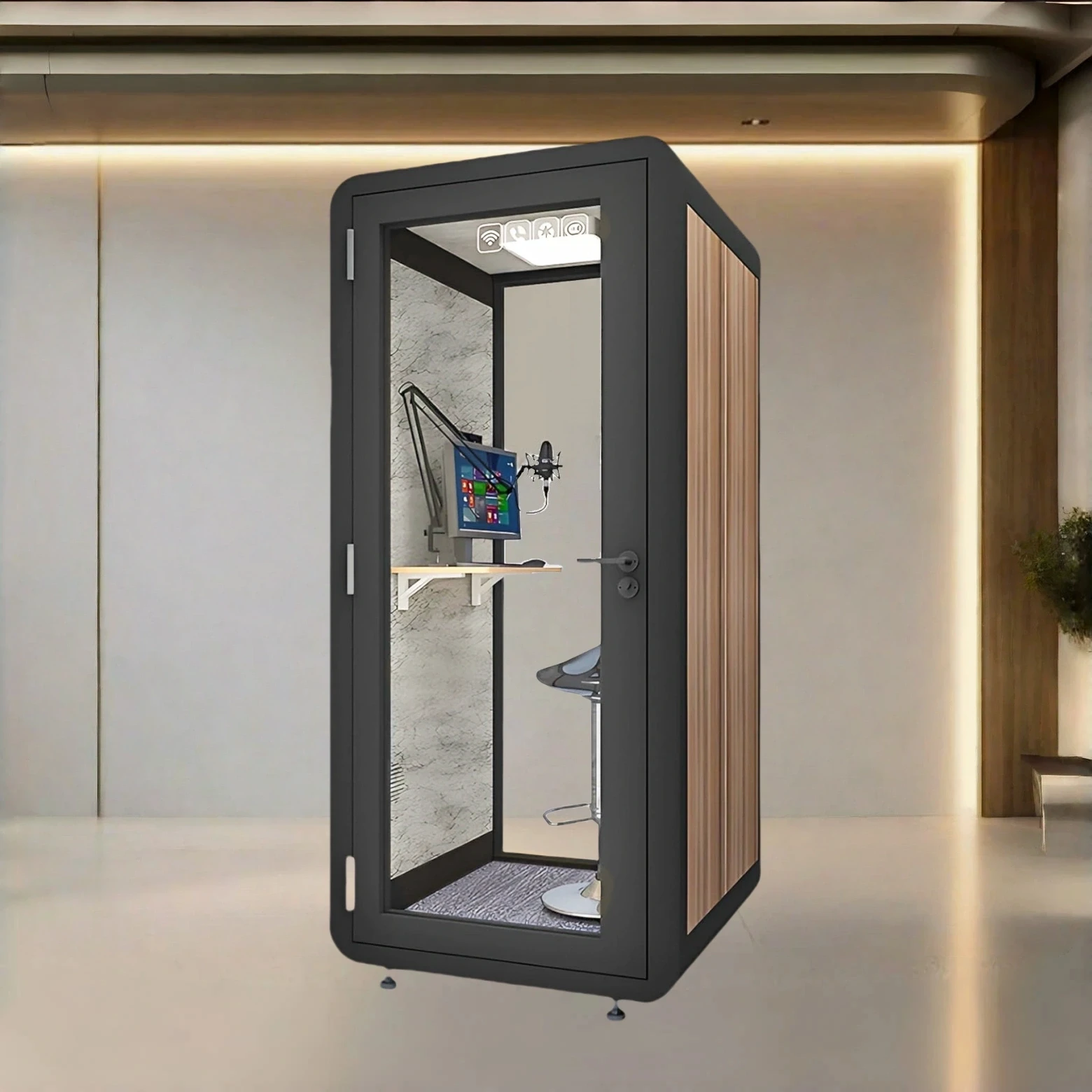
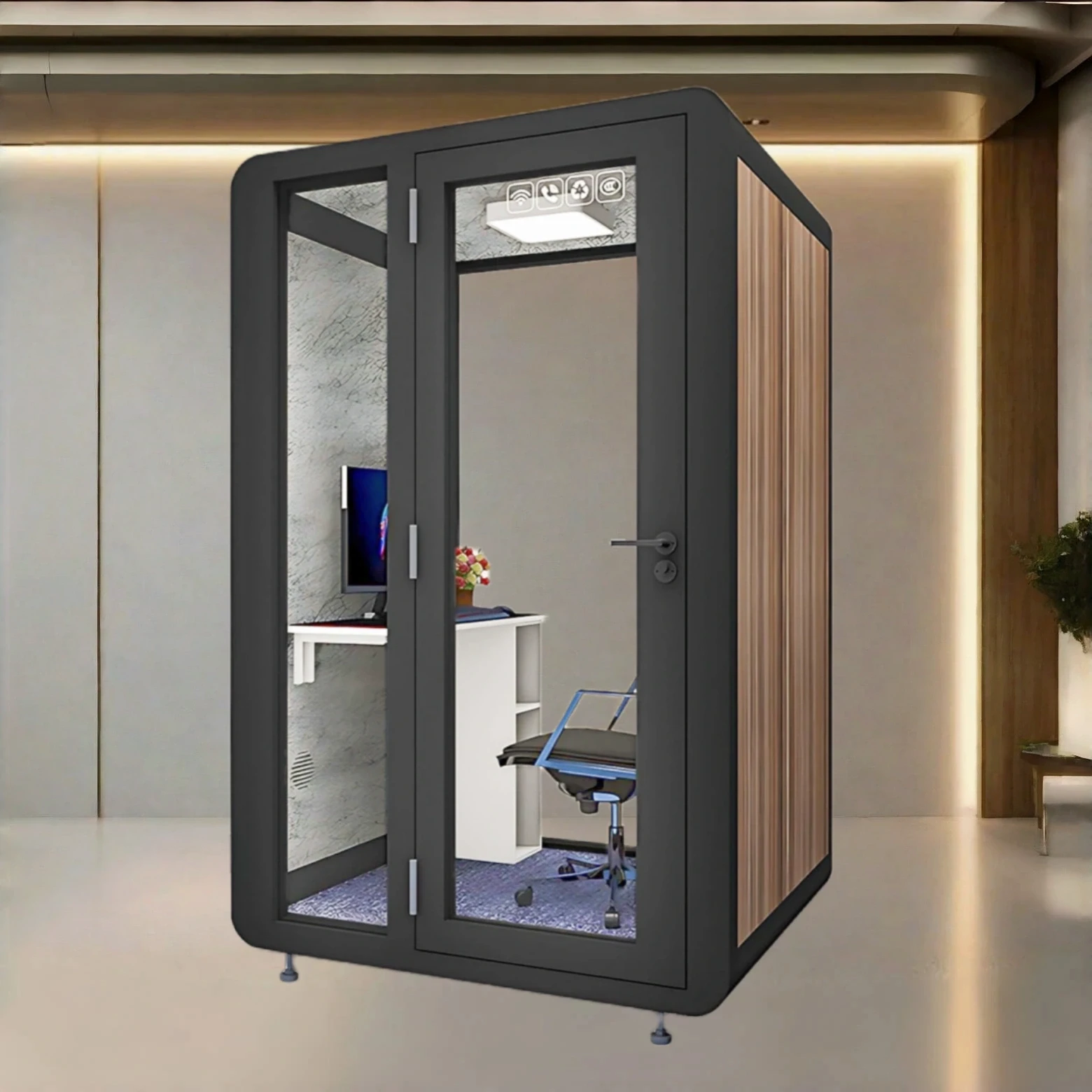
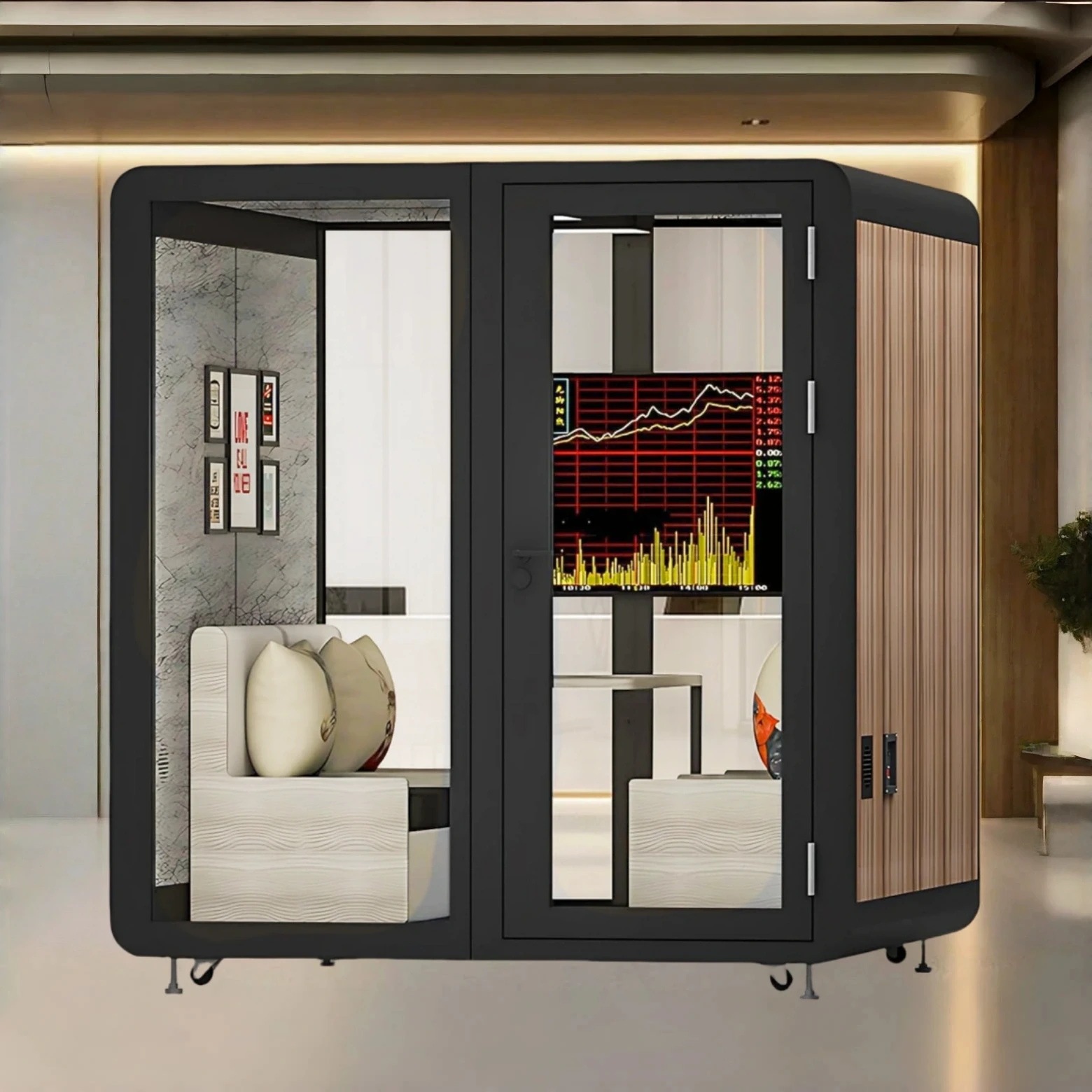
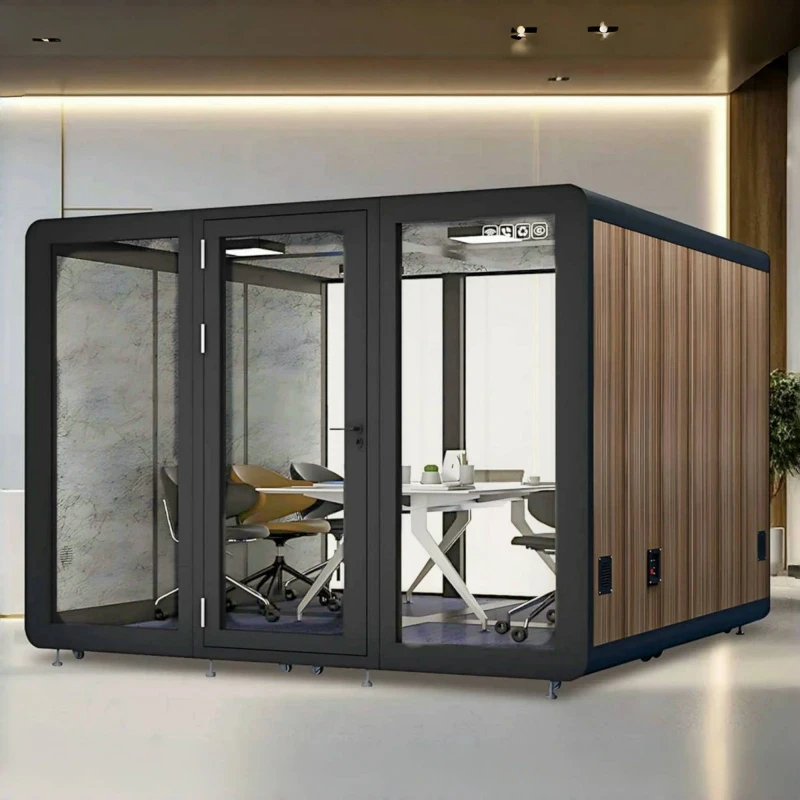
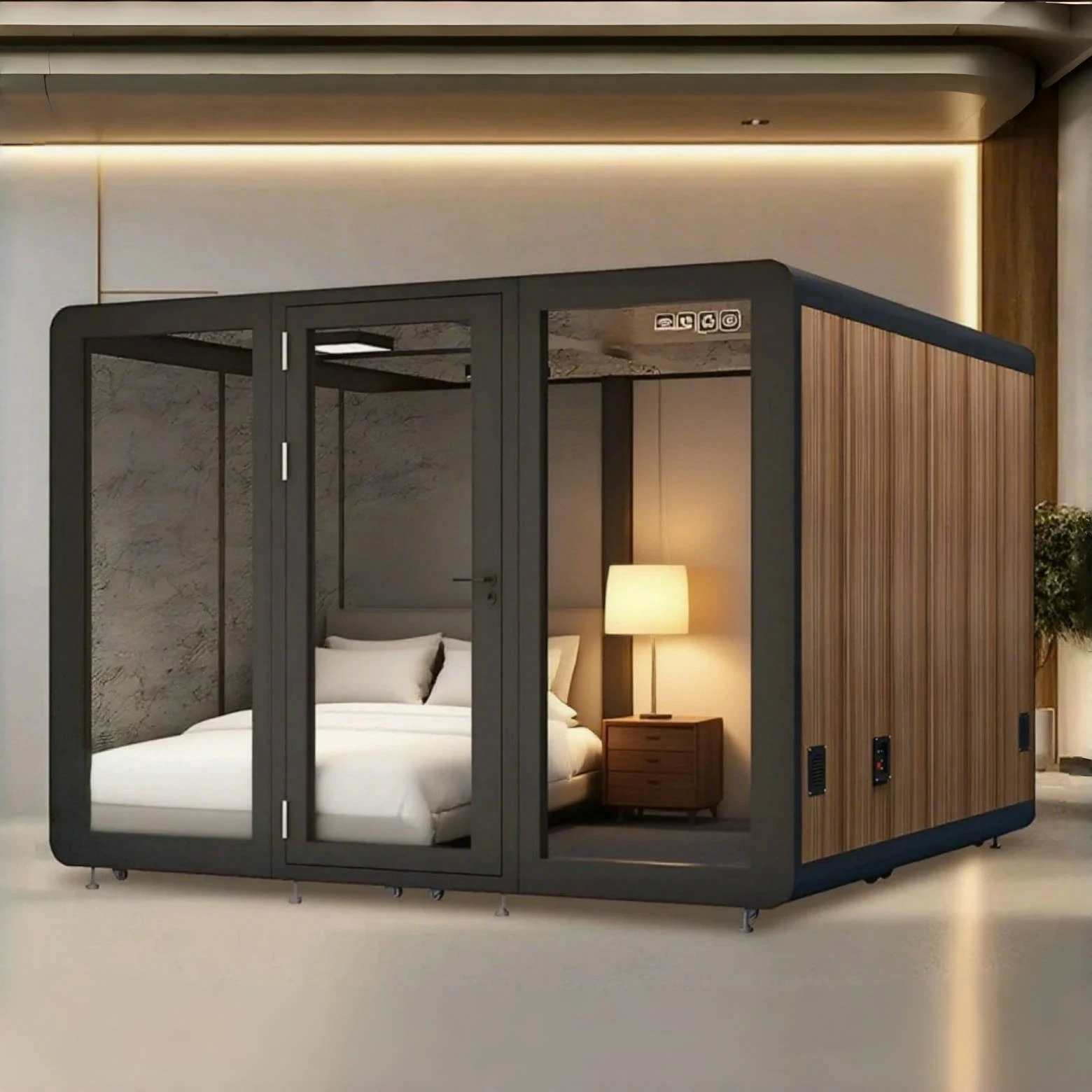




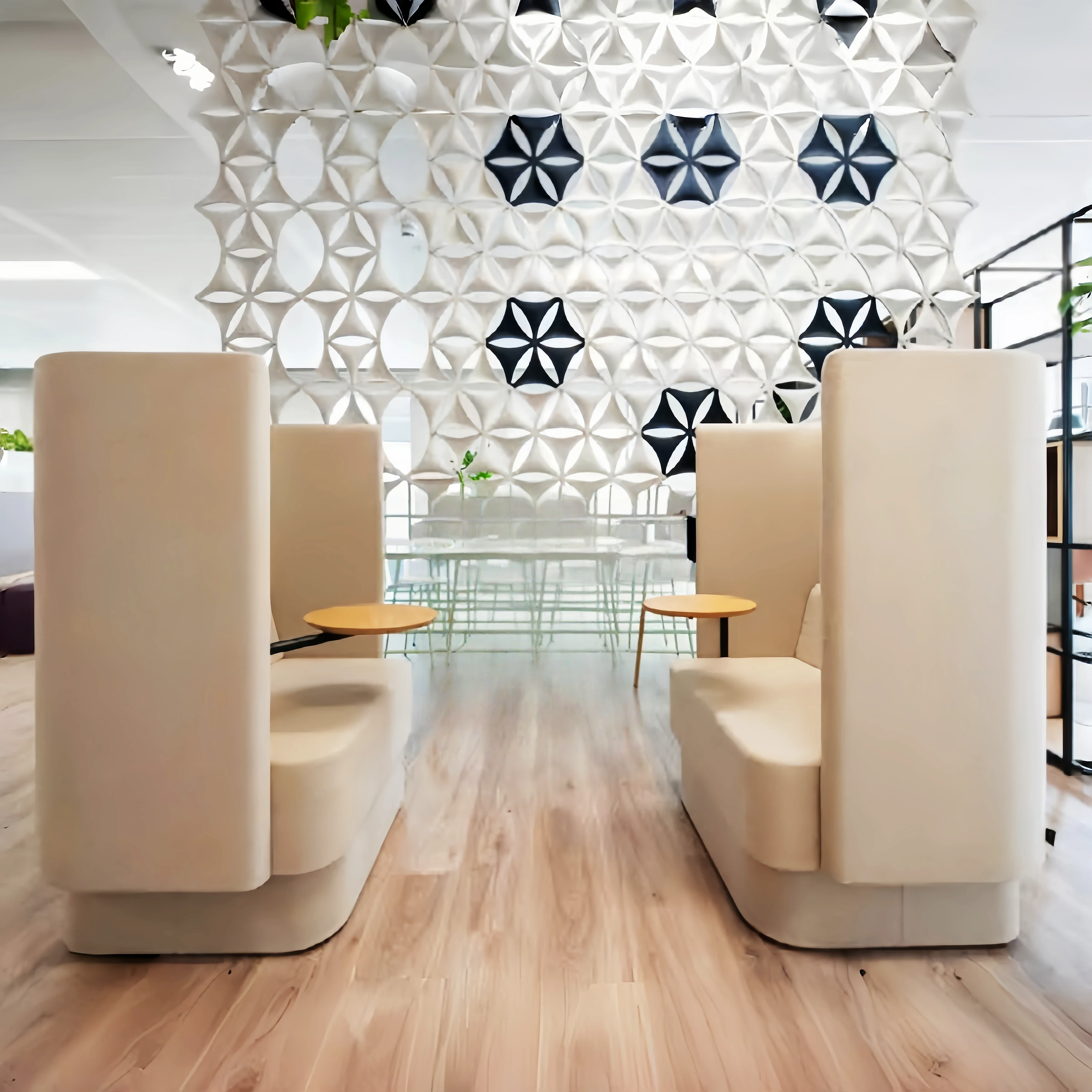



1. Themed Design
Hotel restaurants are often designed according to a specific theme or concept, and customized furniture can perfectly match this positioning. For example, a marine-themed restaurant can choose sea-blue chair fabrics and boat-shaped tabletops, while a traditional cultural theme restaurant can use solid wood furniture with ethnic-style carvings.
2. Brand Personalization
Furniture can reflect the hotel's brand personality. Through innovative design elements, such as unique textures, carvings, or color schemes, customized furniture can enhance brand recognition, allowing customers to experience the hotel's unique charm while dining.
Multifunctional Design
1. Modular Components
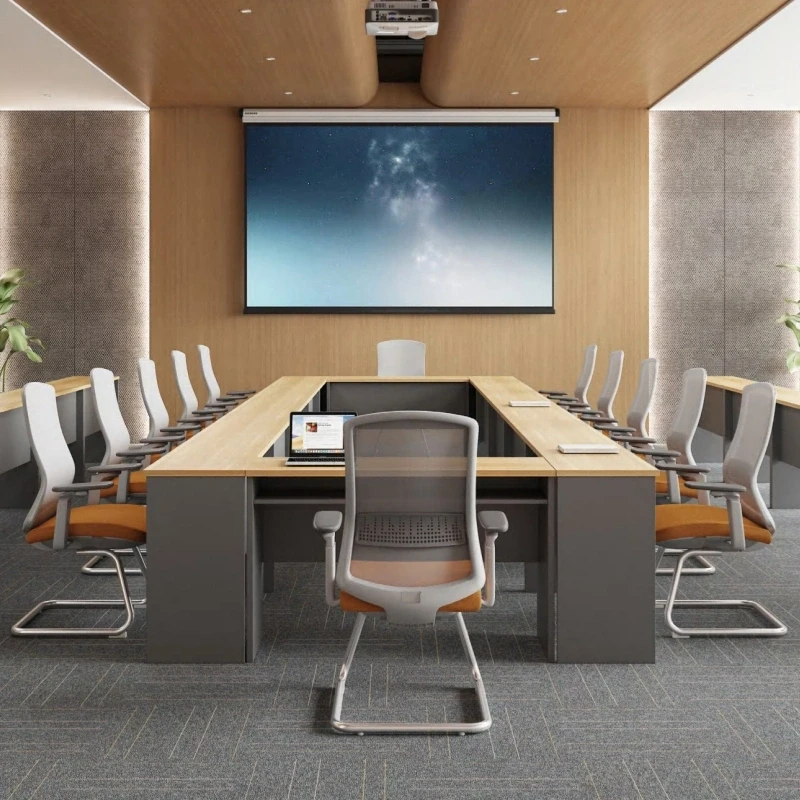
Modular furniture design makes space utilization more flexible. For example, dining tables can be easily combined or disassembled according to changes in customer traffic to adapt to different event or banquet sizes. This design improves space utilization efficiency and increases the restaurant's operational flexibility.
2. Smart Furniture
The combination of modern technology and furniture brings the possibility of intelligence. Tables and chairs integrating wireless chargers, LED lights, and Bluetooth speakers greatly enhance the customer's dining experience, meeting the modern consumer's dual needs for technology and comfort.
Ergonomic Design
1. Comfort
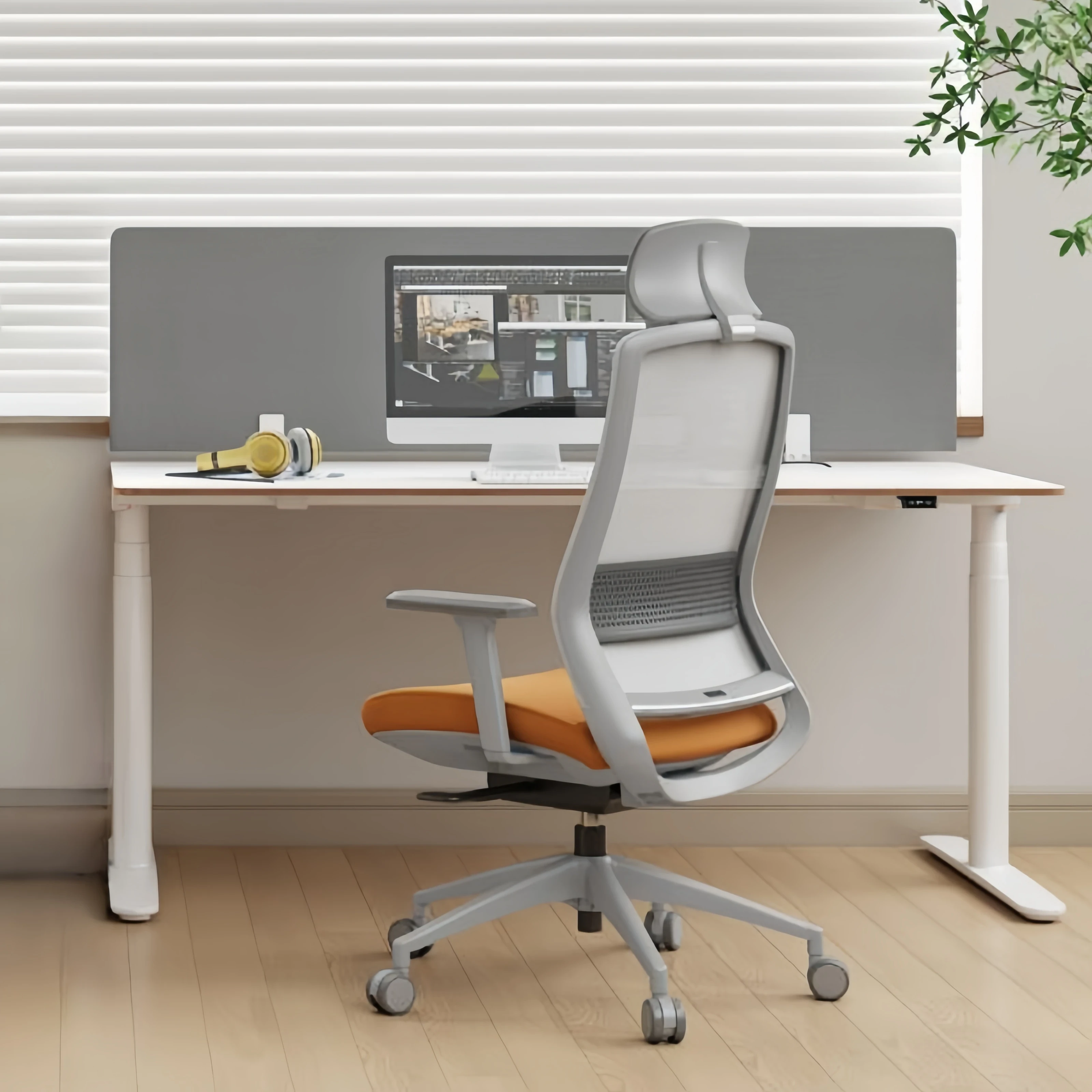
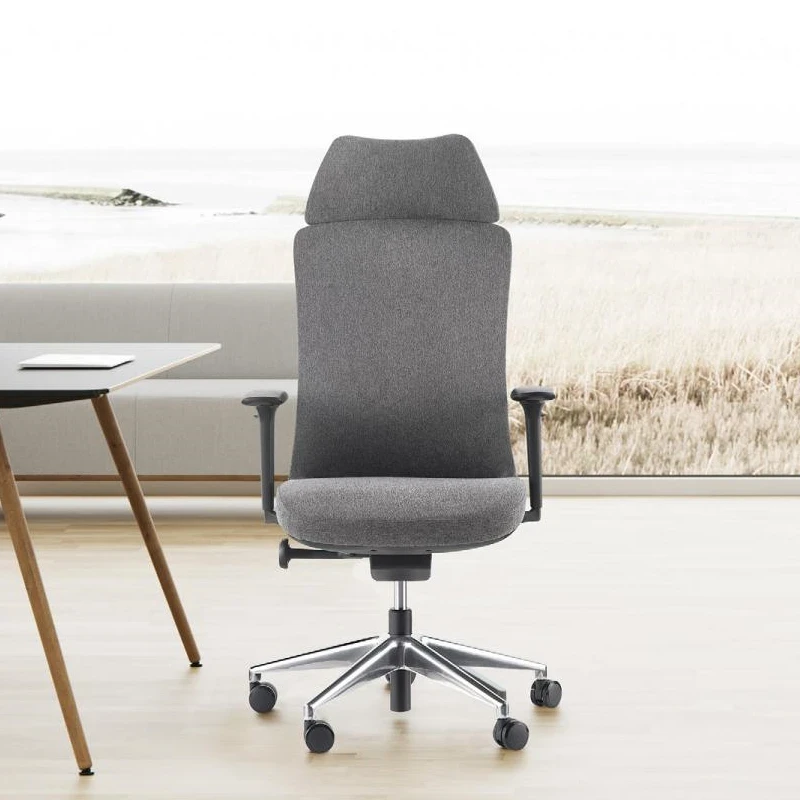
Ergonomic furniture design can significantly improve customer comfort. Adjustable backrests and height, along with ergonomically designed cushions, enhance comfort, allowing customers to enjoy a longer and more pleasant dining experience.
2. Flexibility:
Rotatable chairs or movable tables offer greater convenience. These design elements not only increase customer freedom of movement but also provide a more convenient working environment for servers.
Innovative Material Use:
1. Sustainable Materials:
Considering environmental factors, many hotels and restaurants are turning to renewable and sustainable materials. These materials are not only environmentally friendly but also offer unique visual appeal in their designs, such as the use of bamboo and recycled metals.
2. High-Performance Materials:
Utilizing wear-resistant, waterproof, and easy-to-clean materials, such as high-density fiberboard and nano-coated fabrics, extends the lifespan of furniture and reduces maintenance costs. This design is particularly suitable for high-traffic restaurant environments.
Exquisite Design Details:
1. Custom Carvings and Decorations:
Decorative art is showcased through carvings or inlay designs, making each piece of furniture a work of art. These refined details also highlight the hotel's class and taste, attracting discerning customers.
2. Clever Storage Solutions
To address the issue of limited space, many custom furniture solutions include concealed storage designs, such as benches with drawers and multifunctional lockers, providing convenient storage space for items.
Conclusion
Custom furniture solutions for hotels and restaurants offer a wide range of possibilities in innovative design and functionality. Through personalized design, multifunctional applications, ergonomic considerations, and the use of innovative materials, hotels can create unique dining environments. This not only enhances customer comfort and satisfaction but also increases the hotel's competitiveness in the market. In the future, custom furniture solutions will become more diversified and intelligent, bringing endless possibilities to hotel restaurants.