
 USD
USD GBP
GBP
 EUR
EUR
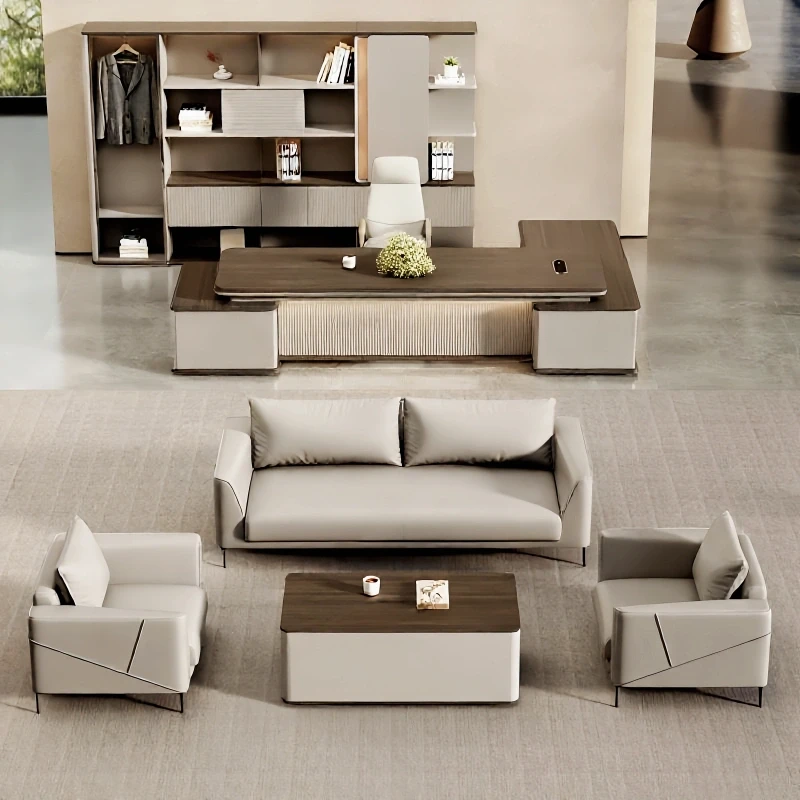
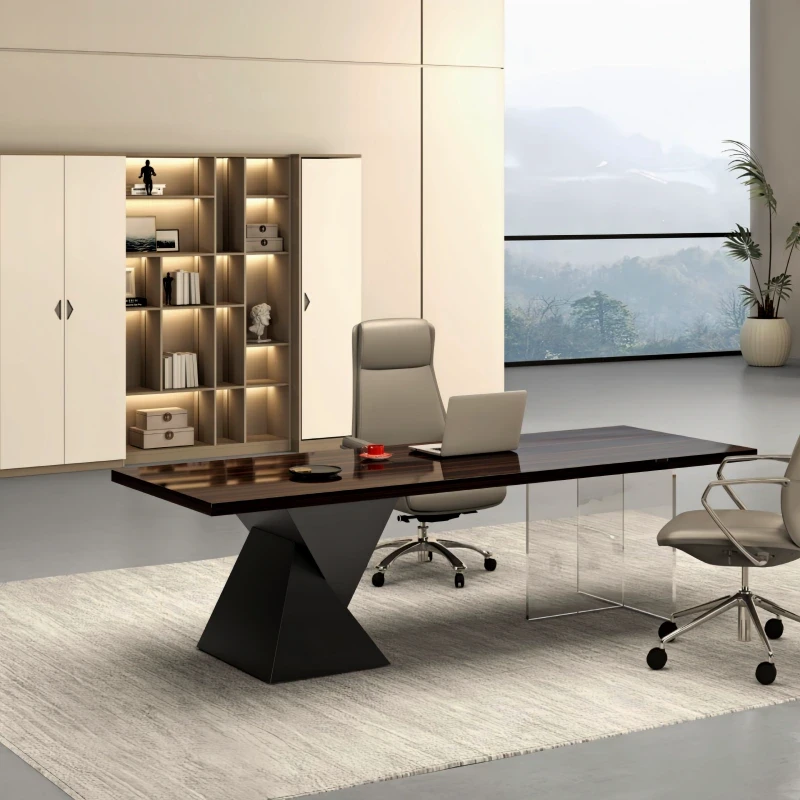


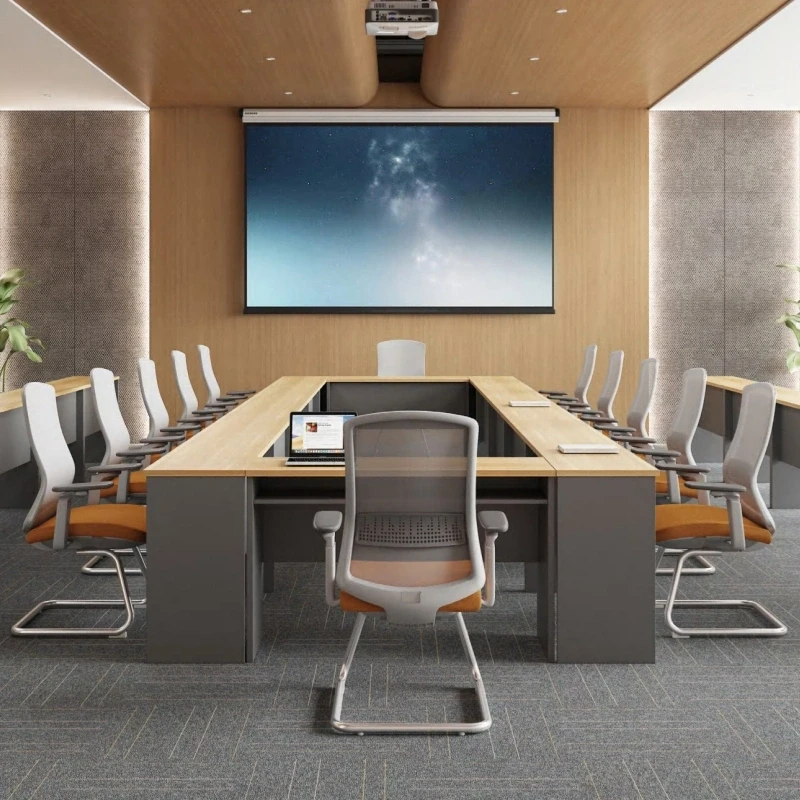
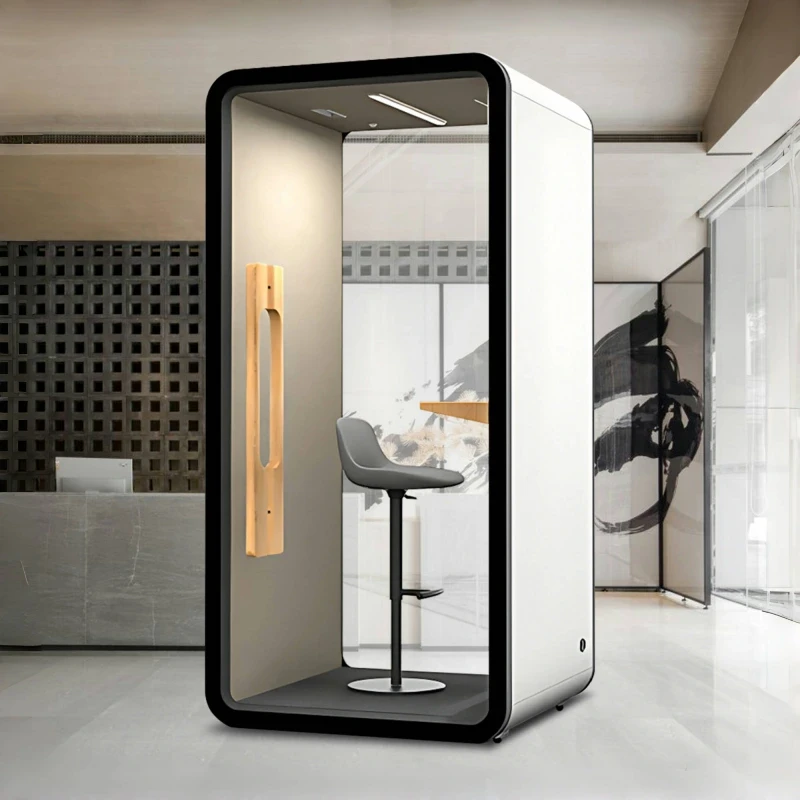
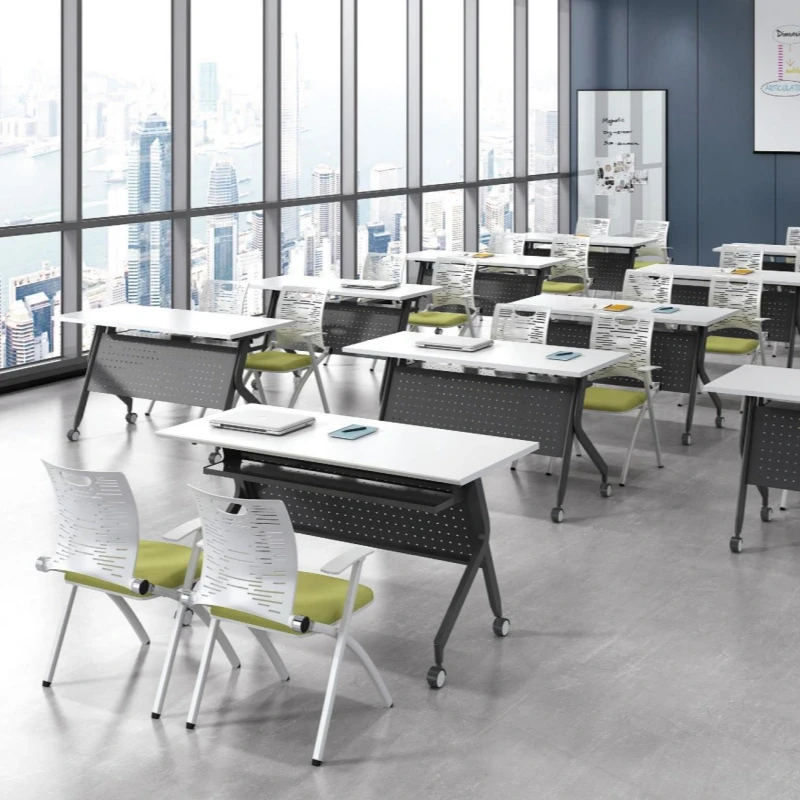
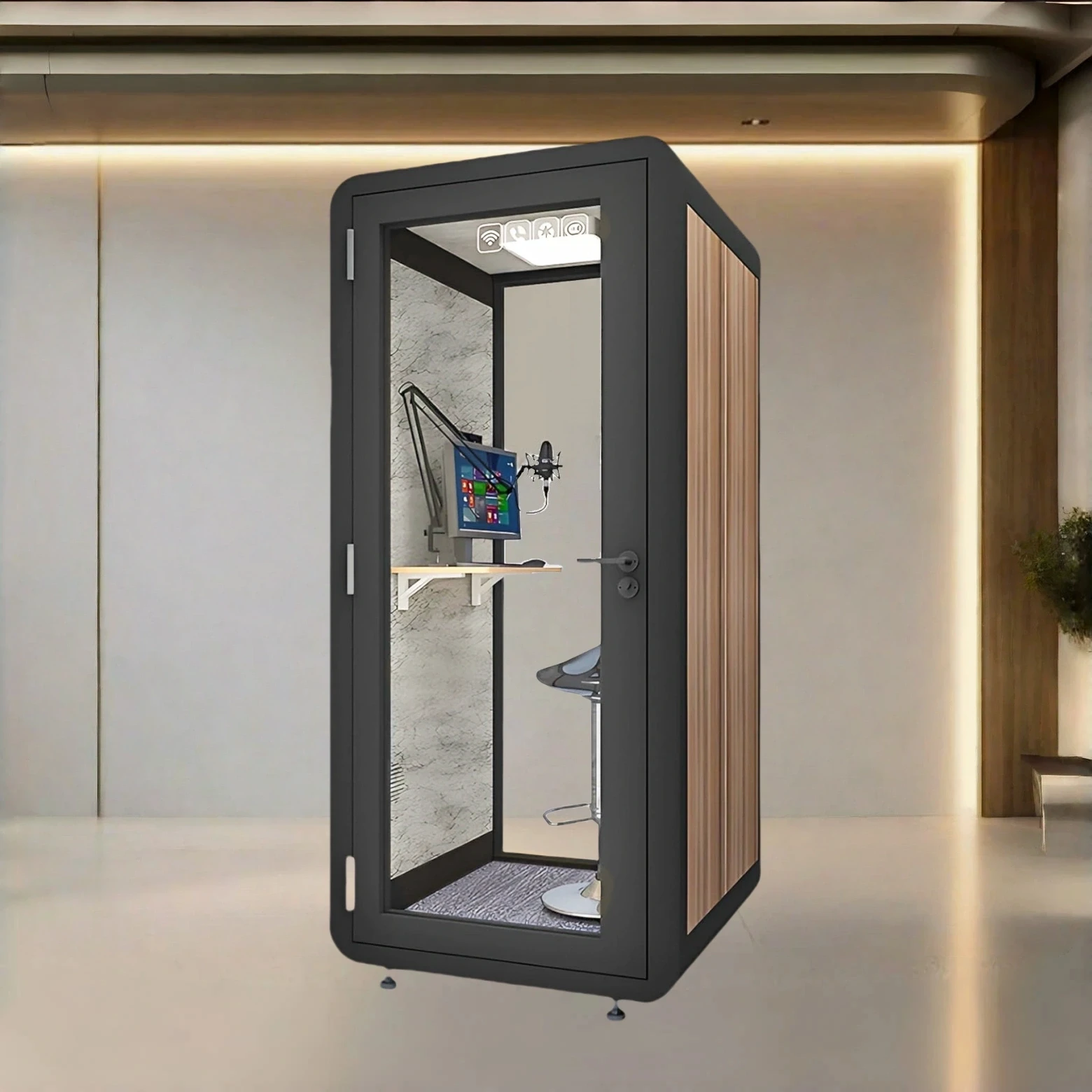
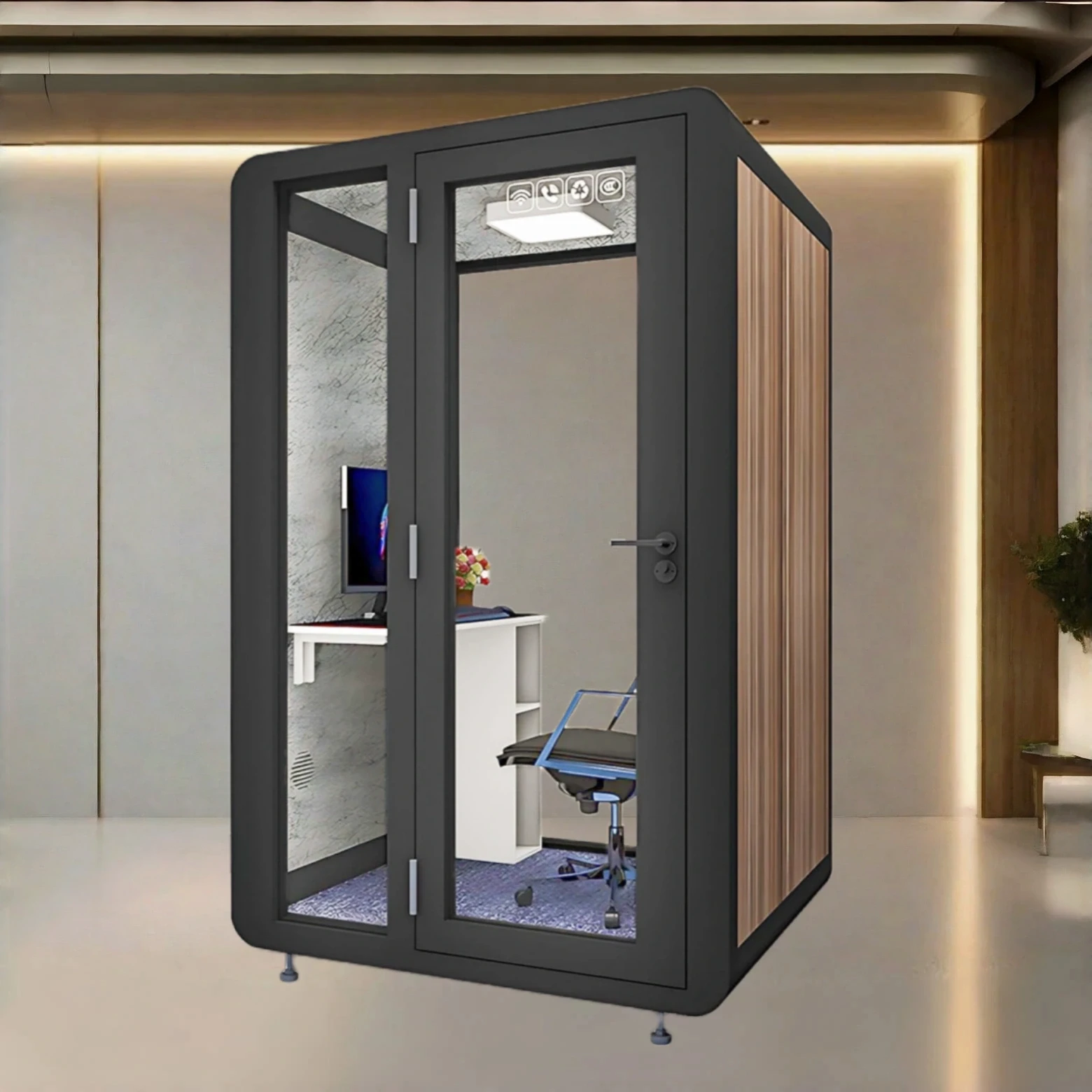
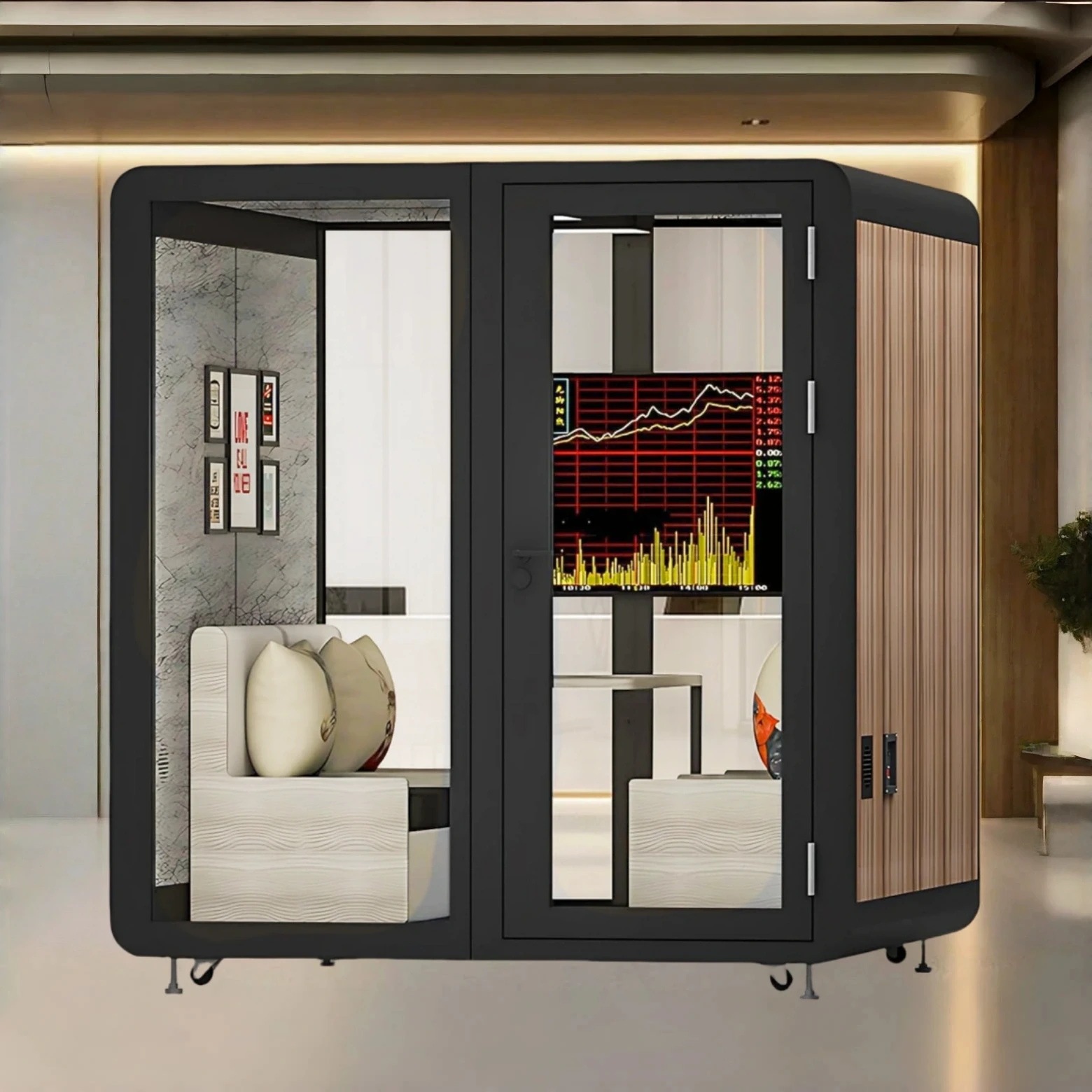
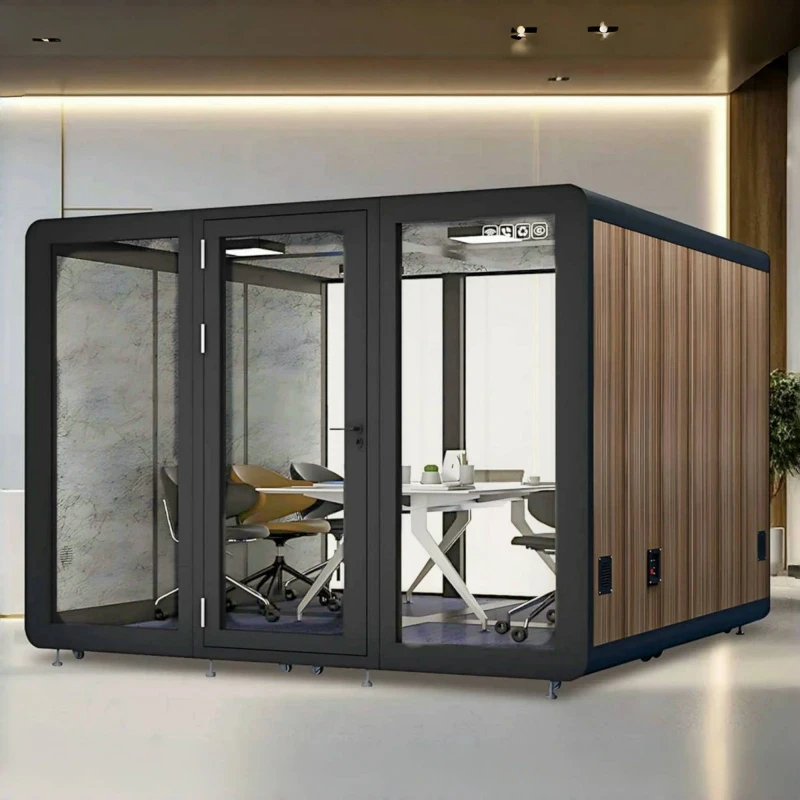
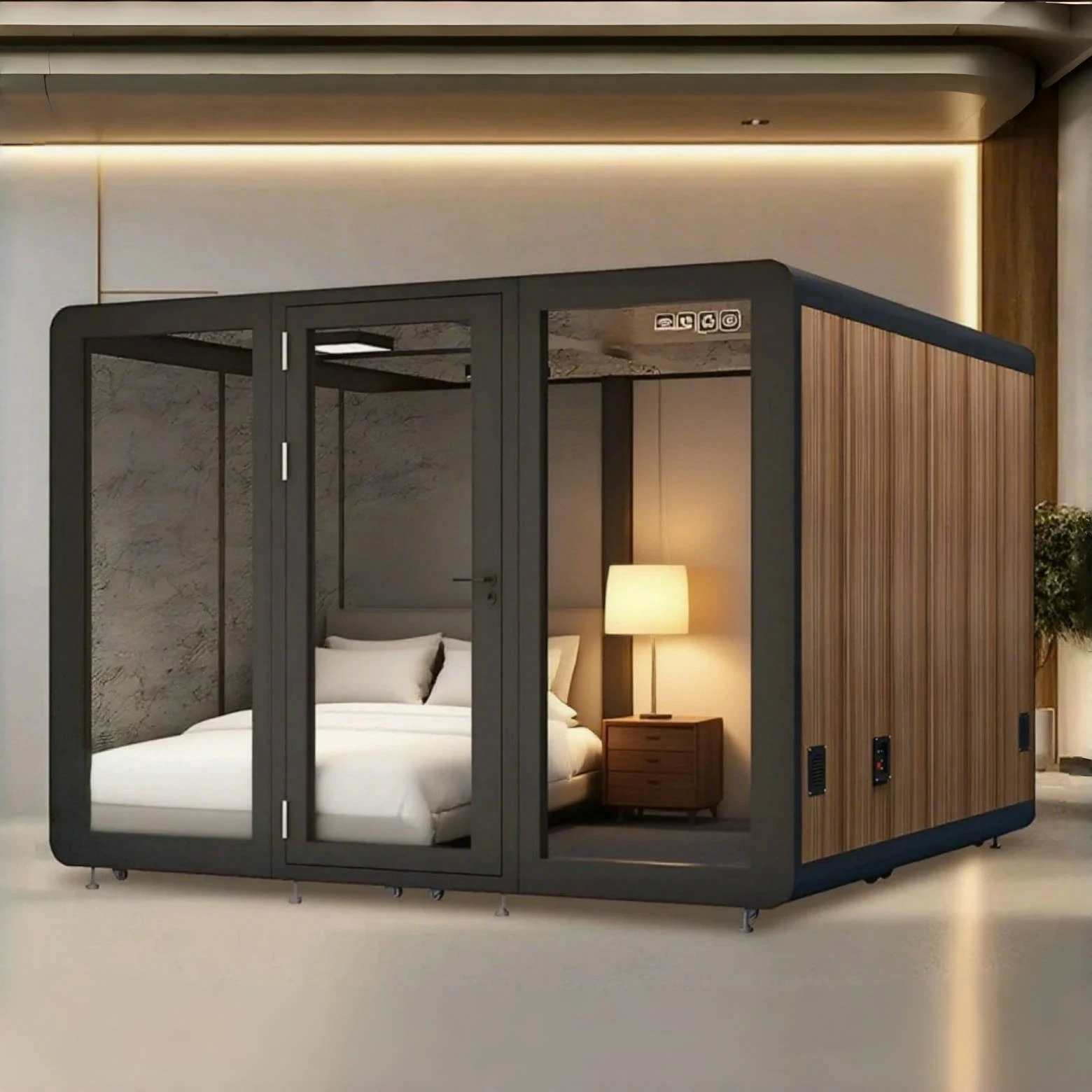


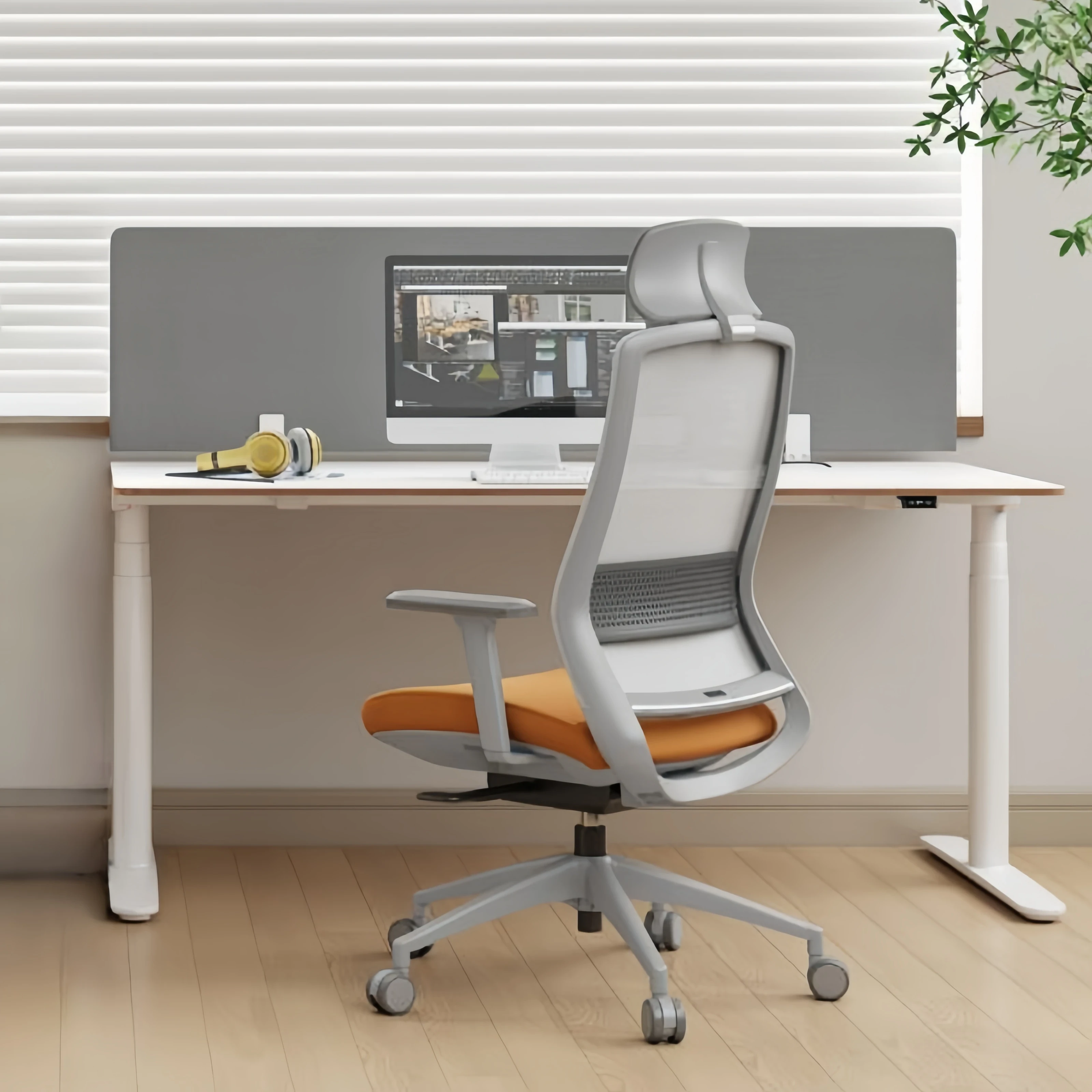


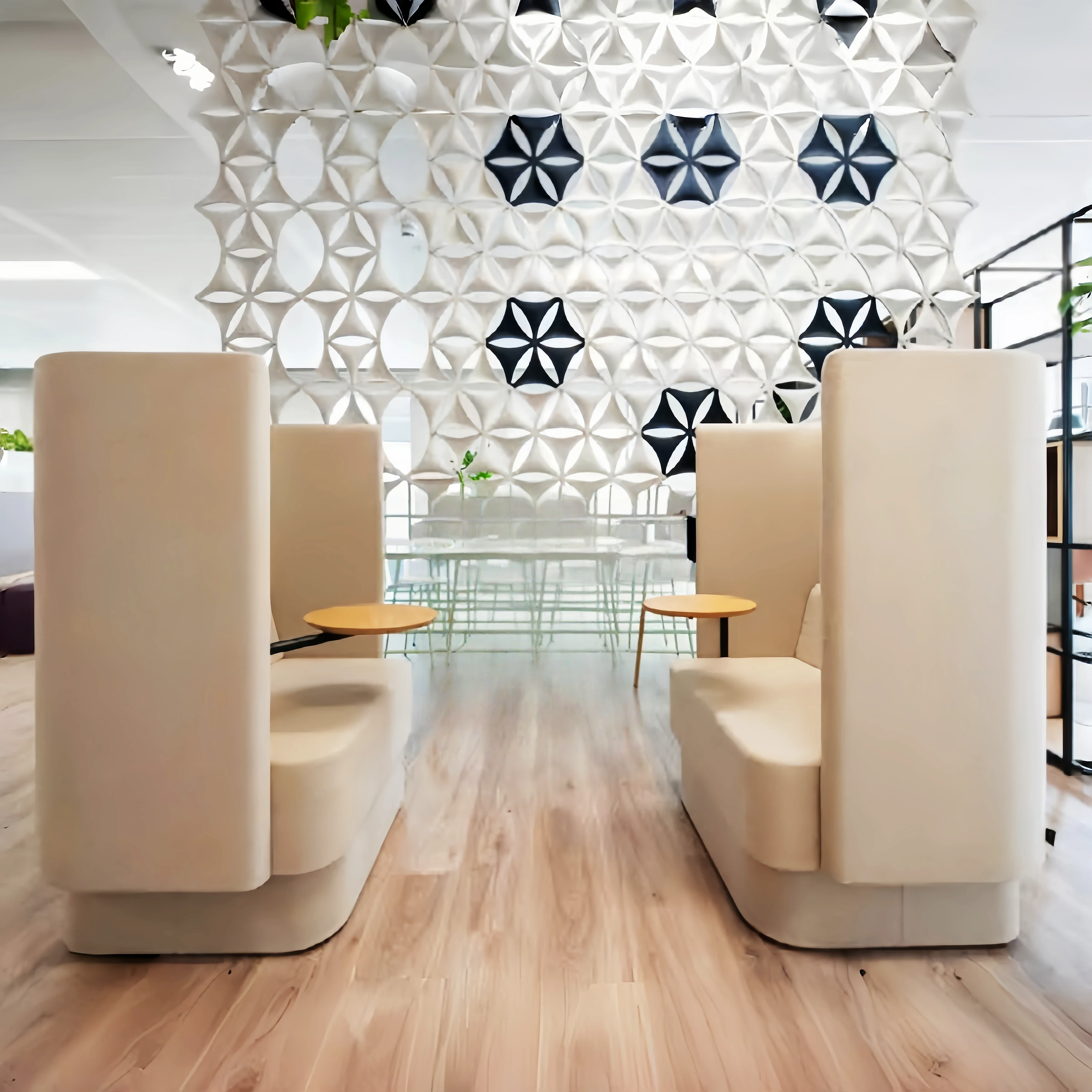

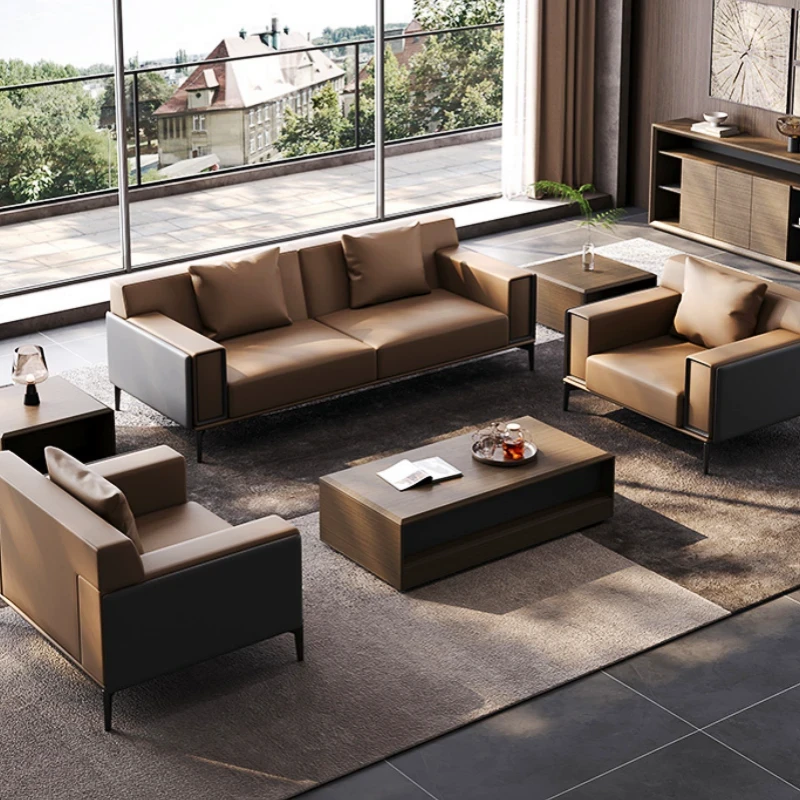
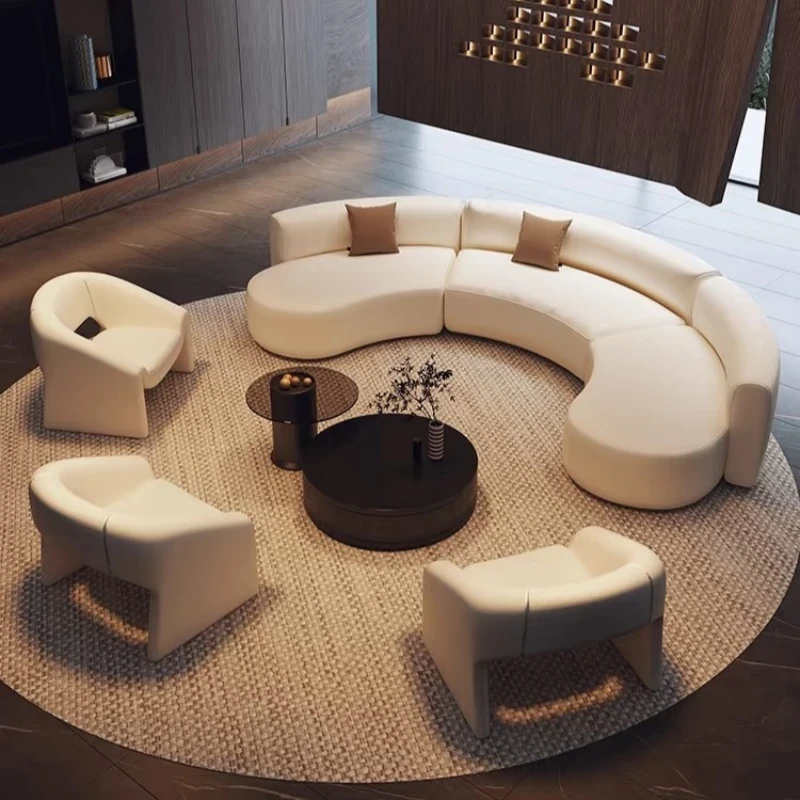


Before selecting meeting tables and chairs, it's essential to clarify the primary type and needs of the meeting. Is it a small brainstorming session focused on teamwork, a large formal meeting requiring presentations and decisions, or business negotiations with external clients? Different types of meetings have drastically different requirements for tables and chairs.
Small Collaborative Meetings:
For this type of meeting, highly flexible table and chair combinations are necessary, such as height-adjustable tables and chairs or modular meeting tables, allowing for easy space rearrangement to support different forms of communication and activities.
Formal Presentation and Decision-Making Meetings:
For these meetings, choosing a rectangular or oval meeting table can promote authority and focused discussion. High-backed chairs provide excellent support and comfort, suitable for long formal meetings.
Business Meetings:
When negotiating with external clients or partners, round or oval tables help create an atmosphere of equality and interaction, while high-end chairs enhance professionalism and comfort.
2. Consider Space Size and Layout:
The size of the meeting room directly impacts the choice of tables and chairs. Based on the room's size and layout, appropriate table and chair types can be selected to ensure optimal space utilization and comfort.
Large Conference Rooms
: In large conference rooms, choose a large conference table that can accommodate a large number of people, along with matching chairs, to ensure that each participant has enough space. U-shaped or V-shaped layouts can help improve communication.
Small and Medium-Sized Conference Rooms
: For small and medium-sized conference rooms, choose extendable or folding tables and chairs for easy storage and relocation. Additionally, consider flexible chairs to save space.
3. Focus on Comfort and Ergonomics:
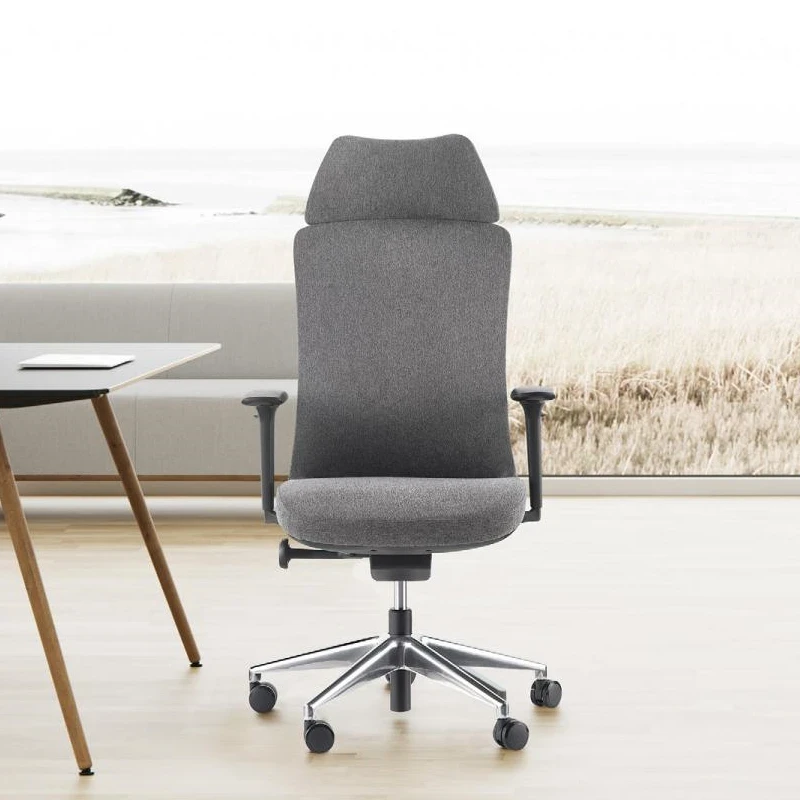
Regardless of the type and size of the meeting, comfort is always a key consideration. Choosing ergonomically designed chairs can reduce discomfort from prolonged sitting and improve participant focus and engagement.
Ergonomic chairs
feature adjustable height, backrests, and armrests, allowing participants to adjust to their individual body types and needs for maximum comfort.
Table Height and Space:
Ensure the conference table is at a comfortable seating height for most participants and provides sufficient legroom.
4. Material and Style Selection:
The materials and styles of tables and chairs not only affect the aesthetics of the conference room but also influence the presentation of brand image and corporate culture.
Style Consistency:
Choose table and chair styles that align with company culture and brand image, such as modern minimalist, traditional classic, or innovative and fashionable, to enhance the overall atmosphere of the conference room.
Durable
materials, such as solid wood, metal, and durable fabrics, can extend the lifespan of tables and chairs, reducing replacement frequency and maintenance costs.
In conclusion
, choosing the right table and chair combination for different meeting needs requires comprehensive consideration of multiple factors, including meeting type, space layout, comfort, and material style. Through careful selection, businesses can create a fully functional and comfortable meeting environment, thereby improving overall work efficiency and employee satisfaction.