
 USD
USD GBP
GBP
 EUR
EUR









Cleverly Arranging Office Furniture to Save Space: Strategies and Practices
Dec 25, 2025


In the modern office environment, the selection of office furniture not only affects work efficiency but also directly influences team collaboration. So, what kind of office furniture can promote team cooperation and efficiency?
1. Design Philosophy of the Office Environment
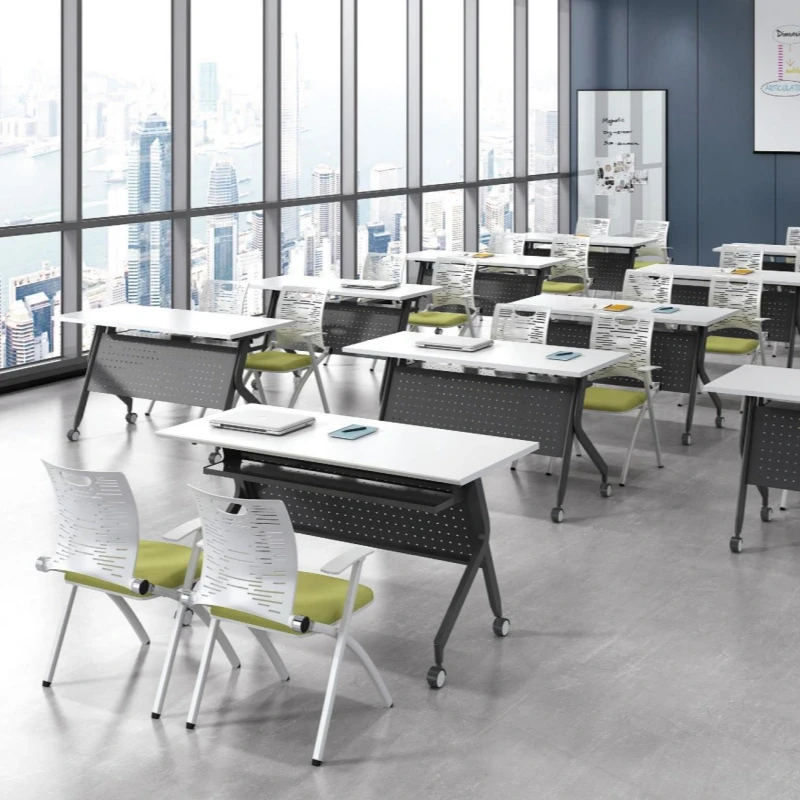
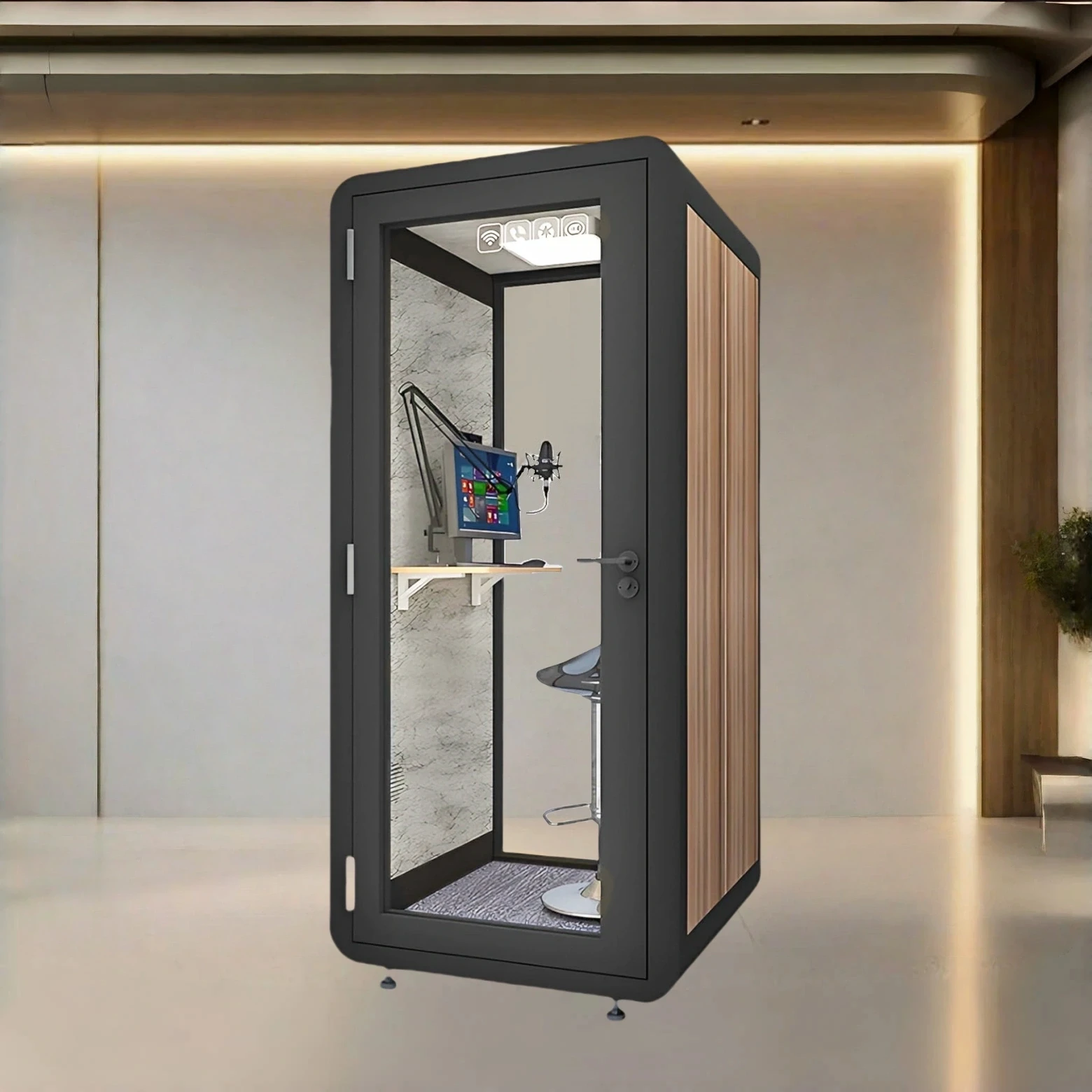
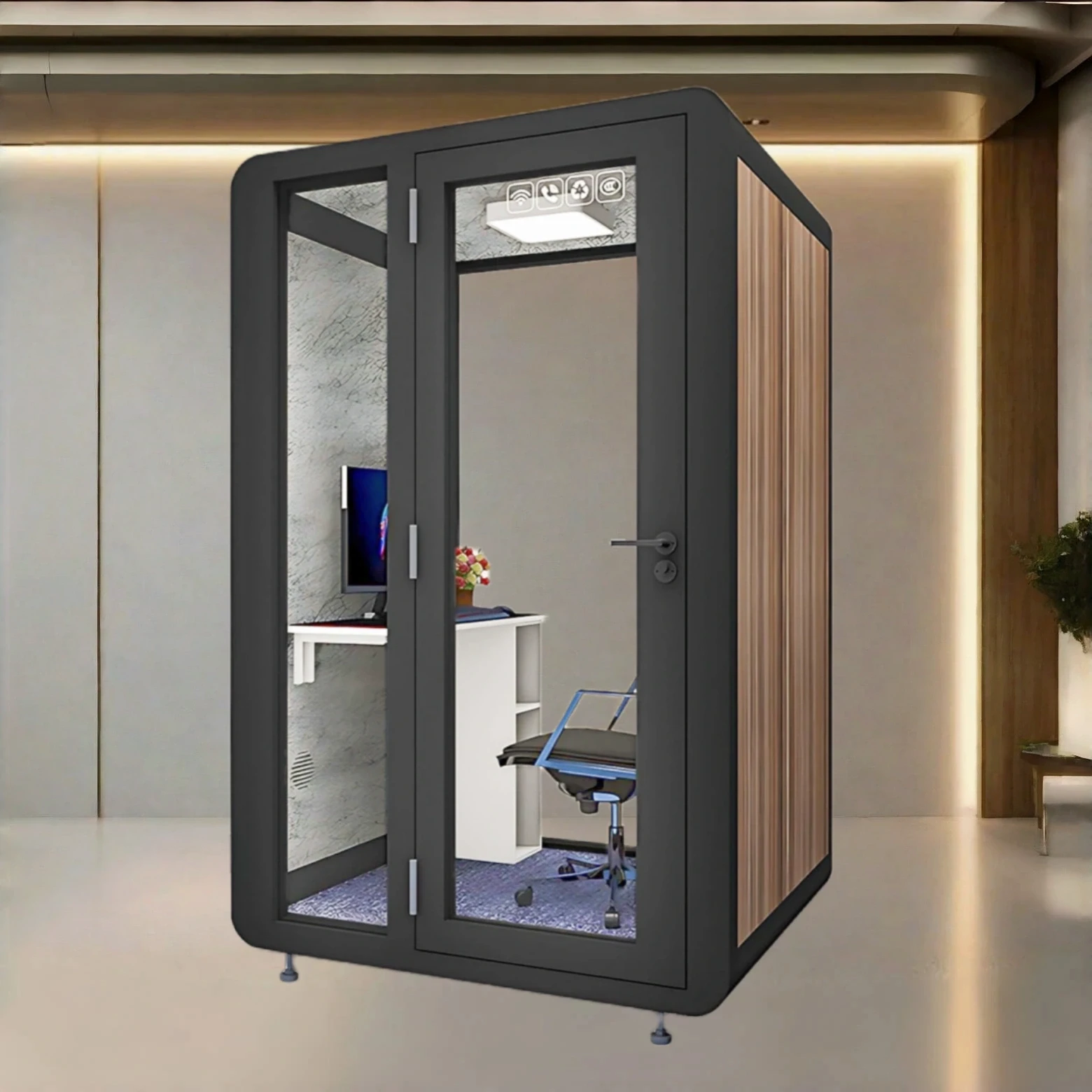
First, the design philosophy of the office environment should be oriented towards openness and collaboration. Open office space designs encourage communication and cooperation among employees, while flexible office furniture, such as movable partitions and long tables and chairs, allows teams to configure workspaces flexibly according to project needs.
2. Functionality and Practicality
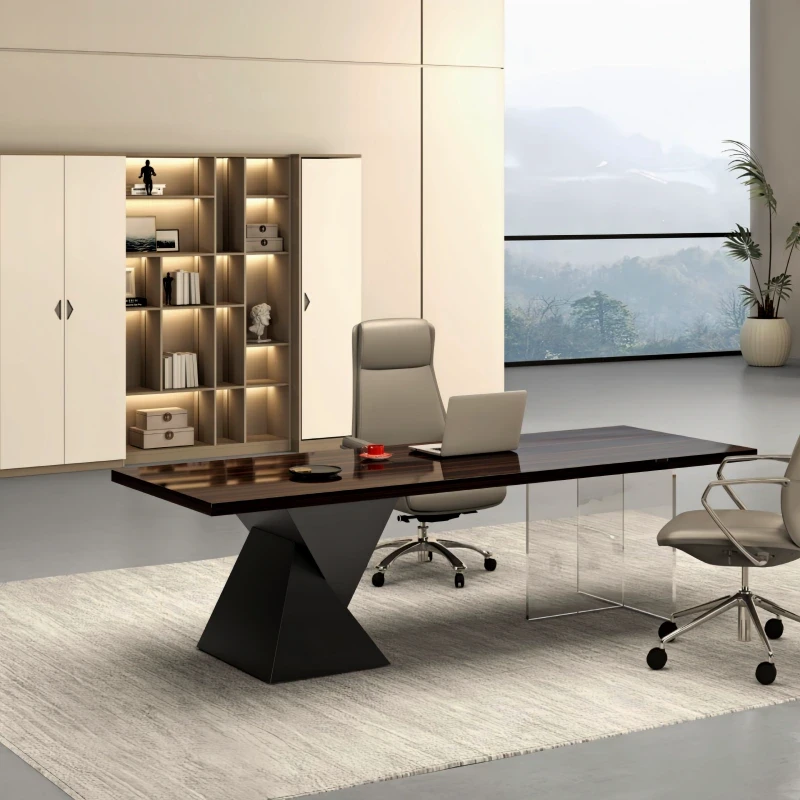
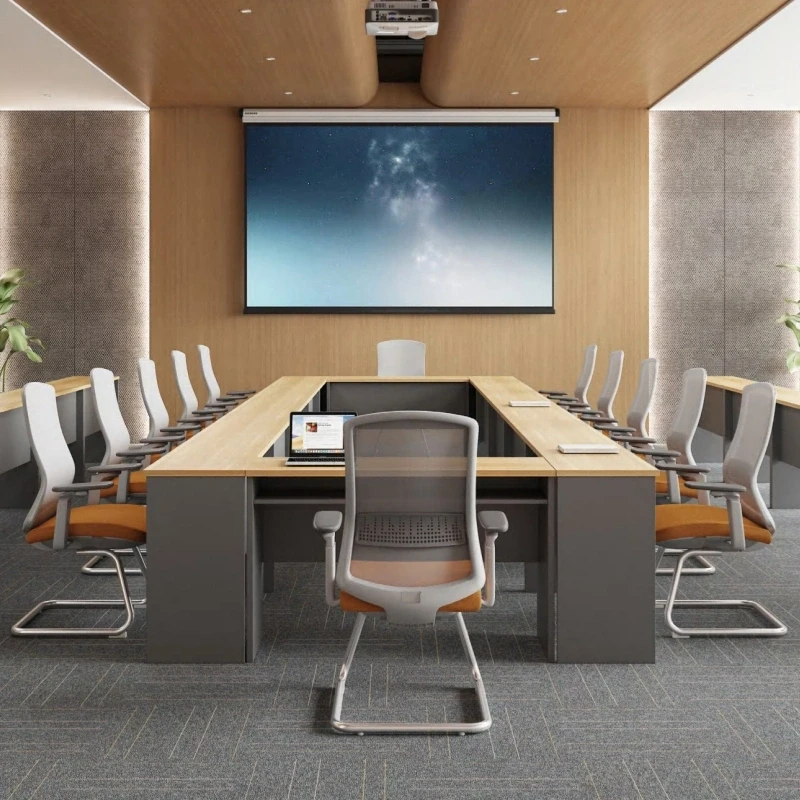
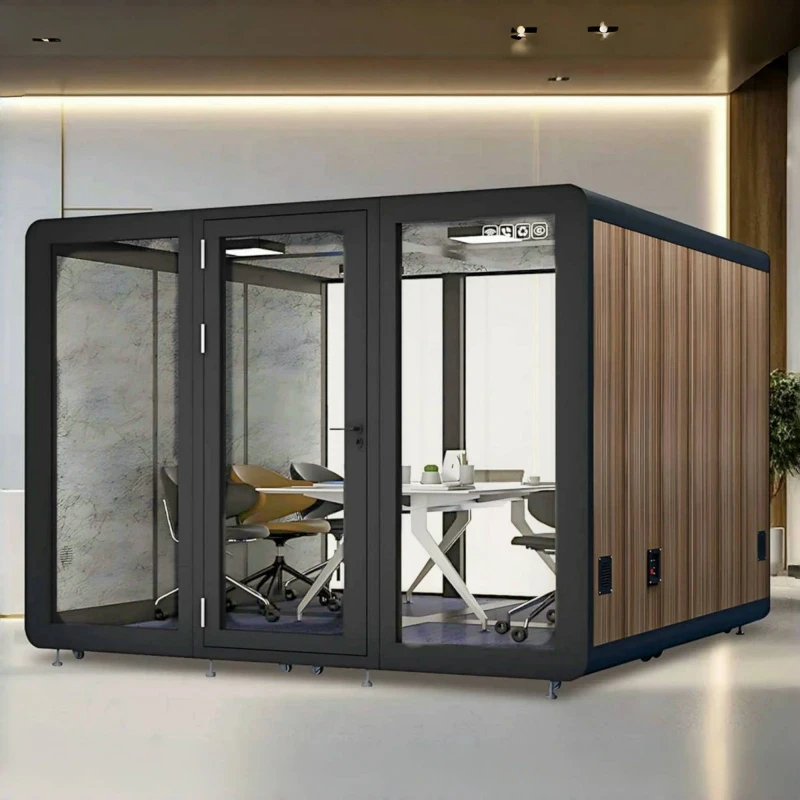
The functionality of office furniture is crucial. Since each team's needs may differ, the actual functions should be considered when selecting desks, chairs, and storage cabinets. For example, team meeting rooms should feature adjustable tables and chairs to accommodate meetings of varying sizes, while shared workspaces should be equipped with sufficient storage to prevent cluttered personal items on desks from affecting work efficiency.
3. Comfort and Ergonomics
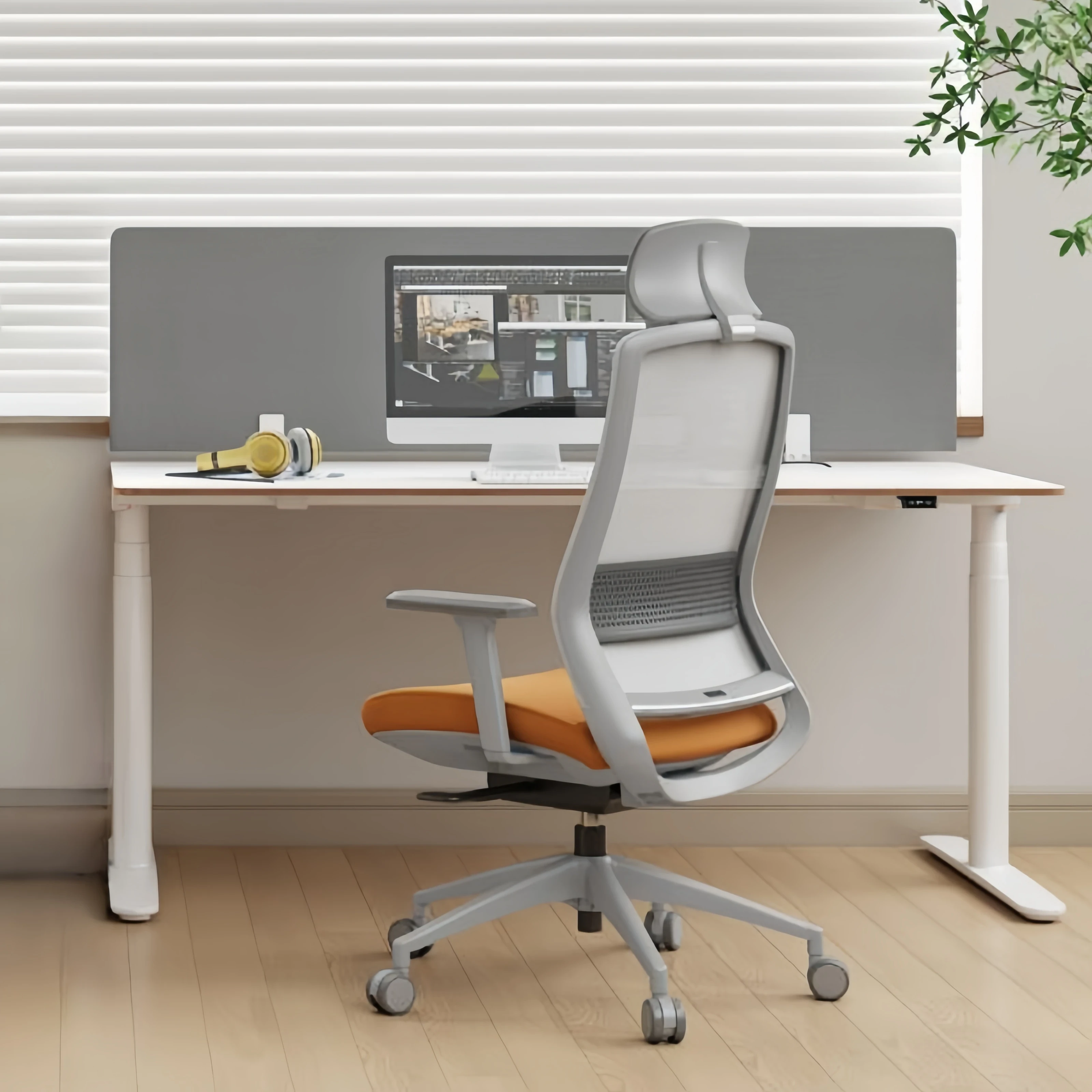
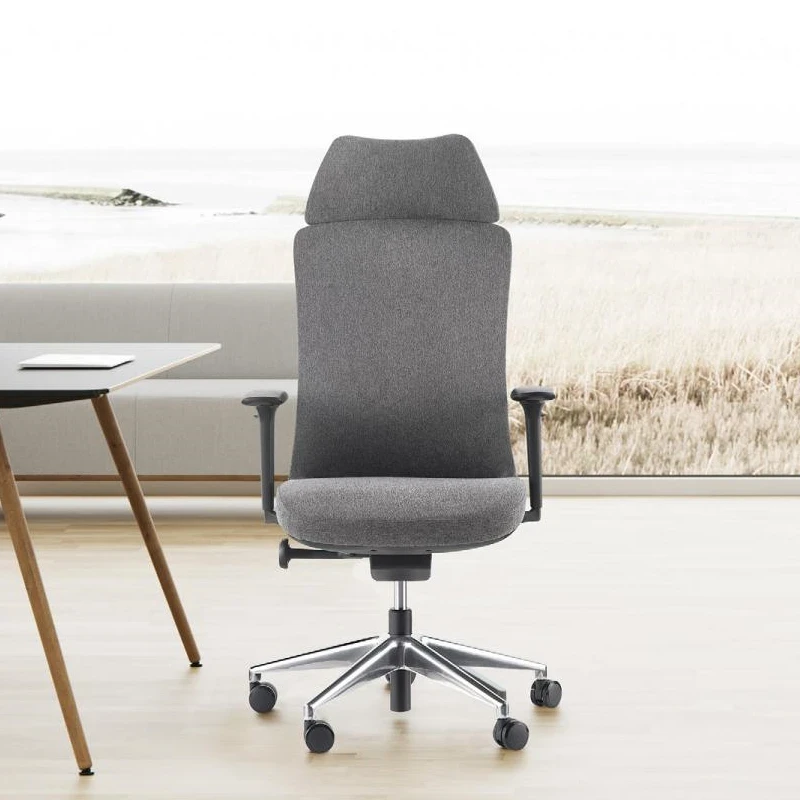
Employee comfort directly impacts their performance. Office chairs designed with ergonomics in mind can effectively reduce fatigue caused by prolonged sitting, and desks with adjustable heights can flexibly meet the needs of different employees. A comfortable office environment not only enhances employee productivity but also increases their satisfaction and loyalty.
4. Material Selection
The materials used for office furniture not only affect aesthetics but are also closely related to durability and maintenance costs. High-quality materials should be chosen to withstand heavy usage during busy work periods. Additionally, materials that are easy to clean and maintain should be selected to minimize time wasted on cleaning.
5. Incorporation of Natural Elements
As employees' demands for work environments continue to rise, more and more companies are incorporating natural elements into their offices. Green plants, ample natural light, and good ventilation design not only enhance the aesthetics of the work environment but also boost employee inspiration and creativity. Choosing eco-friendly office furniture can similarly increase employees' sense of belonging and identity.
6. Setting Up Social Areas
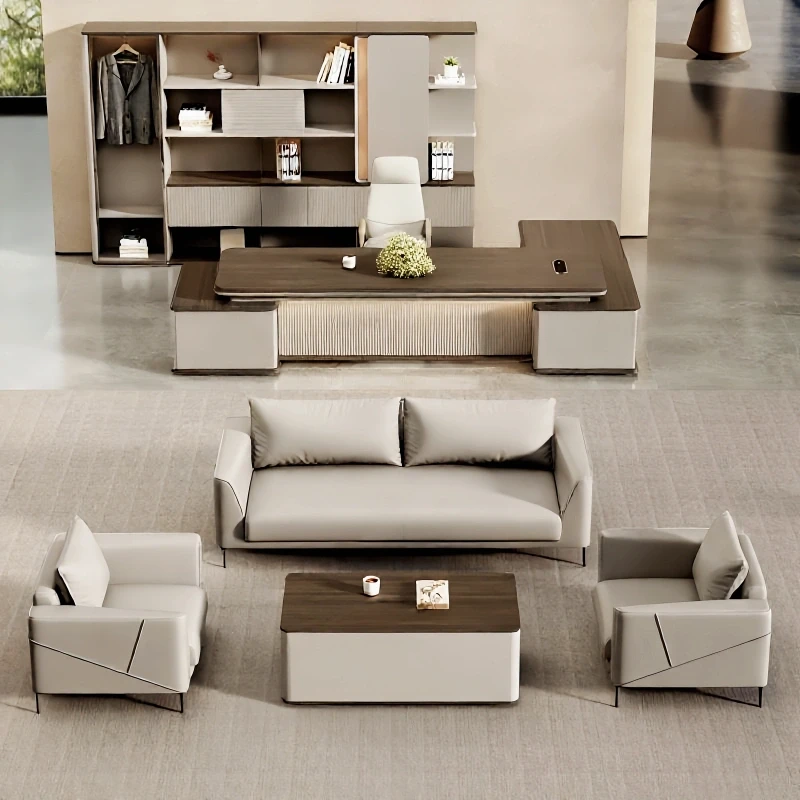
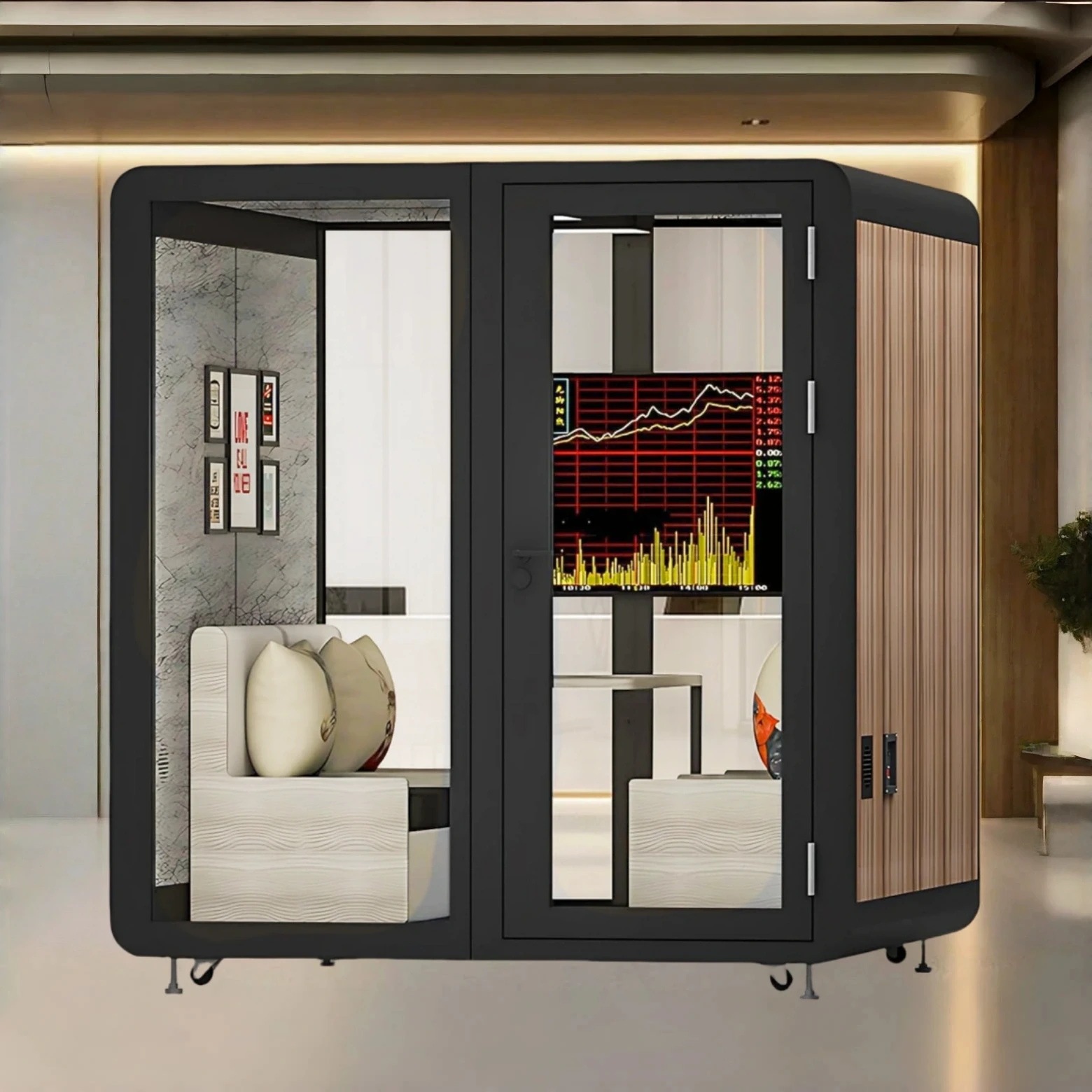
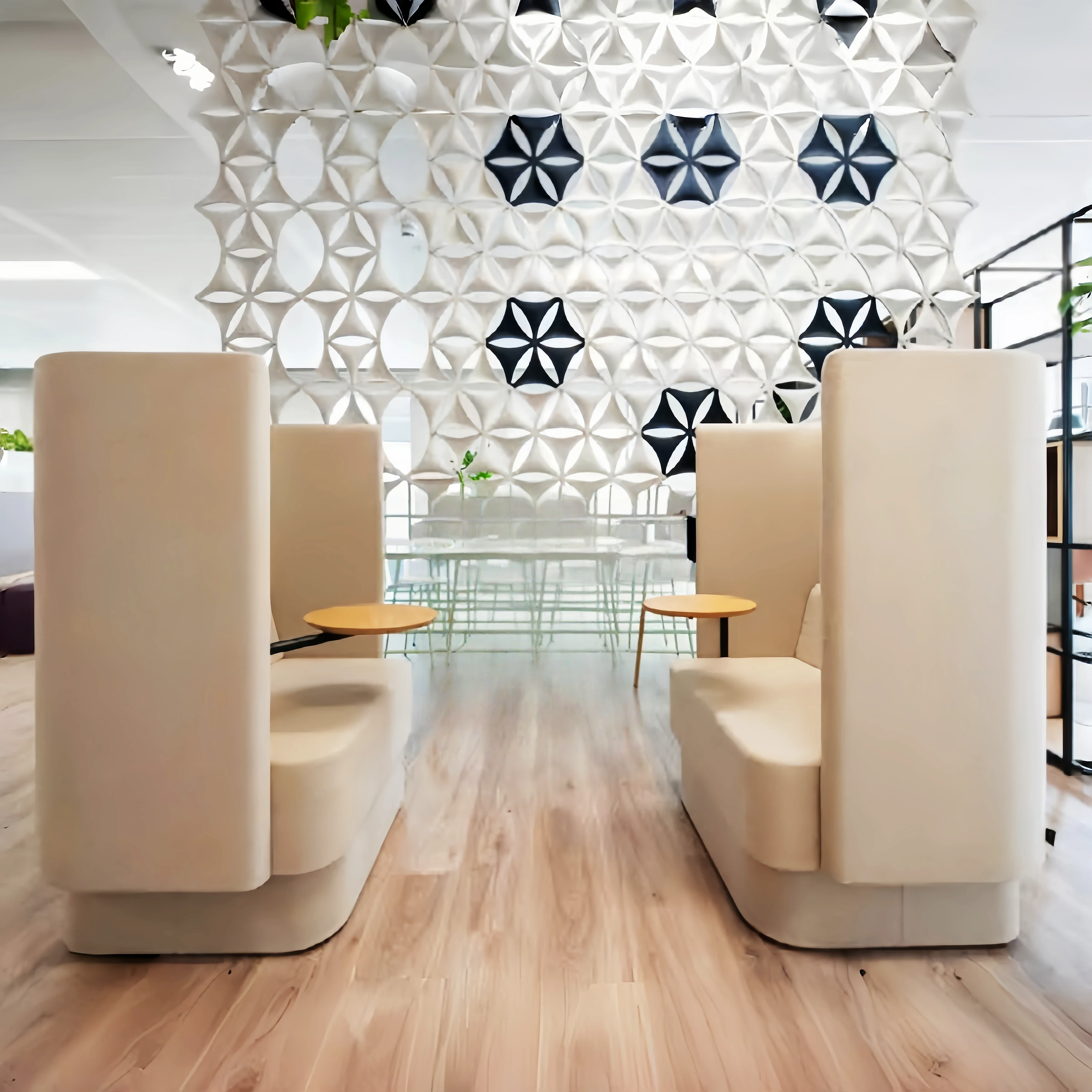
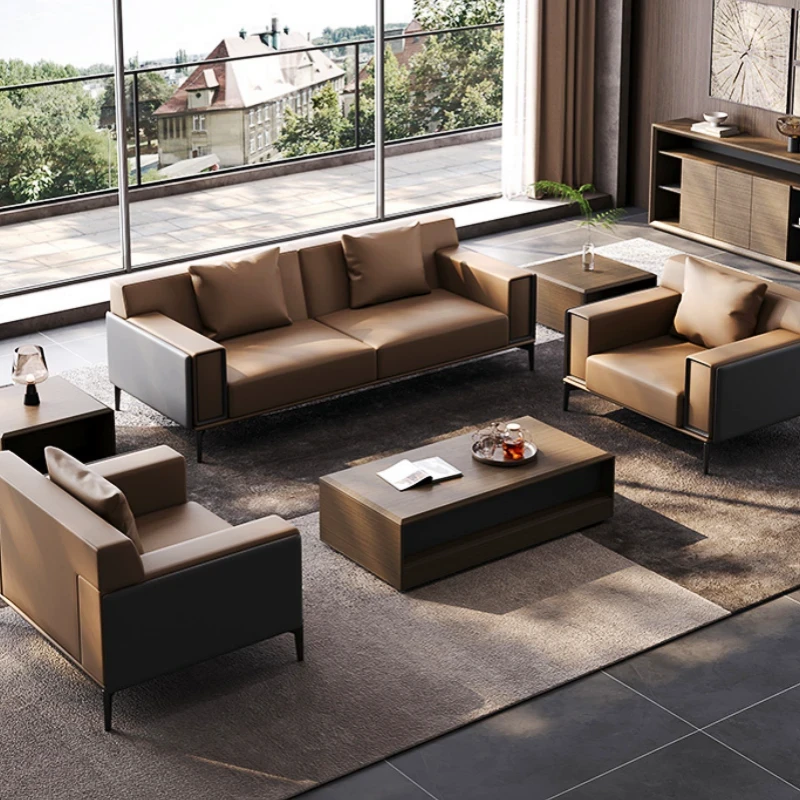
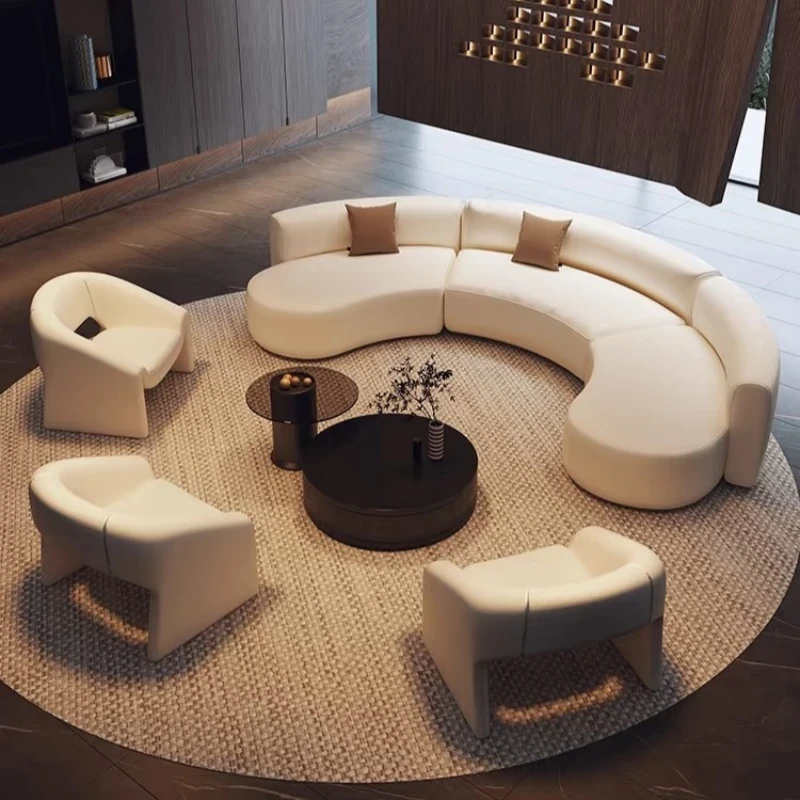
In modern office environments, social areas should be an important part of furniture configuration. Comfortable sofas, lounge chairs, and coffee tables can provide a relaxed space for communication, facilitating informal interactions among employees. Such social areas can promote collaboration and idea exchange, thereby enhancing the team's creativity.
7. Budget and Return on Investment
Finally, when selecting office furniture, reasonable budgeting and considerations of return on investment are essential. In the long run, investing in high-quality office furniture not only reduces frequent replacement costs but also improves employee productivity and the company's image. Therefore, business managers should comprehensively consider the budget and choose cost-effective office furniture.
Conclusion
The selection of office furniture is not only about the arrangement of physical space but also about employee work efficiency and team collaboration. By focusing on office environment design, functionality, comfort, material selection, the incorporation of natural elements, the setup of social areas, and budget control, companies can not only create efficient work environments but also foster team creativity and cooperation, thereby enhancing overall job satisfaction.
Subscribe To Our Newsletter
You Can Get The News Of Our Products
SIGN UP
Contact Info
support@Guddorfiss.com
Payment Methods