
 USD
USD GBP
GBP
 EUR
EUR









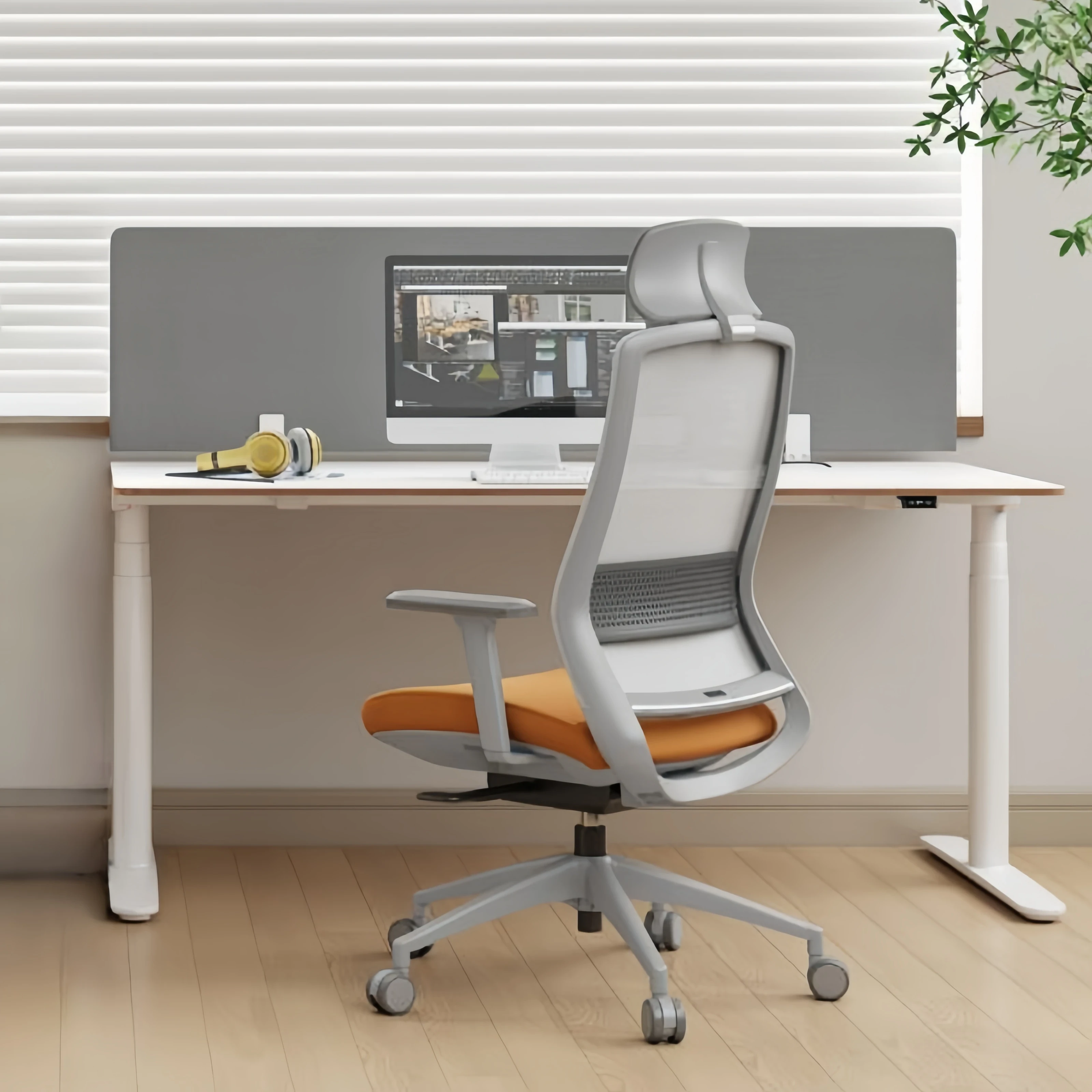






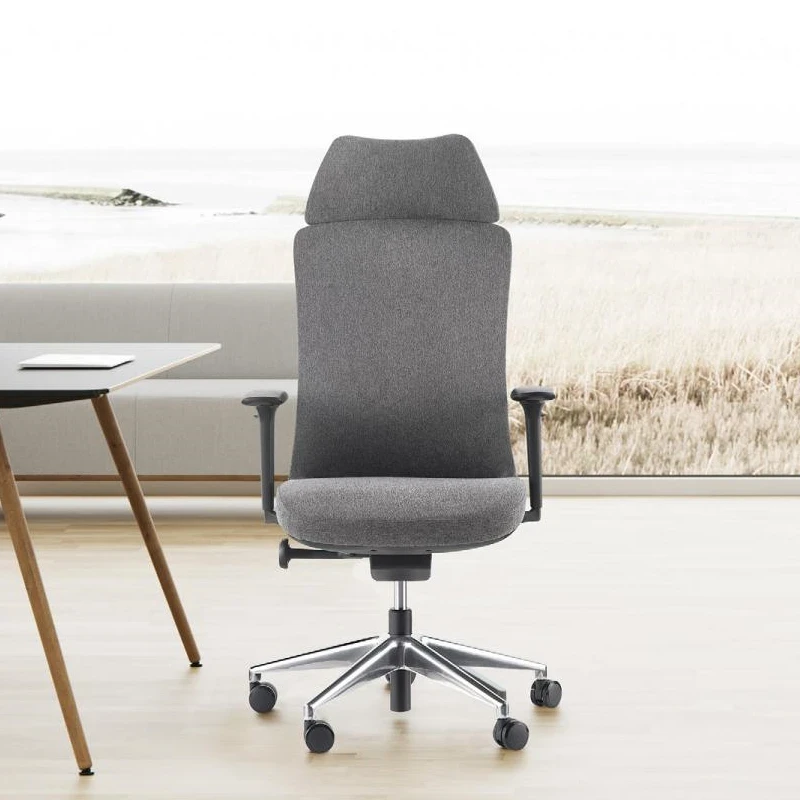


Chairs have played a vital role in Chinese history. With improved living standards and a growing awareness of health, chairs have evolved towards a healthier alternative. In recent years, ergonomic chairs have become popular in China and are favored by consumers. Today, thanks to improvements by scientists, ergonomic chairs have become multifunctional, portable, and healthy chairs that can be adjusted to individual comfort levels, offering both reclining and sitting options. Furthermore, their design reduces pressure on the buttocks and back, presses on acupoints in pressure areas, promotes blood circulation in the buttocks and back, and prevents strain on the neck, shoulders, and lower back, resulting in excellent health benefits.
How to use an ergonomic computer chair correctly?
1. The correct seat height should be adjusted so that your feet can rest flat on the ground and your thighs are bent at a 90° angle.
2. The correct seat depth should allow your buttocks to sit at the innermost part of the seat, and the seat depth should be adjusted appropriately so that the seat can effectively support more than 2/3 of the thigh area, and the bending angle between the thigh and the calf should be 90°.
3. The correct armrest height should be adjusted so that the arm and elbow form a 90° angle. At this point, the arm should hang naturally without any feeling of slumping. Prolonged periods of unsupported or poorly supported arms can cause shoulder pain or frozen shoulder, which can have a significant impact on health.
4. The correct backrest angle should allow the entire back to be fully attached to the backrest. This allows the spine to relax, effectively relieving spinal fatigue and preventing back pain.
5. The correct lumbar height should be adjusted to the position of the third, fourth, and fifth lumbar vertebrae. When the human body is in a sitting posture, the weight of the entire body, except for the legs and buttocks, is borne by the lumbar vertebrae. Therefore, adjusting the lumbar height correctly helps prevent tendonitis or myofascitis, herniated discs, spinal spondylolisthesis, lumbar muscle strain, degenerative osteomyelitis, sciatica, etc.
6. When adjusting the seat depth, the seat needs to be slid out using the strength of the buttocks. At this time, the back needs to be supported by a fixed backrest so that the force comes from the buttocks. If the backrest is not locked, the back will lose its support, the buttocks will not be able to exert force, and the seat will not slide smoothly.
7. The correct angle of the armrest pad should provide adequate support for your hands or elbows at all times. Inadequate support for the hands or elbows over a long period of time can easily lead to carpal tunnel syndrome and elbow syndrome. Of course, it is also related to the protection of the cervical spine.
8. The correct headrest height should be adjusted to support the third to seventh cervical vertebrae. This will provide adequate support for the cervical spine, effectively relieve fatigue, and prevent bone spurs or chronic spinal degeneration.