
 USD
USD GBP
GBP
 EUR
EUR
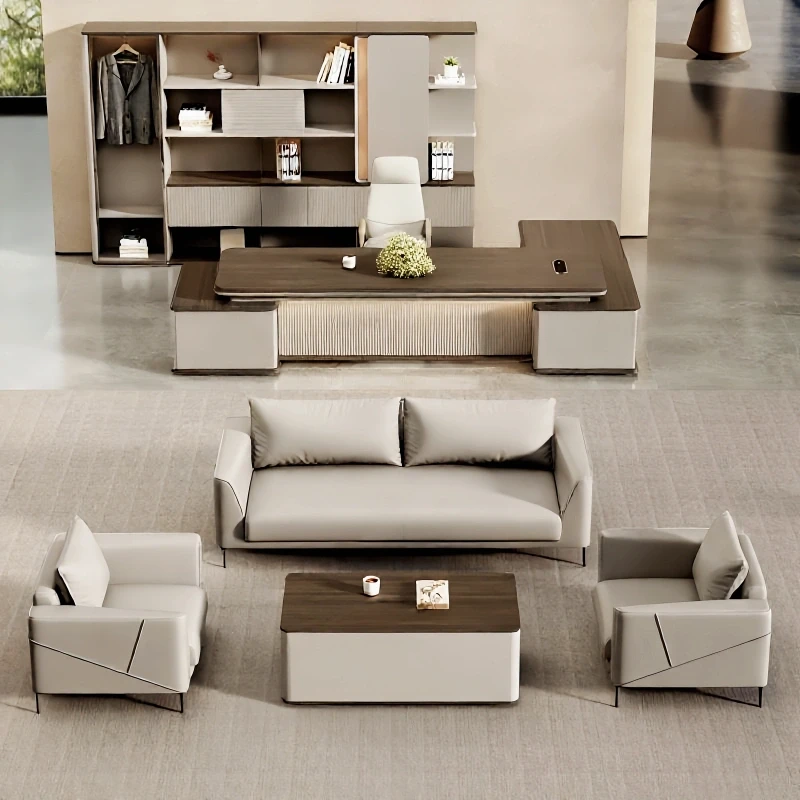
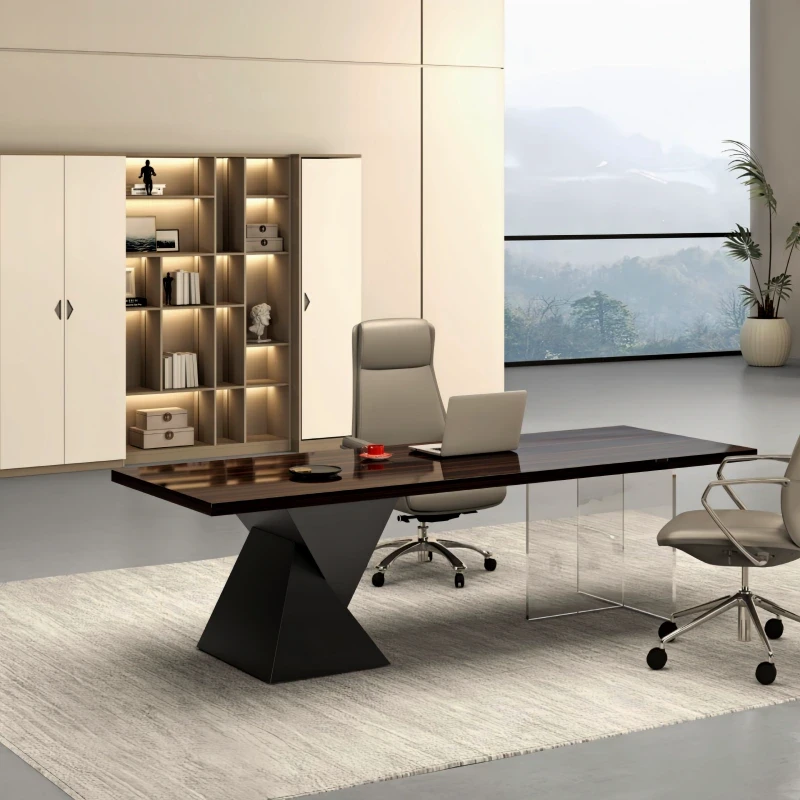


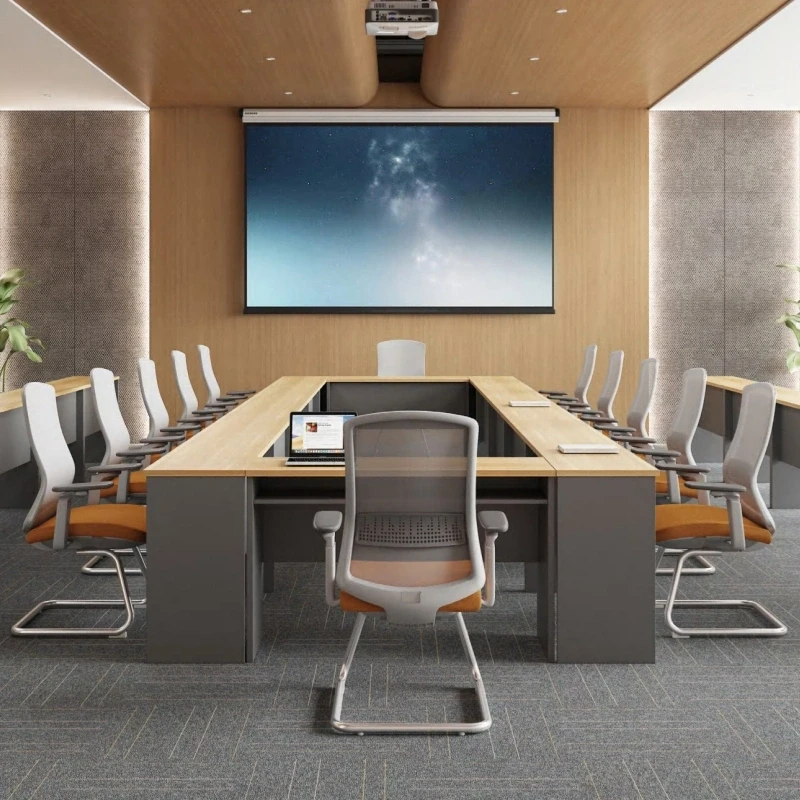
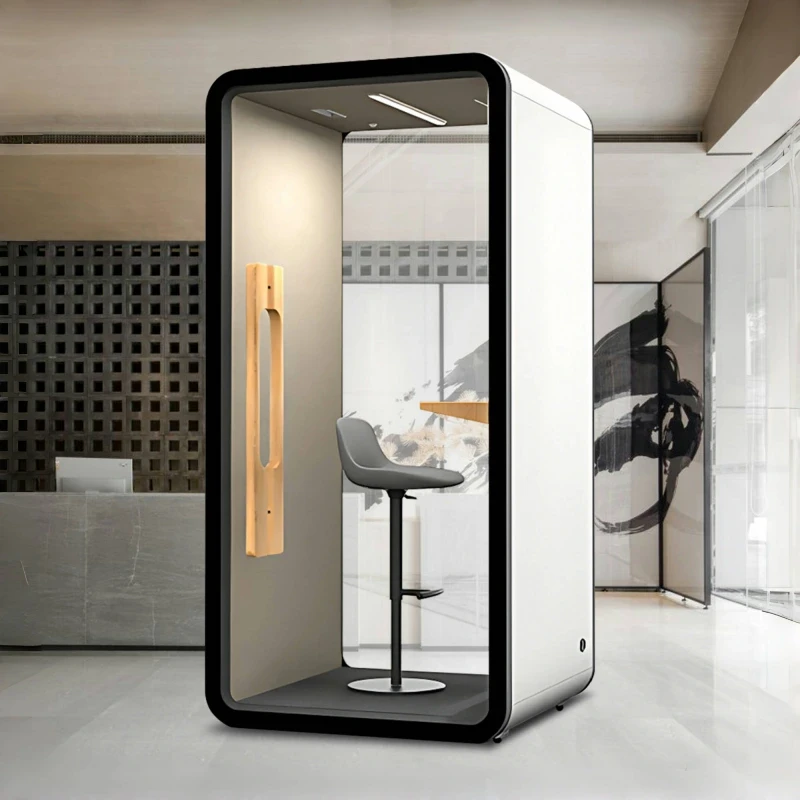
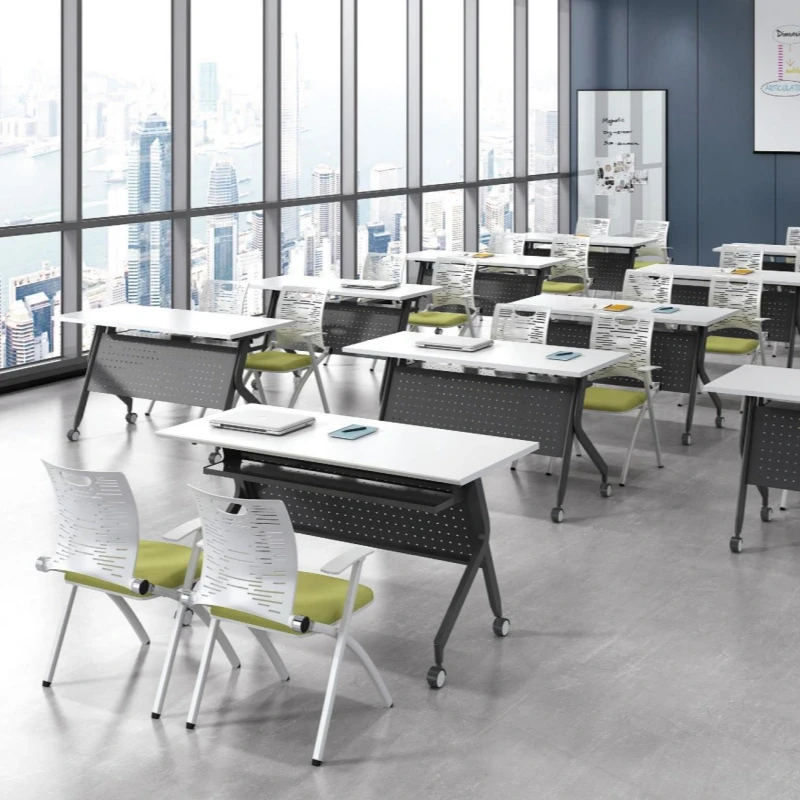
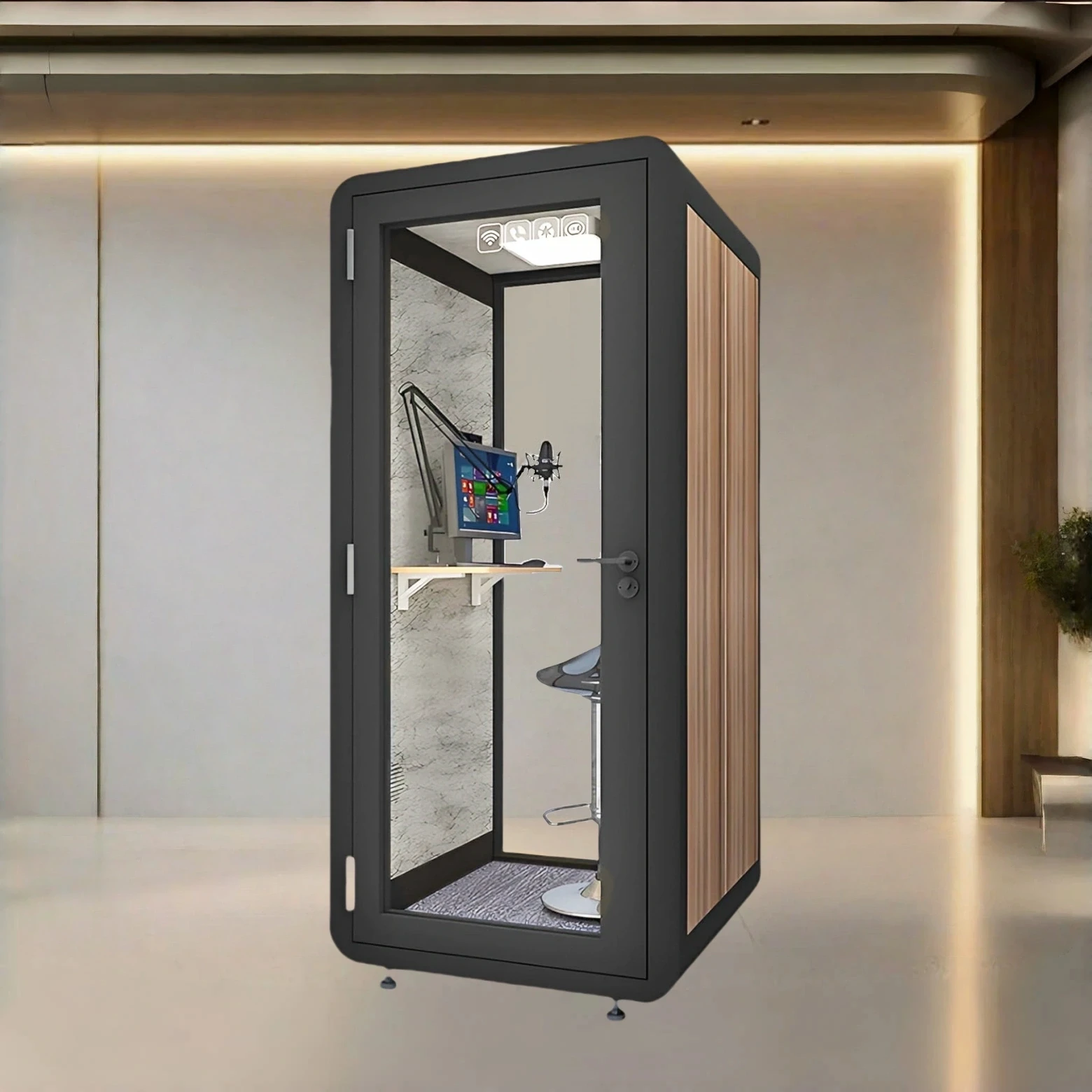
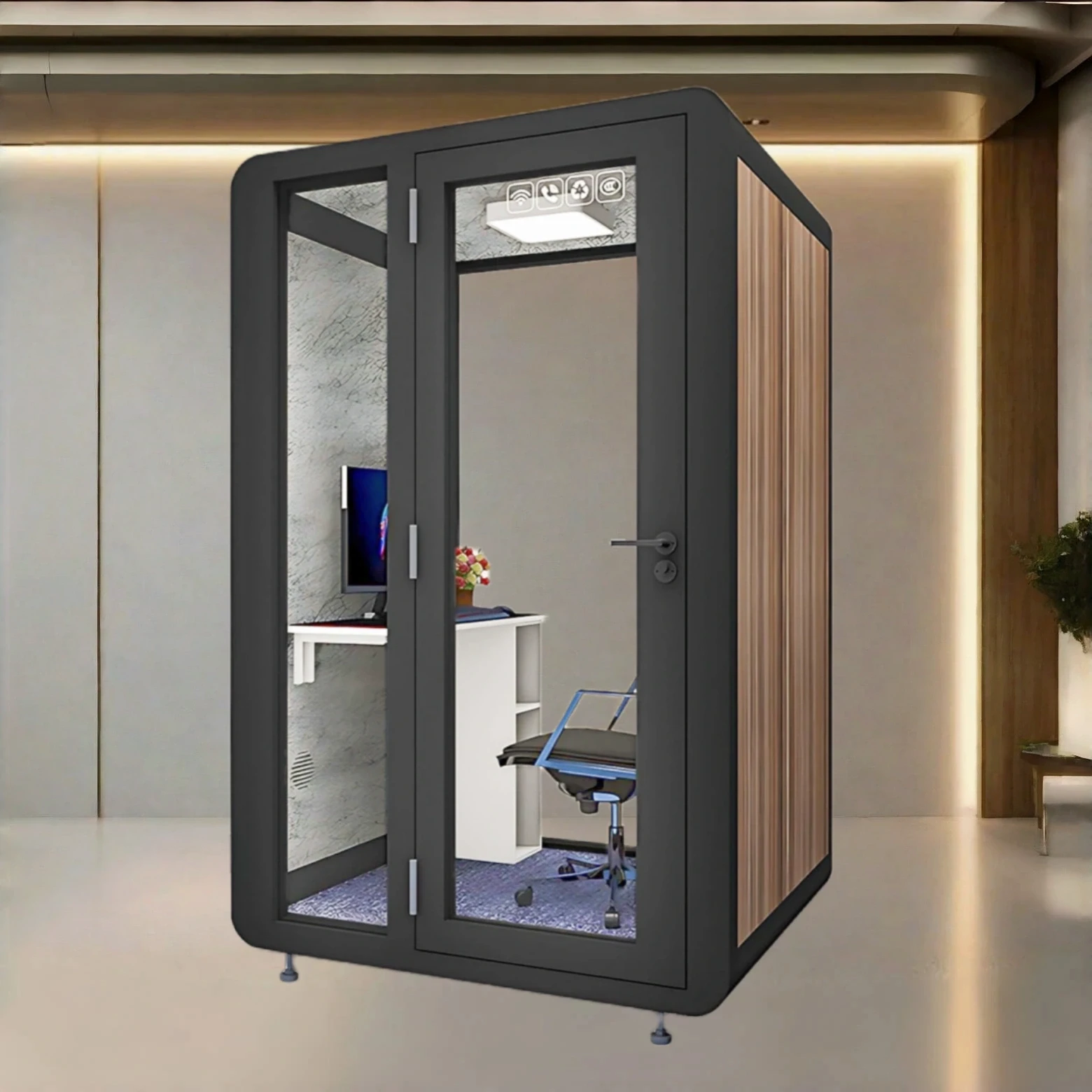
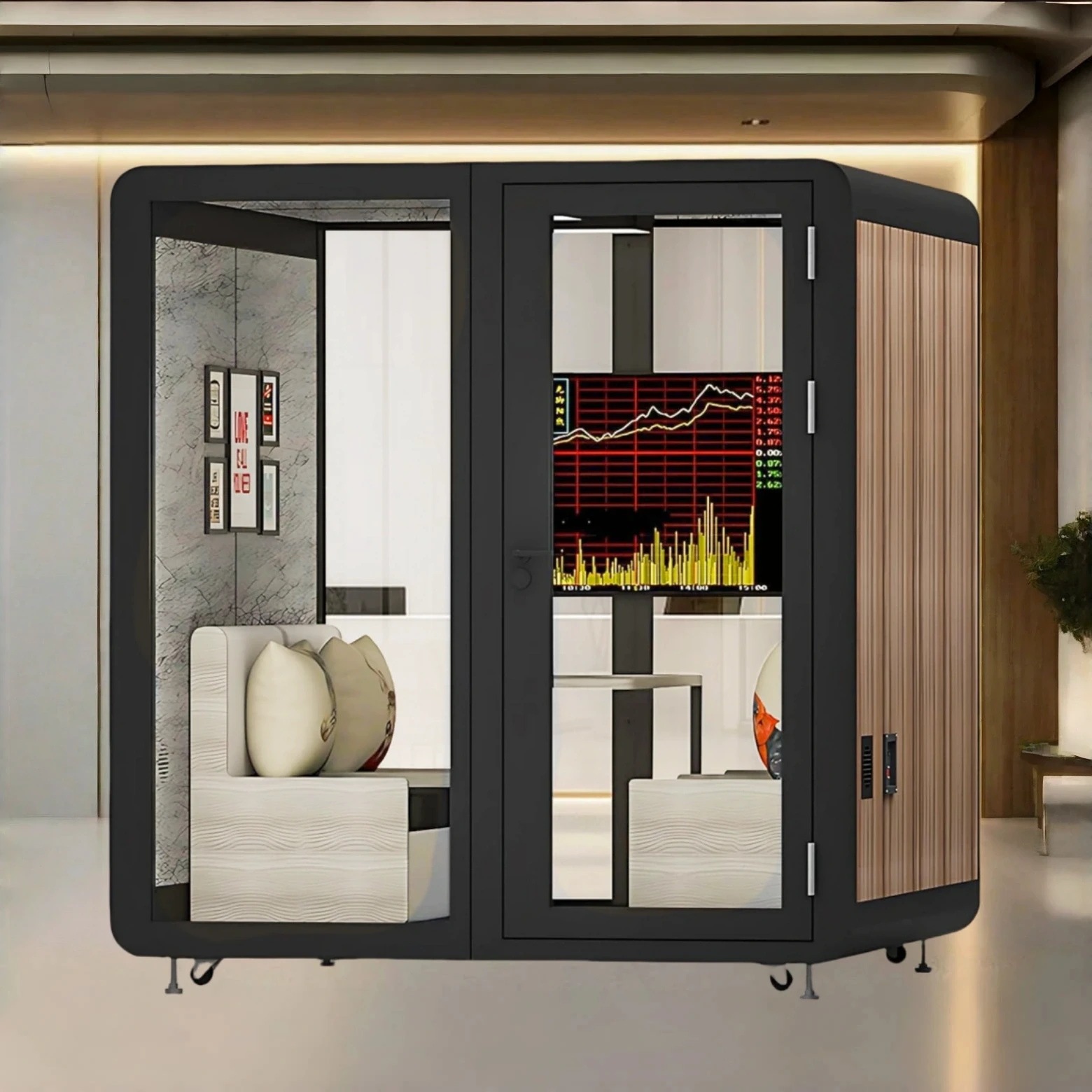
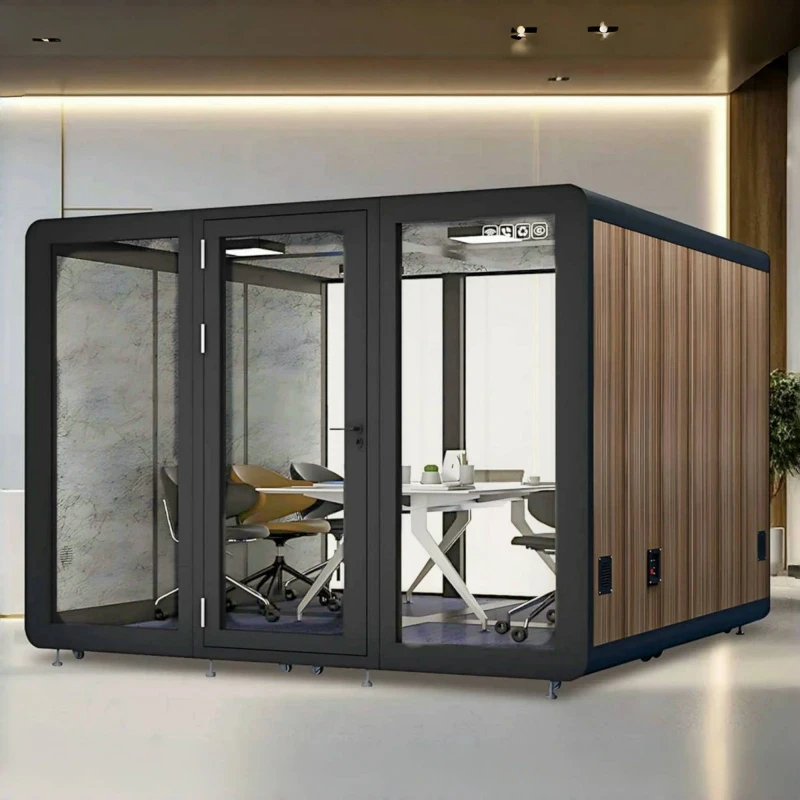
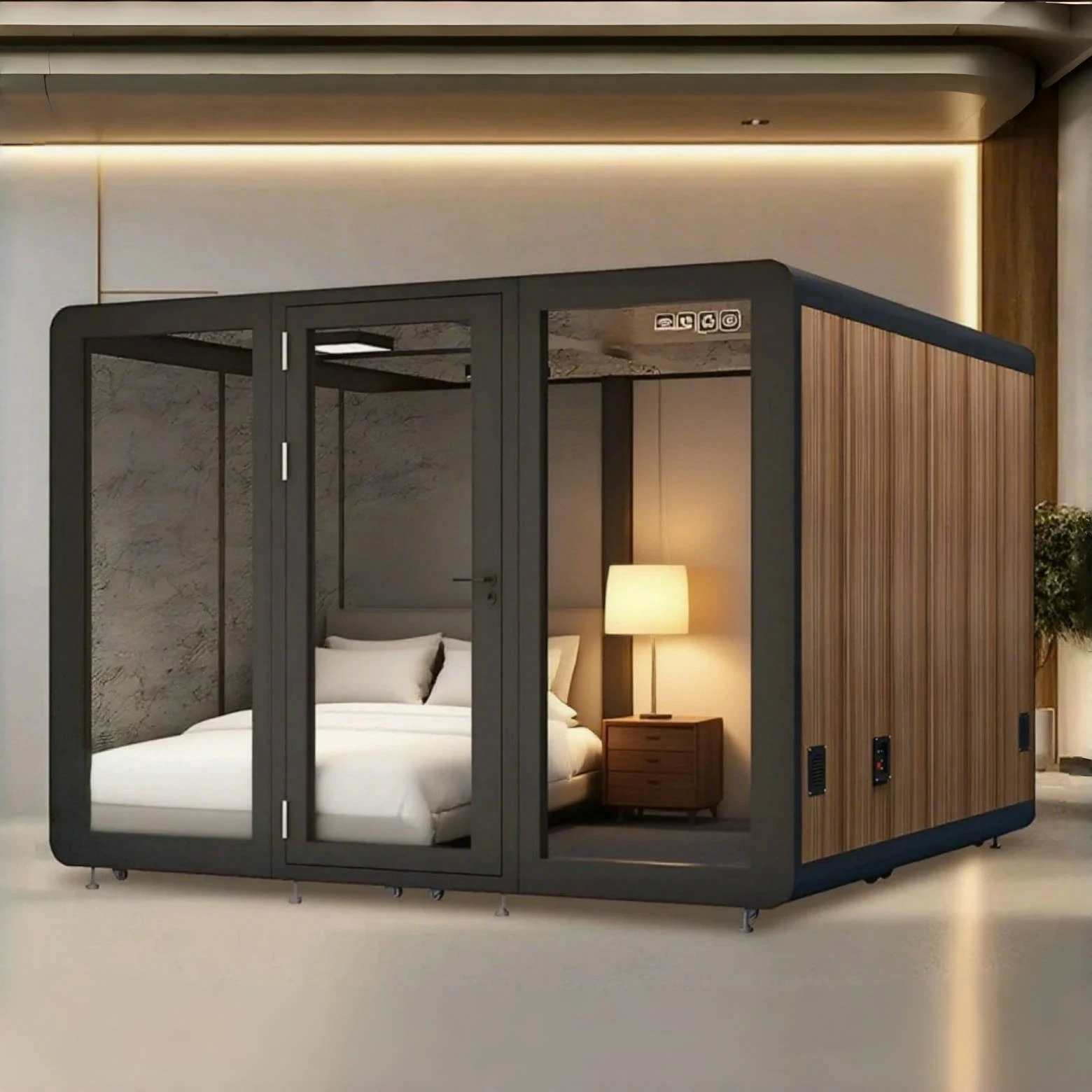


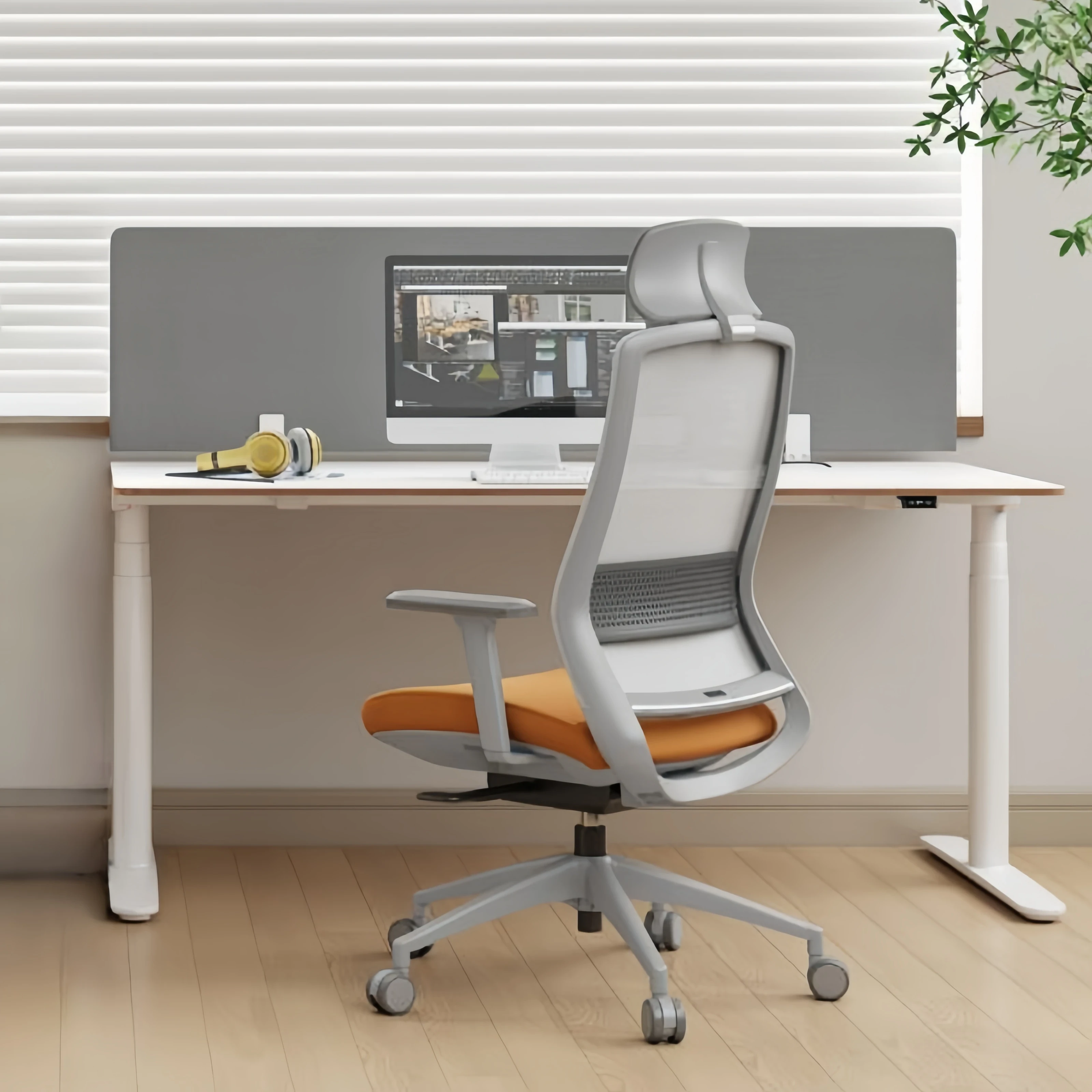


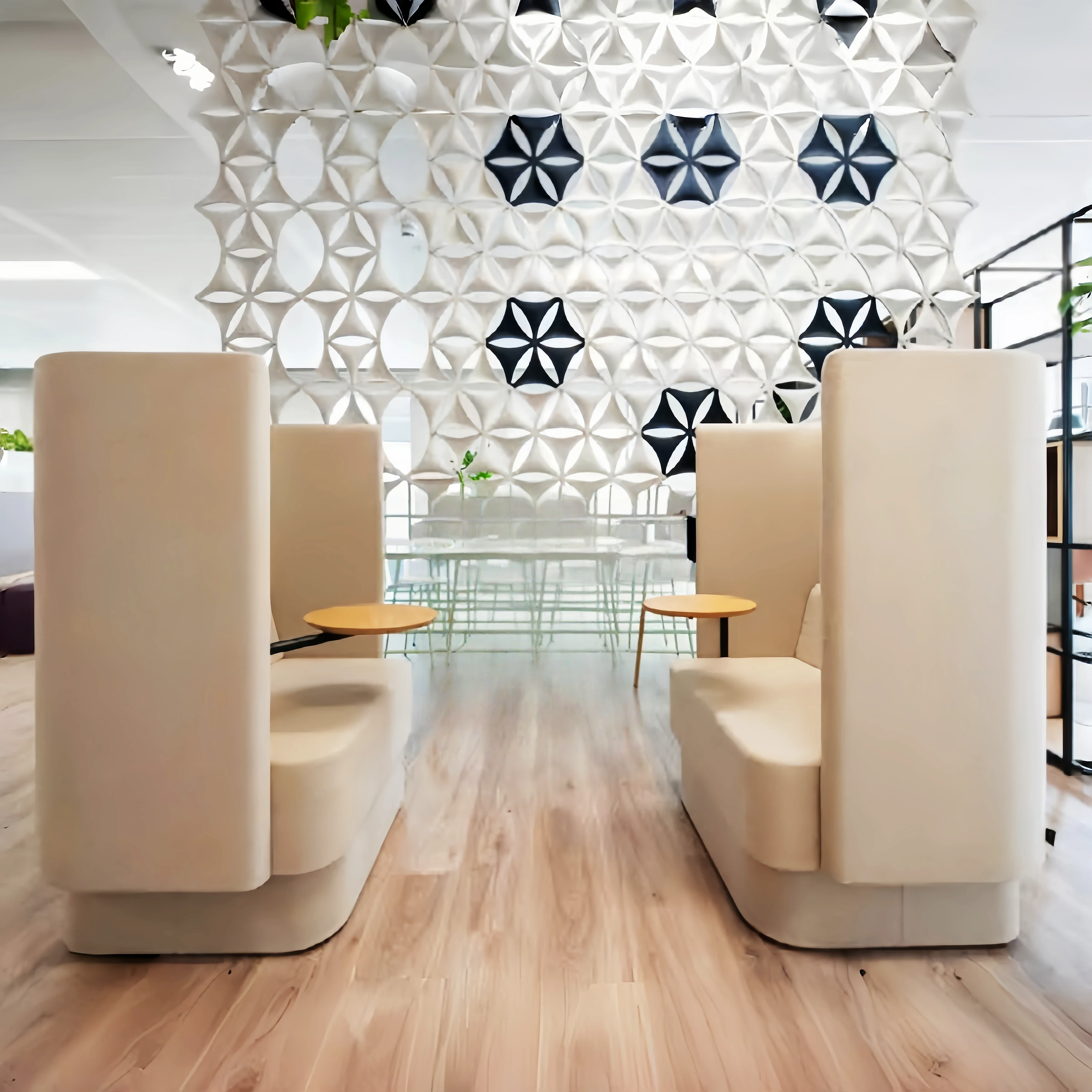

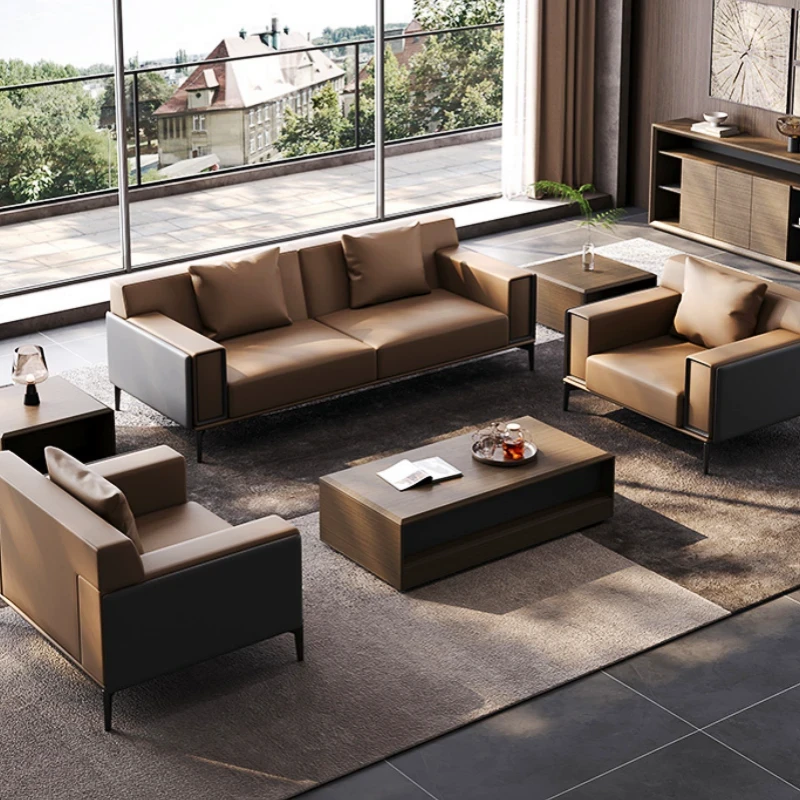
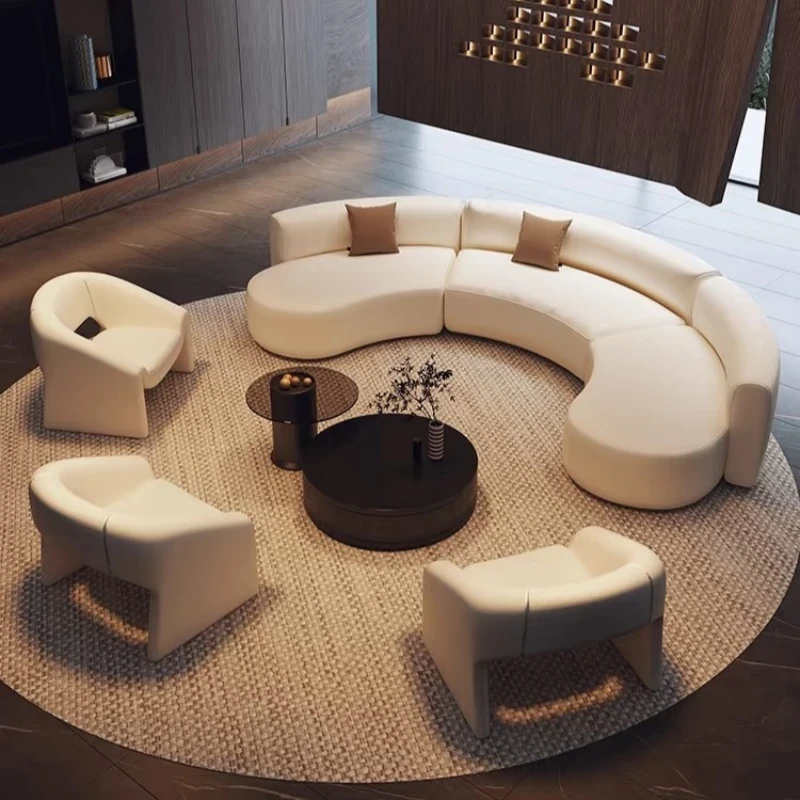
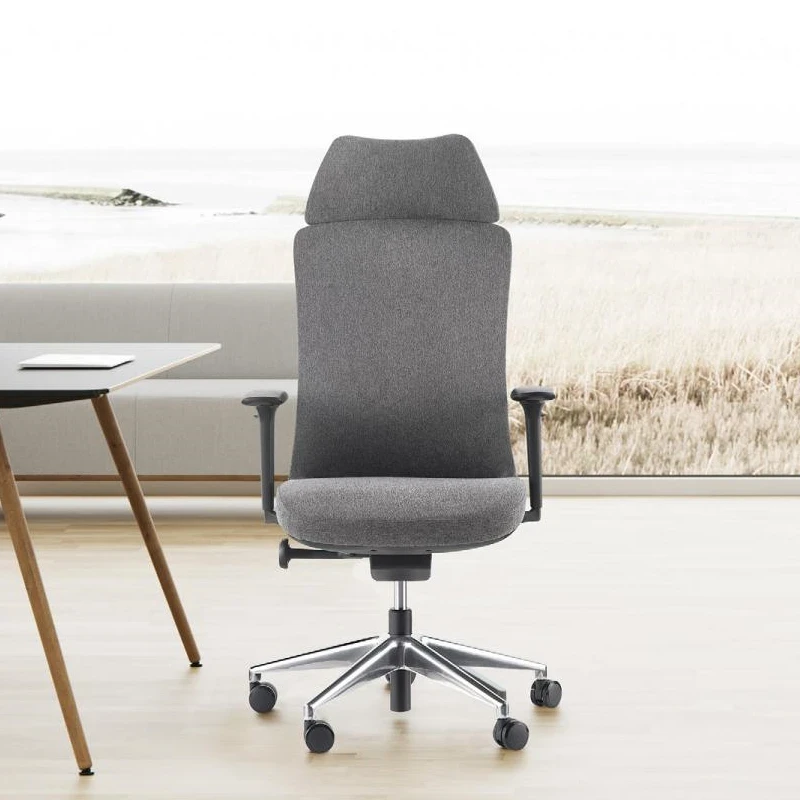


Ergonomics is at the heart of modern office furniture design. Ensure your chosen chairs and desks support good posture, helping to reduce fatigue and discomfort during long hours of work. Height-adjustable desks and chairs, chair backs with lumbar support, and keyboard trays all contribute to a healthier work environment.
2. Flexibility and Multifunctionality:
Modern offices often need to adapt to different work patterns and tasks. Choosing flexible furniture, such as movable desks, stackable chairs, or modular storage systems, helps to easily reconfigure space to meet current needs. Additionally, multifunctional furniture such as benches with storage or hybrid meeting tables are ideal choices.
3. Technological Integration:
As technology advances, office furniture also needs to have corresponding technological integration capabilities. Choosing furniture with power outlets, USB charging ports, and other convenient features for technical devices can improve overall work efficiency. Some modern desks even come with wireless charging pads and cable management systems to ensure a clean and organized work environment.
4. Aesthetic and Brand Consistency:
Office furniture should reflect the company's brand and culture; therefore, aesthetic design is equally important. Choosing colors and materials that align with the company's visual style helps create a consistent and professional environment. Furthermore, the design style of the furniture should coordinate with the overall decoration style of the office to create a harmonious space.
5. Consider Sustainability
When choosing furniture, its environmental performance should also be considered. Choosing furniture made with sustainable materials and products with a production process that has a smaller environmental impact demonstrates the company's commitment to environmental protection. This is not only beneficial to the planet but may also enhance the company's image in terms of social responsibility.
6. Budget Management
While high-quality office furniture usually means higher costs, it often has a longer lifespan and a better user experience. Allocating the budget reasonably, while ensuring basic needs and practicality, also allows for the investment of higher-end furniture in high-demand areas such as meeting rooms or employee rest areas.
Conclusion
When choosing furniture for a modern office, comprehensively considering factors such as ergonomics, flexibility, technological integration, aesthetics, sustainability, and budget can create a fully functional, comfortable, beautiful, and efficient work environment. This not only improves employee satisfaction and productivity but also helps to establish a professional image and corporate culture. Through careful planning and wise selection, office furniture will become an important contributor to the successful operation of a business.