
 USD
USD GBP
GBP
 EUR
EUR
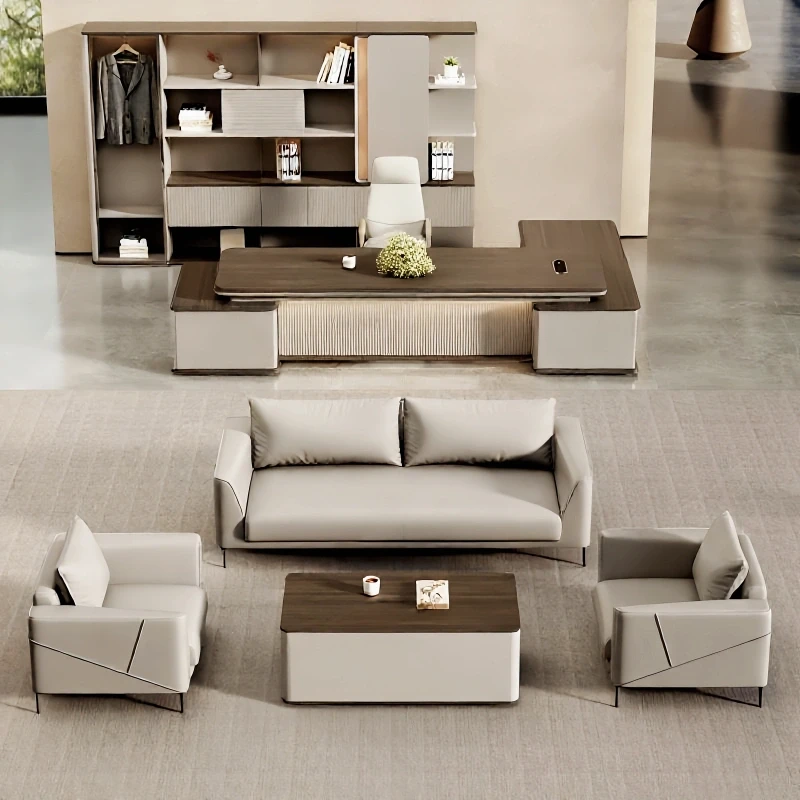
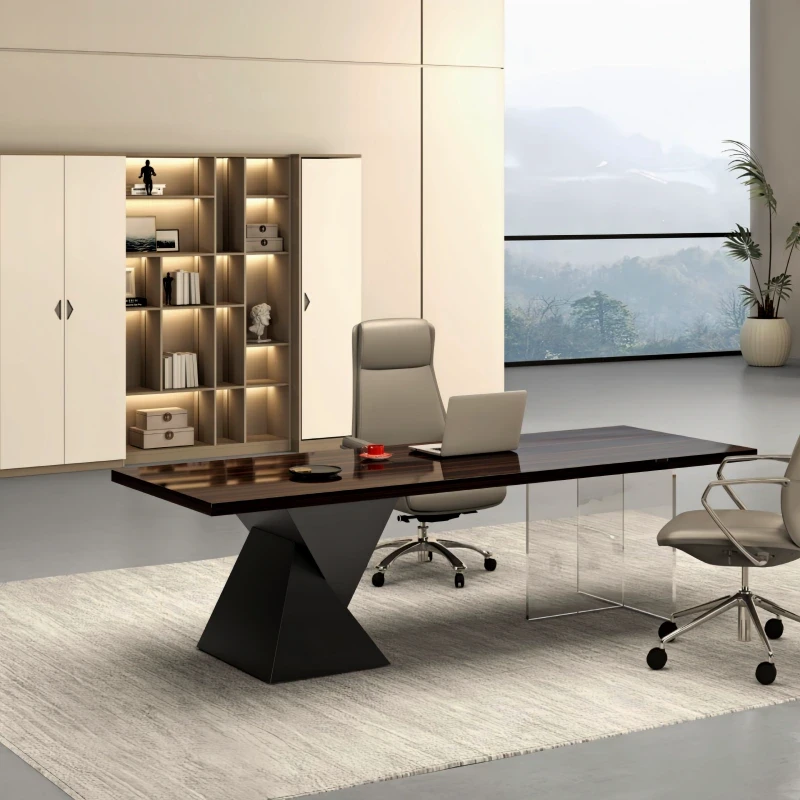


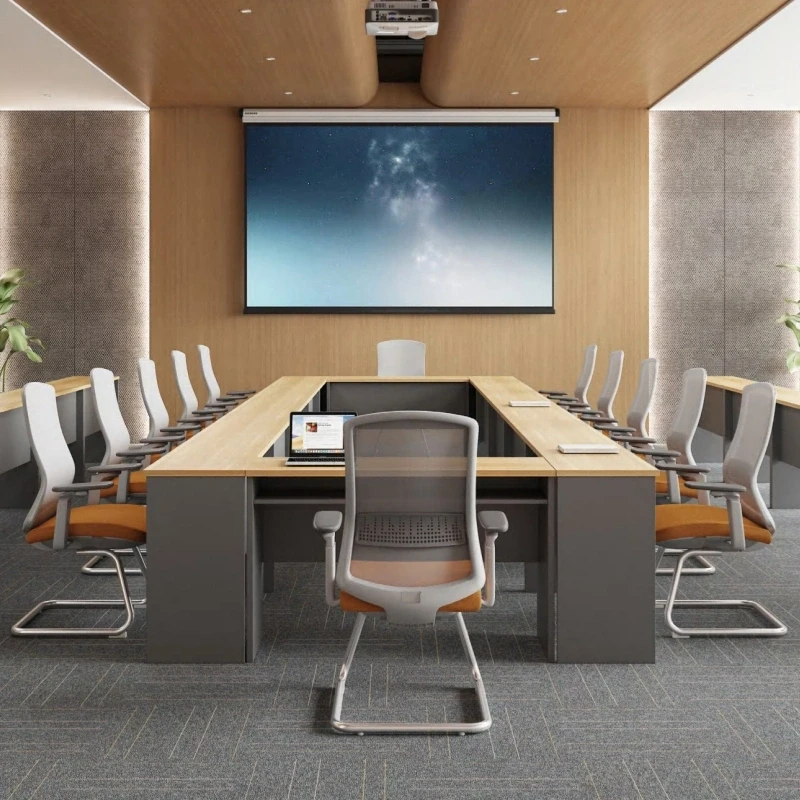
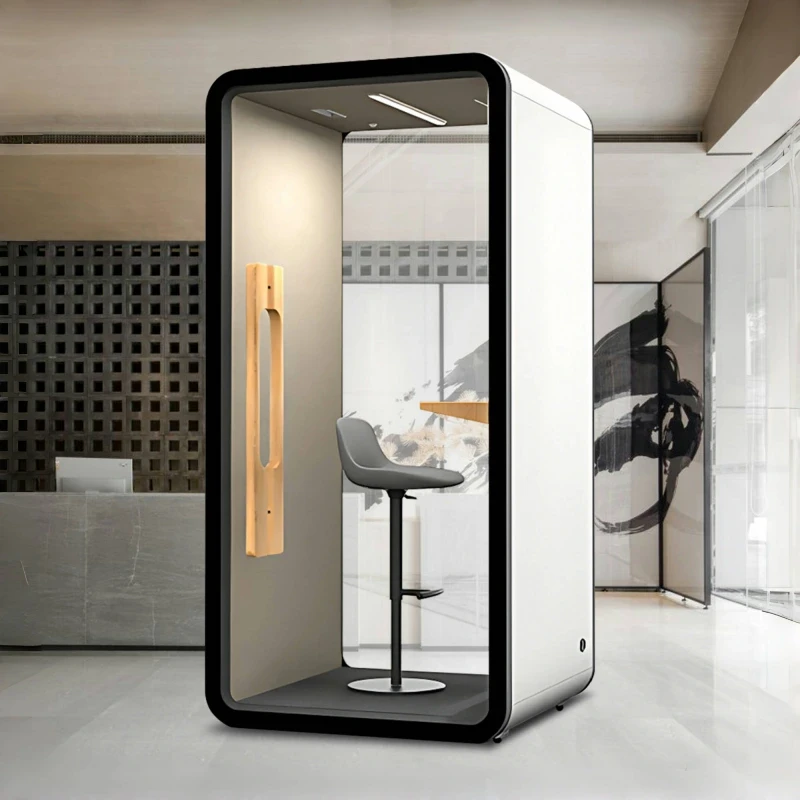
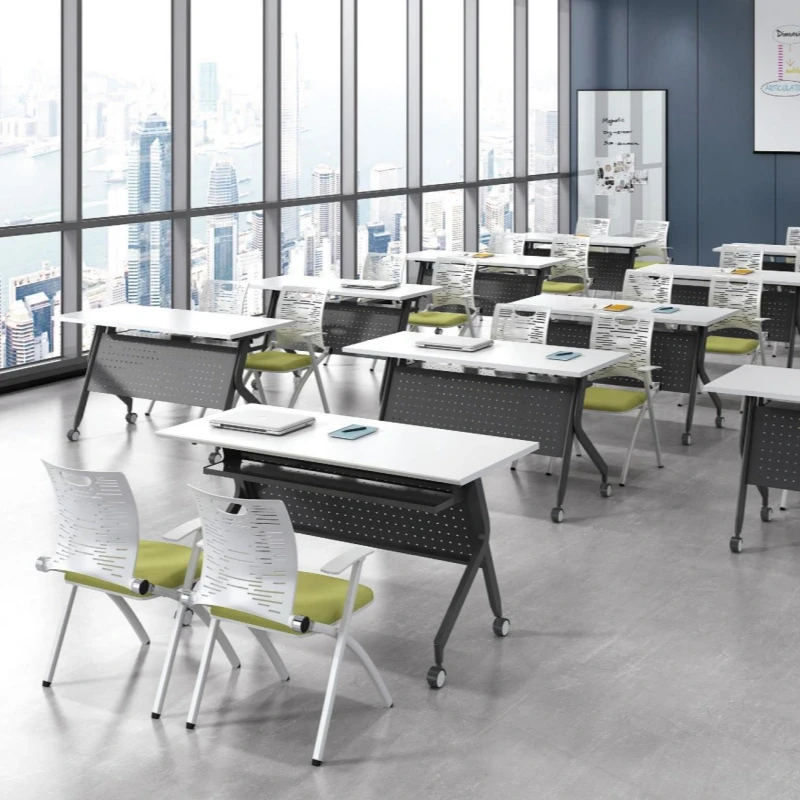
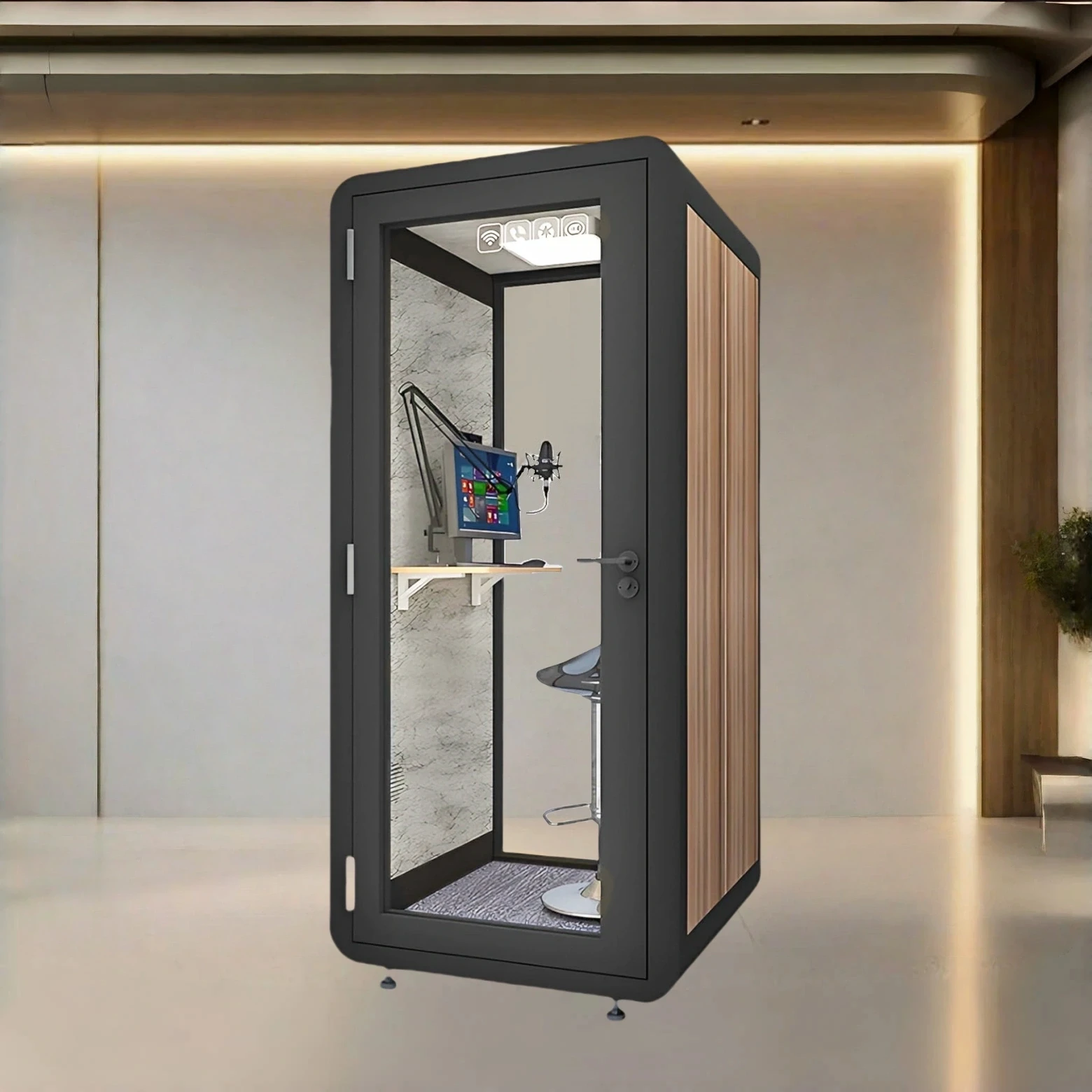
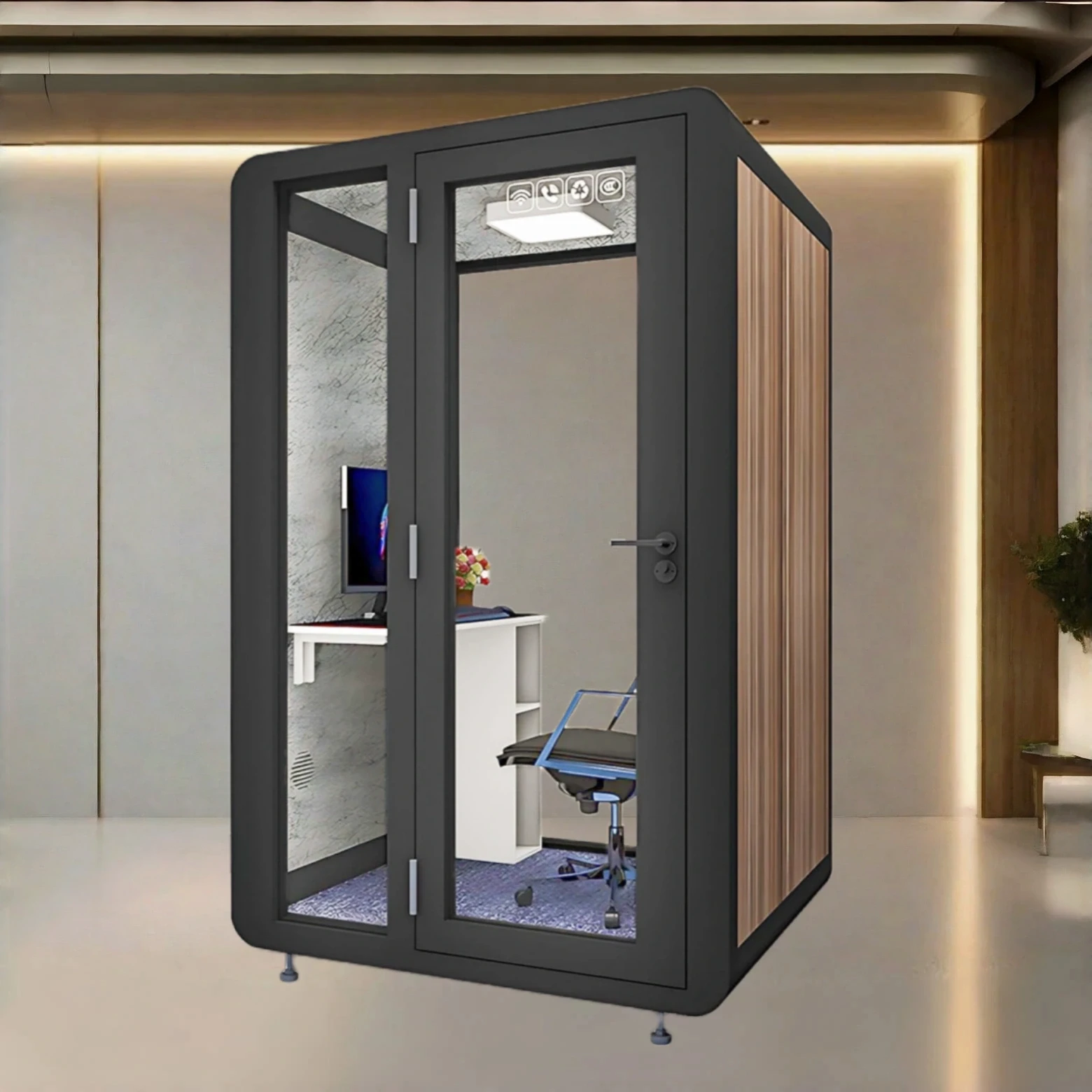
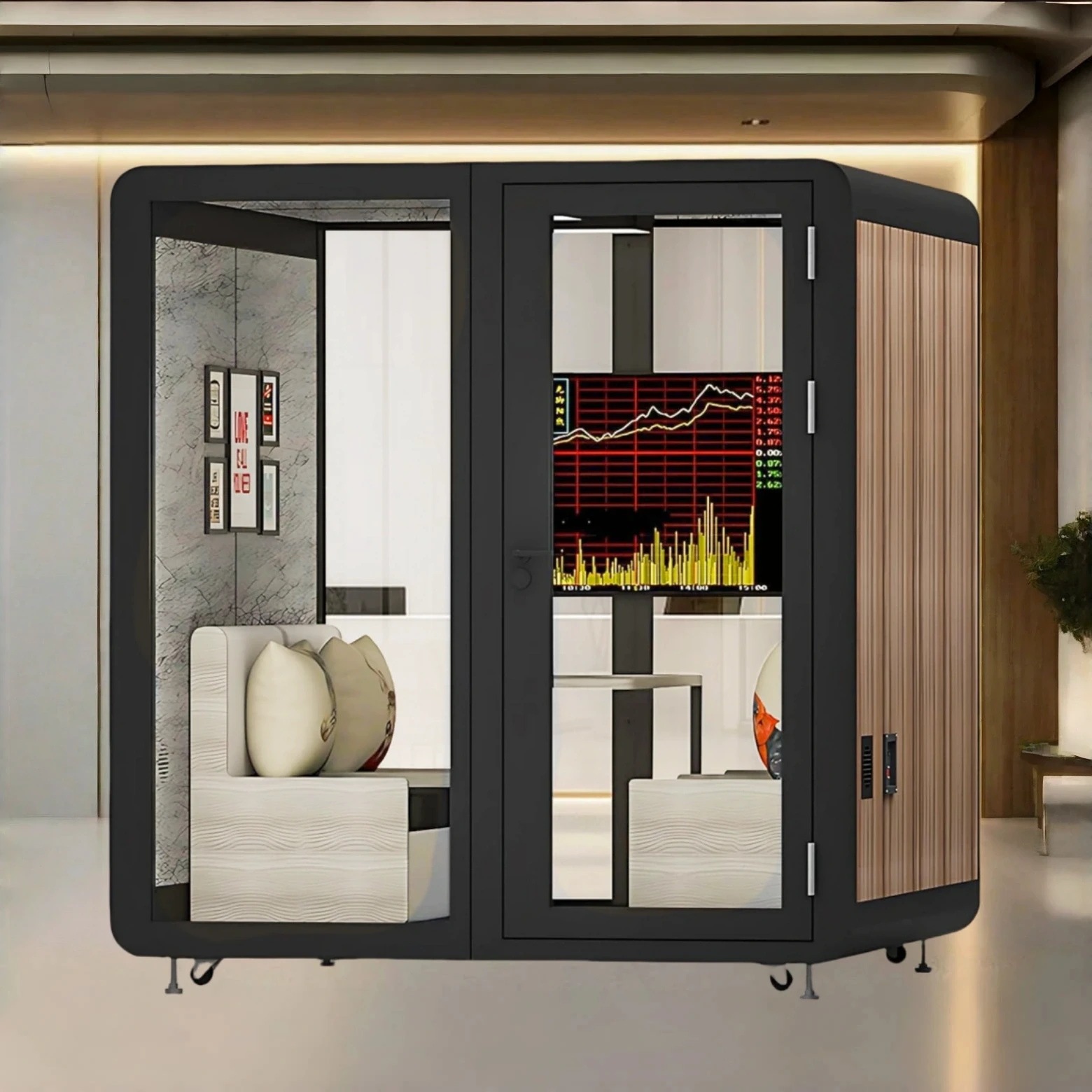
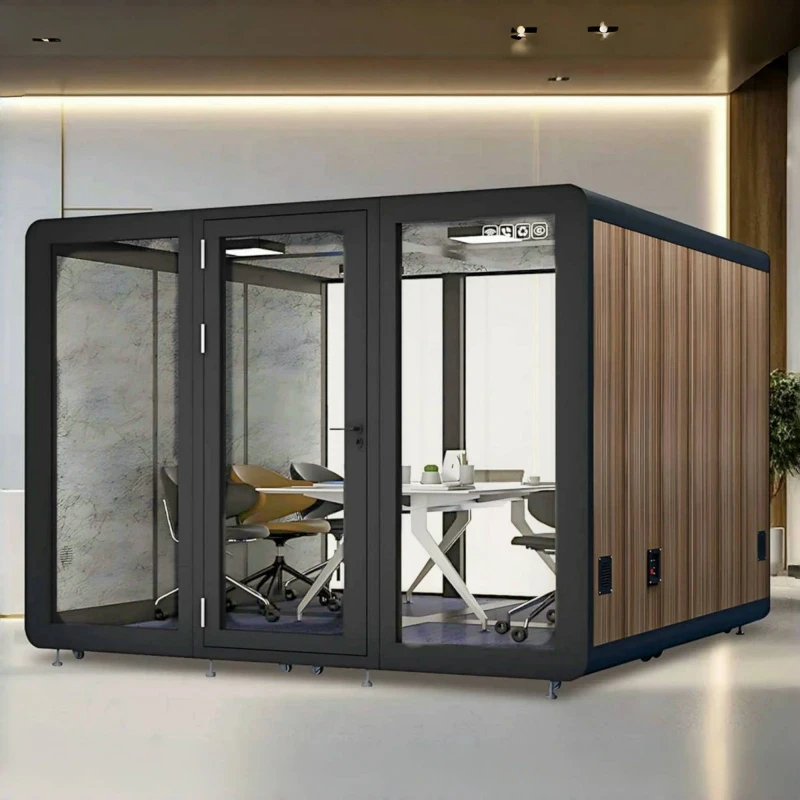
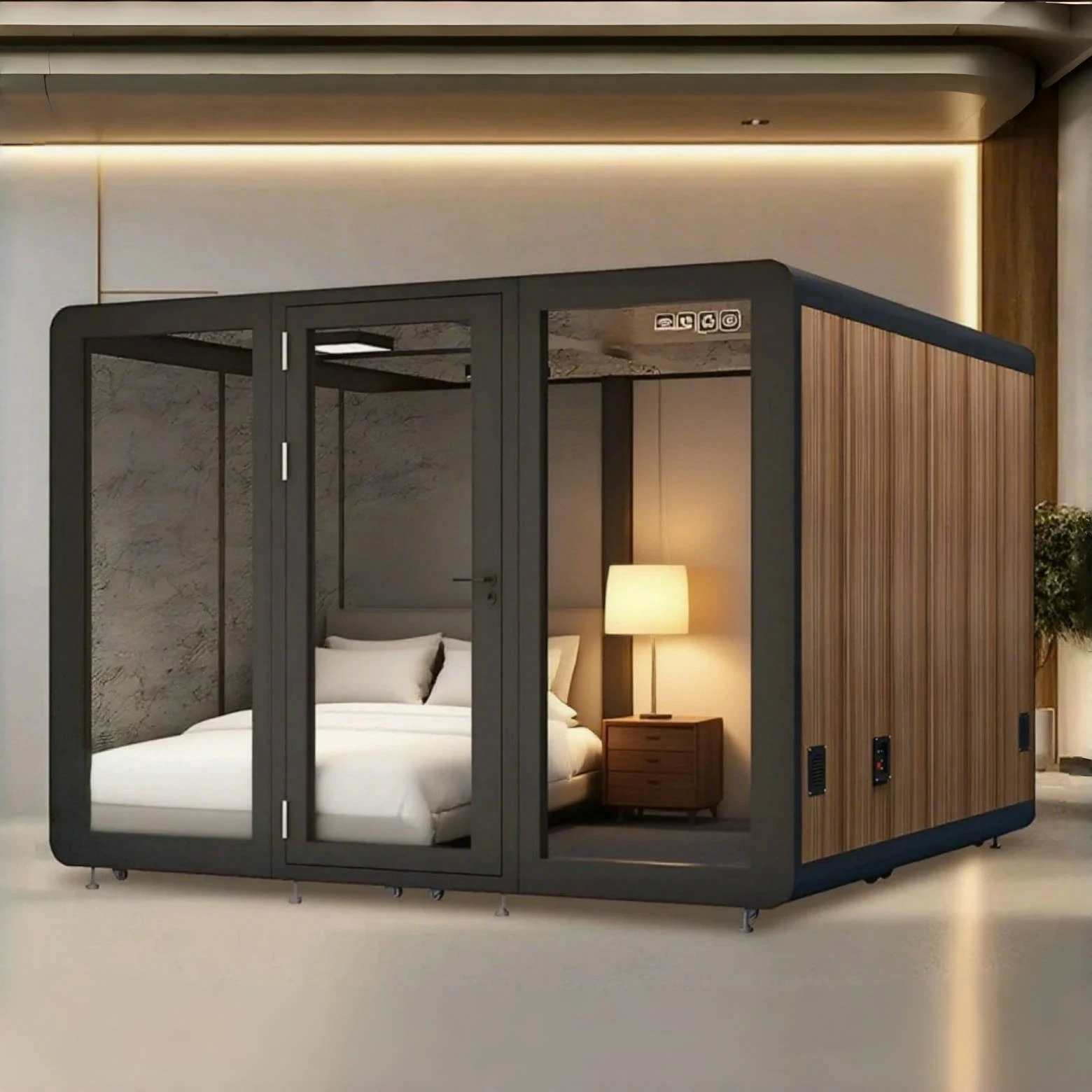


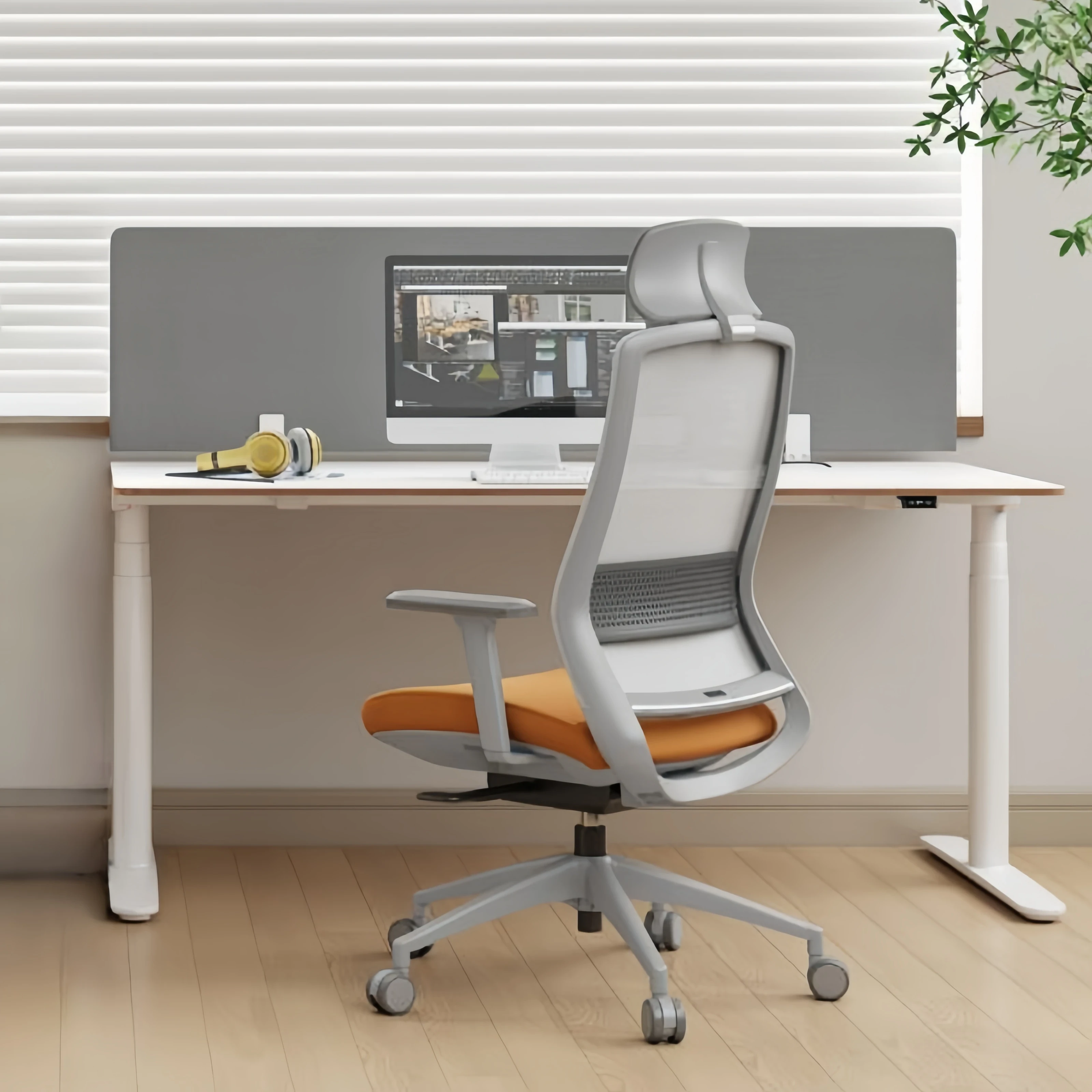


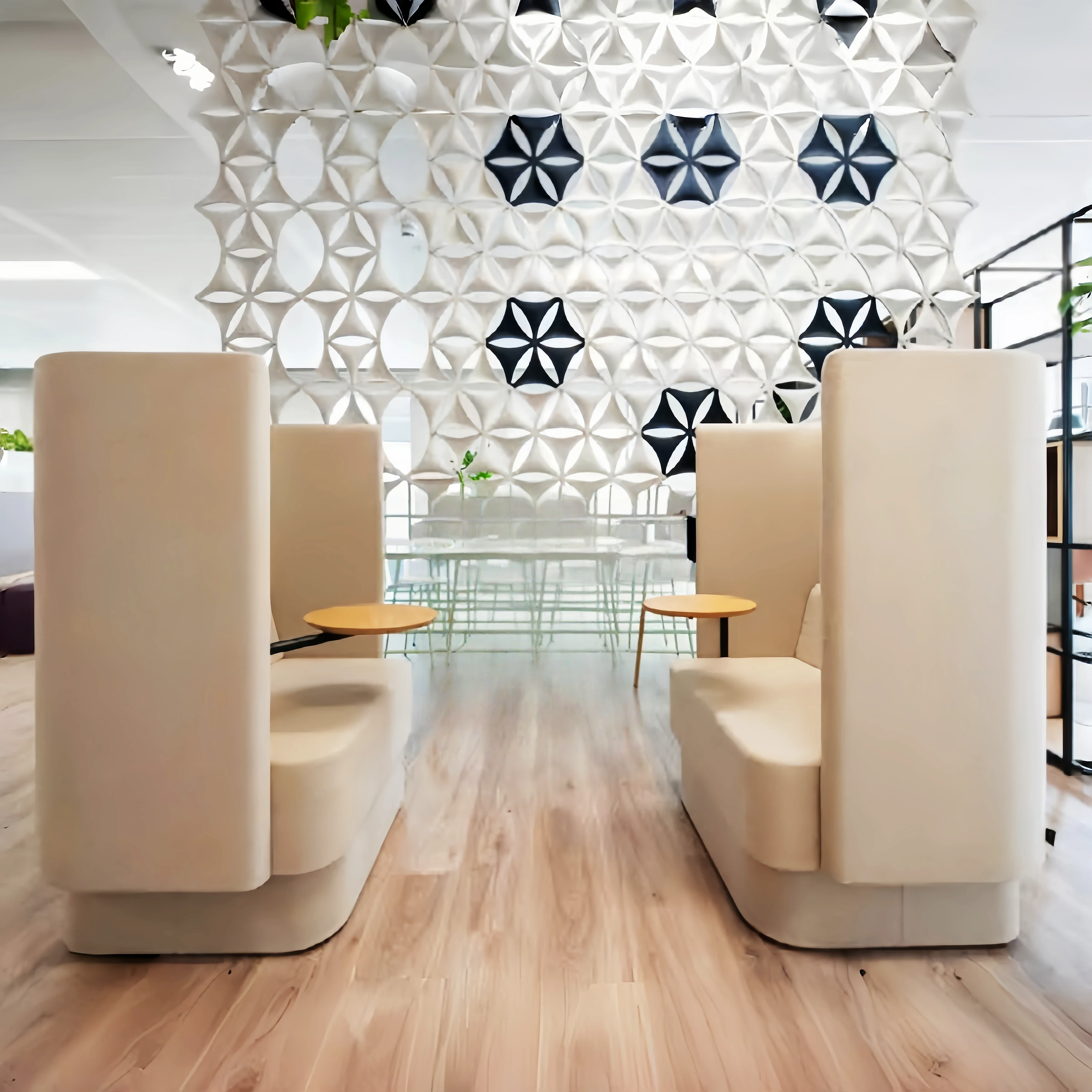

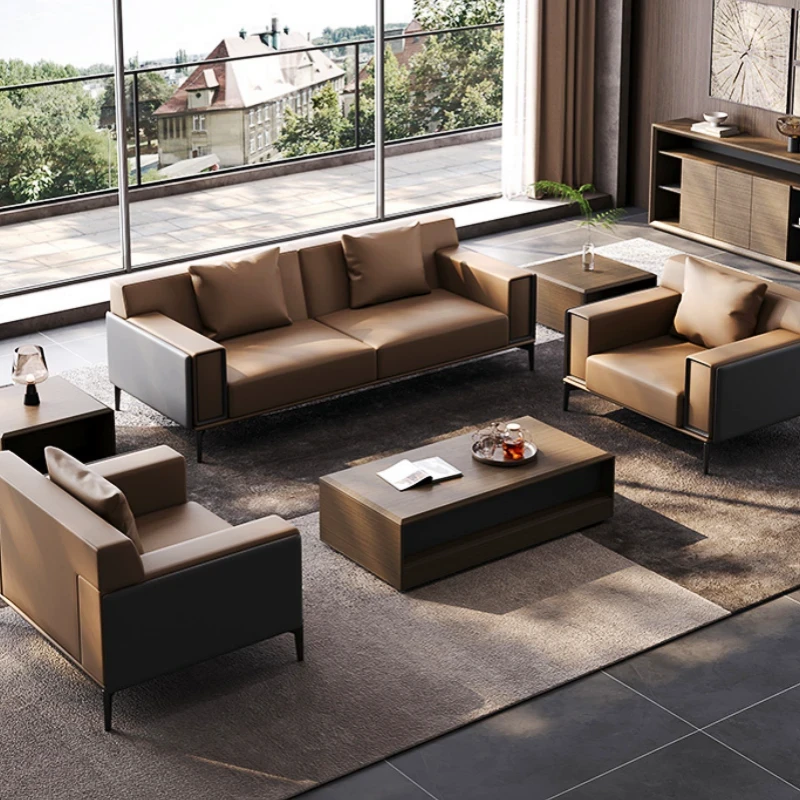
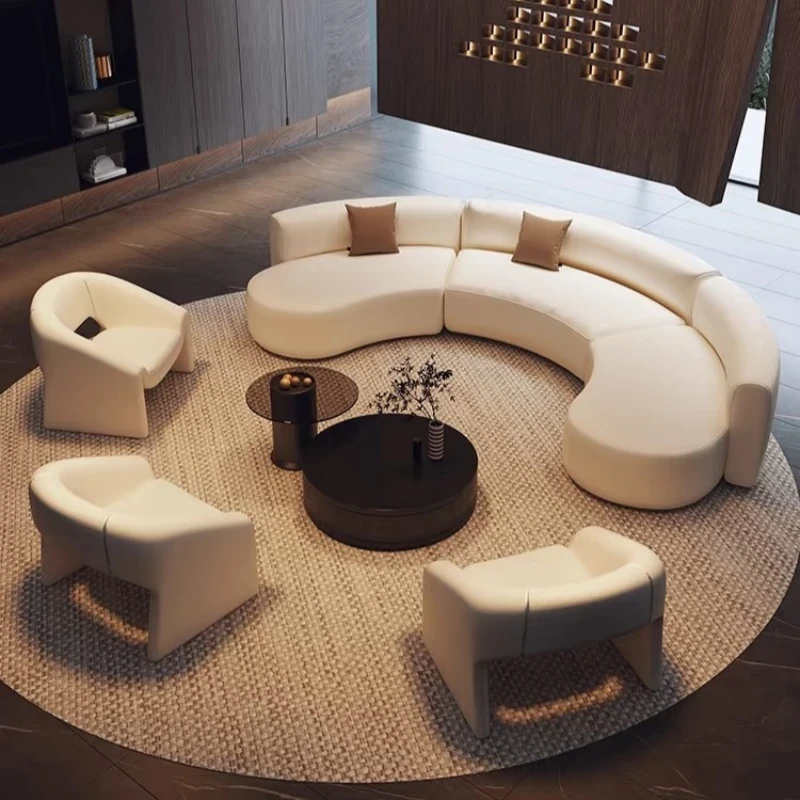
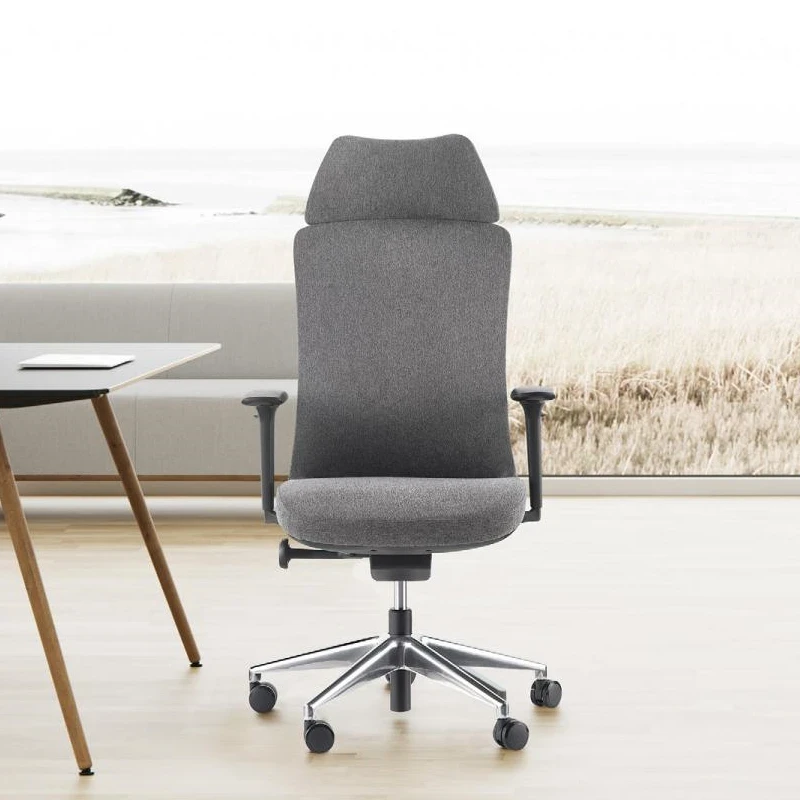


Ergonomic design is one of the primary principles of modern school furniture design. Students spend long periods sitting in the classroom, and ergonomic desks and chairs can effectively reduce physical fatigue and prevent spinal problems. For example, height-adjustable desks and chairs can accommodate the height changes of students at different ages, ensuring they have the best user experience at different stages of growth. Furthermore, the breathability and support of the seats can enhance student comfort, helping them maintain good posture, thereby improving concentration and learning efficiency.
II. Modular and Flexible Design Adapts to Diverse Teaching Needs
Modern teaching methods increasingly emphasize interactivity and flexibility, and traditional fixed classroom layouts are no longer sufficient to meet diverse teaching needs. Modular and flexible furniture designs can easily allow for rapid adjustments to the classroom layout to adapt to different teaching activities. For example, movable desks and chairs, combinable learning units, and multifunctional storage cabinets allow the classroom to be quickly transformed into discussion areas, group collaboration areas, or self-study areas. This flexible furniture layout not only promotes interaction between teachers and students but also stimulates students' creativity and teamwork.
III. Smart Furniture Integrating Technology Enhances Teaching Efficiency
With the rapid development of technology, smart furniture has gradually become an essential element of modern campuses. School furniture integrating technology can significantly improve teaching efficiency and students' learning experience. For example, study desks equipped with power outlets and USB ports meet students' needs for electronic devices, while smart whiteboard desks can seamlessly connect with multimedia equipment, facilitating interactive teaching for teachers. Furthermore, chairs with memory and intelligent adjustment functions can automatically adjust height and angle according to students' usage habits, providing a personalized and comfortable experience. This smart furniture not only improves the convenience of teaching but also cultivates students' technological literacy.
IV. Environmentally Friendly Materials and Sustainable Design Highlight the Green Campus Concept
Environmental protection and sustainable development have become a global focus, and modern school furniture design is no exception. Furniture using renewable materials, low-carbon production processes, and environmentally friendly coatings not only reduces the burden on the environment but also reflects the school's green philosophy. For example, tables and chairs made of bamboo, recycled wood, or biodegradable plastics are both environmentally friendly and durable. In addition, modular designs facilitate the disassembly and recycling of furniture, extending its lifespan and reducing resource waste. These environmentally friendly designs not only help protect the environment but also cultivate a strong environmental awareness among students.
V. Personalized and Diverse Designs Meet Diverse Needs
Modern campuses have diverse student populations, and personalized furniture designs can better meet the needs of different students. For example, furniture designs tailored to special education needs, such as height-adjustable desks and chairs, and study desks specifically designed for left-handed students, can provide a more inclusive and friendly learning environment. At the same time, furniture designs with rich colors and diverse styles not only enhance the visual aesthetics of the campus but also stimulate students' creativity and enthusiasm. Personalized furniture designs allow each student to fully realize their potential in a comfortable and motivating environment.
VI. Intelligent Storage Space Design Enhances Learning Efficiency
Sufficient and reasonable storage space design is another important aspect of modern school furniture. Intelligent storage furniture, such as lockable lockers and multifunctional under-desk storage, can help students effectively organize their learning materials, reducing classroom chaos and wasted time. Furthermore, a combination of open and closed storage designs not only ensures the safety of items but also makes it easier for students to quickly find the materials they need, improving overall learning efficiency. A clean and orderly learning environment helps students concentrate and creates a better learning atmosphere.
VII. Future Trends: Continuous Innovation in Smart Campus Furniture
With the continuous advancement of technologies such as the Internet of Things and artificial intelligence, smart campus furniture will usher in more innovative developments. For example, furniture equipped with sensors and intelligent feedback systems can monitor the indoor environment in real time, such as temperature, humidity, and light, and automatically adjust as needed to provide the most suitable learning environment. The integration of virtual reality (VR) and augmented reality (AR) technologies will enable teaching furniture to have more interactive functions, enriching teaching methods and content. In the future, smart campus furniture will not only be a supporter of physical space but also a promoter of intelligent teaching.
Conclusion
The design and functional innovation of modern campus furniture plays a crucial role in improving teaching quality, optimizing the learning environment, and highlighting campus culture. Through ergonomic design, modular and flexible layout, integrated intelligent functions, environmentally friendly and sustainable material selection, personalized and diverse styles, and the rational configuration of intelligent storage space, modern school furniture not only meets diverse teaching needs but also creates a comfortable, efficient, and motivating learning environment for students. With the continuous advancement of technology and the continuous updating of educational concepts, school furniture will continue to usher in more innovation and development, providing solid support for the realization of smart campuses.