
 USD
USD GBP
GBP
 EUR
EUR
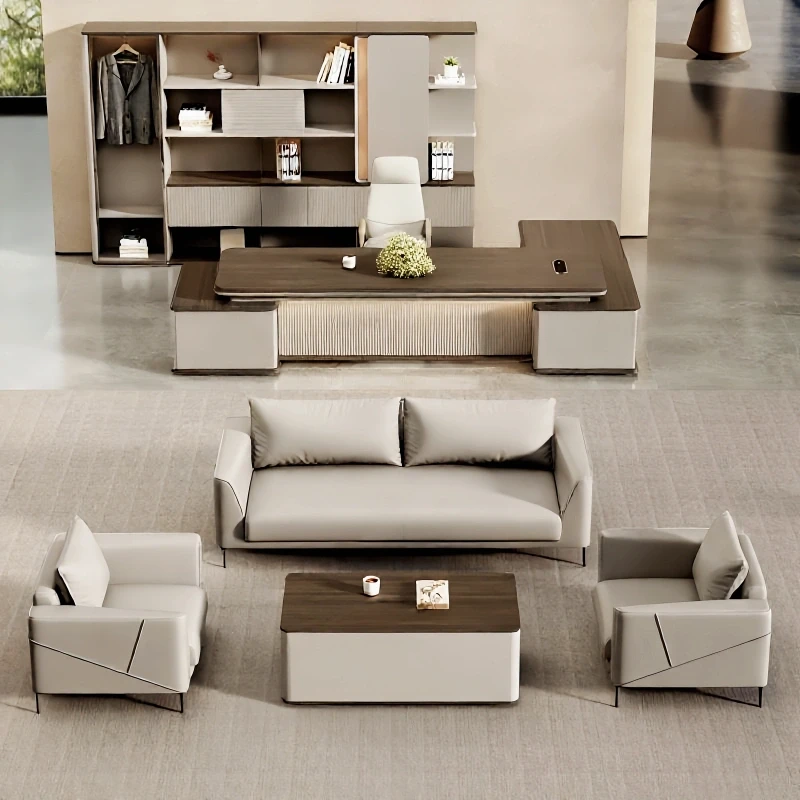
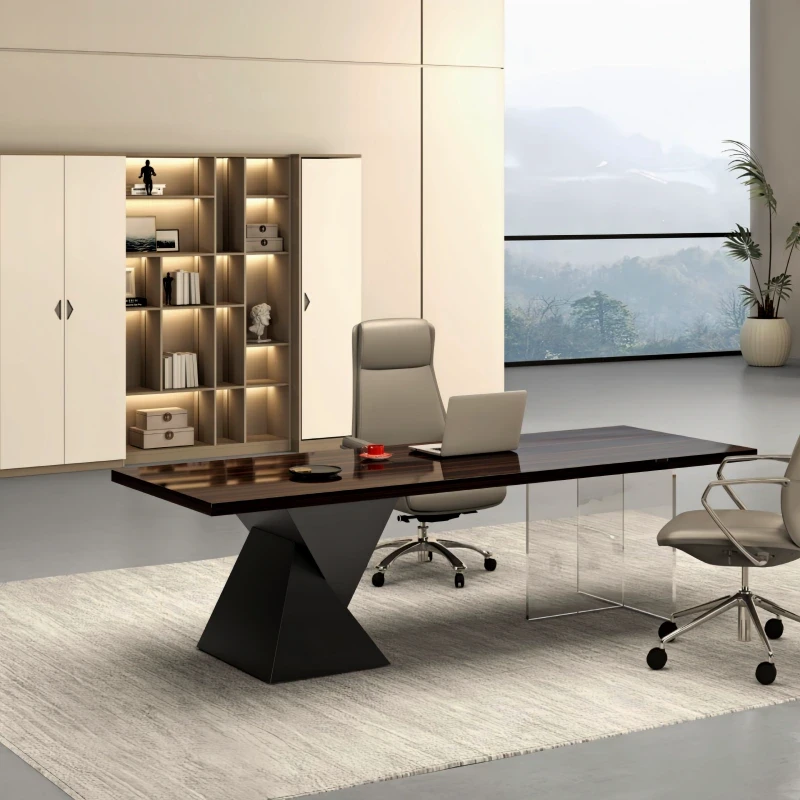


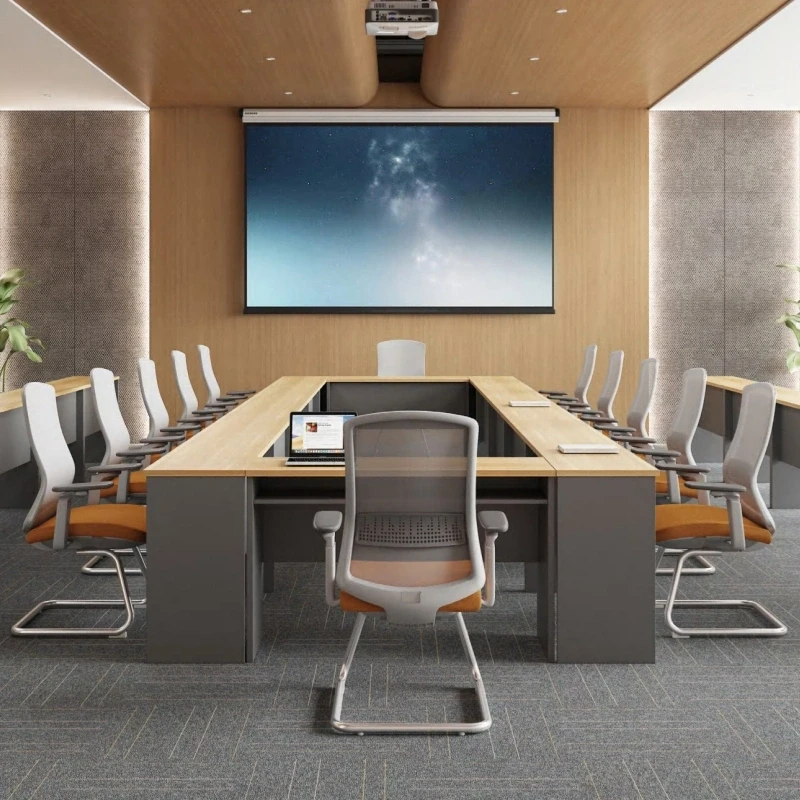
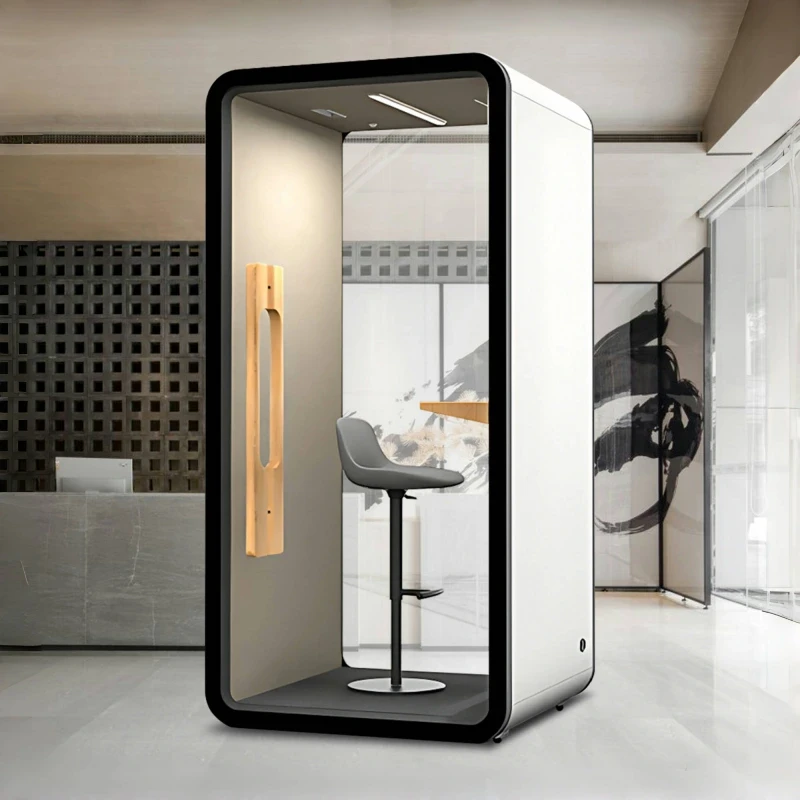
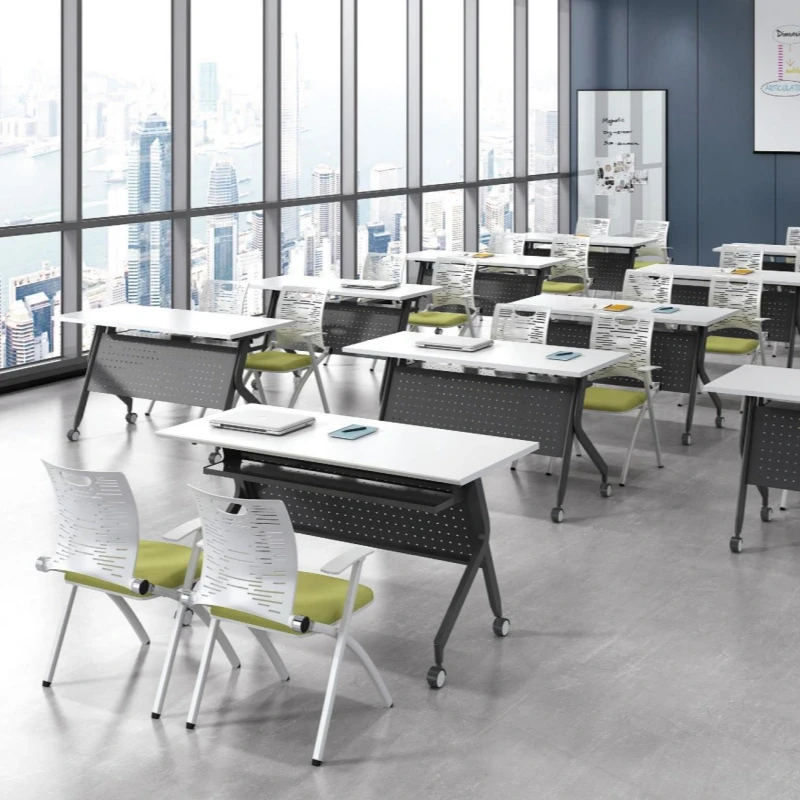
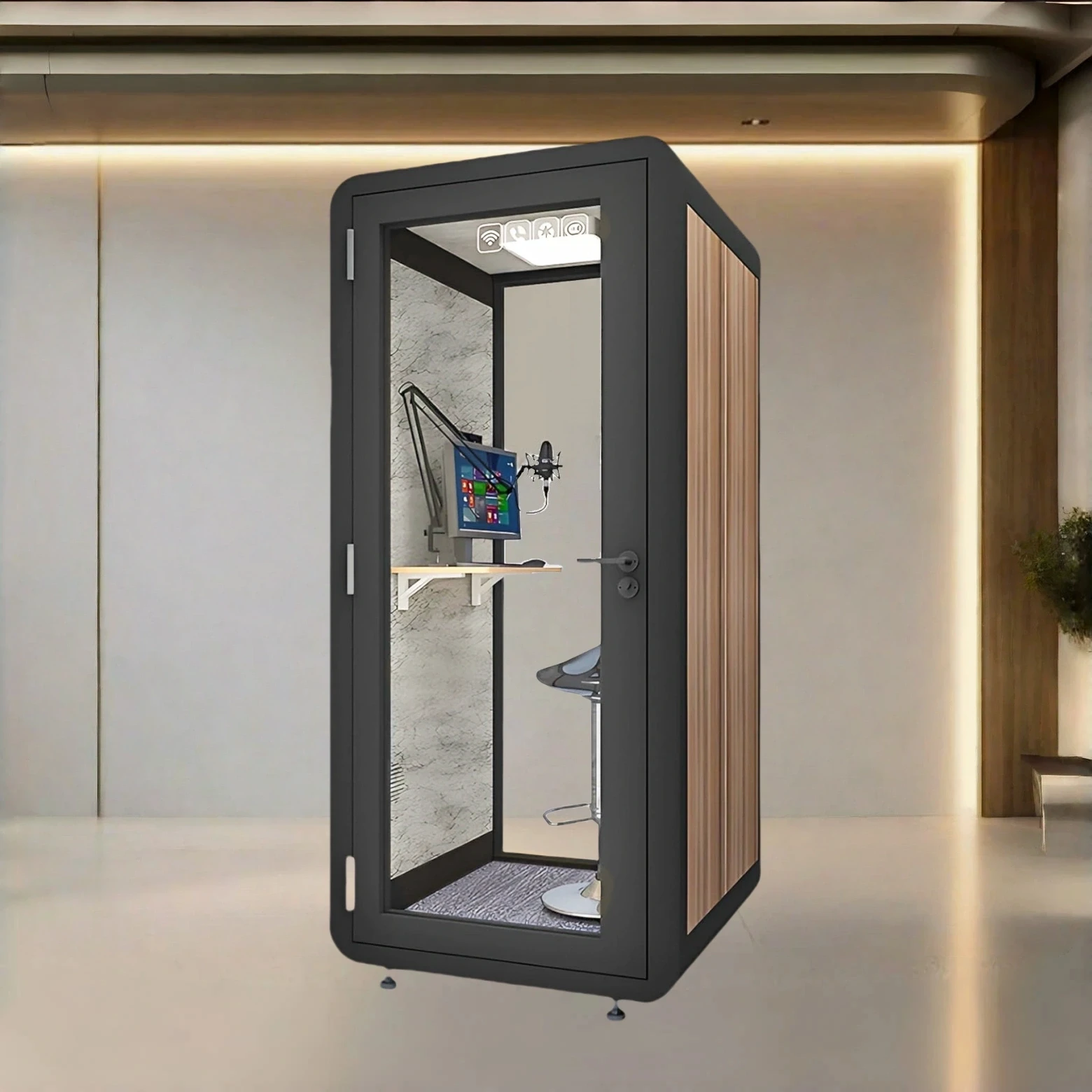
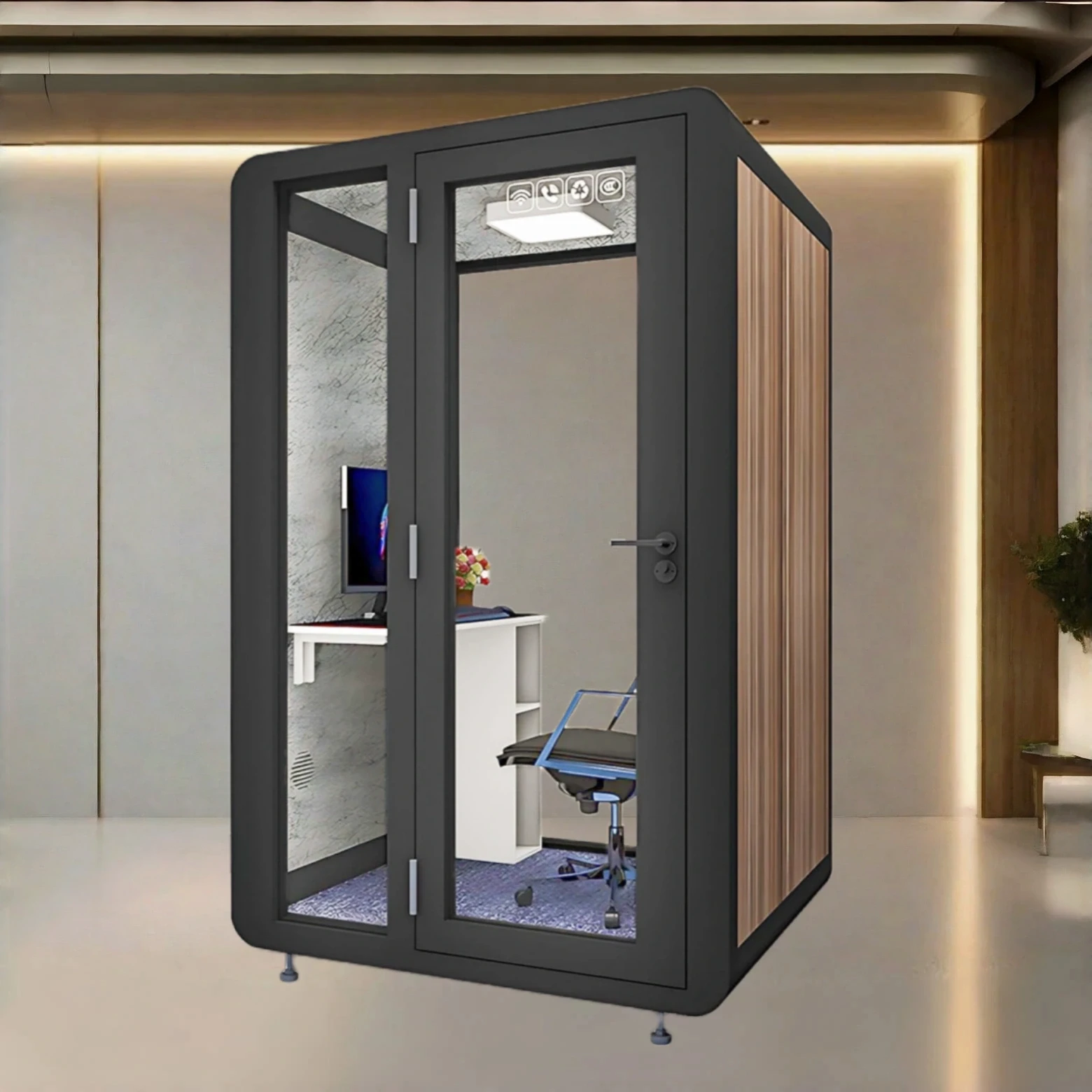
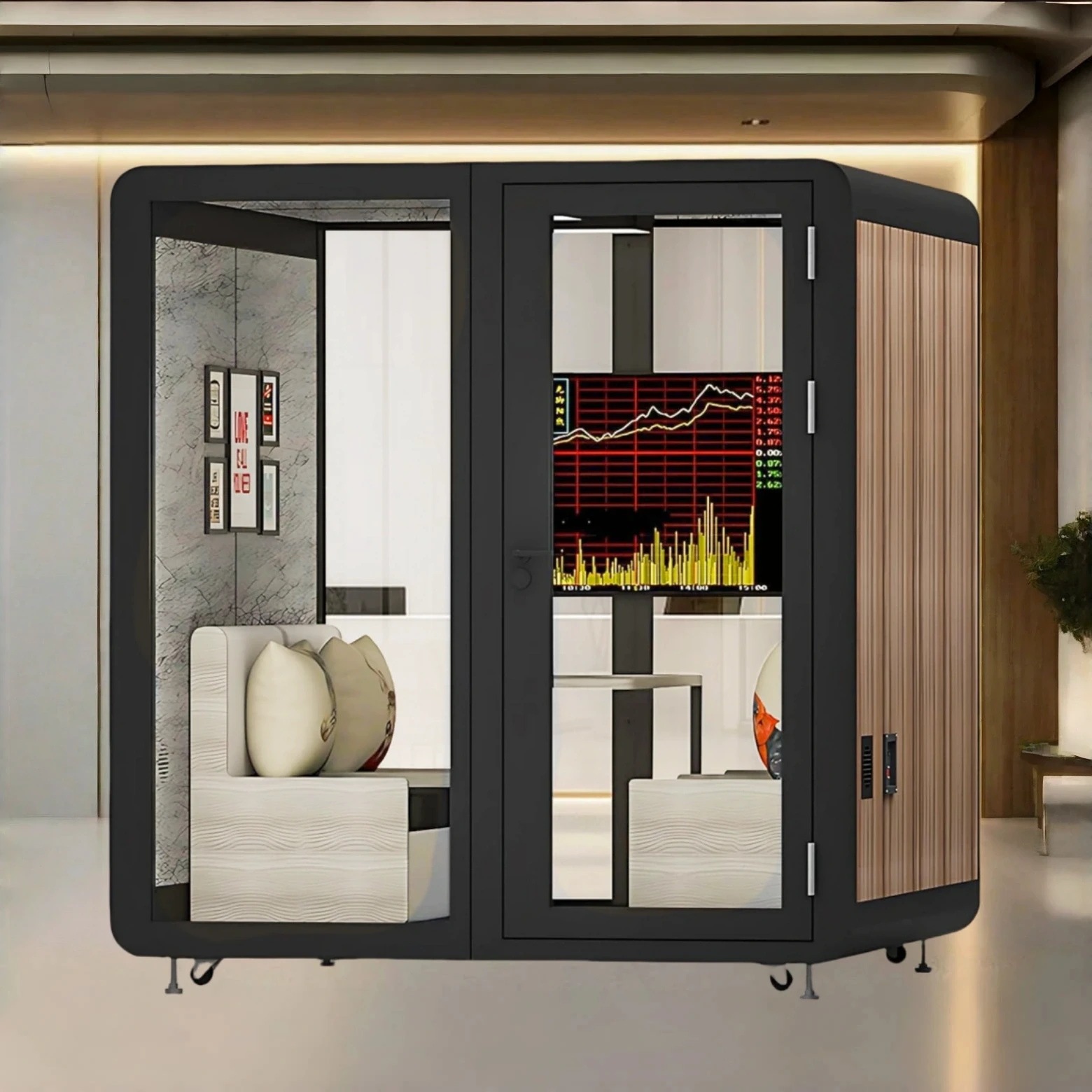
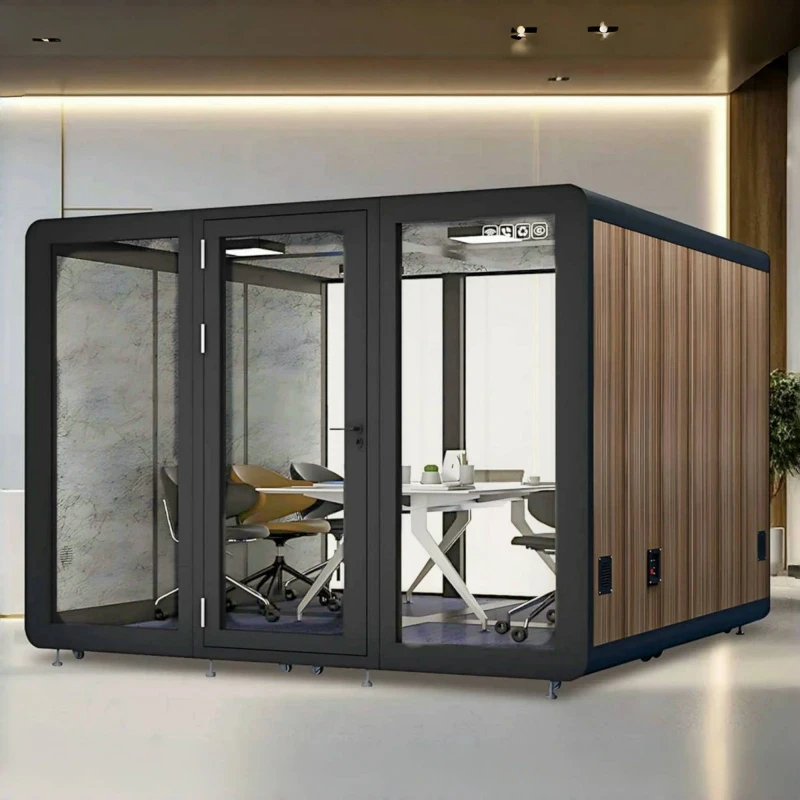
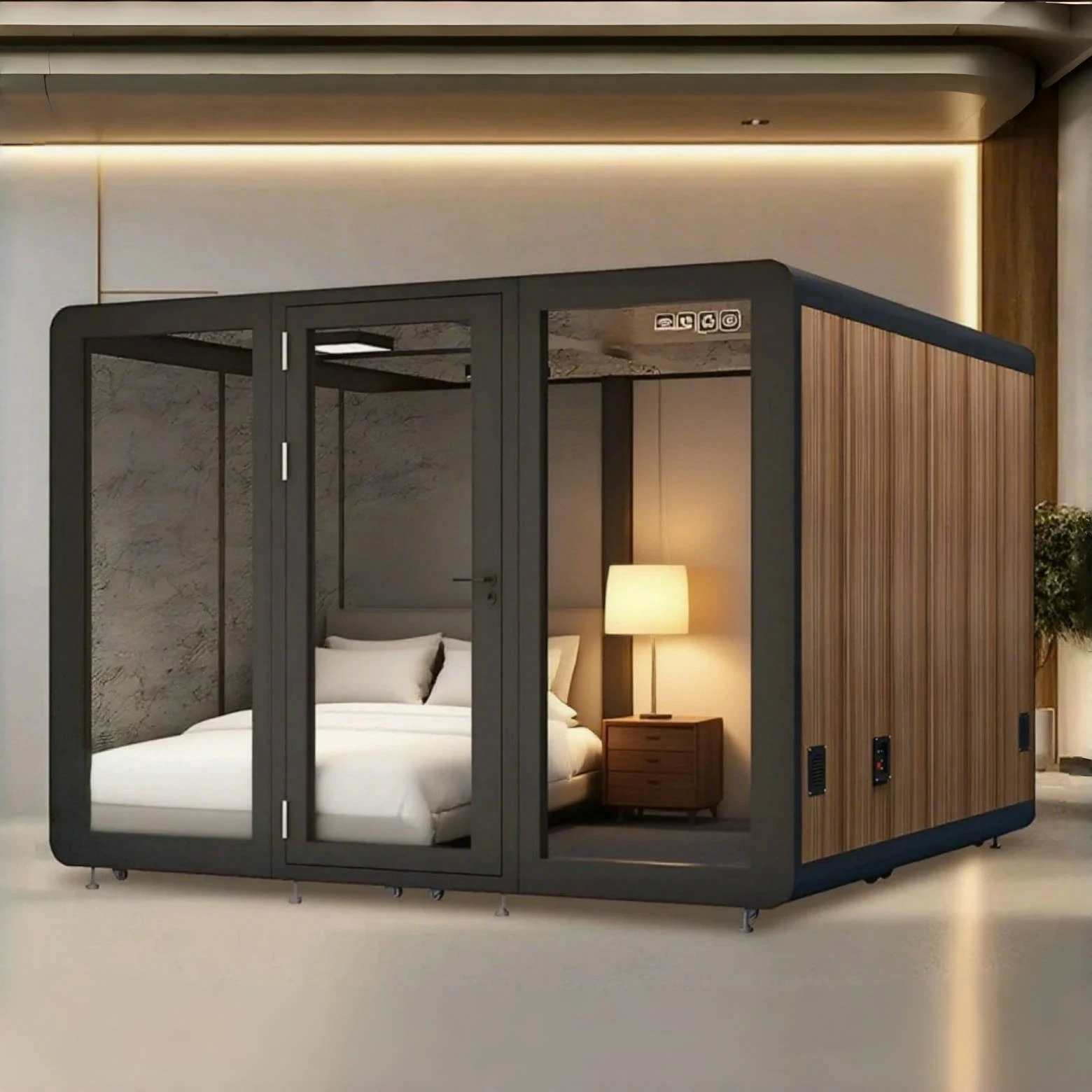


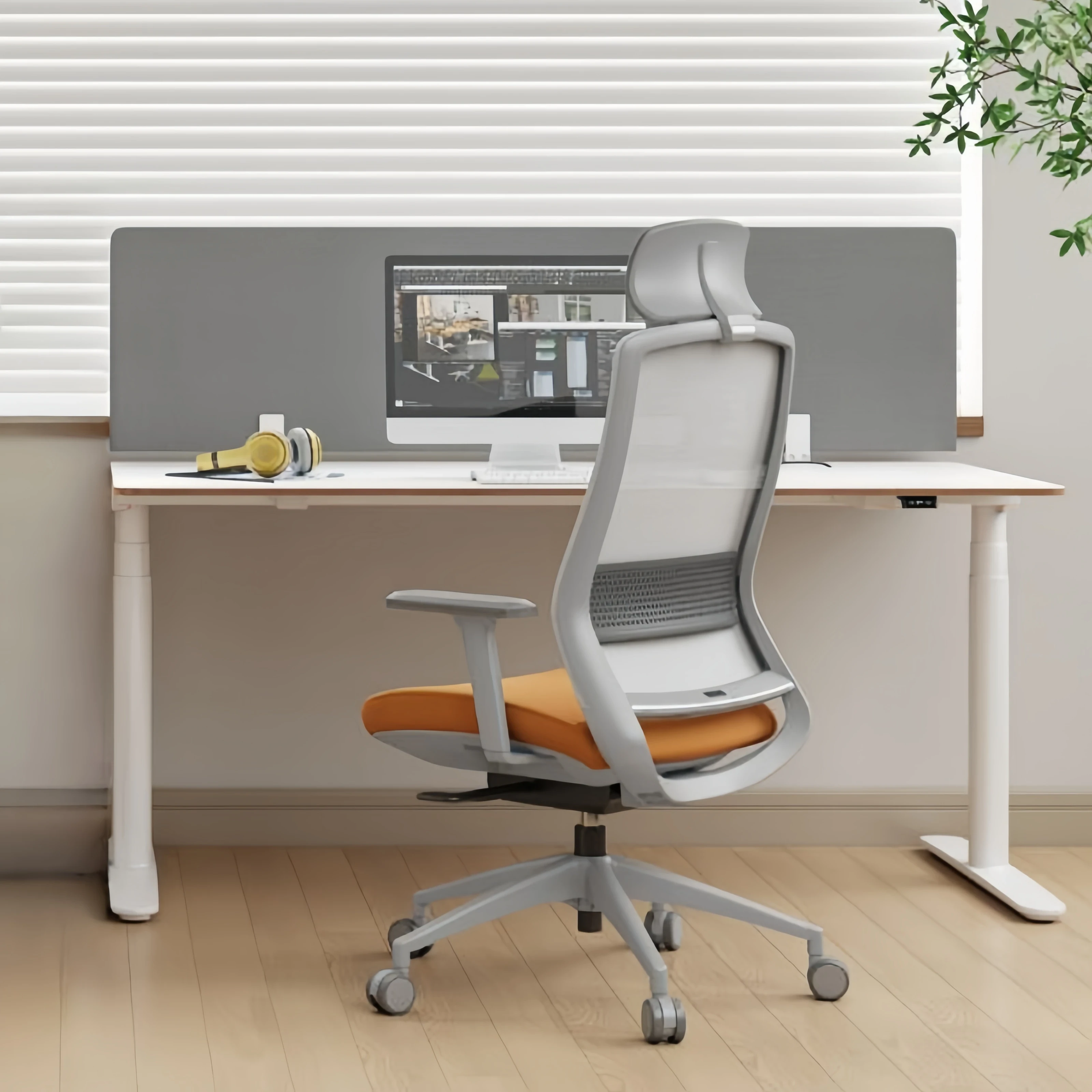


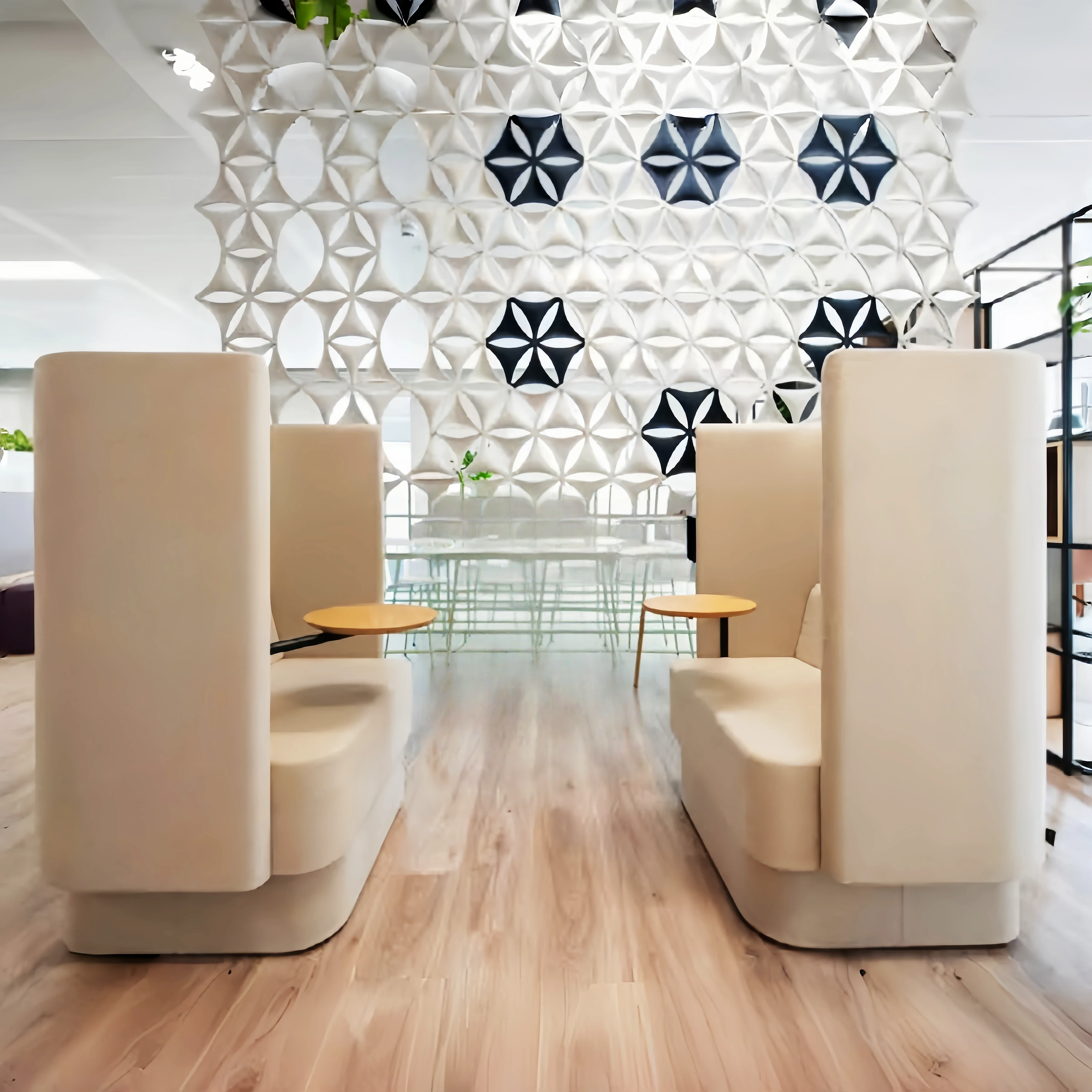

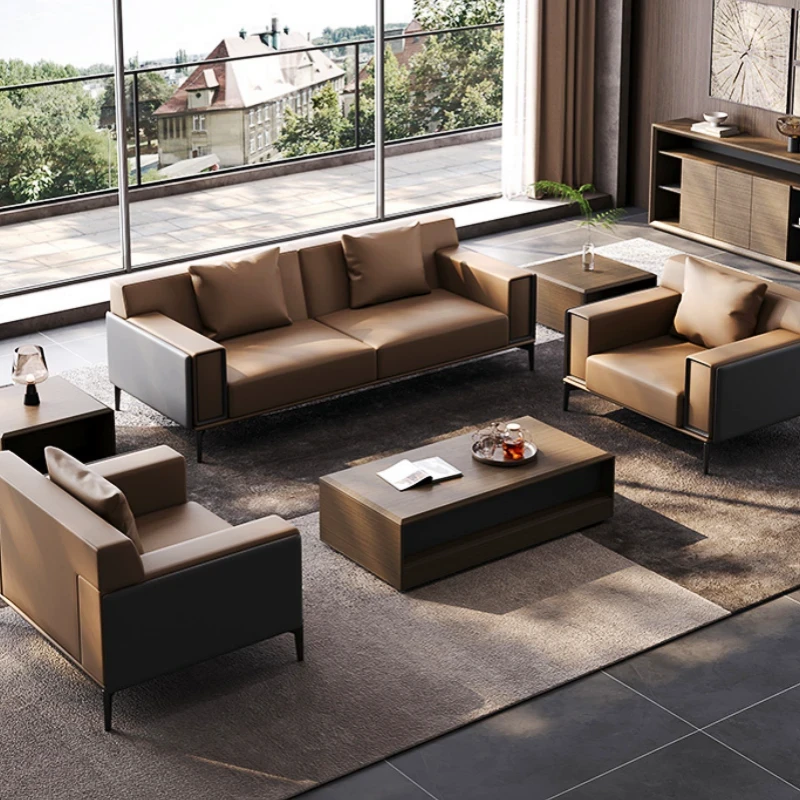
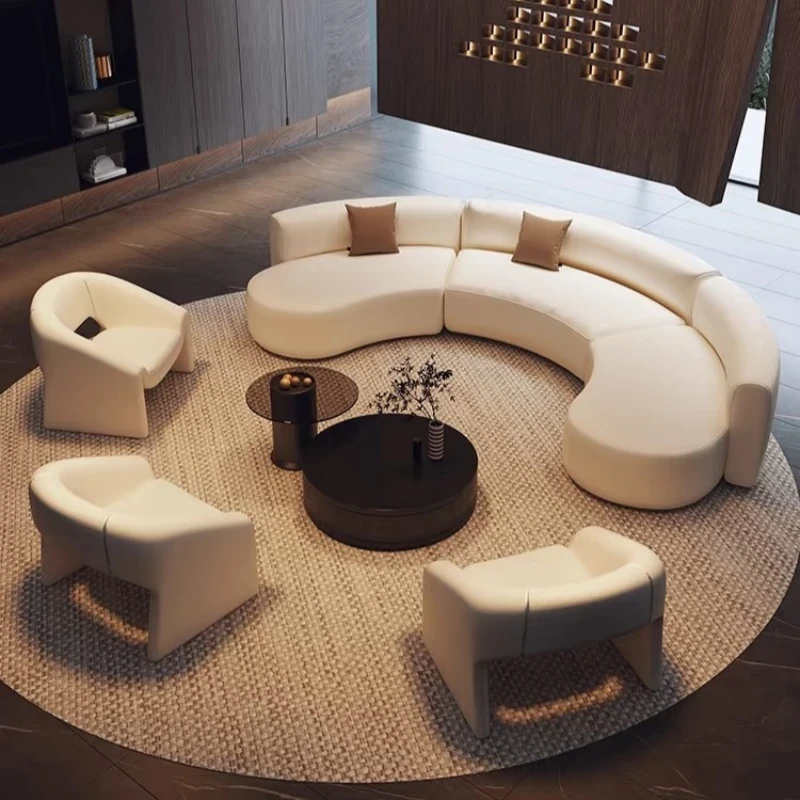
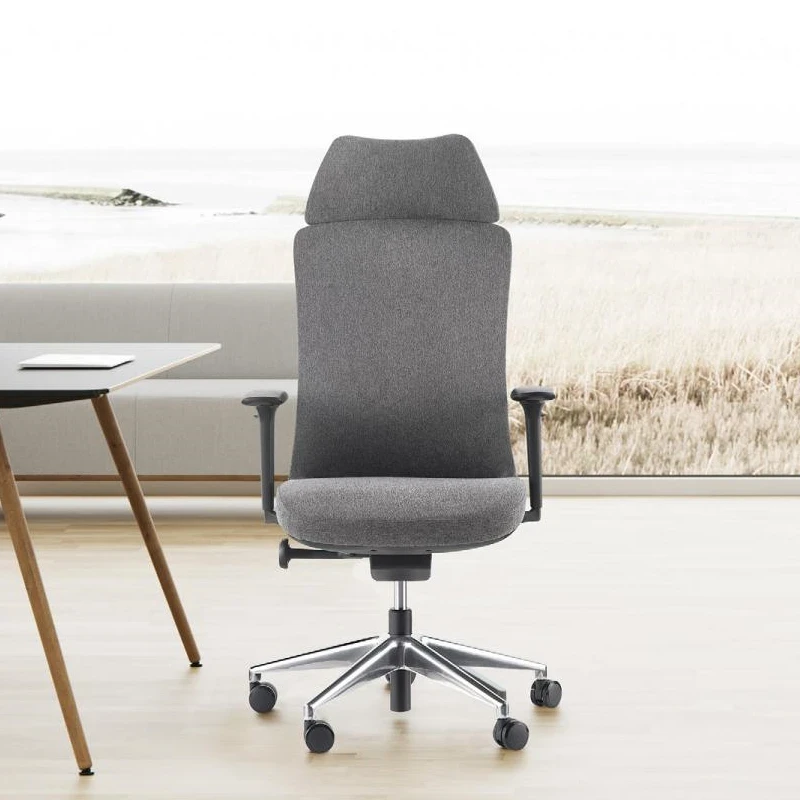


1. Reflecting the Leader's Personality and Enhancing Corporate Cohesion:
A leader's personal style often directly influences a company's decision-making and cultural atmosphere. Customizing office furniture to match a leader's personality not only improves their work comfort but also conveys the company's core values and cultural characteristics. For example, a leader who prefers a minimalist style should choose office furniture that emphasizes simplicity and functionality to convey the company's efficient and modern image.
2. Improving Leaders' Work Efficiency and Comfort:
Tailor-made office furniture better meets the specific needs of leaders in their work, improving efficiency. Ergonomic office chairs, flexibly adjustable desks, and ample storage space provide leaders with a more comfortable and efficient working environment, reducing fatigue and health problems caused by discomfort.
II. Furniture Design Integrating Company Culture
1. Conveying Corporate Culture and Values:
Office furniture design should be highly aligned with the company culture, conveying the company's core philosophy through elements such as color, material, and layout. For example, environmentally conscious companies can choose furniture made from renewable materials to reflect their commitment to sustainable development; innovation-driven companies can choose creative and technologically advanced furniture to showcase their innovative spirit.
2. Creating a Unified and Comfortable Office Environment:
A consistent furniture design style helps create a unified corporate image, enhancing employees' sense of identity and belonging. At the same time, a comfortable office environment helps improve employee motivation and overall satisfaction. For example, an open layout and flexible furniture configuration can adapt to teamwork and diverse work needs.
III. Key Elements of Customized Design
1. Color Matching and Design Style:
Color is an important factor that cannot be ignored in office furniture design. Leaders' offices typically use more dignified and stable tones, such as dark wood and gray metal, to reflect authority and professionalism. At the same time, appropriate accent colors can increase the vitality and creativity of the space. For example, choosing decorations or office supplies with brand colors can strengthen the corporate image.
2. Material Selection and Quality Assurance:
Furniture materials not only affect the visual effect but also relate to durability and comfort. High-quality solid wood, metal, and leather materials can convey a high-end corporate image while ensuring the long-term use of the furniture. The choice of environmentally friendly materials also reflects the company's emphasis on health and the environment, providing a healthier working environment for leaders and employees.
3. Functionality and Ergonomic Design:
Leaders' office furniture must not only be aesthetically pleasing but also possess high functionality and comfort. Height-adjustable desks, ergonomically designed office chairs, and multifunctional storage cabinets are all key elements for improving work efficiency and comfort. A well-planned furniture layout optimizes workflow and enhances space utilization.
4. Personalized Customization and Brand Integration:
Incorporating the leader's personal preferences and brand elements into customized designs makes the office more personalized. For example, displaying the leader's collections or awards, or using decorations with the company logo, are effective ways to enhance the office's uniqueness. This not only showcases the leader's personal taste but also strengthens the company's brand image.
IV. Steps for Implementing Customized Design
1. Needs Analysis and Research:
Before starting customized design, a comprehensive understanding of the leader's work habits, personal preferences, and corporate culture is necessary. Through communication with the leader and relevant teams, design goals and specific needs are clarified, providing a reference for subsequent design.
2. Design Scheme Development and Feedback:
Based on the needs analysis, the design team should develop multiple design schemes covering different styles, colors, and layouts. Through communication and feedback with the leader, the design schemes are gradually optimized to ensure that the final design conforms to both the leader's personal style and the corporate culture.
3. Material Selection and Manufacturing:
After determining the design scheme, appropriate materials and processes are selected to ensure the quality and durability of the furniture. During the production process, maintain close collaboration with the design team to ensure that every detail meets the design requirements.
4. Installation and Adjustment
After the furniture is manufactured, professional installation is carried out to ensure that each piece of furniture achieves the expected effect. After installation, timely feedback from leaders and employees is collected, and necessary adjustments and optimizations are made to improve the overall user experience.
V. Successful Case Sharing
1. Modern Minimalist Style of Technology Company A
Technology Company A focuses on innovation and efficiency. Its leader's office adopts a modern minimalist style, using metal and glass desks and chairs, and matching intelligent office equipment. The simple design not only enhances the modernity of the office, but also enhances the flexibility and efficiency of work, fully reflecting the company's innovative spirit.
2. Classic and Stable Style of Law Firm B
Law Firm B emphasizes professionalism and authority. Its leader's office chooses dark solid wood furniture, matched with classic decorative elements, such as carved desks and traditional bookcases, to create a solemn and rigorous atmosphere. This not only demonstrates the firm's professional image, but also gives clients a sense of trust.
VI. Conclusion
Customizing office furniture design according to the leader's personal style and company culture can not only improve the leader's work efficiency and comfort, but also effectively convey the company's core values and brand image. This customized design approach can create unique and fully functional office spaces, enhancing a company's overall competitiveness. During implementation, companies should emphasize communication and collaboration with the design team, fully understanding the needs of leadership and employees, and selecting appropriate materials and design styles to ensure that office furniture design reflects both personal taste and corporate culture. Through scientific and rational customized design, companies can create an efficient, comfortable, and culturally rich work environment, laying a solid foundation for achieving long-term development goals.