
 USD
USD GBP
GBP
 EUR
EUR
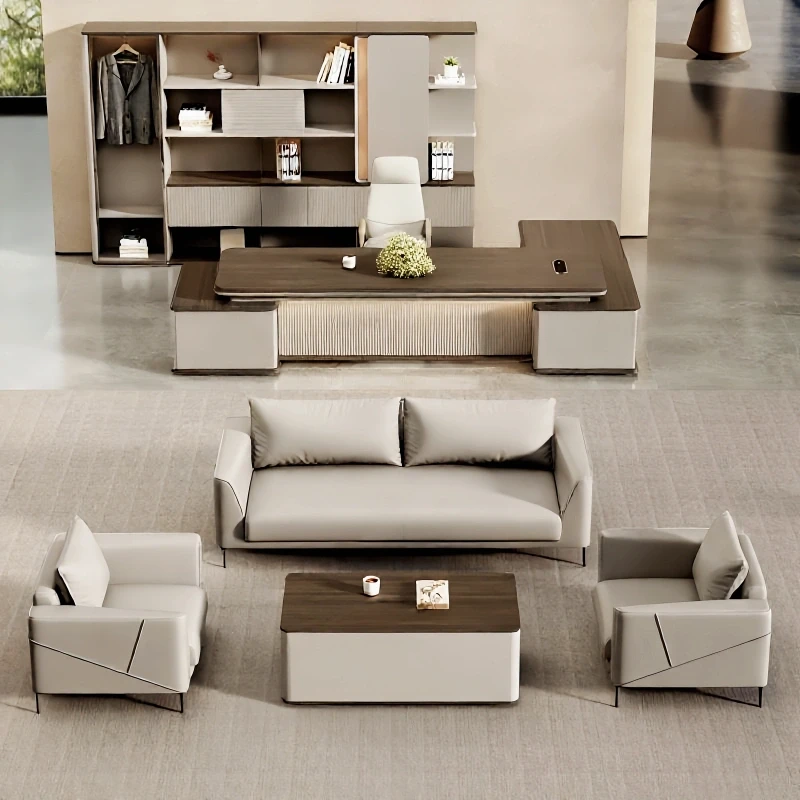
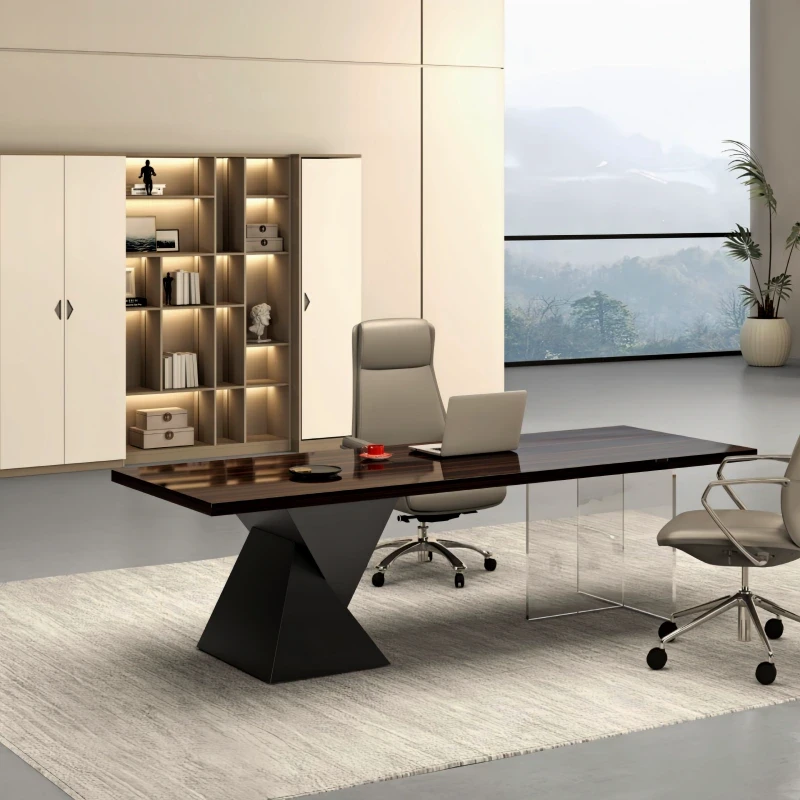


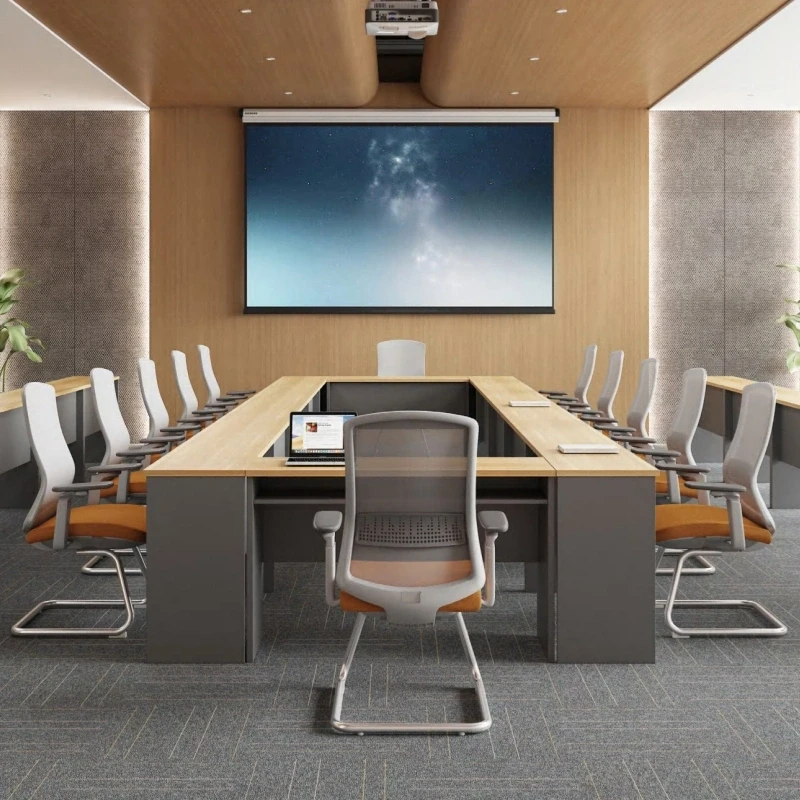
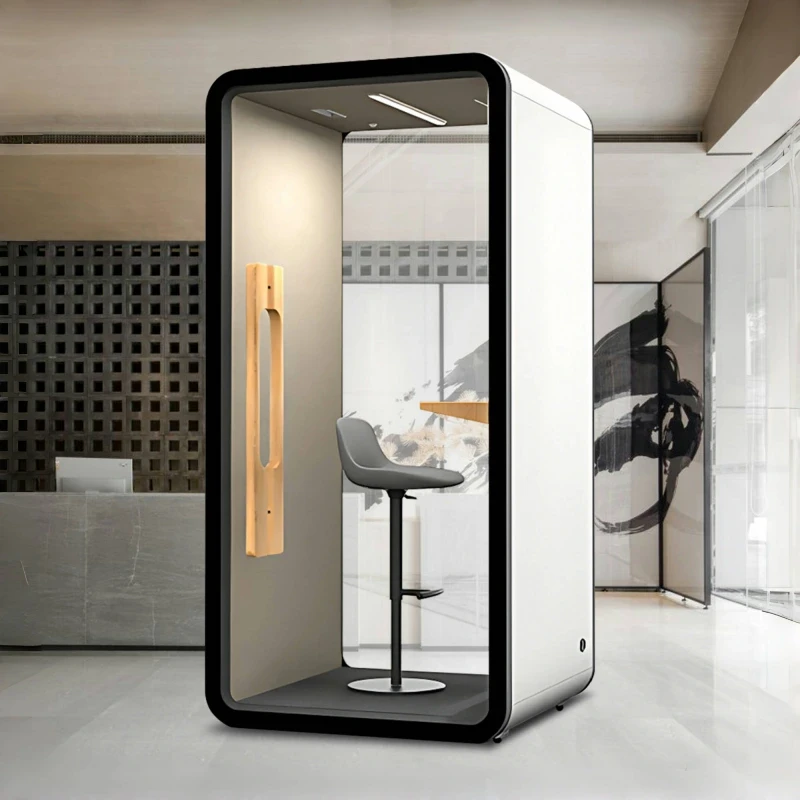
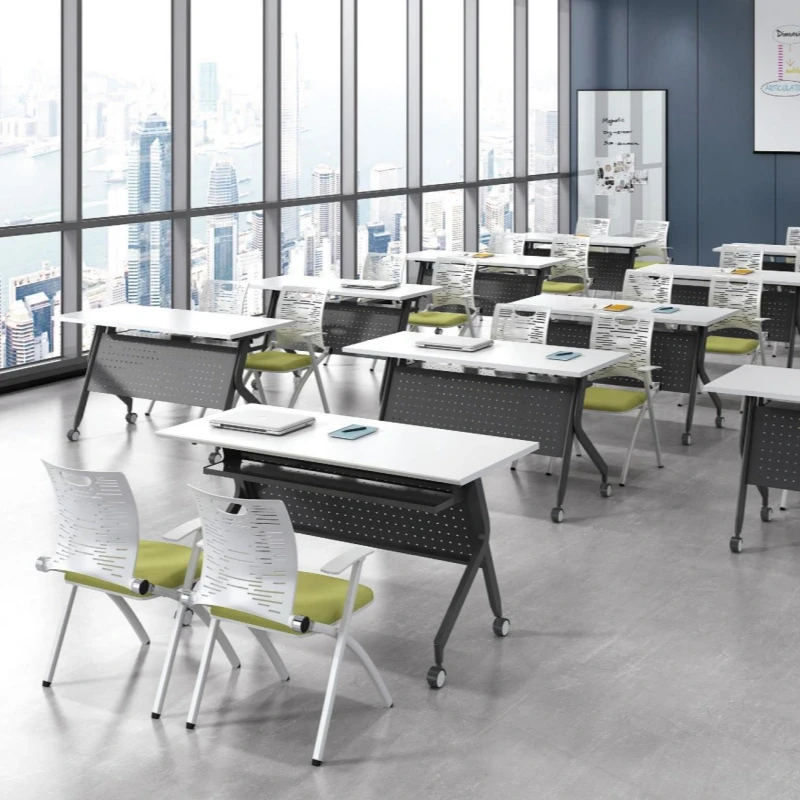
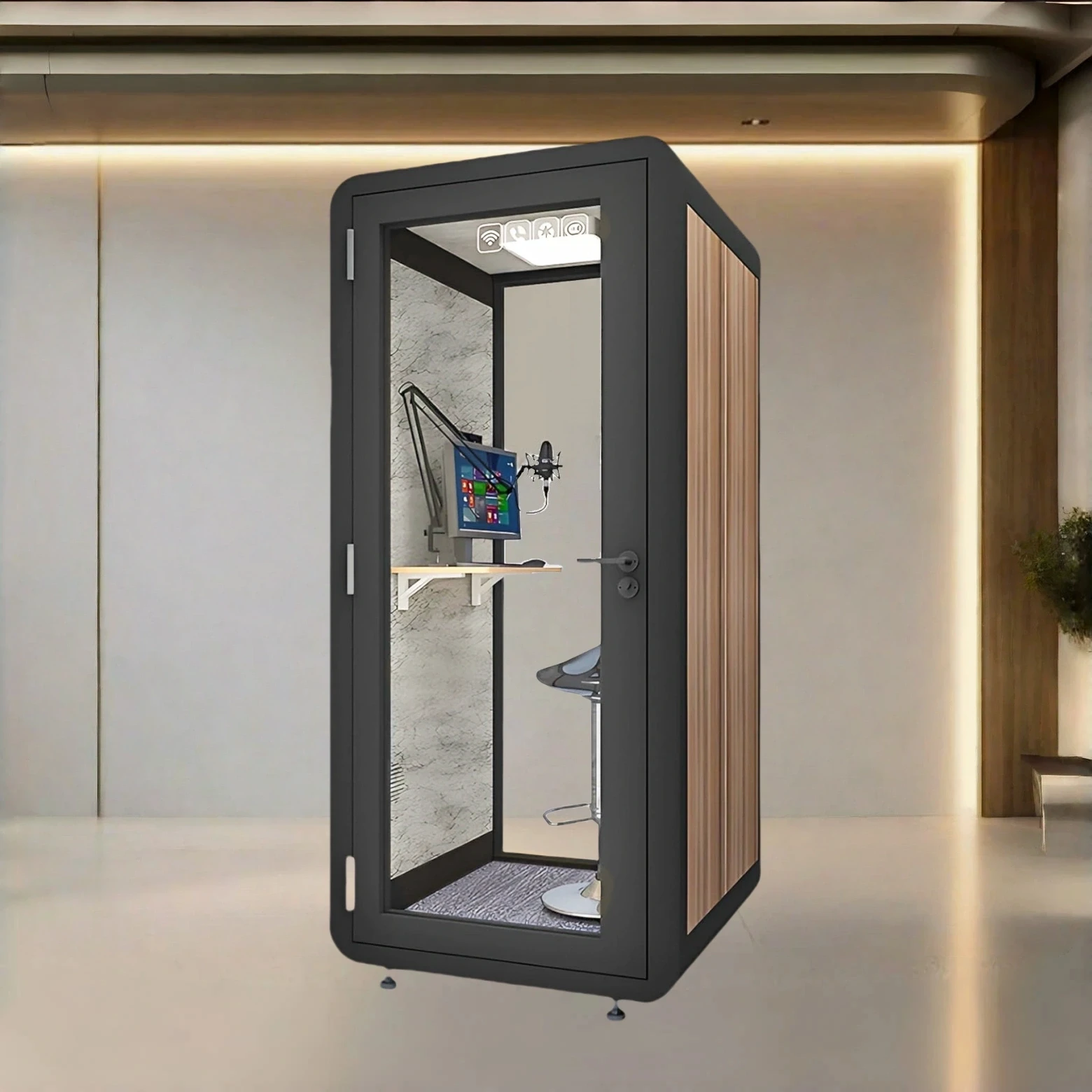
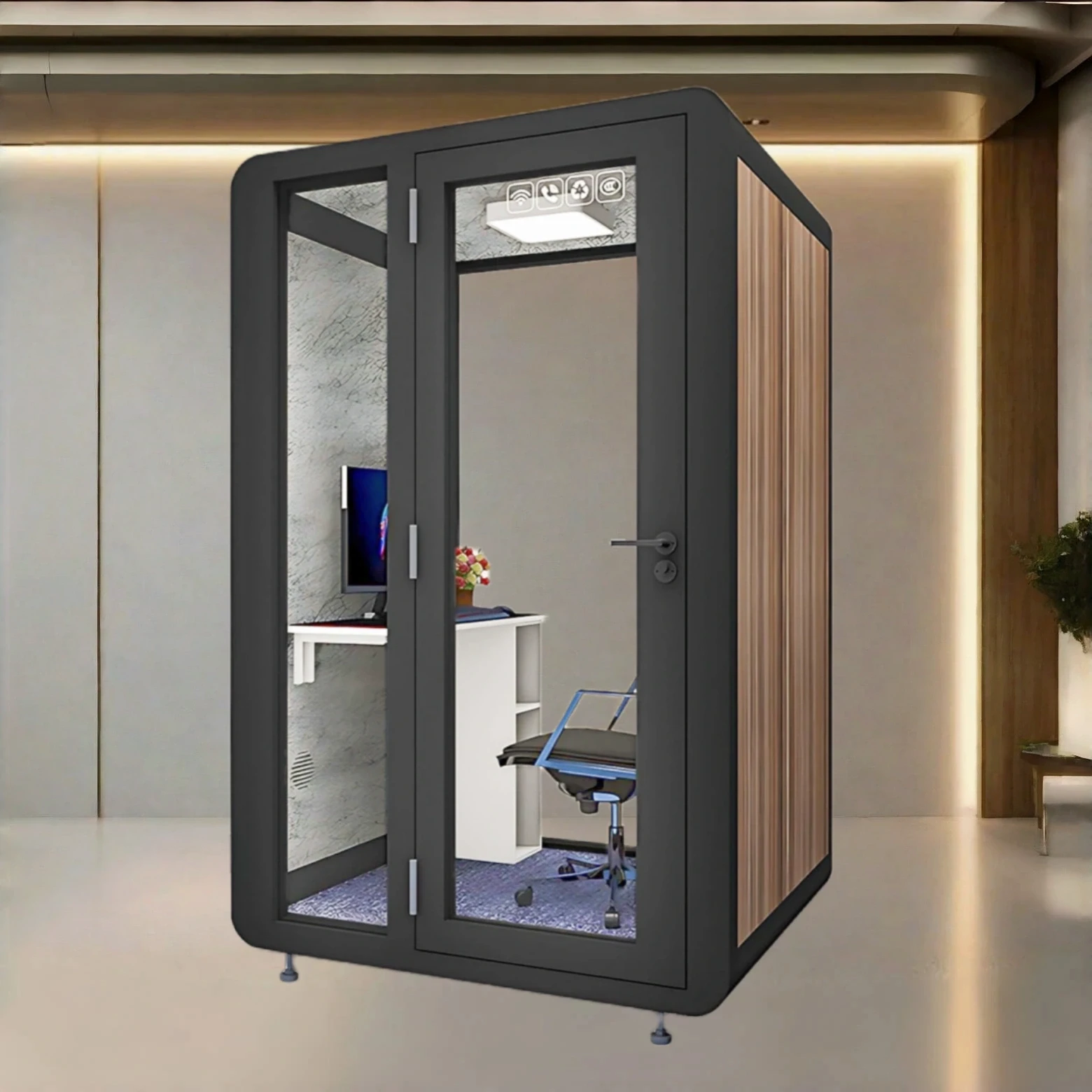
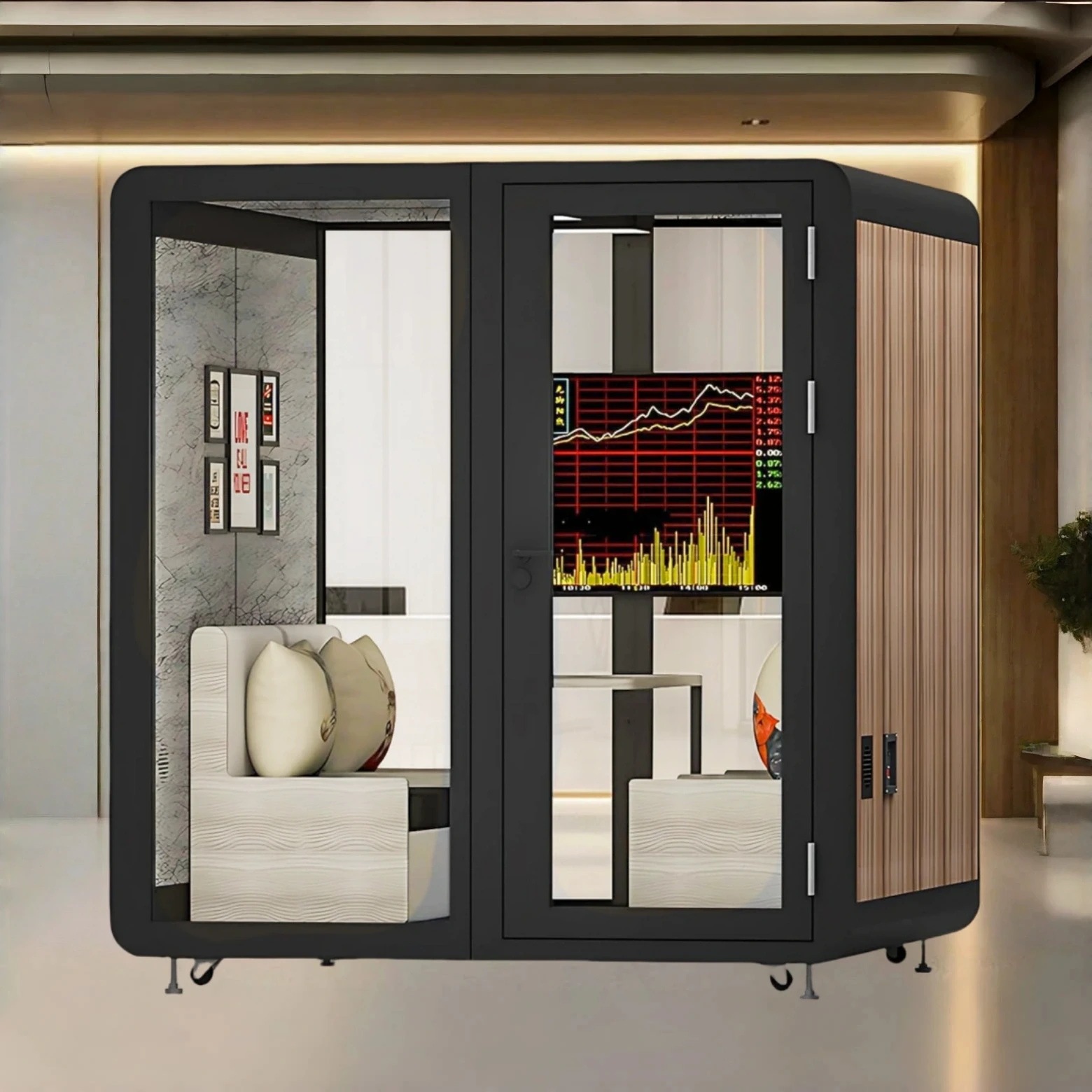

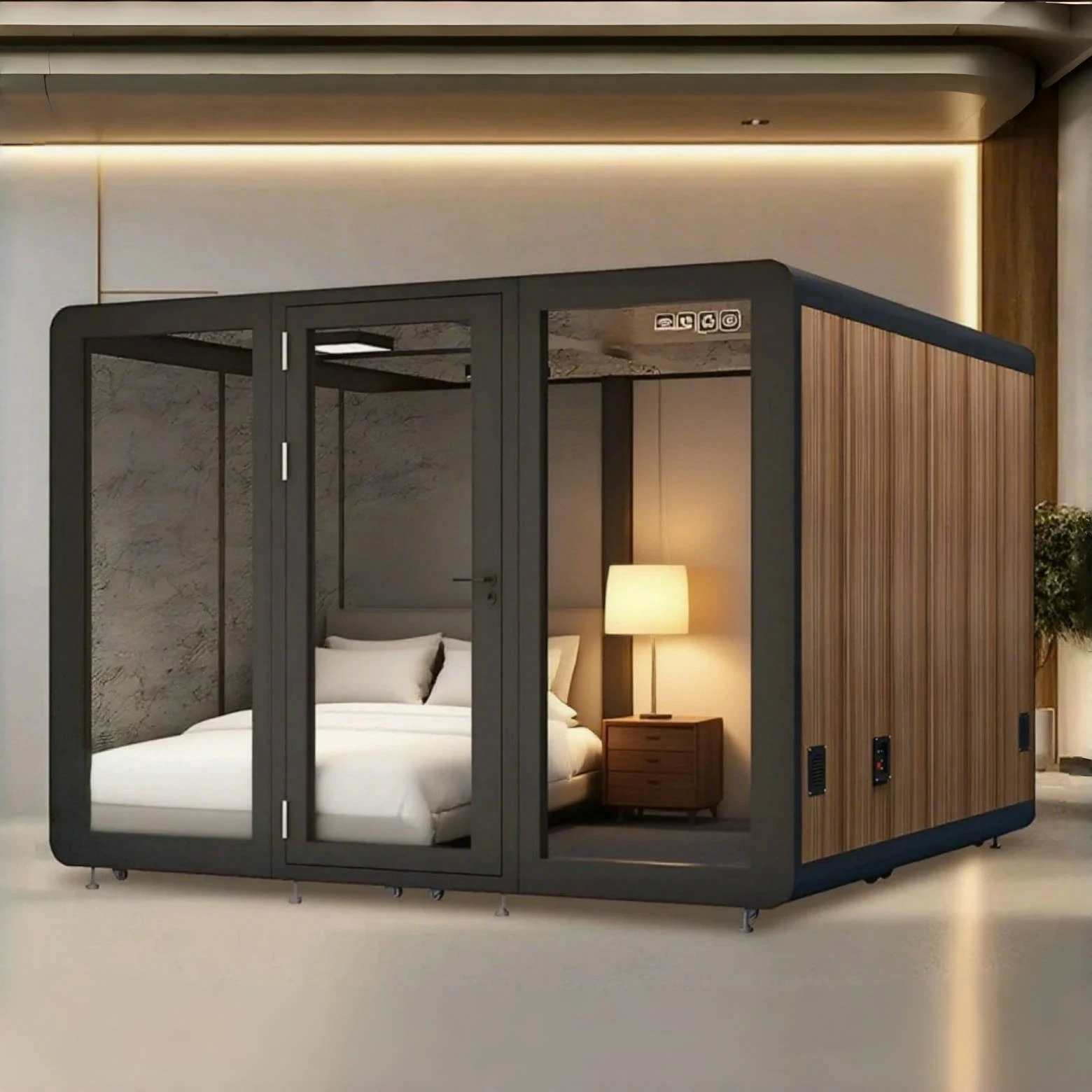


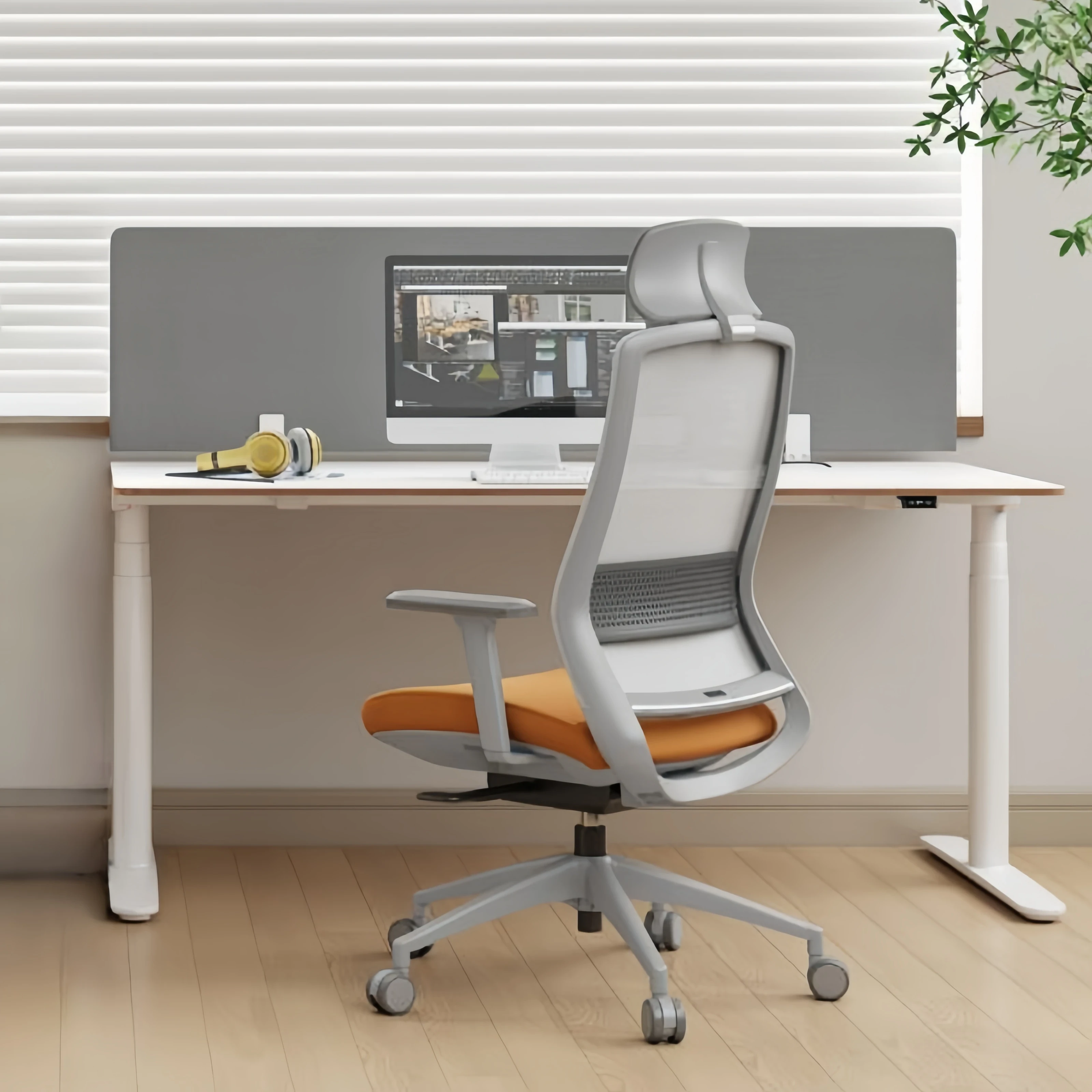


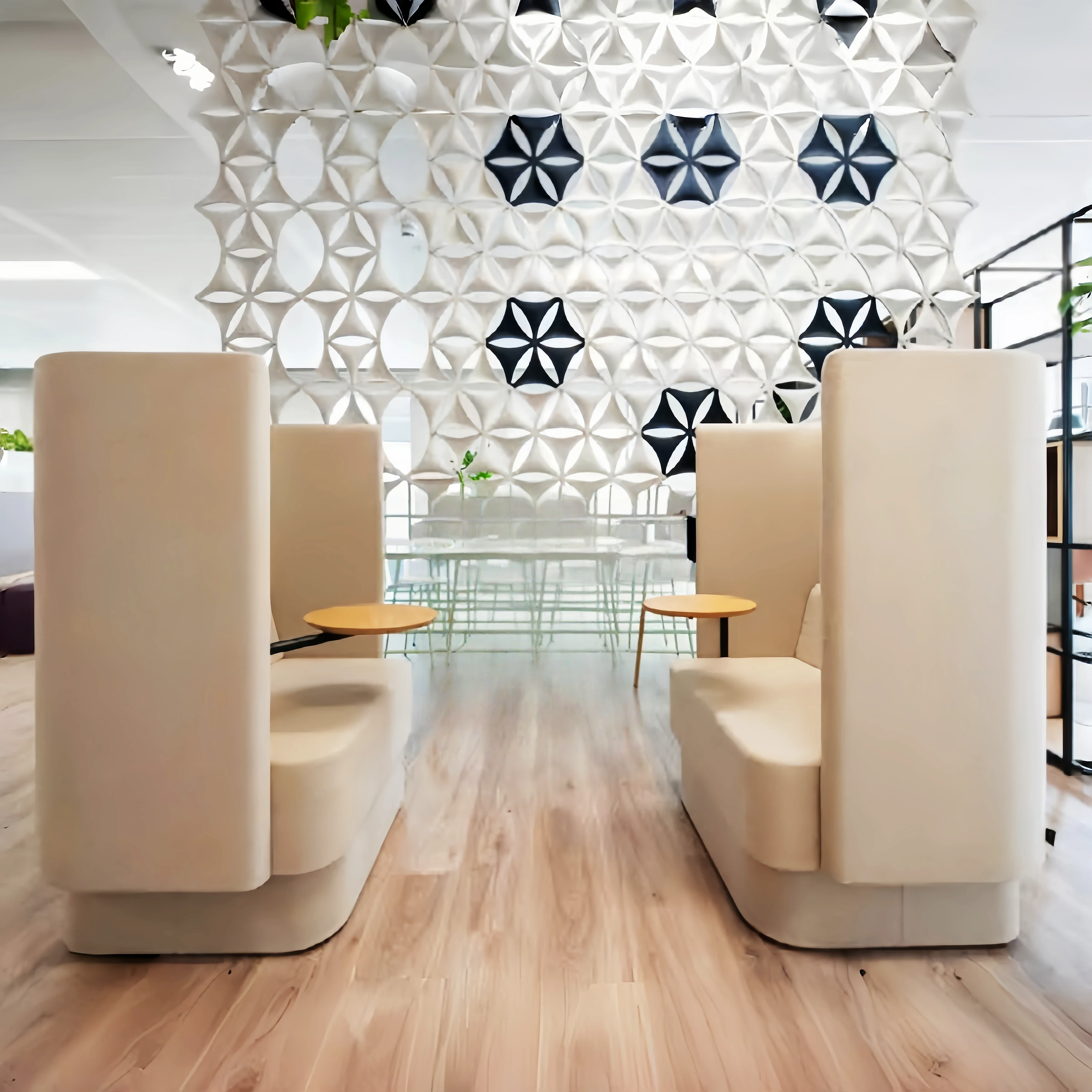

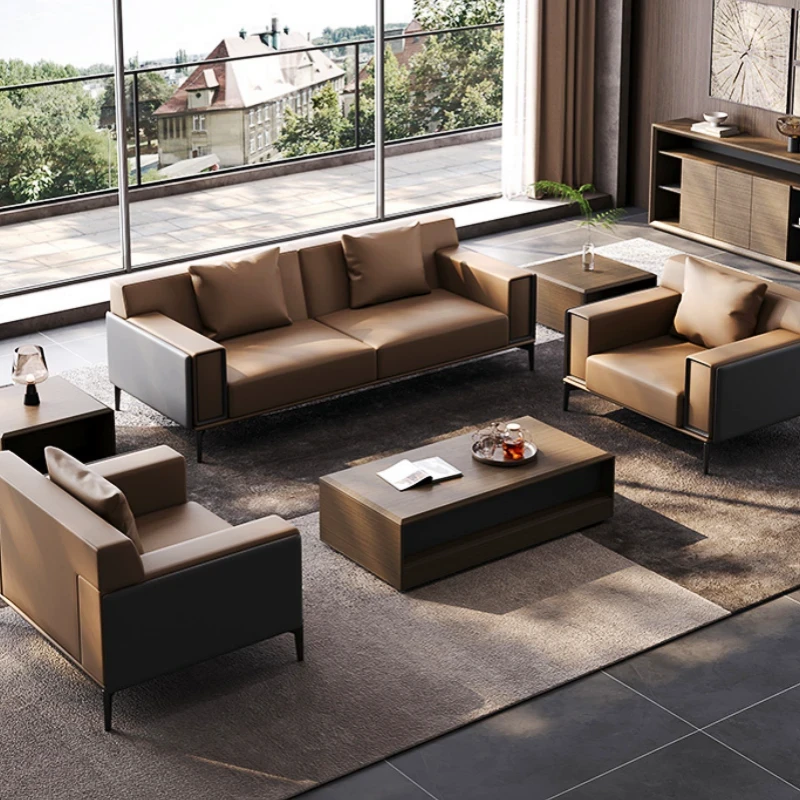
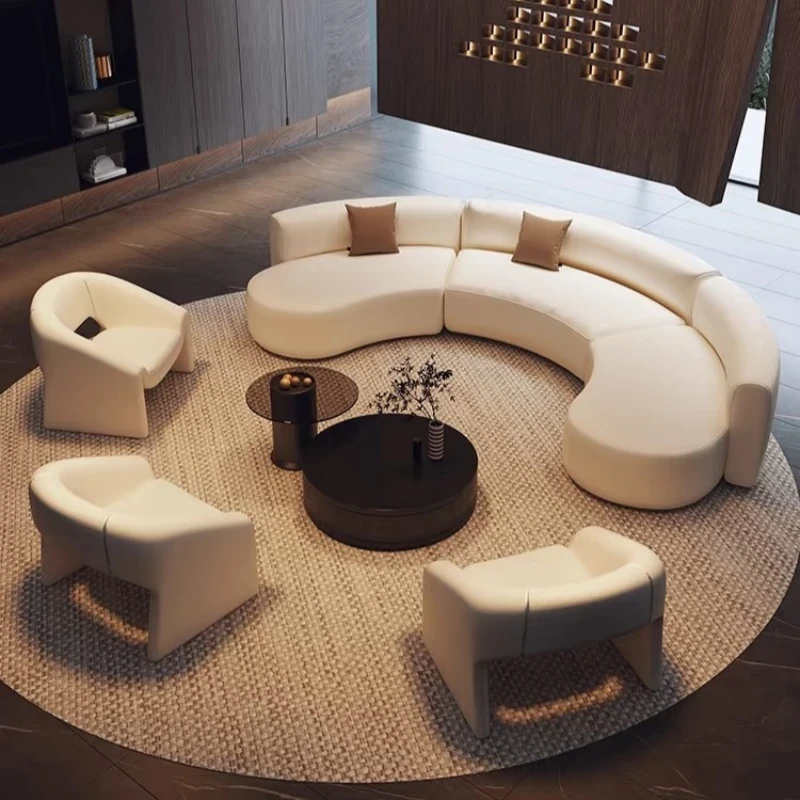
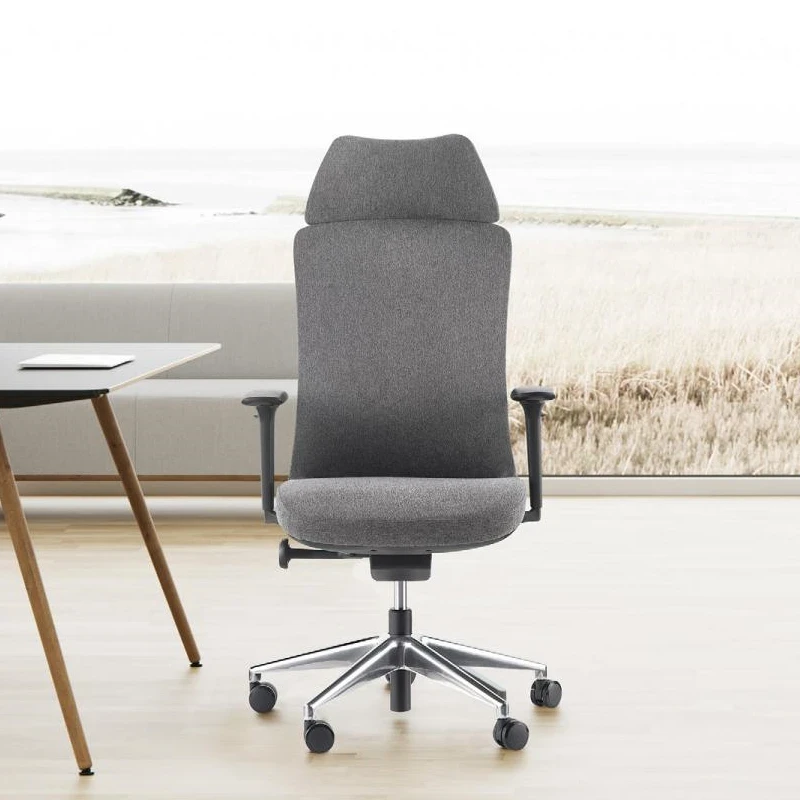


First, the hotel needs to define its positioning and style. Is it a country-style resort or a modern urban hotel? Is it a luxury boutique hotel or a business budget hotel? A clear positioning helps maintain stylistic consistency and harmony when selecting furniture. This ensures the designed space truly aligns with the brand philosophy, leaving a lasting and consistent impression on guests.
2. Consider Target Customer Groups:
Different customer groups have different expectations for hotels. For example, business travelers may prioritize comfortable workspaces and efficient facilities, while vacationers may value a relaxing and comfortable atmosphere. Understanding the needs and preferences of the target customer group allows for the selection of furniture styles and functional arrangements that cater to their preferences, providing a personalized stay experience.
3. Focus on Functionality and Comfort:
Regardless of the hotel's style, the functionality and comfort of the furniture are always key. Core furniture such as beds and chairs should provide comfortable support, ensuring a good rest experience for guests. Specific features such as adjustable lighting, ample storage space, and convenient power outlets can also greatly enhance convenience and comfort in actual use.
4. Color and Material Selection:
The color and materials of the furniture have a significant impact on creating the hotel's atmosphere. Warm tones and natural materials like wood and linen create a relaxing and cozy atmosphere, suitable for resort hotels. Modern hotels, on the other hand, may favor materials like metal and glass, paired with cool tones to create a minimalist and contemporary feel. Material selection should consider not only visual appeal but also durability and maintenance costs.
5. Details and Decorative Elements:
Attention to detail and decorative elements significantly enhance the quality and experience of a space. From small details like furniture carvings and fabric patterns to larger elements like lighting and artwork, everything needs to align with the space's style and brand identity. Well-chosen decorations can often bring unexpected surprises to guests, making them feel the hotel's attention to detail.
6. Environmental Protection and Sustainability:
With increasing public awareness of environmental protection, incorporating sustainable elements into furniture not only contributes to environmental efforts but also enhances the hotel's image among environmentally conscious consumers. Choosing furniture made from sustainable materials or production methods with minimal environmental impact is beneficial for the hotel's long-term development.
Conclusion
: In summary, selecting furniture suitable for different hotel atmospheres requires comprehensive consideration of multiple factors, from a clear hotel style and target customer group to a focus on functionality, comfort, materials, and details. By carefully selecting and arranging furniture, hotels can not only create a unique and attractive atmosphere but also significantly enhance the overall guest experience, leaving them with unforgettable memories. This attention to detail and reflection of brand value will help hotels win more loyal customers.