
 USD
USD GBP
GBP
 EUR
EUR
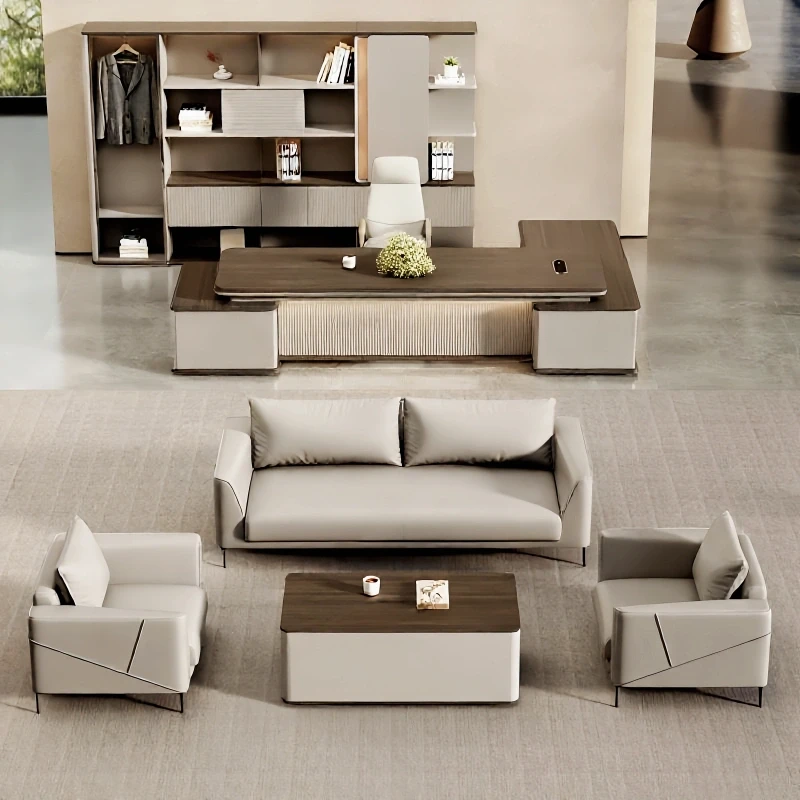
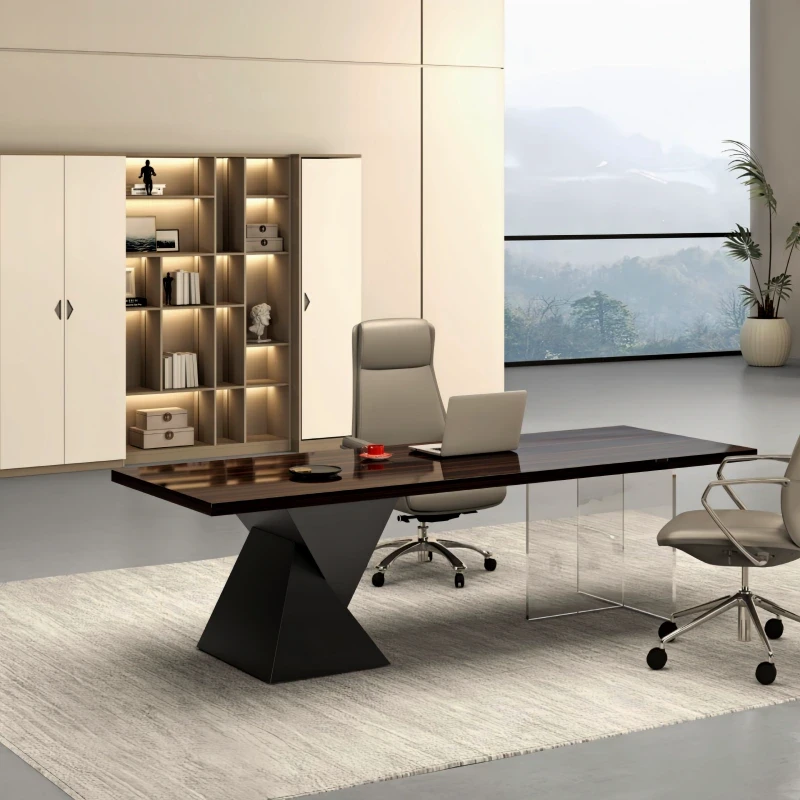


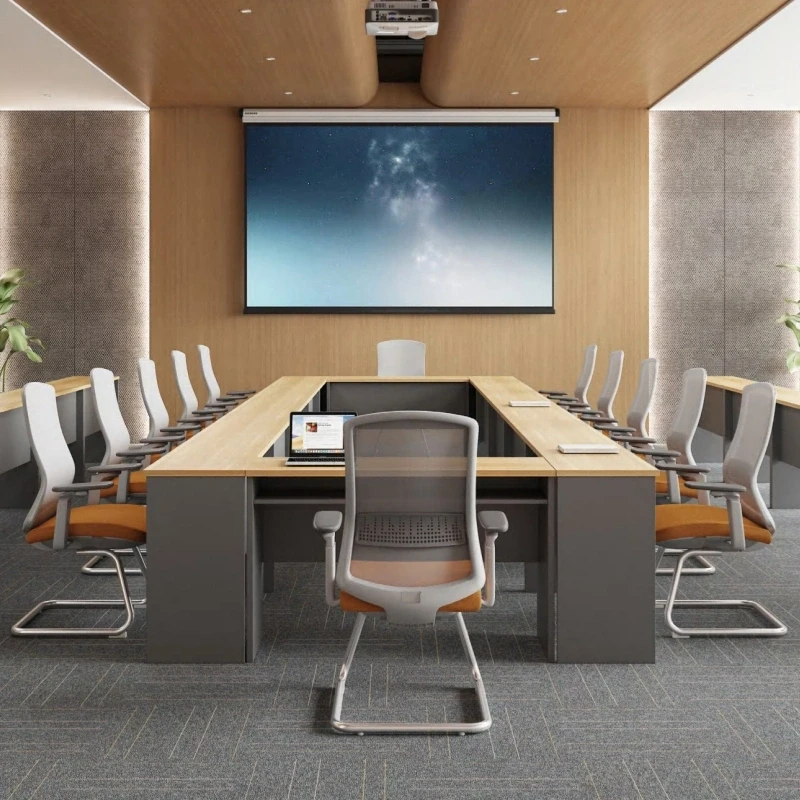

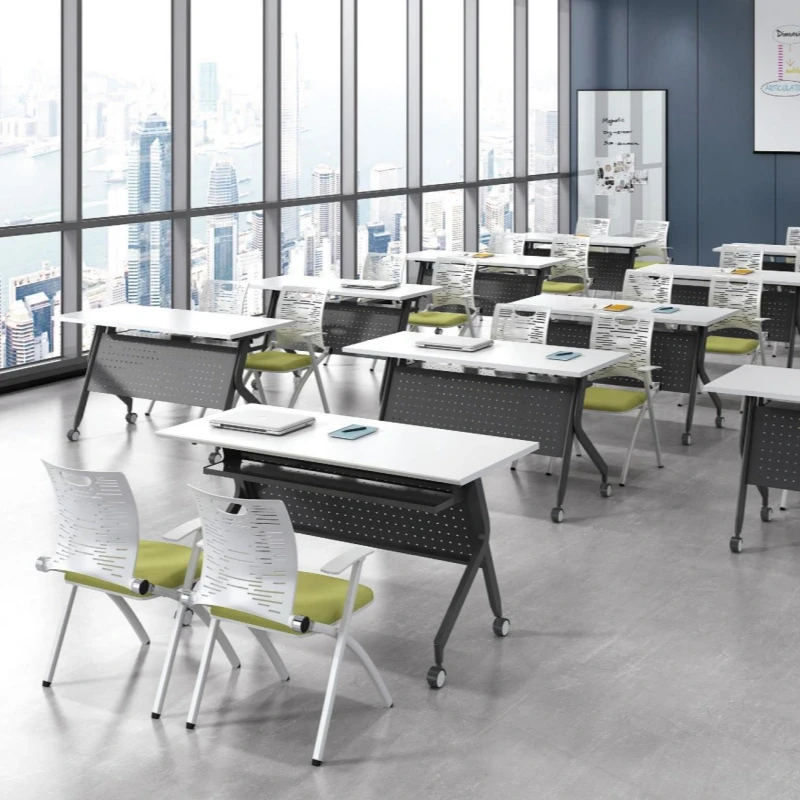

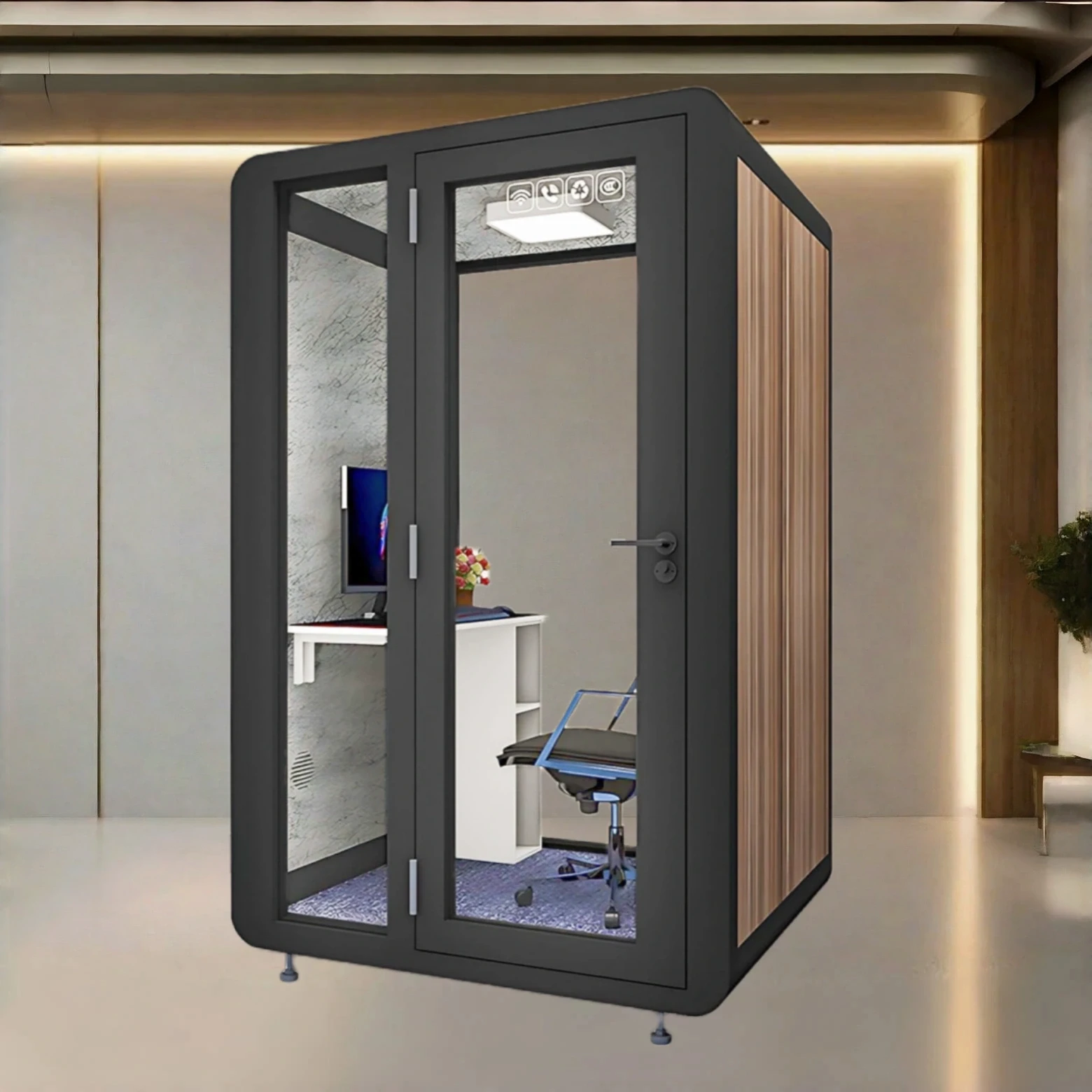
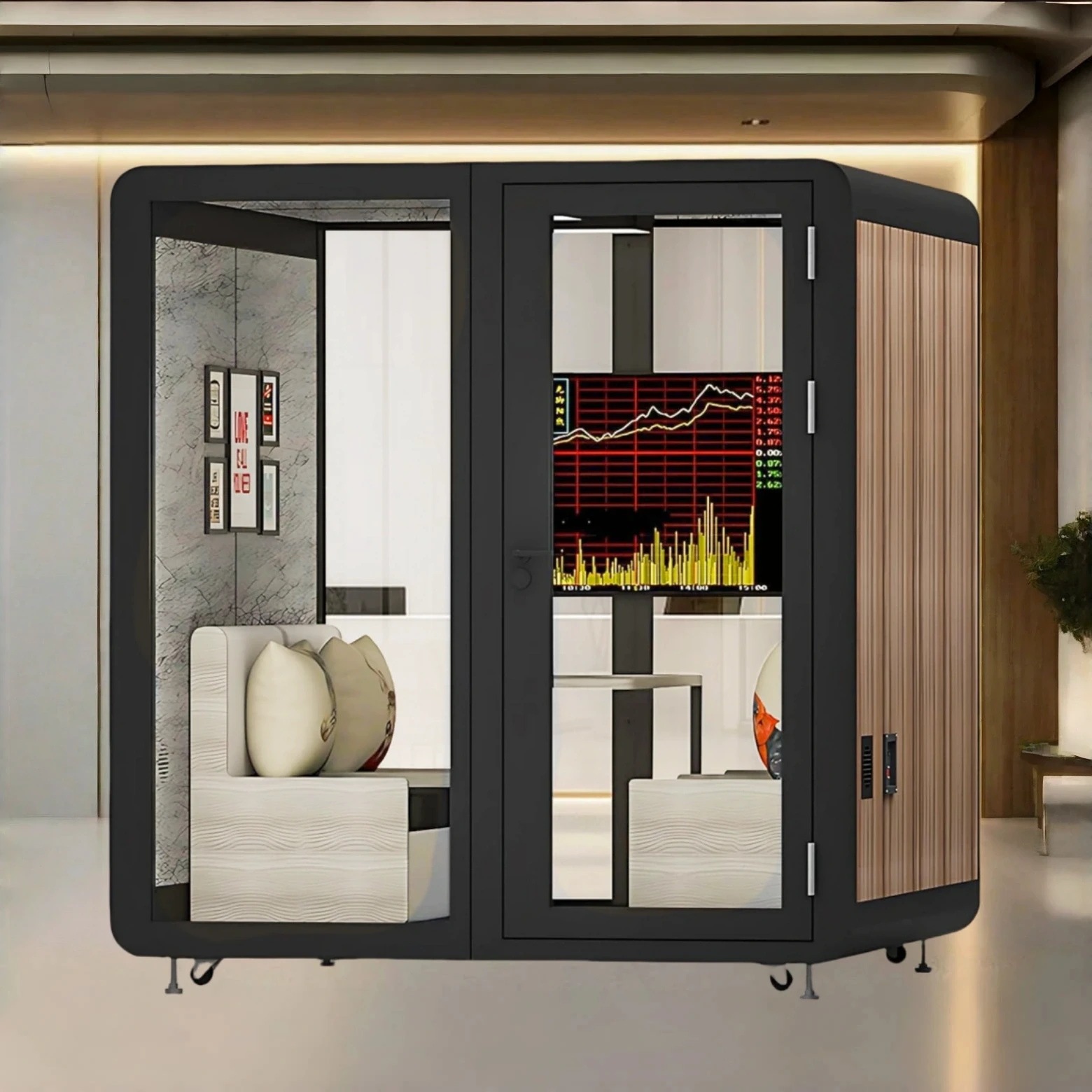







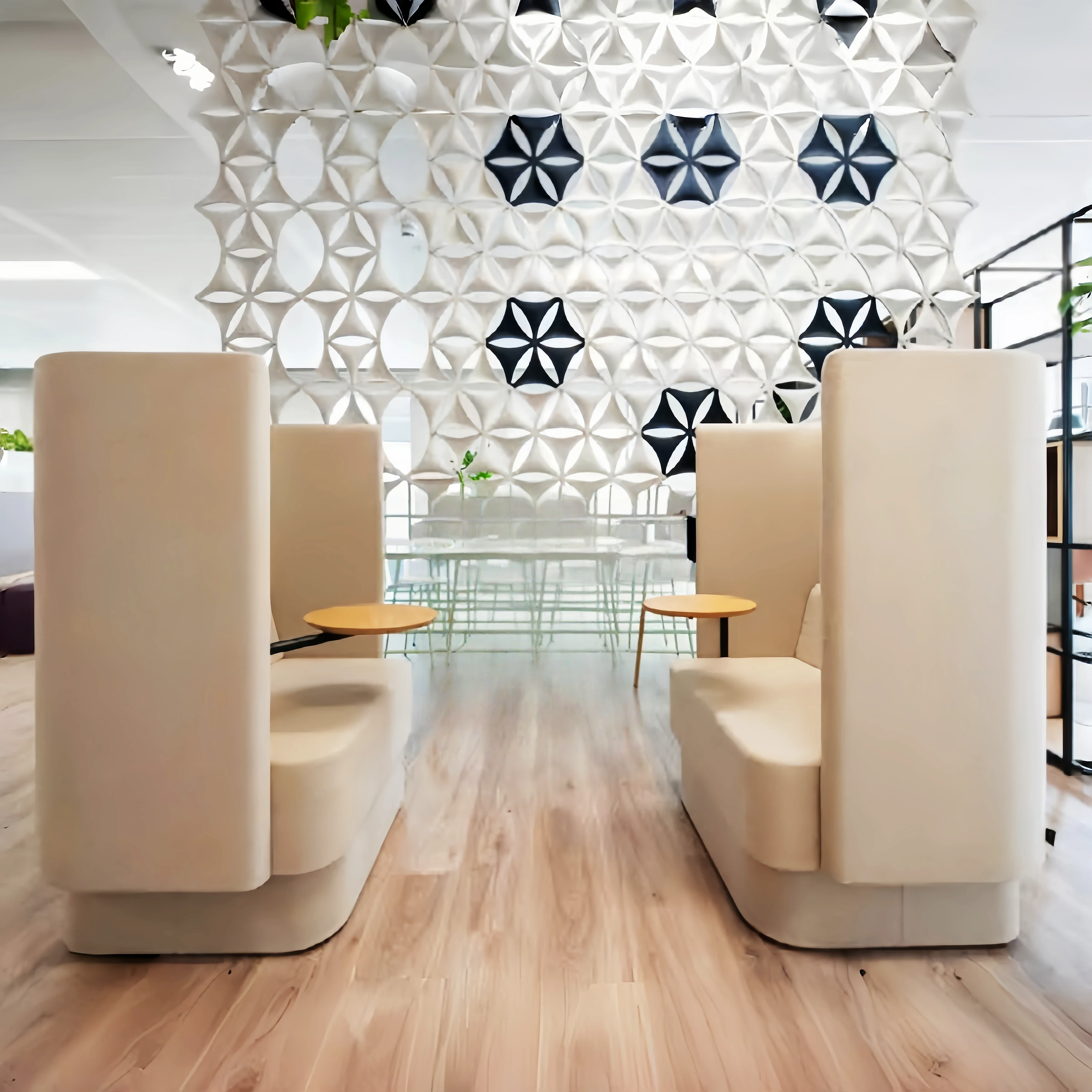

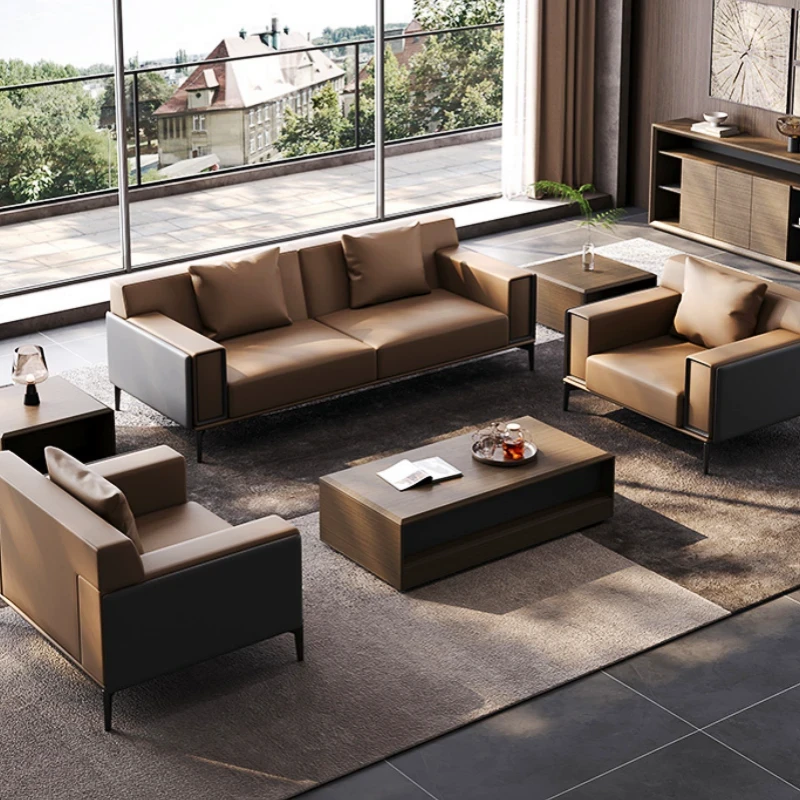
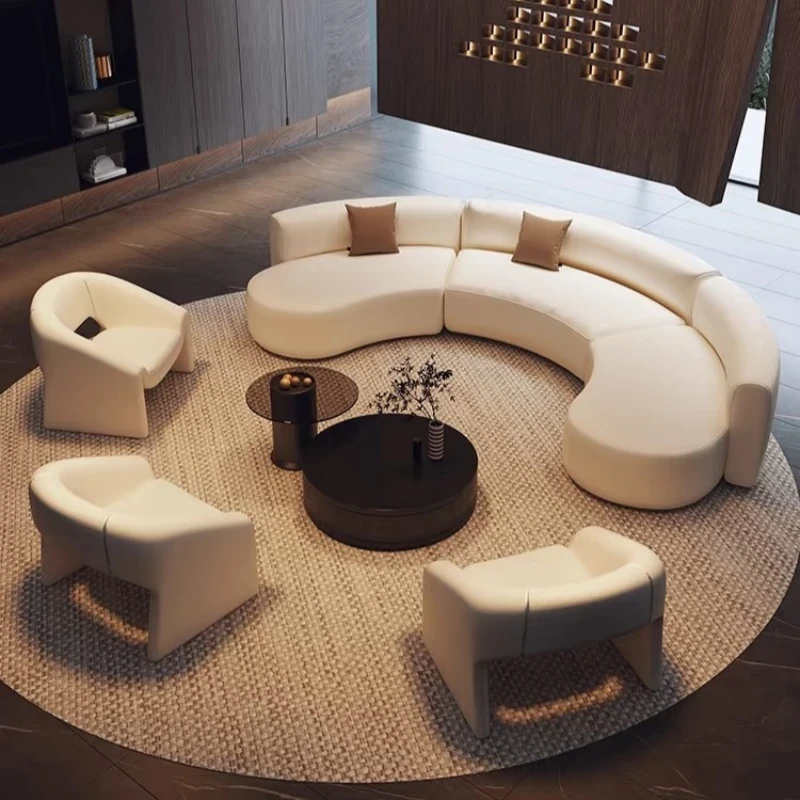
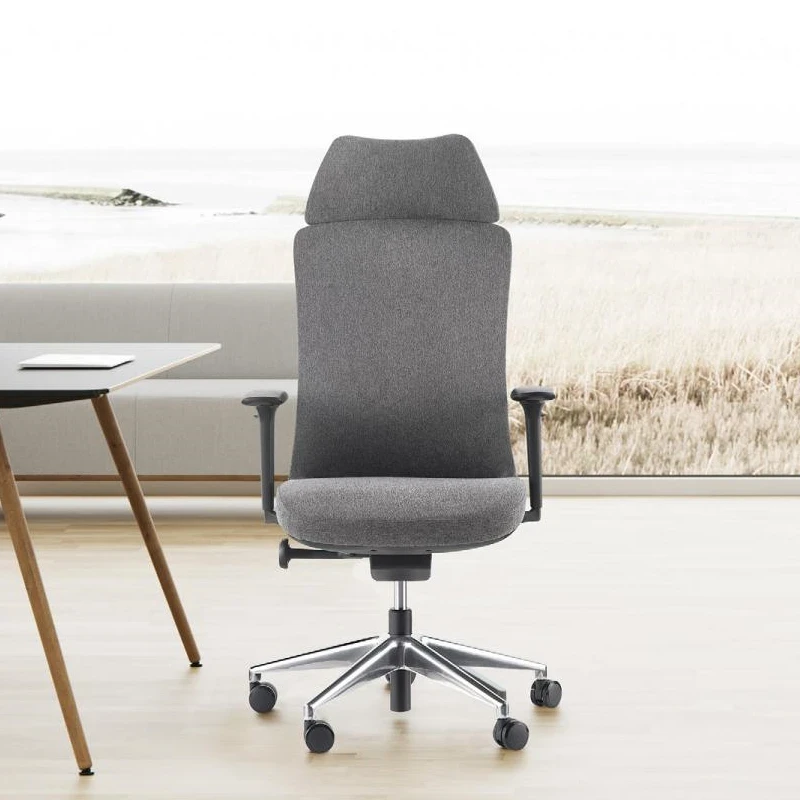


: Selecting furniture made from sustainable materials is a crucial step towards achieving environmental goals. For example, hotels can choose FSC (Forest Stewardship Council) certified wood furniture, ensuring the wood comes from responsibly managed forests. Additionally, materials like bamboo and recycled metals are good choices, as they are not only environmentally friendly but also generally more durable.
2. Prioritize Recycled and Recyclable Materials:
Using furniture made from recycled materials can significantly reduce resource consumption. These materials include recycled plastics, recycled fiber fabrics, and waste wood. Furthermore, ensuring that the selected furniture is easy to recycle at the end of its life also helps reduce the environmental burden on landfills.
3. Consider Furniture Durability and Lifecycle:
Durable furniture means a longer lifespan, reducing waste from frequent replacements. Hotels should prioritize product quality and durability when sourcing, choosing certified and reputable brands. To further extend the lifespan of furniture, hotels can also consider refurbishable or multifunctional designs.
4. Promote Local Sourcing:
By choosing locally produced furniture, hotels can reduce carbon emissions during transportation while supporting the local economy. Locally made furniture also often better reflects the cultural style of the region, helping to enhance the hotel's unique regional character.
5. Use products with low VOC (volatile organic compound) emissions.
Many furniture products use adhesives, paints, and other chemicals during manufacturing, which may release harmful VOCs and affect indoor air quality. Choosing low-VOC or VOC-free furniture not only helps protect the environment but also ensures the health and comfort of guests and staff.
6. Focus on environmental certifications.
When purchasing, look for furniture with environmental certifications. These certifications indicate that the product has a low environmental impact throughout its life cycle and adheres to strict sustainability standards.
Conclusion
. In today's society that values sustainable development, hotel furniture procurement faces new challenges and opportunities. By choosing environmentally friendly materials and designs, and focusing on product durability, recyclability, and health impacts, hotels can not only reduce their environmental footprint but also enhance their brand image and customer satisfaction. Adopting these environmentally friendly options is not only beneficial to the planet but will also bring long-term economic and social benefits to hotels.