
 USD
USD GBP
GBP
 EUR
EUR
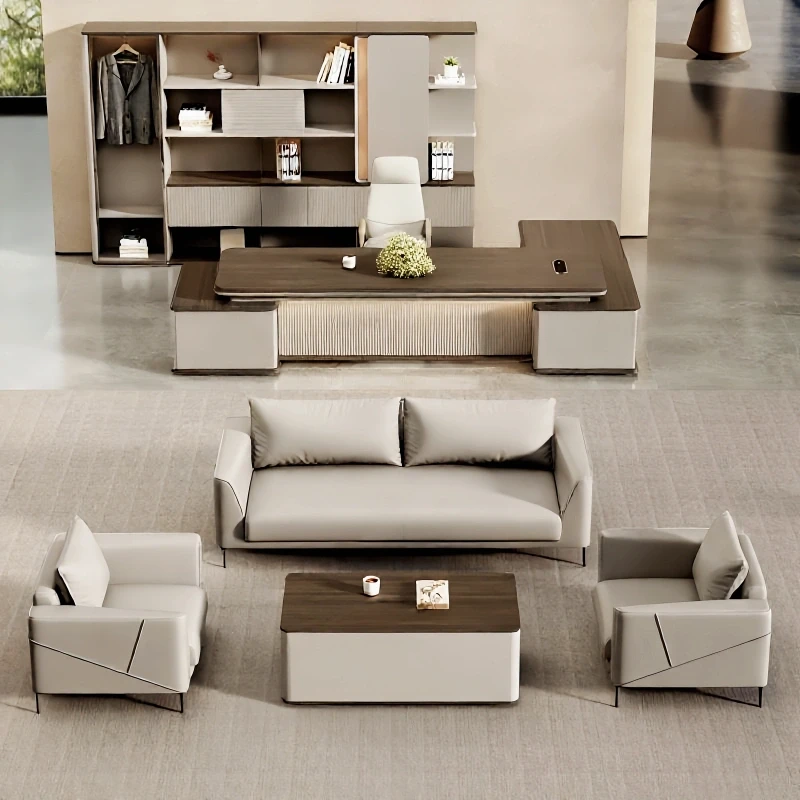
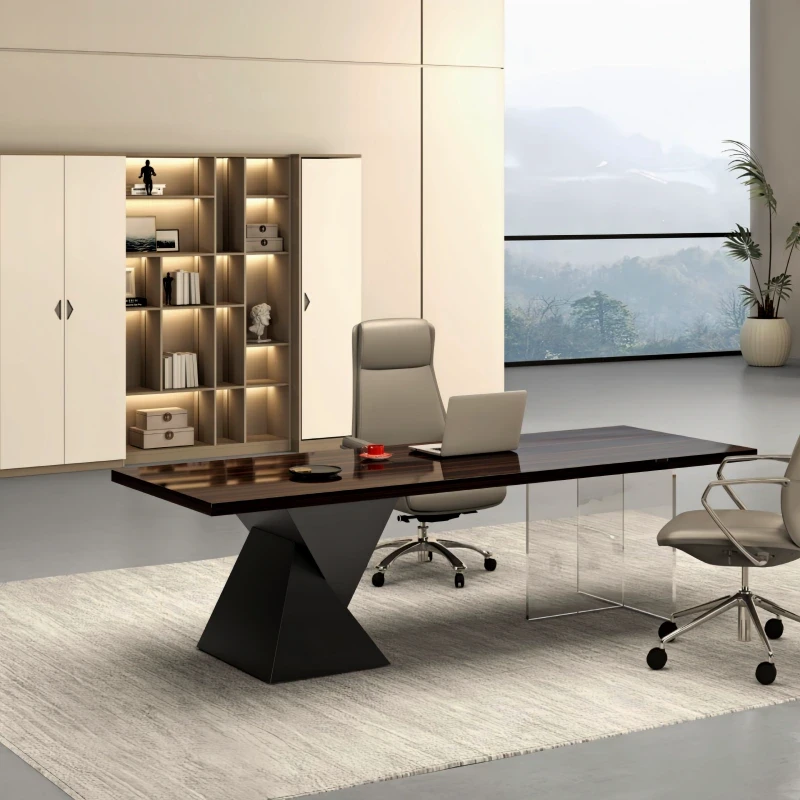



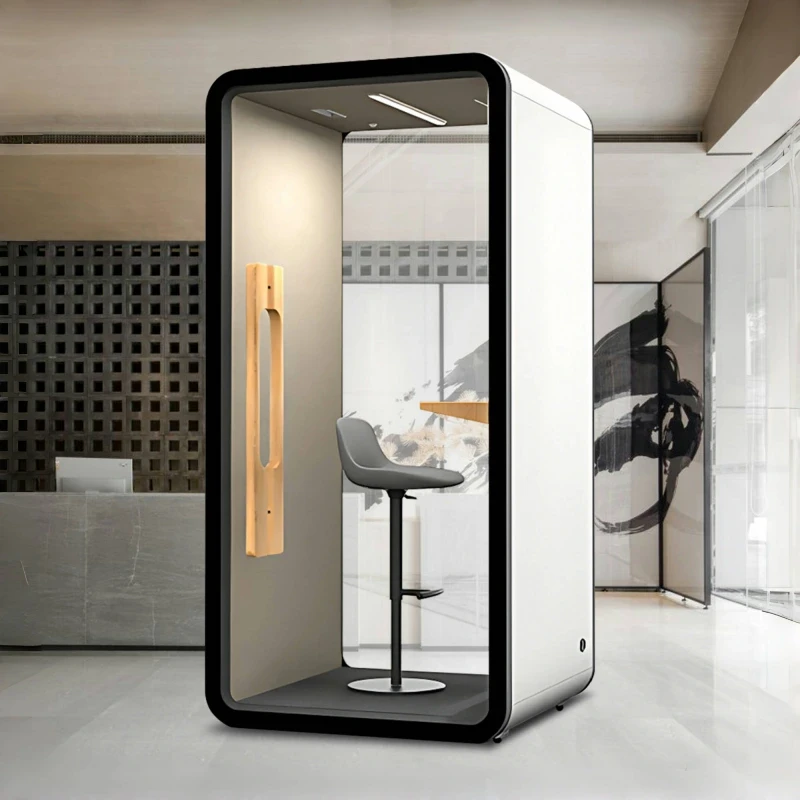
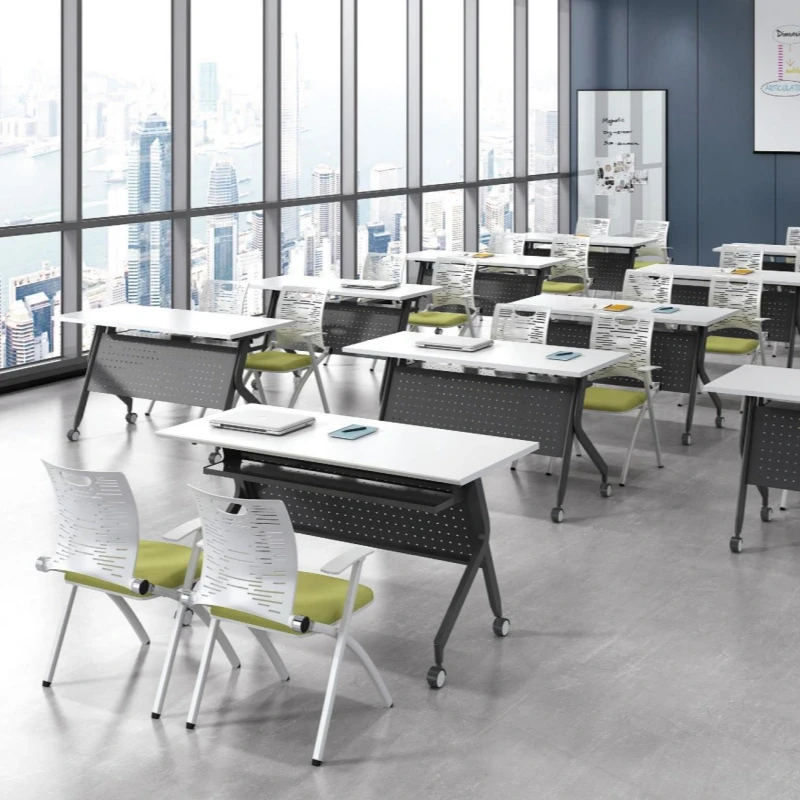




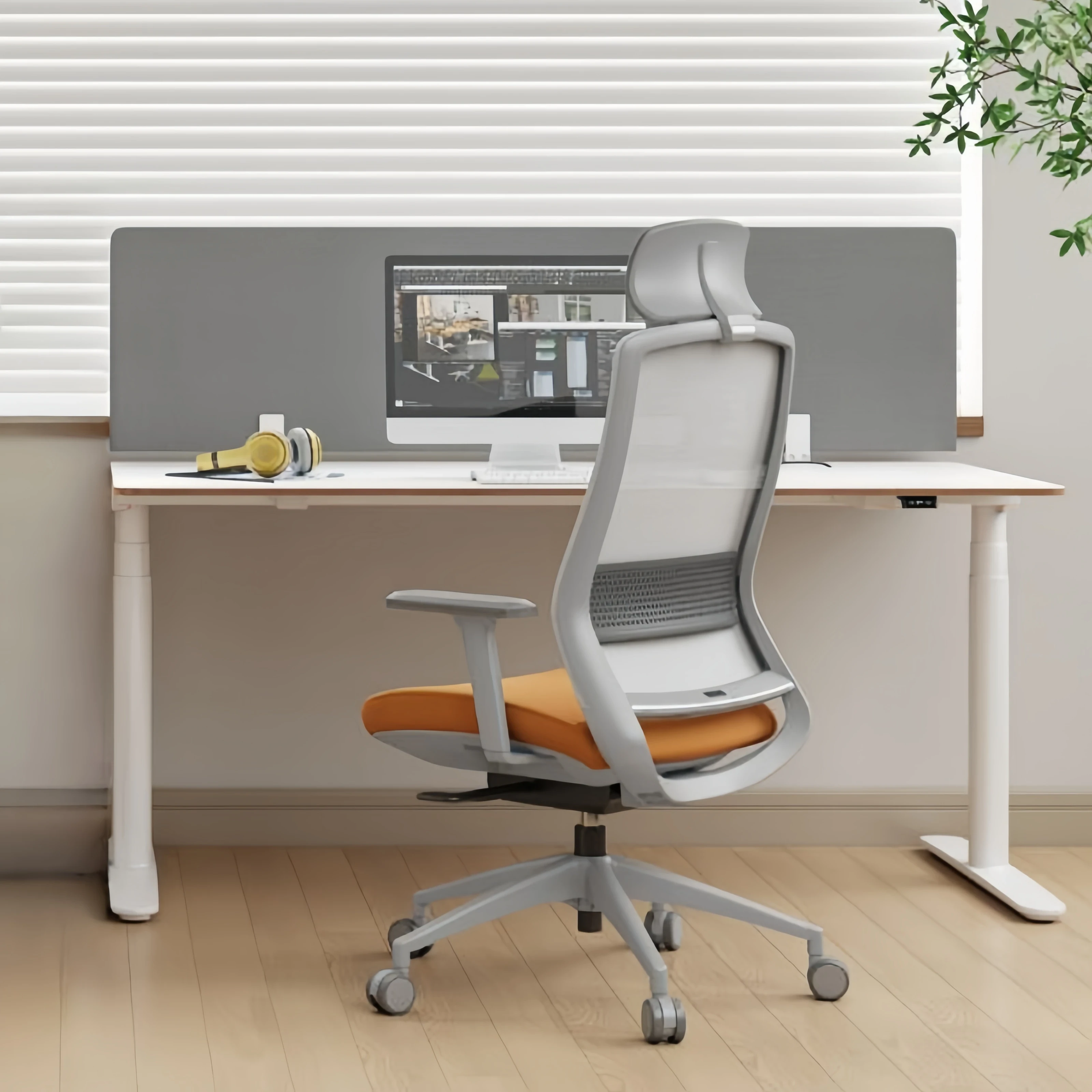


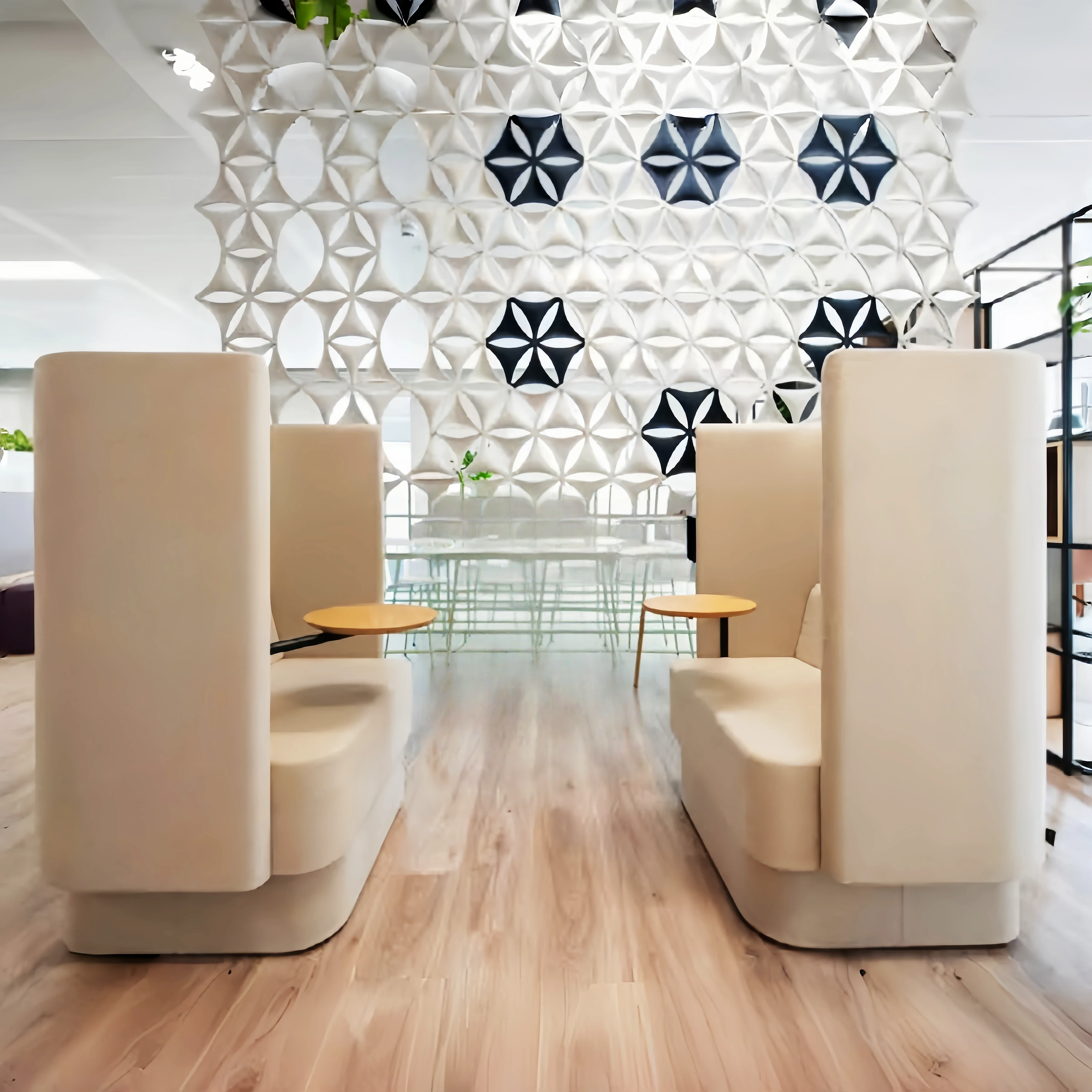

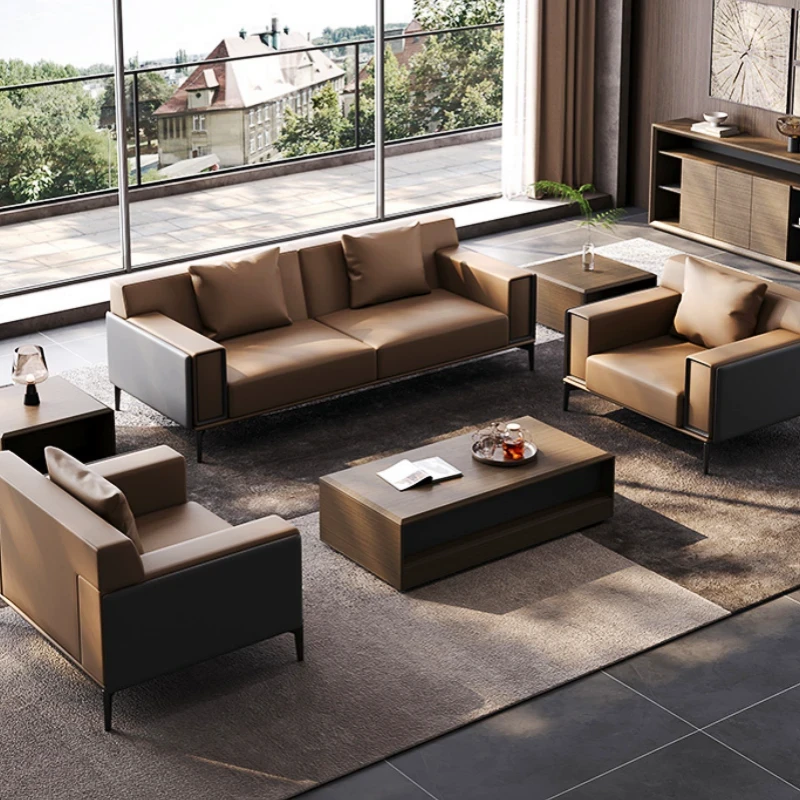
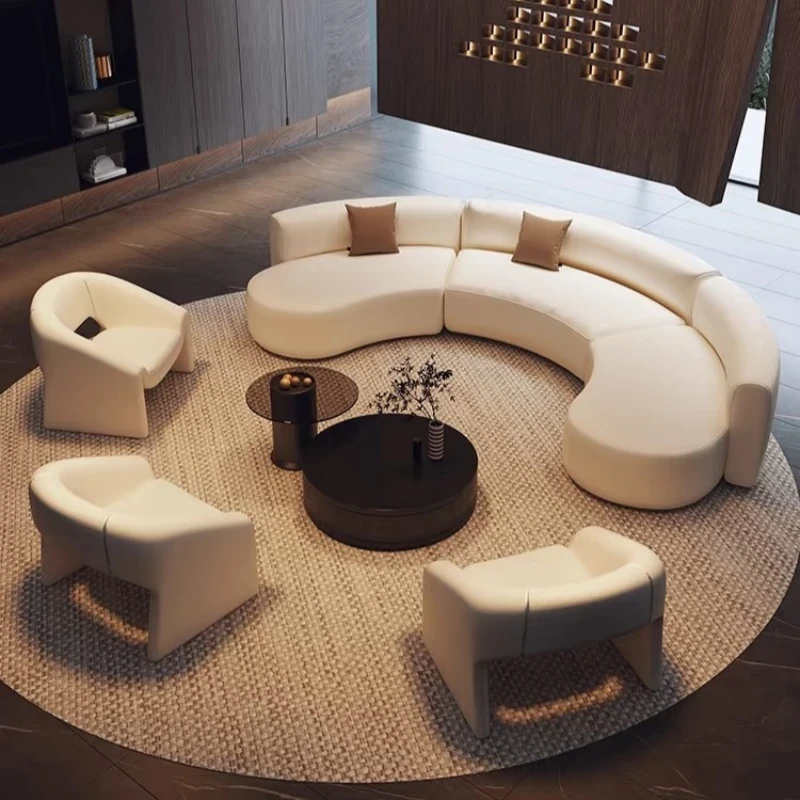
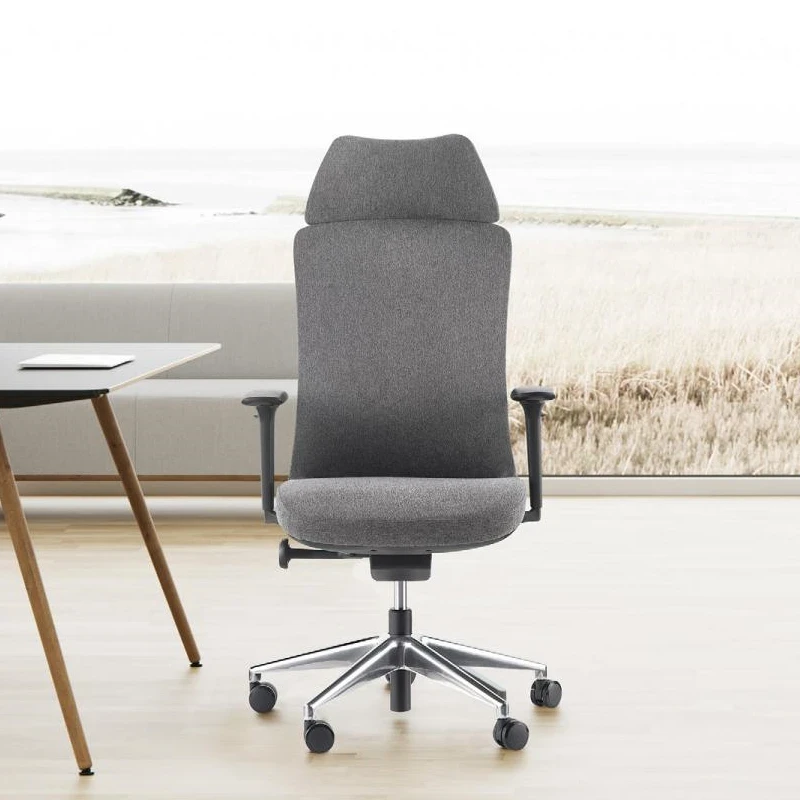


Ergonomic furniture design is paramount to ensuring the comfort of the elderly. As people age, their physical functions gradually decline. Choosing ergonomic furniture can effectively reduce physical burden and prevent discomfort and illness.
1. Height-Adjustable Beds and Chairs
Elderly people often face difficulties getting in and out of bed or chairs. Choosing height-adjustable beds and chairs allows for adjustments according to individual needs, reducing the risk of falls and improving independence.
2. Supportive Seats
Seats should be designed with good lumbar and back support to help the elderly maintain correct posture and reduce back pain. At the same time, seats should have sufficient cushioning and breathability to enhance seating comfort.
II. Ensuring Safe Furniture Design
The safety of furniture in nursing homes is crucial, aiming to prevent accidents and protect the personal safety of the elderly.
1. Rounded
Edges Furniture edges should be rounded to avoid the risk of injury from sharp parts, especially suitable for elderly people with limited mobility or cognitive decline.
2. Sturdy and Durable Structure
Furniture should adopt a sturdy and durable structural design to prevent tipping or damage due to shaking or improper load-bearing, ensuring stability during use.
3. Use of Anti-slip Materials:
Furniture such as tables and chairs should be made of anti-slip materials to reduce the possibility of items slipping. In addition, anti-slip mats should be placed at the contact points between the floor and furniture to enhance overall safety.
III. Functional and Diverse Design:
Furniture suitable for nursing homes should not only meet basic usage needs but also possess diverse functions to improve the convenience and autonomy of the elderly.
1. Multifunctional Storage Design:
Designs such as under-bed storage drawers and chairs with storage space can help the elderly easily store personal belongings and keep their living space clean and organized.
2. Foldable and Movable Design:
Some furniture adopts a foldable and movable design, making it convenient for caregivers to clean or adjust the layout in emergencies, while meeting the needs of different living scenarios.
3. Introduction of Smart Furniture:
Smart furniture, such as beds with automatic adjustment functions and tables and chairs equipped with emergency call devices, can provide more considerate and convenient services for the elderly, improving their quality of life.
IV. Material Selection: Environmentally Friendly and Healthy:
The selection of materials for nursing home furniture should focus on environmental protection and health, avoiding any potential health threats to the elderly.
1. Non-toxic and Environmentally Friendly Materials
: Choose non-toxic, low-formaldehyde materials such as solid wood and environmentally friendly boards to ensure air quality and reduce the impact on the health of the elderly.
2. Easy-to-Clean and Durable Surfaces:
Furniture surfaces should be made of easy-to-clean and wear-resistant materials, such as waterproof fabrics, metal, or plastic surfaces, facilitating daily care and maintenance and extending their lifespan.
3. Aesthetics and Style Coordination:
Furniture in nursing homes should not only be practical but also aesthetically pleasing, coordinating with the overall environment to create a warm and comfortable atmosphere and enhance the psychological well-being of the elderly.
1. Soft and Warm Colors
: Choose soft and warm colors such as beige, light blue, and light green to help create a tranquil and relaxing environment and improve the mood of the elderly.
2. Simple and Elegant Design:
Furniture designs should be simple and elegant, avoiding overly complex and flashy designs, meeting the aesthetic needs of the elderly while facilitating management and maintenance by caregivers.
3. Personalized Decorative Elements:
Appropriately incorporating personalized decorative elements, such as patterns or handicrafts that the elderly like, can increase the warmth of the home and enhance their sense of belonging.
VI. Adaptability and Modular Design
Furniture in nursing homes should possess a high degree of adaptability and modular design to meet the personalized needs of different elderly individuals and facilitate flexible space adjustments.
1. Modular Furniture Systems
Modular furniture systems, such as combinable storage cabinets and flexibly configurable chairs, can be freely combined according to different scenarios and needs, adapting to diverse living and care requirements.
2. Easily Adjustable and Replaceable Components
Furniture should be designed with easily adjustable and replaceable components, such as replaceable cushions and detachable armrests, allowing for adjustments based on the elderly individual's physical condition and preferences.
Conclusion
Choosing suitable furniture for nursing homes is a crucial step in improving the quality of life for the elderly. By focusing on ergonomic design, ensuring safety, enhancing functionality, using environmentally friendly materials, emphasizing aesthetic style, and possessing high adaptability, nursing home furniture can not only meet the basic needs of the elderly but also create a comfortable, safe, and warm living environment for them. In the future, with continuous technological advancements and the diversification of the needs of the elderly, nursing home furniture design will continue to develop towards intelligence and humanization, providing the elderly with a higher quality of life experience.