
 USD
USD GBP
GBP
 EUR
EUR
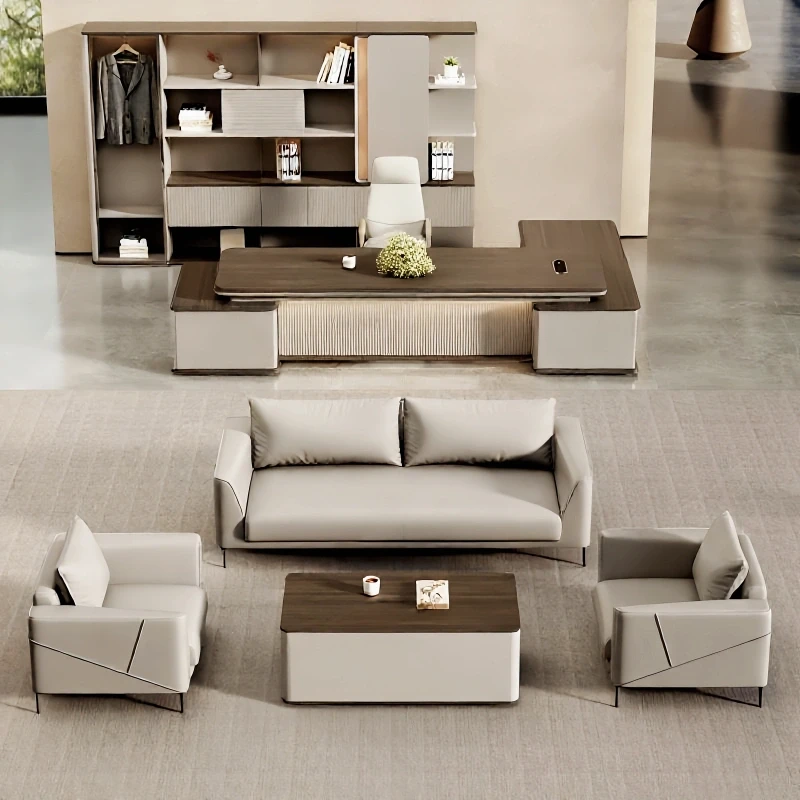
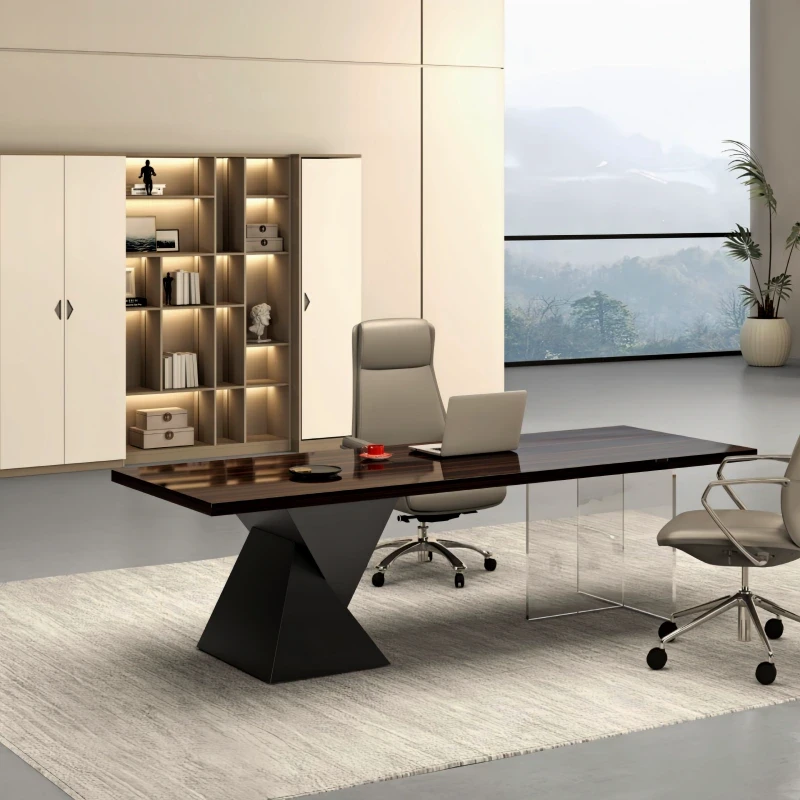


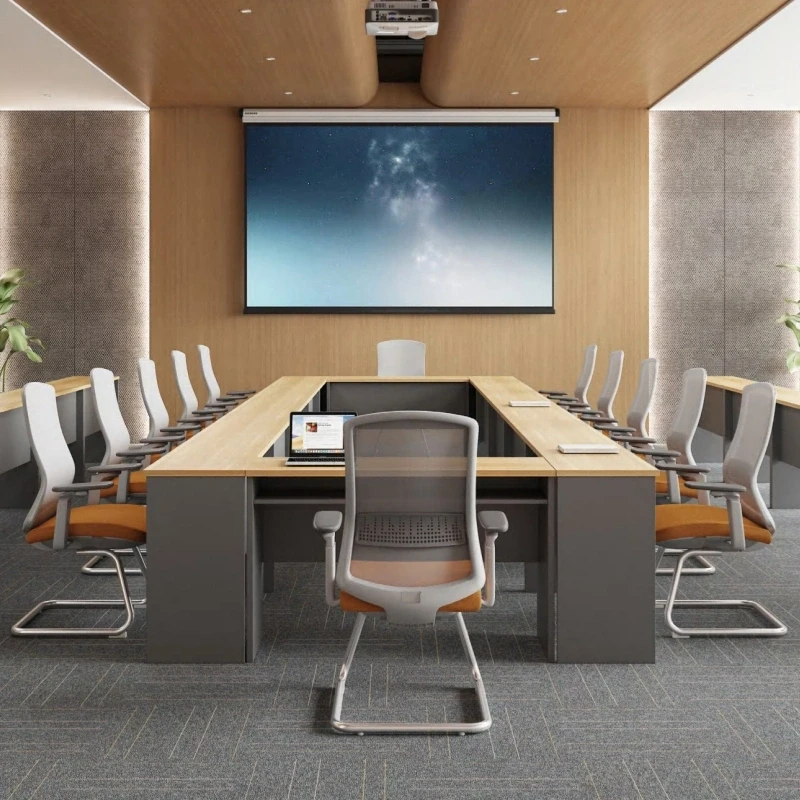
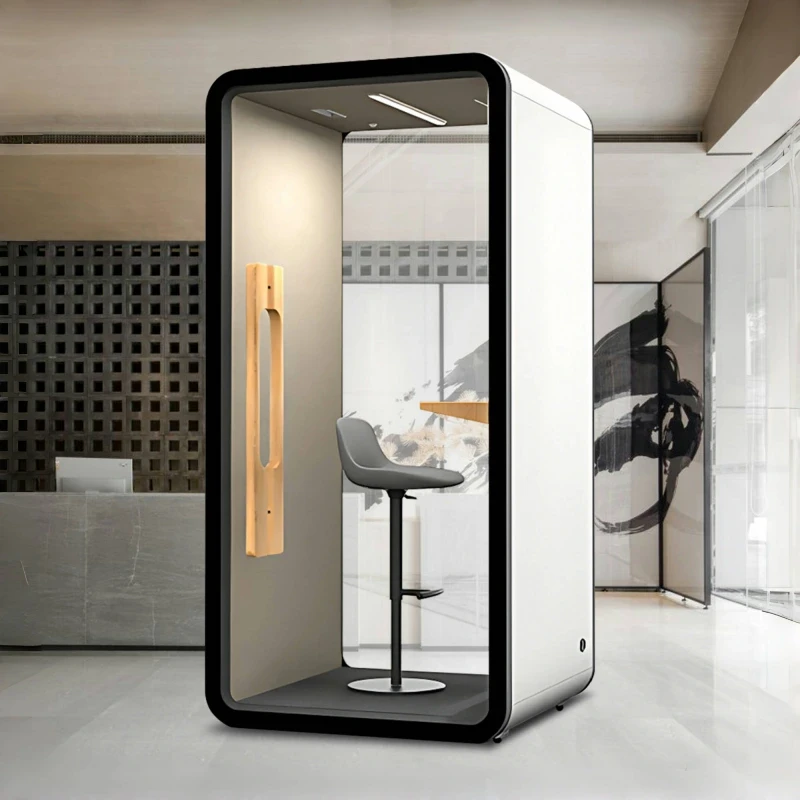
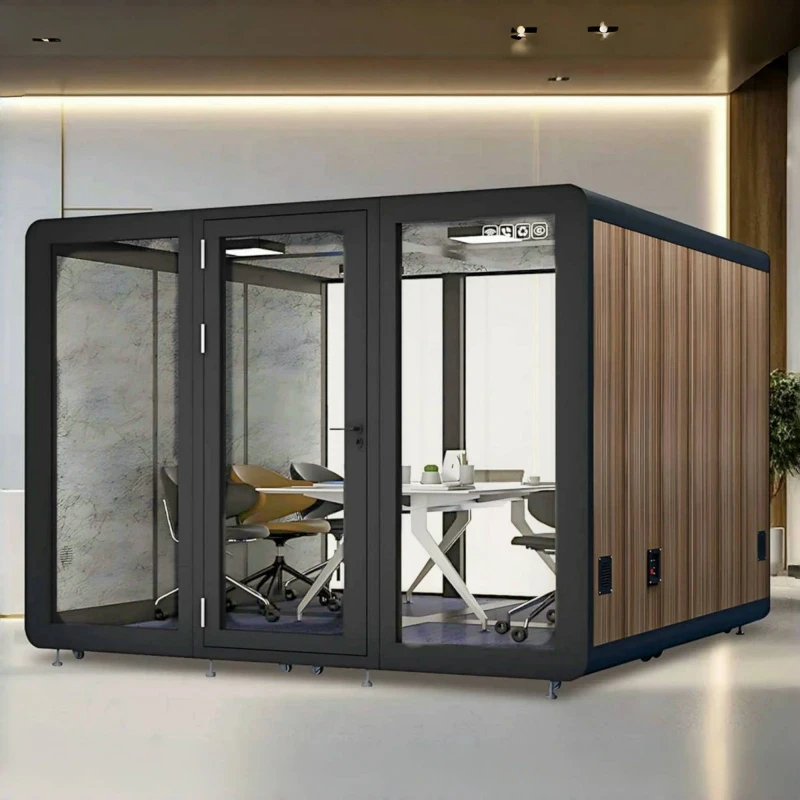
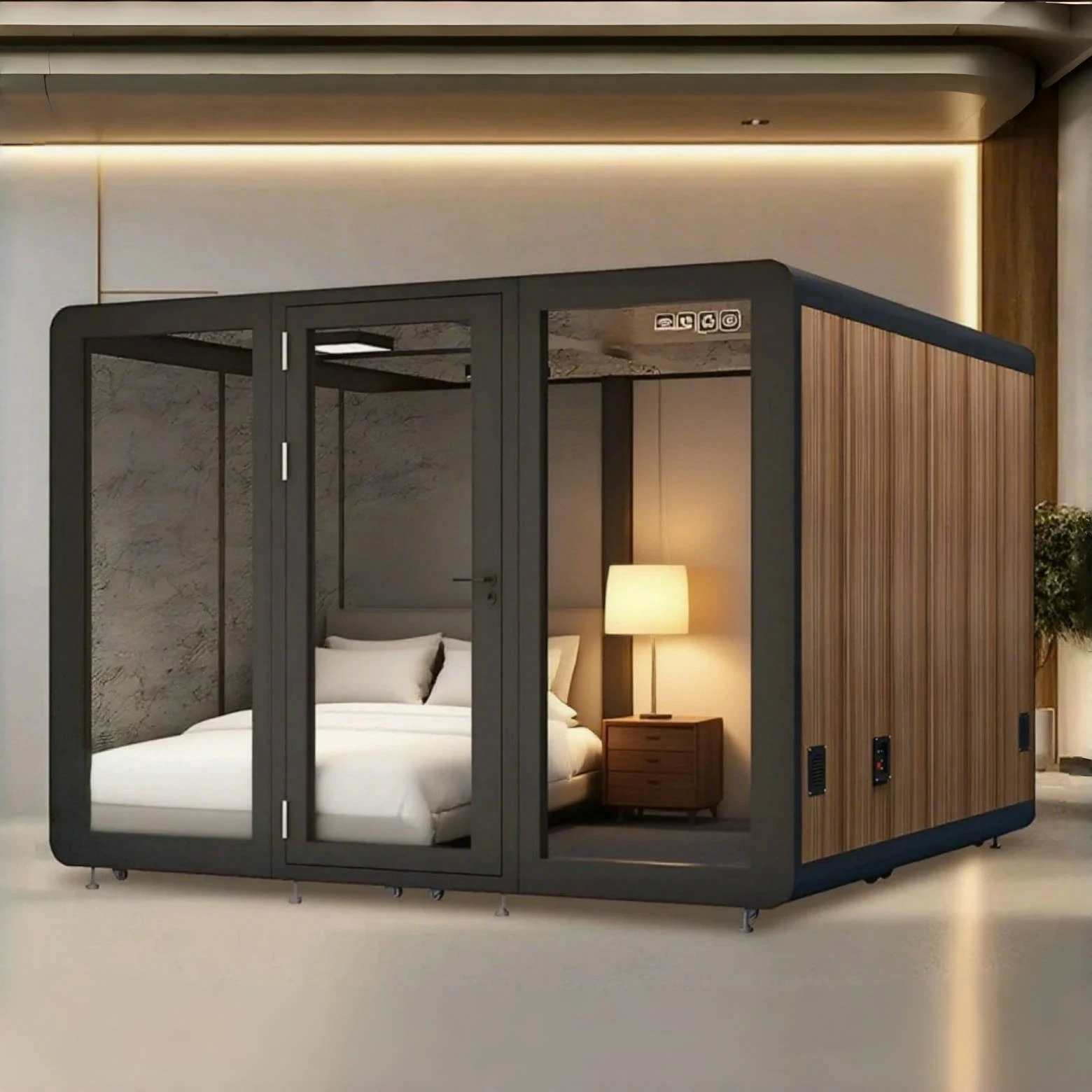


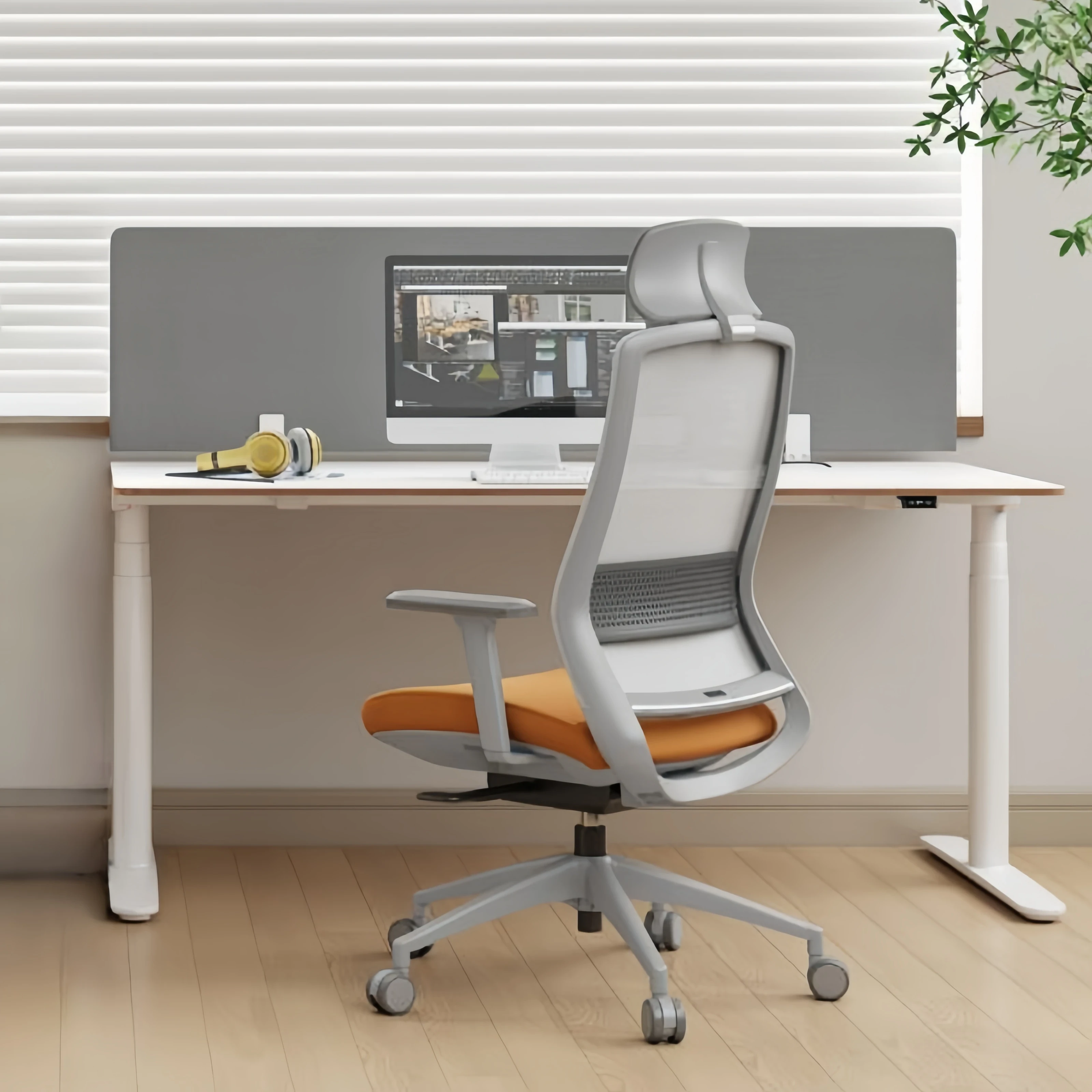


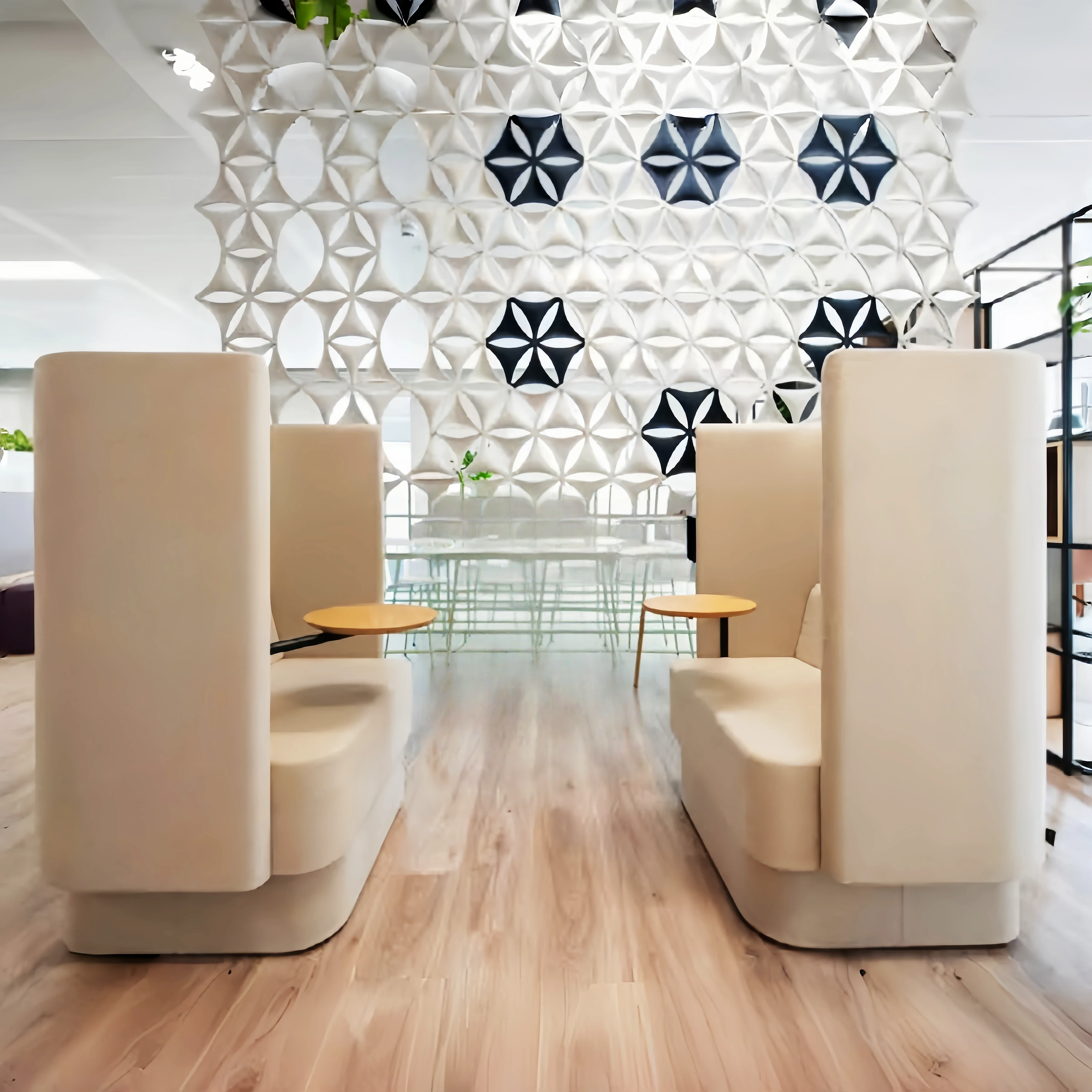

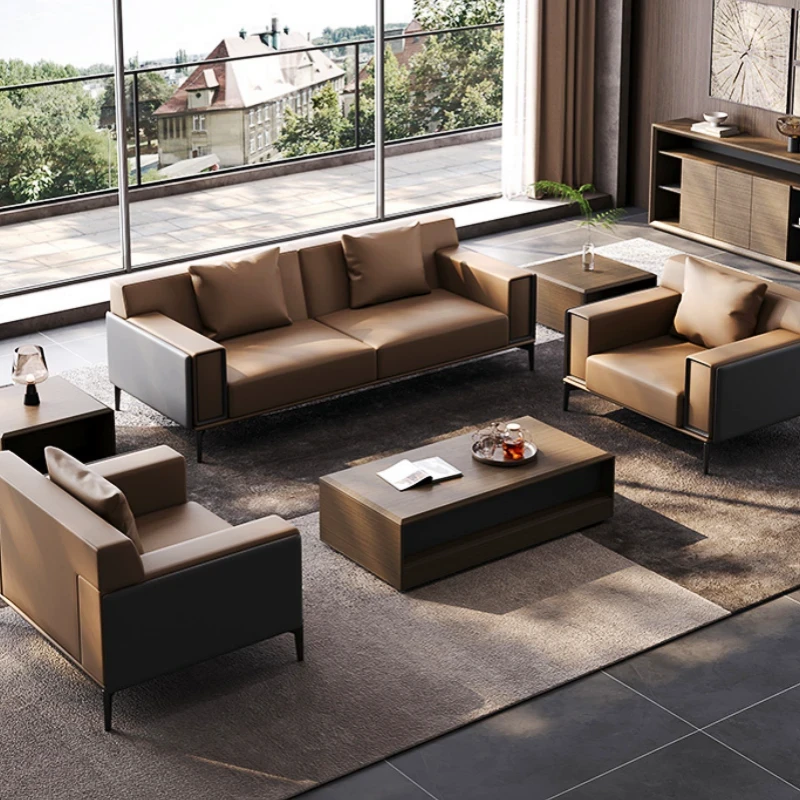
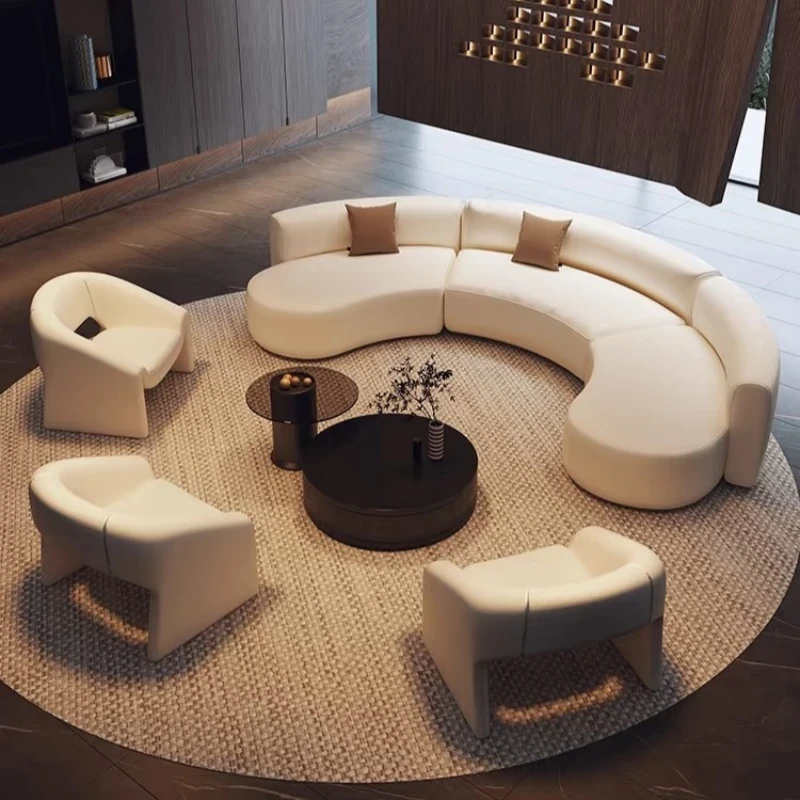
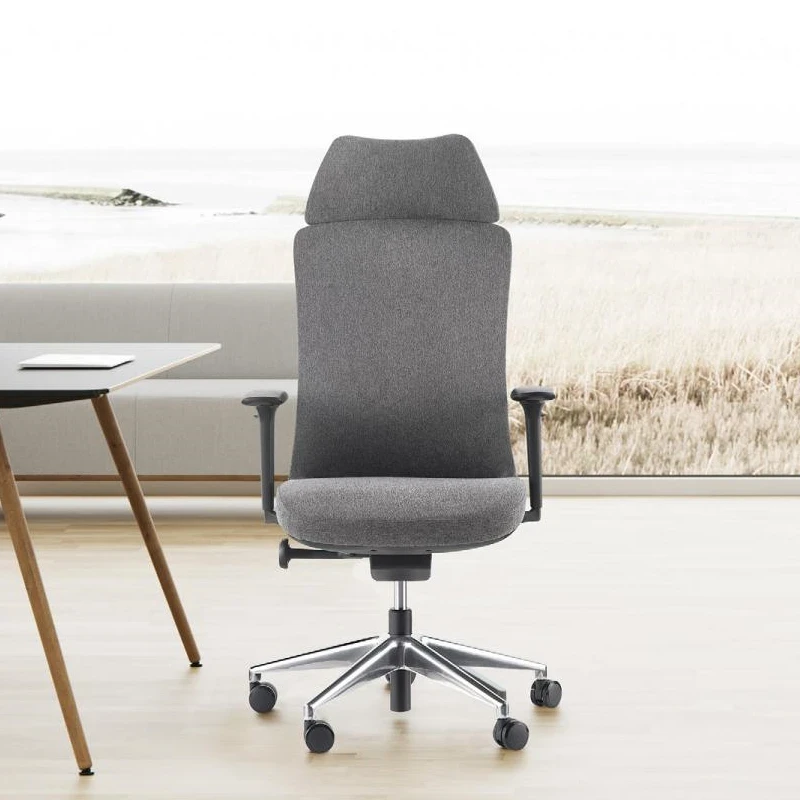


Every hotel has its unique positioning and style. From luxury hotels to budget hotels, furniture selection should align with brand image, market positioning, and target customer groups.
Luxury Hotel Selection: For high-end hotels, furniture design and materials are typically more demanding. Choosing high-quality wooden furniture, paired with luxurious fabrics and meticulous craftsmanship, can effectively convey the hotel's brand value.
Budget Hotel Selection: Budget hotels should prioritize functionality and durability in furniture selection to meet the needs of a large number of customers. For example, wear-resistant materials and easy-to-clean surfaces can significantly reduce hotel maintenance costs.
II. Comfort and Functionality
Customer comfort is a core element of hotel furniture design; a well-planned furniture layout can enhance customer satisfaction.
Guest Room Furniture: In guest rooms, ergonomic mattresses and headboards should be considered. This furniture should not only be aesthetically pleasing but also provide a good sleep experience.
Public Area Furniture: Furniture selection in areas such as the lobby and restaurant should emphasize social design, such as a well-arranged layout of sofas and chairs to facilitate interaction and communication among customers.
III. Materials and Durability
The materials used in hotel furniture directly affect not only lifespan and appearance but also customer health.
Choosing Environmentally Friendly Materials: More and more hotels are choosing environmentally friendly, non-toxic materials to meet customers' pursuit of green and healthy living. For example, choosing formaldehyde-free wood and easy-to-clean fabrics.
Wear Resistance: Since hotel furniture needs to withstand frequent use, choosing wear-resistant furniture is particularly important, effectively reducing replacement and maintenance costs.
IV. Style and Space Coordination:
The style of hotel furniture should coordinate with the overall space to create a unified and harmonious environment.
Color Matching: Different styles of hotels should choose matching colors to integrate the design style and color of the furniture with the overall atmosphere of the hotel. For example, modern style hotels are suitable for simple and bright colors, while classic style hotels can choose dark colors to create a warm atmosphere.
Rational Layout: When designing, pay attention to the rationality of the furniture layout to make full use of space and create a comfortable and relaxing environment.
V. After-Sales Service and Support:
When choosing a hotel furniture supplier, good after-sales service is an indispensable aspect. Ensuring the quality and performance of the furniture effectively maintains the overall customer experience. After
-Sales Policy: Choose manufacturers that can provide stable after-sales service to ensure timely support and resolution of any problems during furniture use.
Long-term cooperation: Establishing long-term partnerships with professional furniture suppliers not only ensures stable product quality but also allows for timely adjustments to furniture style and positioning based on market changes.
Conclusion:
Choosing suitable hotel furniture is a crucial step in enhancing the customer experience. By focusing on style, comfort, durability, and after-sales service, hotel managers can create a pleasant stay environment, attracting more customers and laying a solid foundation for the hotel's long-term development.