
 USD
USD GBP
GBP
 EUR
EUR
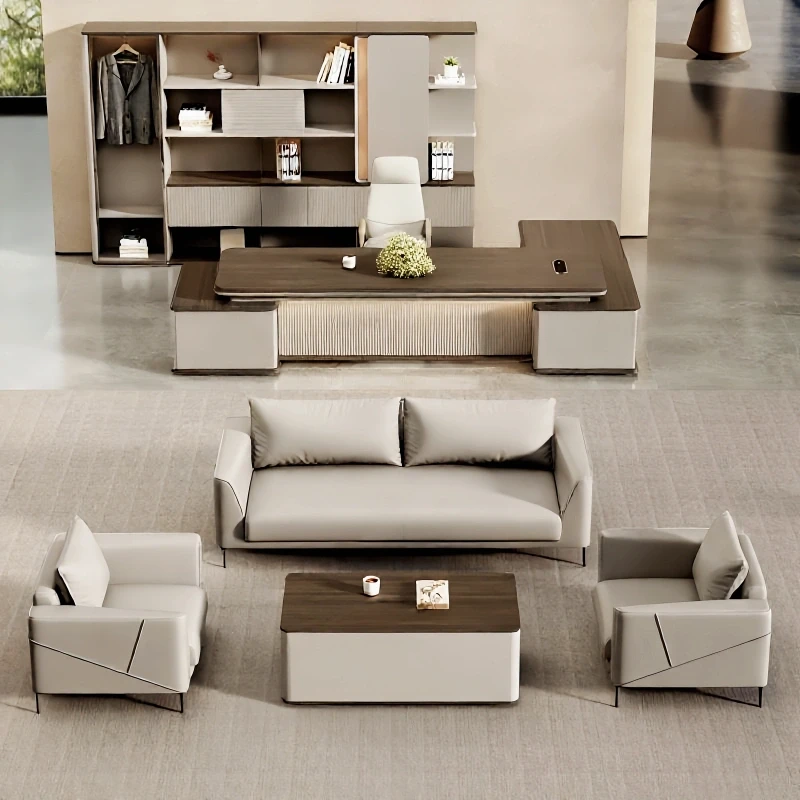
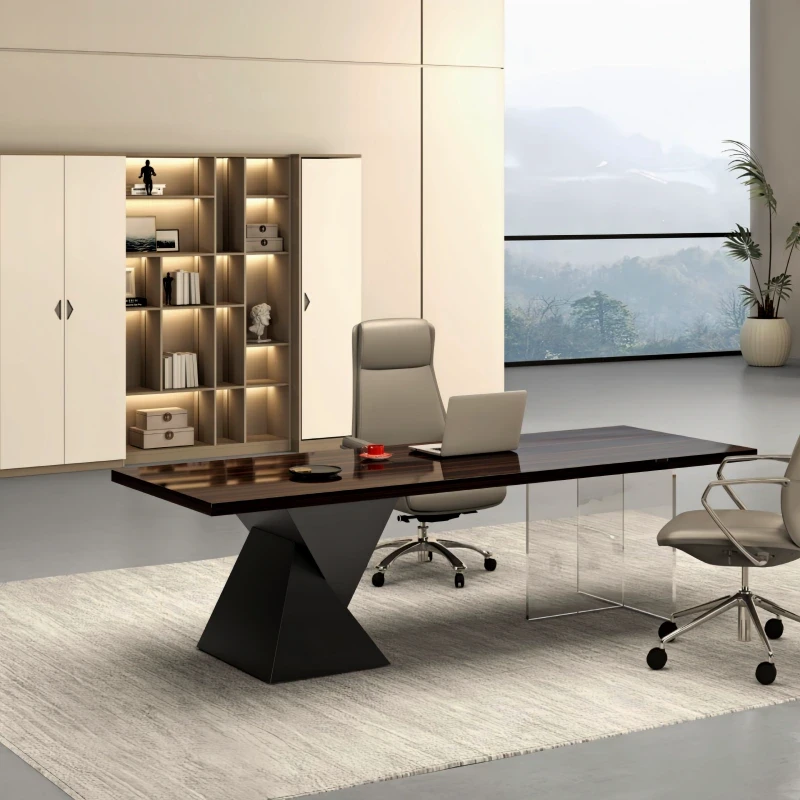


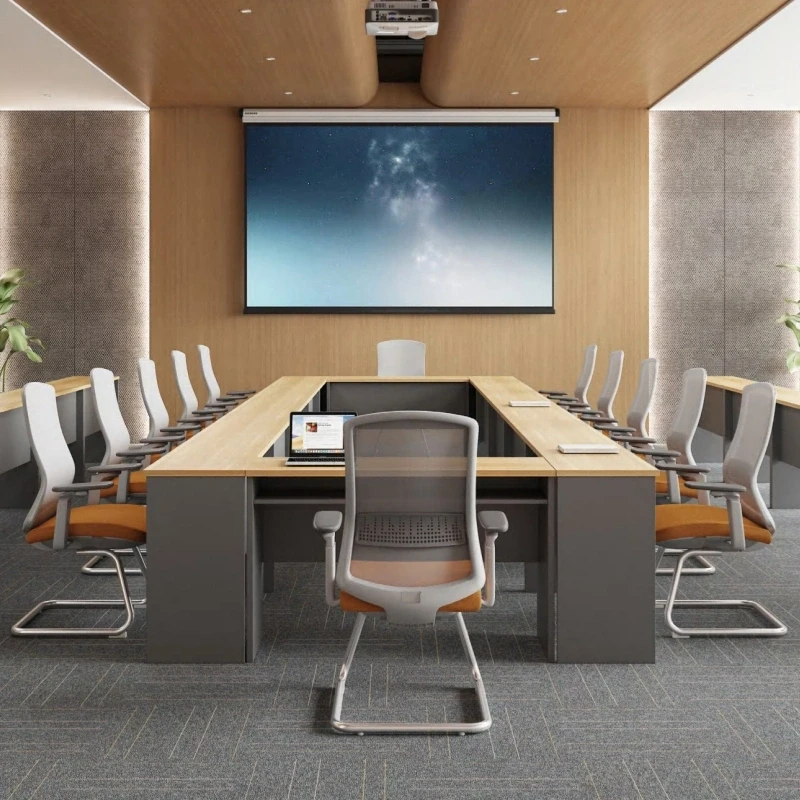
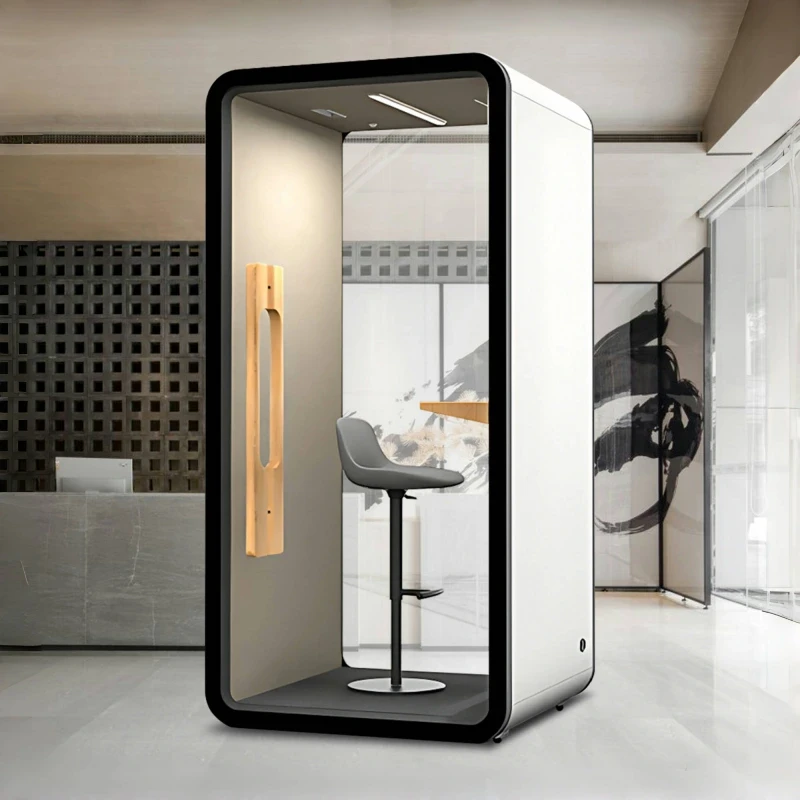
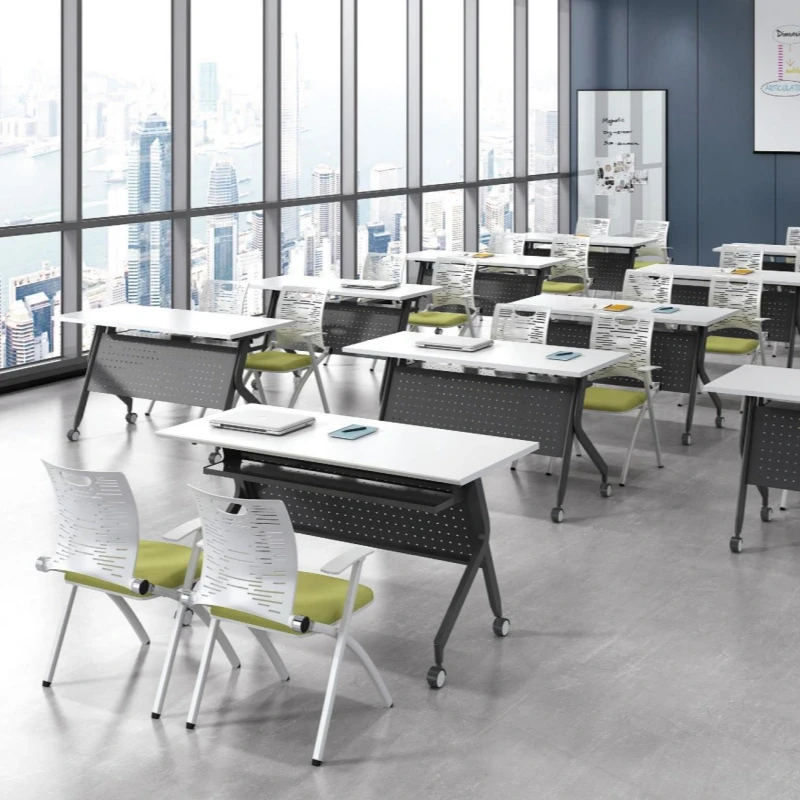
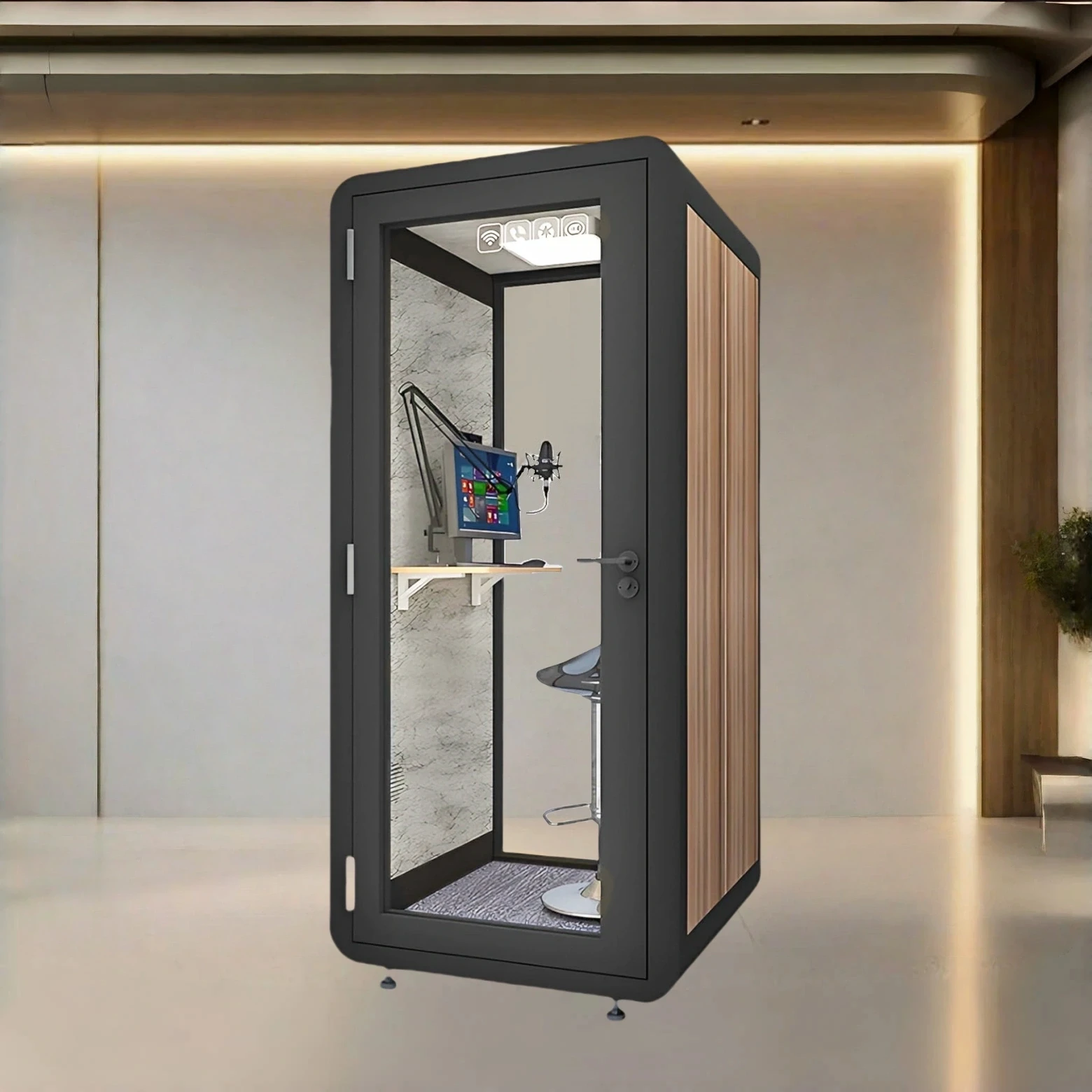
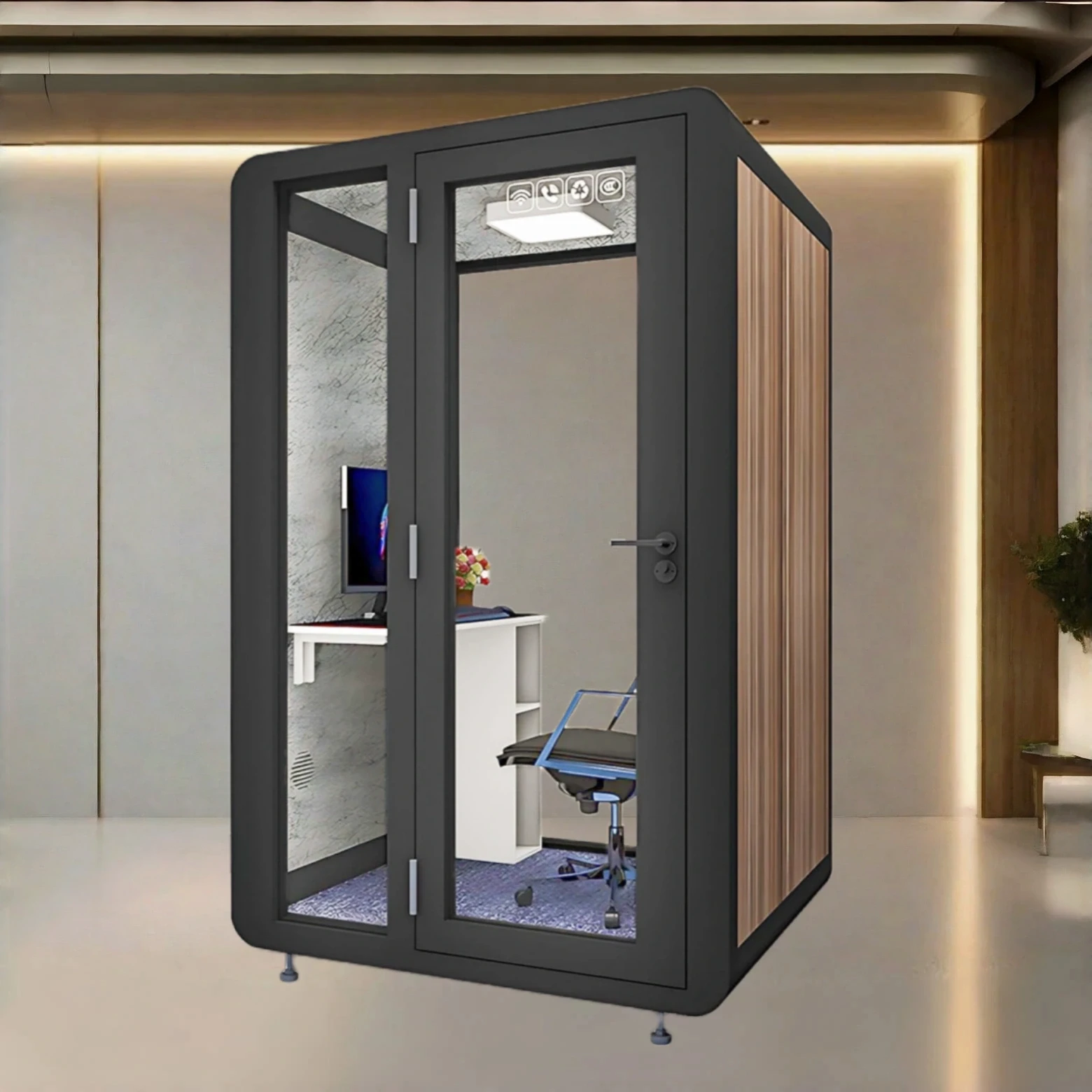
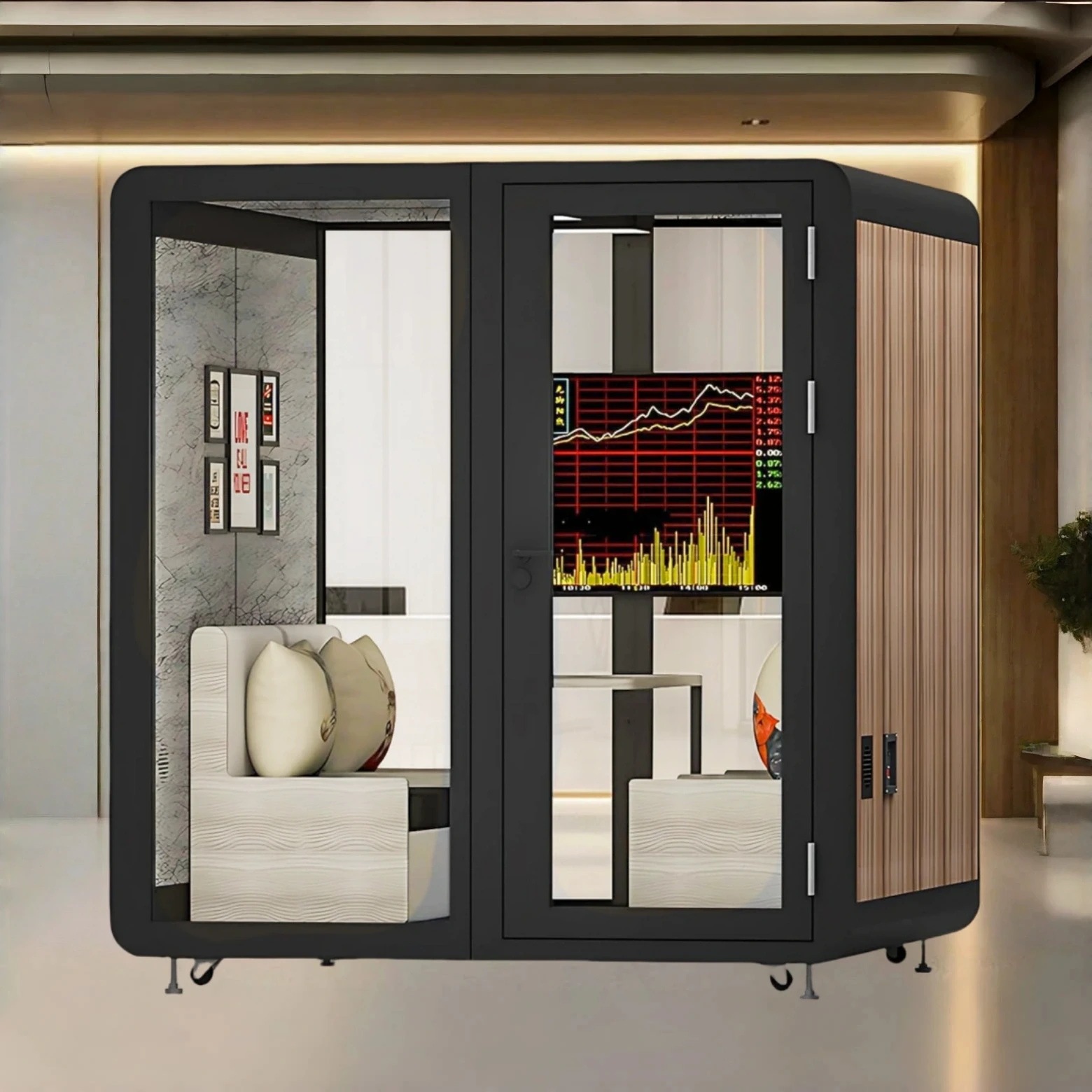
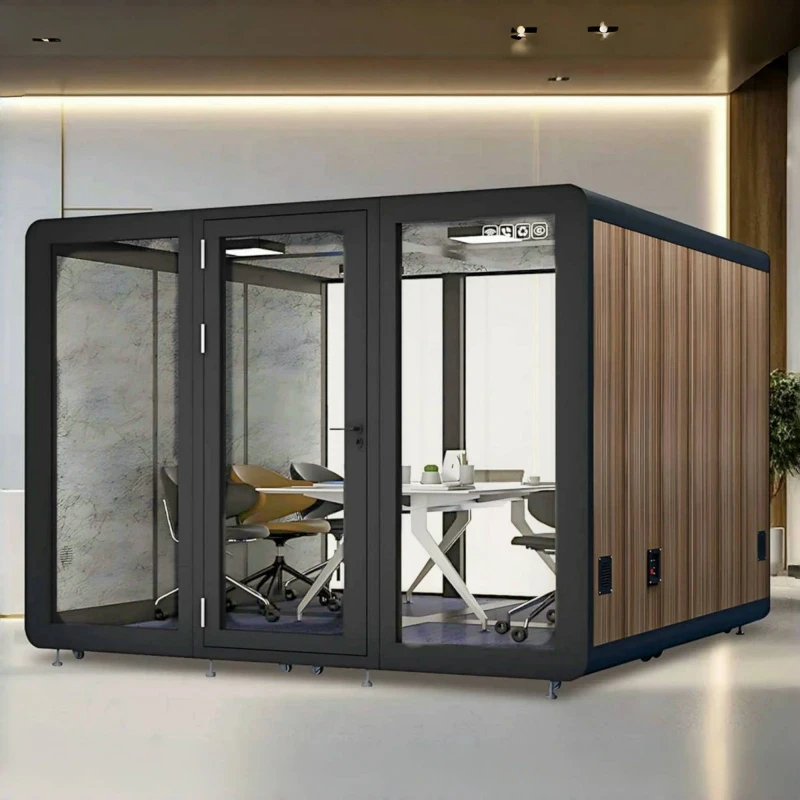



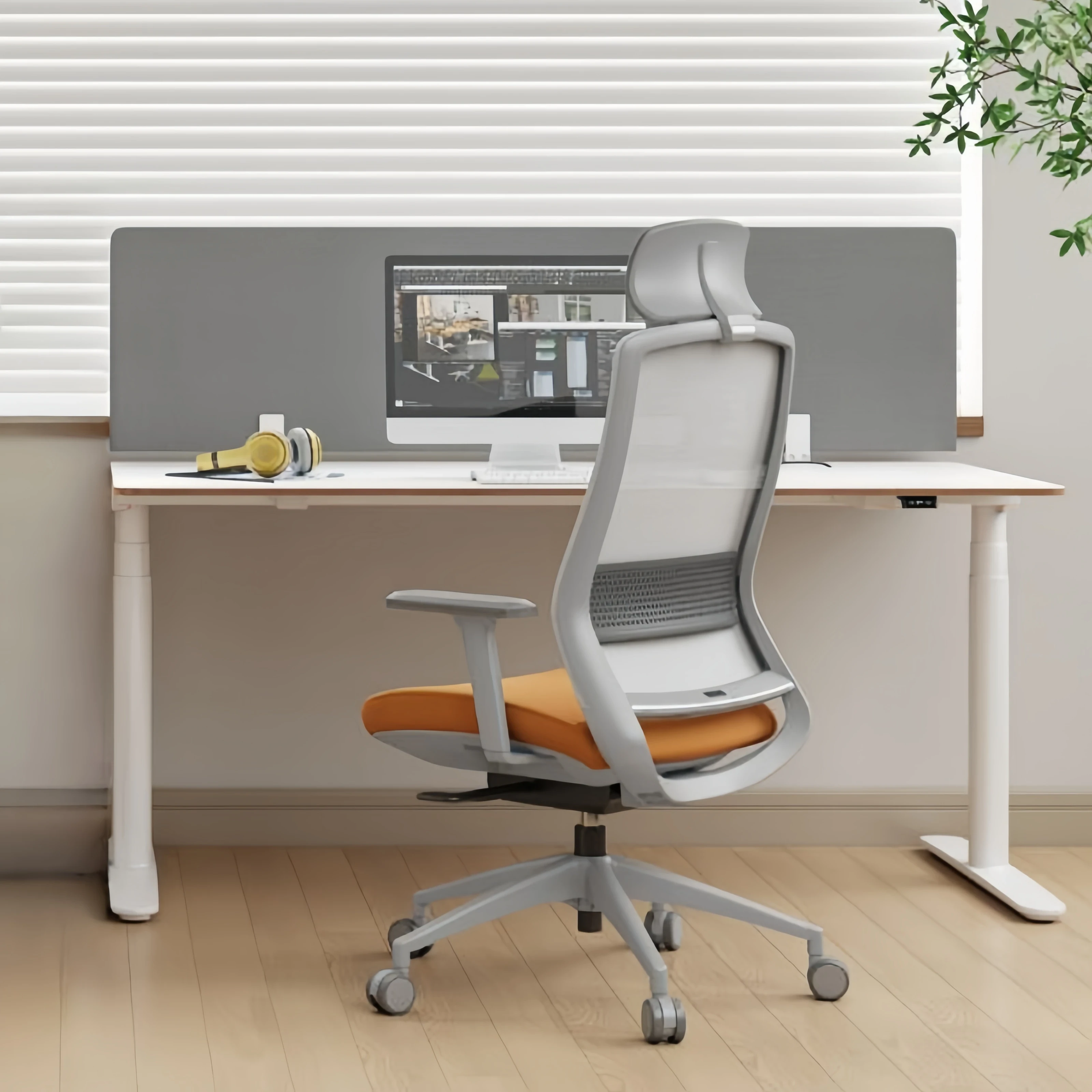


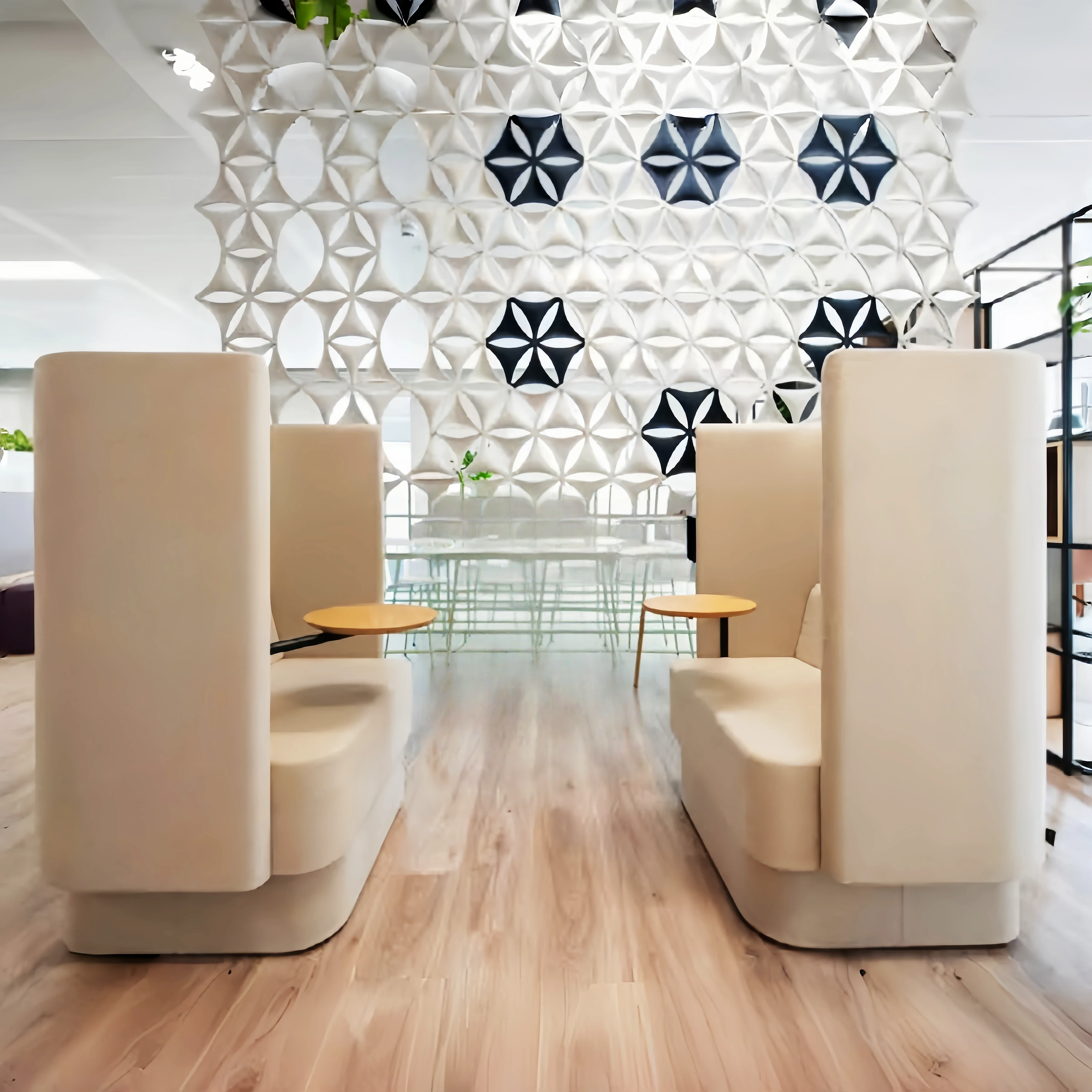


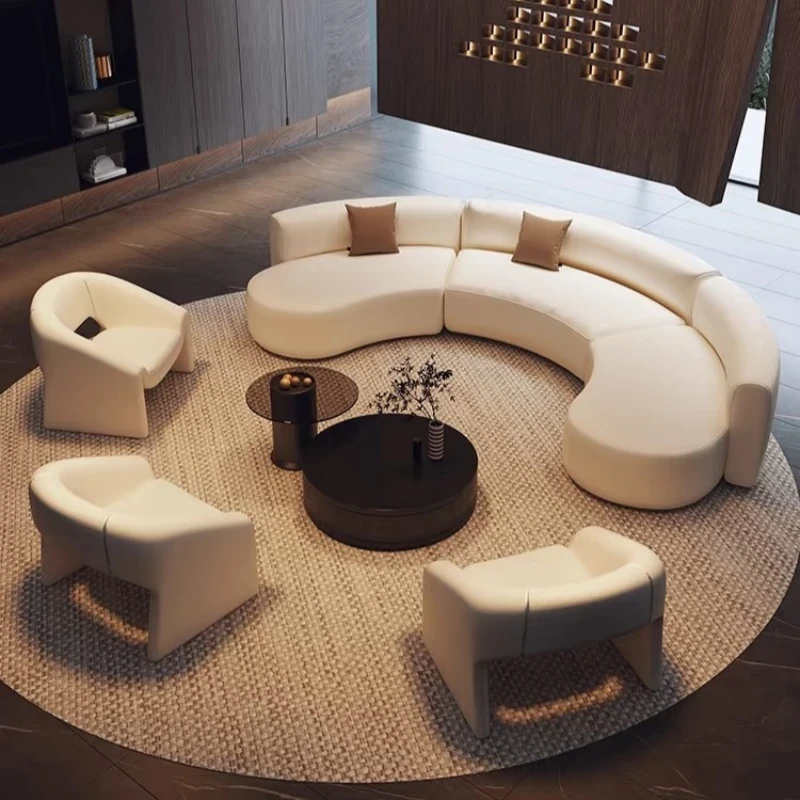
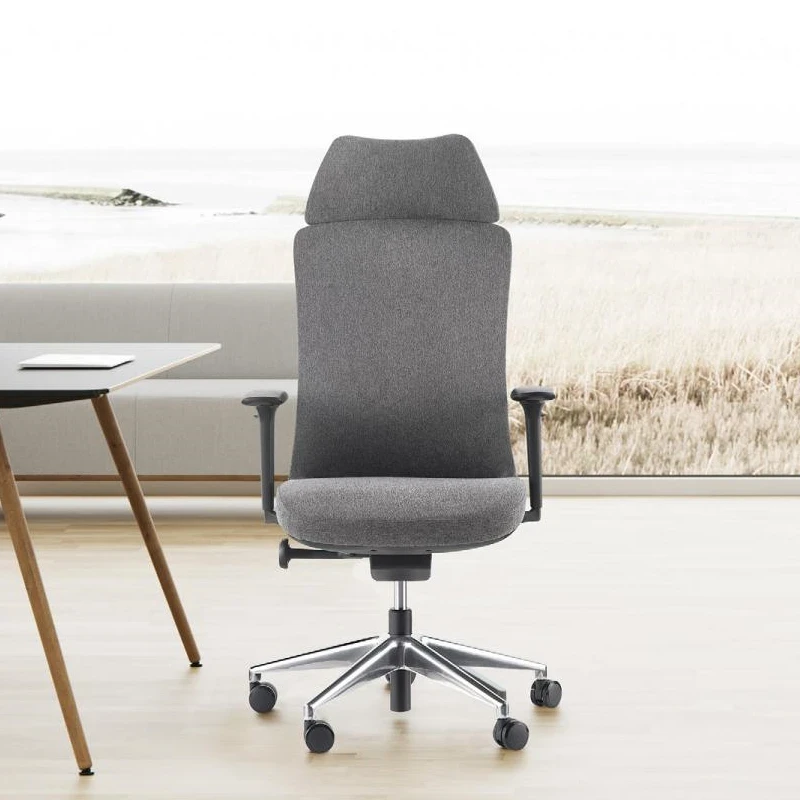


The first step in making office desks and chairs is choosing the right materials. Common materials include wood, metal, plastic, and fabric. Wood is typically used for the desktop and chair frame; durable and aesthetically pleasing woods such as oak or walnut should be chosen. Metal is used for table legs and chair frames, providing stability and strength. Plastic and fabric are mostly used for chair cushions and backrests, emphasizing comfort and breathability.
2. Material Processing:
After the materials are prepared, preliminary processing is required. Wood needs to be cut, sanded, and painted in a woodworking shop. In some cases, carving and inlay work may also be necessary. Metal parts are usually shaped through cutting, bending, and welding. Precise dimensions and shapes are crucial at this stage to ensure proper assembly of each component.
3. Assembly and Connection:
The processed components are then connected on an assembly line. For tables, this typically involves securing the legs to the tabletop to ensure structural stability. Chair assembly can be more complex, requiring the seat, backrest, and legs to be securely connected. Adjusters are also needed to provide height and tilt adjustments. During this process, workers must not only check the firmness of each connection but also ensure the alignment and consistency of all components.
4. Surface Treatment
After assembly, the surface treatment of the desks and chairs is a crucial step that determines the product's appearance and feel. This may include polishing and varnishing the wood to protect its surface and enhance its aesthetics; coating metal parts to prevent rust and wear; and finishing and cleaning the fabric.
5. Quality Inspection
After all processes are completed, the desks and chairs undergo rigorous quality inspection. This stage primarily checks the product's stability, appearance quality, and the functionality of each adjustable part. Any defects and deficiencies are identified at this stage to ensure the finished product meets established quality standards.
6. Packaging and Transportation
Finally, after passing quality inspection, the desks and chairs are carefully packaged to prevent damage during transportation. Labels and installation instructions are affixed to the product packaging to facilitate subsequent transportation and assembly.
Conclusion
The manufacture of desks and chairs is a complex process requiring various technological techniques and strict quality control. Through careful design and material selection, meticulous processing at each step ensures the high quality and durability of the product. This not only meets the needs of modern office environments, but also improves user comfort and work efficiency.