
 USD
USD GBP
GBP
 EUR
EUR
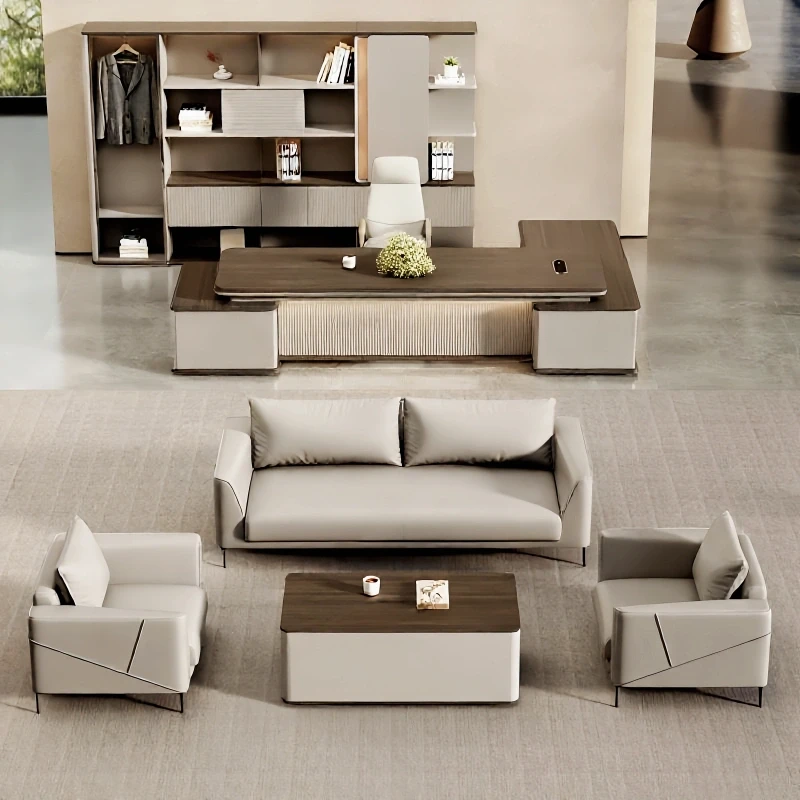
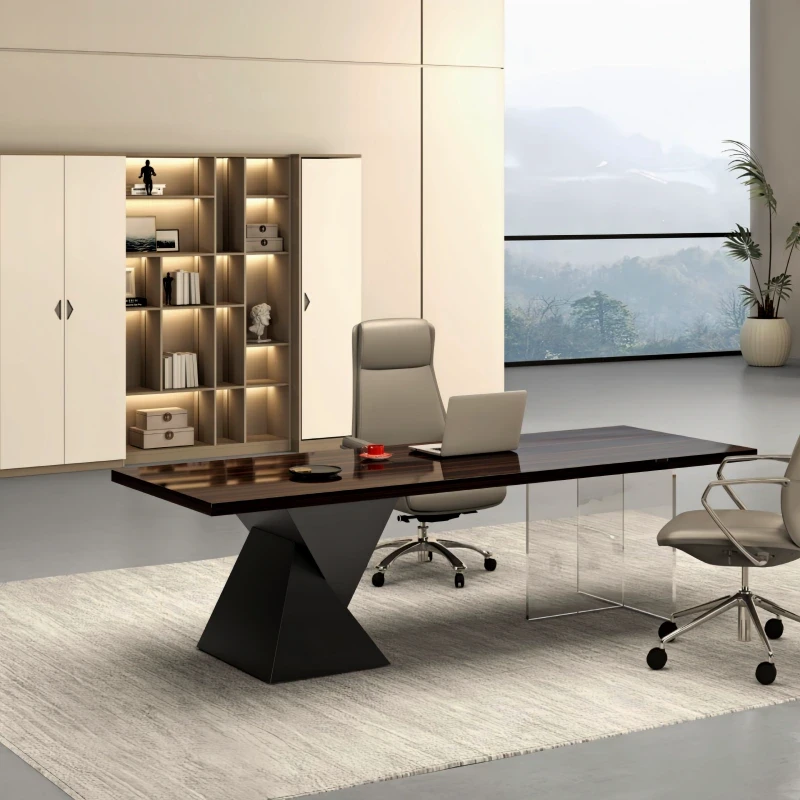


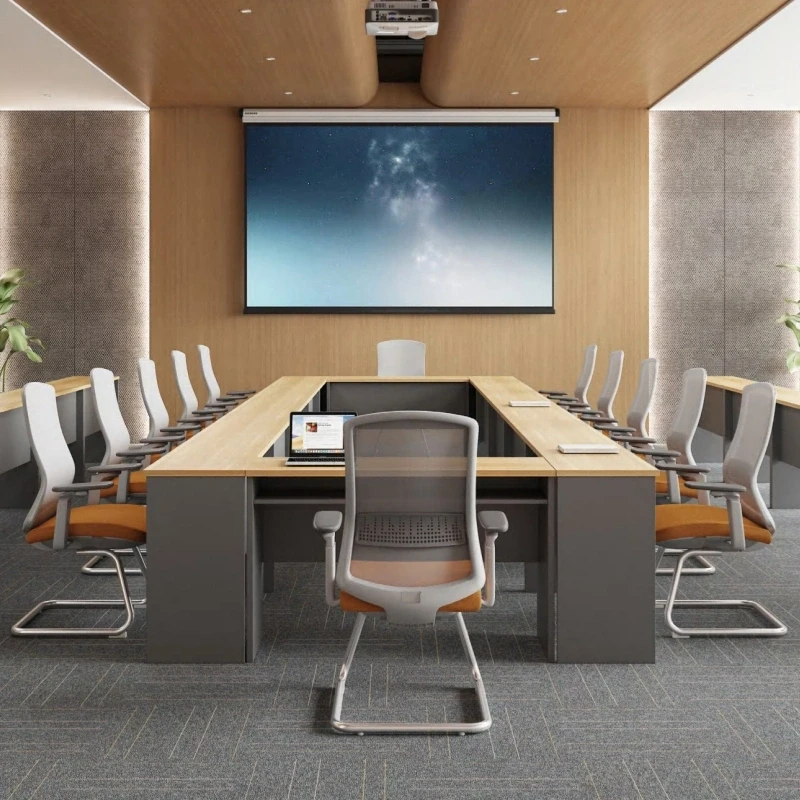
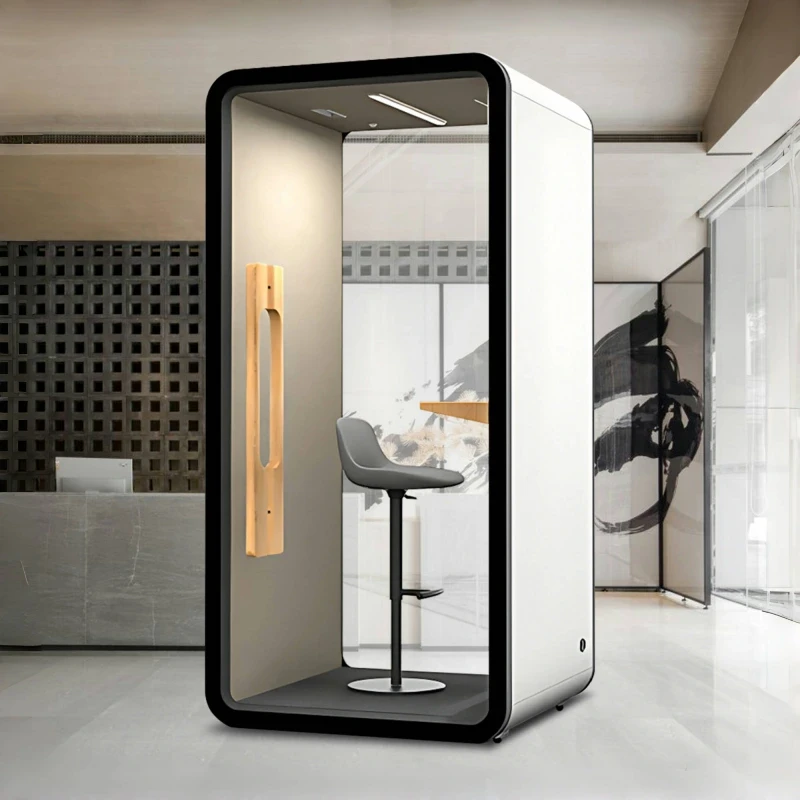
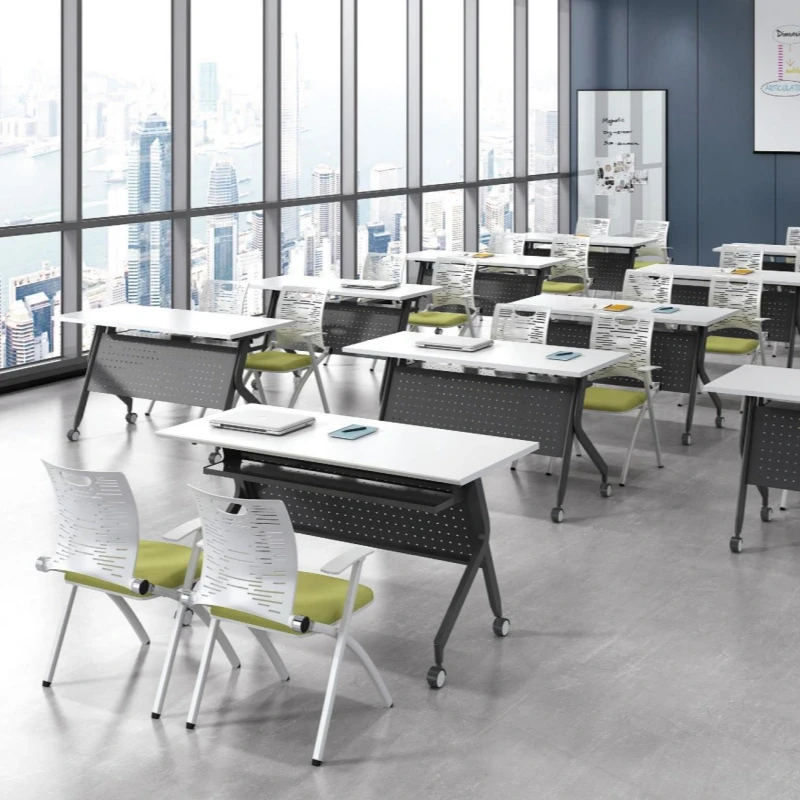
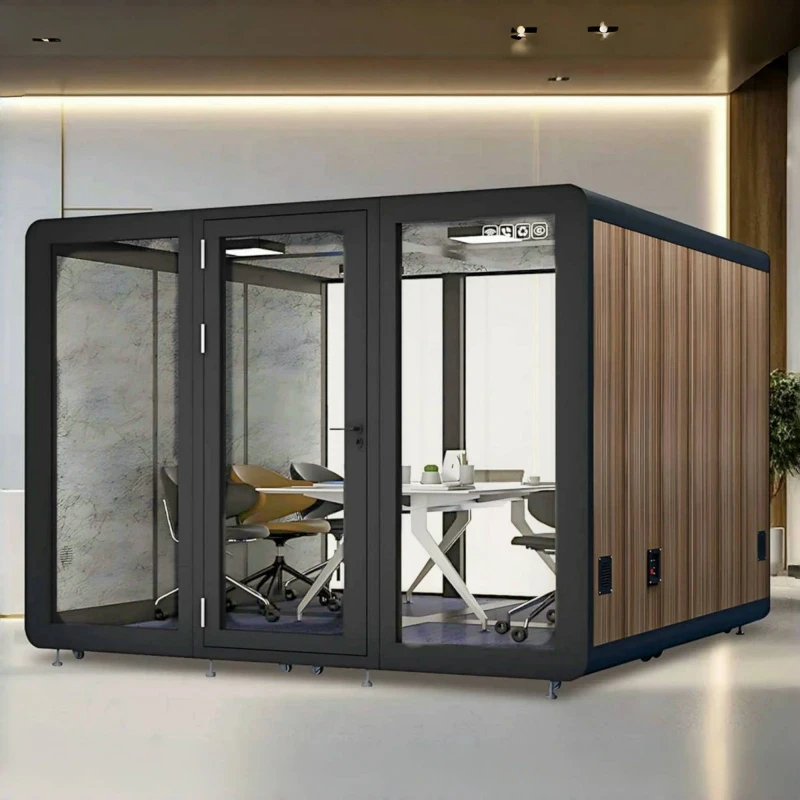
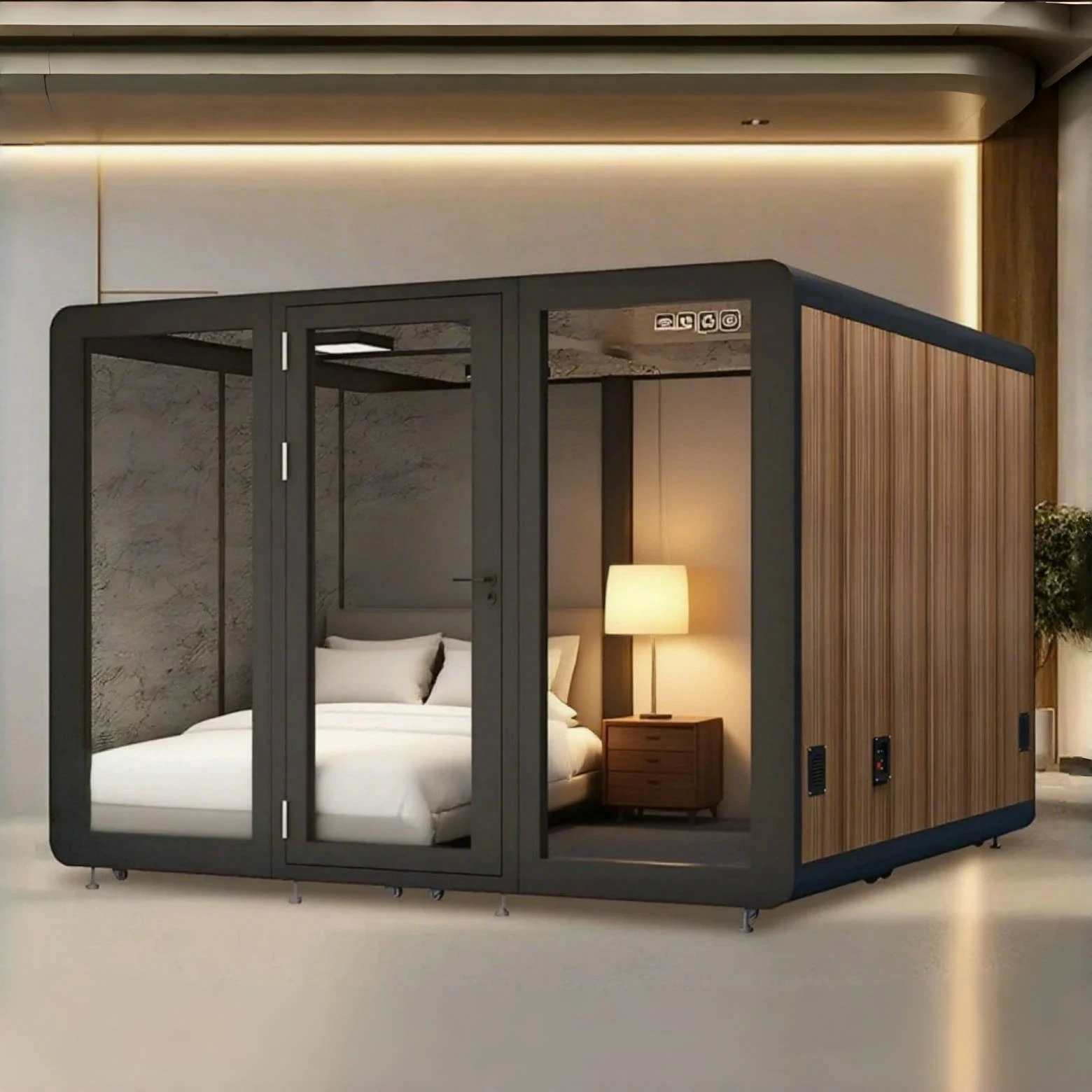


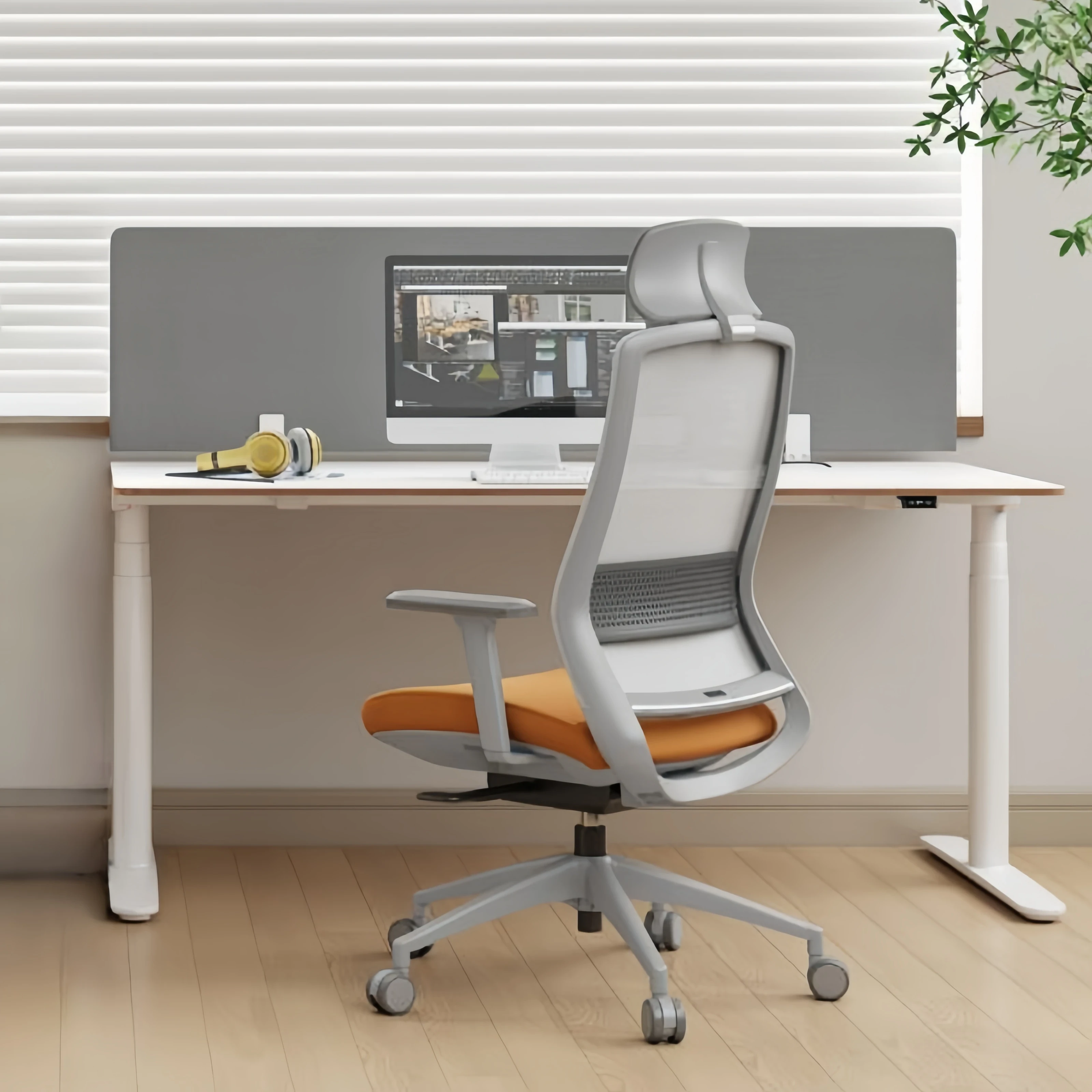


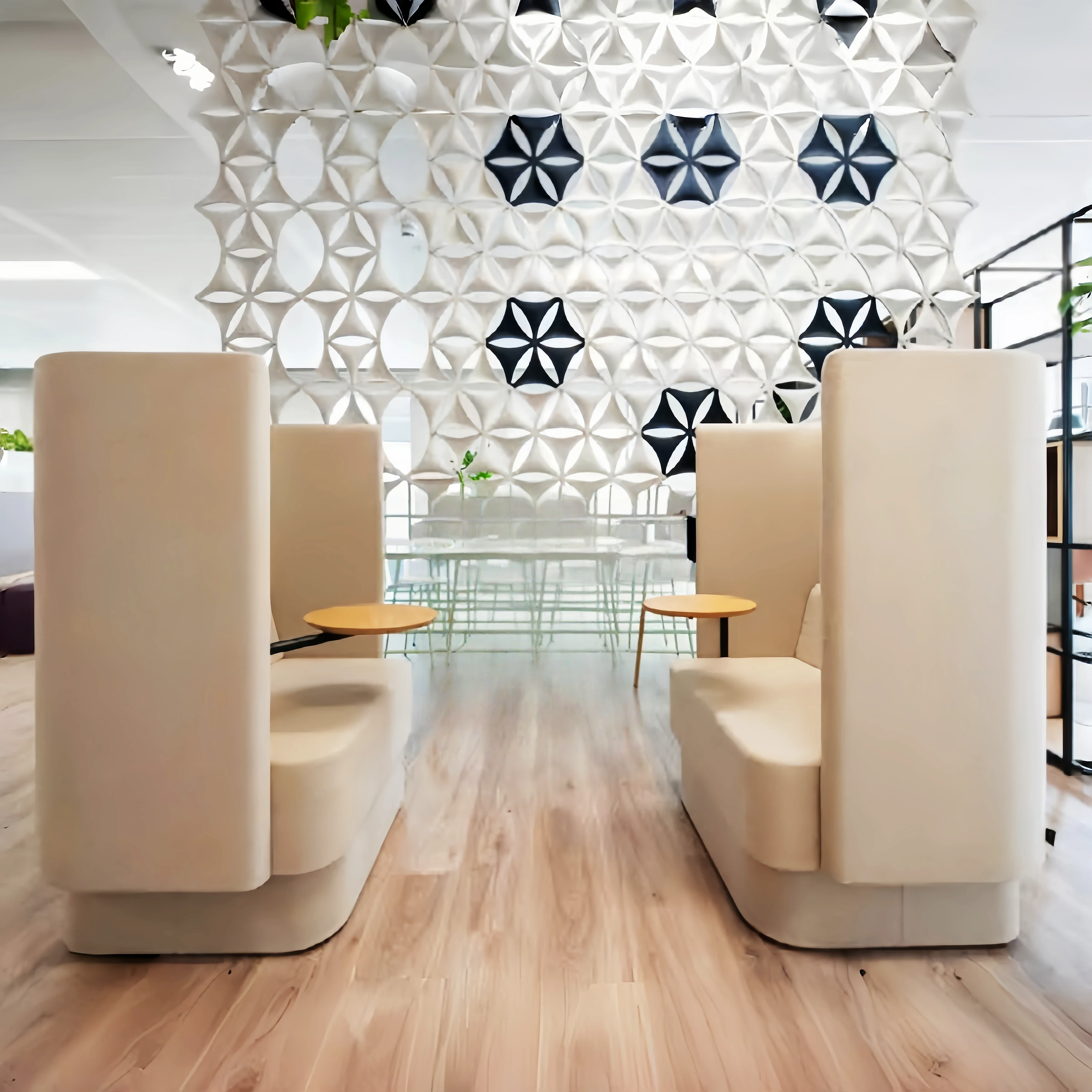

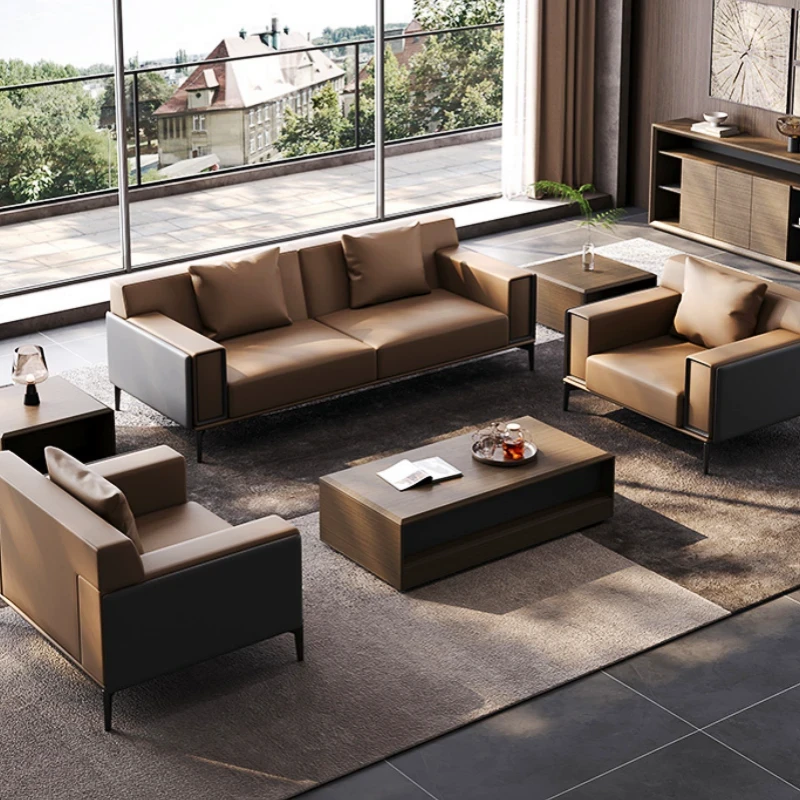
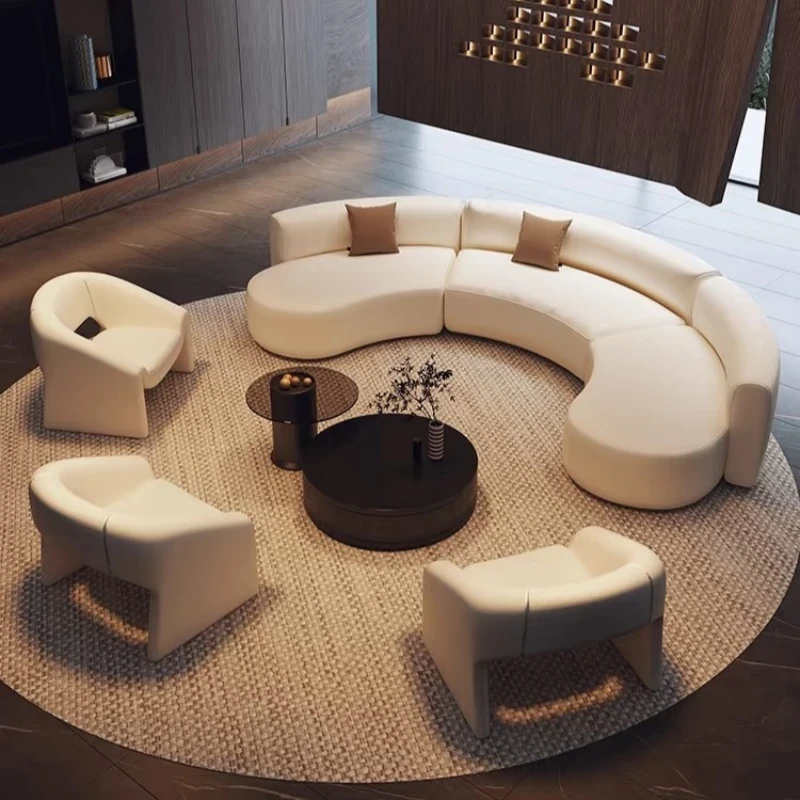
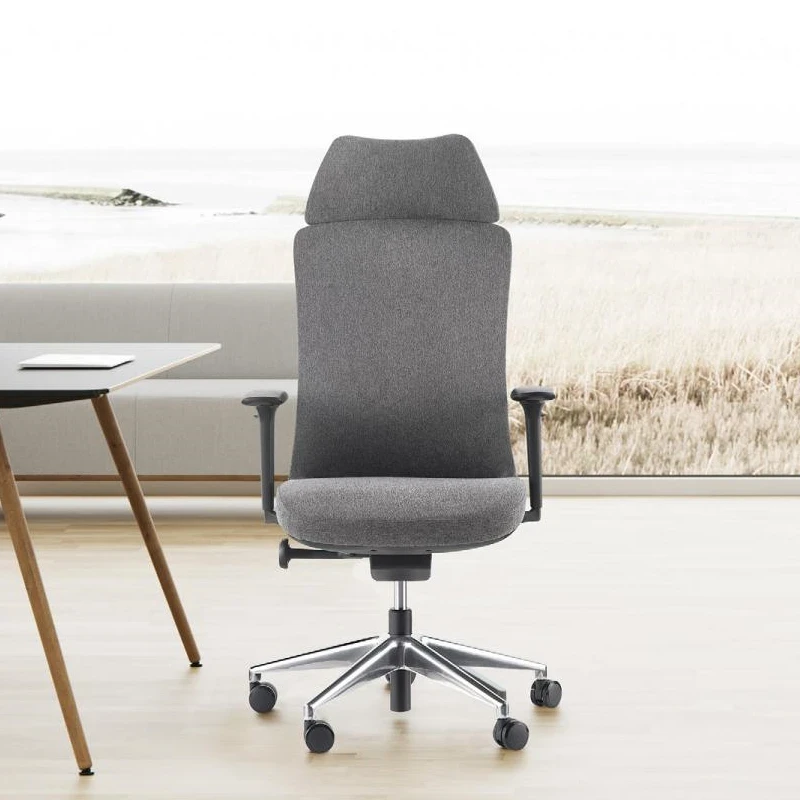


Ergonomics is a crucial factor in improving the comfort of medical furniture. By studying the natural posture and activity patterns of the human body, designing furniture that conforms to the curves of the human body can greatly improve user comfort. For example, when designing patient beds, considering the comfort needs of prolonged lying down, the height and angle of the bed should be flexibly adjustable to accommodate patients of different body types and conditions, while also making it more convenient for caregivers to operate.
2. Modularity and Flexibility:
Modular design provides greater flexibility to the nursing environment. Adjustable furniture components, such as movable storage units and foldable tables and chairs, can be quickly recombined according to different scenario needs. This flexibility not only helps optimize space utilization but also adapts to different medical needs, such as handling different types of surgeries or nursing activities.
3. Intelligent Functions:
With technological advancements, intelligent functions are gradually becoming a major highlight in medical furniture design. By embedding sensors and control systems, furniture can achieve automatic adjustments. For example, intelligent hospital beds can monitor the patient's breathing and heart rate through sensor technology and adjust posture or issue alarms as needed. This design greatly reduces the burden on caregivers and improves the accuracy and timeliness of patient care.
4. Material Selection and Eco-friendly Design:
Choosing suitable materials is crucial for improving the functionality and comfort of medical furniture. Innovative materials, such as antibacterial materials and environmentally friendly composite materials, offer higher hygiene and safety while reducing cleaning and maintenance difficulties. Furthermore, eco-friendly design emphasizes the use of renewable and recyclable materials to reduce environmental impact, which is gradually becoming a trend in modern medical environment construction.
5. Color and Psychological Effects
: Color also plays an important role in the medical environment; different hues can affect patients' psychological state and recovery process. Therefore, the psychological impact of color should be fully considered in the design of medical furniture. Warm and soft colors may evoke more positive emotional responses, helping to alleviate patients' anxiety.
6. Dual Experience for Patients and Caregivers:
Medical furniture should consider the needs of both patients and caregivers. Through a deep understanding of the usage scenarios, furniture design can provide a better user experience. For example, chairs designed for caregivers need to balance comfort during prolonged sitting with ease of movement, while furniture for patients focuses on improving operability and support.
Conclusion:
Improving the functionality and comfort of medical furniture through innovative design requires comprehensive consideration from multiple perspectives, including ergonomics, modularity, intelligence, material selection, color psychology, and user experience. This design not only improves nursing efficiency and reduces the stress on caregivers, but also enhances the patient's treatment experience and accelerates the recovery process. In the future, with further technological advancements, the design of medical furniture will continue to evolve towards greater intelligence, comfort, and environmental friendliness.