
 USD
USD GBP
GBP
 EUR
EUR
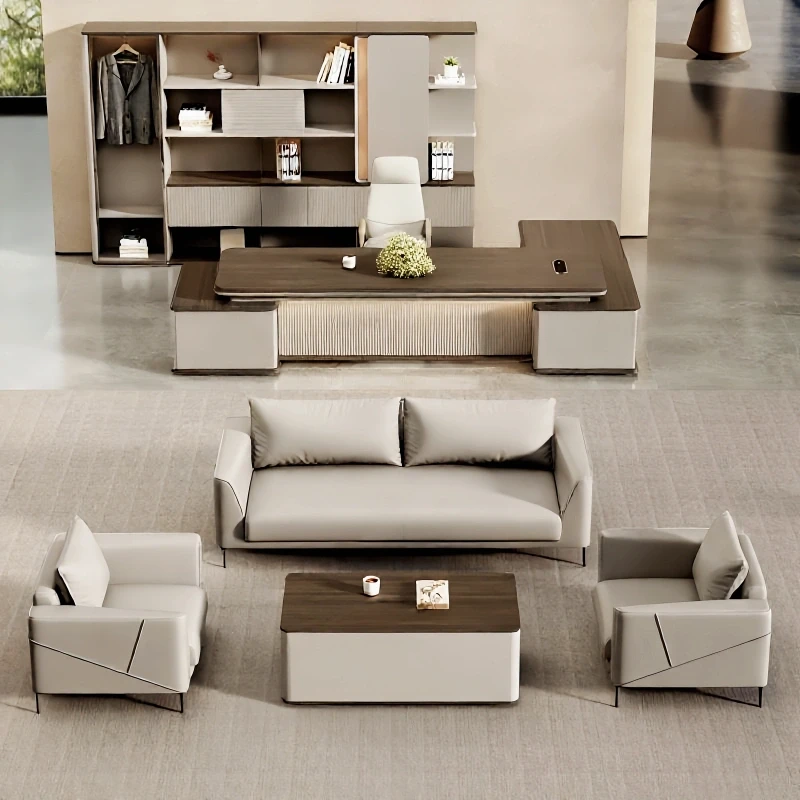
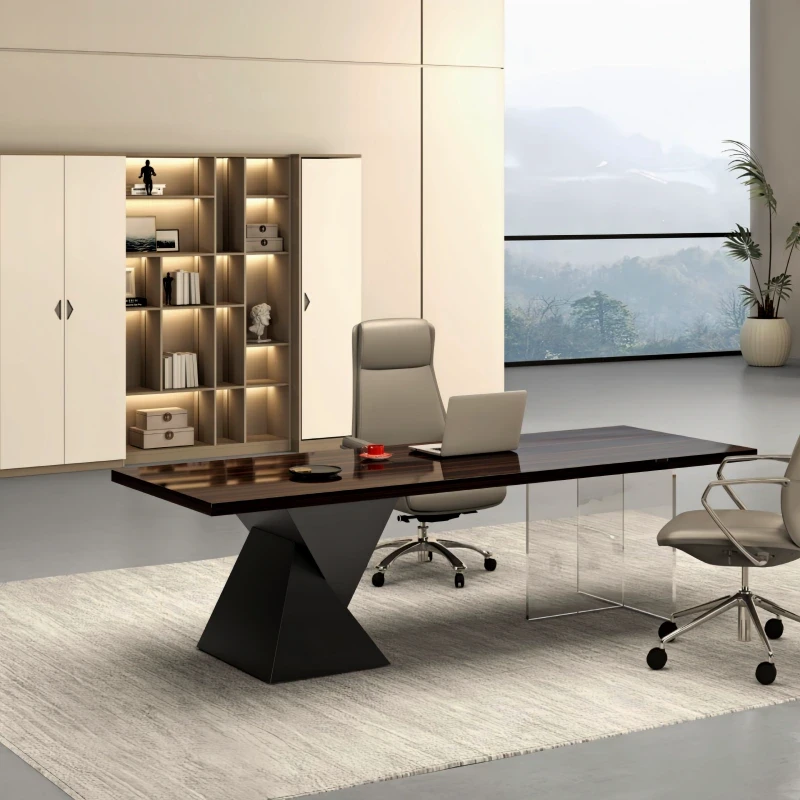


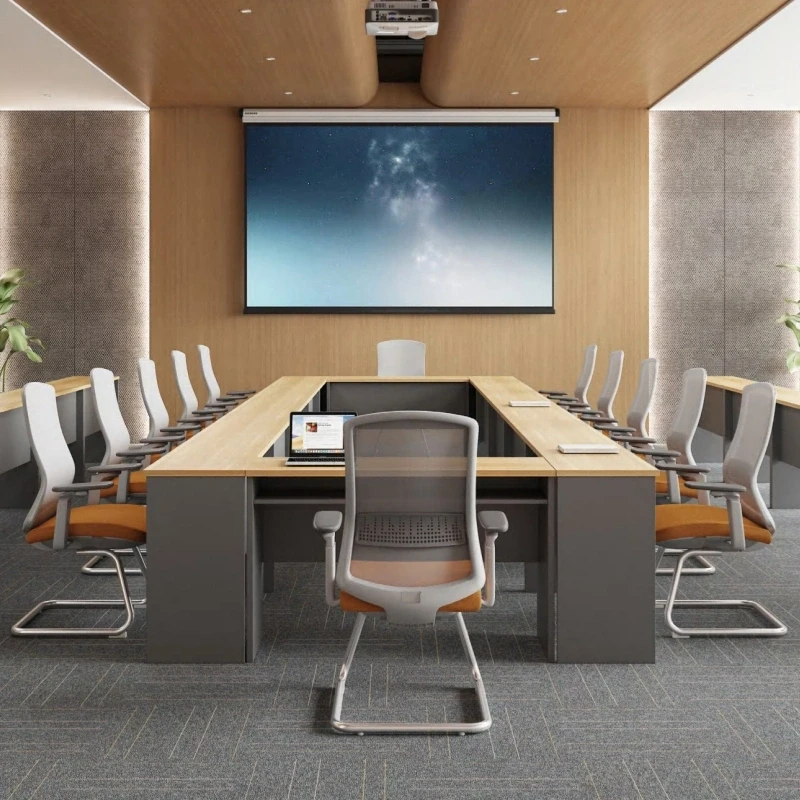
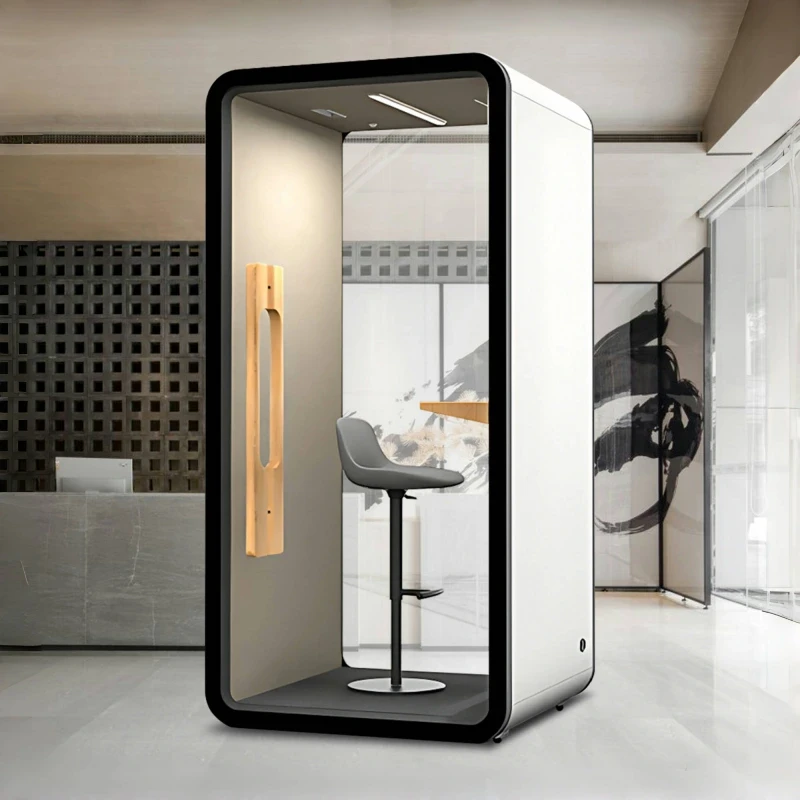
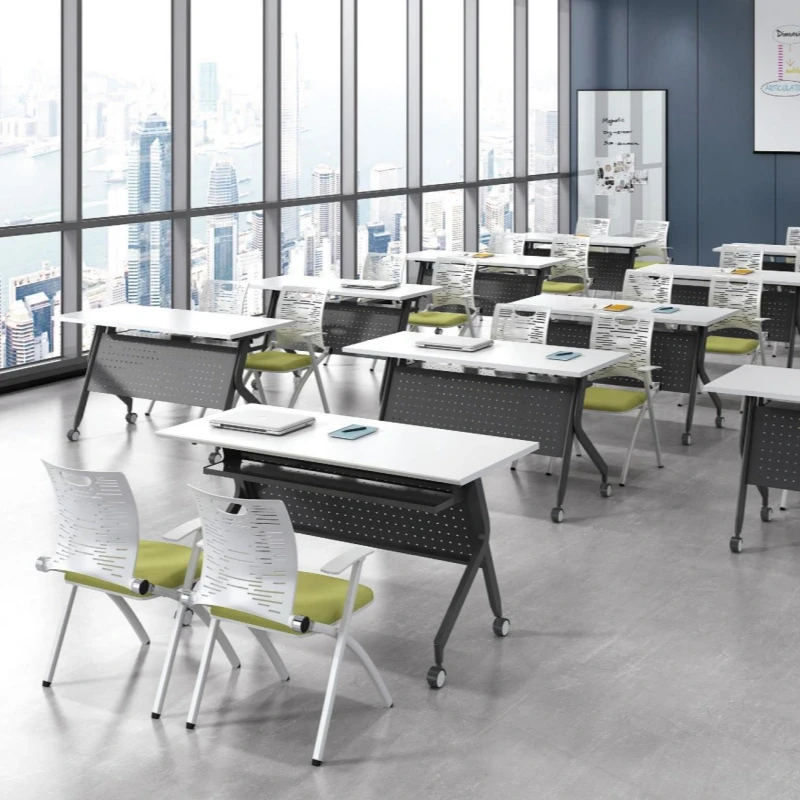
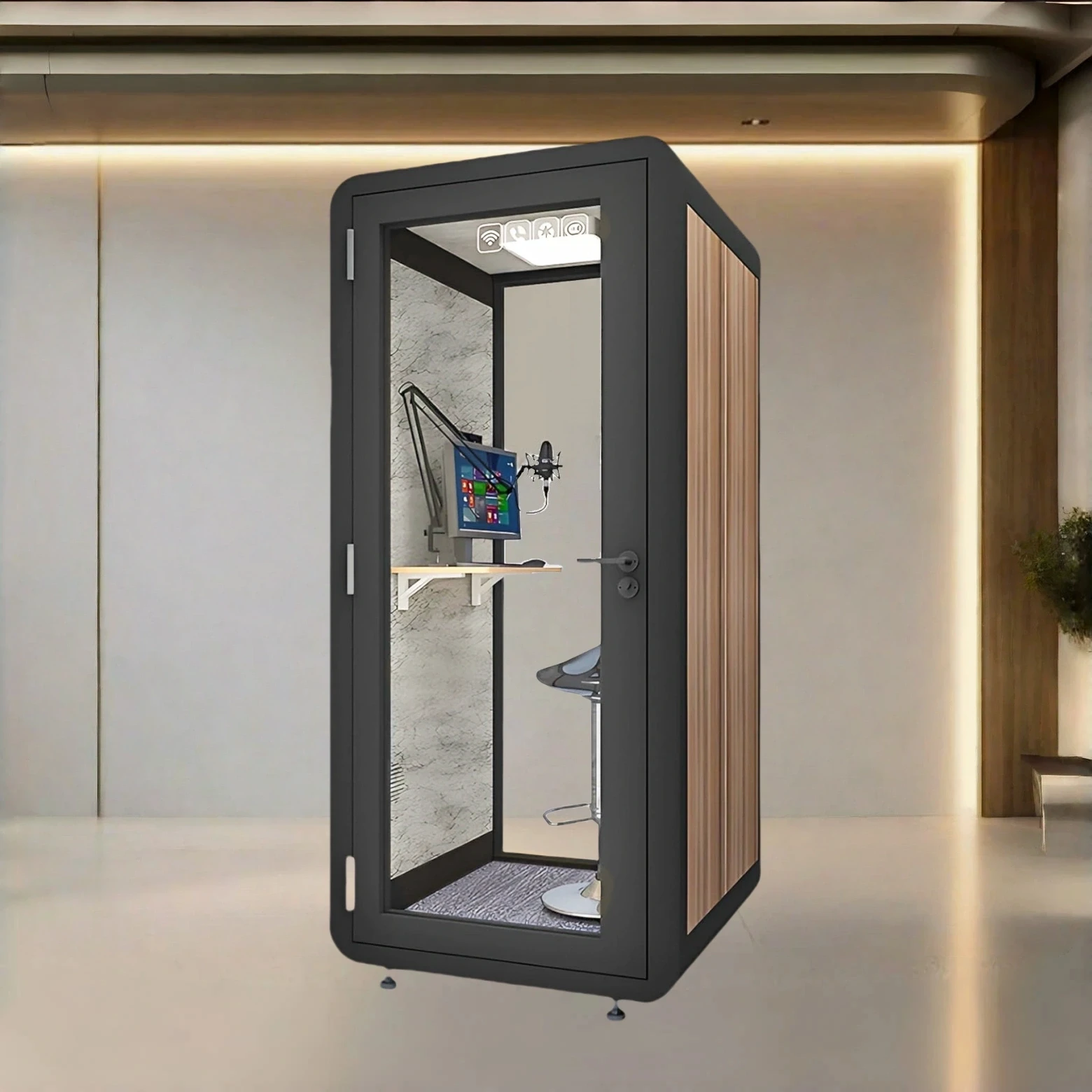
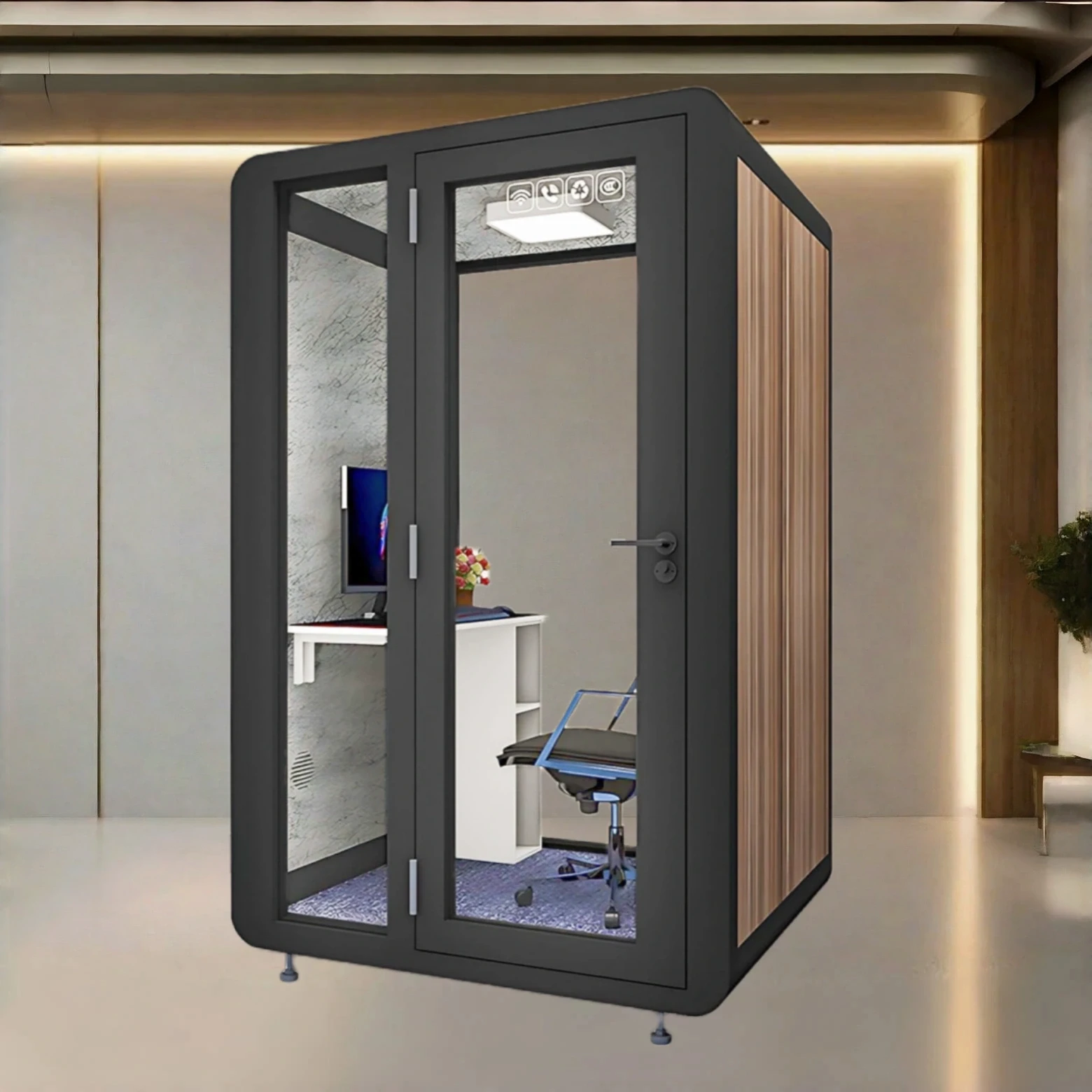
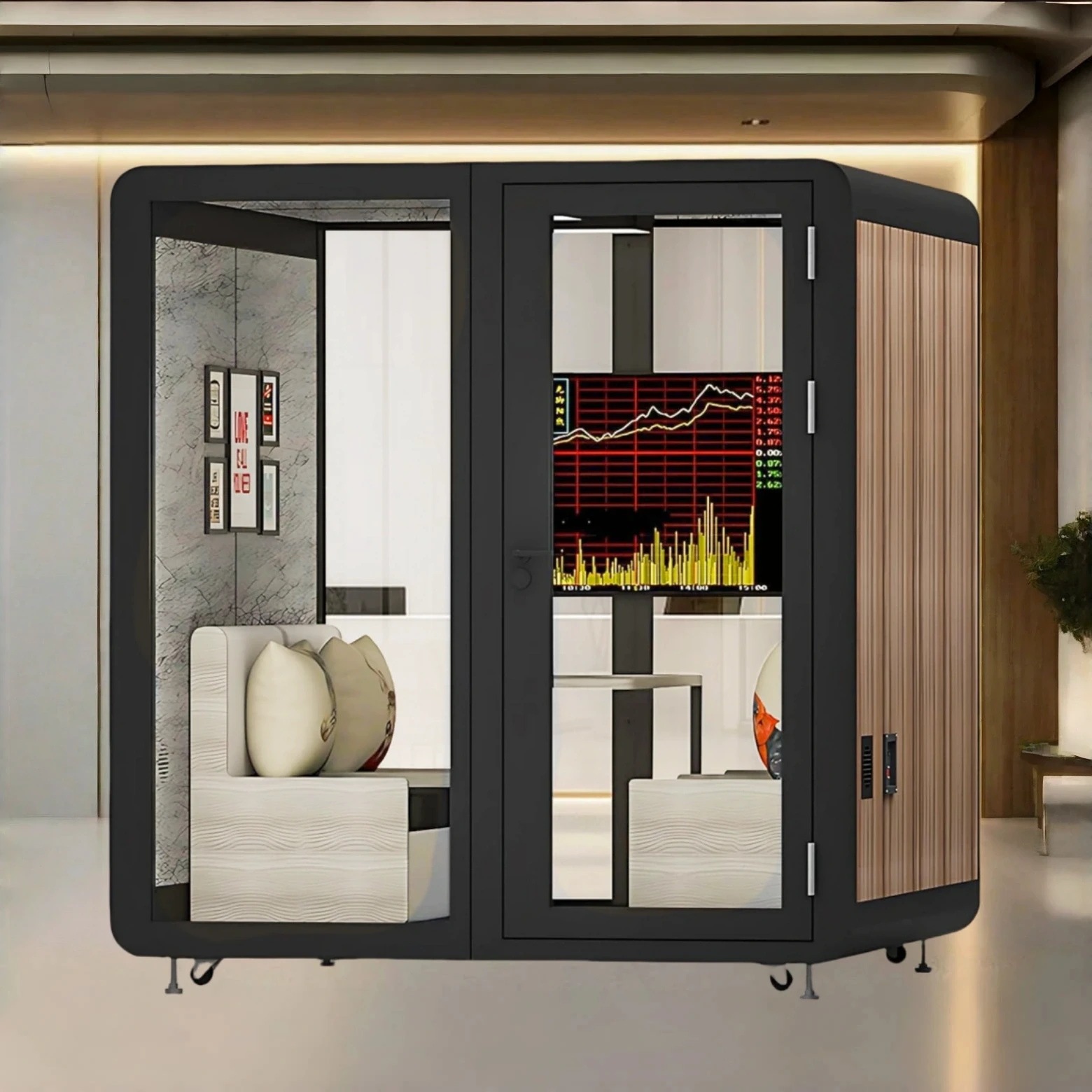
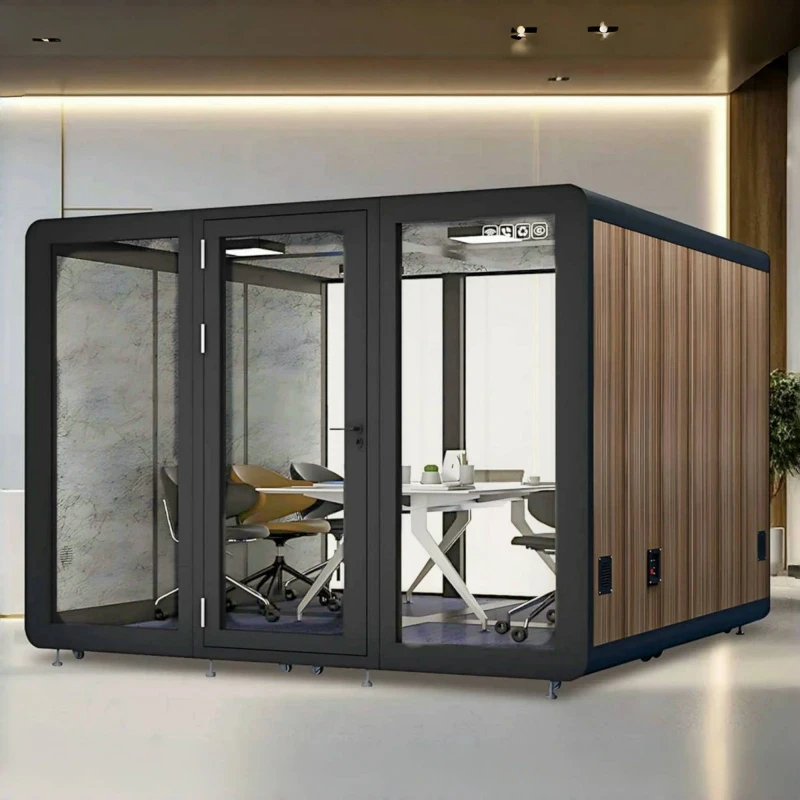
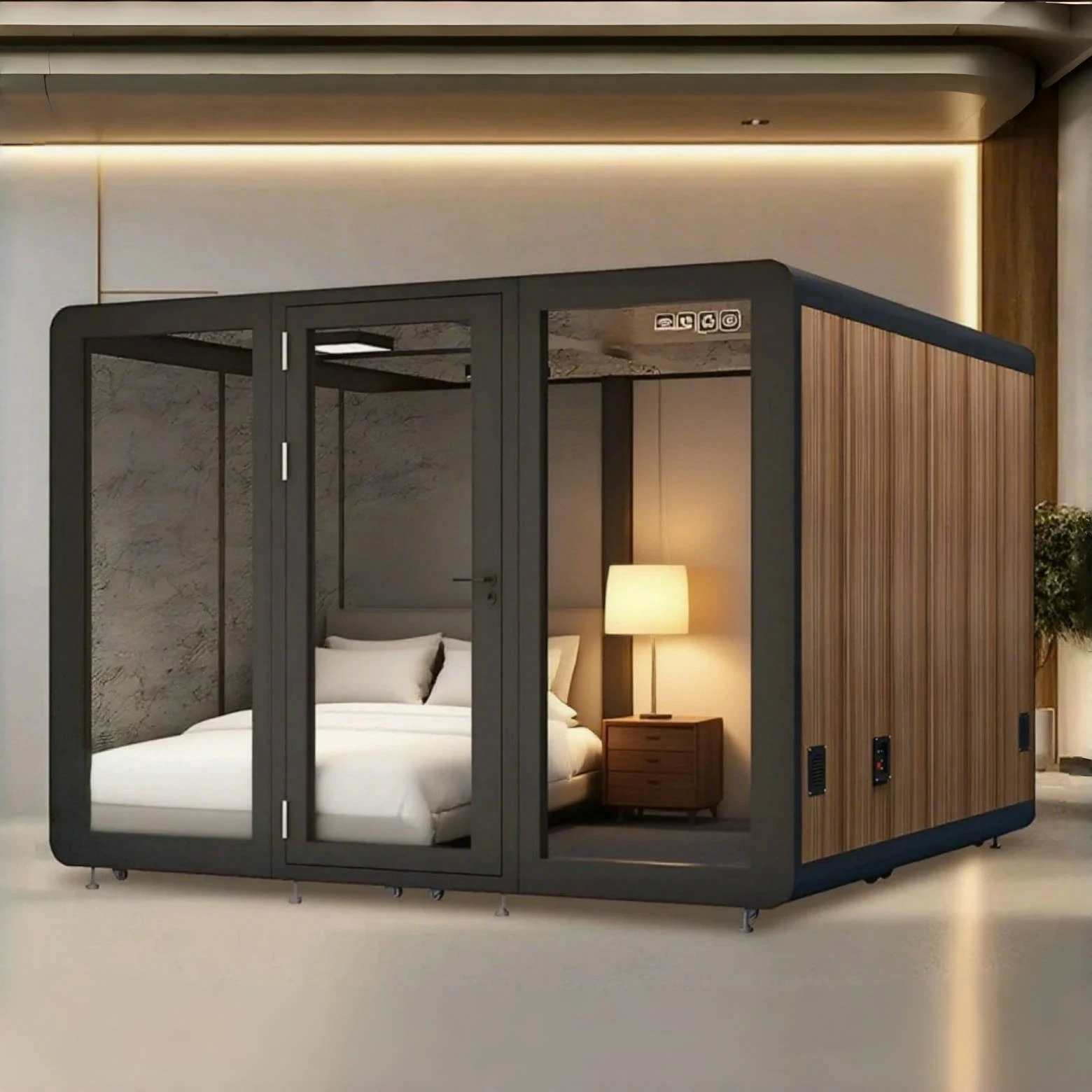


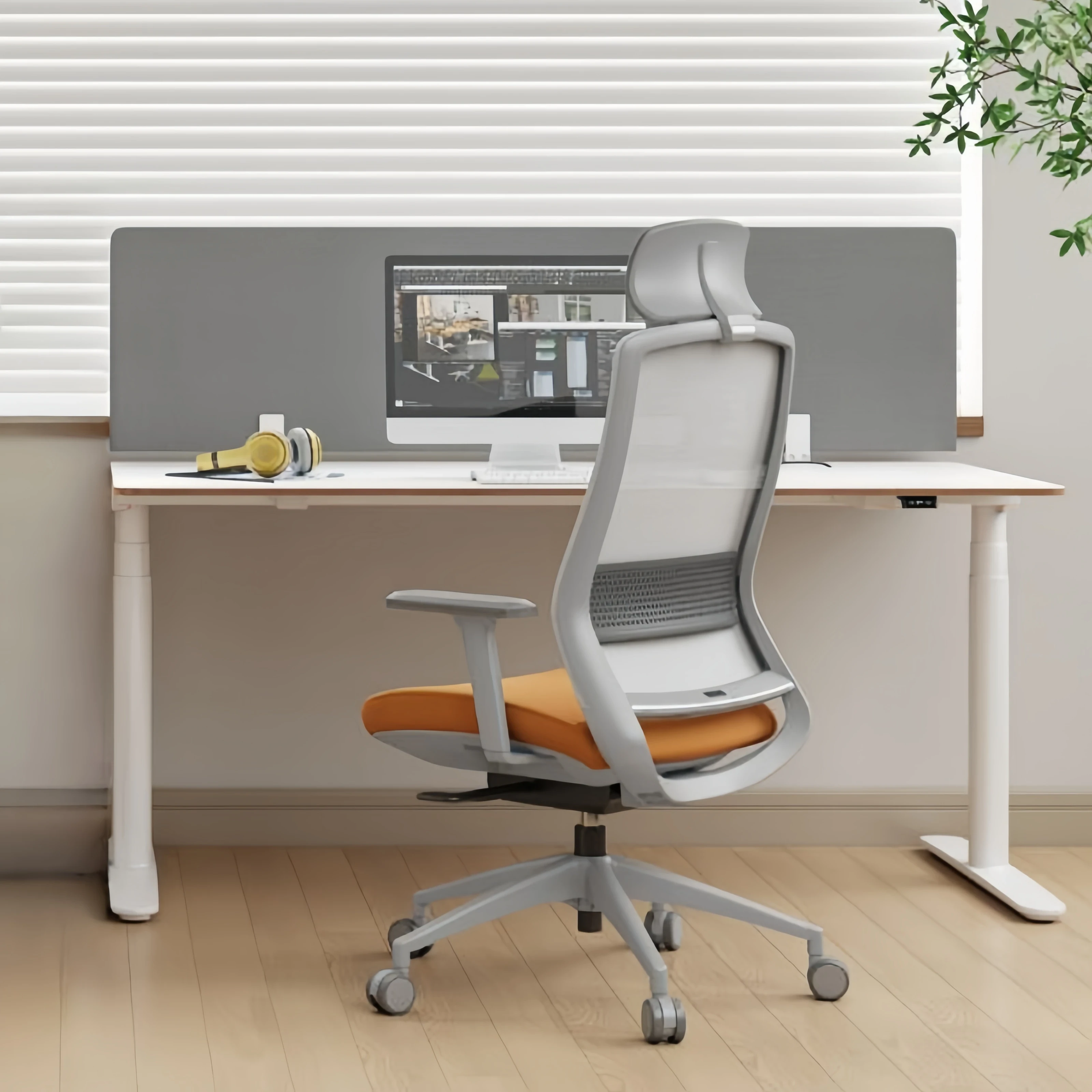


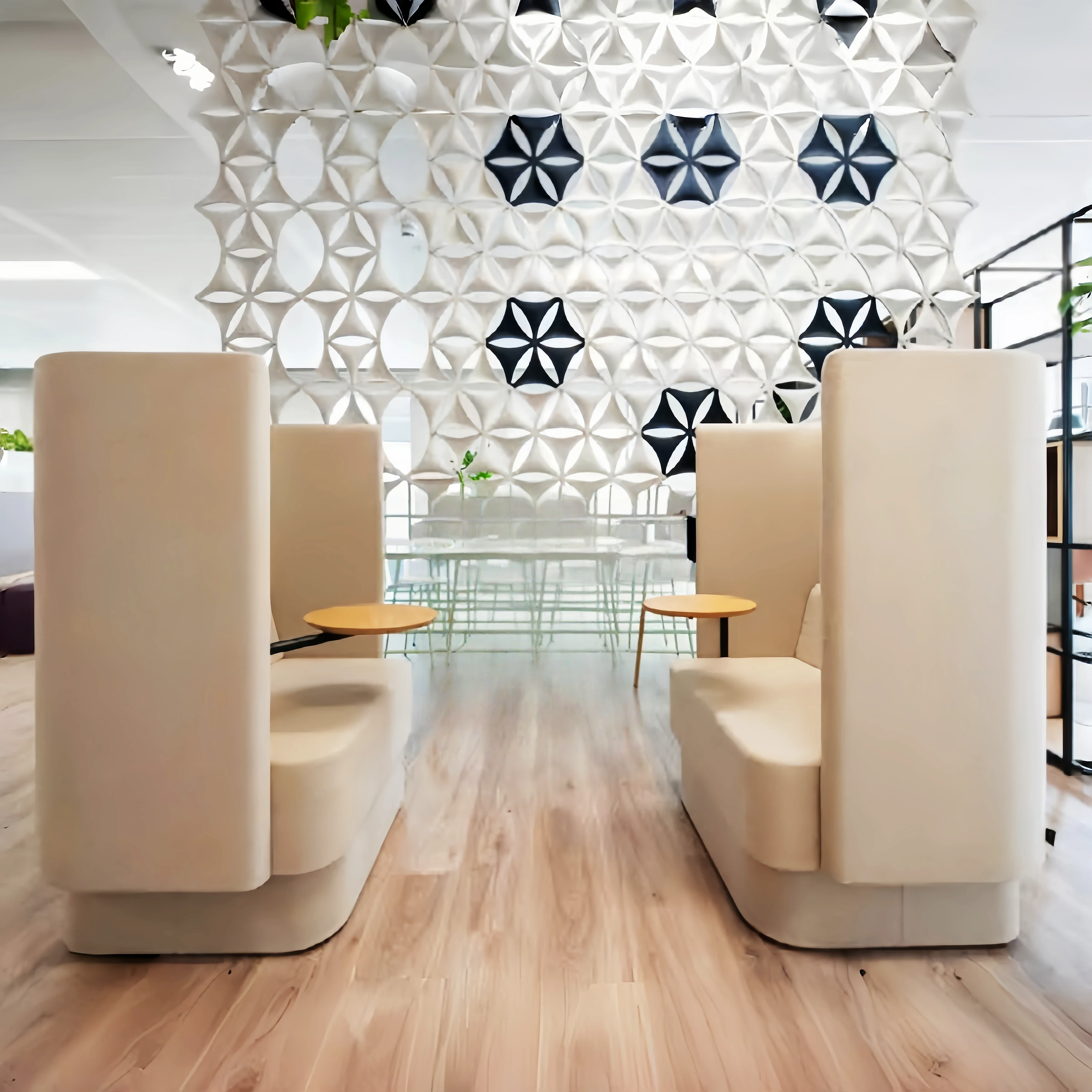

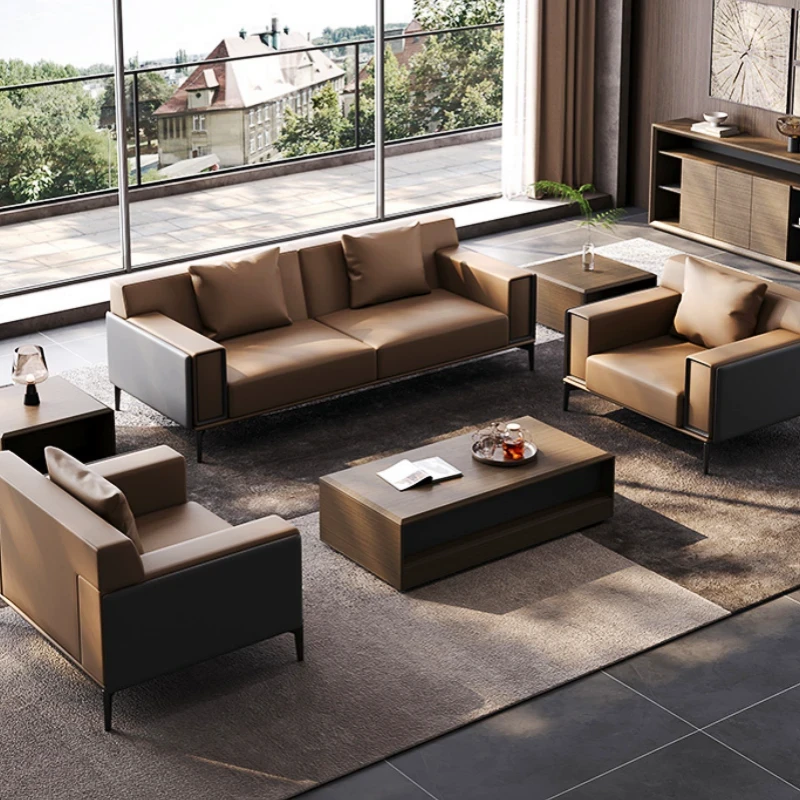
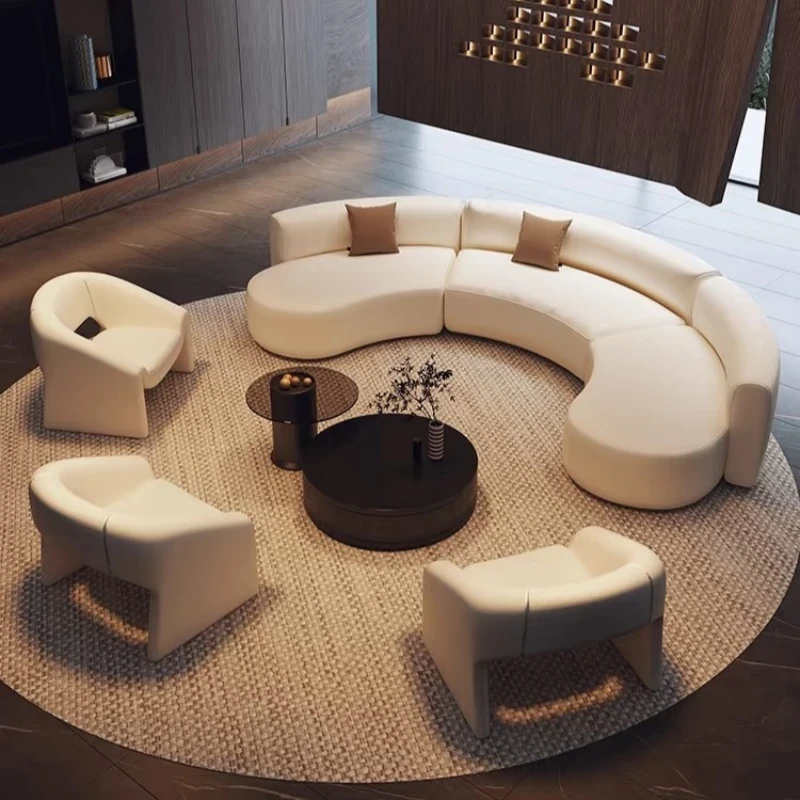
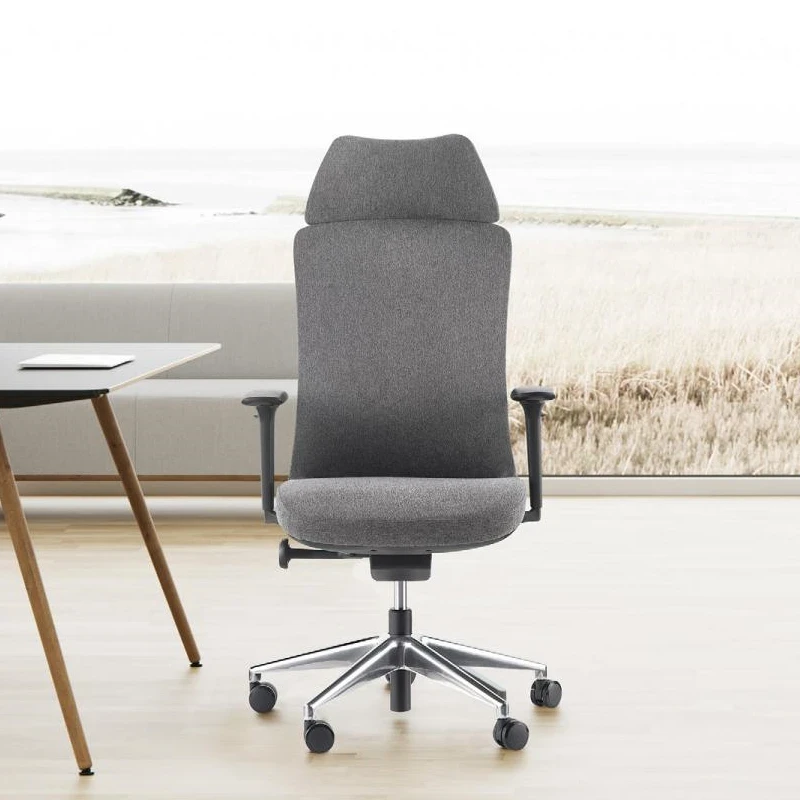


** High-end hotels should first clearly define their brand story and culture and integrate it into furniture design. This can be achieved through details, material selection, and color matching. For example, a hotel with a historical and cultural theme can incorporate unique historical elements and craftsmanship into its furniture, allowing guests to experience the charm of the brand story.
2. **High-Quality, Unique Materials:
** A key aspect of luxury is the unconventional selection of materials. High-end hotels can use rare woods, marble, premium leathers, and exquisite textiles to present outstanding tactile and visual effects. The use of innovative materials can also add a modern touch to furniture, such as using technical fabrics or environmentally friendly new materials, allowing for a balance between environmental protection and luxury.
3. **Customized Design:
** Standardization is the enemy of luxury; therefore, high-end hotels typically prefer customized furniture designs. By collaborating with renowned designers or commissioning professional companies for custom design, hotels can ensure that each piece of furniture is unique and distinctive. Customization is not only reflected in the appearance design but also in the special design of functions, ensuring that every detail meets the needs of the brand and its clients.
4. **Attention to Detail and Craftsmanship :** Attention to
detail and craftsmanship can significantly enhance the luxurious feel of furniture. Carving, hand-inlay, intricate weaving techniques, and metal embellishments are all elements that can be incorporated. These details not only reflect meticulous craftsmanship but also provide a dual sensory experience for guests as they observe closely.
5. Creating a Unique Spatial Atmosphere
Furniture design needs to consider harmony with the overall space, going beyond just individual beautiful pieces. By selecting furniture with appropriate shapes and proportions, a sense of overall spatial harmony can be created, allowing guests to feel luxury and comfort upon entering the room. The interplay of light and shadow, the arrangement of furniture, and its combination with other decorative elements can all enhance this effect.
6. Flexibility and Practicality Combined
Luxury does not mean sacrificing practicality; in fact, modern luxury design emphasizes a balance between the two. Smart home technology, modular furniture, and flexible multifunctional designs are all innovative points that enhance the guest experience. Through these designs, hotels can provide a convenient and comfortable stay.
Conclusion
High-end hotels use exquisite furniture design to reflect brand uniqueness and luxury, requiring a comprehensive consideration of material selection, customized design, detailed craftsmanship, and spatial atmosphere. Successful furniture design is not merely about a gorgeous appearance but also about deep integration with the hotel's brand image, creating a luxurious yet warm living experience for guests. Such a design strategy will not only attract attention, but will also earn the hotel a good reputation and high customer loyalty.