
 USD
USD GBP
GBP
 EUR
EUR
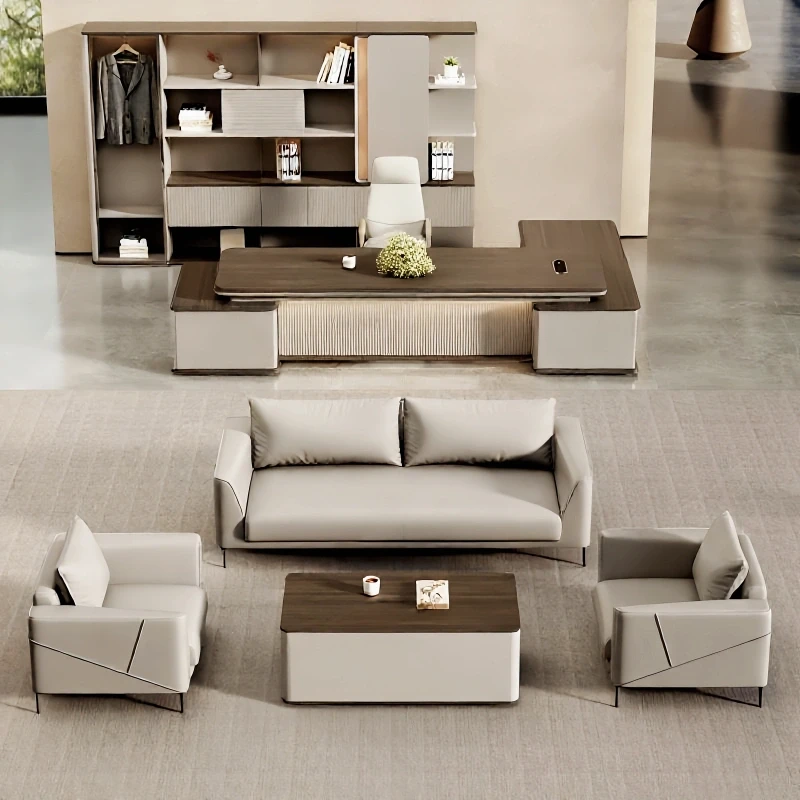
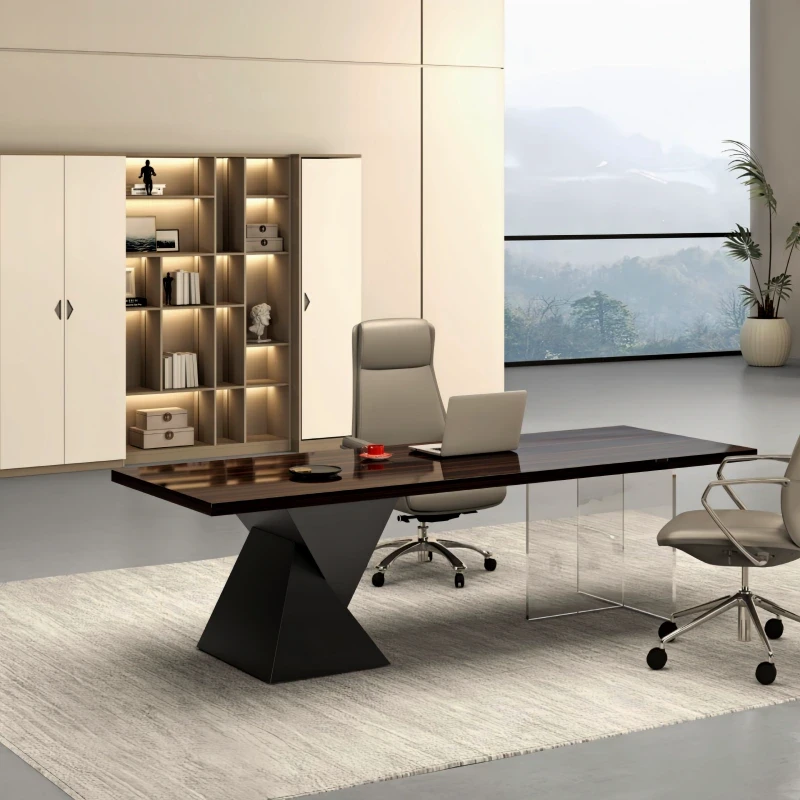


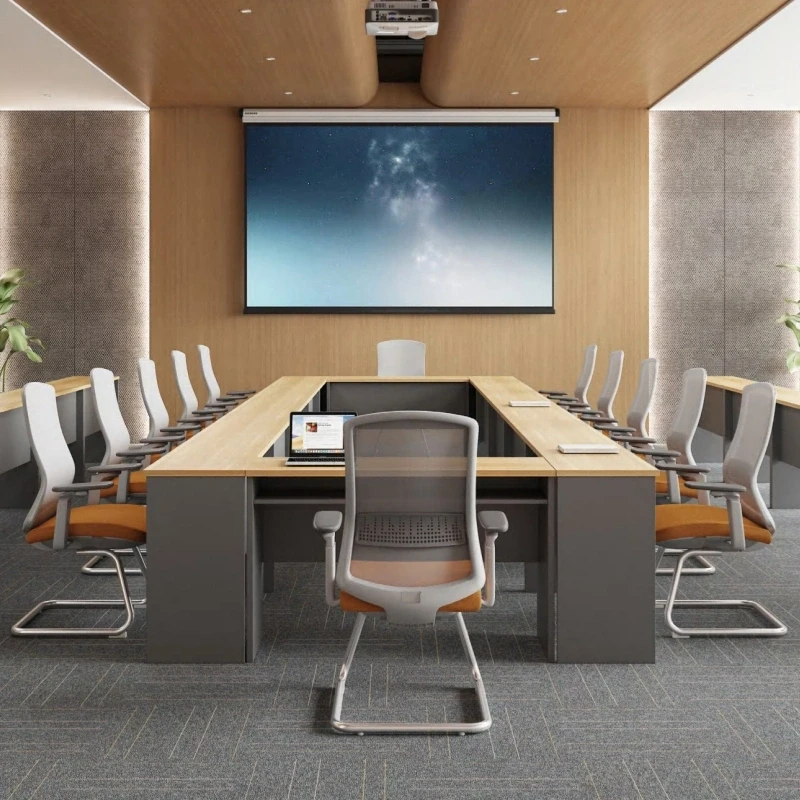
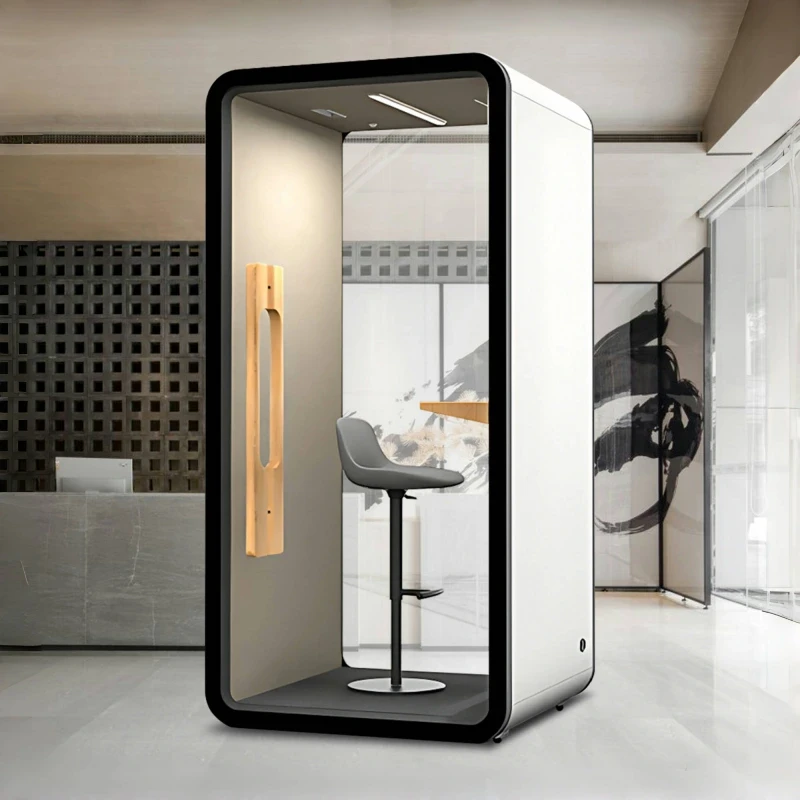
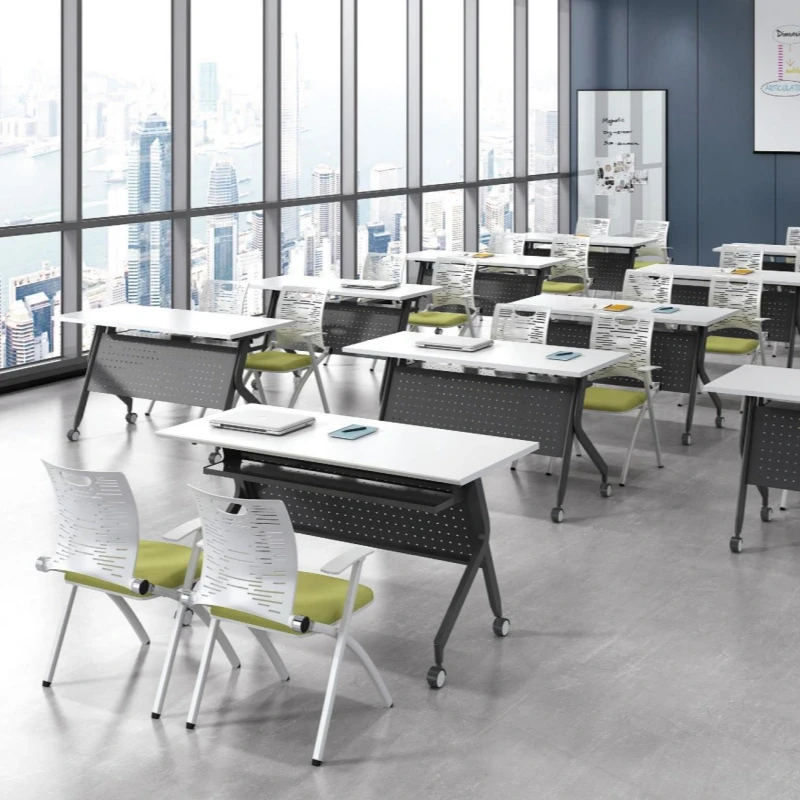




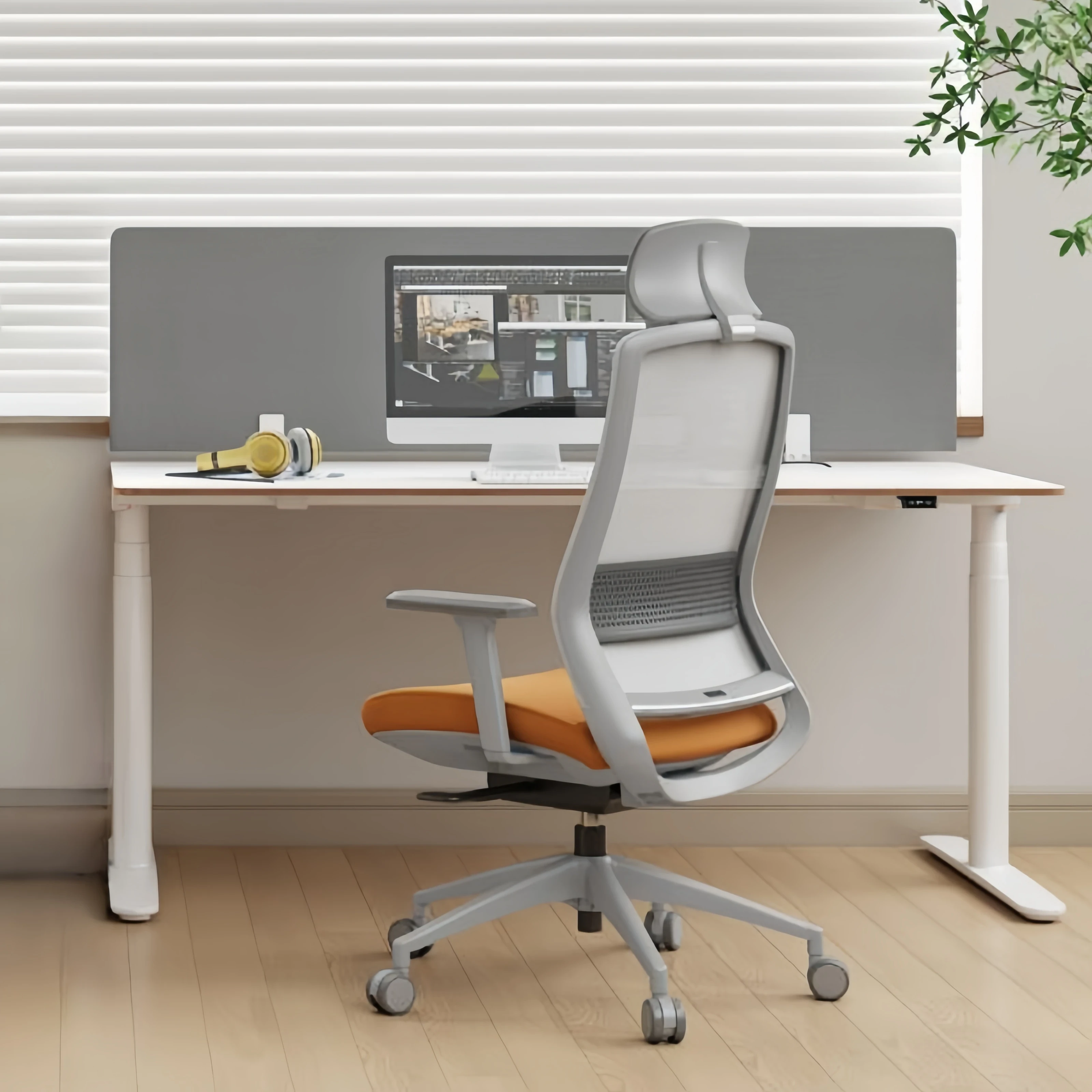


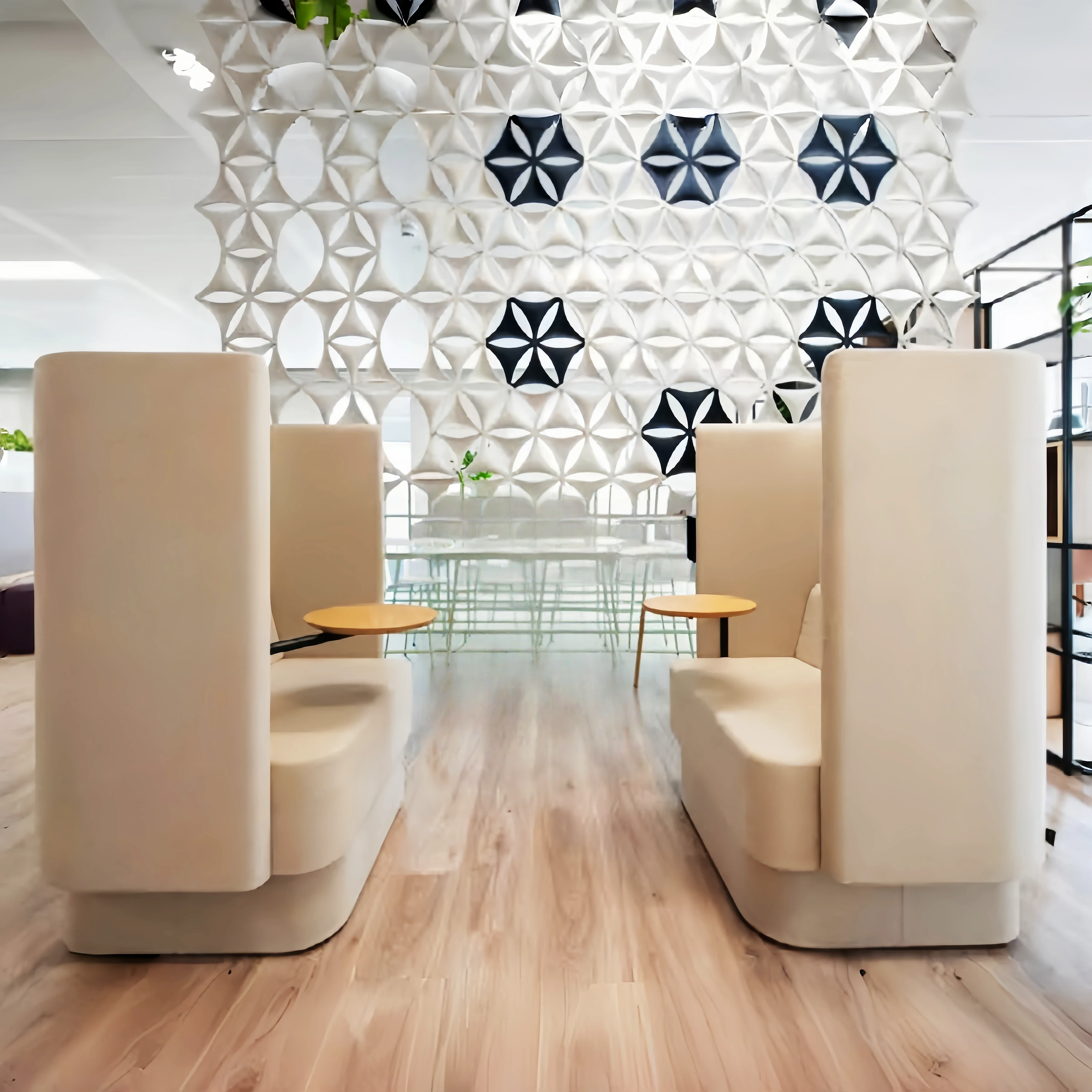

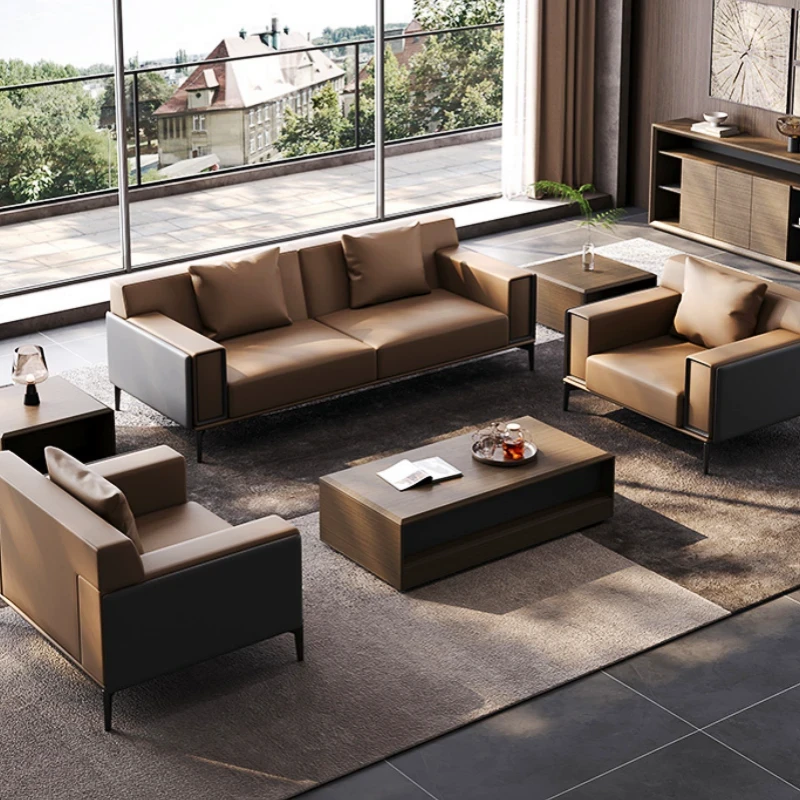
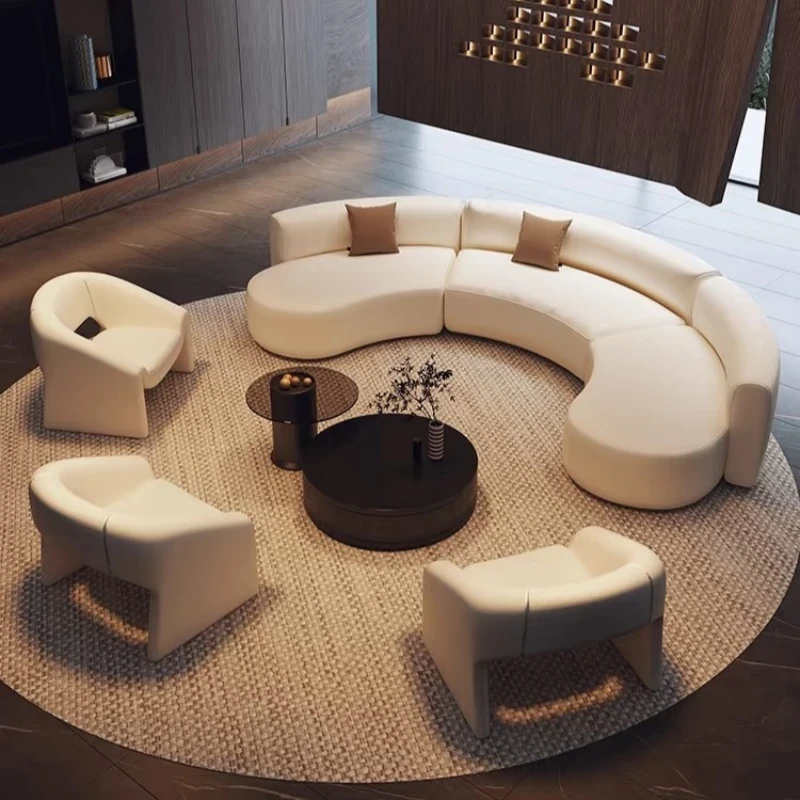
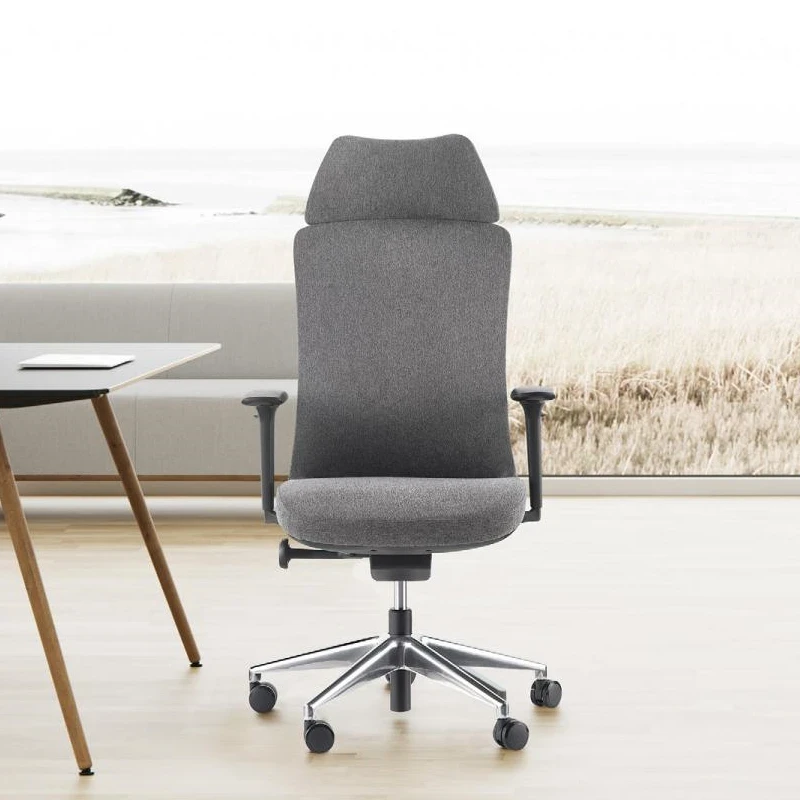


The design of medical and elderly care furniture needs to consider both safety and comfort, providing patients with a safe and comfortable recovery environment.
Bed Design: The bed is the core of medical and elderly care furniture; its design should prioritize safety while also providing comfort. For example, choosing height-adjustable beds with guardrails ensures patient safety and comfort.
Seating Design: Seating designs should be ergonomic, ensuring patients do not experience fatigue during prolonged sitting. For example, choosing seats with lumbar support and adjustable height enhances patient comfort.
Material Selection: Durability and Environmental Considerations
The materials used in medical and elderly care furniture not only affect its lifespan but also relate to patient health and the institution's environmental image.
Antibacterial Materials: Medical and elderly care furniture should use antibacterial materials, such as antibacterial coatings and fabrics, to reduce bacterial growth and lower the risk of infection for patients. Environmentally
Friendly Materials: Choosing medical and elderly care furniture made from environmentally friendly materials not only reduces environmental pollution but also provides patients with a healthy and safe recovery environment.
Functional Configuration: Combining Intelligence and Humanization
With the development of technology, the functional configuration of medical and elderly care furniture is constantly being upgraded, with intelligence and humanization becoming new trends.
Smart Beds: Some high-end medical and elderly care furniture is equipped with smart beds, such as adjustable mattresses and massage functions, providing patients with a personalized rehabilitation experience.
Multifunctional Furniture: Multifunctional furniture can improve space utilization. For example, chairs with storage functions and foldable dining tables are both practical and space-saving.
Integrated Medical Equipment: Modern medical and elderly care furniture often integrates medical equipment, such as blood pressure monitors and heart rate monitors, allowing medical staff to monitor patients' health status at any time.
Environmental Coordination: Overall Harmony and Atmosphere Creation:
The selection and arrangement of medical and elderly care furniture should also consider its harmony with the overall medical and elderly care environment, creating a warm and comfortable rehabilitation atmosphere.
Color Coordination: The colors of medical and elderly care furniture should coordinate with the overall color scheme of the medical and elderly care environment, avoiding overly bright or dull colors that may affect patients' emotions. For example, choosing furniture with colors similar to the walls and curtains can create a harmonious and unified rehabilitation environment.
Spatial Layout: A reasonable spatial layout can improve the patient's rehabilitation effect. For example, arranging hospital beds, chairs, storage cabinets, and other furniture reasonably provides patients with a comfortable and convenient rehabilitation space.
In conclusion,
medical and elderly care furniture, as an indispensable facility in medical and elderly care institutions, directly impacts patients' rehabilitation outcomes and living experience through its design, materials, functional configuration, and environmental integration. Choosing safe, durable, and fully functional medical and elderly care furniture not only enhances patient rehabilitation but also creates greater service value for the institution. Therefore, institutions should fully consider these factors when purchasing medical and elderly care furniture to create a safe, comfortable, and healthy rehabilitation environment for patients.