
 USD
USD GBP
GBP
 EUR
EUR
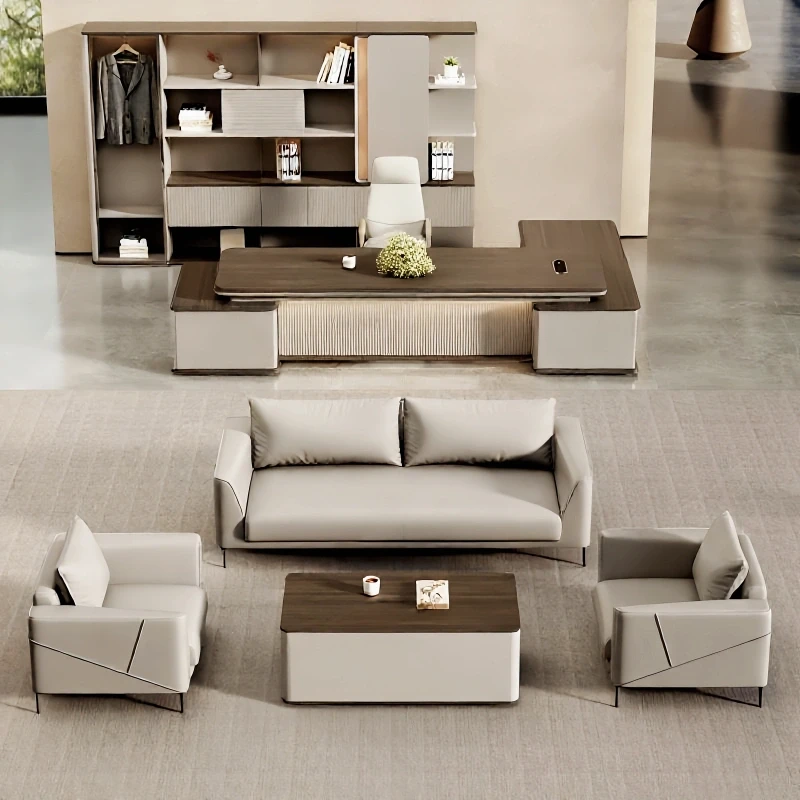
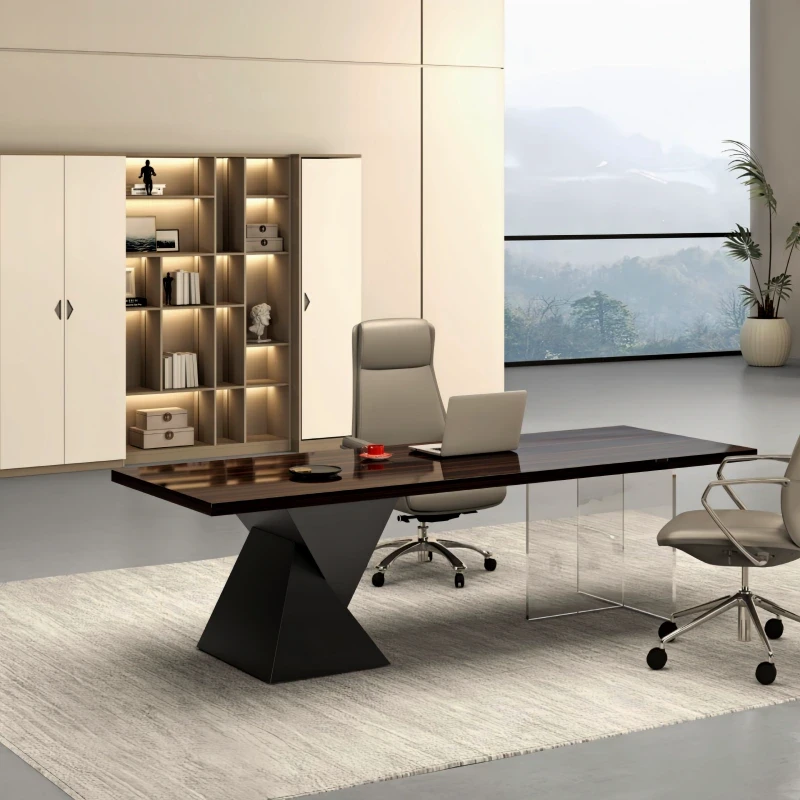


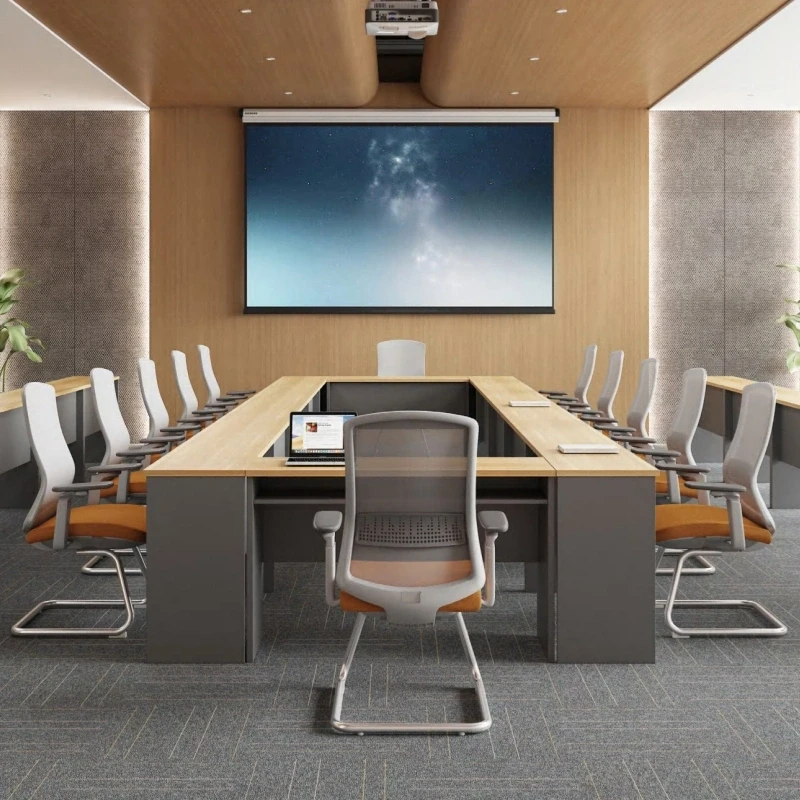
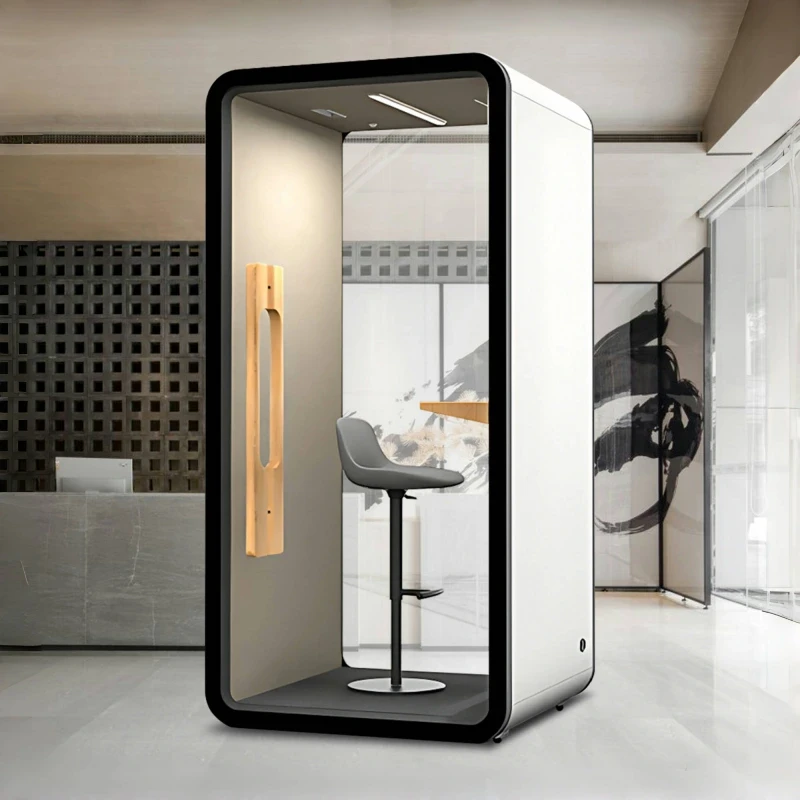







1.1 Understand Storage Requirements
File Types and Quantities: Determine the types of files to be stored, such as archives, folders, or books, and plan the capacity and layout of the filing cabinets accordingly.
Security and Confidentiality: Consider whether a locking function is needed to ensure the secure storage of sensitive information.
1.2 Optimize Space Utilization
Space Layout Analysis: Select filing cabinets of appropriate size and shape based on the office layout to make rational use of space.
Modular Design: Select or design filing cabinets with adjustable shelves and modular components to flexibly adapt to future space adjustments and growth.
2. Ensure Aesthetic Design
2.1 Integrate Corporate Culture
Design Style Consistency: Choose a design style that matches the company's overall decoration style, such as modern, minimalist, or traditional.
Brand Elements: Incorporate the company logo or colors into the design to enhance brand recognition and employee sense of belonging.
2.2 Select Appropriate Materials and Colors
Material Selection: Choose high-quality and durable materials, such as solid wood, metal, or tempered glass, based on budget and frequency of use.
Color Matching: Choose colors that coordinate with the main color scheme of the office to create a harmonious visual effect, while considering the potential impact of color on mood and efficiency.
3. Integrated Innovation and Intelligent Functions
3.1 Consider Intelligent Options
Digital Locks and Access Control: Optional digital locks, fingerprint or card systems enhance security management.
Intelligent Storage and Retrieval: Some high-end filing cabinets offer electronic identification or search functions for convenient and quick document retrieval.
3.2 Improve Efficiency with New Technologies
Durable Slides and Hinges: Select high-quality hardware to improve the convenience and durability of daily use.
Silent Design: Use silent slides and damping systems to reduce noise when opening and closing doors, providing employees with a quieter working environment.
4. Collaborate with Professional Designers
4.1 Leverage Designer Expertise for
Customized Solutions: Collaborate with professional furniture designers to obtain tailored design solutions, ensuring that the filing cabinet meets both functional and aesthetic requirements.
3D Modeling and Visualization: Use 3D technology to preview the design effect, ensuring the final product meets expectations.
4.2 Evaluate Suppliers and Customization Capabilities
Experience and Reputation: Select custom manufacturers with a good reputation and rich experience to ensure product quality and design services.
Site Visits and Sample Evaluation: If possible, visit the factory or request physical samples to evaluate product materials and workmanship.
Through careful planning and design, customized company filing cabinets can achieve a perfect balance between functionality and aesthetics. This not only enhances the practicality of the office but also improves employee satisfaction and the company's overall image. Choosing the right design方案 and a high-quality supplier will create an efficient and attractive office environment for your business.