
 USD
USD GBP
GBP
 EUR
EUR
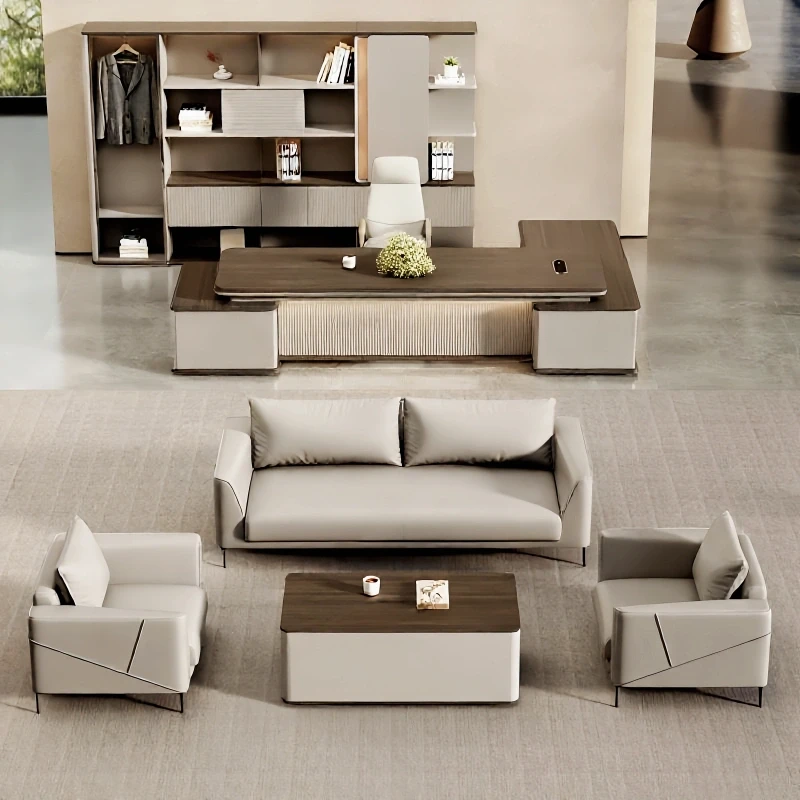
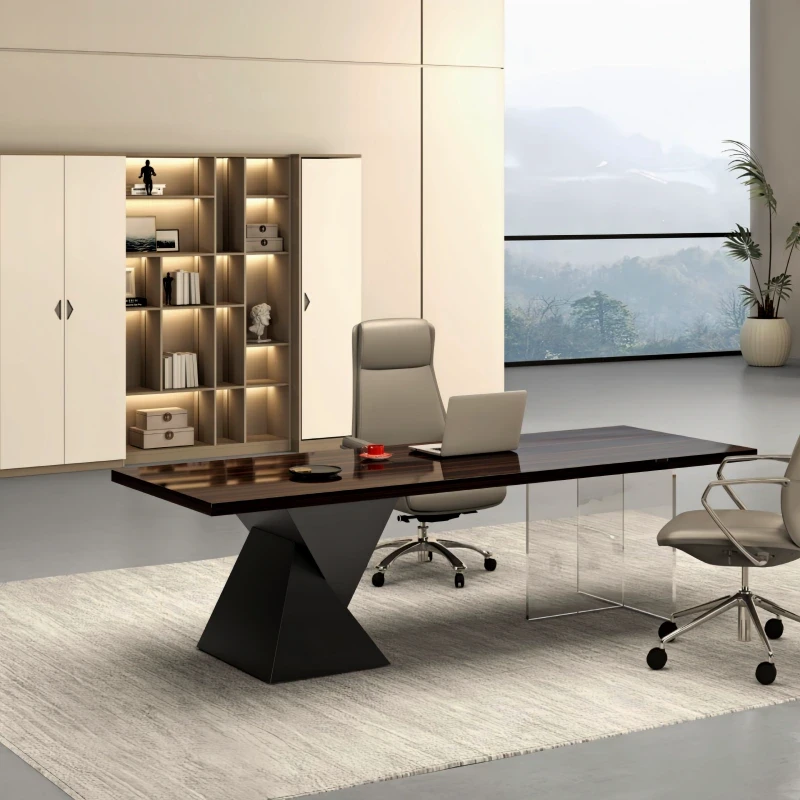



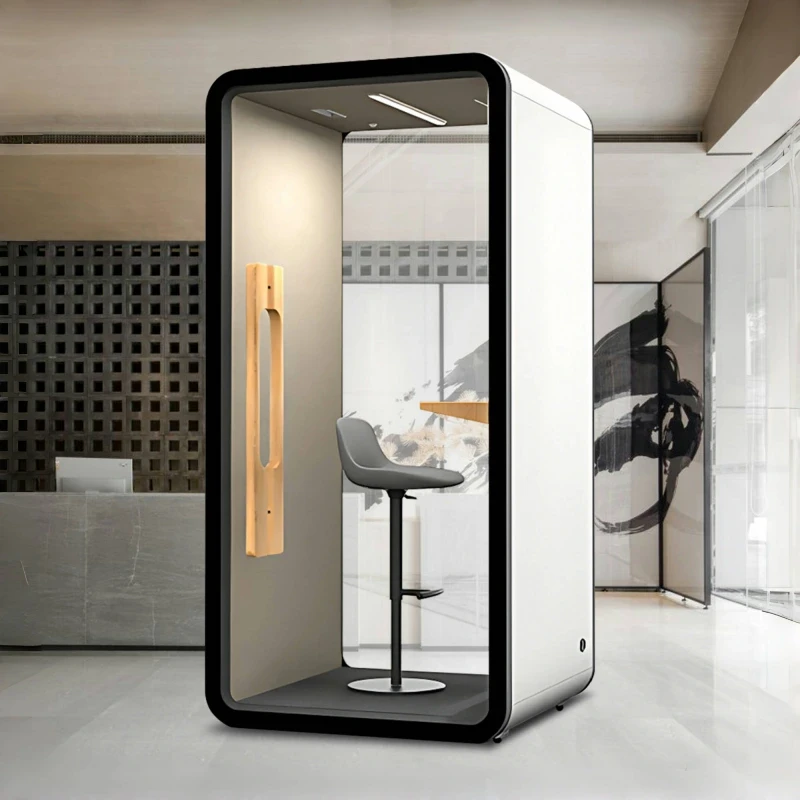

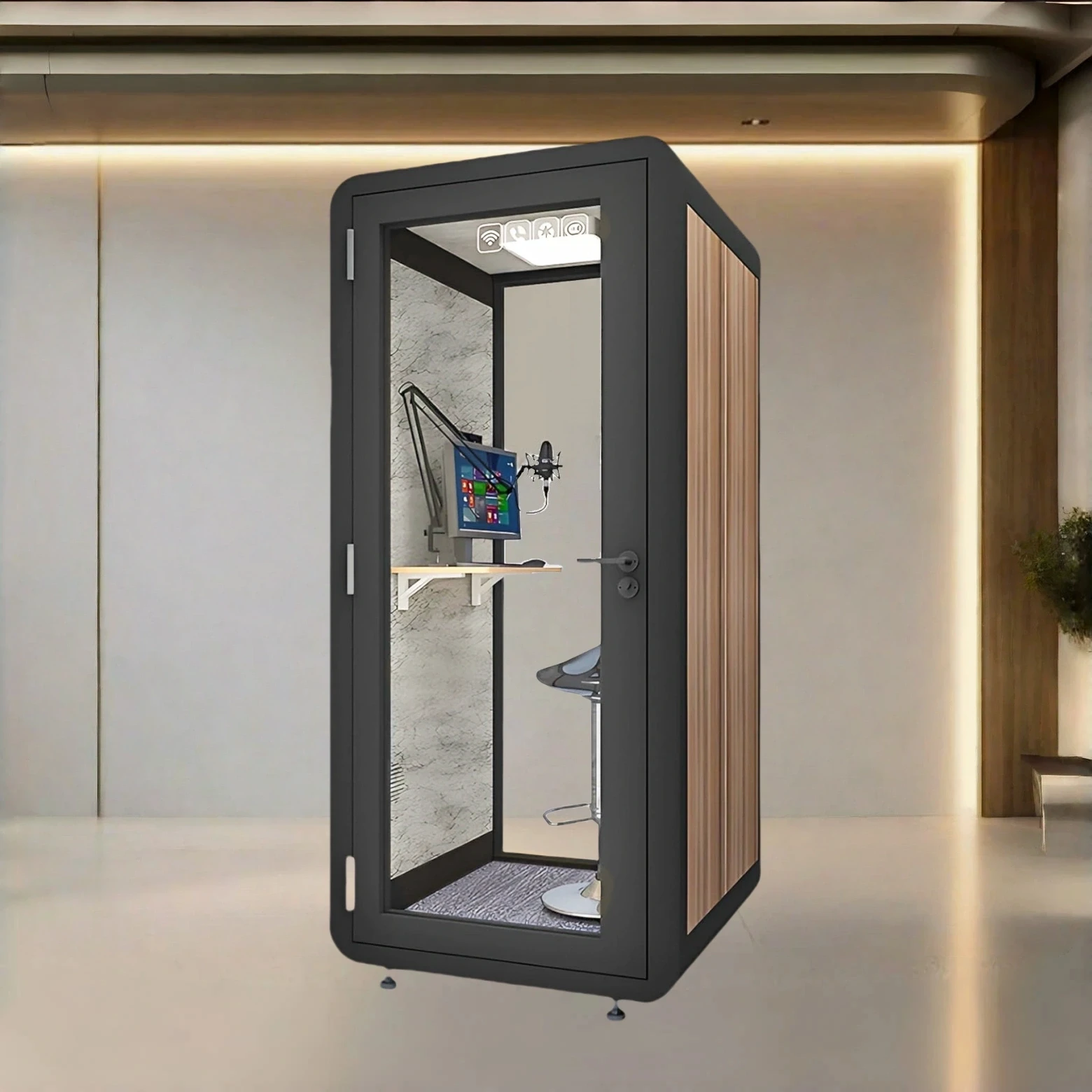
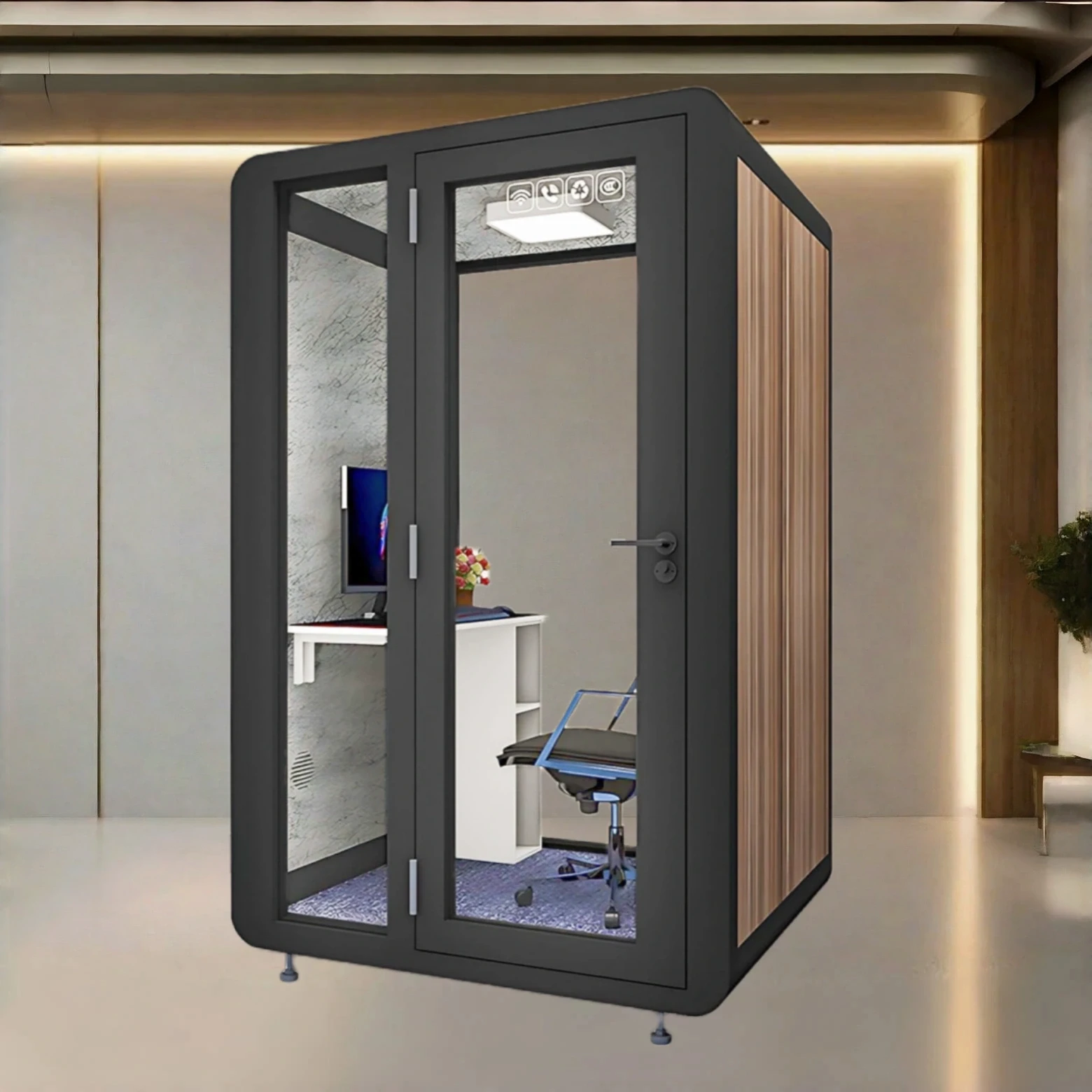





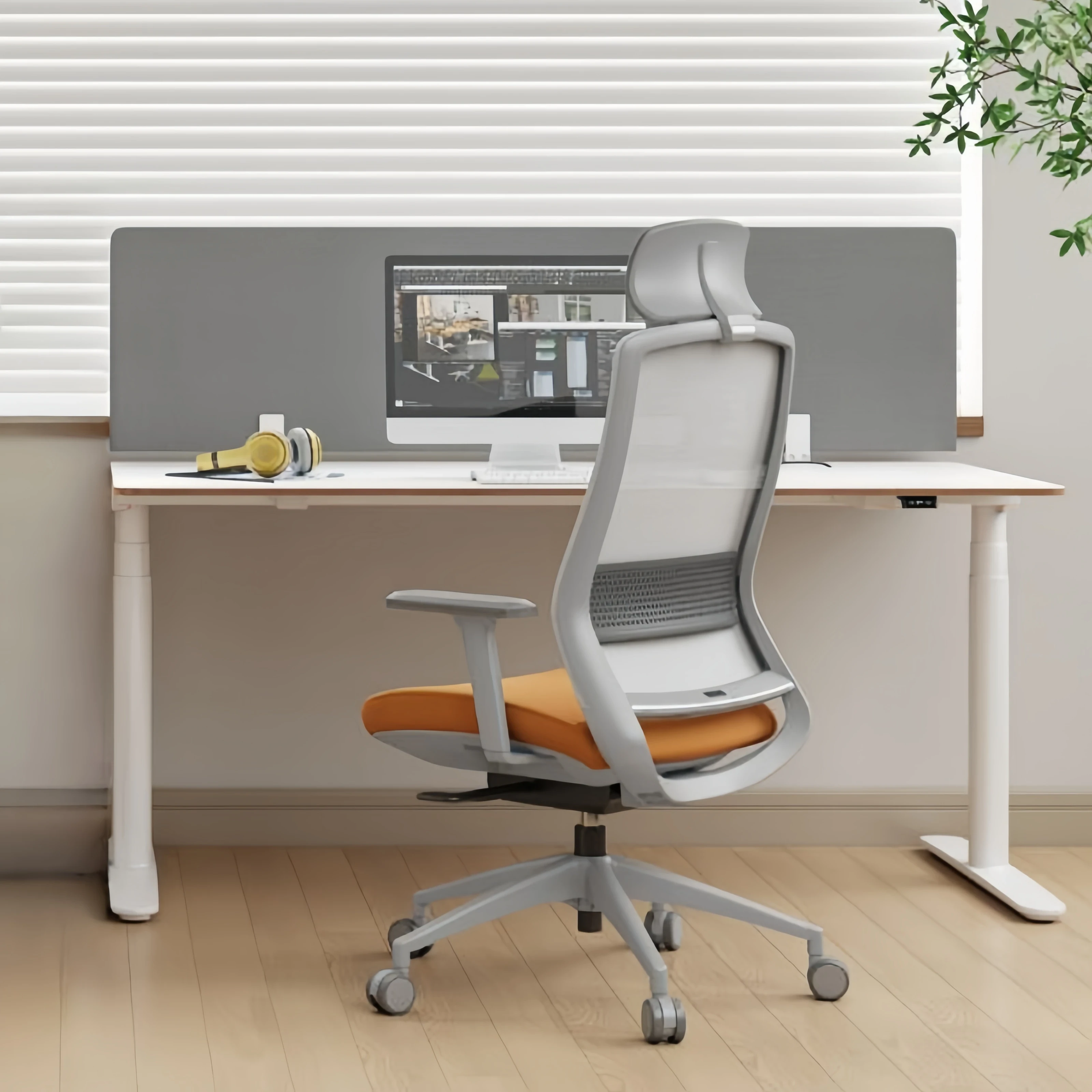






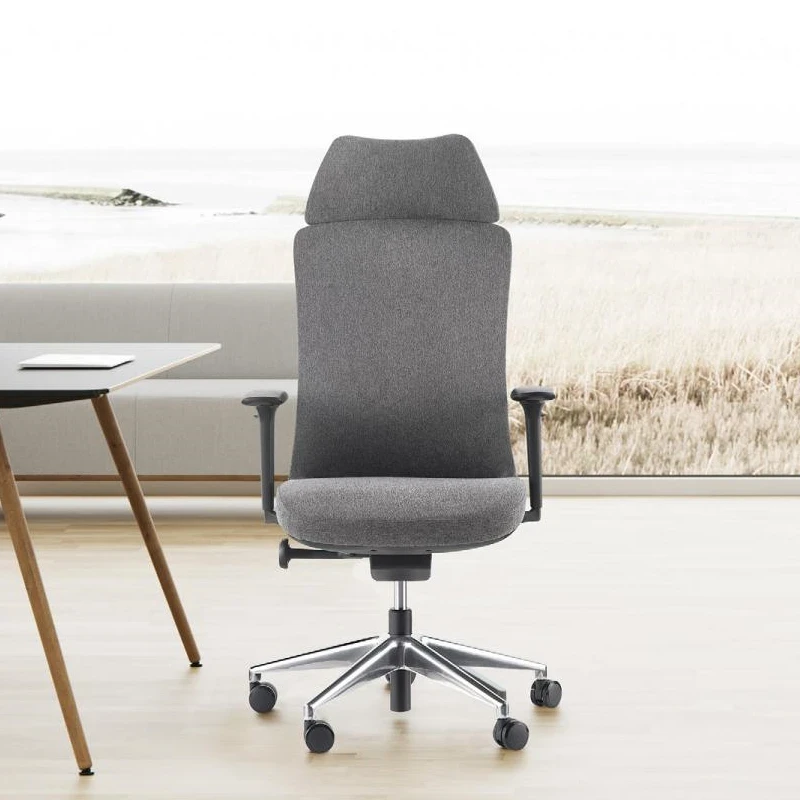


1. Understand Internal Needs
Functional Needs: Different positions may require different types of furniture, such as adjustable chairs, appropriately sized desks, etc.
Spatial Layout: Determine suitable furniture types and sizes based on the office layout and style.
Budget Constraints: Set a clear budget range to better screen potential suppliers.
2. Set Procurement Goals
Quality and Durability: Prioritize products that can be used for a long time and are wear-resistant.
Delivery Time: Understand the delivery cycle to ensure that office furniture arrives on time during relocation or renovation.
II. Conduct Market Research and Gather Information
1. Gather Information Broadly
Manufacturer Background Investigation: Research the manufacturer's history, reputation, and industry experience.
User Reviews and Case Studies: Understand the manufacturer's product quality and service level by reviewing feedback and success stories from other clients.
2. Compare Multiple Suppliers
Product Diversity and Innovation: Select manufacturers that can offer a wide variety of choices and the latest design trends.
Price Advantage: Compare the pricing strategies of various manufacturers, including discounts and additional services, when quality is similar.
III. Evaluate Manufacturer Quality and Service
1. Product Quality Inspection
On-site Visit or Sample Evaluation: If possible, visit the manufacturer in person or request samples to evaluate the product's materials and manufacturing process.
Quality Certification: Verify whether the manufacturer has passed a quality management system (such as ISO certification) to ensure product standards.
2. Service Support Capabilities
After-sales Service: Understand the manufacturer's after-sales support, including warranty policies, repair and replacement services.
Customer Communication and Response Speed: Assess the manufacturer's communication efficiency and customer service level to ensure smooth communication during cooperation.
IV. Establishing a Good Cooperative Relationship
1. Negotiating Cooperation Terms
Contract Details: Before signing the contract, carefully review all terms to ensure that the price, delivery time, and service commitments are clear and unambiguous.
Flexible Payment Methods: Negotiate positive payment terms with the supplier, such as installment payments or later payments.
2. Long-Term Cooperation Planning
Establishing a Long-Term Relationship: Select manufacturers that can grow together with the company and support future needs.
Regular Evaluation and Feedback: Regularly evaluate the manufacturer's performance during cooperation and provide feedback to promote continuous improvement in product and service quality.
Through careful evaluation and a structured selection process, companies can find the most suitable partner among numerous office furniture manufacturers. This not only helps improve the office environment and employee satisfaction but also optimizes resource utilization efficiency in the long term, providing strong support for the company's sustainable development.