
 USD
USD GBP
GBP
 EUR
EUR
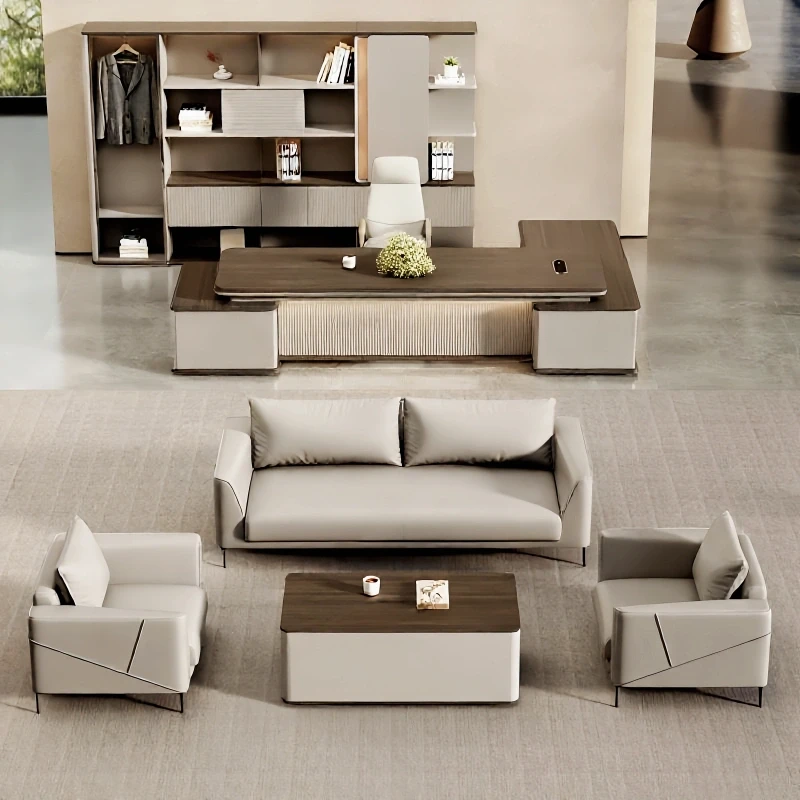
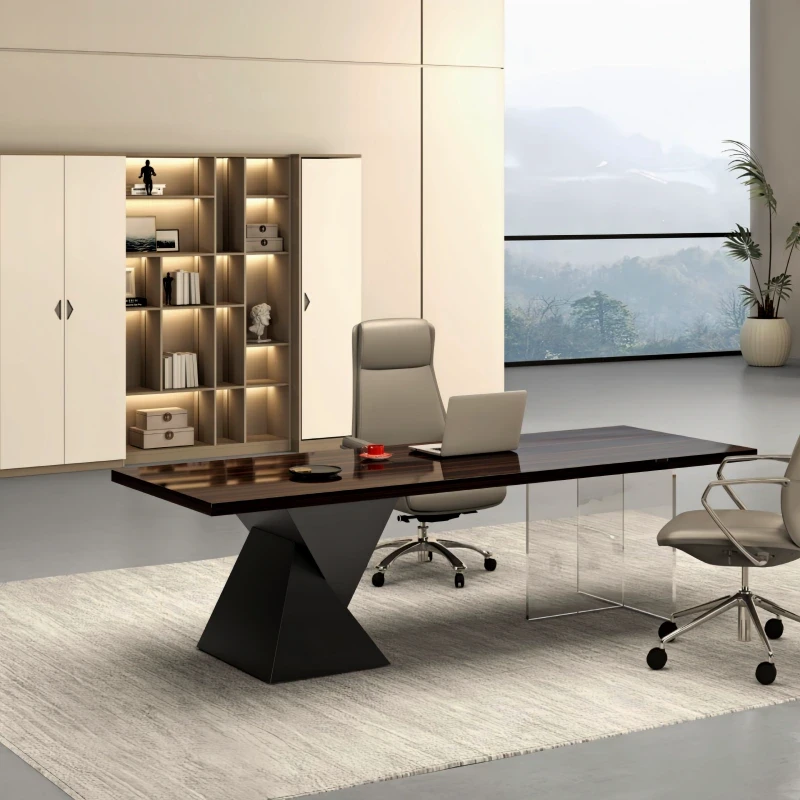


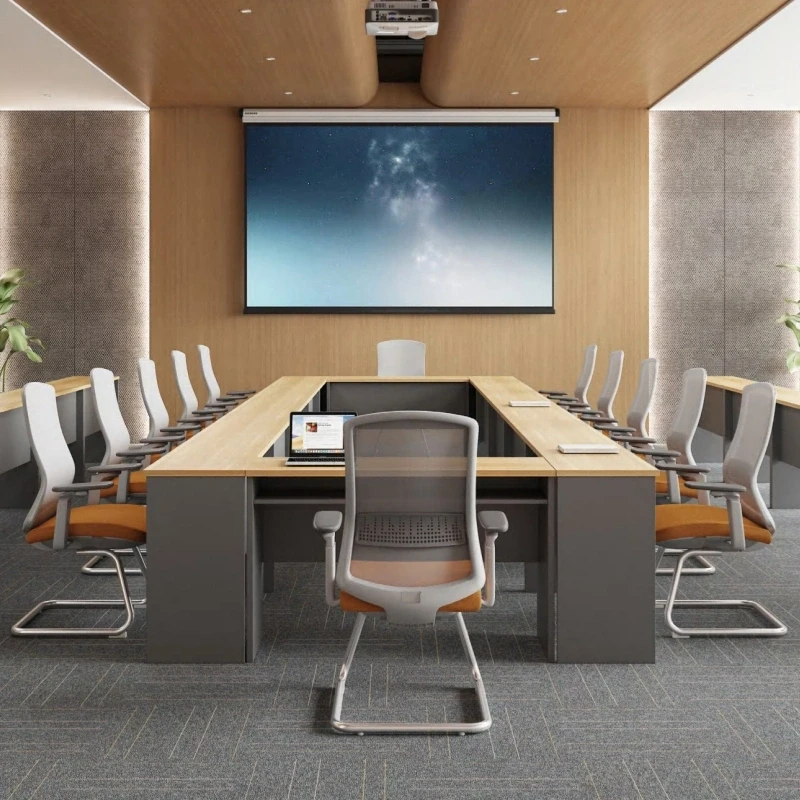
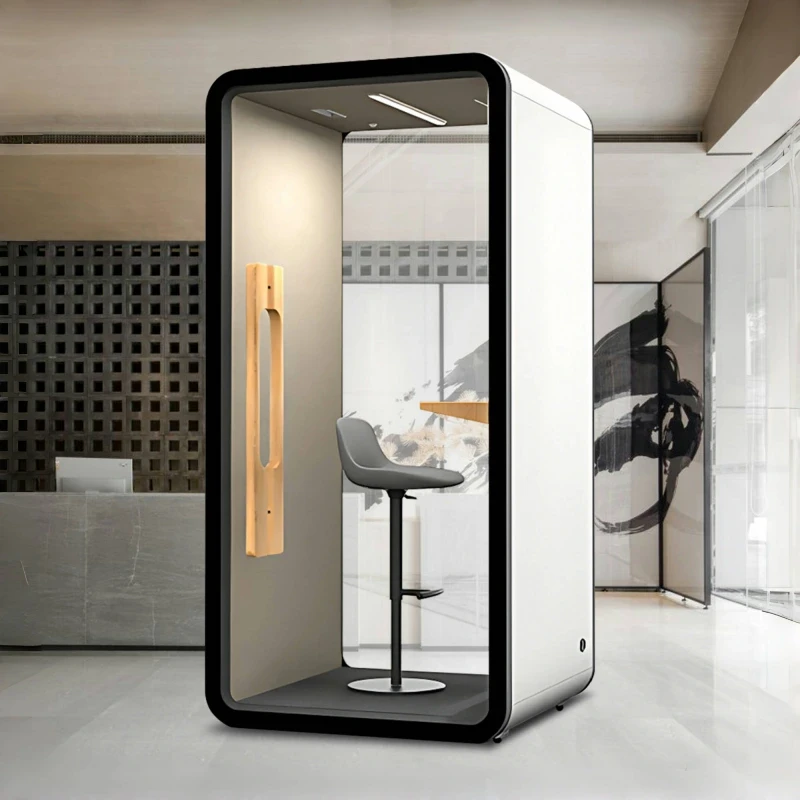
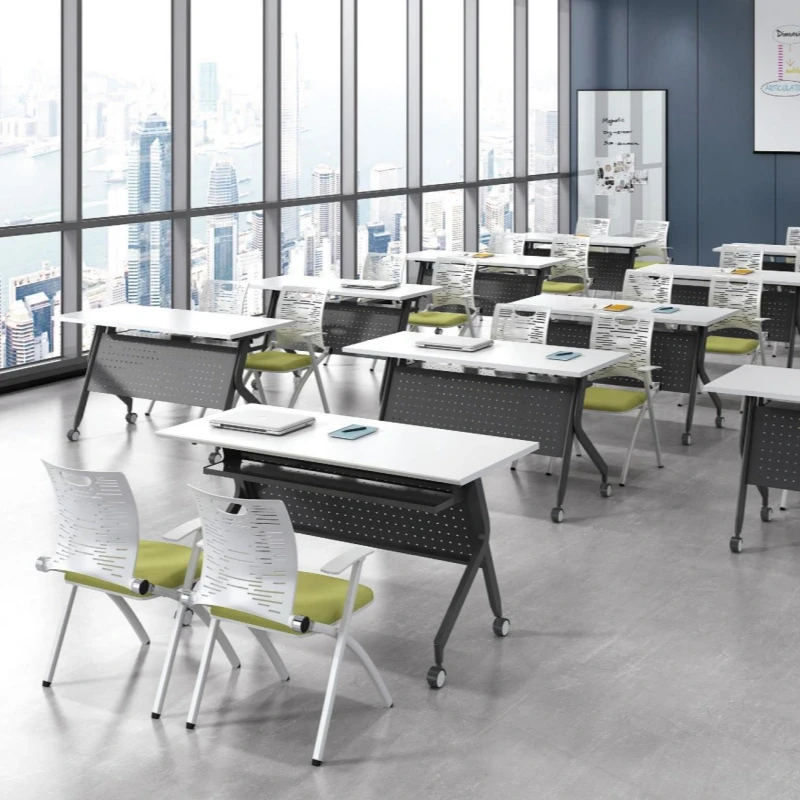
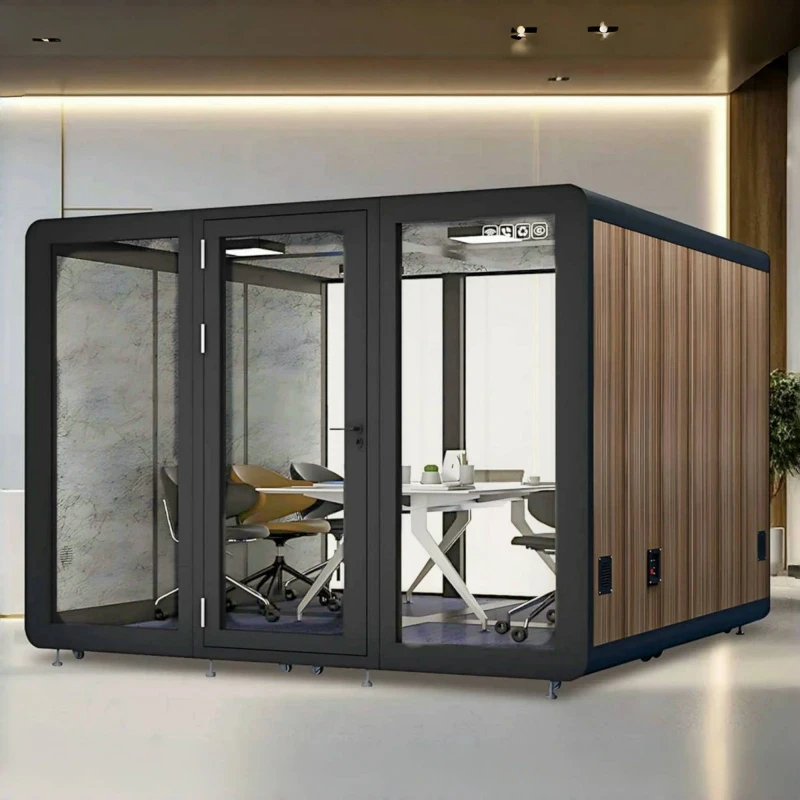


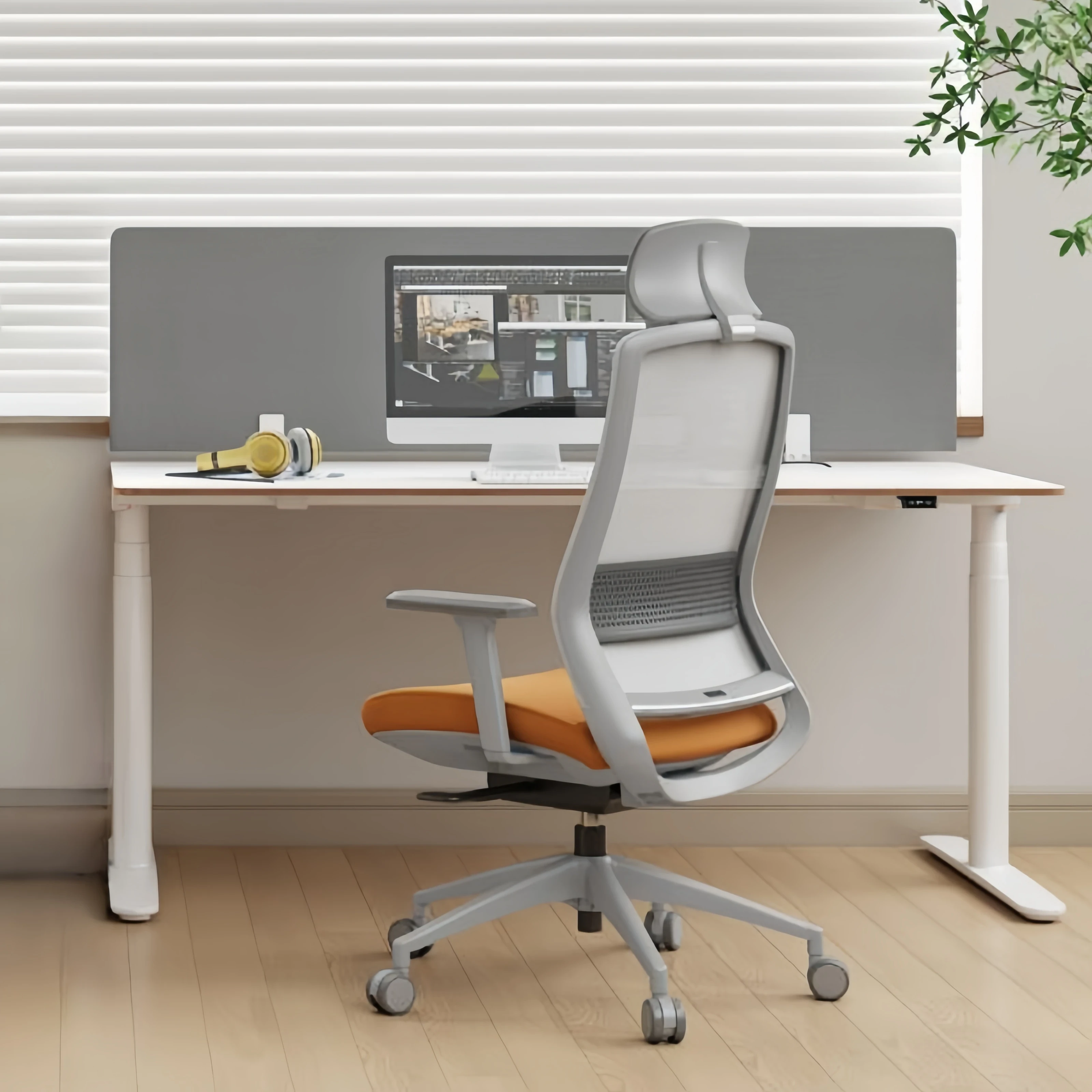


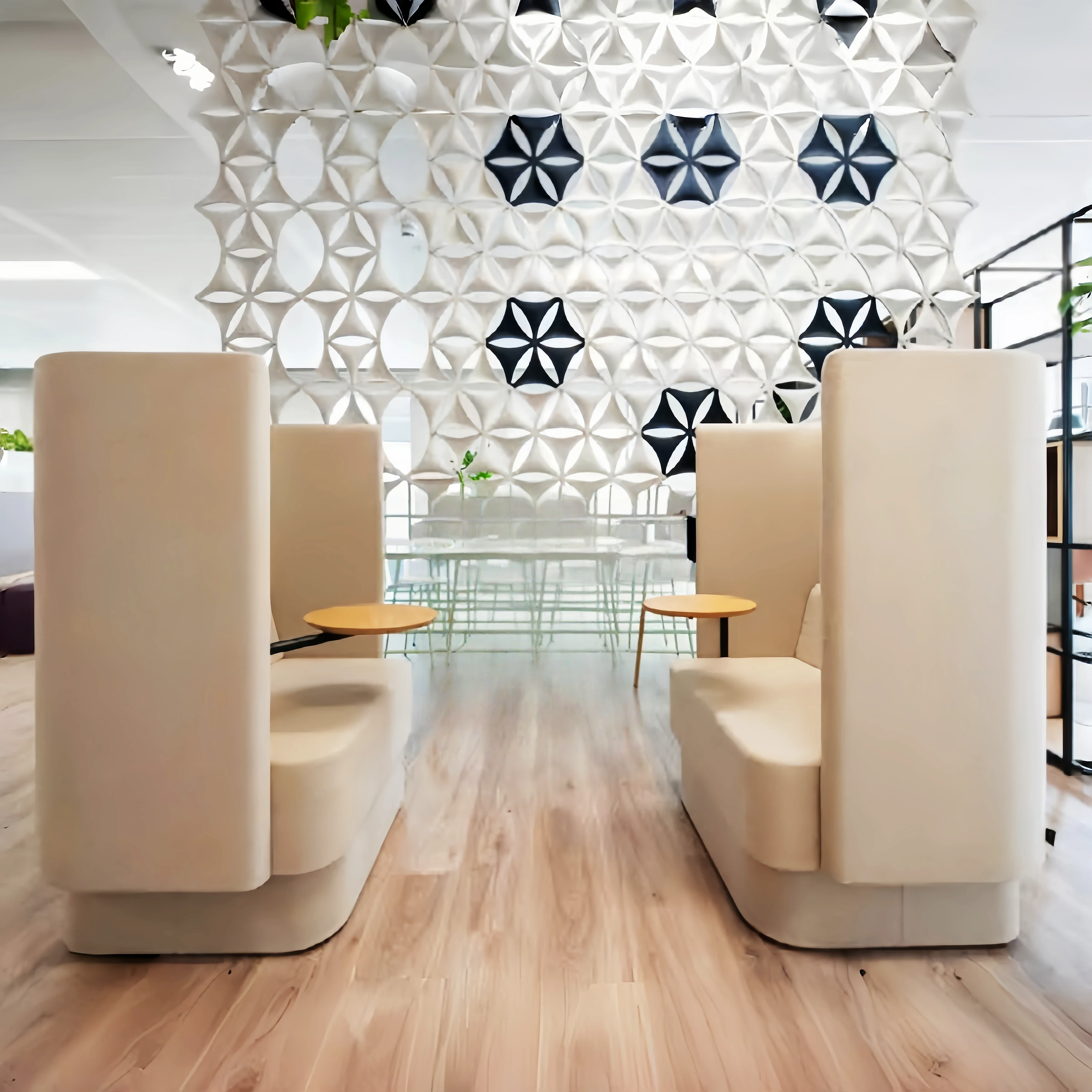

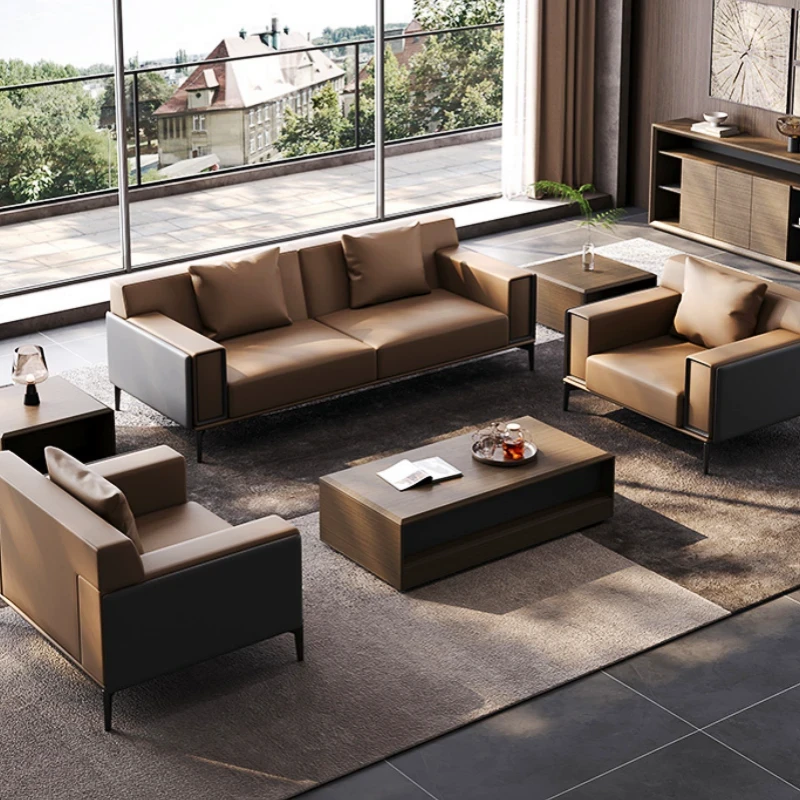
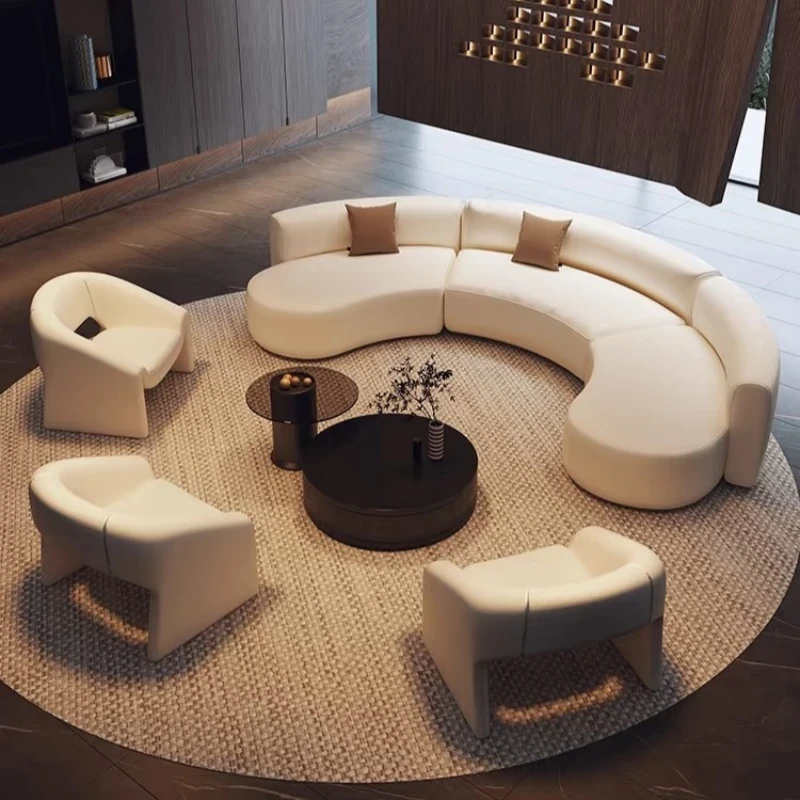
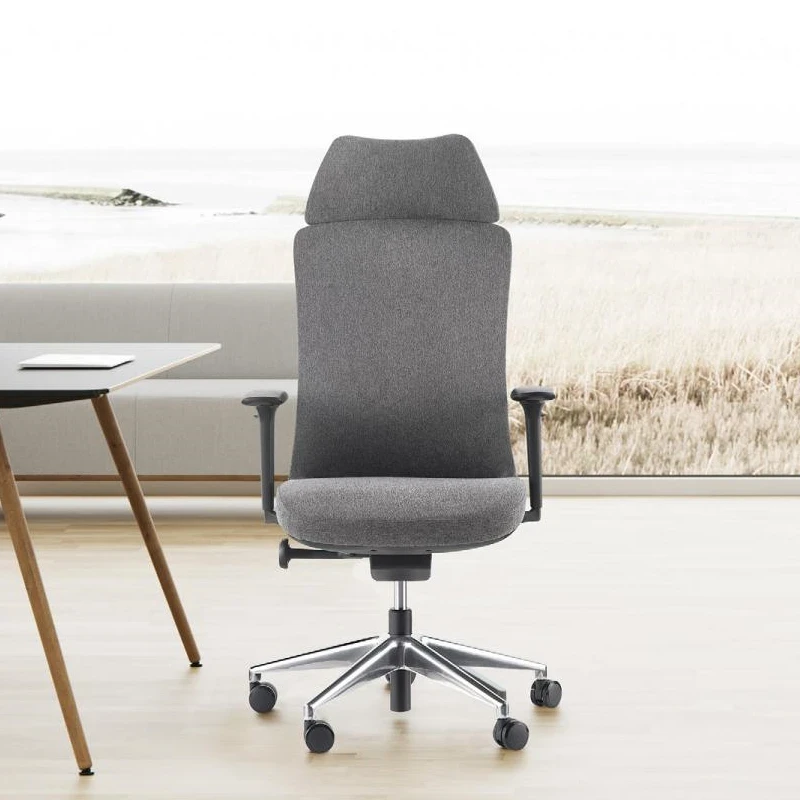


Ergonomics is a discipline that studies the relationship between humans and their work environment. It aims to improve work efficiency by optimizing the work environment, reducing fatigue and the risk of injury. Ergonomically designed desks and chairs not only enhance employee comfort but also reduce common occupational diseases such as cervical and lumbar spine problems caused by improper posture.
1. Improved Work Efficiency
Ergonomic office furniture allows employees to maintain good posture during work, reducing fatigue and thus improving work efficiency and concentration.
2. Reduced Health Risks
Long-term use of non-ergonomic desks and chairs can easily lead to musculoskeletal disorders such as cervical and lumbar spondylosis. Optimizing desk and chair design can effectively reduce these health risks.
II. Establishing Ergonomic Standards
Before customizing desks and chairs, it is necessary to clarify the relevant ergonomic standards and requirements. This includes aspects such as the height, depth, angle, and support of the furniture.
1. Desk Height and Depth
Height: The height of the desk should be adjusted according to the employee's height to ensure that when seated, both feet can be flat on the ground, knees bent at 90 degrees, and forearms can rest naturally on the desktop.
1. Depth: The desktop depth should be sufficient to place office supplies such as computers and documents, while also allowing enough legroom to avoid discomfort caused by prolonged sitting.
2. Office Chair Design:
Seat Height: The chair height should accommodate employees of different heights, ensuring feet are flat on the ground and knees and hips maintain approximately a 90-degree bend.
Backrest Support: The backrest should provide good lumbar support, helping employees maintain the natural curve of their spine and reducing lower back pressure.
Backrest Angle: The backrest angle should be adjustable, allowing employees to adjust to a comfortable sitting posture in different work situations.
Armrest Design: The height and width of the armrests should be adjustable to support the forearms and help reduce shoulder and neck tension.
III. Collaborating with Professionals:
Ensuring that office desks and chairs meet ergonomic standards requires collaboration with professional ergonomics experts and designers. They can provide scientific advice and solutions to ensure that furniture design is not only aesthetically pleasing but also meets functional needs.
1. Ergonomic Assessment:
By assessing employees' work environment and posture, we can understand their specific needs and pain points in daily work, thus providing data support for customizing office desks and chairs.
2. Customized Design Solutions:
Based on the evaluation results, a personalized design solution is developed, including various parameters and adjustable functions of the desks and chairs, ensuring that each piece of furniture can adapt to the needs of different employees.
IV. Selection of High-Quality Materials:
The comfort and durability of ergonomic office furniture rely heavily on high-quality materials. Choosing materials with good breathability and moderate support can improve the user experience and lifespan of the furniture.
1. Seating Materials:
The filling material of the seat should have good resilience and support, avoiding discomfort caused by being too soft or too hard. At the same time, the surface material should be easy to clean and have good breathability to prevent stuffiness caused by prolonged use.
2. Desktop Materials:
The desktop material of the desk should be wear-resistant, easy to clean, and have sufficient strength to withstand the weight and impact of daily use.
V. Continuous Testing and Feedback:
Customizing desks and chairs is not a one-time process, but requires continuous testing and adjustment during use to ensure that they consistently meet ergonomic standards.
1. Trial Implementation Phase:
Before formal procurement and deployment, samples are tested, some employees are invited to experience them, their feedback is collected, and potential problems are identified and resolved promptly.
2. Regular Evaluation and Adjustment
of Furniture: After furniture is put into use, conduct regular ergonomic evaluations to understand employee usage and comfort. Based on feedback, make necessary adjustments and optimizations to ensure long-term compliance with ergonomic standards.
VI. Training Employees on the Correct Use of Office Furniture
: Even ergonomically designed desks and chairs can lead to health problems if employees use them incorrectly. Therefore, companies should train employees on how to correctly adjust and use office furniture.
1. Adjusting Office Chairs:
Teach employees how to adjust the height, backrest angle, and armrest position of their chairs to ensure everyone can find the most suitable sitting posture.
2. Layout of Work Areas:
Guide employees on how to rationally arrange their work areas, including the position of monitors, keyboards, and mice, ensuring the workspace meets ergonomic requirements and reduces unnecessary physical strain.
Conclusion:
Ensuring that customized desks and chairs meet ergonomic standards is key to improving employee comfort and work efficiency. By deeply understanding the importance of ergonomics, developing scientific standards, collaborating with professionals, selecting high-quality materials, conducting continuous testing and feedback, and training employees on the correct use of office furniture, companies can create a healthy, comfortable, and efficient work environment. This not only helps improve employee job satisfaction and productivity, but also reduces work interruptions and medical costs caused by health problems, laying a solid foundation for the company's long-term development.