 USD
USD GBP
GBP
 EUR
EUR
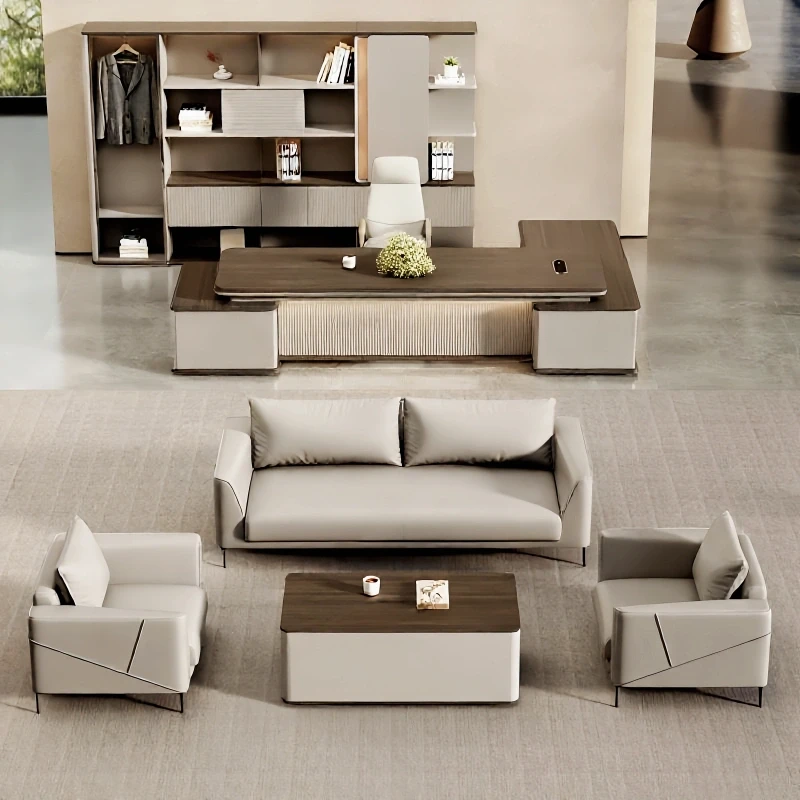
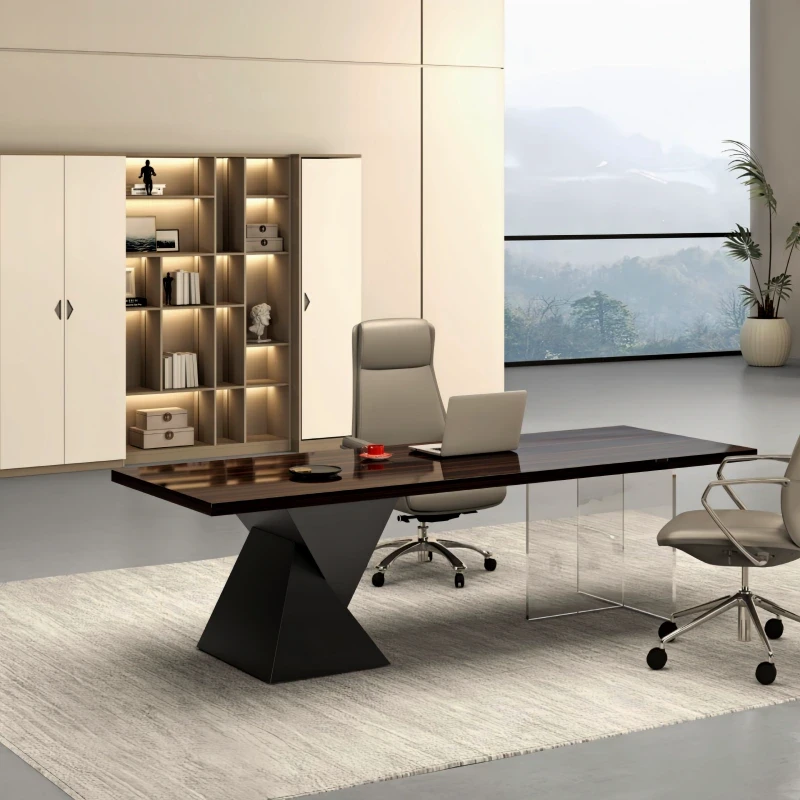


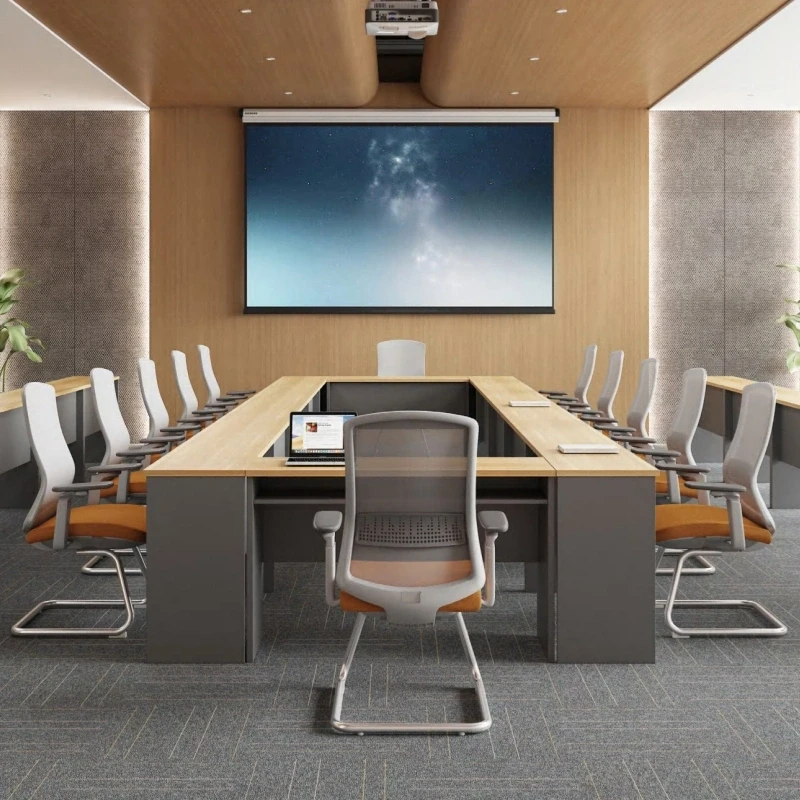
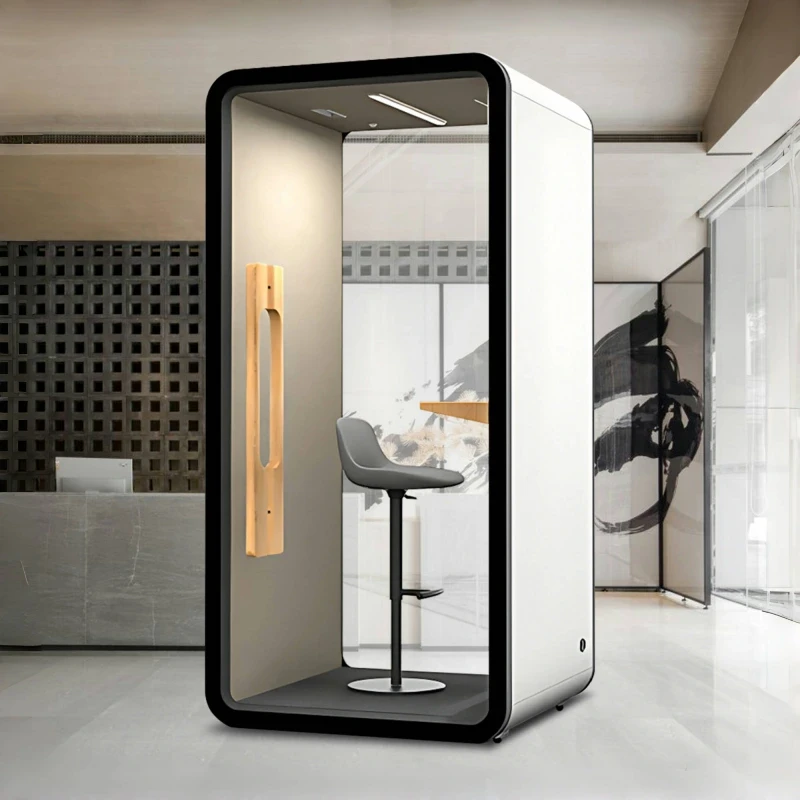
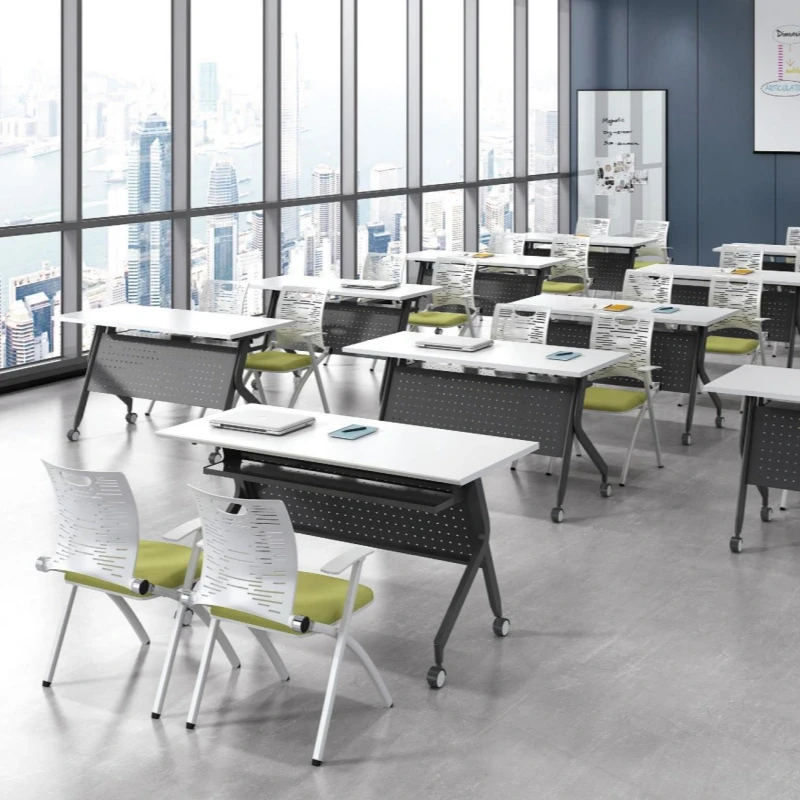
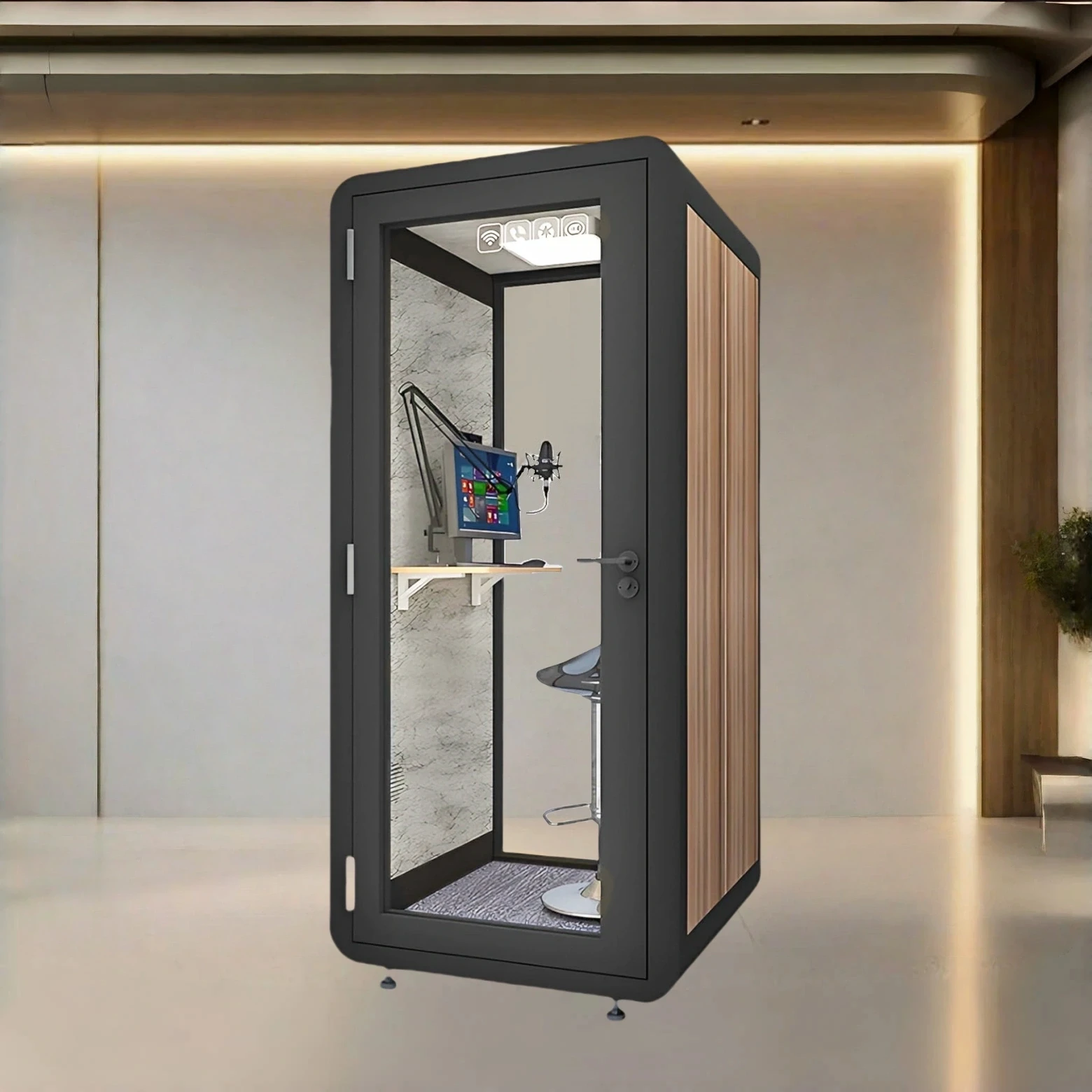
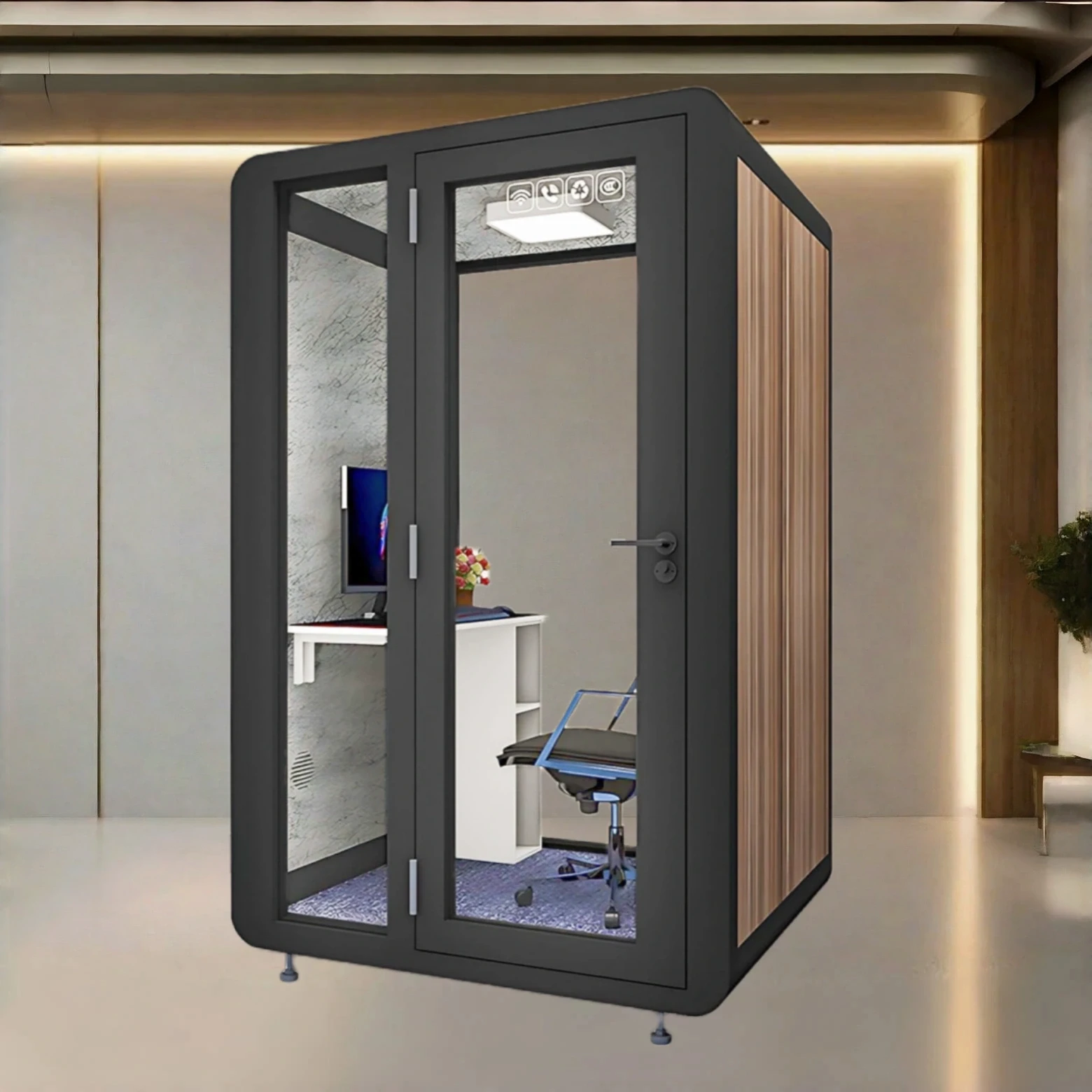
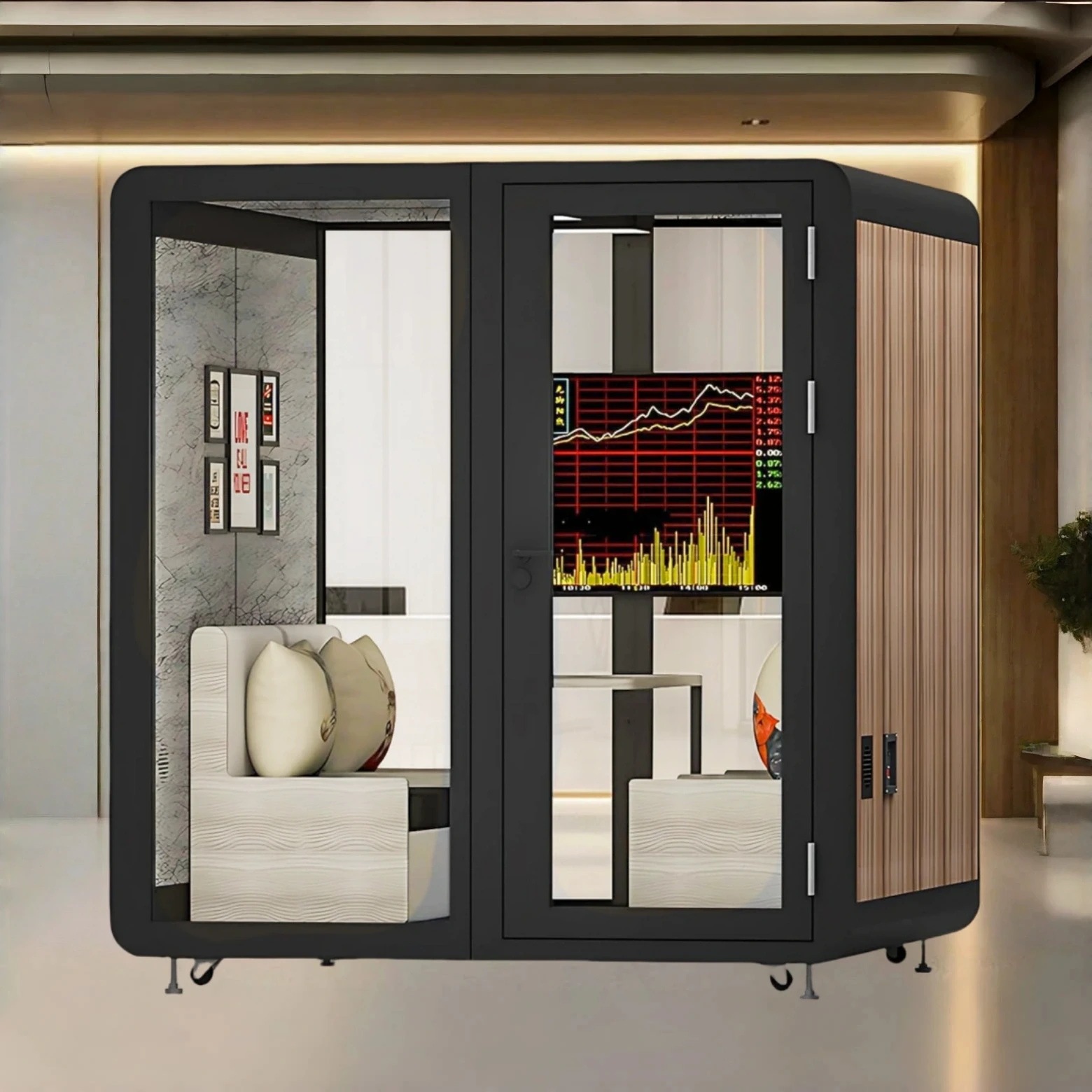
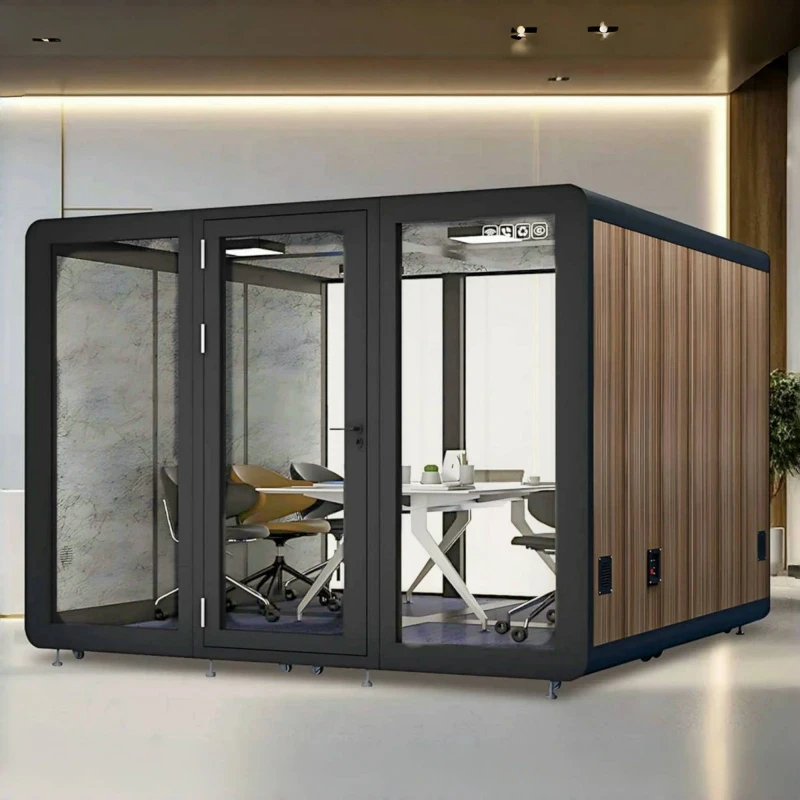




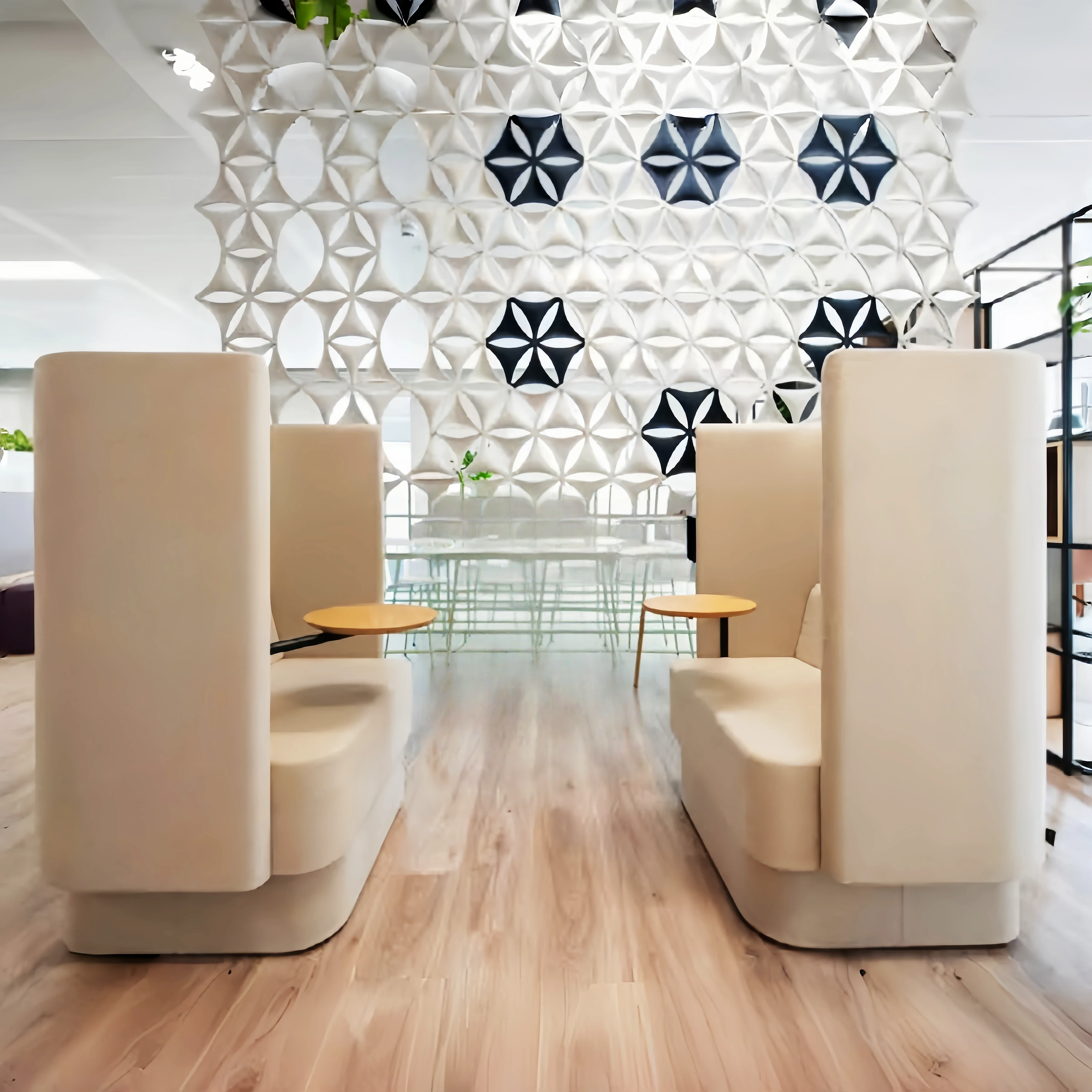

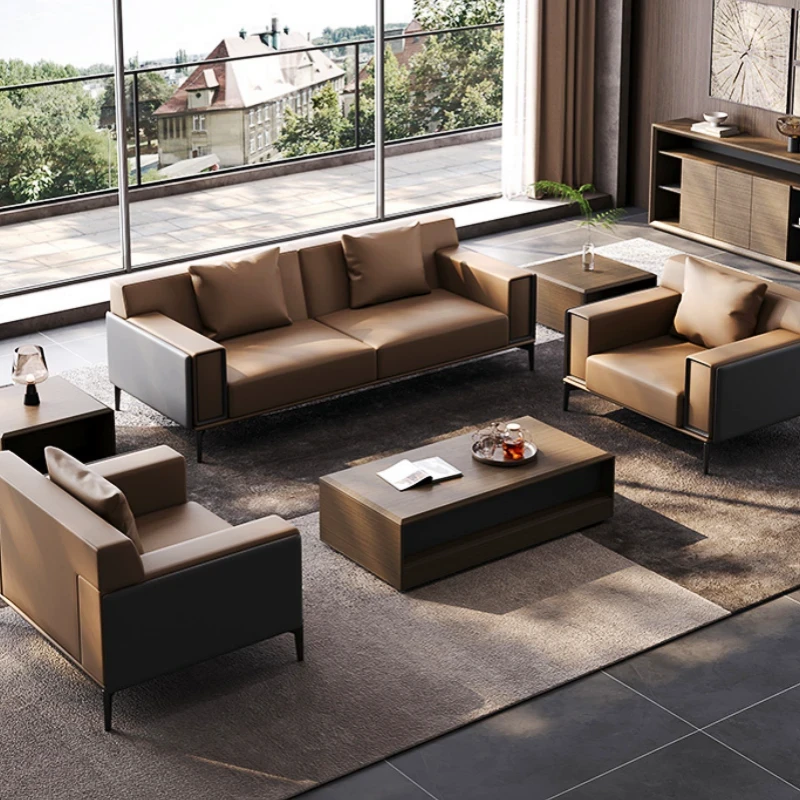
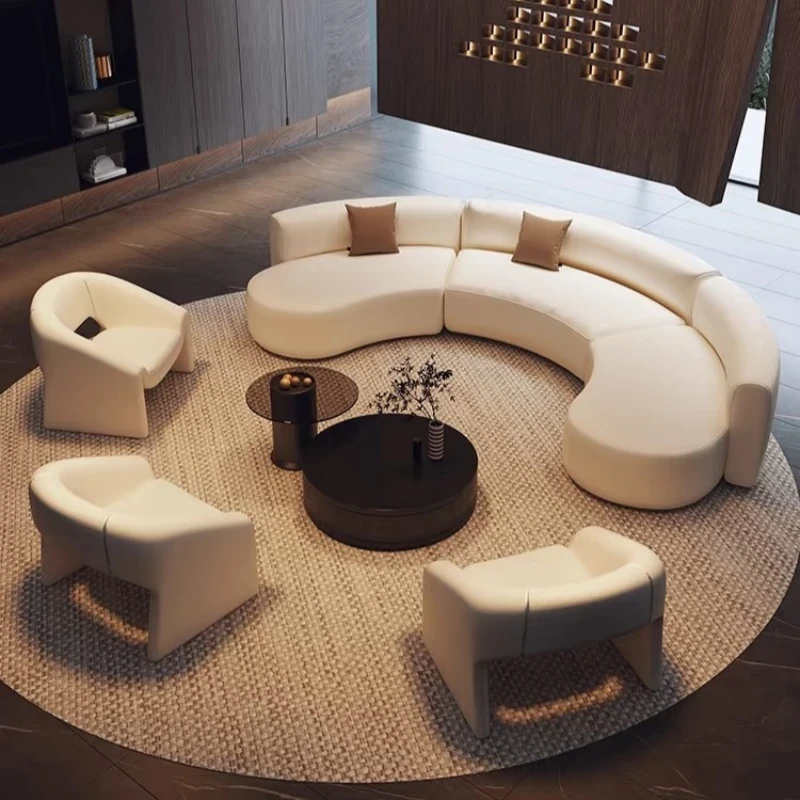


: Before customizing office desks, it's crucial to thoroughly understand the specific needs and workflows of each department within the company. For example, the finance department might require more storage space and security measures for important documents, while the creative department might prefer an open design and larger desktop space for team brainstorming and design work. Accurate understanding of these needs ensures the customized desks truly fulfill their purpose.
2. Flexible Modular Design:
Modular design is key to meeting diverse needs. Through modularity, office desks can be freely combined and adjusted according to the usage scenarios of different departments. For instance, a larger, interconnected desk can be configured for project teams to facilitate collaboration and communication; while individual desks equipped with partitions can be provided for employees who need to focus on their individual tasks, enhancing privacy and concentration.
3. Ergonomic Considerations:
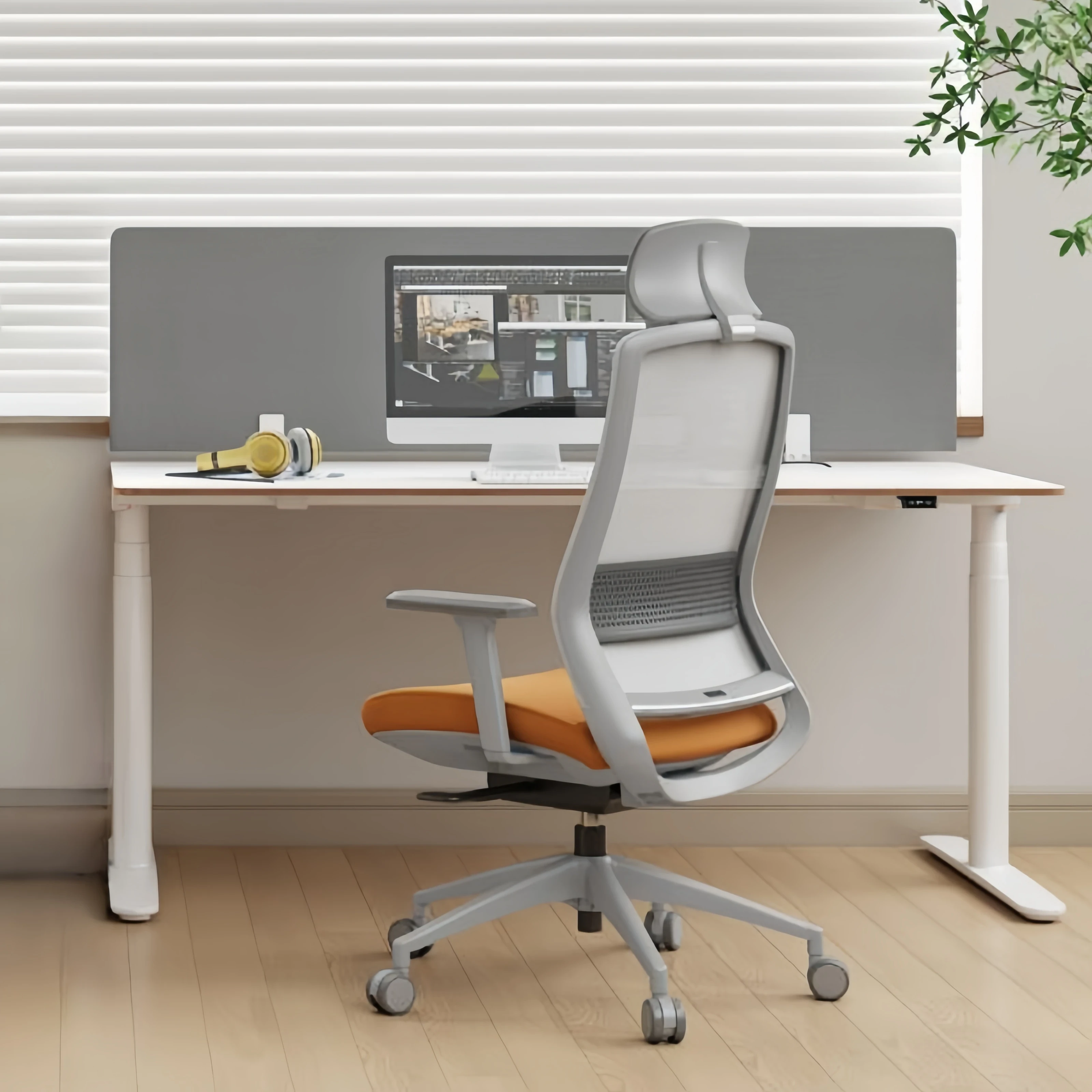
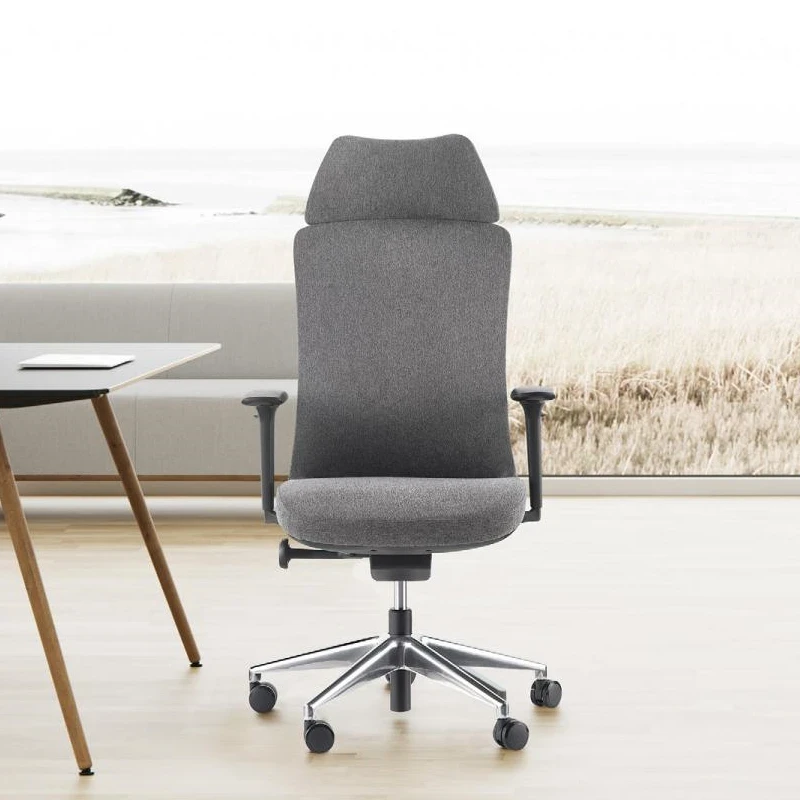
Different departments often have different working hours and task types. Therefore, desk design should pay special attention to ergonomics to reduce physical discomfort caused by prolonged work. Adjustable desktop height, ergonomic chairs, and keyboard trays all help employees maintain good posture. Flexible desk configurations are essential for different user experiences during the design process.
4. Integration of Intelligence and Technology:
Modern office environments rely heavily on technological support, especially in IT departments. When customizing work desks, consider incorporating intelligent elements such as built-in power management systems, wireless charging devices, screen stands, and multimedia interfaces. These high-tech elements not only improve work efficiency but also enhance the overall modern feel of the work environment.
5. Aesthetics and Brand Consistency:
Work desks must strike a balance between functionality and aesthetics. By selecting appropriate materials, colors, and design styles, desks can become an extension of corporate culture and brand philosophy. This not only helps cultivate a professional corporate image but also enhances employees' sense of belonging and identification.
Conclusion:
Through customized work desks, companies can provide tailored solutions for different departments, supporting diverse work needs and models. During the design process, comprehensively considering usage needs, ergonomics, technological integration, and aesthetic expression can maximize employee job satisfaction and efficiency while effectively conveying the company's brand value and cultural connotations. Customized work desks are not just tables; they are important tools for connecting teams and driving business development.