
 USD
USD GBP
GBP
 EUR
EUR
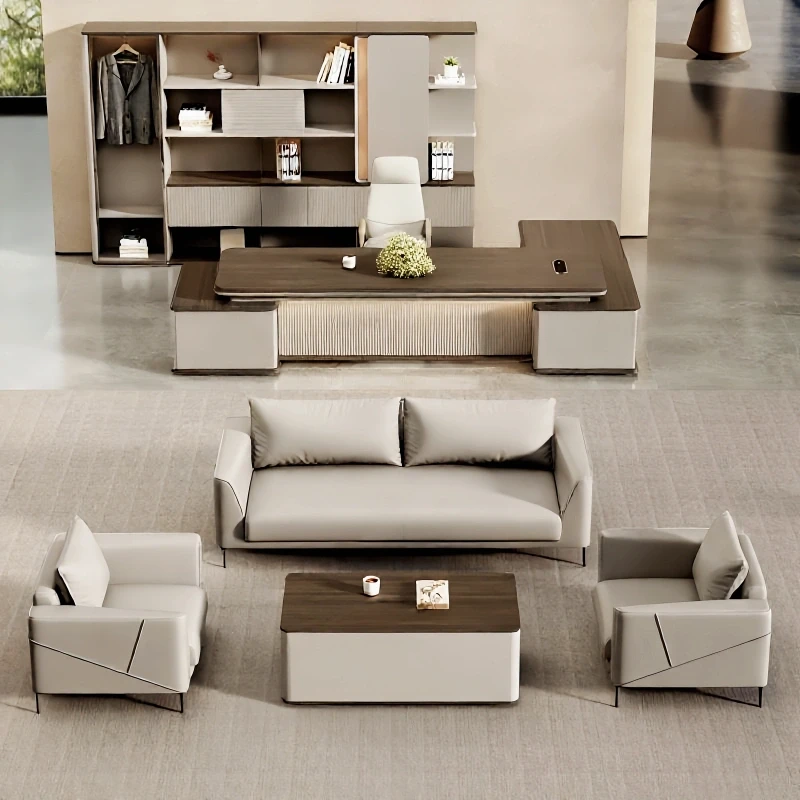
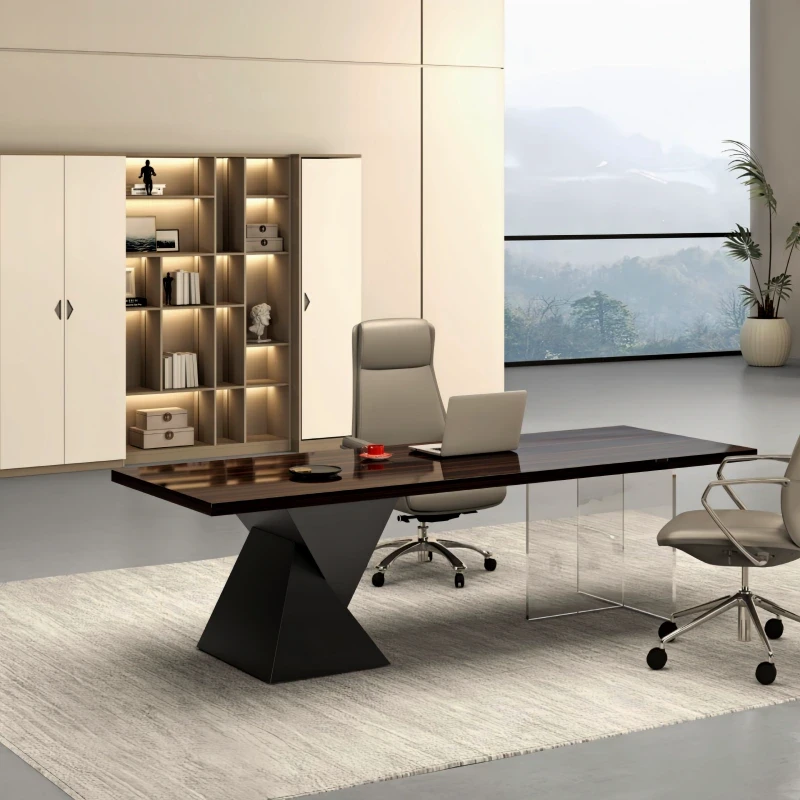


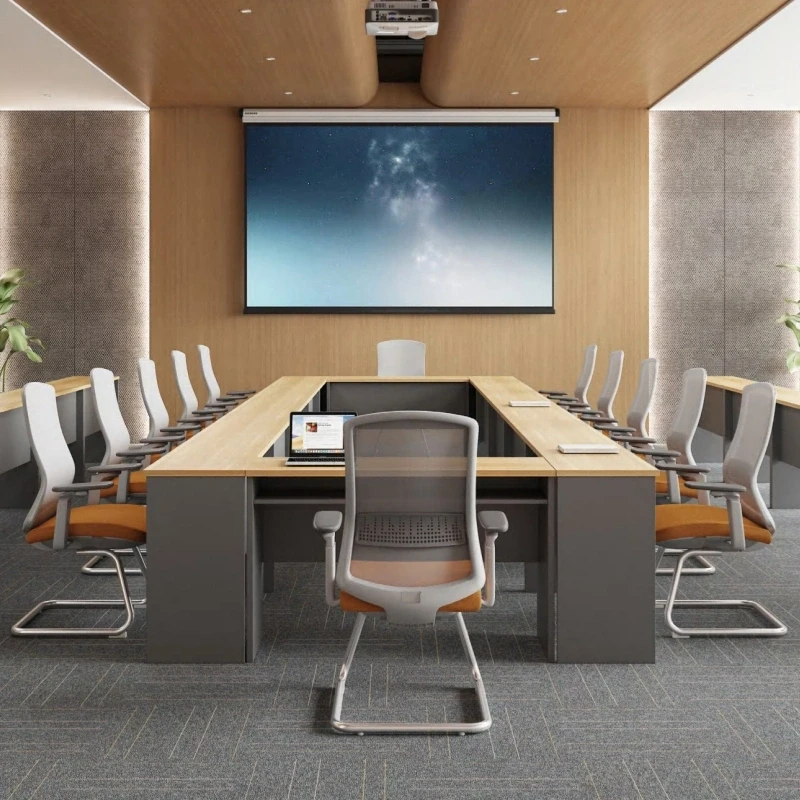
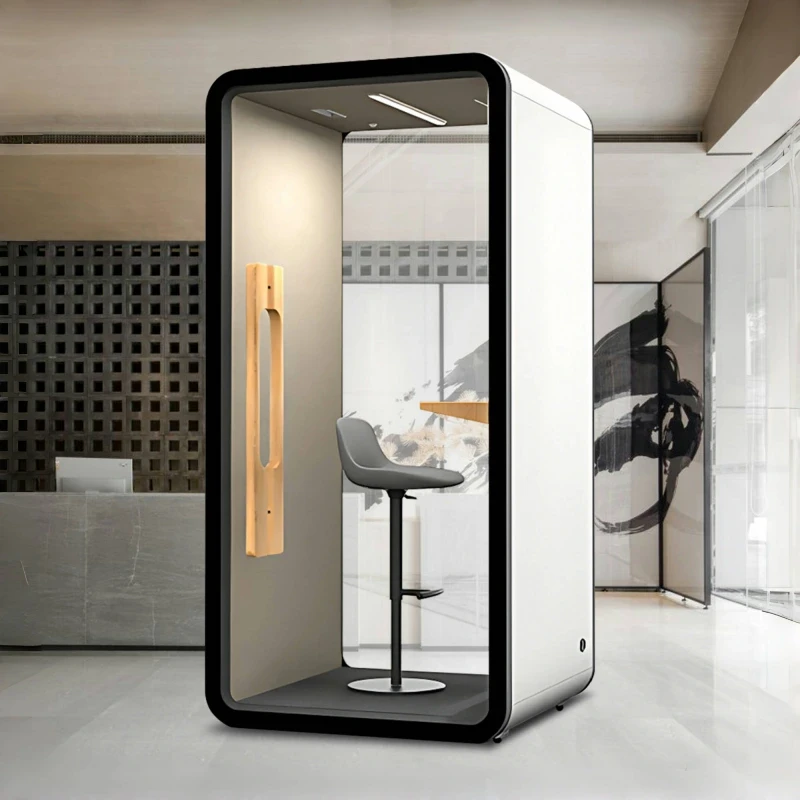
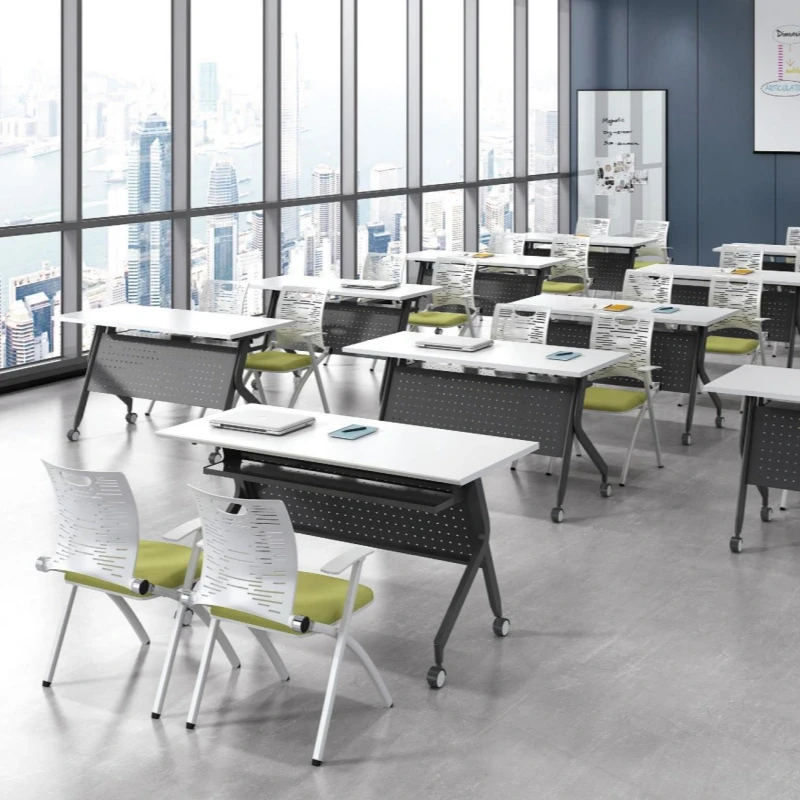
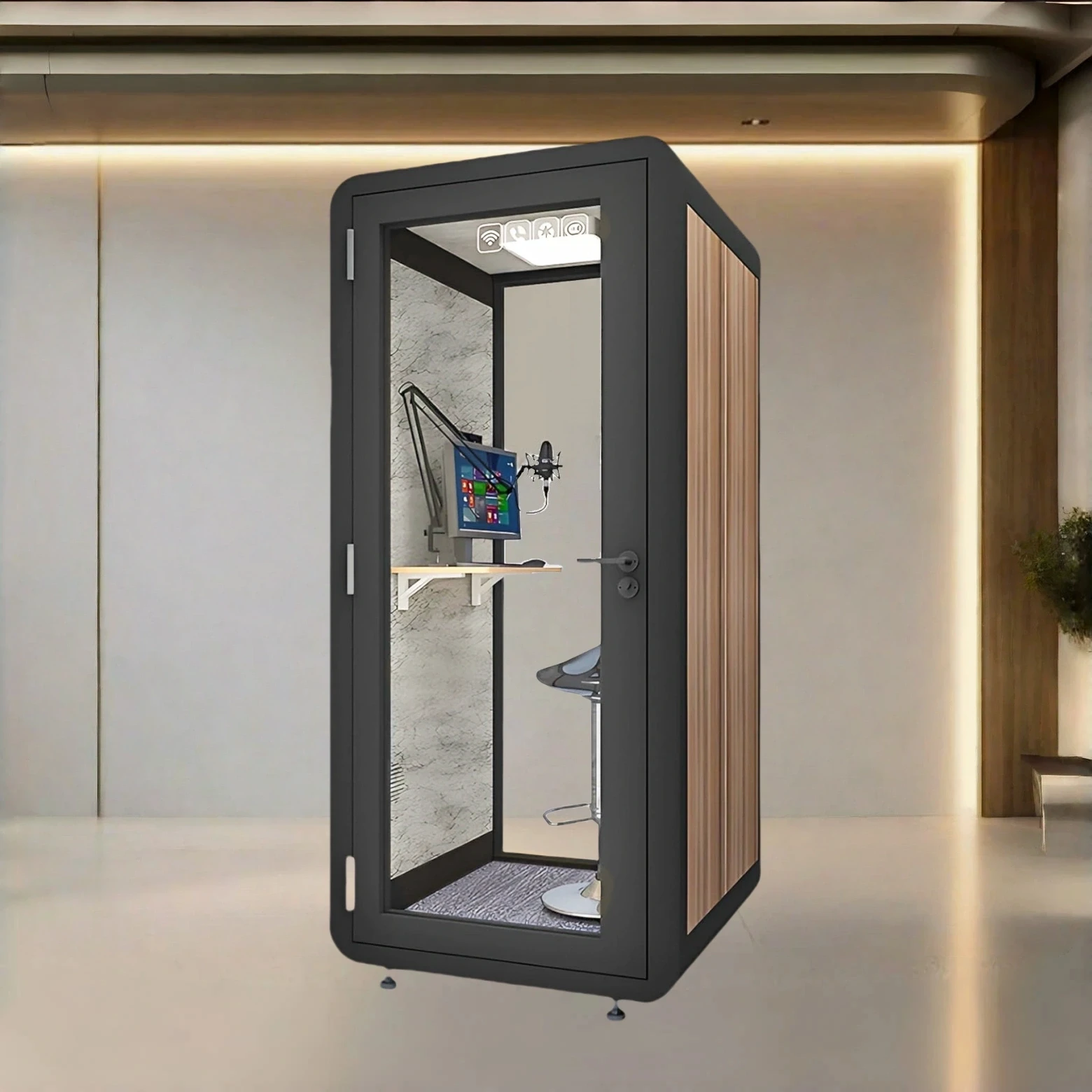
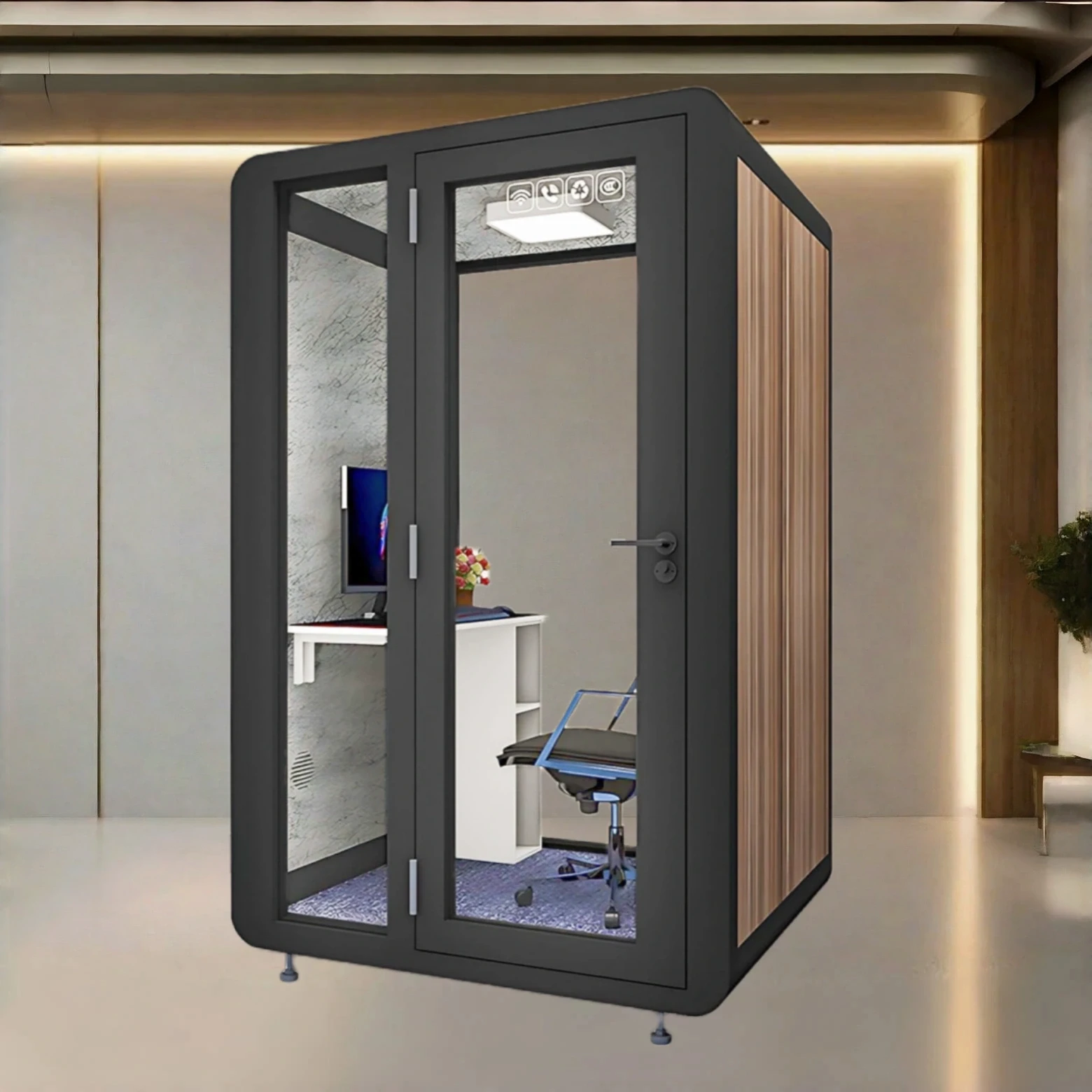
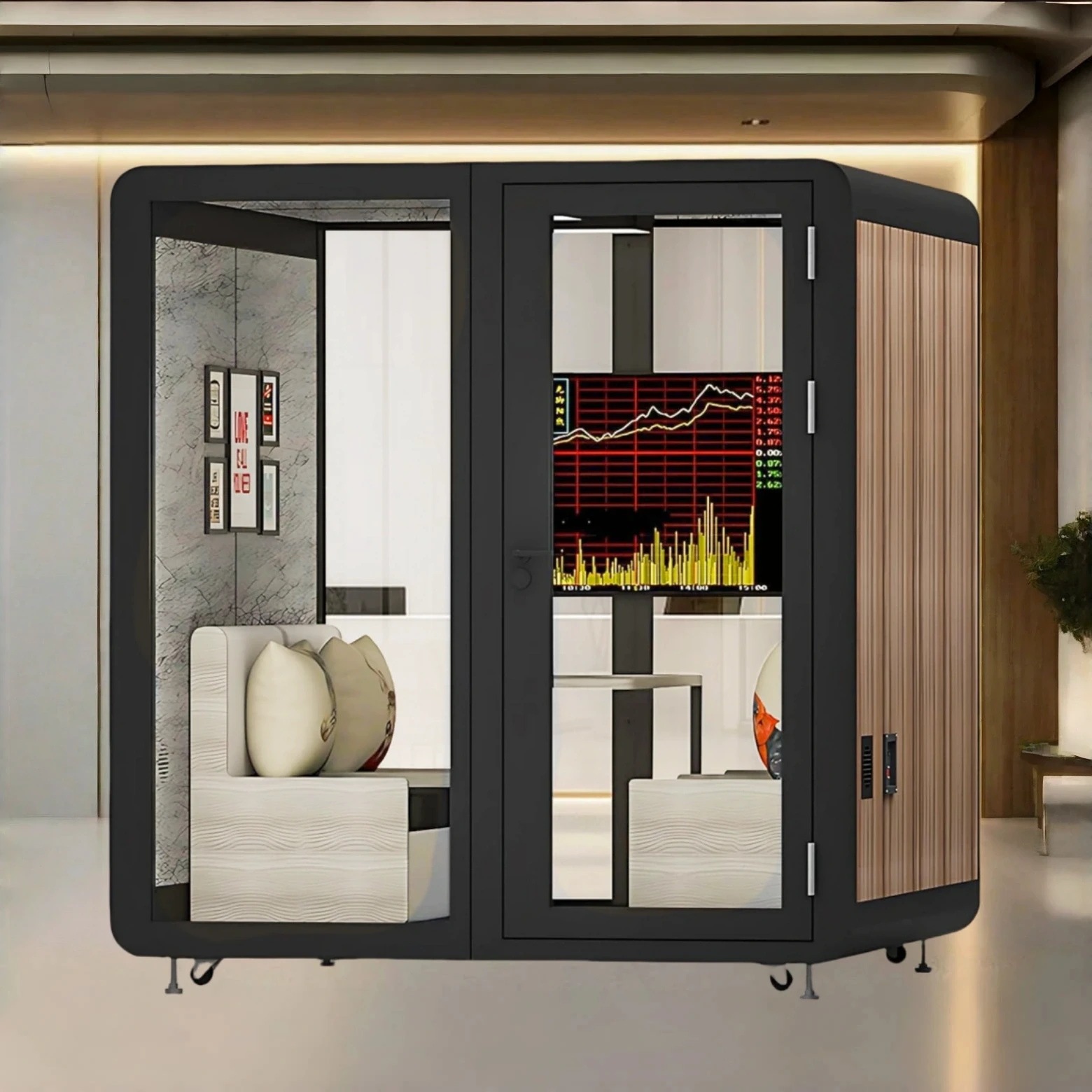
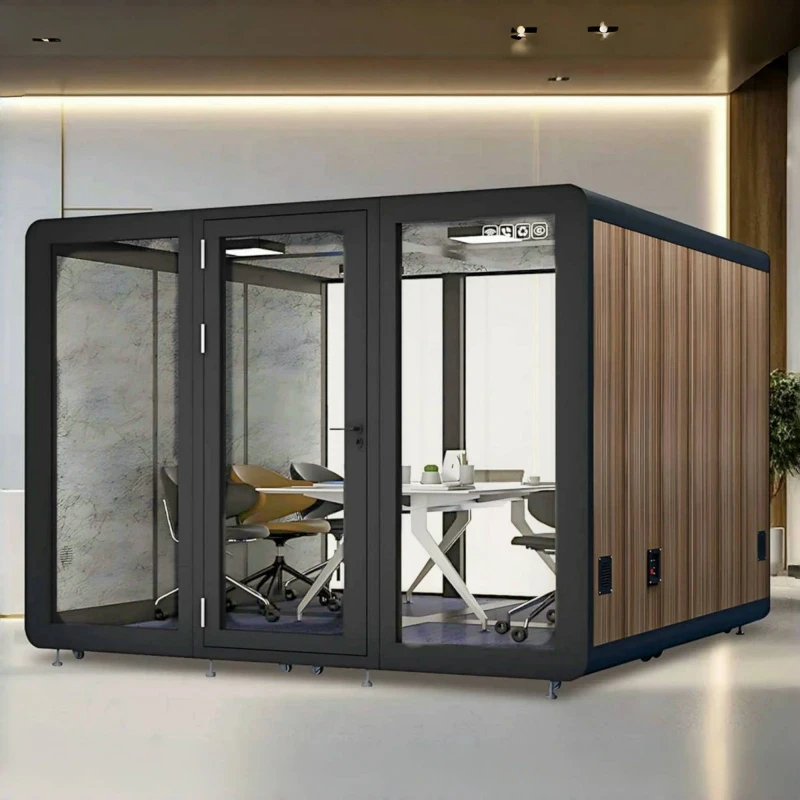



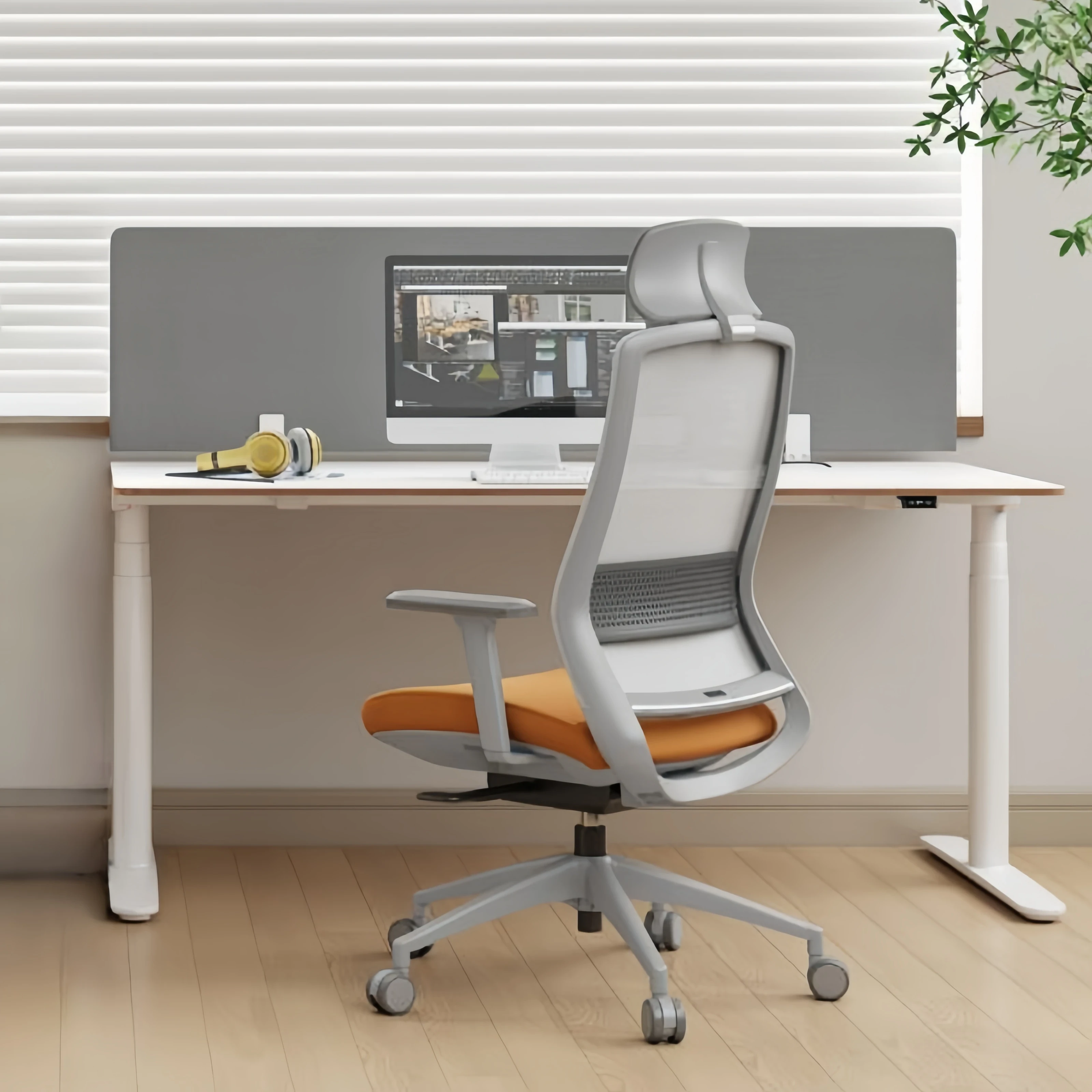


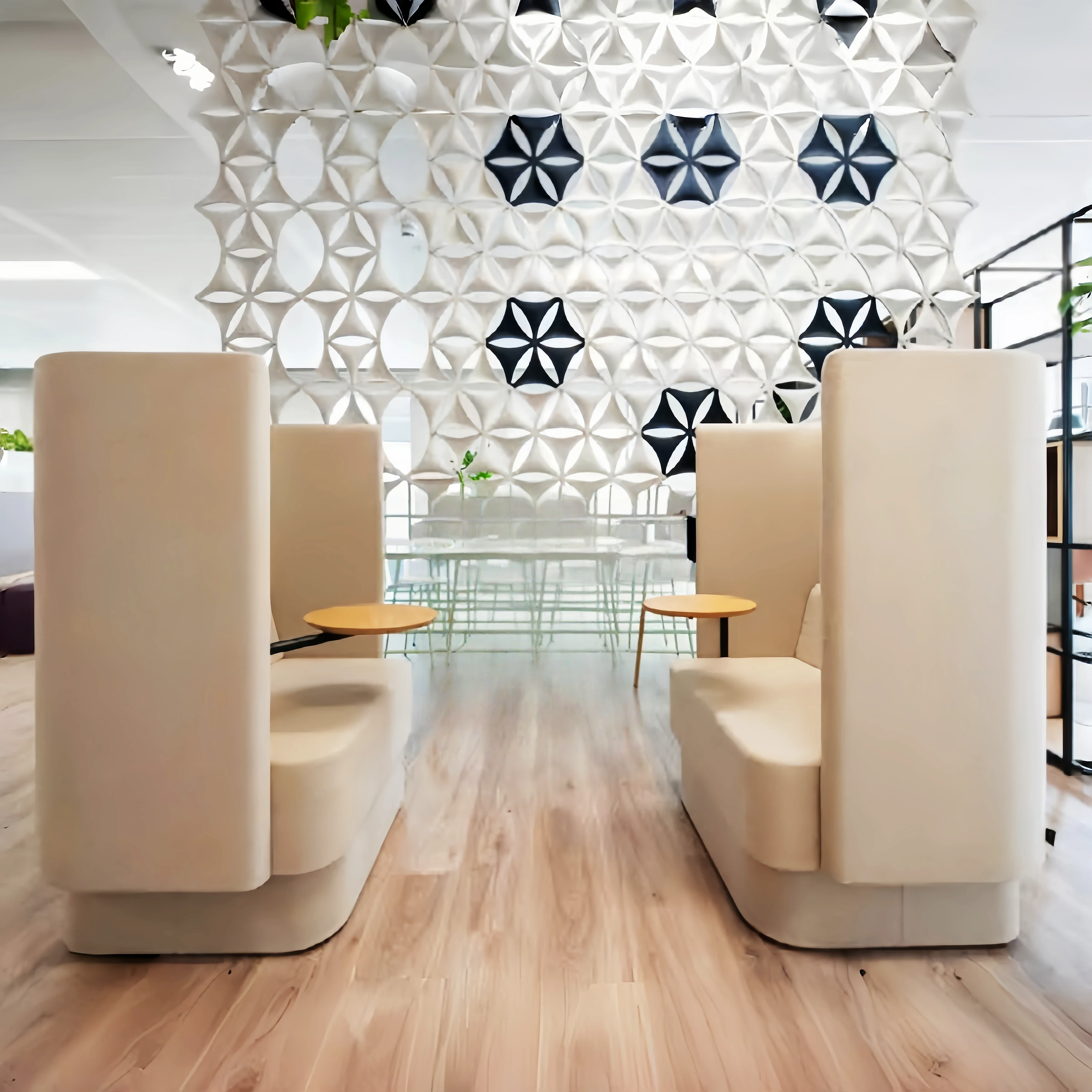

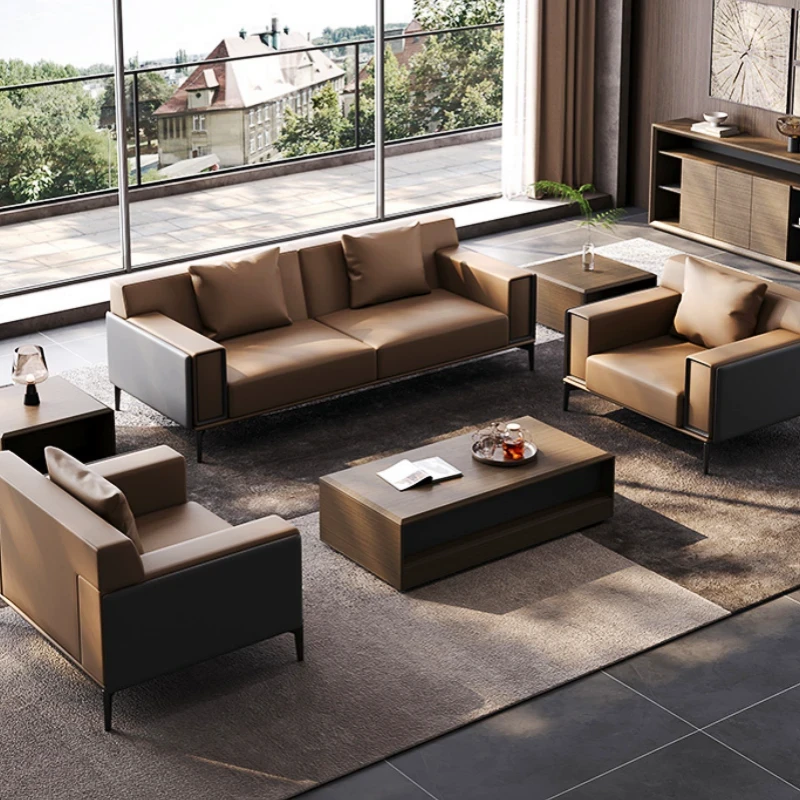

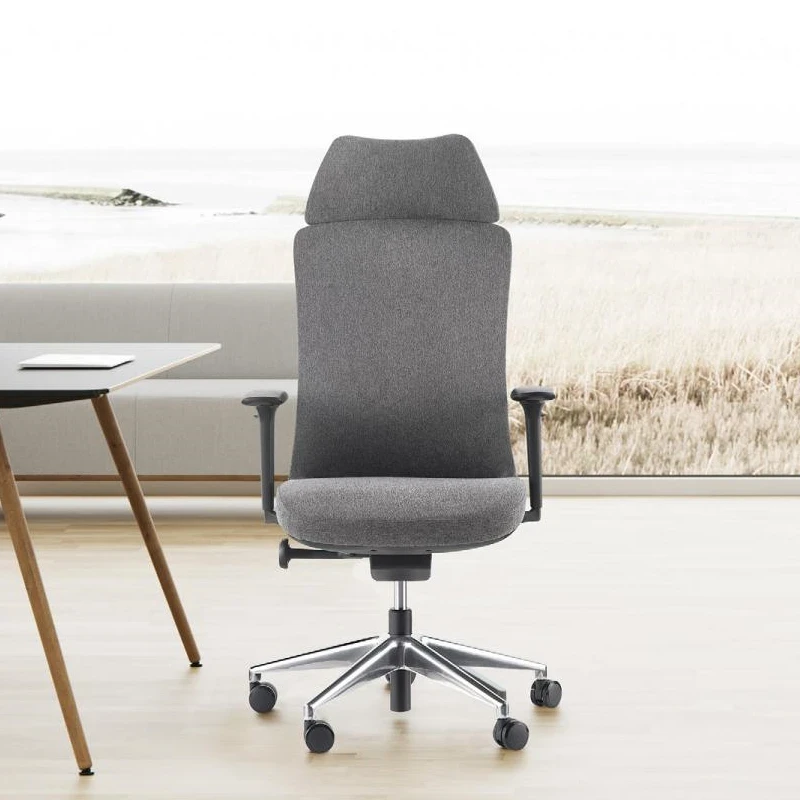


Quality is the primary consideration. High-quality office desks and chairs not only provide a better user experience but also significantly reduce replacement frequency and lower long-term costs. Companies should focus on the following aspects:
Materials: High-quality materials such as solid wood, premium metal, and environmentally friendly plastics are not only durable but also enhance the overall office environment's sophistication.
Craftsmanship: Refined manufacturing processes ensure product stability and lifespan.
Certifications: Check whether the supplier possesses relevant quality certifications, such as ISO certification, to ensure products meet international standards.
II. Supplier Reputation and Word-of-Mouth
A supplier's reputation is a guarantee of quality and service. Choosing suppliers with a good market reputation can reduce potential cooperation risks.
Customer Reviews: By reviewing customer reviews and case studies, understand other companies' feedback on the supplier's products and services.
Industry Experience: The supplier's years of experience and market share in the office furniture industry are also indicators of its reliability.
Awards and Honors: Suppliers who have received industry awards or honors typically demonstrate outstanding performance in design, quality, or service.
III. Price and Cost-Effectiveness
Reasonable price and high cost-effectiveness are important considerations for corporate procurement. Companies need to choose products that meet their needs and offer good value for money within their budget.
Price Transparency: Understand the detailed pricing of products to avoid hidden fees.
Bulk Discounts: Does the supplier offer discounts for large-volume purchases?
Long-Term Costs: Comprehensively consider product lifespan, maintenance costs, and after-sales service to ensure total costs remain within a controllable range.
IV. Customized Services and Flexibility:
The diversity of office environments requires suppliers to have flexible customization capabilities. The supplier's ability to provide personalized solutions based on the company's specific needs is a crucial factor in selection.
Customization Options: Including size, color, material, and function, can the supplier flexibly adjust to meet special needs?
Design Support: Does the supplier provide professional design support to help companies optimize their office space layout?
Response Speed: The supplier's response speed and adjustment capabilities in case of changes in requirements or emergencies.
V. Delivery Time and Supply Capacity :
On-time delivery and stable supply capacity are crucial to the company's work progress. Suppliers need to have stable production capacity and an efficient logistics system.
Production Capacity: Does the supplier have sufficient production capacity to complete orders on time?
Inventory Management: Does the supplier have a reasonable inventory management system to ensure an adequate supply of commonly used products?
Logistics Cooperation: Cooperating with professional logistics companies to ensure timely and safe delivery of products.
VI. After-Sales Service and Warranty Policy
High-quality after-sales service is a crucial aspect of protecting a company's interests. Suppliers must provide comprehensive after-sales support to ensure that problems encountered during product use can be resolved promptly.
Warranty Period: Understand the product's warranty period and coverage to ensure free repair or replacement for any issues within the warranty period.
Repair Service: Does the supplier provide on-site repair or rapid response repair services?
Customer Support: A comprehensive customer service system, including telephone support, online consultation, and technical support, ensures continuous assistance to the company during use.
VII. Environmental Protection and Sustainability With
increasing environmental awareness, companies are placing greater emphasis on the environmental performance of office furniture. Choosing suppliers with environmentally friendly materials and sustainable development practices helps enhance a company's image and fulfill its social responsibilities.
Environmental Certification: Does the supplier possess environmental certifications to ensure that products meet environmental standards?
Sustainable Development: Does the supplier prioritize resource conservation and environmental protection measures during production, and does it promote a sustainable development business philosophy?
VIII. Design and Ergonomics
The design of office desks and chairs directly impacts employee comfort and health. Ergonomic design effectively reduces physical discomfort caused by prolonged office work and improves work efficiency.
Ergonomic Design: Does the office chair feature height adjustment, backrest tilt, and lumbar support? Does the desk conform to ergonomic height to ensure user comfort and health?
Aesthetics and Style: Does the product design match the company's office environment and brand image, enhancing the overall aesthetics of the office space?
Conclusion:
Choosing a suitable office desk and chair supplier is a crucial step for companies to optimize their office environment and improve employee productivity and health. During the selection process, companies should comprehensively consider multiple aspects, including product quality, supplier reputation, price-performance ratio, customization capabilities, delivery time, after-sales service, environmental friendliness, and design and ergonomics. Through careful examination and comparison, companies can find the most suitable supplier to meet their needs, creating a comfortable and efficient office space that provides solid support for the continued development of their business.