
 USD
USD GBP
GBP
 EUR
EUR
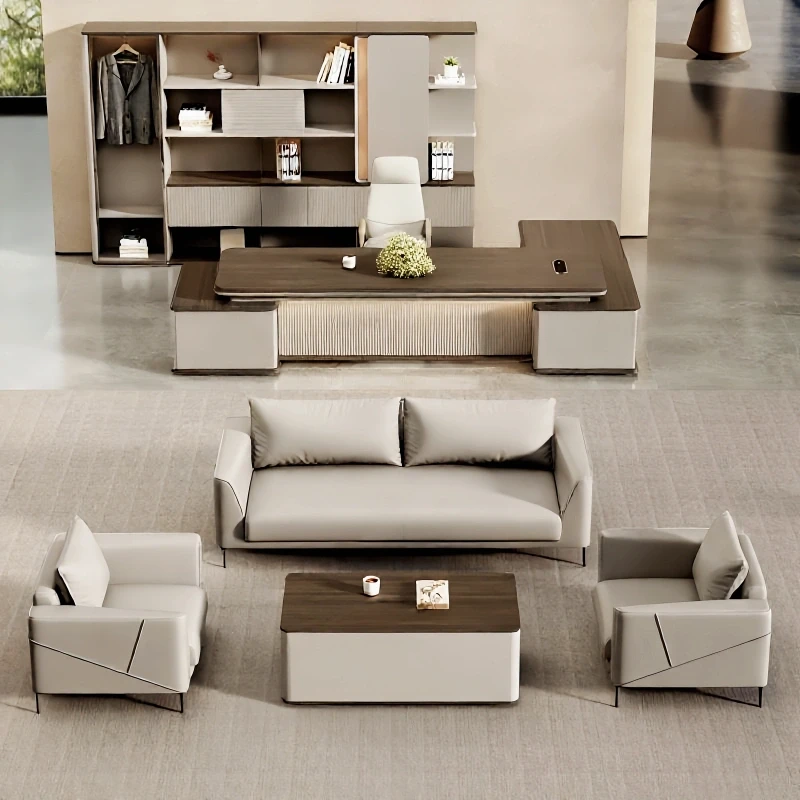
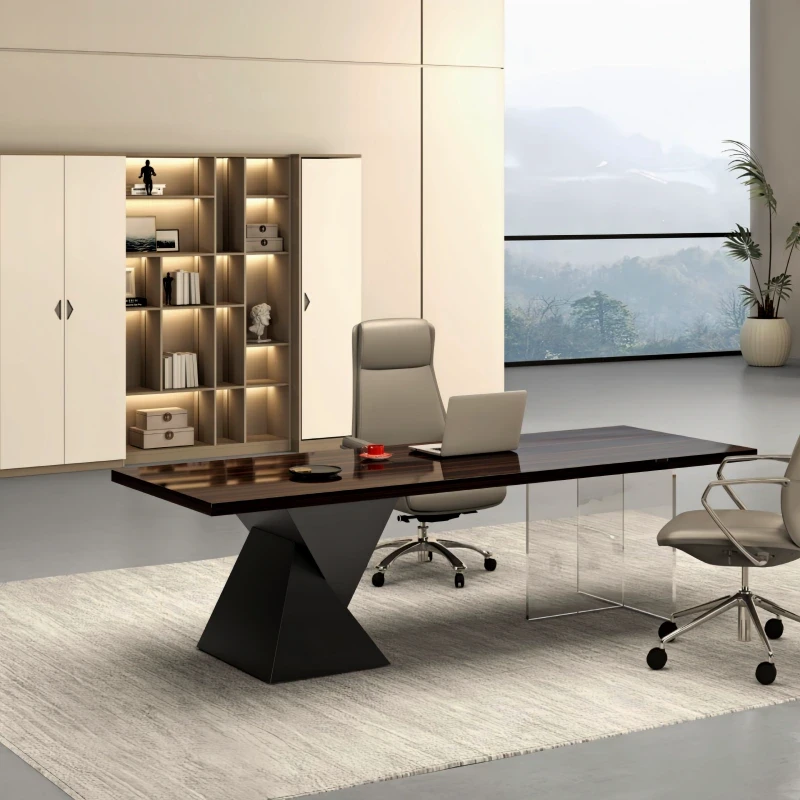


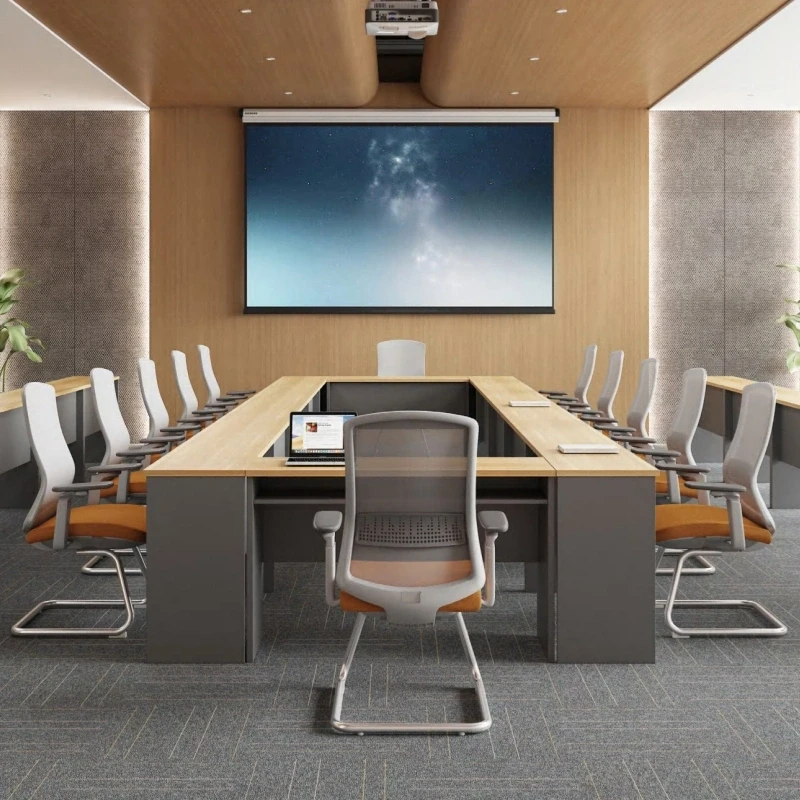
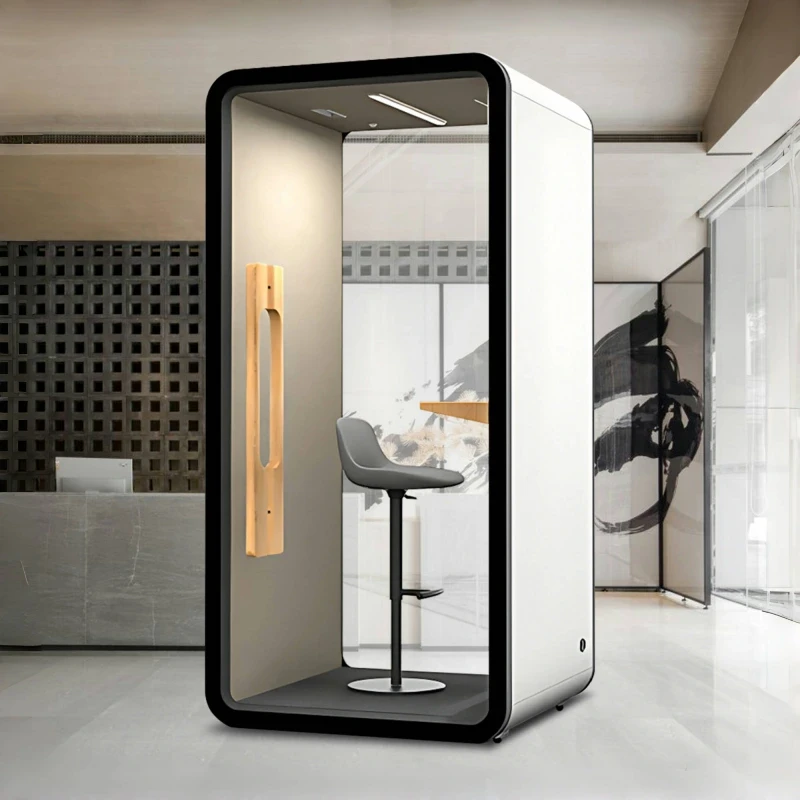
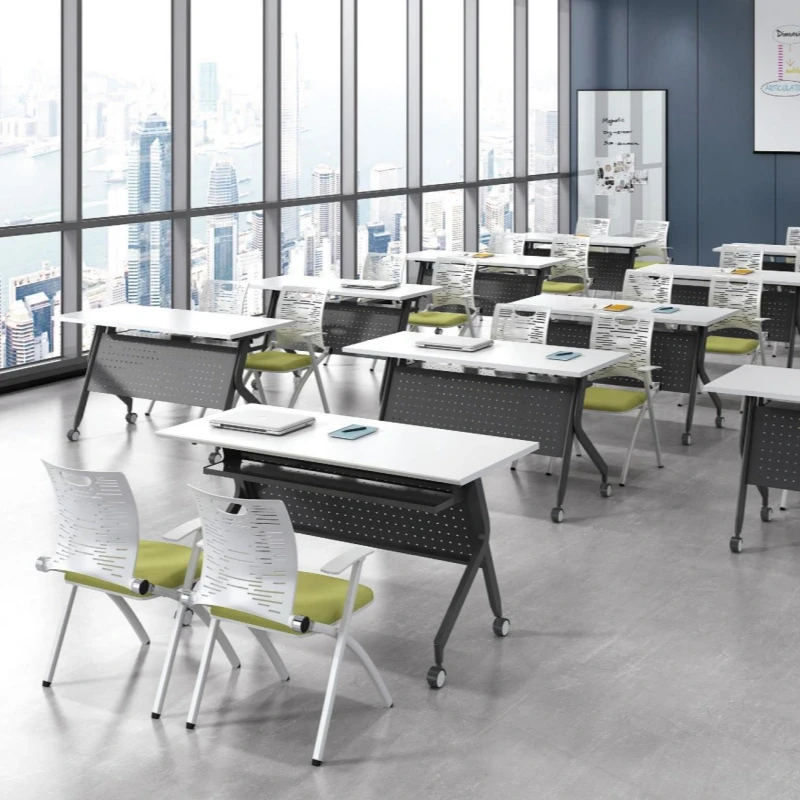
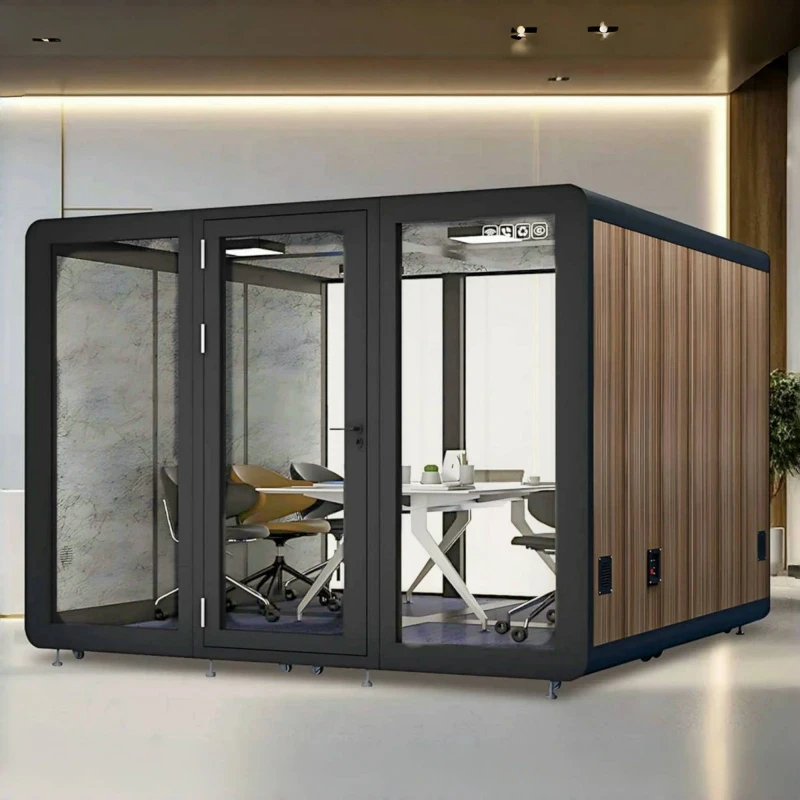
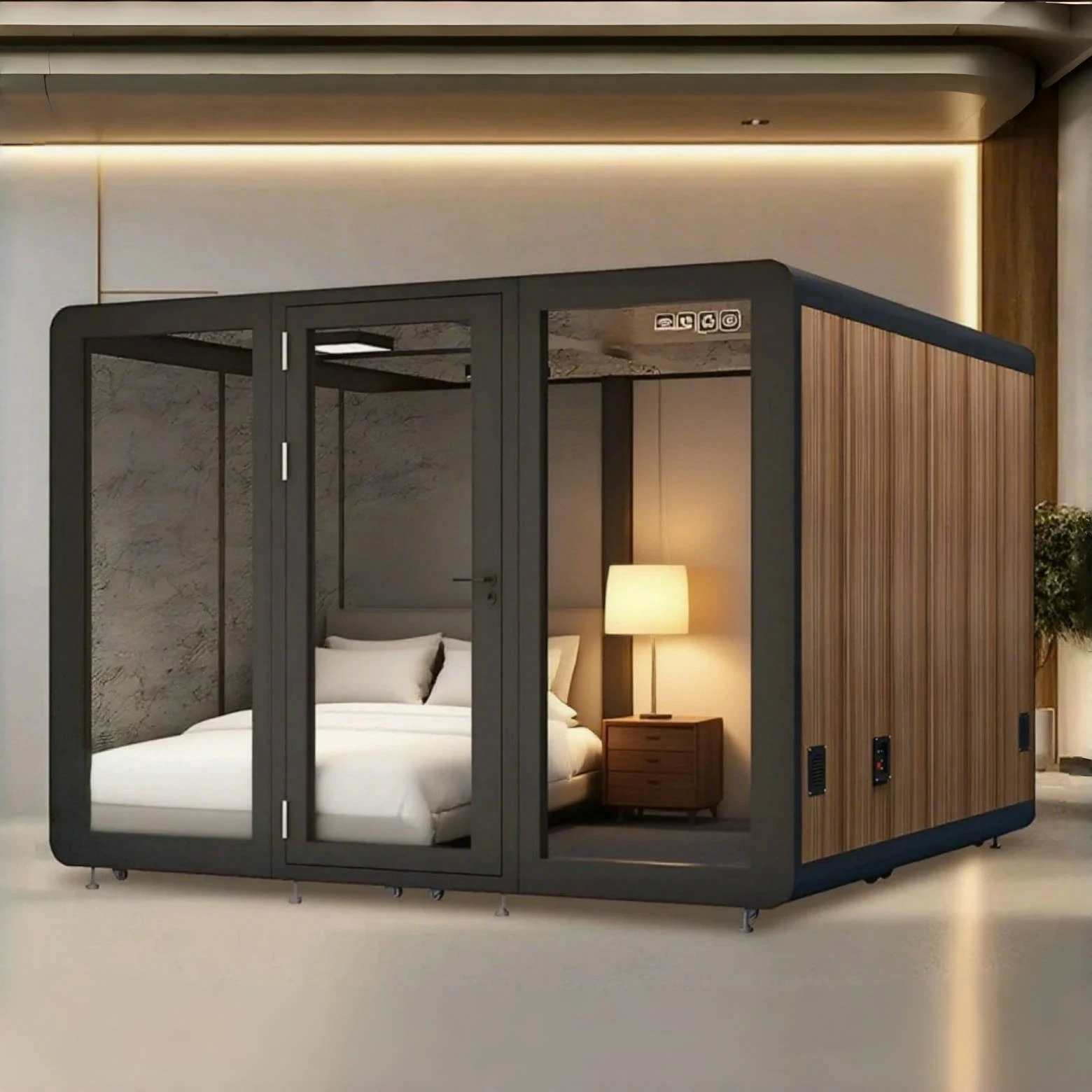


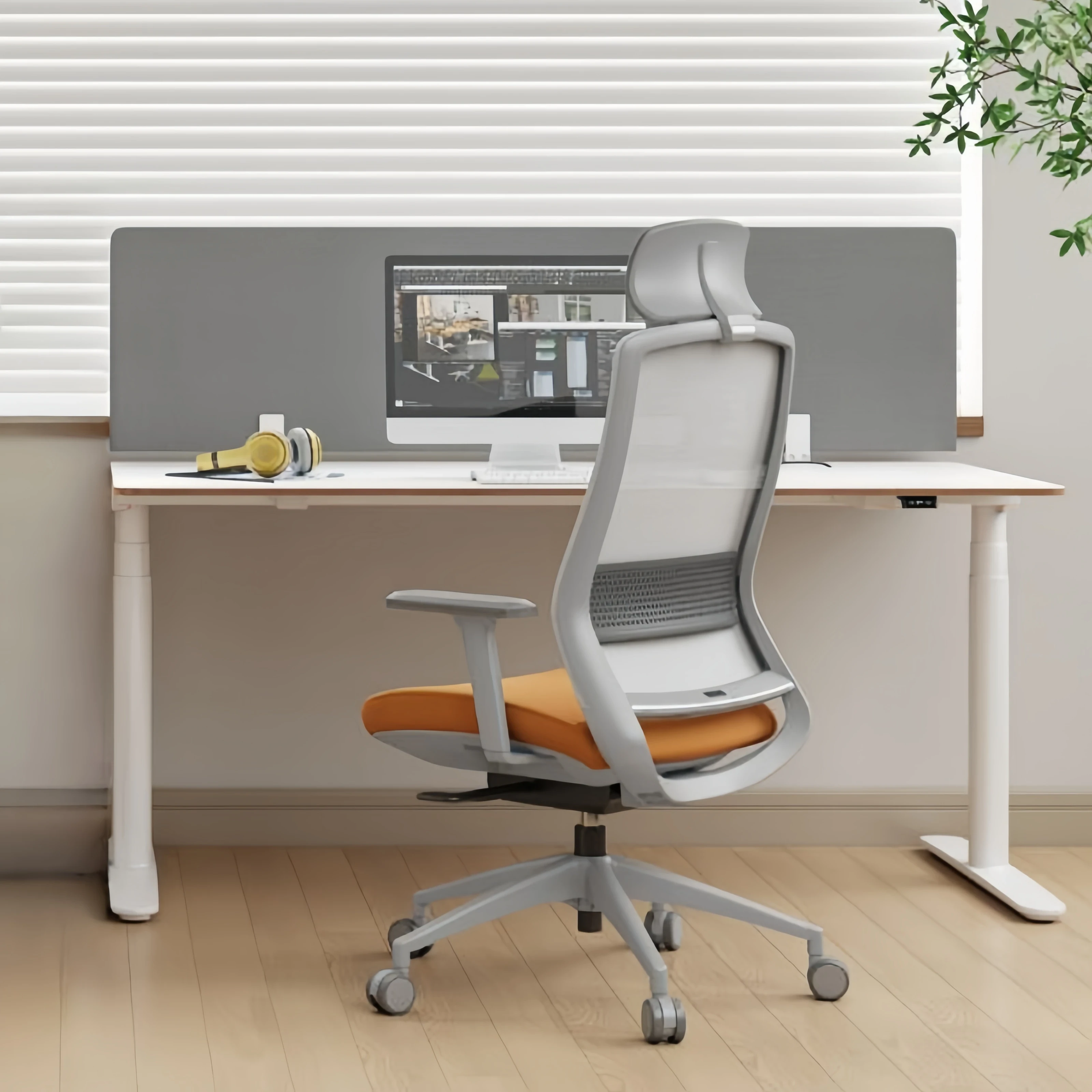


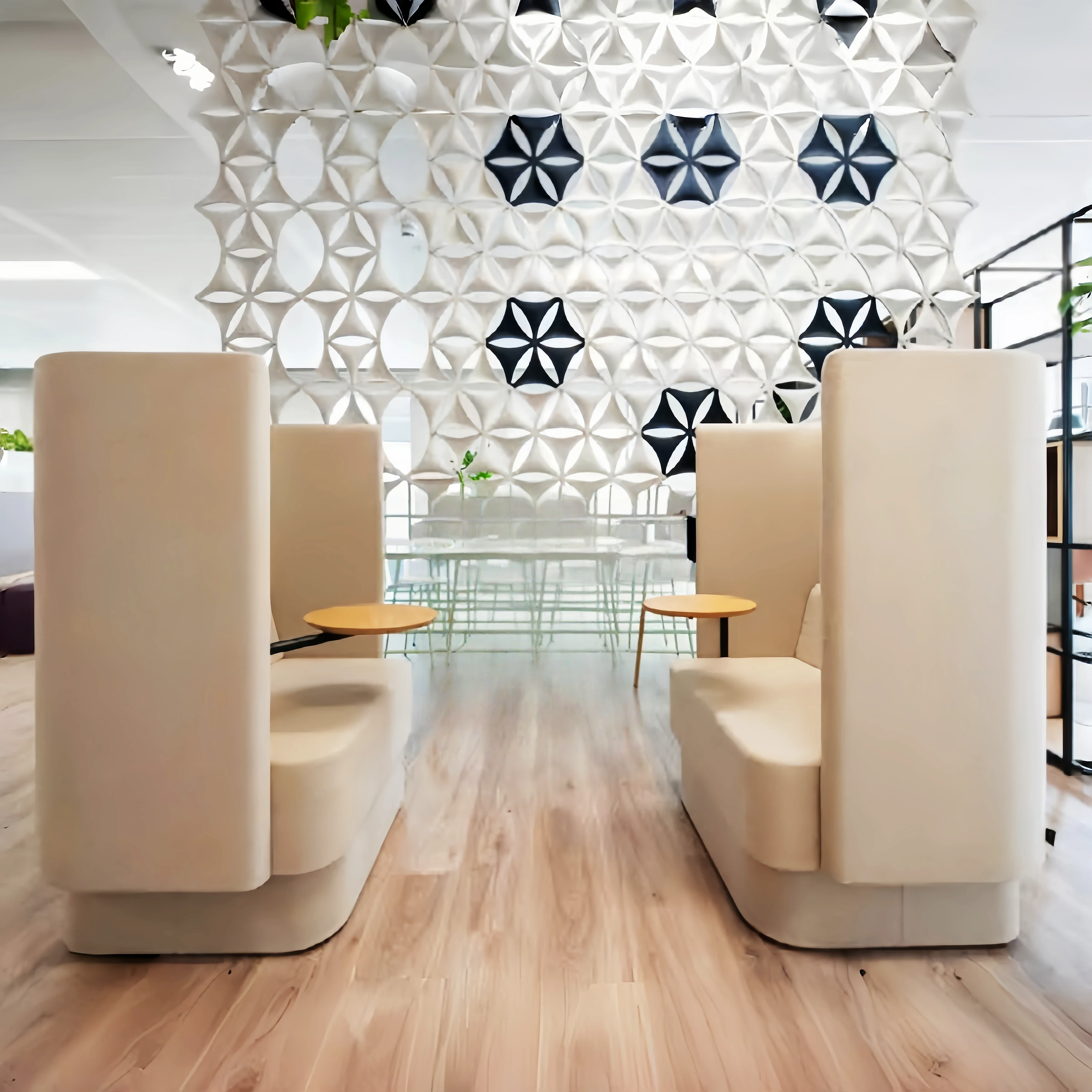

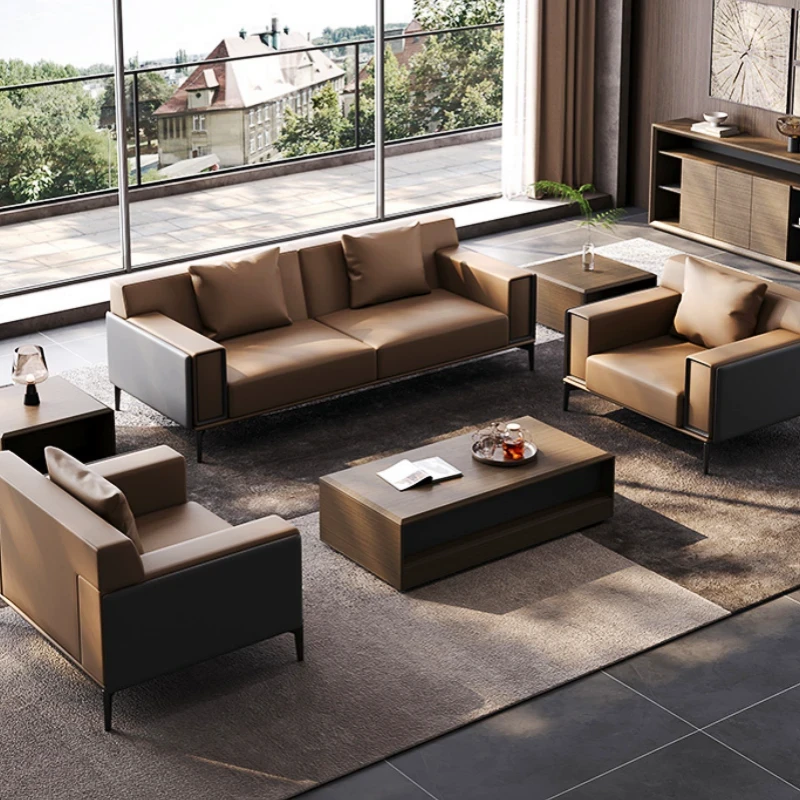
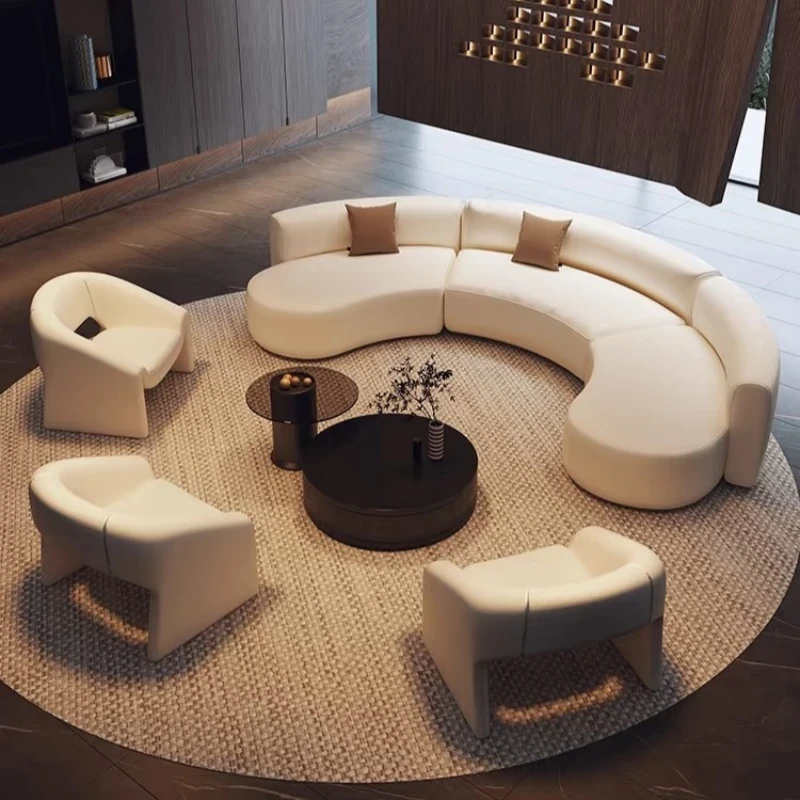
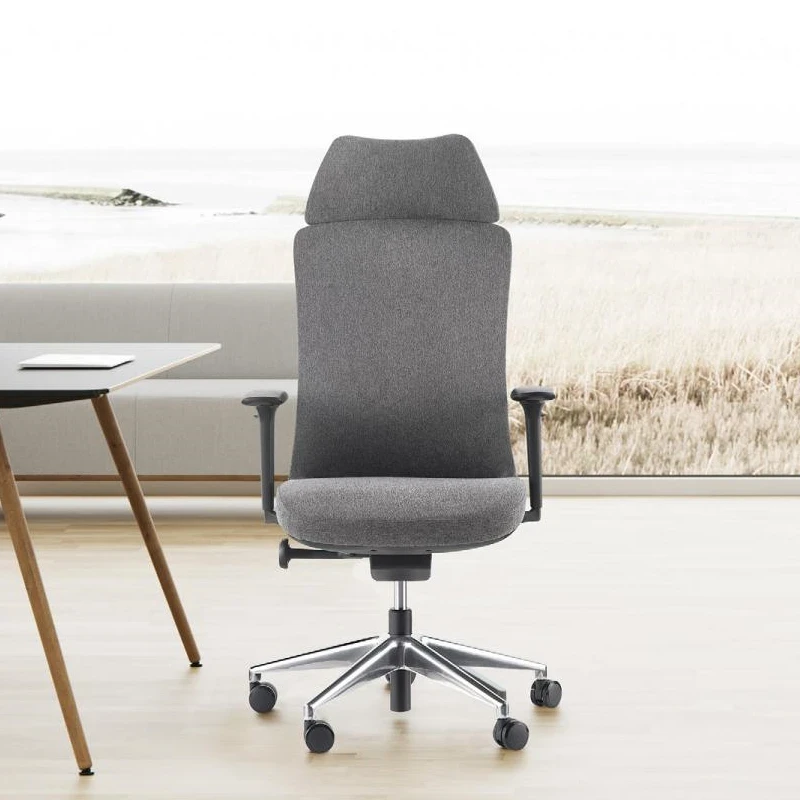


The arrangement of furniture directly impacts the flow of people and the potential for social interaction in hotel public areas.
Open Layout: Open furniture arrangements promote more natural contact and communication. For example, arranging chairs and sofas in a semi-open or symmetrical structure creates small communication circles, providing more opportunities for social interaction.
Circulation Planning: A well-designed circulation system guides guests to easily find their desired destinations, reducing discomfort caused by crowding or getting lost. For example, properly arranging chairs and tables avoids obstructing main passageways.
2. Atmosphere Creation and Sensory Experience:
The style and materials of furniture significantly influence the atmosphere and sensory experience of public areas.
Materials and Colors: Soft materials and tones create a warm and comfortable atmosphere, while metallic or glass materials paired with neutral tones convey a sense of modernity and luxury. Combining different materials and colors can adjust the perceived temperature and overall impression of an area.
Lighting and Furniture Integration: Lighting is also a crucial element in creating atmosphere. Integrating lighting fixtures with furniture design can emphasize specific areas or highlight details of certain furniture pieces. For example, using spotlights to highlight art installations makes the entire space more vibrant.
3. Balancing Privacy and Openness:
Public areas need to strike a balance between privacy and openness to meet the needs of diverse guests.
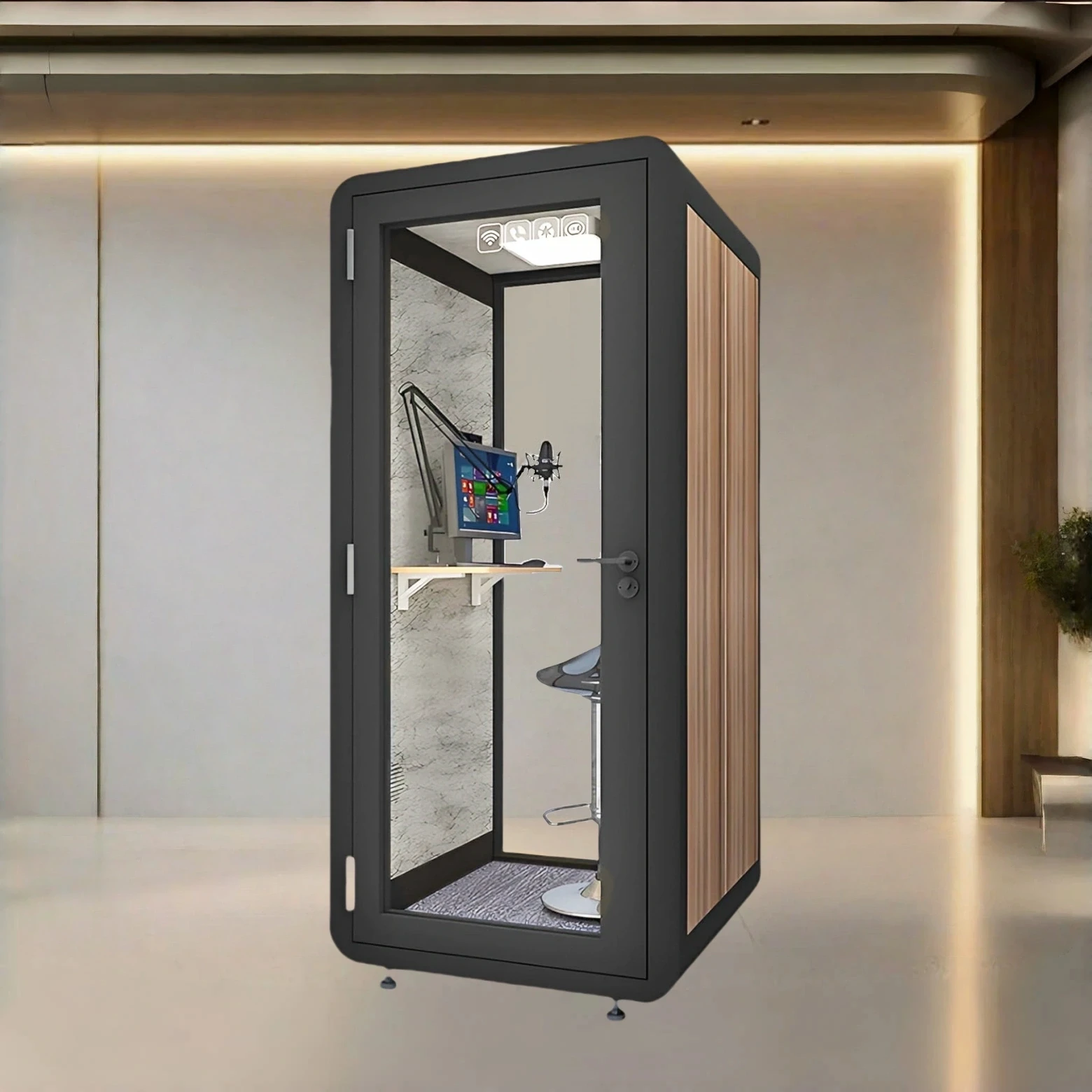
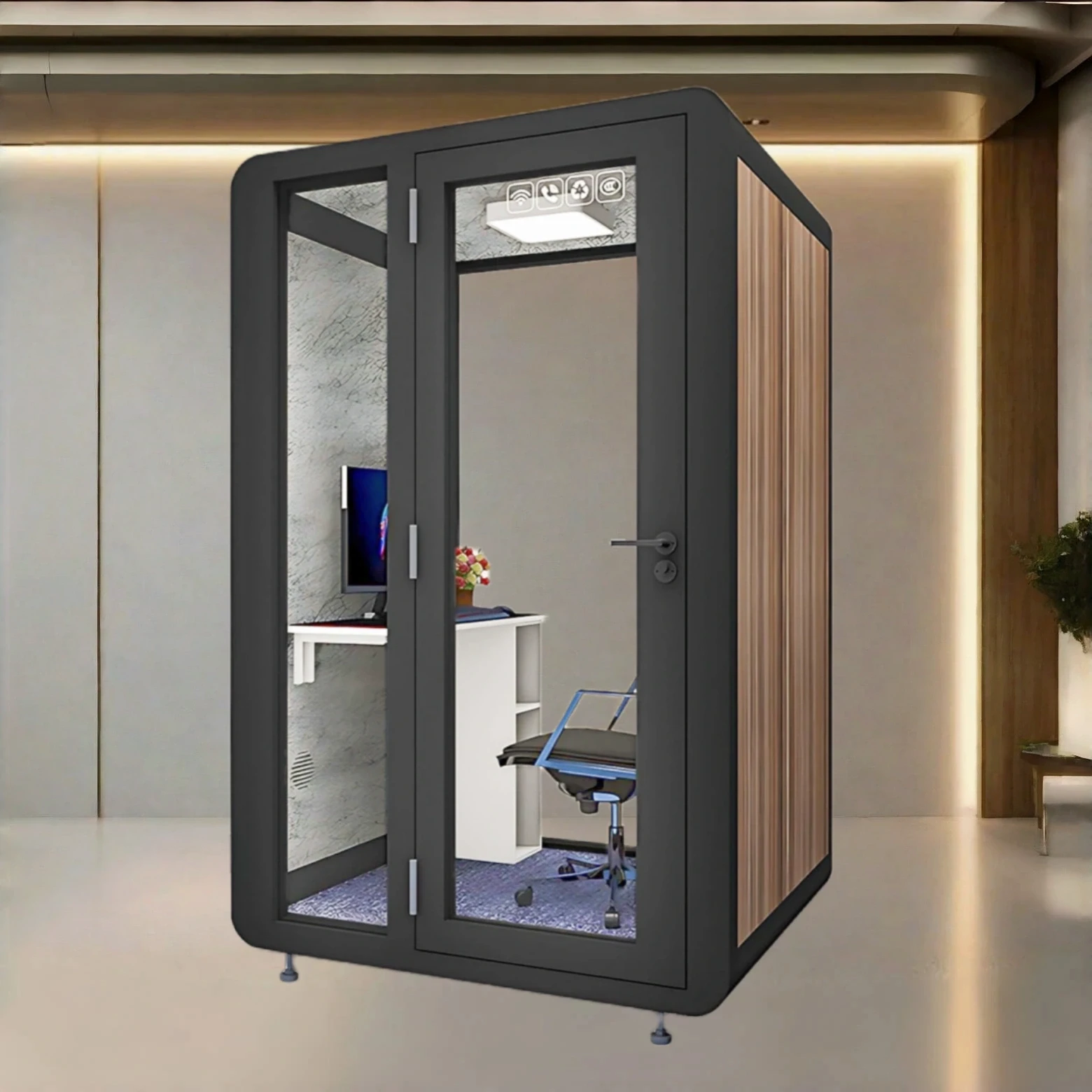
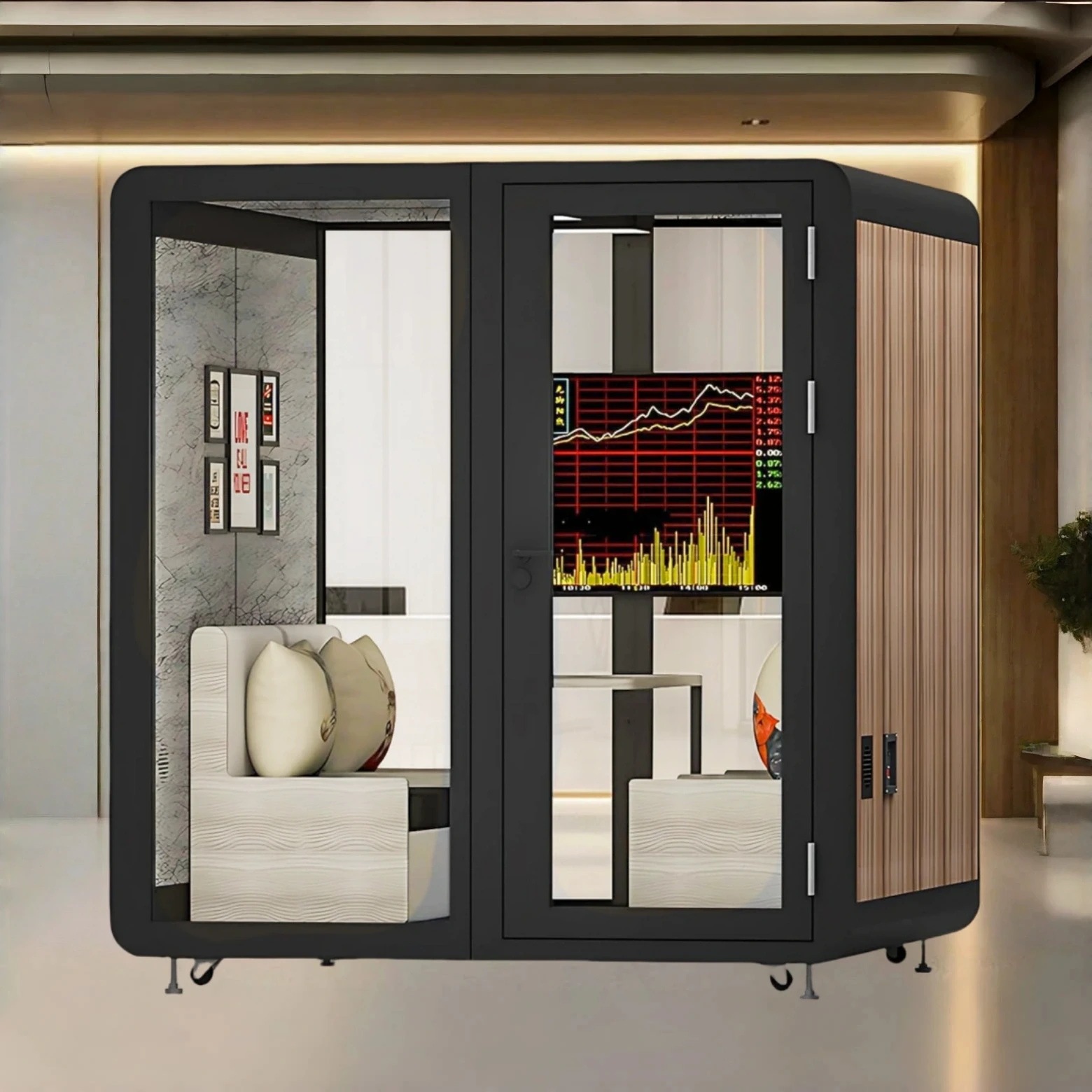
Screens and Partitions: Utilize furniture such as screens or bookshelves to create semi-open spaces, maintaining a degree of privacy while not completely isolating guests from interaction. This allows guests to enjoy personal space while also incorporating larger social activities when needed.
Multifunctional Furniture: Using flexible, multifunctional furniture, such as movable screens and height-adjustable tables and chairs, can quickly adapt to different occasions, such as business meetings, casual social gatherings, and special events, ensuring both privacy and open space utilization.
4. Cultural Theme and Brand Characteristics :
Furniture arrangement should also reflect the hotel's brand image and cultural theme.
Cultural Elements Integration: Incorporating local cultural elements into furniture design allows international travelers to experience a unique regional character. This can be achieved through carvings, fabric patterns, and artwork displays.
Brand Consistency: Ensure that the style and design of the furniture are consistent with the hotel's brand image to convey professional and consistent service standards, thereby enhancing customer brand identification.
In conclusion,
furniture placement plays a crucial role in the public areas of five-star hotels. It not only affects guests' comfort and visual experience but also directly impacts the frequency and quality of social interactions. Through a well-planned layout, appropriate material and style selection, and the clever integration of cultural and brand elements, hotels can maximize the functionality and appeal of their public areas, creating unique and unforgettable experiences for guests.